REVIEW · SIEM REAP
Angkor Wat Sunrise Experience – Ultimate 1-Day Guided Temple Tour
Book on Viator →Operated by Yoeun Serakyuth · Bookable on Viator
Sunrise at Angkor Wat feels like a reset. This one-day guided temple loop in Siem Reap is built for early-morning magic and clear explanations, with pickup, cold water, and a guide who knows what you’re looking at. I especially like the way Yoeun Serakyuth (often referred to as Yuth or Serakyuth) connects the carvings and inscriptions to real Khmer faith shifts, and how the schedule hits the big names: Angkor Wat at sunrise, then Ta Prohm, Angkor Thom, and Bayon.
One possible drawback: it starts at 4:30 am, and the temple ticket plus breakfast and lunch are not included in the price.
If you want a relaxed day with lots of wandering time on your own, this one may feel fast. But if you want efficiency without feeling like you’re on a checklist, the small group size (max 16) and the guide’s pacing are exactly why this works.
In This Review
- Key things I’d watch for before you book
- 4:30 AM Sunrise at Angkor Wat: what the first minutes are really for
- A guide who reads the temple stories: Yoeun Serakyuth’s real value
- Angkor Wat after sunrise: the best way to see without feeling lost
- Ta Prohm: the breakfast break and why the roots grab you
- Angkor Thom and Bayon: how to handle a compact schedule
- Tickets, transport, and the tight 8-hour plan
- Price and value: what $24.03 is really buying
- Who this tour fits best (and who might want a different pace)
- Should you book this one-day guided temple run?
- FAQ
- What time does the tour start?
- How long is the tour?
- Is pickup included?
- What’s included in the tour price?
- Are temple tickets included?
- Is breakfast included?
- Is lunch included?
- How big is the group?
- What if the weather is bad?
Key things I’d watch for before you book
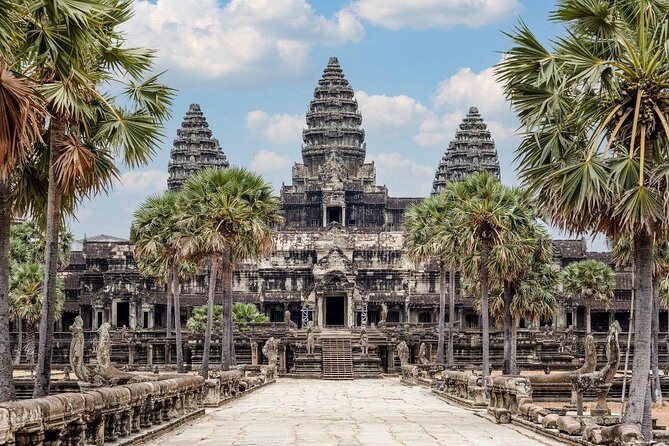
- 4:30 am start for the best light so you’re at Angkor Wat before the main crush
- Small-group size (max 16) which helps with navigation and photo stops
- A guide who reads inscriptions and explains Hindu-to-Buddhist shifts so the temples make sense fast
- A photo-friendly plan at the key viewpoints plus help getting pictures where it looks best
- One ticket, several sites with the guide helping you handle entry without turning it into chaos
- Time budgeting that keeps you moving through Ta Prohm, Angkor Thom, and Bayon without skipping the essentials
4:30 AM Sunrise at Angkor Wat: what the first minutes are really for
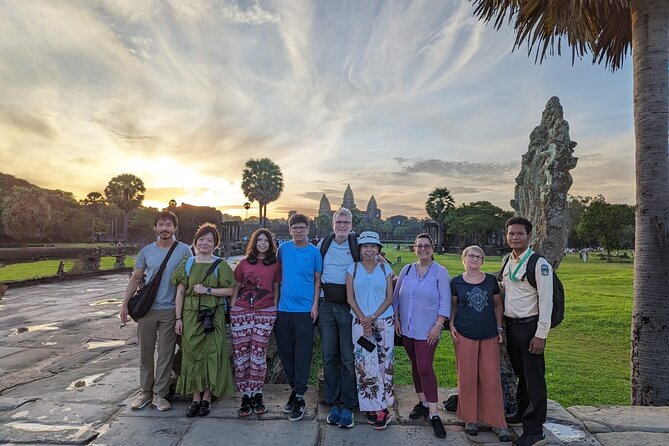
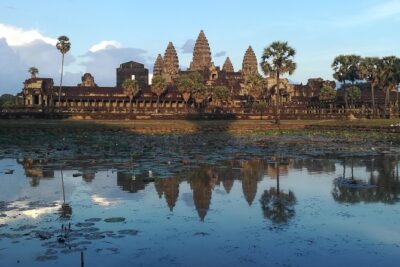
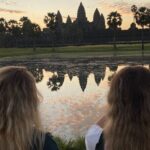
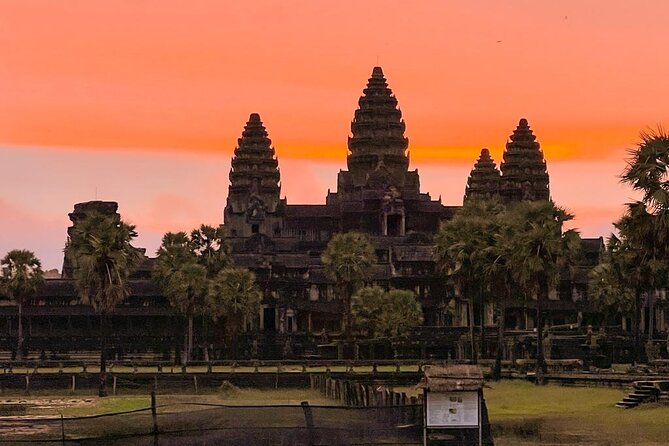
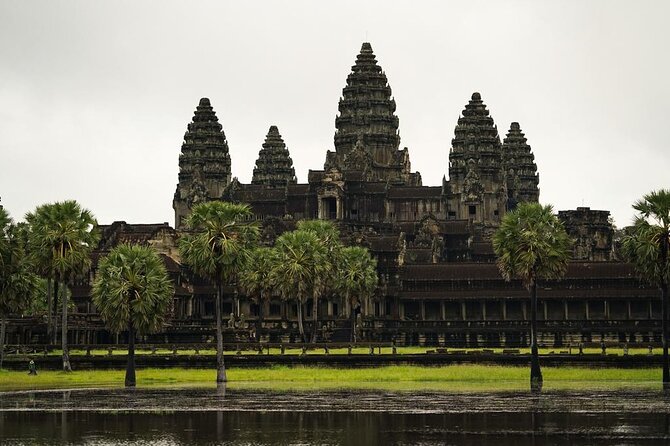
This day is all about timing. The tour starts at 4:30 am, which is early even by temple-tour standards. The payoff is simple: you reach Angkor Wat for sunrise while the site is quieter and the light is still soft. That means your photos won’t just be pretty, they’ll show the architecture without harsh glare.
Right after pickup, the tour handles the lead-in so you can focus on the temples. You’ll also get help getting the Angkor Wat temple ticket sorted. Then the guide brings you to the best spots for the sunrise moment, not just a random viewing area. After sunrise, you don’t rush away. You stay for a guided Angkor Wat walk with stops where the details matter, like the carvings and the layout that makes the whole complex feel intentional rather than random stones.
The schedule also explains why you’re doing a one-day itinerary at all. If you wait until late morning, crowds, heat, and tour traffic can shrink your time for looking. A dawn start preserves more of the day for actual seeing.
You can also read our reviews of more guided tours in Siem Reap

A guide who reads the temple stories: Yoeun Serakyuth’s real value
For me, the biggest strength here isn’t just that you visit famous temples. It’s how you understand them while you’re there. The guide behind this tour is Yoeun Serakyuth. Many guests call him Yuth or Serakyuth, and the consistent theme is the same: he explains what you’re seeing in plain language.
Here’s what that means on the ground:
- You get context on how the region’s religious traditions shaped the monuments.
- You hear how Hinduism and Buddhism influenced what people built and how they interpreted the same spaces over time.
- You get help reading the meaning of sculptures, murals, and inscriptions—down to details like ancient language found on the stones.
One of the most impressive points from guests’ experiences is that he can interpret inscriptions connected to Sanskrit and ancient Khmer scripts, and he can connect those inscriptions to the stories carved into the temple galleries. Even if you don’t know anything going in, you’ll come away with a sense of why certain motifs repeat and what they’re pointing toward.
You’ll also get a guide who pays attention to pace and comfort. The tour includes cold water, and guests describe small “care moments” that help you stay steady in the early start and warmer hours that follow. If you’re the type who normally feels lost at huge monuments, this is the kind of guiding that helps you get your bearings fast.
Angkor Wat after sunrise: the best way to see without feeling lost
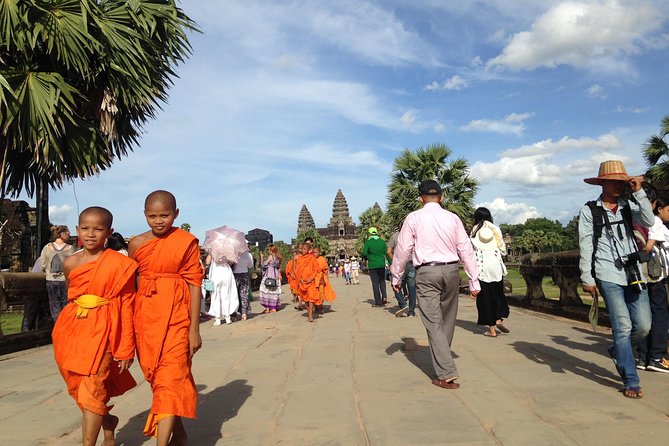
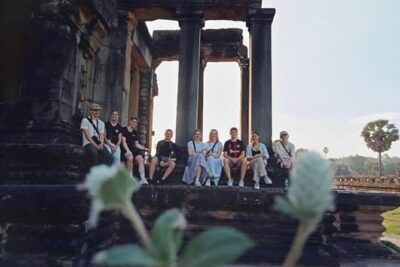
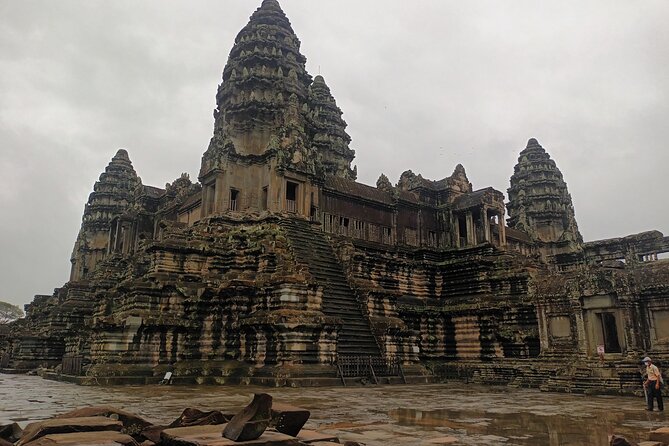
Sunrise gets the headline, but the guided Angkor Wat portion is where you build understanding. After the dawn viewing, you continue exploring Angkor Wat with the tour guide, with a focus on the best spots to visit. The total time for this first temple stop is about 3 hours.
That time window matters. Angkor Wat is enormous. Without guidance, it’s easy to wander and miss the elements that change how you interpret the whole complex. With a knowledgeable guide, you can look for patterns—like how a structure’s position in the layout supports its function, or how carvings connect to spiritual themes.
Expect the guide to point out details you’d likely step past on your own. Some guests specifically mention the ability to interpret what’s carved, not just name it. That is what turns Angkor Wat from a great photo stop into a place where the stone actually tells you something.
Practical tip: start wearing layers that you can adjust. Sunrise mornings can feel cool, and then it warms quickly. The tour includes cold water, but you’ll still want comfortable shoes for long walking surfaces.
Ta Prohm: the breakfast break and why the roots grab you
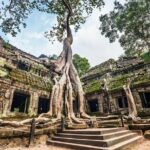
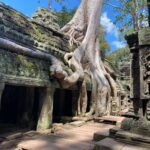
After Angkor Wat, you get a breakfast stop near the temple area. Breakfast is not included, so you’ll pay out of pocket, but the timing is smart. It helps you refuel before Ta Prohm, which is famous for a very specific kind of chaos: giant tree roots gripping ancient stones.
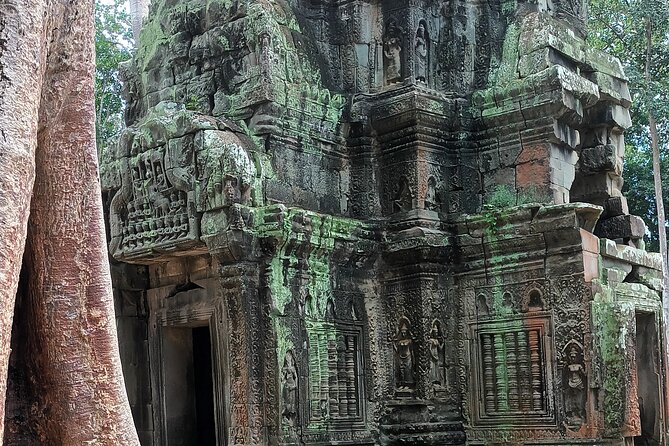
This stop runs about 2 hours, and it’s a great change of pace from Angkor Wat’s symmetry. Ta Prohm has a “left alone by time” vibe, and that natural takeover is the reason it became widely recognized through movies. But if you only come for the pop-culture association, you’ll miss the more interesting part: how the temple and the trees coexist and how the scene reveals the scale of preservation work.
A good guide makes this temple more than a backdrop. You’ll likely hear what the carvings and layout suggest, even while the roots steal the show. You’ll also move through the areas in a way that avoids feeling like you’re doubling back too much. That matters because Ta Prohm can feel crowded around the most photographed angles.
Angkor Thom and Bayon: how to handle a compact schedule
After Ta Prohm, the tour shifts to Angkor Thom, the ancient city area. The time there is about 1 hour, and within that window you’ll see core highlights like the royal palace ruins and terraces, including the terrace of the elephants. The Angkor Thom area spans a huge footprint, and one hour sounds short—because it is. But the tour keeps it focused on the key structures that give you the layout and the big visual themes.
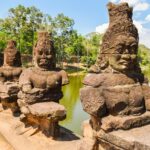
The final major stop is Bayon Temple for about 1 hour. Bayon is known for the faces carved in each tower, and that instantly gives you a sense of what the city’s rulers wanted visitors to feel. You can’t really “understand” Bayon in a single hour, but you can absolutely leave with the right first impression—and the carvings help.
One detail worth noting: there’s mention of carvings in Bayon’s first gallery that depict scenes of daily life. That’s a big deal because it pulls Bayon away from being only about grand symbols. You’re seeing how ordinary people were portrayed in stone—at least as the artists wanted them remembered.
Because the tour moves quickly through these city monuments, the guide’s explanations become even more important. In a compact schedule, a guide helps you decide what to look at right now so you don’t just spend the day walking without absorbing much.
You can also read our reviews of more tours and experiences in Siem Reap

Tickets, transport, and the tight 8-hour plan
This is an 8-hour day on the clock, give or take depending on pickup time and how smoothly everything goes. It’s designed around comfort and efficiency, including pickup offered and a driver transporting you between areas.
Cold water is included, and that’s a small thing that adds up on a dawn-to-midday schedule. You’ll also get a guide with you the whole way, which matters in Angkor because roads, entrances, and walking distances can turn a simple plan into a stressful one.
Temple tickets are the one big “you handle this” item. The tour price does not include temple entry, though the guide will help you get the temple ticket after pickup. That keeps you from standing around sorting out where to go and reduces friction on a morning when you’re already up early.
Also note what’s not included:
- Breakfast (you’ll have a break near Ta Prohm but you’ll pay for it)
- Lunch and beer (you’ll need to cover this yourself)
The walking load is significant. Even though the stops are timed, you’re still covering multiple large sites in one day. Bring shoes you trust and plan for sun later in the morning.
Price and value: what $24.03 is really buying
At $24.03 per person, the headline cost looks low for a guided day that covers multiple major temples. The catch is that temple tickets and meals aren’t included, so your total spend depends on what you pay for entry and what you choose for breakfast and lunch.
Still, the value is in the structure:
- You’re not just paying for transportation. You’re paying for a guide who can explain what you’re looking at, including inscriptions and religious changes that shaped how temples evolved.
- You’re not starting from scratch early in the morning. You’re getting pickup, cold water, and a plan that reduces wasted time.
- You’re traveling with a small group (max 16), which is better for timing and photo opportunities than large buses.
If you were to build this day on your own, you’d spend time figuring out entry, timing, and what to prioritize at each stop. Here, the tour does that for you, and it keeps the day from turning into a scramble.
Bottom line: this is a good deal if you want guided context and don’t want to micromanage every detail at Angkor.
Who this tour fits best (and who might want a different pace)
This tour is a strong fit if:
- You’re short on time in Siem Reap and want the classic set of temples in one day.
- You like learning. This guide style is built for people who want meaning, not just photos.
- You’d rather follow a smart plan than guess your way through giant stone complexes.
- You prefer a small group atmosphere that feels more human than a crowded mass.
You might want to choose a slower alternative if:
- You dislike early starts. The day begins at 4:30 am.
- You prefer long, unscheduled time in each monument.
- You want meals handled for you. Breakfast and lunch are not included.
Should you book this one-day guided temple run?
I’d book it if you want the classic Angkor highlight reel with a guide who helps you understand the stone while you’re standing in front of it. The biggest reason to choose this is the human part: Yoeun Serakyuth brings temple interpretation to the foreground, including how carvings and inscriptions connect to changing religious influences.
On the other hand, if you’re the type who enjoys drifting without structure, or if you’re hoping the tour price covers everything from meals to entry, you may feel the “extras” quickly.
If you can handle a very early start and you’re okay paying for temple entry and your own meals, this tour is a practical way to get an efficient, meaningful Angkor day.
FAQ
What time does the tour start?
The tour starts at 4:30 am.
How long is the tour?
The duration is about 8 hours.
Is pickup included?
Pickup is offered.
What’s included in the tour price?
The tour includes a tour guide, a driver, and cold water.
Are temple tickets included?
Temple tickets are not included in the price. After pickup, the tour helps buy the temples ticket.
Is breakfast included?
Breakfast is not included.
Is lunch included?
Lunch is not included.
How big is the group?
The tour has a maximum of 16 travelers.
What if the weather is bad?
This experience requires good weather. If it’s canceled due to poor weather, you’ll be offered a different date or a full refund.