REVIEW · SIEM REAP
Tuk Tuk Journey: Exploring Rural Life and Silk Farm Craftsmanship
Book on Viator →Operated by Join Me Cambodia · Bookable on Viator
Morning quiet beats temple crowds. This half-day trip trades stone ruins for daily Khmer life and hands-on craftsmanship, from a village market in Krabei Riel to the Angkor Silk Farm. You’ll get an air-conditioned car, cold water, and a real local English-speaking guide, so you’re not just sightseeing, you’re understanding what you’re looking at. One thing to consider: it’s a tight 4 to 5 hours, so you’ll move at a friendly pace, but you won’t have an all-day deep dive.
I like the balance here: you see how people live, then you shift gears to how silk is actually produced. That mix is a great antidote to days that feel like temple after temple. The only drawback is time—each stop is short—so if you want to shop for lots of market goods or linger longer at the pagoda, plan to save that for another outing.
In This Review
- Key highlights I’d plan around
- A Calm Countryside Reset From Siem Reap’s Temple Rush
- Getting There: Morning Pickup and the Westward Drive to Krabei Riel
- Krabei Riel Commune: Market Notes and Everyday Khmer Life
- Angkor Silk Farm: From Silkworms to Woven Cloth
- វត្តខ្នាតរង្សី Pagoda Stop: Buddhism, Blessings, and Quiet Culture Time
- Price and Value: What $45 Buys in a 4–5 Hour Day
- Who This Tour Fits Best (and When to Skip It)
- Booking Wisdom: Simple Questions to Ask Yourself
- Should You Book Tuk Tuk Journey: Exploring Rural Life and Silk Farm Craftsmanship?
- FAQ
- FAQ
- What time does the tour start?
- How long is the tour?
- Is hotel pickup and drop-off included?
- What’s included in the tour price?
- Are admission fees included?
- Is this tour private?
Key highlights I’d plan around
- A serene westward country drive that feels like a real break from Siem Reap’s busiest rhythm
- Krabei Riel commune village time with a local market stop and everyday-life context
- Silk production, from silkworms to weaving, explained step-by-step at Angkor Silk Farm
- A Buddhist pagoda visit (including a blessing opportunity) for cultural grounding
- Hotel pickup and drop-off, plus water and towels, so you travel comfortably
A Calm Countryside Reset From Siem Reap’s Temple Rush
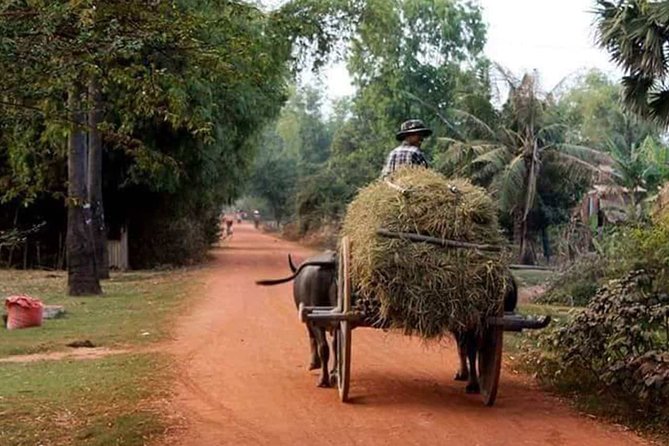
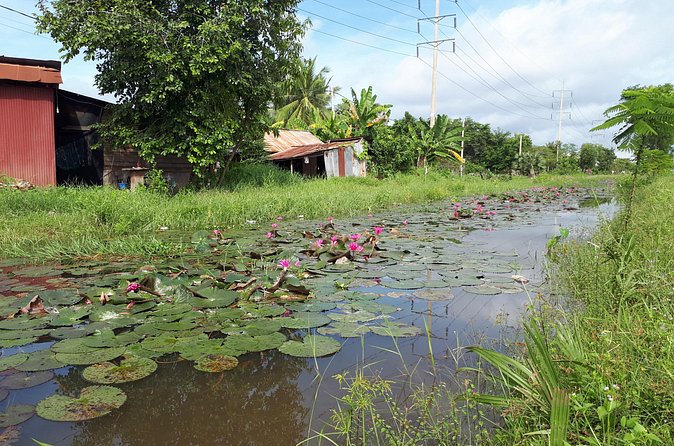
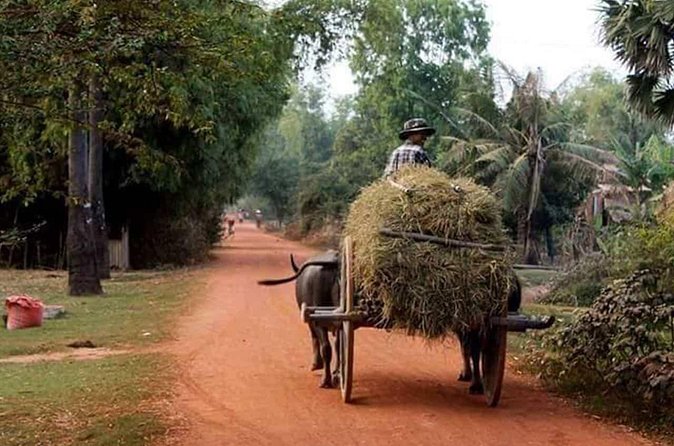
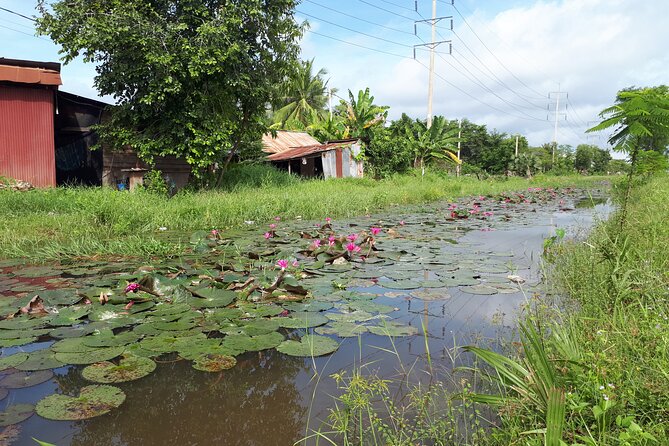
If your Siem Reap trip has started to feel like it’s all about sunrise tickets and stone steps, this tour is a smart pivot. You’re leaving the tourist core and heading west into a more ordinary Cambodia—villages, markets, and a pagoda stop that helps connect religion to daily life. It’s the kind of outing that makes the whole region feel less like a postcard and more like a place where people actually live.
I also like that this isn’t just a photo stop. The itinerary is structured to give you context: village life first, then Buddhism at the pagoda, then a craft you can understand with your hands and eyes—Cambodian silk. That ordering matters. After you see how people live and worship locally, the silk story lands better, because it’s not presented as a random attraction. It’s part of how communities make, work, and produce.
You can also read our reviews of more tours and experiences in Siem Reap
Getting There: Morning Pickup and the Westward Drive to Krabei Riel
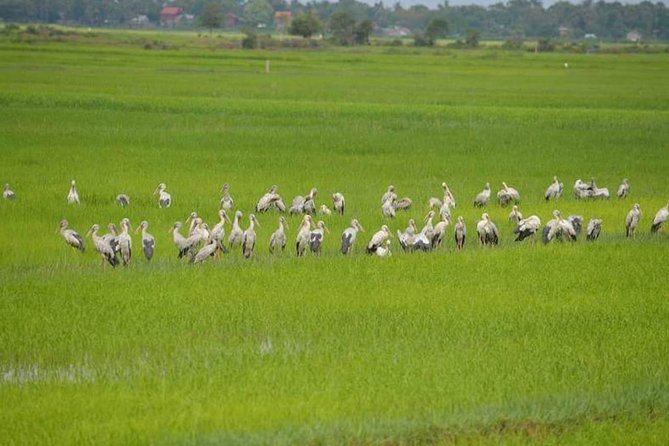
This tour starts early. You’ll meet at 7:30 am, and pickup from your hotel is around 8:00 am. Then you’ll head out west along National Road 6 toward Krabei Reil commune. The timing is practical: you get daylight, cooler morning air, and fewer crowds than you would later in the day.
Transportation is comfortable and simple. You’ll travel by air-conditioned vehicle, and you’ll have cool water and towels. That’s not a small detail. In Cambodia’s heat, comfort affects how much you actually enjoy the stops. If you’re already worn out from temple walks, this ride helps you reset instead of arriving sweaty and cranky.
Also, you’re not doing this as a public shuffle. It’s described as private for your group, meaning the experience can feel more focused and less chaotic. That tends to matter a lot on short tours where every hour counts.
Krabei Riel Commune: Market Notes and Everyday Khmer Life
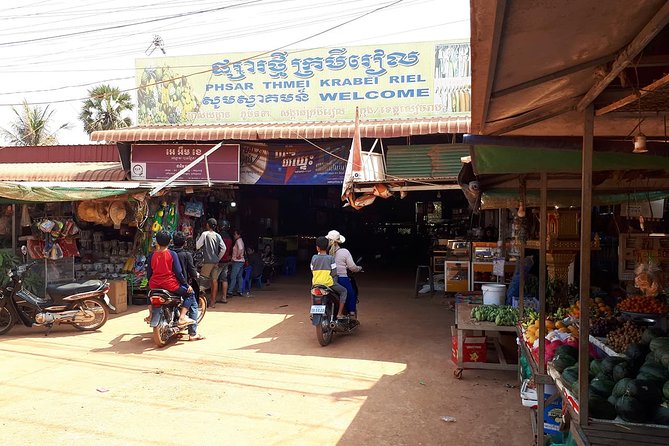
Your first stop is Krabei Reil commune. You’ll visit a small local market, and the point isn’t to speed through and snap photos—it’s to see daily patterns of life. Markets are often where you catch the real rhythm: what people buy, how they trade, and how goods move through the community.
This stop runs about 2 hours and includes a free admission ticket (so you’re not burning your budget on entry fees that don’t add much value). If you like watching people go about their routines, this is your moment. If you don’t love markets, you can still use it as a cultural warm-up for the rest of the day. You’ll walk in with more context for what you’ll see at the pagoda and in the silk workshop later.
A practical tip: keep your expectations flexible. A local market is not a curated shopping mall. You might see a mix of everyday items rather than “tour souvenirs.” That’s normal—and it’s usually where the most interesting, human moments are.
Angkor Silk Farm: From Silkworms to Woven Cloth
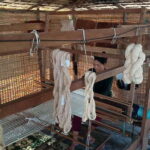
The center of the day is Angkor Silk Farm, with around 2 hours here. The value of this stop is that it’s about process, not just product. You learn Cambodian silk production starting from cultivating the silk worms and then moving through to weaving garments.
That step-by-step approach changes how you look at silk. Instead of thinking silk is just a fabric you buy, you understand it as work—stages of production, and a system that turns living material into cloth. If you’re the type who likes crafts, textiles, or learning how supply chains feel when they’re close to home, you’ll likely enjoy this more than a typical “look and shop” stop.
Admission is listed as free for this segment, which is a nice bonus. It also means your money goes toward the guiding, the time, and the transportation—not just entry costs.
One consideration: silk farms are often hands-on in the sense that you see the work, but they may not be a full workshop where you make your own cloth. The data here emphasizes learning the process; it doesn’t promise you’ll be weaving. If creating something is your goal, ask your guide on the day what interaction is available before you plan to buy or expect a DIY component.
វត្តខ្នាតរង្សី Pagoda Stop: Buddhism, Blessings, and Quiet Culture Time
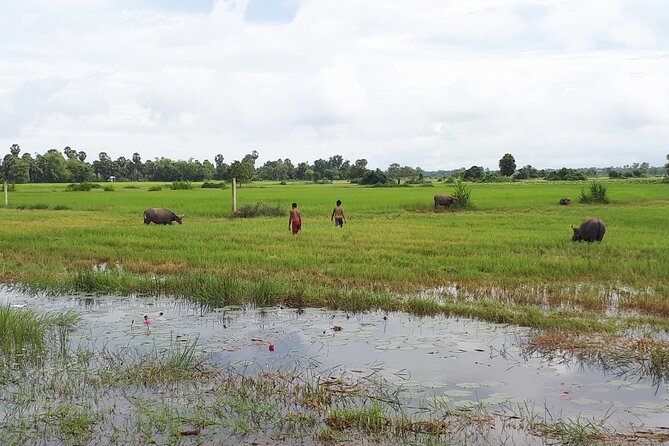
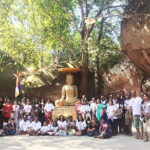
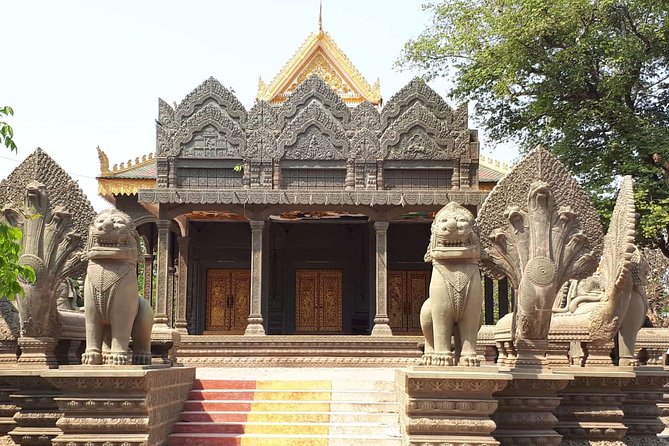
On the way back to Siem Reap, you’ll stop at a local pagoda: វត្តខ្នាតរង្សី. This is the shortest stop, around 30 minutes, and entry is free. Still, it can be a meaningful cultural reset.
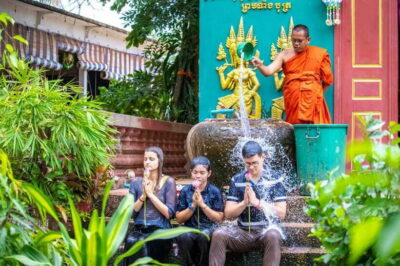
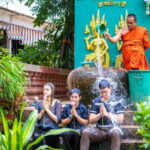
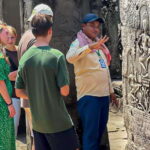
The tour description focuses on learning about Khmer life and Buddhism—and it also mentions you may have the chance to receive a blessing from a local. That sort of moment is less about sightseeing and more about respectful witnessing. Even in a short visit, it helps you connect the spiritual side of the region to what you saw earlier in village daily life.
Because the time is limited, here’s what to do to get the most out of it:
- Pay attention to what your guide explains about Buddhist practice and everyday beliefs.
- Keep your questions respectful and short, especially around ceremonies or worship areas.
- If you want a blessing, follow your guide’s cues on when and how.
This stop is brief by design. Think of it as a cultural punctuation mark before you return to the city.





Price and Value: What $45 Buys in a 4–5 Hour Day
The price is $45 per person for a 4 to 5 hour outing. That can sound straightforward, but value is really about what’s included versus what you’d otherwise pay or arrange yourself.
Here’s what you’re getting included:
- Hotel pickup and drop-off
- Air-conditioned vehicle
- Experienced English-speaking local guide
- Cool water and towels
- Admission listed as free for the main stops
That combo matters because rural travel isn’t just “getting there.” It’s understanding what you’re seeing once you arrive. A local guide can turn a village market and pagoda stop from scenery into knowledge. And the included comfort items help you enjoy the ride and keep energy for the stops.
There’s also a small planning clue: this tour is typically booked about 40 days in advance on average. That suggests it’s a popular option for people who want a break from temples without committing to a full day tour. If you’re traveling in peak season, booking ahead is wise so you don’t end up choosing from whatever time slots are left.
Group discounts are listed too. If you’re traveling with friends or family, it’s worth checking whether your booking can price more efficiently.
Who This Tour Fits Best (and When to Skip It)
This tour is a strong match if you want:
- A short break from temple-heavy days
- Real contact with rural life rather than only monuments
- A craft-focused cultural stop where you learn how something is made—Cambodian silk
- A calm, structured morning with easy logistics
It may be less ideal if:
- You want a long, unhurried day where you can wander for hours in one place
- You’re expecting a full DIY weaving class (the emphasis is on learning the process)
- You’d rather do a deeper temple circuit instead of a culture-and-craft day
I’ll also say this: the tone of the experience seems to be “serene and paced.” One review highlighted how the drive felt calm after days of temple tours. That’s what you should look for in a short countryside itinerary: less rushing, more breathing room.
Booking Wisdom: Simple Questions to Ask Yourself
Before you book, I’d think about what kind of travel day you want.
Ask yourself:
- Do I want learning more than shopping?
- Am I ready for a morning start and a tight schedule?
- Will I appreciate the shift from city/temple energy into village life and a craft process?
If your answers lean yes, this tour is a good fit. If you’re mainly chasing quantity of stops, you might feel the half-day length is too short. But if you want quality context—village life, Buddhism, and silk production—this is a practical, focused way to spend the morning.
Should You Book Tuk Tuk Journey: Exploring Rural Life and Silk Farm Craftsmanship?
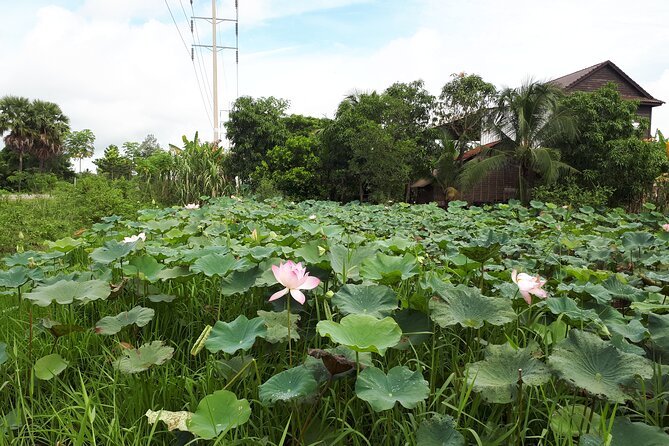
I’d book it if you want an easy, comfortable half-day that actually changes your perspective. The mix of Krabei Reil village life, a pagoda culture stop, and Angkor Silk Farm’s silkworm-to-weaving process is a smart combo for understanding Cambodia beyond the temples. It’s especially worth it on days when you’re tired of walking ruins and you want something calmer, more human, and more hands-on.
Skip it if you need lots of free time at one location or you’re specifically looking for a full-day craft workshop. In that case, you’ll probably want a longer format.
FAQ
FAQ
What time does the tour start?
The tour starts with a meeting time of 7:30 am, and hotel pickup is around 8:00 am.
How long is the tour?
It’s approximately 4 to 5 hours.
Is hotel pickup and drop-off included?
Yes. Pickup from your hotel and drop-off at your hotel are included.
What’s included in the tour price?
You get an air-conditioned vehicle, cool water and towels, an experienced English-speaking local guide, and hotel pickup/drop-off.
Are admission fees included?
The itinerary lists free admission for the market stop, Angkor Silk Farm, and the pagoda stop.
Is this tour private?
Yes. Only your group participates, so it’s private rather than a shared tour.