REVIEW · SIEM REAP
Angkor Wat 2-Day Tour
Book on Viator →Operated by Cambodia Golden Tours · Bookable on Viator
Angkor is big. Really big.
This private 2-day Angkor Archaeological Park route turns the chaos of temple-hopping into a calm, guided flow—starting at 8:00am from Siem Reap and finishing with a sunset choice that actually makes sense. I like that the plan mixes the headline sights (Angkor Wat, Angkor Thom) with smart add-ons like Ta Prohm and Srah Srang, so you see more than the usual photo list.
Two details I love: you get an English-speaking guide who helps you understand what you’re looking at, and you’re not stuck sweltering in the heat because cold towels and drinking water are part of the deal. Names pop up in the usual way at this company too—people often note drivers like Ly and guides such as Seng or Lucky for their friendly, practical explanations.
One consideration: temple tickets are not included, and lunch near temples is also extra. If you’re trying to keep a tight budget, you’ll want to plan for those costs before you go.
In This Review
- Key highlights you’ll feel quickly
- Why this 2-day Angkor Wat plan works from Siem Reap
- Angkor Wat opening: what to notice when you arrive at 8:00am
- Angkor Thom’s South Gate: the dramatic entrance to the capital
- Bayon Temple’s 54 towers and 216 faces: why it feels strange in the best way
- Baphuon plus the royal terraces: the carvings that demand slow walking
- Terrace of Elephants
- Terrace of the Leper King
- Outside Angkor Thom: Ta Prohm, Banteay Kdei, and Srah Srang
- Chau Say Tevoda, Thommanon, and Takeo
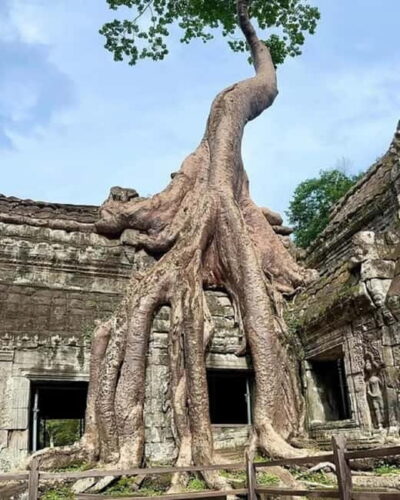
- Ta Prohm: the tree-through-temple effect
- Banteay Kdei: restored, but still quiet
- Srah Srang: reservoir views, especially in softer light
- Sunset at Angkor Wat or Bakheng Mountain: pick your style
- Transportation, water, towels, and why it matters in Angkor heat
- Price and value: is $360 for two days a smart buy
- Who this tour suits best (and who should think twice)
- Practical tips so you get more from every stop
- Should you book the Angkor Wat 2-Day Tour with Cambodia Golden Tours?
- FAQ
- What time does the tour start?
- Where is the meeting point?
- Is this tour private?
- What’s included in the price?
- Are temple tickets included?
- Is lunch included?
- What’s the cancellation window?
Key highlights you’ll feel quickly
- Mobile ticket convenience: you’ll use a mobile ticket for the experience, which cuts down on last-minute hassle.
- Sunset flexibility: you can choose sunset at Angkor Wat or Bakheng Mountain.
- High-impact Angkor Thom core: South Gate, Bayon’s smiling faces, Baphuon, and the royal terraces.
- Ta Prohm’s big-screen vibe: the tree-through-temple look that people famously associate with Tomb Raider.
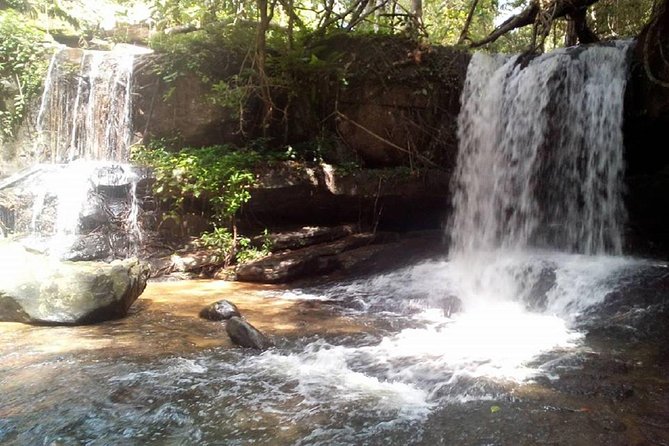
- Quiet contrast outside the main circuit: Banteay Kdei and Srah Srang add a calmer pace after the busiest zones.
Why this 2-day Angkor Wat plan works from Siem Reap
Angkor Wat and the surrounding ruins are not a place for rushing. The point of a guided 2-day tour is not just “more temples.” It’s order. Your morning starts at 8:00am in Siem Reap, then the day moves temple-to-temple in a way that keeps logistics simple and time on the ground more focused.
This tour is also private, meaning it’s only your group. That sounds like a small detail until you’re in the heat, with dozens of other people doing the same sunrise scramble. With a private setup, you can ask questions, pause for photos without feeling rushed, and adjust pacing when your legs start making bargaining offers.
The core value here is interpretation. The itinerary isn’t only a checklist; it’s a path through different “stories” of Angkor: the grand religious architecture, the political power shown in Angkor Thom, and the slower, atmospheric zones outside the city walls.
You can also read our reviews of more tours and experiences in Siem Reap
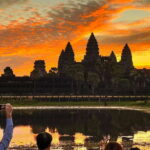


Angkor Wat opening: what to notice when you arrive at 8:00am
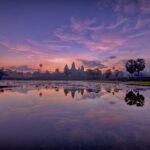
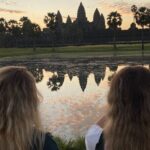
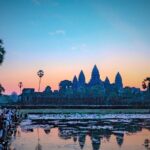
Angkor Wat is the big title on the cover for a reason. It’s described here as the largest religious building in the world, and when you stand in the right spot, the scale hits you fast. This tour begins with a short drive to Angkor Wat and then explores the main complex plus other temples in a small circuit area.
What I think helps most at Angkor Wat is knowing what you’re looking for besides “wow.” Try this:
- Watch for how the architecture guides your movement. Even before you read much, you can feel the layout pushing you forward.
- Look for the way the site balances monumental grandeur with intricate details on carvings and stone surfaces.
- Don’t spend all your time only on the most photographed angles. A couple of side viewpoints often give cleaner, less crowded perspectives.
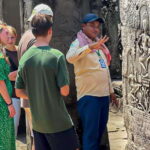
If you’re the type who likes to understand symbols, an English-speaking guide matters here. You’ll get explanations as you move, which makes the carvings and religious layout feel less random and more intentional.
Angkor Thom’s South Gate: the dramatic entrance to the capital
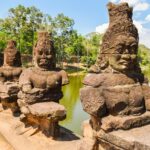
After Angkor Wat, the tour shifts to Angkor Thom, and the first real “power move” is the South Gate of Angkor Thom. This is a popular entrance, built to protect the capital of Angkor Thom.
Here’s what makes it interesting in a grounded, practical way: the South Gate isn’t just an arch you walk through. It’s part of a bigger mythic scene. You’ll see two rows of devas and asuras from the Hindu myth of the Churning of the Sea of Milk. That myth connection helps you read the carvings instead of treating them like decoration.
So when you arrive, take a minute before stepping inside. Walk the length of the causeway, look upward, and match what you see to the story you’re hearing. It makes the gate feel like a scene with characters, not a backdrop for photos.
Bayon Temple’s 54 towers and 216 faces: why it feels strange in the best way
About 1 km from the South Gate, you reach Bayon Temple, described here as the heart of Angkor Thom and the state temple of King Jayavarman VII.
The standout detail is the 54 towers decorated with 216 smiling faces of Avalokiteshvara. The effect can be hard to explain until you’re there. From many angles, it can feel like the temple is watching you back. People compare it to an alien construction, and honestly, the comparison isn’t totally off.
Practical tip: Bayon is a place where lighting changes quickly and crowds can form in pockets. If your guide points out where faces line up with sightlines, you can get better angles without wasting time. And because your guide is English-speaking, you’ll know what the faces represent instead of guessing.
Baphuon plus the royal terraces: the carvings that demand slow walking
Next comes a key “midway wow” stop: Baphuon Temple. It’s the second biggest temple of Angkor Thom, built in the mid-11th century as a state temple of King Udayadityavarman II for the Hindu God Shiva. Structurally, it’s pyramid-shaped with three tiers, which helps you understand why it’s such a strong visual centerpiece.
Then you step into the royal zone at the front of the Angkor Royal Palace with two close terraces:
Terrace of Elephants
The Terrace of Elephants stretches about 350m long. It was used as a large viewing stage for public ceremonies and served as a base for the king to watch military training. That sounds niche until you’re standing there and realize the terrace is built for an audience scale—people didn’t just casually stroll past. They gathered.
Terrace of the Leper King
Just next to it (north of the Terrace of Elephants), the Terrace of the Leper King is known here for the stunning carvings inside that can make your jaw drop. Even if you don’t read every carved figure, the density of detail is the point. Give yourself a few minutes to look, not just photograph.
One small drawback of this part of the tour: you’ll likely slow down because the carvings reward attention. That’s a good thing, but it can make the pace feel less “efficient.” I’d rather you spend time here than rush past it.
Outside Angkor Thom: Ta Prohm, Banteay Kdei, and Srah Srang
This day shifts from the city core to temples beyond it, and that change of scenery is where the 2-day format really pays off. If day one is your grand intro, day two lets you see Angkor’s softer, more surprising moods.
Chau Say Tevoda, Thommanon, and Takeo
These are grouped here as temple stops outside the Angkor Thom capital. They’re described as impressive and not to be missed. The benefit of keeping them on the same run is that you can compare styles across nearby sites without feeling like you’re constantly “resetting” your brain.
Ta Prohm: the tree-through-temple effect
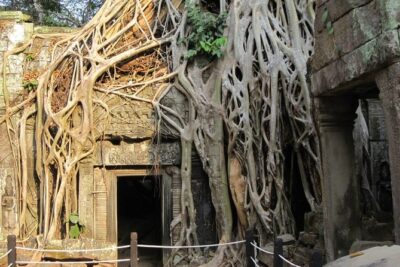
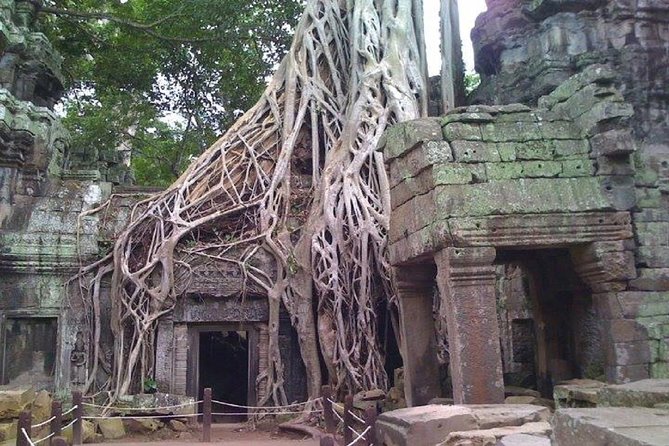
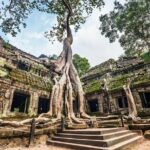
Ta Prohm is one of the most popular stops, partly because it was used as a Buddhist monastery and university during the Angkor period. It’s also called the Tomb Raider temple because of the movie filmed there.
What matters for your experience is the visual tension: human architecture meets aggressive growth. If you’ve seen the images, you’ll still be surprised by the scale once you’re close.
Banteay Kdei: restored, but still quiet
Banteay Kdei has been recently restored, and it’s still open to tourists. The description also emphasizes the surrounding forest, which can make the temple feel more mysterious and quiet than the heavier traffic areas. That contrast matters on a multi-temple day.
Srah Srang: reservoir views, especially in softer light
Srah Srang is a Baray (reservoir) tied to Banteay Kdei. The big practical draw is the views—especially during sunrise and sunset. Even if your exact timing varies, this is one stop where you’re likely to pause more than you expect.
And it helps that your tour frames day two as the jewel side and the river-of-thousand-lingas vibe. Whether you focus on the reservoir views, the temple setting, or the symbolism you hear from your guide, Srah Srang gives you a different kind of Angkor experience than the dense stone city scenes.
Sunset at Angkor Wat or Bakheng Mountain: pick your style
At the end of the tour, you’ll head to a sunset site: either Angkor Wat or Bakheng Mountain.
Choosing between them comes down to what you want:
- If you love the iconic image and want the biggest religious monument in play, go for sunset at Angkor Wat.
- If you prefer a higher, temple-on-top viewpoint, Bakheng Mountain is the choice presented here as the most impressive option.
Either way, sunset is a time when small choices matter—like where you stand, and how quickly you can move to see different angles. This is where having a guide helps you avoid wasting the best light.
One practical note: sunsets can be busy. If your priority is photos, arrive with a plan for what you want (wide overview vs. closer detail). Don’t count on improvising once the light is perfect.
Transportation, water, towels, and why it matters in Angkor heat
Included items sound basic—until you’re actually in it. This tour includes:
- Transportation
- Cold towels
- Drinking water
- English-speaking guide
In Siem Reap, the difference between a smooth ride and a stressful one is bigger than people think. The guides and drivers associated with this tour style often get called out for punctuality and flexibility, including drivers like Ly and Vutha. That flexibility matters because temple timing isn’t always perfect; crowds shift, paths get blocked, and weather changes.
Cold towels and water are not “extras.” They’re comfort tools. They make it easier to keep your attention on the temples instead of your energy fighting your body.
Price and value: is $360 for two days a smart buy
This $360 price for about 2 days can feel either fair or steep depending on what you compare it to. Here’s what you’re really buying:
You’re not only paying for a driver. You’re paying for:
- an English-speaking guide
- transportation
- the comfort add-ons (water and cold towels)
- a plan that strings together Angkor Wat, Angkor Thom, and key outside temples without you figuring out route logistics on your own
Temple tickets are not included, and lunch is not included. That means your final cost depends on what you’ll pay at the temples and how you handle meals. If you already know you’ll be paying for tickets anyway, the $360 starts looking more like paying for a guided, low-stress structure.
Also, because this is private, your value math improves if you’re traveling as a small group and you want fewer compromises. Solo travelers might still find it cost-effective if you care about comfort and having a guide rather than piecing together a DIY route.
Who this tour suits best (and who should think twice)
This tour fits best if:
- You want a private plan with an English guide
- You care about understanding what you’re seeing, not just photographing it
- You want both the big names (Angkor Wat, Bayon) and the atmospheric stops (Ta Prohm, Banteay Kdei, Srah Srang)
- You like the idea of a sunset decision rather than one fixed option
You might want to think twice if:
- You’re strict about budgeting and don’t want to handle ticket and meal add-ons
- You prefer full DIY freedom with no guide interpretation
Practical tips so you get more from every stop
A few things that will make the day feel easier:
- Follow the temple dress code rules. This tour specifically notes a dress code, and it matters for entry and comfort.
- Wear shoes that handle lots of stone surfaces and uneven paths. You’ll walk more than you expect once you start moving between viewpoints.
- Bring a simple plan for photos. Angkor temples reward looking at details, but sunset hours are short—so decide if you want wide shots, close carvings, or both.
- Use the guide’s explanations actively. If you hear the story behind the South Gate’s myth scene or Bayon’s Avalokiteshvara faces, your brain stops treating carvings like random patterns.
Also, if you’re traveling with kids, this style of private guiding tends to work well. In the same way, if you like conversation, names like Seng and Lucky come up for being friendly and making the day feel human, not like a lecture.
Should you book the Angkor Wat 2-Day Tour with Cambodia Golden Tours?
If your goal is a structured, guided Angkor experience that hits the most important sights across two days, I’d say yes. The tour’s strongest advantages are the guide-led understanding, the comfort basics (water and cold towels), and the way it balances big monuments with calmer, scenic stops like Banteay Kdei and Srah Srang.
I’d only hesitate if you’re trying to keep everything ultra-budget and you’re uncomfortable handling ticket and meal extras. If that’s you, you can still do Angkor with a different approach—but you’d be trading away the “someone has the plan, I just enjoy the day” convenience.
FAQ
What time does the tour start?
The tour starts at 8:00am in Siem Reap.
Where is the meeting point?
The meeting point is Siem Reap, Siem Reap Province.
Is this tour private?
Yes. It’s a private tour/activity, so only your group participates.
What’s included in the price?
The tour includes transportation, cold towels, drinking water, and an English-speaking guide.
Are temple tickets included?
No. Temple tickets are not included.
Is lunch included?
No. Lunch near temples is not included.
What’s the cancellation window?
You can cancel up to 24 hours in advance for a full refund.
If you want, tell me your travel dates and group size, and I’ll help you sanity-check whether $360 makes sense for your situation once you estimate temple-ticket and meal costs.