REVIEW · SIEM REAP
Angkor Wat, Angkor Thom, and Ta Prohm Day Trip with Sunset
Book on GetYourGuide →Operated by Private Siem Reap Tour Guide & Transport · Bookable on GetYourGuide
Two temple worlds, one unforgettable sunset. This day trip strings together Angkor Wat and Ta Prohm with a live guide, so you’re not just collecting postcard shots—you’re learning why these places look the way they do.
What I like most is how much clearer the whole Angkor story becomes once someone explains the Khmer Empire, the temple meanings, and the details carved into stone. The other big win is the balance: you get major sights plus a proper sunset finish at Phnom Bakheng.
One thing to plan for: temple tickets and lunch are not included in the $19 price, so budget a bit more once you’re there.
In This Review
- Key Things That Make This Trip Worth It
- What You’re Really Buying for $19 in Siem Reap
- Angkor Wat: The Big One, Explained So It Clicks
- Ta Prohm: Jungle Roots and the Art of Slow Looking
- Srah Srang Break: A Breather Before the Angkor Thom Circuit
- Angkor Thom’s South Gate to Bayon: Stone Faces and Power Politics
- Pimean Akas and the Terrace of the Leper King
- Bakheng Hill Sunset at Phnom Bakheng: Where the Day Finally Breathes
- Price, Tickets, Lunch, and the Real Value Math
- Who This Day Trip Fits Best (and Who Should Skip It)
- Should You Book This Angkor Wat, Angkor Thom, and Ta Prohm Day Trip?
- FAQ
- How much does the Angkor Wat, Angkor Thom, and Ta Prohm sunset day trip cost?
- What’s included in the price?
- Are temple tickets included?
- Is lunch included?
- How long is the experience?
- Is this tour suitable for children, pregnancy, or wheelchair users?
- What should I bring, and what’s not allowed?
Key Things That Make This Trip Worth It
- Skip-the-line entrance helps you spend more time walking and less time waiting
- Hotel pickup and drop-off keeps the day simple from Siem Reap
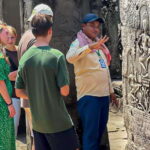
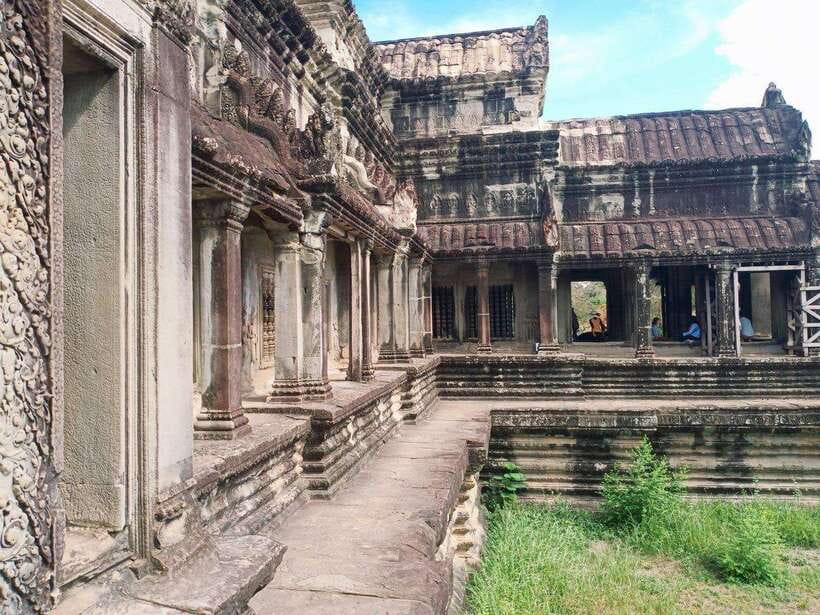
- A live English guide turns carvings, bas-reliefs, and layout into something you can understand
- Angkor Wat + Ta Prohm + Angkor Thom in one day means fewer transfers and more clock-time at temples
- Phnom Bakheng at sunset gives you a classic finale with wide, golden-hour views
- Cold water in the van is a small thing that matters in Siem Reap heat
What You’re Really Buying for $19 in Siem Reap
At $19 per person, this is priced like a budget-friendly group day trip. The value isn’t just the sites—it’s the logistics that make a single-day Angkor plan actually work: air-conditioned van, hotel pickup/drop-off, and a professional English-speaking guide.
You also get a practical time saver. The tour includes skip-the-line through a separate entrance, which helps when Angkor’s crowds feel like they’re already everywhere. And yes, you’ll still need temple tickets separately, but the flow is usually smoother when your group isn’t starting from the back of the ticket chaos.
The day includes a mix of temple walking and photo stops, with safety briefings built into the pacing. Expect moderate walking under hot, humid conditions. This isn’t a slow stroll. It’s more like a guided route with short breaks and steady movement, so wear shoes you can wear all day.
Finally, the guide quality matters a lot here. Recent guest feedback highlights guides like Mr. Rith, Paul, David, Bo, and Mr. Prohm for clear explanations and helpful, thoughtful pacing. You can’t always control who you’ll get—but this kind of tour is often won or lost by how well someone reads the crowd and explains the stone.
You can also read our reviews of more evening experiences in Siem Reap
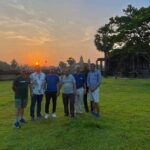

Angkor Wat: The Big One, Explained So It Clicks
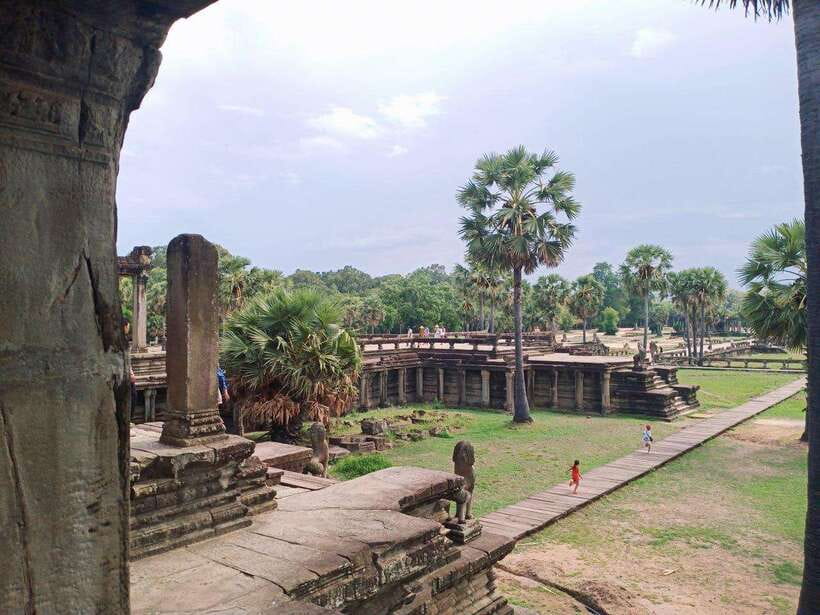
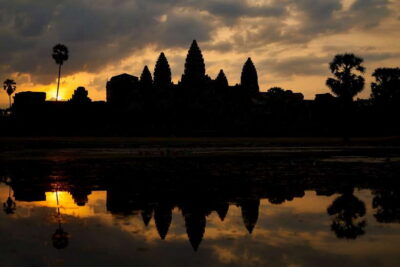
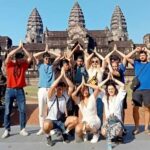
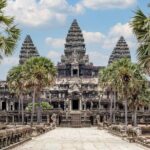
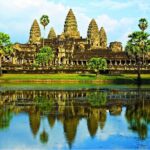
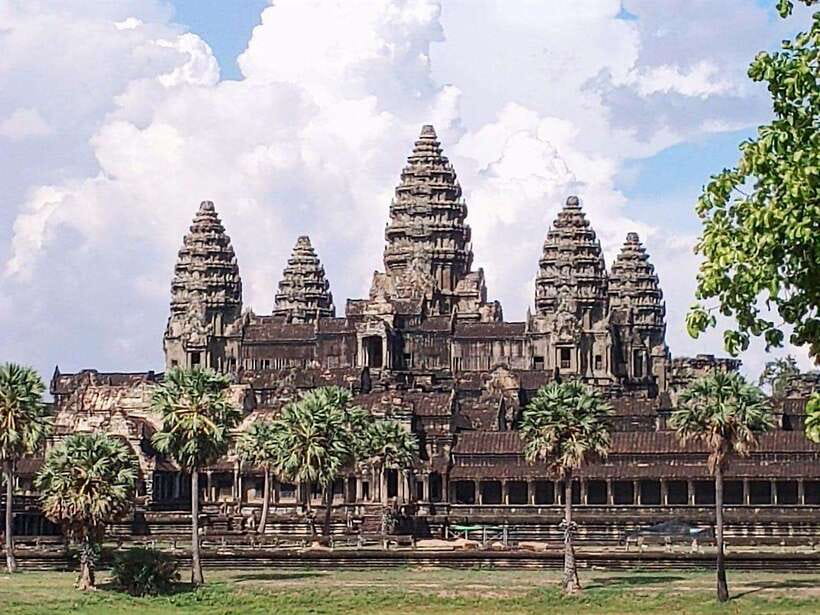
Most people come to Cambodia for Angkor Wat, and for good reason. This is the massive temple complex built by King Suryavarman II in the early 12th century, originally tied to the state religion and later serving as a major religious center for a long time. You’ll also see how the site blends Hindu roots with later Buddhist use—Cambodia’s history shows up in the architecture.
On this tour, you’ll spend about 3 hours here with guided time for photos and walking. This matters. Angkor Wat isn’t one building you check off. It’s an entire planned world: causeways, courtyards, and layered symbolism. A guide helps you spot the right details without getting lost in the scale.
What I love in an Angkor Wat-focused segment is how quickly the place becomes readable. When someone points out the temple’s design choices and the religious meaning, you stop seeing it as only “famous.” It becomes a command center of Khmer power—built with purpose, not decoration for its own sake. Also, it’s the best-preserved centerpiece of the Angkor complex, and the tour route is built around showing it clearly.
Practical tip: bring a hat and sunscreen even early in the day. Angkor Wat’s open areas don’t forgive weak protection.
Ta Prohm: Jungle Roots and the Art of Slow Looking
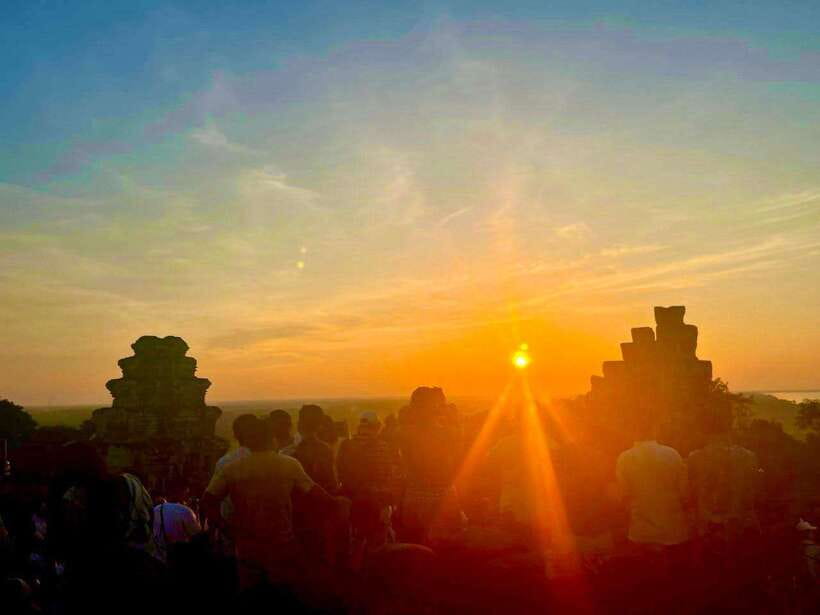
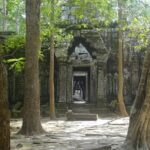
Ta Prohm is the temple people picture when they imagine Angkor in a movie-like setting: stonework tangled with trees and roots. You’ll have about 1 hour here on a guided visit, with photo stops and walking.
The key thing with Ta Prohm is to slow down just enough to see what the roots are doing to the buildings. The overgrown look isn’t only atmosphere. It shows how nature and time collide here. With a guide, you can learn what features to watch for—like how the structure frames the plants rather than just being swallowed by them.
This stop is great for photos, but it can also turn into a chaotic shuffle if you rush. You’ll get more out of it by stepping back periodically. Let your eyes adjust to the way the tree canopy changes the light on the stone.
One more note: flash photography isn’t allowed. So if you love interior-style shots, plan on using natural light and your camera’s normal settings instead of relying on a flash.
Srah Srang Break: A Breather Before the Angkor Thom Circuit
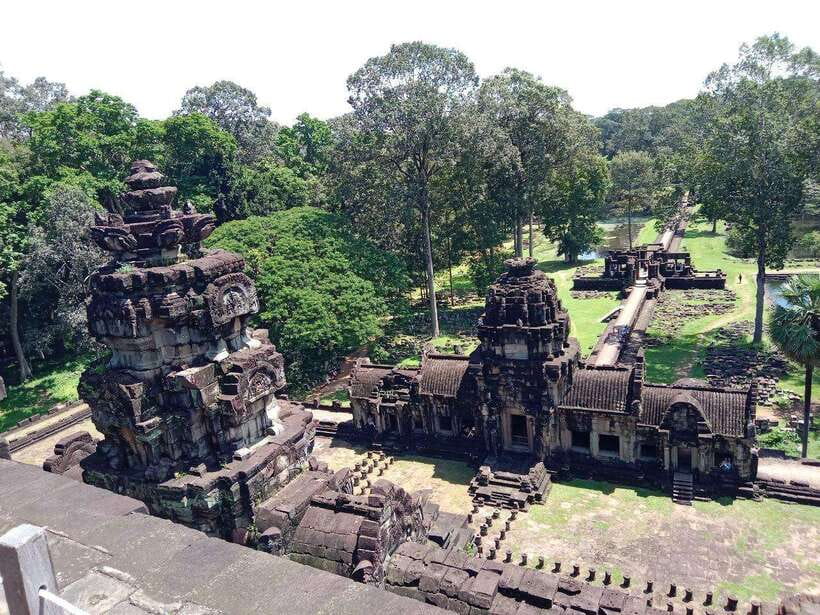
After the first wave of temples, the tour includes a break at Srah Srang (a lunch break time slot). Even though lunch itself is not included, this pause is useful. The heat adds up fast at Angkor, and having downtime between major temple clusters helps you stay focused instead of just trudging along.
Srah Srang is also a helpful contrast point. You get a calmer scene before the denser, more face-filled energy of Angkor Thom. It’s a good moment to refill water and reset your camera. If you’re sensitive to heat, this is where you’ll be grateful there’s scheduled breathing room.
Angkor Thom’s South Gate to Bayon: Stone Faces and Power Politics
Next comes one of the most rewarding parts of the day: Angkor Thom. You’ll pass through the South Gate, then see major sights including Bayon and other iconic structures.
Here’s what makes Angkor Thom special: it’s not only about impressive buildings. It’s about how the Khmer rulers wanted to be remembered. The gates and inner temples feel like a statement. It’s architecture as messaging.
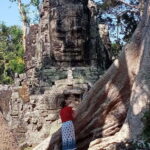
You’ll spend guided time at Bayon, about 1 hour, with photo opportunities and walking. Bayon is famous for its expression-filled faces. A guide helps you read the carvings and understand how this temple fits into the wider Khmer Empire story.
Also included are stops tied to the Angkor Thom core, such as:
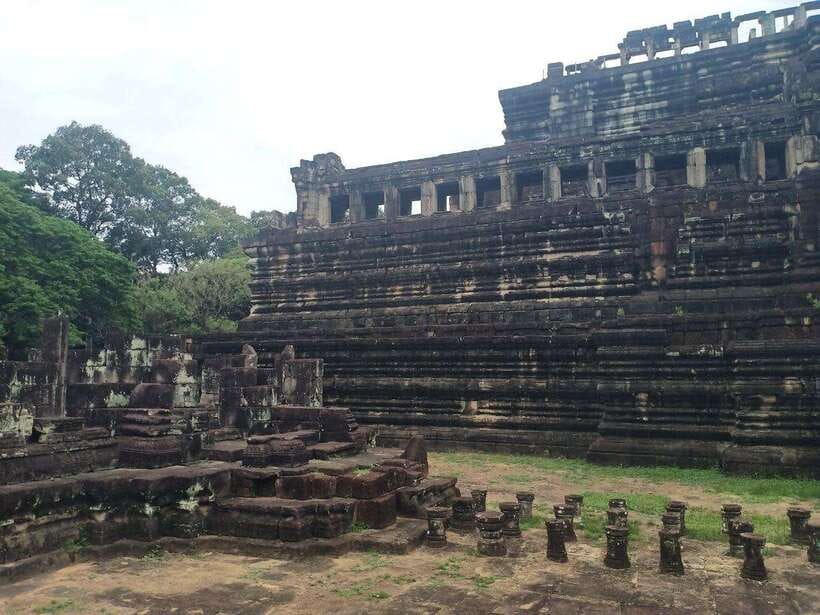
- Baphuon (about 30 minutes)
- A pause at Tonle Om Gate (Southern Gate) (about 15 minutes)
- Other points along the route where you can get your bearings and learn what you’re looking at
If you’re wondering why a guide matters here, it’s because the site is big and visually repetitive if you don’t know what you’re chasing. With guidance, you learn what each part is meant to represent.
You can also read our reviews of more tours and experiences in Siem Reap
Pimean Akas and the Terrace of the Leper King
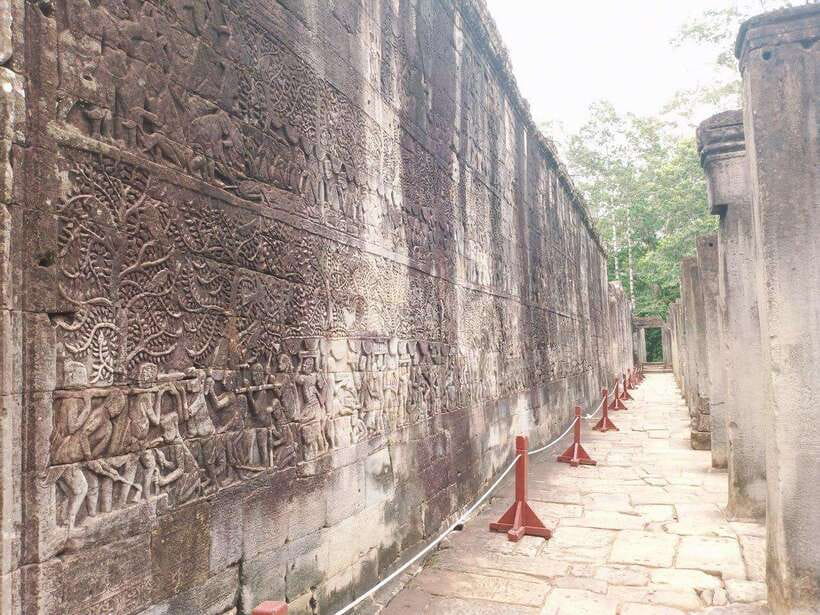
This is where the tour gives you a nice mix of “stop and stare” versus “walk and learn.” You’ll include quick guided visits and photo stops at:
- Pimean Akas
- The Terrace of the Elephants
- The Terrace of the Leper King (shown in the tour highlights as part of the Angkor Thom experience)
The Terrace of the Leper King is one of those places you can’t fully appreciate from a distance. Up close, you can see the stone details that make it feel theatrical—like the temple is staging a scene in stone. The same goes for the Terrace of the Elephants, where the architecture is designed to impress and direct movement.
These stops are short (each is around 15 minutes on the route), so don’t expect a long sit-down. Instead, use them strategically:
- Look for the carvings before you look for the perfect photo
- Turn around and take in what the terrace is “setting up” for the next area
- Keep moving, because the best details are often around edges and corners
Bakheng Hill Sunset at Phnom Bakheng: Where the Day Finally Breathes
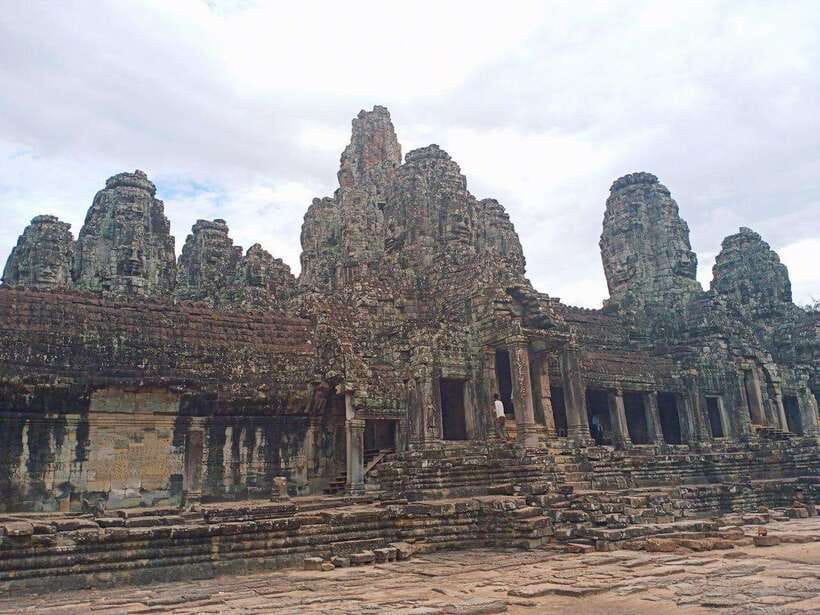
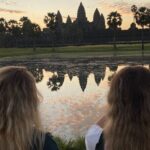
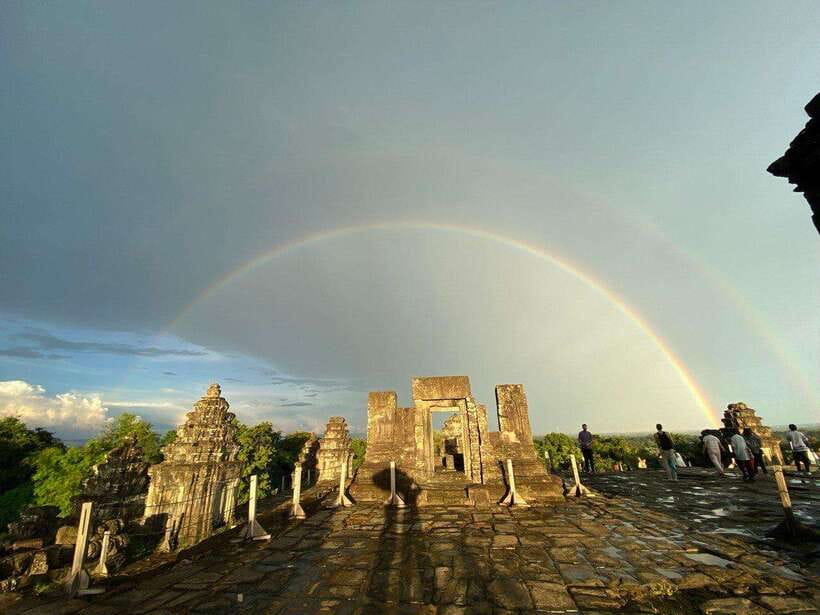
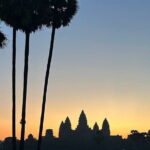
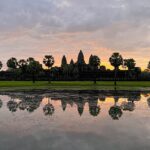
The finale is Phnom Bakheng, accessed from Bakheng Hill for sunset. This is a sunset-focused segment of about 2 hours, and it’s usually the moment the whole day feels worth it.
Sunset at Phnom Bakheng is special because the temple setting changes as light drops. Stone that looked dramatic under midday sun turns softer. You also start seeing the scale of the Angkor area in a wider, more atmospheric way.
Practicalities matter here:
- Bring your water and wear comfortable shoes. The walk and the uneven stone surfaces can be tiring near sunset.
- Don’t rely on a phone-only setup if you’re serious about photos. A camera with a settings you know works in low light is a safer bet.
This part of the day also tends to reward calm energy. If you’re ready to wait a few minutes for the best angles and accept that everyone wants the same view, you’ll enjoy it more.
Price, Tickets, Lunch, and the Real Value Math
Let’s talk straight money. The tour price is $19 per person, and what you get for that is solid:
- Professional guide
- Hotel pickup and drop-off
- Air-conditioned van
- Cold drinking water
- Skip-the-line entrance
What’s not included:
- Lunch
- Temple ticket
That means your total cost depends on what ticket you buy and what you choose to eat. But the big-picture value is that you’re paying mainly for a guided route plus the transport to connect multiple temple clusters in one day.
If you planned to do Angkor Wat + Ta Prohm + Angkor Thom on your own, you’d likely spend time figuring out routes, buying tickets, and trying to decide what’s worth your limited energy. For many people, that’s the real cost you’re avoiding.
Who This Day Trip Fits Best (and Who Should Skip It)
This tour is a good match if you want:
- An English-speaking guide to explain what you’re seeing
- A well-paced one-day circuit across major Angkor highlights
- A sunset payoff without having to plan it from scratch
It’s less of a fit if you have mobility constraints or specific conditions. It’s listed as not suitable for children under 12, pregnant women, and wheelchair users. Also, plan around hot weather and expect a moderate walking load.
If you’re traveling solo, the group aspect can help. At minimum, you won’t be doing the heavy mental load of building an Angkor route alone.
Should You Book This Angkor Wat, Angkor Thom, and Ta Prohm Day Trip?
If you want a single-day sampler that hits the headline temples—Angkor Wat, Ta Prohm, and Angkor Thom—and you like learning as you walk, this is an easy yes. The combination of guide time, skip-the-line access, and a planned Phnom Bakheng sunset finish is the kind of structure that keeps your day from turning into random temple wandering.
You should think twice if you’re trying to minimize extra costs. Since temple tickets and lunch aren’t included, you’ll want to budget for those from the start. Also, if you’re not comfortable with heat and walking, be realistic about your pace.
If you’re ready for a guided, high-impact Angkor day with a proper sunset ending, book it and spend your energy on the temples, not the planning.
FAQ
How much does the Angkor Wat, Angkor Thom, and Ta Prohm sunset day trip cost?
The price is listed as $19 per person.
What’s included in the price?
You get a professional guide, hotel pickup and drop-off, transport by air-conditioned van, and cold drinking water.
Are temple tickets included?
No. Temple tickets are not included.
Is lunch included?
No. Lunch is not included.
How long is the experience?
It’s a 1-day trip.
Is this tour suitable for children, pregnancy, or wheelchair users?
It is not suitable for children under 12, pregnant women, or wheelchair users.
What should I bring, and what’s not allowed?
Bring comfortable shoes, a hat, a camera, sunscreen, and water. Smoking and flash photography are not allowed.
If you want, tell me your travel month and whether you prefer early temple hours or a calmer pace, and I’ll suggest how to time your day in Siem Reap around the sunset slot.