REVIEW · SIEM REAP
Full Day Angkor Wat Temples Tour with Pickup
Book on Viator →Operated by La English Speaking Private Driver · Bookable on Viator
Angkor makes sense with a real plan. This full-day route through Angkor Wat and Angkor Thom feels organized from the first pickup, with water and cold towels helping you handle the heat. I also like that your driver/guide, La, communicates clearly in English and can explain what you’re seeing as you go, but admission tickets are not included.
Because this is a private tour/activity, it’s just your group. You’ll get a practical, human pace—La can adjust based on what you want to linger on, and he’s handled very early starts before when sunrise was on people’s lists, so it’s worth asking when you book.
One more thing to plan for: the schedule can run anywhere from 2 to 6 hours on the booking details, while the day plan is described as a 6–7 hour temple circuit. Either way, you’ll want comfy shoes and a hat—temple days move fast once you’re between gates.
In This Review
- Key things to know before you go
- Pickup, tickets, and how the day gets rolling in Siem Reap
- Angkor Wat: what makes it the right first stop
- Angkor Thom essentials: Bayon faces, Baphuon details, and the Elephant Terrace
- Bayon: the stone faces that pull you in
- Baphuon: the temple that rewards patient looking
- The Elephant Terrace: where power turns into stone design
- Ta Prohm: the Tomb Raider temple and the art of not rushing
- How long is this really? Timing, pacing, and what to expect
- Value and pricing: is $30 a good deal?
- Who should book this Angkor Wat and Angkor Thom route?
- Should you book this full-day Angkor tour?
- FAQ
- Are admission tickets included in this tour?
- Does the tour include pickup and drop-off?
- Where do you redeem tickets?
- What are the ticket office hours?
- How long is the tour?
- What’s included besides the guide and transport?
- Is this a private tour?
- Is free cancellation available?
- Are service animals allowed?
Key things to know before you go
- Pickup plus cold towels: you’ll be supported from the first step out of your hotel.
- La’s English explanations: a real guide voice makes the carvings and layouts easier to follow.
- Angkor Wat + Angkor Thom highlights: Bayon, Baphuon, the Elephant Terrace, and Ta Prohm are all part of the route.
- Ticket office stop is built in: you’ll be taken to the ticket redemption point before temple time.
- Private group experience: your time is less likely to get pulled around by strangers’ schedules.
- Admission not included: you’ll need to budget for entry tickets separately.
Pickup, tickets, and how the day gets rolling in Siem Reap
The best advantage of this tour is the friction-free start. You get pickup (and drop-off is part of the service), so you aren’t wrestling tuk-tuk logistics while trying to arrive at the right time for the temples.
Before you reach the main sights, you’ll go to the ticket office area: Angkor Enterprise, Apsara Rd, Krong Siem Reap. The listed opening hours are 5:00 AM–5:30 PM, and this stop matters because it keeps your temple time from turning into a scavenger hunt. If you’re planning to photograph or just enjoy the early atmosphere, showing up early for ticketing can help.
Your guide for the day is La (sometimes you may see the name Jack on messages). La’s English is a big part of the appeal; the explanations are clear enough that you don’t have to guess what you’re looking at. And since this is a private tour, you can ask questions without feeling like you’re stealing time from a big group.
You can also read our reviews of more tours and experiences in Siem Reap

Angkor Wat: what makes it the right first stop
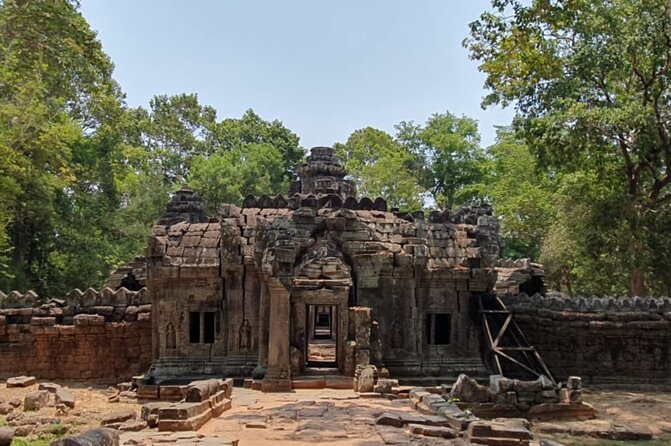
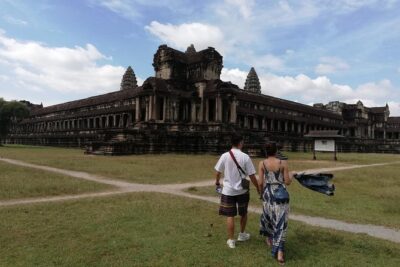
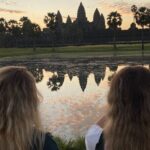
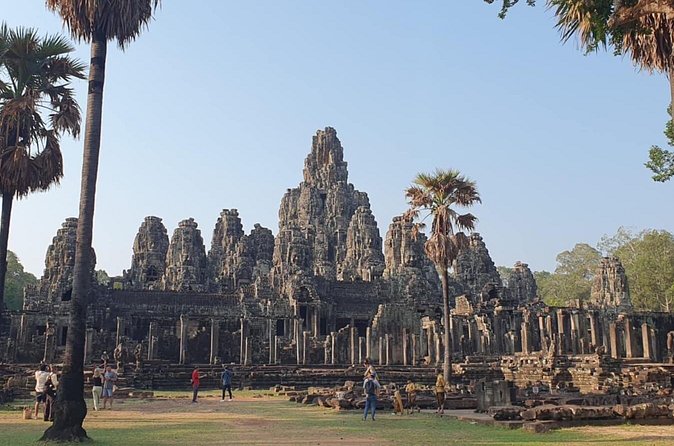
Angkor Wat is usually the anchor of any Angkor day, and this plan starts there. You’ll head in to Angkor Wat, then the day continues through the larger Angkor complex and onward to Angkor Thom highlights.
What I like about starting here is simple: it gives you a baseline. Once you’ve seen the layout and scale at Angkor Wat, the rest of the sights feel less like random ruins and more like parts of one connected story—temples built for specific purposes, with carvings that repeat themes.
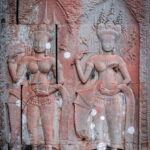
There’s also a practical benefit: Angkor Wat is where you’ll spend time understanding the “language” of the site—stone ornament, the way corridors funnel your eye, and how the design guides your movement. Even if your Khmer history is rusty, an English explanation from La helps you read the symbols without turning it into homework.
A quick planning note: the tour details clearly say the admission ticket is not included for the Angkor Wat entry. That doesn’t ruin the value, but it does mean you should budget separately so the day stays stress-free.
Angkor Thom essentials: Bayon faces, Baphuon details, and the Elephant Terrace
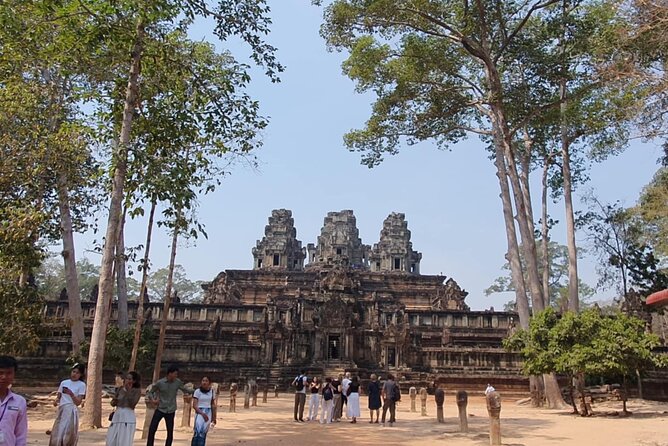
After Angkor Wat, the tour focuses on major anchors within Angkor Thom, including Bayon, Baphuon, and the Elephant Terrace. This part of the day is where the temples start to feel personal in a different way—less formal and more dramatic.
Bayon: the stone faces that pull you in
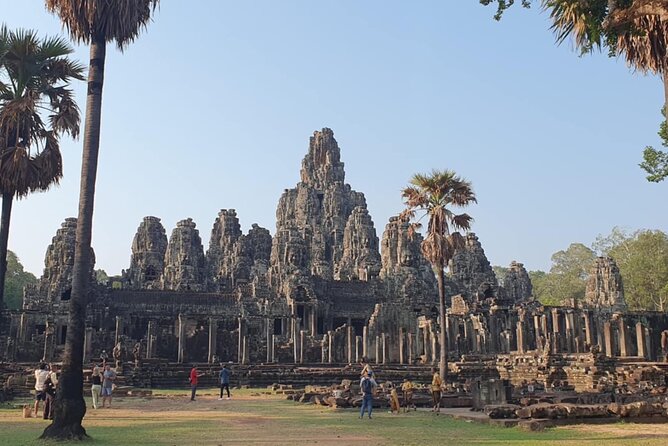
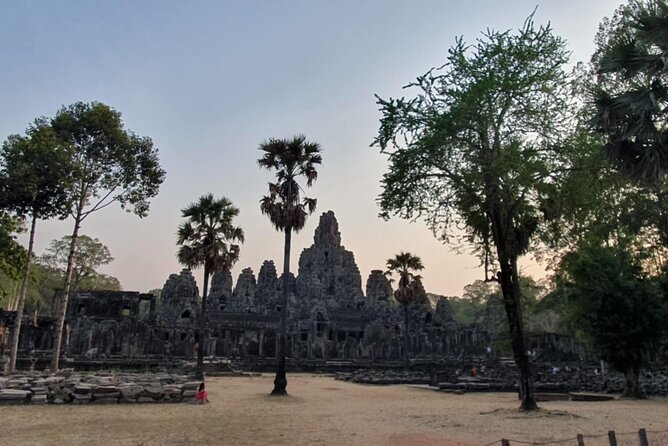
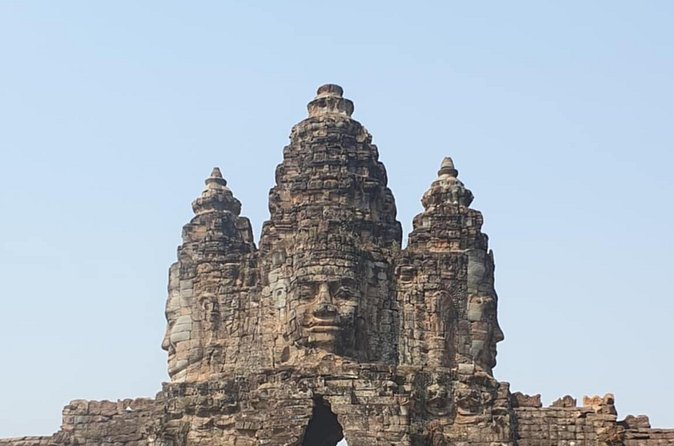
Bayon is famous for the iconic stone faces, and that reputation is deserved. The key is how you look at it: don’t just take a wide photo and move on. Spend a little time with an explanation, then step closer to notice placement—where the faces face, how the angles change as you walk around, and how the carvings fit the structure.
With La’s English interpretation, you’ll get more out of those details than you would scanning for landmarks. It’s the difference between seeing famous ruins and understanding why people obsessed over them.
Baphuon: the temple that rewards patient looking
Baphuon can feel quieter than Bayon at first glance, but it’s worth the stop. The value here is in the craftsmanship and the scale of the stonework. If you’re the type who notices patterns in architecture—arches, tiers, and the way sections connect—Baphuon tends to click.
The drawback is timing: if you rush, Baphuon becomes just another stop. If your group is willing to slow down briefly, La can help you notice what matters.





The Elephant Terrace: where power turns into stone design
The Elephant Terrace is another highlight built for big presence. It’s a great contrast to the tight, face-focused feel of Bayon. Here, you can appreciate how ornament and symbolism blend into a platform-like space that was meant for significance.
Even if you don’t know every term for what you’re seeing, the terrace makes it easy to understand something basic: these places were designed for ceremony, authority, and visual impact. It’s not just “pretty ruins”—it’s architecture doing a job.
Ta Prohm: the Tomb Raider temple and the art of not rushing
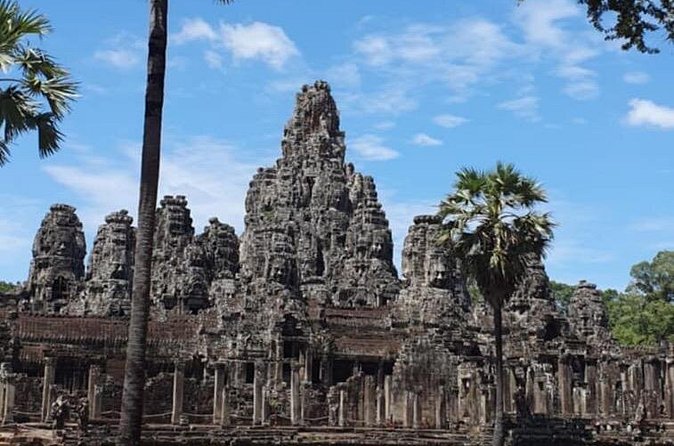
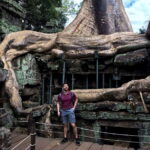
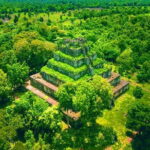
No Angkor list would be complete without Ta Prohm, often called the Tomb Raider temple. What’s special about Ta Prohm isn’t only the look—it’s the relationship between stone and nature.
The best way to enjoy Ta Prohm is to accept that it’s a little chaotic in a good way. Roots and branches aren’t “damage” here so much as part of the visual story. The longer you stay, the more you see: stone frames that feel swallowed by trees, corridors shaped by vines, and viewpoints that change as you move a few steps.
This is a stop where La’s guidance helps again. When someone explains how the structure was originally laid out and how the current feel developed, you stop treating it like a movie set and start treating it like a place. You can still take photos, but you’ll also understand what you’re photographing.
One consideration: this is also a stop where the heat can sneak up on you while you’re staring up and taking in details. Your cold towel and water support help here, but I’d still bring a hat and take short breaks when you can.
How long is this really? Timing, pacing, and what to expect
The tour details list the duration as 2 to 6 hours (approx.), while the overview describes a 6–7 hour journey. That mismatch isn’t unusual for Angkor tours, because the practical length depends on when you start, traffic, and how much time you want at each site.
If you’re choosing this tour expecting a quick hit, you may need to adjust your expectations. If you’re aiming for a full, guided circuit with time for photos and explanations, the 6–7 hour feel is closer to what you’re booking.
Your private setup matters here. Without a big group behind you, you’re more likely to get an itinerary that matches your pace—if you want to linger, you can. If you want fewer stops and more walking space, you can ask La to shape it that way.
Transport is handled by the provider, so you won’t be spending time figuring out routes. That’s a big quality-of-life win in Siem Reap, where the day can feel like a blur.
Value and pricing: is $30 a good deal?
At $30 per person, this tour can be a solid value—especially because you’re not just buying a ride. You’re getting pickup, drop-off, water, cold towels, and an English-speaking guide/driver to connect the dots between sites.
The important catch: temple admission tickets are not included. That means your true cost is “$30 plus tickets.” Still, even with tickets added, a guided day like this often works out well compared to trying to piece together your own transport and guide services for multiple sites.
Where the price really earns its keep is in the guidance. Angkor can overwhelm you fast: too many carvings, too many gates, too many buildings with similar stone features. La’s English explanations make that pile of stone feel organized, so you get more meaning per hour.
Also, because it’s private, you’re paying for your group’s time and attention. That’s worth it if you want answers, not just access.
Who should book this Angkor Wat and Angkor Thom route?
This tour fits best if you want:
- An English-guided day through the key Angkor anchors
- A plan that covers Angkor Wat plus Angkor Thom highlights (Bayon, Baphuon, Elephant Terrace, Ta Prohm)
- A private experience where your questions and pacing matter
- The convenience of pickup and drop-off, plus water and cold towels
It’s less ideal if you prefer fully independent temple wandering and you don’t want to pay for guidance. But if you’d rather focus on seeing than on arranging, this kind of day tour is a smart match.
People who like architecture details, photography planning, and explanations usually get the most out of it. It’s also a good option if you’re traveling as a couple or small group and want the day to feel tailored.
Should you book this full-day Angkor tour?
If you’re trying to decide quickly, I’d book this when two things are true: you want English interpretation that makes the temples easier to read, and you want your logistics handled with pickup and built-in ticket office time.
I would hesitate only if you have a strict budget and you dislike the idea of paying separately for admission tickets. Otherwise, the $30 price point feels fair when you factor in the guided pacing and the comfort extras like water and cold towels.
If you care about timing, ask how your day will be paced once you confirm. That one question can decide whether you get a relaxed, meaningful temple walk—or a hurried checklist.
FAQ
Are admission tickets included in this tour?
No. The Angkor Wat stop specifically notes that the admission ticket is not included.
Does the tour include pickup and drop-off?
Yes. Pickup is offered, and drop-off services are included as part of the tour.
Where do you redeem tickets?
The ticket redemption point is Angkor Enterprise, Apsara Rd, Krong Siem Reap, Cambodia.
What are the ticket office hours?
The listed opening hours are Monday through Sunday from 5:00 AM to 5:30 PM.
How long is the tour?
The duration is listed as approximately 2 to 6 hours, and the day plan is described as a 6–7 hour temple journey.
What’s included besides the guide and transport?
Complimentary water and cold towels are included, along with pickup and drop-off.
Is this a private tour?
Yes. It’s a private tour/activity, and only your group participates.
Is free cancellation available?
Yes. You can cancel up to 24 hours in advance for a full refund.
Are service animals allowed?
Yes, service animals are allowed.