REVIEW · SIEM REAP
Angkor Wat Private 2 day tour including National Park Phnom Kulen
Book on Viator →Operated by Angkor Wat Private Day Tours · Bookable on Viator
Sunrise, carvings, and a smart private pace. I love the Phnom Kulen hike—especially the waterfall area and the riverbed carvings connected to 1000 Shiva lingas. I also love the Angkor Wat sunrise timing, where an early start helps you enjoy the temple without getting stuck in a late-morning jam. One thing to consider: you’ll add on separate entry fees for the national park and your one-day temple pass, and it’s hot for most of the year.
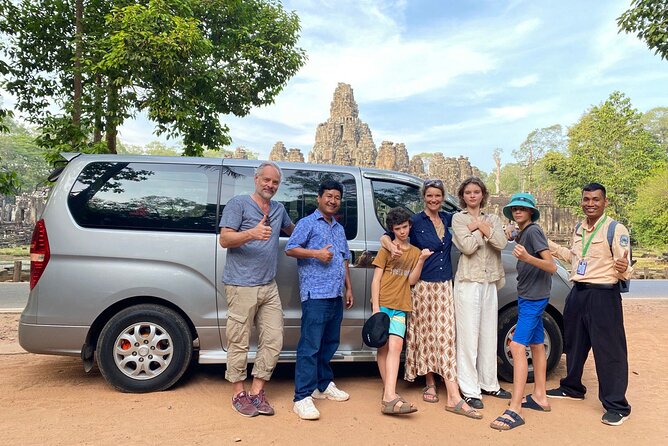
This is a true private setup (up to 3 people) with hotel pickup and drop-off, an English-speaking guide, and an air-conditioned SUV or minivan. You get cold pure drinking water, plus regular stops so you can grab snacks and stay hydrated. If you’ve got moderate fitness and you can handle early mornings, this feels like an efficient way to see the big hits of Angkor while still getting a grounded, spiritual day in the mountains first.
In This Review
- Key Things I’d Mark on Your Map
- Two Days, One Big Story: Phnom Kulen to Angkor Wat at Sunrise
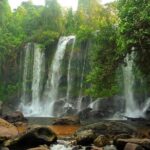
- Phnom Kulen National Park: Waterfall Views and 1000 Shiva Lingas
- Angkor Wat Sunrise: The Early Pickup That Changes the Day
- Banteay Srei: Why This Temple Feels Different
- Ta Prohm: The Tomb Raider Ruins Moment
- Bayon Temple: Smiling Faces and a Shift to Buddhist Deities
- Private Comfort: A/C Vehicle, Water, and Guides Who Set the Tempo
- Price and Logistics: Is $276 Per Group Good Value?
- What to Wear, Bring, and Plan for Heat
- Who This Tour Suits Best (and Who Should Think Twice)
- Should You Book This Private 2-Day Angkor Wat and Phnom Kulen Tour?
- FAQ
- What’s the meeting time for the Angkor Wat sunrise?
- Is pickup and drop-off included?
- What’s included in the tour price?
- Are temple tickets included?
- How long is the experience?
- Is it really private?
- Can I cancel for a full refund?
Key Things I’d Mark on Your Map
- Phnom Kulen National Park hike + the 1000 Shiva linga riverbed carvings make Day 1 feel different from the flat temple circuit
- A very early Angkor Wat start (suggested 04:45) sets you up for sunrise before the day gets loud
- Banteay Srei’s fine carving focus gives your eyes a break from the massive temple scale
- Ta Prohm and Bayon cover two very different vibes: overgrown ruins and the smiling faces of Bayon
- Private comfort details like A/C, cold drinking water, and frequent stops keep the long days manageable
- Simple dress guidance (covered shoulders, chest, and knees) helps you avoid hassles at temple entrances
Two Days, One Big Story: Phnom Kulen to Angkor Wat at Sunrise

Angkor is famous for its temples, but what makes this two-day plan work is that it starts with Phnom Kulen. You shift from city heat and traffic to a sacred landscape where Hindu-era carvings sit right where people have paused for generations. Then you pivot to Angkor Wat, timed for sunrise, so the second day hits with maximum atmosphere.
The private format matters here. With only your group, you spend less time waiting for others and more time keeping your eyes moving at the right pace. That’s a big deal when you’re bouncing between sunrise hours and a later lineup of temples that each has a different “what to notice” feeling.
You can also read our reviews of more private tours in Siem Reap
Phnom Kulen National Park: Waterfall Views and 1000 Shiva Lingas
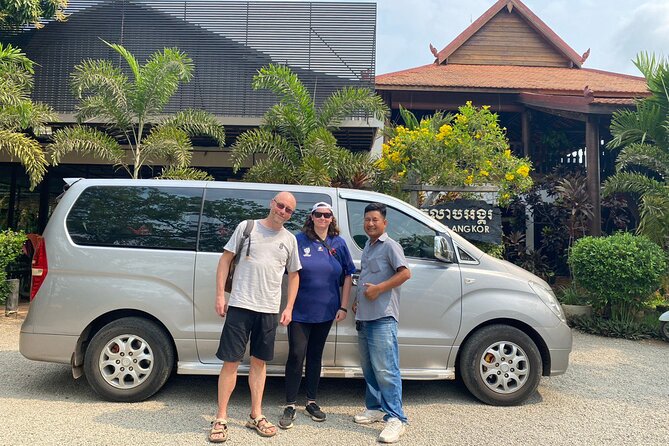
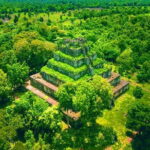
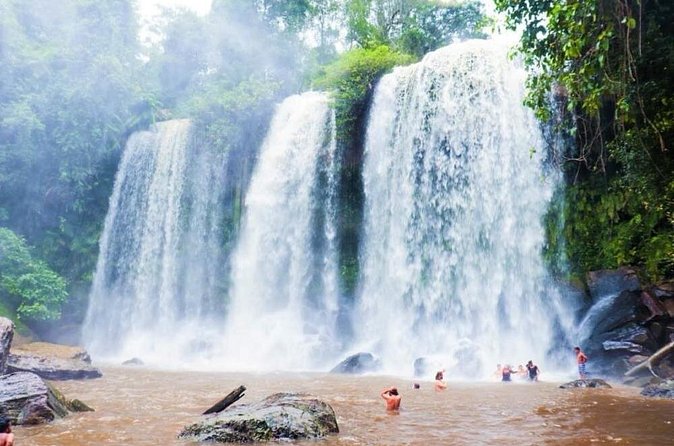
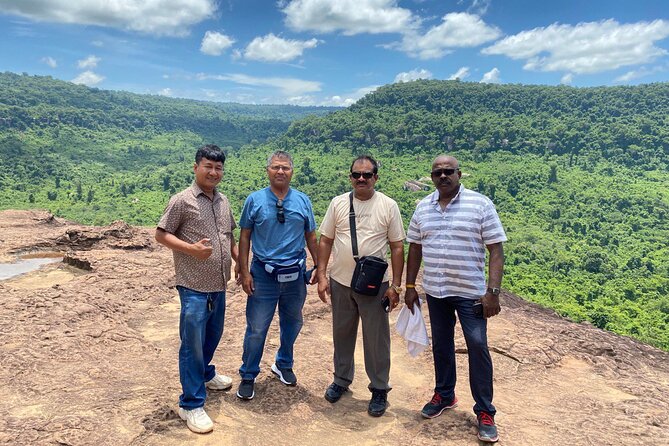
Phnom Kulen National Park is the spiritual opener. Your day starts at 08:00, with pickup from your accommodation and a drive into the national park area. The main on-foot segment is about 3 hours, and this is where you’ll hike in the context of old religious sites dating back to the 9th century C.E. (Hindu).
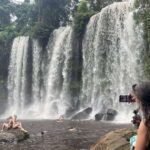
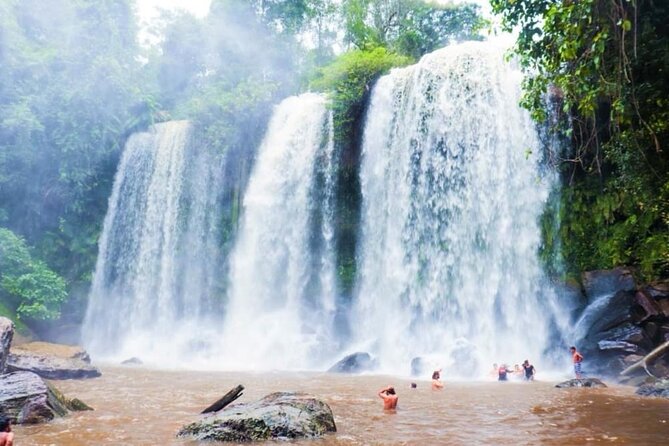
The star detail is the waterfall area and the riverbed carvings connected to 1000 Shiva lingas. Even if you’re not a carvings-and-religion expert, you’ll feel the weight of the place fast. It’s not just a pretty walk. You’re moving through a zone that’s tied to Khmer beliefs and repeated pilgrimage over time.
Practical considerations
- This route asks for moderate physical fitness. It’s not described as a tough climb, but you should expect uneven ground and some walking time.
- Tickets are not included for the national park, listed at $20 per person.
- Bring sunscreen and a hat, and drink early. The tour notes that it’s hot for most of the year, so don’t wait until you feel thirsty.
If you want your Angkor trip to feel more than just photo stops, this is the piece that gives you context. Angkor feels less random when you start with a place that’s tied to older religious traditions.
Angkor Wat Sunrise: The Early Pickup That Changes the Day
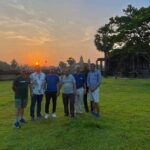
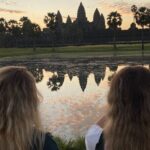
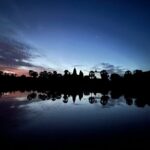
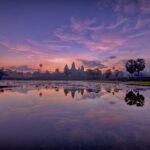
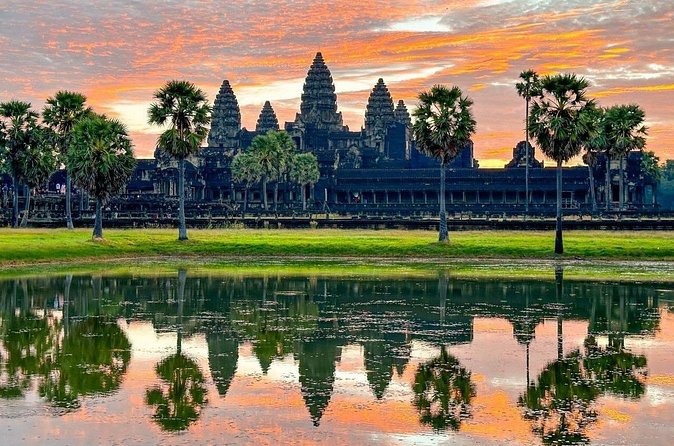
Day 2 is built around a sunrise visit. The plan suggests you start early at 04:45, with your guide and driver picking you up from your hotel for the temple route. Your guide then helps you with the one-day temple pass, which is $37 per person and not included.
Sunrise at Angkor Wat isn’t only for the sky. It’s for the rhythm of the place. At the right hour, you get more time to take in the geometry and calm without feeling like you’re constantly squeezing between bodies. The tour includes about 3 hours at Angkor Wat, so you can see the key angles and still keep the day from dragging too long.
What I’d pay attention to
- Dress code applies: covered shoulders, chest, and knees. This is not the time to count on a quick fix at the gate.
- It’s hot later in the day. Even if the sunrise feels cool, your body will feel the shift as the hours roll forward.
- You’ll be relying on your guide’s timing, so if you feel sleepy, accept that and just plan for it. The payoff is worth it.
One small budgeting note: since the temple pass is per person, your total cost rises quickly if you’re traveling solo. If you’re going as a small group, the private vehicle portion is where the value really shows.
Banteay Srei: Why This Temple Feels Different
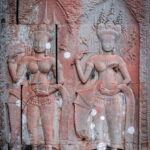
After Angkor Wat, you head to Banteay Srei, which is about 37 km from Siem Reap. You’ll spend roughly 1 hour here. The temple is connected to the late 10th century C.E. (Hindu Shiva), and it’s known for the intricate carving style that makes your eyes slow down.
Even when Angkor temples dominate the headlines, Banteay Srei often gives a different kind of satisfaction. Here, the details matter: faces, patterns, and carving work that rewards you for getting closer rather than just stepping back to get the whole structure.
The main drawback for this stop: 1 hour can feel short if you’re the type who likes to linger on one section of carvings. If that’s you, let your guide know what you want to focus on, and ask for a sensible route through the highlights.
Ta Prohm: The Tomb Raider Ruins Moment
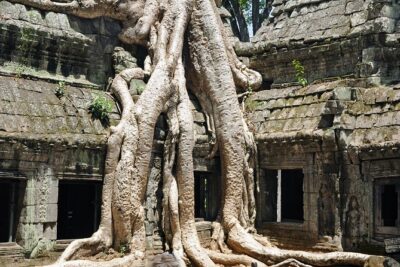
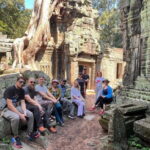
Next up is Ta Prohm, the temple people associate with cinematic ruins and root-covered stone. Your stop here is around 1 hour, with time for lunch at a local restaurant nearby. The plan notes meals aren’t included, and lunch is typically $6–$8 per plat depending on what you order.
I like Ta Prohm for the way it interrupts the “perfect order” feeling. This isn’t about pristine symmetry. It’s about time, nature, and how human design changes when vegetation grows back.
Tips that actually help
- Use your hour for exploring, not sprinting. The best photos happen when you take a slow walk and let your eyes adjust to the light.
- Since you’ll be buying lunch, bring a little cash buffer if your card doesn’t work at a small local place. The tour doesn’t describe payment methods, so it’s safer to be ready.
You can also read our reviews of more tours and experiences in Siem Reap

Bayon Temple: Smiling Faces and a Shift to Buddhist Deities
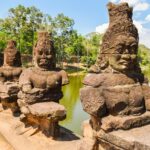
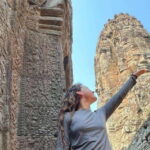
After Ta Prohm, you visit Bayon Temple, spending about 2 hours. Bayon is tied to the late 12th or early 13th century, and it’s described as the state temple built by King Jayavarman VII. The focus here is Buddhist deities, which gives the temple circuit an important change of tone from the Hindu-related sites earlier in the trip.
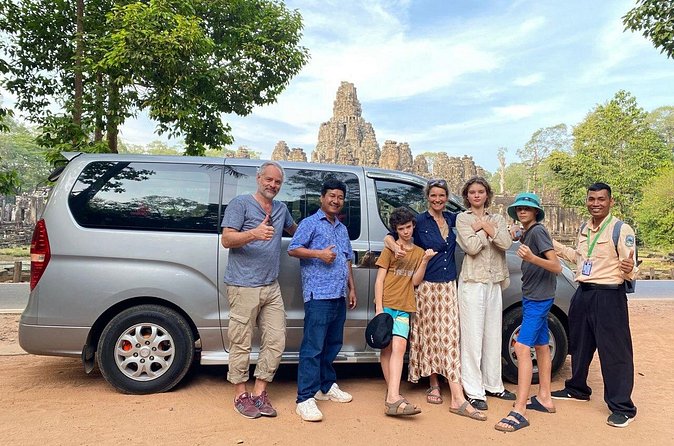
Bayon is famous for the mystical smiling stone faces. But the bigger value is how Bayon feels like a spiritual statement in stone—repetition, scale, and perspective that pulls you along.
Two hours is a good amount of time if you want to see more than one angle and not just grab the first view. Still, it can become crowded later. A private guide helps you keep moving with purpose instead of getting trapped in the same traffic-flow pattern all day.
Private Comfort: A/C Vehicle, Water, and Guides Who Set the Tempo
This tour gives you real comfort infrastructure, especially across a long 16–18 hour overall day stretch. You get:
- Hotel pickup and drop-off
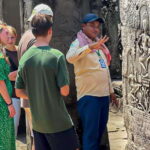
- A fully licensed English-speaking tour guide
- A personal English-speaking driver
- Air-conditioning in an SUV or minivan
- Cold pure drinking water
- Regular stops for water and snacks
- Umbrellas in rainy season
The reviews you shared also underline the human side. People call out strong hospitality and manners, and they specifically mention guides like Mr. Tasty and Mr. Chris for English fluency and smooth sunrise timing at Angkor Wat. That matters because your experience at temples isn’t only about the monuments. It’s about pacing, explanation, and keeping the day from feeling like a scramble.
Also, the guide’s job isn’t just talking. It’s logistics—helping you transition from a national park hike to early-temple hours, then into carved-stone temples without wasting time.
Price and Logistics: Is $276 Per Group Good Value?
The headline price is $276.00 per group (up to 3). That’s the cost for the private vehicle, pickup/drop-off, and the guide/driver service—not the entry fees and not meals.
Here’s the practical math based on the fees you mentioned:
- National Park Phnom Kulen ticket: $20 per person
- One-day temple pass: $37 per person
- Meals: not included
So, per person, you should budget extra $57 for those two required entries. Your base cost depends on how many people share the private rate:
- If 1 person: $276 + $57 = $333, plus meals
- If 2 people: $138 each + $57 = $195 each, plus meals
- If 3 people: $92 each + $57 = $149 each, plus meals
That’s why this tour often makes sense for small groups: the private fee is spread out, while the entry fees are per person no matter what. If you’re traveling solo, it can still be worth it, but you’ll feel the cost more.
Meals are the other variable. The plan gives a realistic lunch range around $6–$8 per plate near Ta Prohm. Don’t plan on “included” meals, though the guide will help with breaks and shopping for essentials.
What to Wear, Bring, and Plan for Heat
This part sounds boring until you’re standing under direct sun at midday.
The tour requests:
- Covered shoulders, chest, and knees
- Sunscreen and a hat
- Hydration
- Umbrella support in rainy season
I’d add two personal sanity checks:
1) Wear shoes you can walk in comfortably for the Phnom Kulen hike.
2) Bring a small day bag with water, sunscreen, and anything you’ll need fast—because you’ll want to move when your guide gives you the timing window.
The heat detail is not a small footnote. Since temple exploring is part of the day, you’ll feel better if you treat shade breaks as part of the plan, not an afterthought.
Who This Tour Suits Best (and Who Should Think Twice)
This is best for you if:
- You want a private Angkor experience, not a crowded group shuffle
- You like the idea of pairing Phnom Kulen (hike + carvings) with Angkor Wat (sunrise)
- You’ve got moderate fitness and you can handle a full, early day
- You care about English guidance that helps you interpret what you’re seeing
This may not be ideal if:
- You hate early mornings. The sunrise start at 04:45 is the backbone of the plan.
- You’re on a tight budget and you don’t want extra entry fees and meals added on top.
Should You Book This Private 2-Day Angkor Wat and Phnom Kulen Tour?
Book it if you want Angkor without feeling rushed, and you like the idea of starting with Phnom Kulen so the temples feel connected, not random. The combination of private A/C comfort, cold water, and a guide who can manage timing (people specifically mentioned Mr. Tasty and Mr. Chris) makes this feel practical, not just scenic.
I’d only hesitate if early starts or added entry fees are dealbreakers for you. If those are fine, this is a strong value way to see the major highlights—while still getting an authentic sacred stop beyond the usual temple route.
FAQ
What’s the meeting time for the Angkor Wat sunrise?
The plan suggests starting early at 04:45 for the Angkor Wat sunrise, with pickup from your hotel.
Is pickup and drop-off included?
Yes. Hotel pickup and drop-off are included.
What’s included in the tour price?
Included are a fully licensed English-speaking tour guide, a personal English-speaking driver, an air-conditioned SUV or minivan, cold pure drinking water, and hotel pickup and drop-off.
Are temple tickets included?
No. The Phnom Kulen National Park ticket is listed at $20 per person, and the one-day temple pass is listed at $37 per person.
How long is the experience?
The overall duration is listed as about 16 to 18 hours.
Is it really private?
Yes. It’s a private tour/activity, and only your group participates. The price is per group up to 3.
Can I cancel for a full refund?
Yes. Free cancellation is available up to 24 hours in advance for a full refund.