REVIEW · SIEM REAP
Discover Cambodia 8 Days from Siem Reap to Koh Trong -Phnom Penh
Book on Viator →Operated by About Cambodia Travel & Tours · Bookable on Viator
Angkor to the Mekong, in one focused route. This 8-day trip strings together Angkor temples with Koh Trong island life on the Mekong, then finishes in Phnom Penh with both palace glamour and hard history. You get a private driver, an English-speaking guide, and a schedule that mixes big-ticket sights with calmer river towns.
I especially like the private air-conditioned transport and how it reduces the usual hassle of Cambodia logistics. I also love the pacing that gives you real downtime on the Mekong, including a stay on Koh Trong and a couple nights in a traditional Khmer house.
One thing to consider: you’ll face long driving stretches between regions, and several days include walking on temple grounds. If you prefer super-light days and short hops, this itinerary may feel like a bit of a marathon.
In This Review
- Key things about this Siem Reap to Phnom Penh route
- The value story: why this tour feels worth the money
- Day 1 in Siem Reap: airport to hotel with a guide intro
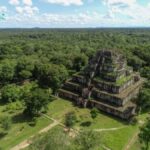
- Day 2: Angkor Thom and the big Angkor hits in one long temple day
- Day 3: Tonle Sap, Kampong Phluk, and crafts around Siem Reap
- Day 4: Siem Reap to Kratie via Kampong Thom, rubber plantations, and the Mekong crossing
- Day 5: Koh Trong Island by bike, plus markets and pagodas
- Day 6: Kampong Cham and the Skun Spider Sanctuary detour
- Day 7: Phnom Penh Royal Palace to Tuol Sleng and Choeung Ek
- Day 8: free time then driver transfer to Techo International Airport
- Guides, pacing, and the small comfort details that matter
- Who this tour is best for (and who should think twice)
- Should you book Discover Cambodia 8 Days from Siem Reap to Koh Trong to Phnom Penh?
- FAQ
- Is this a private tour?
- Do I get picked up and dropped off?
- What’s included in the price?
- Are entrance tickets to attractions included?
- How much of the trip involves Siem Reap versus Phnom Penh?
- Do I need to budget for tips?
- What is the cancellation deadline for a full refund?
Key things about this Siem Reap to Phnom Penh route
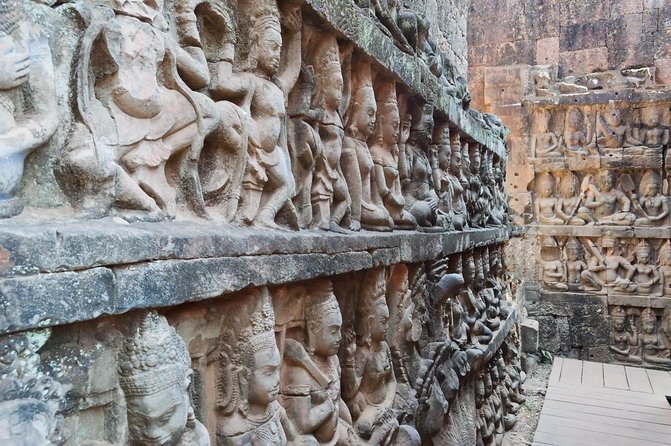
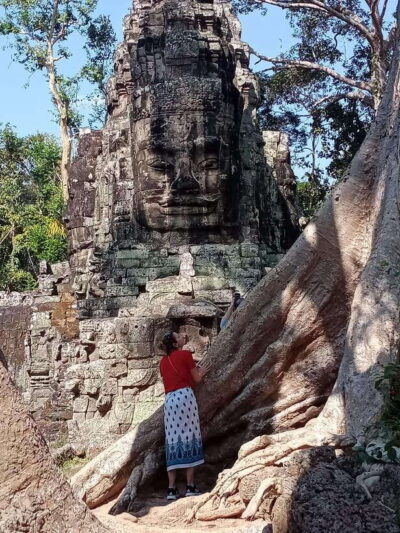
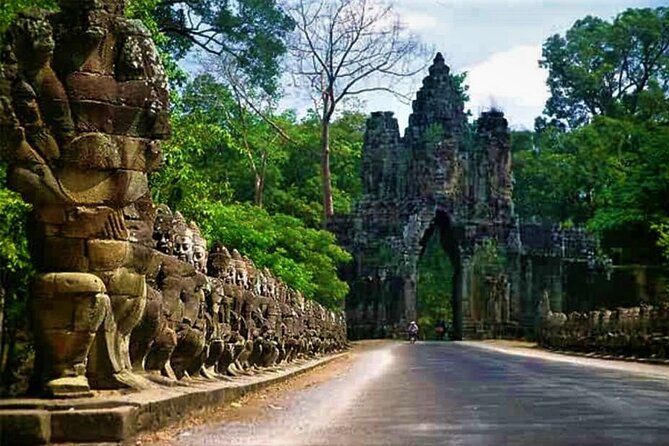
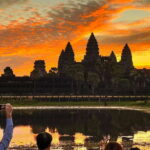
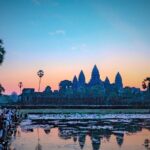
- Angkor Thom’s full set: south gate, Bayon faces, Ta Prohm, and Angkor Wat on the same strong temple day
- Koh Trong by bike: no cars on the island, with a slow, local feel along the Mekong shoreline
- River stops that break up transit: Naga Bridge (Spean Praptos), Kampong Thom stone-cutting, and a rubber plantation detour
- Phnom Penh in two moods: Royal Palace and Silver Pagoda, then Tuol Sleng and Choeung Ek
- Comfort perks you’ll actually notice: private vehicle with easy transfers, and some guides who keep the trip thoughtful (cold water/cold towels show up)
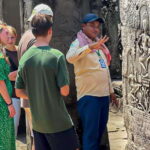
- Good guide energy: guides like Mr. Sara for Siem Reap and Mr. Tokk for Phnom Penh have been praised for pacing and storytelling
The value story: why this tour feels worth the money
This price point—$1,223.10 per person—works best when you value two things: comfort and coverage. You’re paying for private transfers in an air-conditioned vehicle, an English-speaking guide, and sightseeing entrance fees across all the major stops.
What pushes this trip into “good deal” territory is that you’re not just doing temples or just doing cities. You’re moving from Siem Reap’s Angkor complex to Kratie and Koh Trong’s river rhythm, then down to Phnom Penh’s monuments and museums. That mix is hard to replicate on your own without adding time and stress.
Also, the tour includes 7 breakfasts. That may sound basic, but when you’re moving every day or two, included meals help you keep the day on track instead of hunting for food between sights.
You can also read our reviews of more tours and experiences in Siem Reap.
Day 1 in Siem Reap: airport to hotel with a guide intro
Your arrival day starts with a meet-and-greet at Siem Reap Angkor International Airport. You’ll transfer into the city center and settle in at Regency Angkor Hotel (or similar, 4-star).
Even though this is a lighter day, it matters because the guide gets you started on the “how to think about” Cambodia right away. You’re also still fresh enough to enjoy a first look around Siem Reap after the airport transfer.
Day 2: Angkor Thom and the big Angkor hits in one long temple day
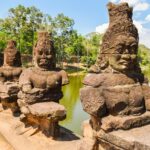
This is the day that sets the tone. You start at the South Gate of Angkor Thom, then move through a sequence designed to show how Angkor cities worked: gates, royal temples, and symbolic monuments.
Here’s what each stop adds:
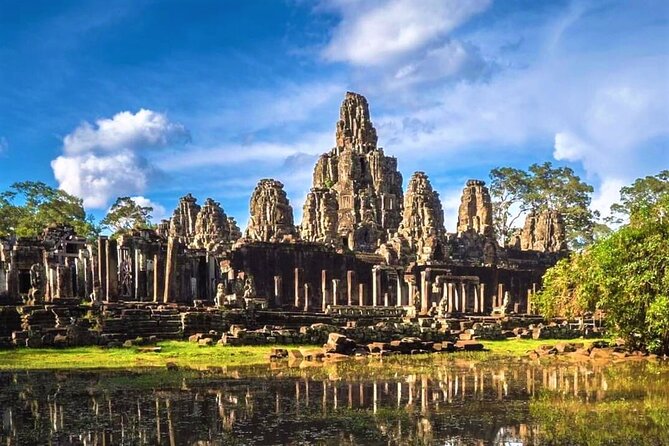
- Bayon Temple: built about a century after Angkor Wat. You’ll see the famous face towers that dominate the complex. It’s one of those places where your brain keeps switching between “architecture” and “human detail.”
- Angkor Thom: the wider royal city area, which helps you understand the scale. Even if you don’t memorize everything, you’ll feel the planning behind the city.
- Baphuon and Phimeanakas: these fill out the royal zone. Phimeanakas sits near the heart of the palace area, and it’s the kind of stop that rewards paying attention to placement and layout.
- Terrace of the Elephants and Terrace of the Leper King: two very different vibes. One is grand and ceremonial; the other is famous for its dramatic bas-reliefs and the feel of power from Jayavarman VII’s era.
- Ta Nei: tucked in deeper jungle surroundings. It’s not the biggest name on postcards, but it helps balance the heavy hitters.
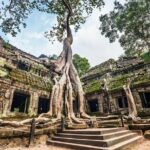
- Ta Prohm: the “trees and stones” experience. It’s one of the best places for thinking about what happens when monuments meet nature.
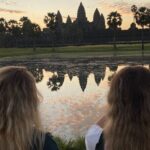
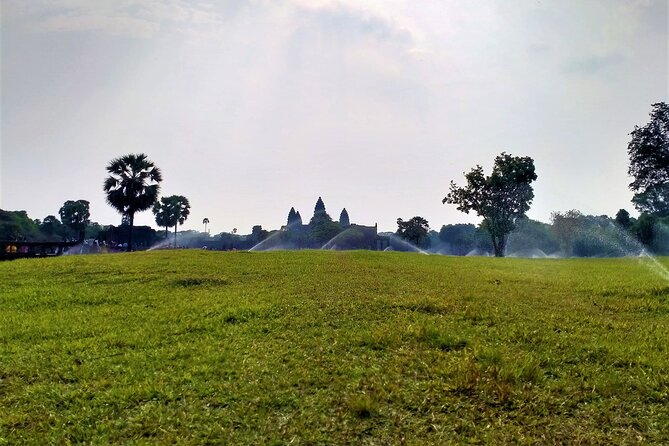
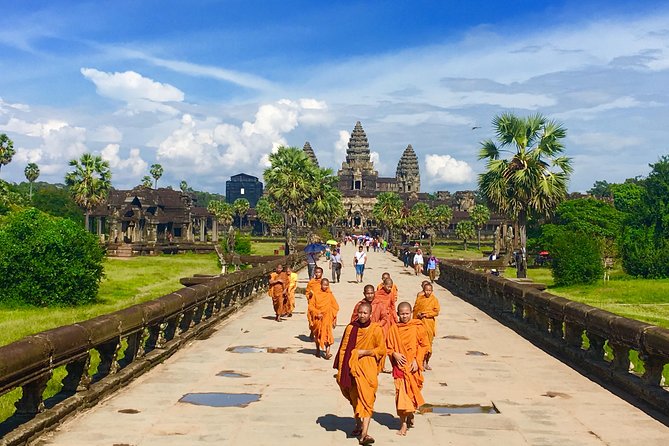
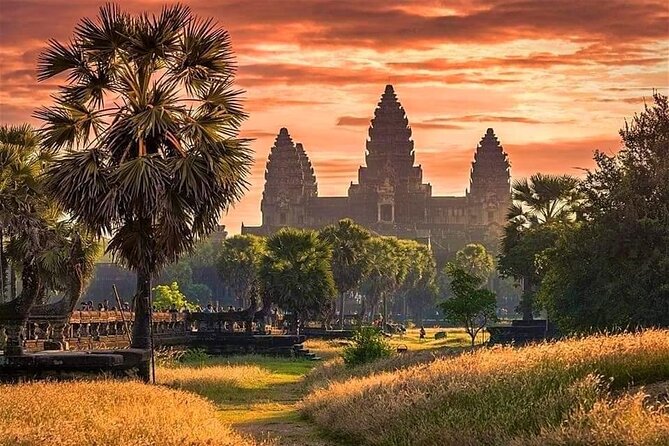
- Angkor Wat: the main event—largest, best preserved, and built with careful composition and proportions. Plan to slow down here rather than treat it like another quick photo stop.
This day includes multiple included admissions and several hours of site time. The upside is that your guide can keep the story coherent across the whole circuit. The downside is simple: it’s a full day of walking and heat exposure at temple sites.
I’ve found that when a tour stacks stops like this, what makes or breaks it is the pace. Good guides keep you moving when needed and give you breathing room so you don’t feel rushed through the most important monuments.
Day 3: Tonle Sap, Kampong Phluk, and crafts around Siem Reap
You shift gears on Day 3, going from Angkor monuments to water-world Cambodia.
- Tonle Sap Lake: it’s the largest freshwater lake in Southeast Asia, and its size changes by season. This stop helps you understand why Cambodia’s farming and fishing patterns shaped life for centuries.
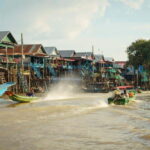
- Kampong Phluk Floating Village: you’ll ride a traditional wooden boat to see the floating village area. It’s a strong “see how people live” moment.
- Wat Preah Prom Rath: a beautiful river-side pagoda with colorful wall paintings and statues inside. It’s calmer than the big temple complexes and gives your legs a rest.
- Artisans Angkor: a Cambodian social business that supports young people and revives traditional Khmer craftsmanship. It’s a practical stop if you like buying something meaningful instead of just another souvenir.
- West Baray: a man-made lake structure tied to Angkor-era water engineering.
By the end of the day, you should feel like you saw Cambodia as a functioning system, not only as a museum of ruins.
Day 4: Siem Reap to Kratie via Kampong Thom, rubber plantations, and the Mekong crossing
Day 4 is a transit day, but it’s not wasted time. It’s built to break up the long ride and give you variety.
- Spean Praptos (Naga Bridge): an older Angkor-period bridge. Even if you’ve never seen one like it before, the Naga association gives it a mythic hook.
- Kampong Thom city stop: you drive through and visit a stone cutting village, then walk in the area to see large stone statues in the region.
- Provincial Road 222 / Stueng Trang rubber plantation: you’ll pass through one of Cambodia’s largest rubber plantations. It’s a reminder that the country’s economy now runs alongside its ancient monuments.
- Kratie town area and boat to Koh Trong: you arrive at Kratie and cross the Mekong by boat, then walk along the riverside.
You overnight at Mekong Dolphin Hotel (or similar), still in the riverside zone where the Mekong feels close and constant.
Day 5: Koh Trong Island by bike, plus markets and pagodas
If you want a real “off the main road” Cambodia day, this is it. Koh Trong is about 7 km long and 1 km wide, and the island has around 500 families. Crucially, there are no cars, so biking and walking feel natural instead of forced.
- Morning bike time on Koh Trong: you’ll cruise the island loop and take in the riverfront atmosphere. With no car traffic, it’s easier to notice everyday life: homes, small paths, and local rhythms.
- Kratie Sammaki Market: a daily-life stop with products from the province and colonial-era buildings around the market area. It’s a good place for simple snacks and seeing what locals buy and sell.
- Phnom Sambok Pagoda: main tourist resort area in Kratie province. It’s a cultural anchor and a view stop.
- 100 Colums Pagoda: also known as a 100-column structure. It gives you a different kind of temple geometry and a change of pace from the river.
- Mekong dolphins boat visit (conservation area): this is where the trip ties the scenery to conservation. Mekong river dolphins are recognized as critically endangered, and your boat outing is part of that protected-area approach.
You end the day still near the Mekong. That’s not accidental. A lot of Cambodia itineraries “rush through Kratie.” This one gives you time to feel the river world.
One more note: the tour overview says the trip includes two nights in a traditional Khmer house. Depending on your exact departure plan, that traditional stay usually blends into the Koh Trong/Kratie portion, which is where it makes the most sense culturally and logistically.
Day 6: Kampong Cham and the Skun Spider Sanctuary detour
This day moves you from the river island feel into a more town-and-village Cambodia.
- Dei Doh Pagoda: you’ll see a pair of well-preserved sandstone lions, and the grounds feel layered with older foundations beneath later construction.
- Cheung Kok Village: a traditional village supported by a French NGO named Amica. You’ll get a sense of sustainable rural life where farming is shaped by the rhythm of harvest.
- Skun Spider Sanctuary: this is the unusual one. The stop focuses on the area’s spider sanctuary and market concept—exact details depend on what’s available during your visit day, but it’s meant to be memorable.
Then you overnight at Sun & Moon Urban Hotel (4-star or similar).
If you’re the type who likes variety in one day—pagodas, village life, and a truly oddball market style stop—this is one of the best days for that.
Day 7: Phnom Penh Royal Palace to Tuol Sleng and Choeung Ek
Phnom Penh can hit you in two different directions on the same day. This itinerary handles that on purpose.
You start with the classic postcard monuments:
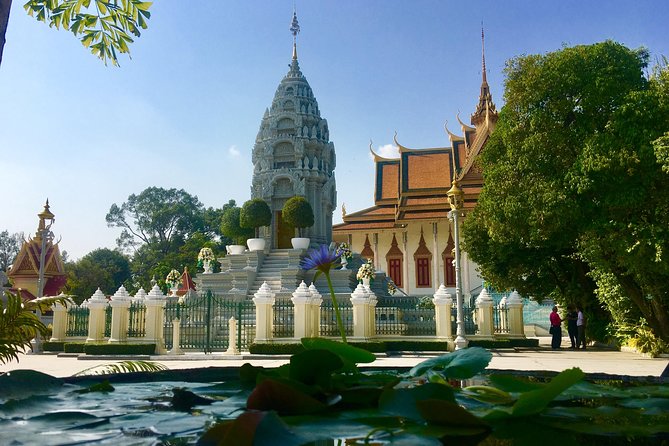
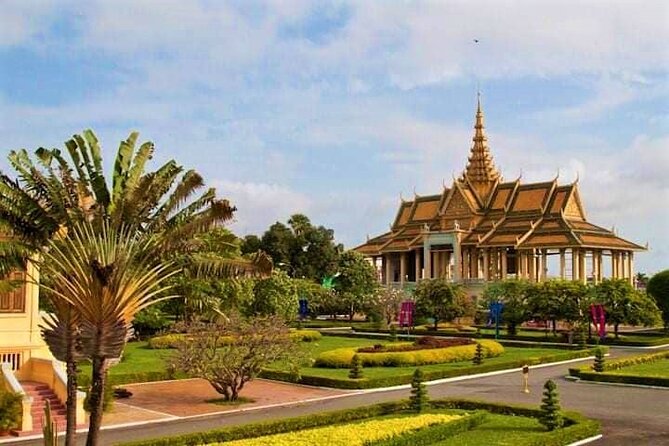
- Royal Palace: construction began in 1886 after the royal capital moved to Phnom Penh, and it was completed before World War I.
- Silver Pagoda: next door, known for its garden and quieter feel.
- Wat Phnom: the only hill in town, built on a tree-covered knoll with legend tied to Buddha statues.
- Independence Monument and Norodom Sihanouk memorial statue: built to mark independence and commemorate the king’s role.
Then you move into monasteries and city texture:
- Wat Ounalom: one of Phnom Penh’s original monasteries, and it faces the river zone near the Tonlé Sap.
- Central Market: built in 1937 in a domed style with four arms into a network of stalls.
And then comes the heavy part:
- Tuol Sleng Genocide Museum (Security Prison 21): a former school used as a prison system.
- Choeung Ek Genocidal Center: mass grave site tied to Khmer Rouge killings.
These museum stops are not “optional vibes.” They are the core of Cambodia’s modern memory, and they deserve a slower mental pace. Your guide’s role matters here: you want clear explanations without rushing.
If you’re someone who gets emotionally worn out by museums, take short breaks between sites. If your group is comfortable with serious history, this day gives you the full arc: power, symbols, and aftermath.
Day 8: free time then driver transfer to Techo International Airport
Your last day includes free time until a driver meets you in the hotel lobby. Transfer happens to Techo International Airport, and the transfer is described as without a guide—so you’ll handle check-in like a normal airport day.
This makes the end smoother. You’re not fighting a last-minute sightseeing schedule. You also don’t waste your final hours in a vehicle instead of resting.
Guides, pacing, and the small comfort details that matter
The reviews attached to this kind of trip often point to one thing: how well your guide reads the day. On this route, that matters because you move between environments—temple compounds, boat rides, markets, and museums—and each needs a different pace.
Names that have shown up for praise include Mr. Sara for Siem Reap and Mr. Tokk for Phnom Penh, with guides like Pysedh also described as going beyond the base schedule. One detail I like is the mention of cold water and cold towels during car time. It sounds small, but it’s the kind of comfort that makes long days feel more manageable.
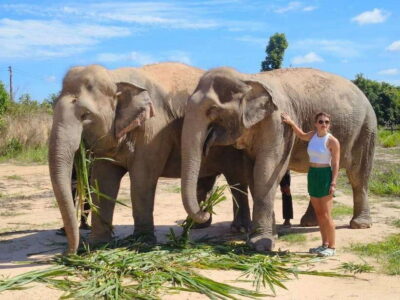
There’s also been mention that a guide was able to add a last-minute visit to an elephant sanctuary when time allowed. I can’t promise every departure can do extras, but this does suggest your guide may be flexible if your schedule isn’t already packed.
Who this tour is best for (and who should think twice)
This itinerary fits best if you want:
- A private setup with an English-speaking guide and a driver doing the driving
- A strong Angkor day plus water and river life in Kratie/Koh Trong
- A Phnom Penh day that includes the Royal Palace area and also the major genocide sites
- Comfort upgrades like 4-star hotels and included entrance fees
It may not be the best fit if you:
- Want only city strolling and hate longer drives
- Prefer to skip heavy museum days (tuol Sleng and Choeung Ek are built into the schedule)
- Don’t like day-long temple walking, given the stated moderate physical fitness level
Should you book Discover Cambodia 8 Days from Siem Reap to Koh Trong to Phnom Penh?
I think it’s a smart booking if you’re planning one main Cambodia trip and you want variety without the usual transport chaos. You’re getting private logistics, major Angkor coverage, real Mekong island time on Koh Trong, and a Phnom Penh program that covers both iconic sights and Cambodia’s hardest truths.
Book it if your ideal trip includes: temples, boats, markets, and history that doesn’t stop at monuments. Think twice if your perfect vacation is mostly short walks, lots of lounging, and light subject matter.
If you do book, I’d suggest you go into it expecting a full itinerary. When you match that mindset, the trip feels like an efficient “Cambodia snapshot” that still has enough downtime to breathe.
FAQ
Is this a private tour?
Yes. The experience is private, and only your group participates.
Do I get picked up and dropped off?
Pickup is offered for the start, with a meet-and-greet at Siem Reap Angkor International Airport on arrival. On the last day, you’ll have a driver transfer to Techo International Airport without a guide.
What’s included in the price?
The tour includes accommodation (based on double or twin, triple sharing rooms), sightseeing entrance fees, an English-speaking tour guide, private air-conditioned vehicle transfers, and 7 breakfasts.
Are entrance tickets to attractions included?
Yes. The tour lists sightseeing entrance fees as included, and each major stop is described with admissions included or free where noted.
How much of the trip involves Siem Reap versus Phnom Penh?
You spend several days in the Siem Reap area for Angkor temples and Tonle Sap, then travel to Kratie and Koh Trong before finishing with the Phnom Penh highlights and museum visits.
Do I need to budget for tips?
Tips for the guide and driver are not included.
What is the cancellation deadline for a full refund?
You can cancel up to 6 days in advance of the experience for a full refund, with the requirement that you cancel at least 6 full days before the start time.