REVIEW · SIEM REAP
Afternoon Cooking Class & Village Tour in Siem Reap
Book on Viator →Operated by Village Cooking Class. · Bookable on Viator
This is the kind of Siem Reap food day that actually teaches you something. You’ll tour outside the city through rice paddies and village life, then cook Khmer dishes with a chef in a countryside kitchen. I love that the class is hands-on, not just watching from the sidelines. I also like that you leave with a recipe book you can use at home.
The main thing to consider is timing and travel comfort. You’re picked up in the afternoon and spend a chunk of time on the road to reach the villages and farms, so plan for a bumpy ride if the roads are rough.
If you want authentic local food, the best part is how practical it feels: you taste sauces and herbs, learn techniques, then eat the meal you made.
In This Review
- Key Highlights You Should Know
- How an Afternoon Cooking Class Feeds Your Curiosity
- From Your Hotel to Rice Paddies and a Rural Village
- Vegetable and Marshroom Farms: Ingredients With a Story
- A Rice Wine Distillation House Stop (Small, Memorable, Different)
- Taste First: Herbs and Sauces That Teach You How Khmer Flavors Work
- Khmer Cooking in a Countryside Kitchen: What You’ll Do
- Dinner You Can Explain: Eating What You Made
- The Recipe Book: Your Best Tool for Cooking Again at Home
- Price and Value: Why $35 Works Here
- Who This Afternoon Class Fits Best
- A Few Practical Considerations Before You Go
- Should You Book This Village Cooking Class?
- FAQ
- Where is the cooking class located?
- How long is the experience?
- What time does the tour start and when will I be picked up?
- What’s included in the price?
- Do I get food, or is it just a demonstration?
- Is a recipe book included?
- How many people are in the group?
- What if the weather is bad?
- What is the cancellation policy?
Key Highlights You Should Know
- Up to 8 people: small-group feel, easier questions and real attention from the chef
- Farm and distillery stops: you see ingredients and local food culture before cooking
- You cook multiple Khmer specialties: 3 main dishes plus a dessert
- Take-home recipe book: helps you recreate the meal later
- Hotel pickup and drop-off: low-stress door-to-door for an afternoon outing
- Village donation included: your experience ties into community support
How an Afternoon Cooking Class Feeds Your Curiosity
Siem Reap is famous for temples. But after the big sightseeing days, you still need something that feels personal and useful. This afternoon class does that. It’s part food lesson, part village walk-through, and part dinner you can brag about because you actually made it.
What makes it appealing is the order of events. You don’t start with a worksheet or a camera-friendly dish. You start with the setting—houses, farms, and local food production—so the cooking makes sense. That’s why the herbs, sauces, and Khmer flavors land better when you’ve already seen where ingredients come from.
And yes, it’s also just fun. You get to be in a real kitchen, learn traditional techniques, and make multiple dishes rather than one repeatable “starter.” If you’re traveling solo, the small maximum group size helps too. You’re not stuck disappearing into the back row.
You can also read our reviews of more cooking classes in Siem Reap
From Your Hotel to Rice Paddies and a Rural Village
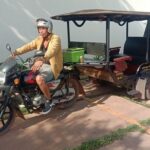
Your day starts with hotel pickup in the afternoon. The schedule lists a start time of 2:00 pm, and the pickup is described as around 3:00 pm from your hotel, so you’ll want to confirm the exact pickup time in your booking message. Either way, you’ll head out of Siem Reap City and into the countryside for the main village portion of the experience.
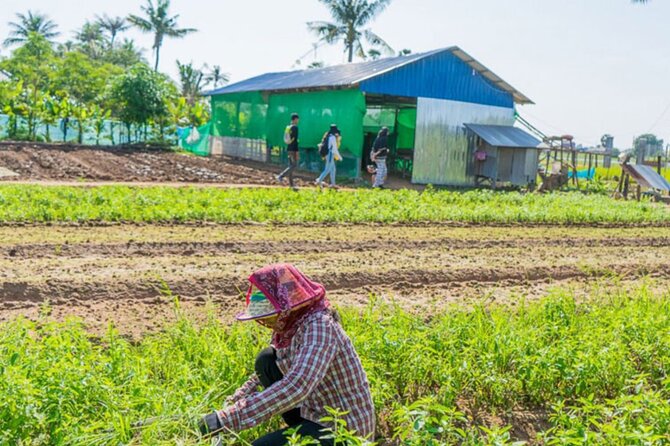
On the way, you pass through rice paddies and temples. This matters more than it sounds. In Cambodia, food culture is tied to the land, and rice-growing regions shape what’s available and how people cook. Even if you’re not the type to study agriculture, you’ll feel the difference once you’re away from the city noise.
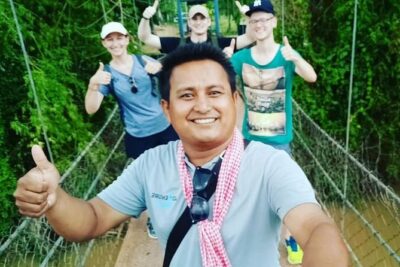
Once you reach the village area, you’ll tour local homes and village life. This is not about rushing through photo stops. The flow is meant to set you up for cooking later—so you understand the rhythm of rural daily life before you start working with ingredients.
Vegetable and Marshroom Farms: Ingredients With a Story
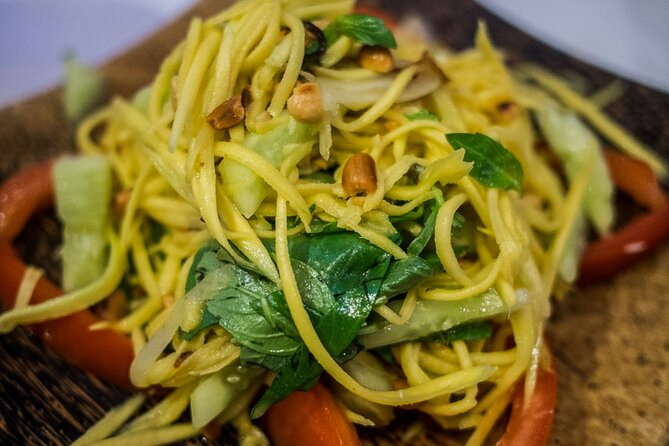
After the initial village visit, you move to ingredient-focused stops, including vegetable farms and marshroom farms. This is one of my favorite parts to include before cooking, because it answers the unspoken question: Why do these flavors show up again and again in Khmer dishes?
You’ll get to see how local produce and marshrooms are grown and handled. Marshrooms (grown and used locally in the region) often don’t show up in typical restaurant menus back home. So even if you love Cambodian food already, this part gives you a different perspective on the “why” behind the flavors.
The practical value: you’ll taste herbs and sauces later with more context. That turns the class from entertainment into a real skill you can repeat.
If you’re the kind of person who likes markets and ingredient hunting, this portion will feel especially satisfying. If you’re mainly there for cooking, it still helps. The better you understand ingredients, the more confident you’ll feel when you try the recipes later.
A Rice Wine Distillation House Stop (Small, Memorable, Different)
Next comes a visit to a local rice wine distillation house. This is exactly the kind of stop that can be short in time but big on meaning.
You’re seeing how a traditional local product is made. Even if you don’t plan to become a home distiller, this gives you a clearer picture of how fermentation and local grains fit into everyday life in rural Cambodia. It also helps you notice that Khmer cuisine isn’t just food—it’s part of a broader food-and-drink culture.
This stop also adds variety to the experience. A cooking class can become one long kitchen session. Here, you’re moving, learning, and then returning to the kitchen with a fresh brain.
Taste First: Herbs and Sauces That Teach You How Khmer Flavors Work
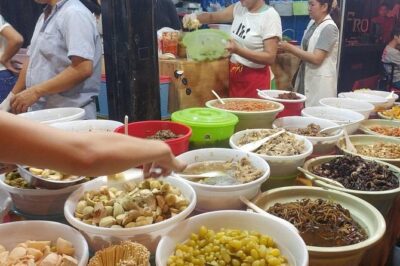
Before you start cooking, you’ll taste aromatic herbs and tasty sauces. This is where the course becomes more than “follow the steps.”
Taste sessions are powerful because they train your palate. Khmer dishes often balance freshness, depth, and fragrant aromatics. When you smell and taste the components early, you can connect them later when you’re combining ingredients in the pot.
Then your chef assists you with traditional techniques. You’ll create a variety of Khmer specialties, not just one dish. That’s a key value point for the price: you’re paying for a broader cooking outcome, not a single-person show.
You’ll also learn as you work, not after. So mistakes aren’t a disaster; they’re part of the lesson.
You can also read our reviews of more tours and experiences in Siem Reap
Khmer Cooking in a Countryside Kitchen: What You’ll Do
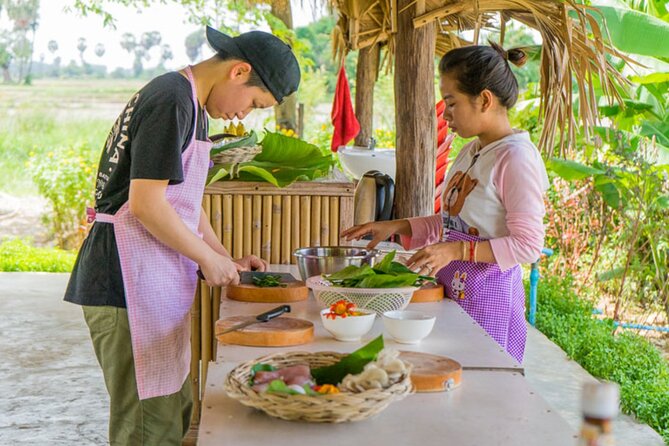
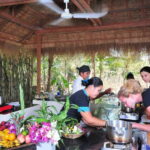
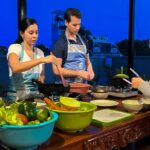
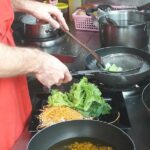
The cooking happens in a countryside kitchen with a private chef. Having a chef in that role (rather than a class where you all rotate and wait) usually means better pacing and more real feedback.
In the process, you’ll prepare multiple items that form a full meal. The class includes 3 main course Khmer dishes plus 1 Khmer dessert. That’s a full dinner experience, and it’s a good amount for a roughly 4-hour activity.
A likely rhythm looks like this:
- You taste and learn key components first (herbs, sauces).
- You move into the hands-on cooking steps.
- You cook enough to create multiple courses.
- You finish with dessert, then eat your meal.
The payoff is confidence. After a class like this, you don’t just know what Khmer food tastes like—you start understanding technique and seasoning logic.
Dinner You Can Explain: Eating What You Made
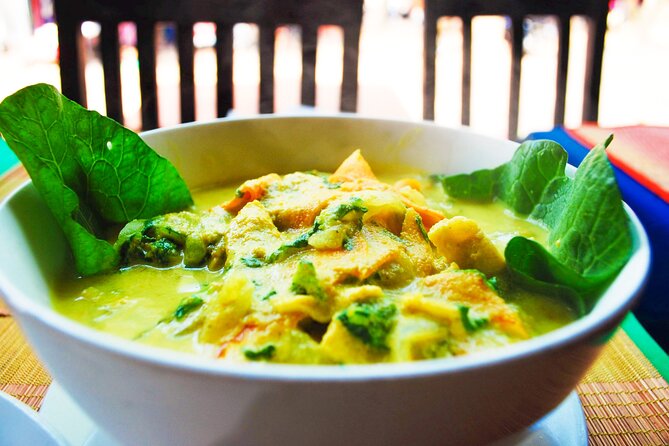
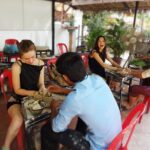
When it’s time to eat, you’ll enjoy your homemade dinner. This part is more satisfying than it sounds. Cooking for yourself changes how you perceive the dish. You notice texture, timing, and flavor balance in a way that you never get from a restaurant plate.
You’ll also taste your own results as part of the group dinner experience. This is often where the best conversations happen: people compare flavors, ask why a particular sauce works, and ask how they can recreate it at home.
And since the class includes both savory mains and a dessert, the dinner feels complete. You’re not rushing through one course and leaving hungry.
The Recipe Book: Your Best Tool for Cooking Again at Home
The chef provides a recipe book at the end of the cooking course. That’s a big deal for value.
A lot of cooking classes give you a moment, then you’re back home with vague memories. A recipe book helps you recreate the flavors and methods later. Even if you don’t find the exact same ingredients right away, the structure and flavor guidance usually makes it far easier to approximate.
If you’re the type who cooks at home (or you want a solid souvenir that isn’t clutter), this recipe book is one of the most practical takeaways from the whole experience.
Price and Value: Why $35 Works Here
At $35 for about 4 hours, this isn’t a “cheap and cheerful” class. It’s priced like a real afternoon outing with multiple components: hotel pickup and drop-off, farm and distillery visits, a chef-led cooking session, and a meal you eat plus dessert.
The value equation improves because you get:
- 3 main dishes and 1 dessert included
- a small group limit (maximum 8)
- a recipe book to extend the experience beyond the day
- village donation included
Also, transportation is handled for you. That may sound basic, but outside-city village days can be annoying to arrange on your own. Here, you just show up and follow the plan.
Who This Afternoon Class Fits Best
This experience is a great match if you want:
- authentic local Cambodian food with real instruction
- a change of pace from temples
- a small-group setting where you can ask questions
- a useful souvenir (recipe book)
It also works for solo travelers, couples, and families with motivated kids. The activity notes that most travelers can participate, so unless you have mobility limitations you should be fine.
If you hate getting outside your comfort zone in kitchens, you might still be okay. You cook with help, and the course is designed for participants who want to learn.
A Few Practical Considerations Before You Go
A couple things can affect your comfort level.
First, you need good weather. If the weather isn’t right, the tour will be canceled and you’ll be offered a different date or a full refund. So if you’re booking close to your departure date, keep that in mind.
Second, this activity can have a minimum number of travelers. If it doesn’t meet that minimum, you’ll get a different experience/date or a full refund.
Third, remember it’s an afternoon outing. Between pickup, travel to rural areas, farm stops, cooking, and dinner, you’re giving up a chunk of the day. This is perfect if you like “experience time,” not if you want a relaxed half-hour stroll.
Should You Book This Village Cooking Class?
If your goal is to eat Cambodia like a local, and you want more than just a meal, I’d book it. The best reasons are simple: you’ll cook multiple Khmer dishes, you’ll visit farms and a rice wine distillation house before you cook, and you’ll leave with a recipe book that can bring the flavors home.
Skip it only if you prefer purely restaurant-style dining with no hands-on cooking, or if you know you won’t enjoy spending time outside the city in the late afternoon.
In short: this is strong value for an authentic food day, and it’s the kind of Siem Reap activity you’ll remember when your temple photos start to fade.
FAQ
Where is the cooking class located?
It takes place in Siem Reap, Cambodia.
How long is the experience?
It runs for about 4 hours.
What time does the tour start and when will I be picked up?
The start time is listed as 2:00 pm, and hotel pickup is described as 3:00 pm from your hotel. Your confirmation should clarify the exact pickup time.
What’s included in the price?
The price includes hotel pickup and drop-off, 3 main course Khmer dishes, 1 Khmer dessert, a village donation, and support from a local guide and local chef.
Do I get food, or is it just a demonstration?
You’ll cook and enjoy a homemade dinner, including 3 main courses and 1 dessert.
Is a recipe book included?
Yes. You receive a recipe book so you can recreate dishes at home.
How many people are in the group?
The tour has a maximum size of 8 travelers.
What if the weather is bad?
This experience requires good weather. If it’s canceled due to poor weather, you’ll be offered a different date or a full refund.
What is the cancellation policy?
Cancellation is free up to 24 hours in advance of the experience’s start time for a full refund. If you cancel less than 24 hours before, the amount paid isn’t refunded.