REVIEW · SIEM REAP
Monk Blessing Ceremony
Book on Viator →Operated by Passion Indochina Travel · Bookable on Viator
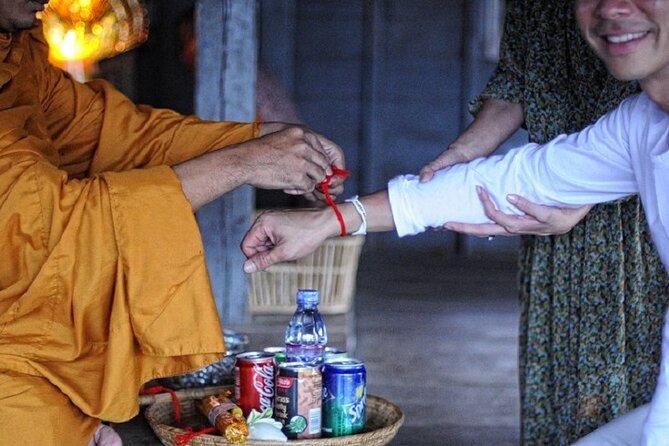
A wrist thread can feel like a reset. In Siem Reap, a monk blessing ceremony at Wat Porkrom turns temple time into a vivid, guided cultural moment with chanting and ritual water.
I like that the guide explains what you are seeing in a way that actually makes sense on the spot, not like a museum label. The main drawback is simple: it is weather-dependent, so you’ll want a flexible morning or afternoon.
I also like the payoff you can carry with you: a thin red thread tied around your wrist as a symbol of prosperity and good fortune. The ceremony runs about 1 to 2 hours, so if you’re tight on time, you’ll want to plan your day around that window.
In This Review
- Key Things to Know Before You Go
- Why a Monk Blessing Feels So Worth It in Siem Reap
- Inside Wat Porkrom: The Ceremony You’ll See Up Close
- The Red Thread Blessing: Meaning and Simple Etiquette
- What the Guide Actually Does (and Why It Matters)
- Pickup, Transport, and the Quiet Convenience Factor
- Price and Value: Is $45 a Fair Deal for This?
- Timing, Weather, and How to Fit It Into Your Day
- Who This Monk Blessing Tour Is Best For
- Should You Book This Monk Blessing in Siem Reap?
- FAQ
- How long does the Monk Blessing Ceremony take?
- Where does the ceremony happen?
- What is included in the tour price?
- Can I participate even if I am not religious or new to Buddhist rituals?
- What should I wear or bring for the ceremony?
- What happens if the weather is bad?
Key Things to Know Before You Go
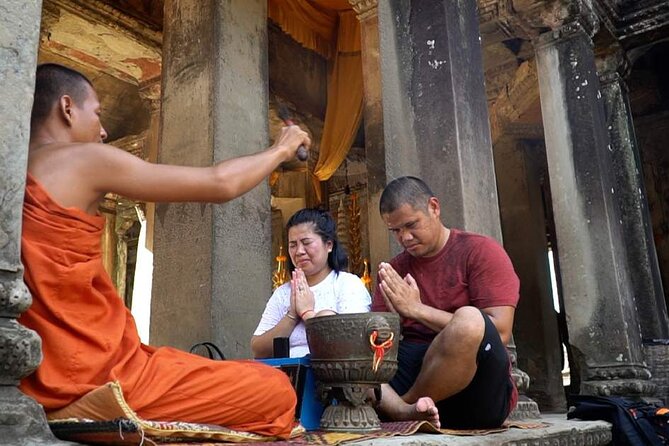
- Wat Porkrom is the setting for the monk blessing and wrist-thread ritual in Siem Reap
- Chanting, prayer, and water blessing are the core actions you’ll witness up close
- You receive a thin red thread tied on your wrist for prosperity and good fortune
- Sarong and towel are provided, so you can dress appropriately without extra shopping
- Hotel pickup/round-trip transport is included, which keeps this easy after a busy Angkor day
- Good weather matters, and the operator will adjust if conditions are poor
Why a Monk Blessing Feels So Worth It in Siem Reap
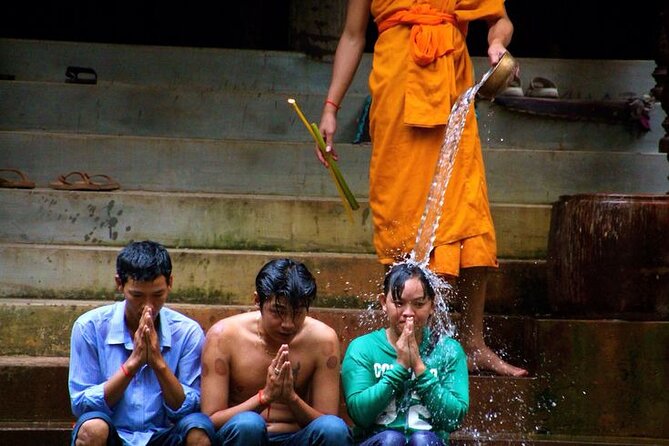
Siem Reap can hit you fast: temples, heat, tuk-tuk rides, and a to-do list that never shrinks. This tour slows the pace on purpose. You’re trading spreadsheets for prayers, incense, and the kind of quiet attention that makes you feel present.
I like the focus here. It is not just a quick look at a pagoda and then out the door. You get a guided understanding of what the blessing is meant to do, plus a clear role in the ceremony as you watch monks chant and perform the water ritual.
And yes, you leave with something tangible. That wrist thread is small, but it turns the experience into a physical reminder that you participated, not just observed. For a low-cost tour around $45, that’s good value.
You can also read our reviews of more tours and experiences in Siem Reap.
Inside Wat Porkrom: The Ceremony You’ll See Up Close
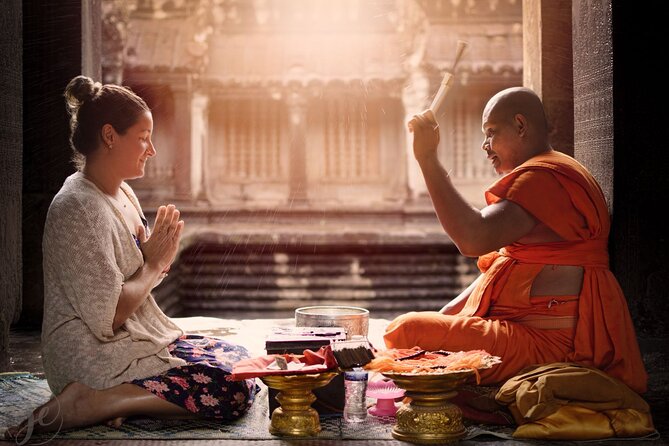
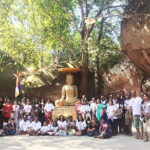
The heart of the experience is a pagoda ceremony at Wat Porkrom, guided end to end. Expect prayers, chanting, and a traditional Buddhist blessing with incense in the air and flower offerings as part of the atmosphere. The setting matters because it’s a working religious space, not a performance built for tourists.
Here’s what the flow feels like in practice. Your guide leads you through what’s happening before you’re put in the middle of it. You’ll understand the idea that the blessings are meant to cleanse karma, foster joy, and attract good fortune. Even if you don’t treat it as literal magic, the intention still lands. It’s a mindset reset, delivered through ritual.
There are a couple of things that make this stronger than the typical quick temple visit:
- You get an explanation of the offering process, so you’re not guessing what to do or why
- You witness the monk’s chanting and water blessing, rather than only hearing a summary later
If your mind tends to wander in busy travel moments, the structured steps help. You know when to look, when to offer, and when to receive the blessing.
One extra detail from real-world experience: some dates may feel especially solemn, like full-moon occasions or January 1. The setting can also reflect ongoing work in the area, since construction around the temple has been mentioned by guests. So if you see scaffolding or activity, don’t read it as a distraction. It’s part of how religious sites keep going, year after year.
The Red Thread Blessing: Meaning and Simple Etiquette
At the end of the ceremony, everyone receives a thin red thread tied around the wrist. The guide frames it as a symbol of prosperity and good fortune. The thread also functions like a gentle script: it marks you as someone who went through the ritual, not someone who just watched.
Practical etiquette is usually straightforward in these situations, but the key is respect and stillness. Do what your guide tells you, especially during the moment the monk ties the thread. Try not to fidget or treat it like a souvenir prop. Think of it as a formal part of the blessing.
There’s also a psychological benefit that surprised me when I first learned about similar rituals: the thread gives you a small action to remember, even after the ceremony fades from your timeline. It’s easy to forget another temple photo. It’s harder to forget the moment your wrist is blessed.
If you’re bringing children, this moment often lands well. A 13-year-old and parent pairing has been mentioned as a good match for the ceremony. The ritual is simple enough to understand, and it feels meaningful rather than overly complicated.
What the Guide Actually Does (and Why It Matters)
This is one of those tours where the guide isn’t optional. Your experience is shaped by how clearly they explain the steps and how comfortably they position you in the ceremony.
Passion Indochina Travel runs the tour, and one pickup experience included Mr. Chhun Bunleng, who was described as explaining what to do once you’re with the monk. That kind of guidance matters because pagoda ceremonies can be confusing if you’re not sure where to look, what to hold, or when you’re expected to participate.
The tour includes an English-speaking driver/guide, and it also covers the basics you might otherwise stumble over:
- Sarong and towel are included for appropriate clothing
- Monk offering is part of the ceremony flow
- A local expert style of explanation helps you understand the meaning behind the ritual actions
If you’re the type of traveler who likes to learn quickly without turning everything into a lecture, this format fits.
Pickup, Transport, and the Quiet Convenience Factor
Siem Reap is full of logistics: where you’ll start, how long roads take, and whether you’ll burn your best daylight stuck in traffic. The tour helps because it includes round-trip transportation from your hotel and pickup is offered.
That sounds boring until you remember how tiring temple days can get. This keeps the monk blessing from becoming another puzzle you have to solve. You’re simply transported to Wat Porkrom, guided during the ceremony, then brought back.
Also, the experience is near public transportation, which can be useful if you’re the kind of traveler who sometimes prefers to save taxi money. But with pickup included, you don’t have to make that call.
Price and Value: Is $45 a Fair Deal for This?
At about $45, this is a low-cost cultural experience with more substance than you might expect for the price tag.
Here’s what you are effectively paying for:
- A guided ceremony experience at a renowned pagoda site
- Participation support (sarong/towel and offering guidance)
- English-speaking guide time
- Hotel pickup and round-trip transport
A cheap tour can still be a waste if it’s only a quick photo stop. This one is different because the ceremony itself is the activity, and the guide’s role is to make it legible. You’re not just buying access to a building. You’re buying context plus participation, including the moment where the monk ties the red thread.
If you’re visiting for a short trip, this kind of experience is great because it doesn’t require a full-day commitment like many temple excursions. If you have time after Angkor, it also works as a softer counterpoint.
The best value scenario is when you want something spiritual, cultural, and low effort on your schedule. The only real cost is using part of your day for a 1 to 2 hour window.
Timing, Weather, and How to Fit It Into Your Day
The tour needs good weather. If conditions are poor and it gets canceled due to weather, you’ll be offered another date or a full refund. So if your itinerary is fixed to the hour, plan a bit of wiggle around your ceremony time.
Duration is about 1 to 2 hours, though the total time can stretch a bit once you include driving. One guest described it as roughly a 3-hour total when drive time was included. That’s a useful mental model: set aside a half-morning or half-afternoon, not just one clock hour.
If you are traveling during a holiday period or on a special calendar day, the ceremony may feel more solemn. A January 1 blessing was specifically noted as impressive and well organized, and full-moon timing has also been mentioned as creating a special atmosphere.
One more planning note: the tour needs a minimum number of travelers. If that minimum isn’t met, you might be offered a different date or a refund. That’s normal for smaller tours, and it’s another reason to keep your schedule flexible.
Who This Monk Blessing Tour Is Best For
I think this tour fits well if you want:
- A guided taste of Buddhist ritual in Cambodia without needing deep background reading
- A respectful, structured cultural experience where you know what you’re doing
- A simple add-on to a Siem Reap itinerary that doesn’t require another early start at dawn
It’s also a good choice if you’re traveling with family. The ceremony is straightforward enough for a teen, and the included clothing support (sarong and towel) removes one common stress point.
What might not suit you? If you hate anything spiritual or ritual-based, or you need constant action and sightseeing variety, you may find the ceremony slower. This tour is designed for calm focus.
If your travel style is more about movement and photos, you could still enjoy it—but go in expecting a quiet cultural moment, not a fast-paced adventure.
Should You Book This Monk Blessing in Siem Reap?
Yes, I’d book it if you want a meaningful change of pace and you value guidance. The strongest reasons are practical: you get hotel pickup, proper ceremonial clothing support, an English-speaking guide, and the ceremony includes a red thread blessing plus the water and chanting ritual.
For the price, it’s hard to argue against it if your schedule can handle an hour or two plus travel time. The experience is also designed so that most people can participate.
Hold off only if your calendar is extremely tight, or if you prefer experiences that are more purely sightseeing. This one is about ritual and respect, and that’s the point.
Bottom line: for many visitors to Siem Reap, it’s the kind of small, respectful experience that makes the trip feel more personal than another temple selfie.
FAQ
How long does the Monk Blessing Ceremony take?
It typically lasts about 1 to 2 hours, with round-trip travel time from your hotel added.
Where does the ceremony happen?
The ceremony is held at Wat Porkrom in Siem Reap.
What is included in the tour price?
Included items are an English-speaking driver/guide, the monk blessing ceremony, sarong and towel, and a monk offering. Round-trip transportation is also included.
Can I participate even if I am not religious or new to Buddhist rituals?
Most travelers can participate, and your guide will explain what is happening and what to do.
What should I wear or bring for the ceremony?
You’ll be provided a sarong and towel as part of the experience, which helps you dress appropriately.
What happens if the weather is bad?
The tour requires good weather. If it’s canceled due to poor weather, you’ll be offered a different date or a full refund.