REVIEW · SIEM REAP
Angkor Cab: Siem Reap 3 day private tour: ‘off the beaten track’
Book on Viator →Operated by ANGKOR CAB-OFF BEATEN TRUCK · Bookable on Viator
A calm, well-timed Angkor plan. What makes this work is the private comfort and the way you get both classics and quieter Khmer temples without feeling herded. I especially like the small-group feel with an orientation to Siem Reap, plus temple guiding that’s clear and practical. The one thing to watch is the early mornings, especially the Angkor Wat sunrise start.
You’ll spend three days seeing a strong mix: pink stone, jungle-temple vibes, and even the wider region beyond the Angkor core. You also get thoughtful pacing between sites, including downtime on Day 1 with Tonle Sap as a break from temple-walking. If you want everything to be effortless and slow, you’ll still want comfy shoes, because temple ground is uneven and some paths involve a decent amount of walking.
In This Review
- Key highlights you’ll feel right away
- A private, three-day rhythm across Angkor and beyond
- Day 1: Banteay Srei’s pink stone, quieter temples, and Tonle Sap
- Banteay Srei (the pink temple)
- Banteay Samre (a focused 12th-century stop)
- Banteay Kdei and lunch in between
- Srah Srang: the largest pool you’ll hear about
- Tonle Sap: a landscape shift after temples
- Day 2: Angkor Wat sunrise, Angkor Thom gates, and Ta Prohm time
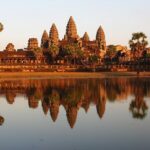
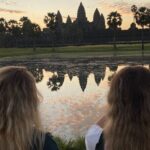
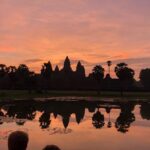
- Angkor Wat at sunrise (a 5am start)
- Angkor Thom: South Gate photos and main temples
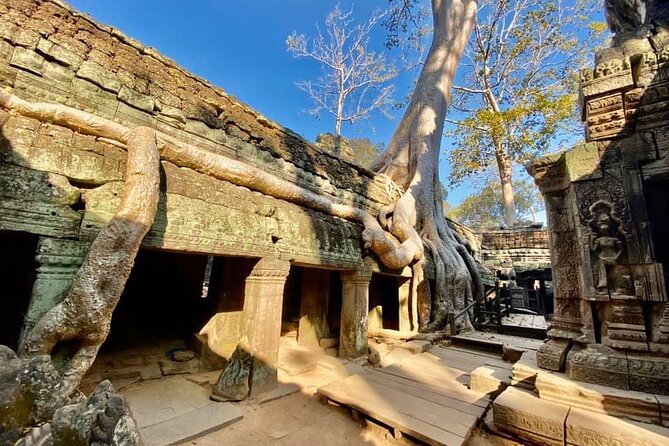
- Ta Prohm: jungle roots and a stone bridge break
- Day 3: Beng Mealea’s wild sprawl and the smaller Hariharalaya temples
- Beng Mealea: what happens when a temple feels abandoned
- Bakong: an ancient capital stop with a shorter visit
- Preah Ko: sacred bulls and the first Hariharalaya temple
- How the off-the-beaten-track plan helps (and when it doesn’t)
- Price and logistics: what $550 buys you
- Practical tips: timing, passes, and what to bring
- Plan for the temple pass
- Shoes and water matter more than you think
- Bring cash for lunch choices
- Your guide’s English matters
- Who this tour suits best
- Should you book Angkor Cab’s off-the-beaten-track 3-day private tour?
- FAQ
- What group size is this tour for?
- Does the tour include pickup?
- What’s included in the price?
- Do I need the Angkor Temple Pass?
- Is food included?
- What time do tours start?
- Is the tour physically demanding?
Key highlights you’ll feel right away
- Off-the-beaten-track temple order that helps you avoid the heaviest crowds
- English-fluent temple guidance so you understand what you’re looking at
- Sunrise at Angkor Wat without the scramble of joining a mass tour
- A mix of major sites and lesser-visited stops for variety across 3 days
- Pickup and a private vehicle with bottled water for long temple days
A private, three-day rhythm across Angkor and beyond
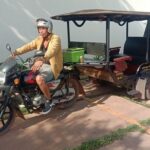
This is built for first-timers who want an efficient introduction, but not a cookie-cutter checklist. The tour is private (up to 3 people) with a driver and a professional guide, so you’re not stuck waiting for a group that moves at the pace of the slowest backpacker. You also get an easy flow: pickup is offered, you’re not negotiating tuk-tuk pricing all day, and bottled water keeps things simple when it gets hot.
The tone is relaxed, but it still respects the reality of Angkor: sunrise sites are popular, temple zones get crowded fast, and the roads between monuments can eat time. The strategy here is straightforward—hit the right places at the right times, then let you breathe between them.
One more detail I appreciate: you can request adjustments ahead of time, including different starts or finishes. That matters when you’re trying to line up your tour around the rest of your Siem Reap days, like massage time, laundry, or a night market detour.
You can also read our reviews of more private tours in Siem Reap
Day 1: Banteay Srei’s pink stone, quieter temples, and Tonle Sap
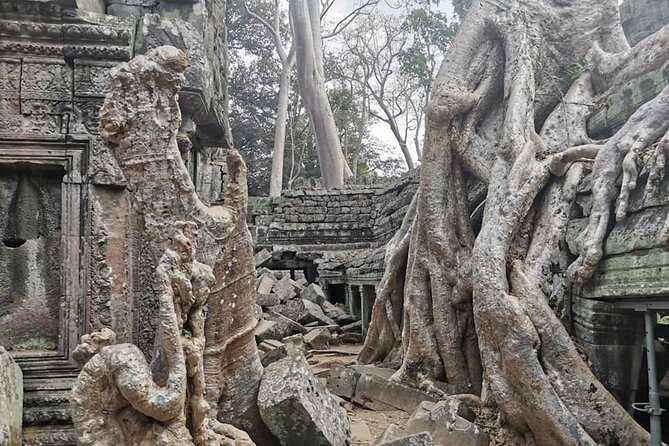
Day 1 is designed as your warm-up day. Instead of starting with the busiest “big name” temples, you start with temples that feel more intimate and less crowded, then you ease into the landscape of Cambodia beyond Angkor.
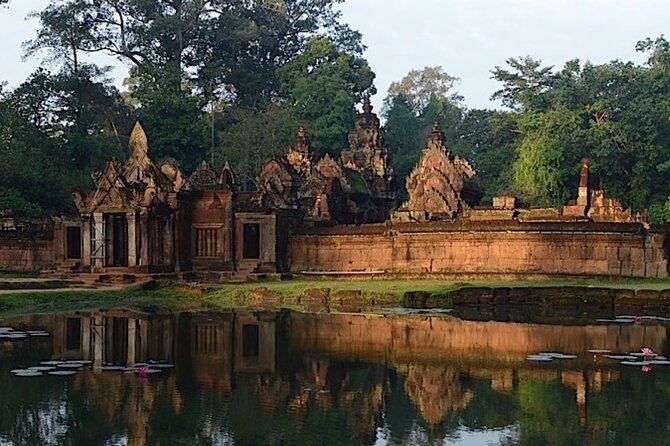
Banteay Srei (the pink temple)
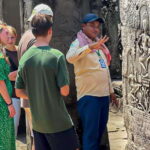
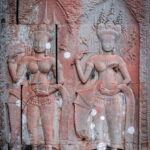
You’ll head to Banteay Srei, a temple known for its striking pink stone. It’s timed at about 1 hour on-site. The guide explains what you’re seeing so you’re not just snapping photos and hoping the meaning shows up later. This is a good way to get oriented to Angkor-era design: doorways, carvings, layout, and the temple’s role in the broader Khmer world.
Practical note: even when a stop is shorter, temple details reward slow walking. If you rush, you miss the craftsmanship.
Banteay Samre (a focused 12th-century stop)
Next up is Banteay Samre, a 12th-century temple located about 400 meters east of East Baray. The time on this stop is roughly 45 minutes. This is the kind of site that benefits from a knowledgeable guide because it looks “quiet” compared to the headline attractions—yet it still has strong architectural clues.
This stop is also a nice palate cleanser. It’s not as chaotic as the most famous circuits, so your photos come out cleaner and you’re less stressed about moving at the crowd’s speed.
Banteay Kdei and lunch in between
After lunch, you go to Banteay Kdei, built from the mid-12th to early-13th century under King Jayavarman VII. Expect about an hour here. The guide frames it as a Buddhist temple experience rather than just a stone museum visit, which helps you read the site in context.
Then you get a “real” break with lunch. The tour notes that lunch isn’t included as a fixed menu. You budget around $5 to $10 per person, and you’ll order what you actually want (and enjoy the flexibility of a choice you control).
You can also read our reviews of more tours and experiences in Siem Reap
Srah Srang: the largest pool you’ll hear about
Then you walk over to Srah Srang, described as the largest swimming pool in the world. It dates to the mid-10th century and was modified in the 12th century under Jayavarman VII. The time here is about 30 minutes.
Even if you’re not an architecture nerd, this stop is useful because it shifts your attention from temple walls to water management and how the Khmer connected their city planning to big water features.
Tonle Sap: a landscape shift after temples
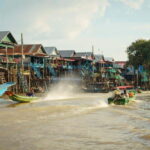
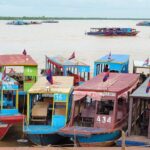
Finally on Day 1, you go to Tonle Sap Lake, the biggest freshwater lake in Southeast Asia. The scale is part of why this stop is so interesting—about 10,000 square kilometers in the wet season and around 3,000 in the dry season. You’ll also learn how the surrounding provinces fit into the wider region.
This is a smart close to a day of temples. It gives your brain a reset. You’ll also get a more grounded sense of what “living around Angkor” looks like, instead of treating the monuments like an isolated theme park.
Day 2: Angkor Wat sunrise, Angkor Thom gates, and Ta Prohm time
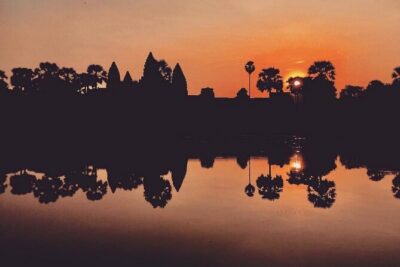
Day 2 is the headline day. It includes Angkor Wat at sunrise, which is the kind of moment that turns your trip into a story you’ll remember for years. It’s also the day where the tour’s timing and organization matter most.
Angkor Wat at sunrise (a 5am start)
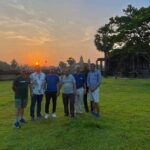
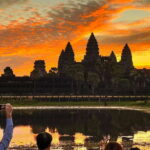
You’ll start very early—about 5:00am from your hotel—and the drive is about 30 minutes. The point is sunrise behind Angkor Wat. This is one of those experiences where you’re rewarded for being early rather than late.
On-site time is about 3 hours. That’s enough time for sunrise, initial exploration, and photos without rushing like you’re on a bus tour schedule.
Tip for your own comfort: sunrise feels cool at first, then warms up quickly once the sun climbs. Bring something light you can shed and keep in your bag.
Angkor Thom: South Gate photos and main temples
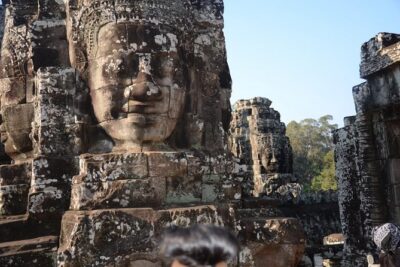
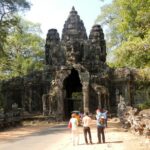
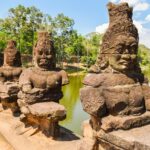
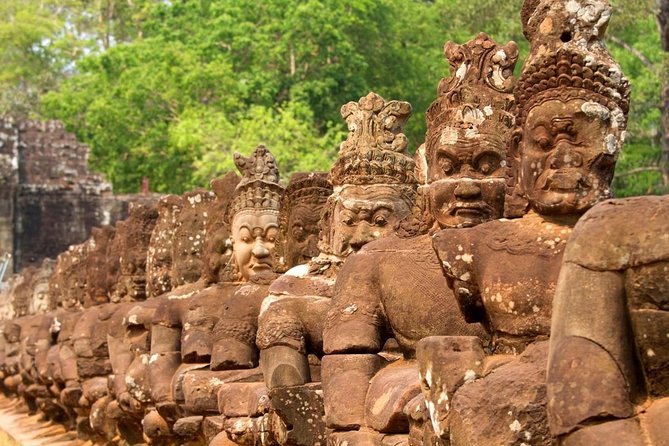
After Angkor Wat, you head to Angkor Thom, and you stop at the South Gate for photos before going to the main temple areas within the city. The drive is short—around 5 minutes.
This stop is structured for you to get the dramatic entry moment first, then move into the interior sights. It’s a good flow because it reduces time wasted trying to figure out what you’re looking at while everything is crowded and moving fast.
Ta Prohm: jungle roots and a stone bridge break
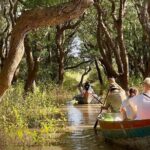
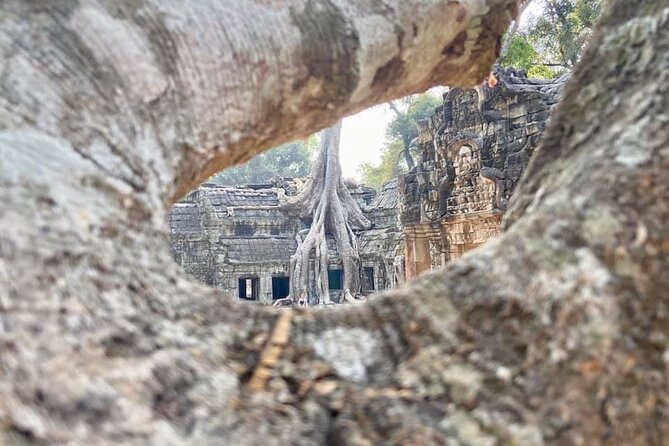
Then you go to Ta Prohm, about a 15-minute drive away. You’ll make a stop by a stone bridge along the way, with the note that you’ll see trees growing on top of it. That sounds like a small detail, but it’s a great example of why this tour feels more like “seeing Cambodia” and less like “checking boxes.”
You’ll also do a lunch stop here if needed, and the time on-site is about 1 hour. Ta Prohm can feel intense. The time allocation won’t let you wander for ages, but it does give you enough to experience the famous atmosphere without burning your whole day.
Day 3: Beng Mealea’s wild sprawl and the smaller Hariharalaya temples
Day 3 is for the feel of the countryside and for monuments that don’t need big crowds to be impressive. It starts a bit later—your guide and driver meet around 9:00am—which helps you recover from the previous day.
Beng Mealea: what happens when a temple feels abandoned
You’ll drive about 1.5 hours to Prasat Beng Mealea. The tour notes you’ll see local everyday activities along the way, which is exactly the kind of travel texture you don’t get when you’re only moving inside Angkor’s main circuit.
On-site time is about 3 hours. Beng Mealea’s charm comes from its more rugged, “in-the-wild” feeling. It’s the opposite of perfectly restored temple optics, and that’s why it’s so memorable. Just plan for uneven ground and take your time.
Bakong: an ancient capital stop with a shorter visit
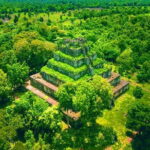
Next is Bakong, an ancient Khmer capital city area often referred to as Hariharalaya. Bakong is a 9th-century temple built by Shiva King Indravarman I. You’ll get about 40 minutes here.
This stop helps connect the dots. After Beng Mealea’s sprawl, Bakong brings you back to a more “capital city” feel. You’ll likely understand the layout of the broader Angkor system better by the time you’re done.
Preah Ko: sacred bulls and the first Hariharalaya temple
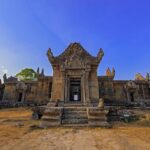
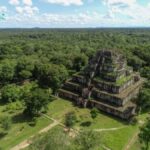
Finally, you visit Preah Ko, dedicated to Shiva and built in 879 by Indravarman I. The tour describes it as the sacred bull. Time here is about 30 minutes.
This is a strong finish because it’s short, focused, and historically anchored, so you end the trip with a sense of structure rather than just chasing the next photo spot.
How the off-the-beaten-track plan helps (and when it doesn’t)
The “off the beaten track” promise works best on a tour like this because the route isn’t just about avoiding one or two sites. It’s about mixing famous and lesser-visited temples in a sequence that gives you breathing room.
Here’s what that usually means in real life:
- You spend less time stalled at crowded chokepoints. That makes the day feel longer in the good way.
- Your guide can slow down when it matters. With fewer people in your space, explanations feel more personal.
- You get a broader Cambodia picture. Tonle Sap on Day 1 is a big clue that the goal isn’t only temples.
When it might not feel “off the beaten track”: Angkor Wat sunrise is still popular. The tour handles that by starting early, but you should still expect a real crowd. The difference is you’ll experience it with organization instead of arriving late and getting swallowed.
Also, “relaxed” doesn’t mean “no walking.” Temple surfaces and paths are a factor. If you’re not used to heat and uneven stone, plan to take breaks whenever your guide suggests it.
Price and logistics: what $550 buys you
The price is $550 per group, up to 3 people, for the 3-day private setup. That might sound high at first glance, until you translate it into what you’re actually paying for: private vehicle time, a driver, and a professional guide for multiple days.
Value check:
- If you split cost across 2–3 people, you’re buying less stress and more control over timing.
- You also get pickup offered, plus included bottled water.
- You aren’t paying separately for every transfer between distant sites.
What you still need to budget:
- Angkor Temple Pass (not included)
- Food and drinks (lunch is not guaranteed as included; you budget roughly $5 to $10 per person, byo)
- Any extra activity fees if you add them
So I see this as “pay more to save your energy.” If you like independent travel and don’t mind planning routes yourself, you might find cheaper. But if you want a smooth, guided path through Cambodia’s top priorities—without the chaos—this price can feel fair.
Practical tips: timing, passes, and what to bring
A few details will make this tour much easier.
Plan for the temple pass
The Angkor Temple Pass isn’t included. Before you go, confirm what pass type you need for the days you plan to visit. Your guide can often help you understand what’s required, but you should still be the one carrying the pass or having it ready.
Shoes and water matter more than you think
The tour includes bottled water, which helps. Still, bring a hat, sunscreen, and comfortable shoes. Temple walking is rarely flat, and heat makes everything feel harder than it looks.
Bring cash for lunch choices
Lunch is described as dependent on what you want, with typical pricing from $5 to $10 per person. That means you shouldn’t rely on one pre-set meal. Having some cash or card ready makes the day smoother.
Your guide’s English matters
The tour includes professional guiding, and the information notes temple guides fluent in English. That’s not a small thing. When you understand what’s carved into stone and why temples were built where they were, the trip feels less like wandering and more like understanding.
Who this tour suits best
This fits best if:
- You’re a first-time visitor and want a clear, well-paced intro to Angkor and Siem Reap
- You’d rather pay for convenience than spend time planning routes and timing
- You like guides who can explain details instead of only pointing and moving on
- You travel as a small group (up to 3) and want privacy without paying for a big group vehicle
It may not be the best fit if you want total freedom day-to-day, or if you dislike early starts. Day 2 includes a very early sunrise plan, so you’ll need to be okay with waking up before breakfast.
Should you book Angkor Cab’s off-the-beaten-track 3-day private tour?
I’d book it if your priority is a guided, private route that balances famous and quieter temples. The itinerary choices make sense: you get the big visuals (Angkor Wat sunrise, Angkor Thom, Ta Prohm) plus solid alternatives (Banteay Srei, Banteay Samre, Banteay Kdei, Srah Srang, Tonle Sap, Beng Mealea, Bakong, Preah Ko). That mix helps you avoid the “just another Angkor day” feeling.
If you’re strict about spending every single minute on the most famous sites, you might find the pacing too varied. But for most travelers, this is the kind of trip that leaves you with more than photos. You’ll come away with a better sense of how Angkor fits into Cambodian life and landscape.
FAQ
What group size is this tour for?
It’s a private tour for your group, with a group size of up to 3 people.
Does the tour include pickup?
Yes, pickup is offered.
What’s included in the price?
Included features are bottled water, the driver, a professional guide, and a private tour.
Do I need the Angkor Temple Pass?
Yes. The Angkor Temple Pass is not included.
Is food included?
Food and drinks aren’t included. Lunch is described as depending on what you like, typically around $5 to $10 per person, byo.
What time do tours start?
The meeting point start time is listed as 9:00am, and for Angkor Wat sunrise the tour starts around 5:00am from the hotel.
Is the tour physically demanding?
The tour notes that travelers should have a moderate physical fitness level.