REVIEW · SIEM REAP
Siem Reap City Tour with War Museum and Killing Field
Book on Viator →Operated by Angkor Daily Trip · Bookable on Viator
War and craft, side by side, in Siem Reap. This tour blends serious history at the War Museum Cambodia and the Wat Thmey Killing Fields, then shifts gears to Cambodian making-and-living at Artisans Angkor and a final sweep through Psar Chaa Old Market. It’s a clear, efficient way to understand the country’s past while still leaving space to see what people create today.
I especially like the English-speaking guide and the air-conditioned pickup that keeps everything organized, even when you’re moving between very different places. You get a driver, bottled water, and hotel pickup/drop-off, so you’re not stuck negotiating transport mid-day.
One consideration: Wat Thmey is emotionally intense, and the whole day is only about 5 hours. If you want a slower pace at the Killing Fields, plan to keep your expectations realistic and give yourself a quiet moment between stops.
In This Review
- Key highlights you should know before you go
- How the 5-hour Siem Reap route really works
- War Museum Cambodia: what you’ll learn from tanks, helicopters, and stories
- Wat Thmey Killing Fields: a somber stop where pacing matters
- Artisans Angkor: watch crafts happen, then buy with a purpose
- Psar Chaa Old Market: finish with everyday Siem Reap
- Price and value: is $47 a good deal for this mix?
- Comfort, timing, and questions that make the day better
- Should you book this Siem Reap City Tour with War Museum and Killing Fields?
- FAQ
- What is the duration of the Siem Reap City Tour with War Museum and Killing Fields?
- What is the tour price per person?
- Are hotel pickup and drop-off included?
- What time does the tour run?
- Is there an air-conditioned vehicle and bottled water?
- Which entrance fees are included?
- Is lunch included in the price?
- What is the cancellation policy?
Key highlights you should know before you go
- Hotel pickup plus private group comfort: You ride in an air-conditioned vehicle and only your group participates.
- Two major historical stops, timed well: You spend about 1.5 hours at the War Museum and 1 hour at Wat Thmey.
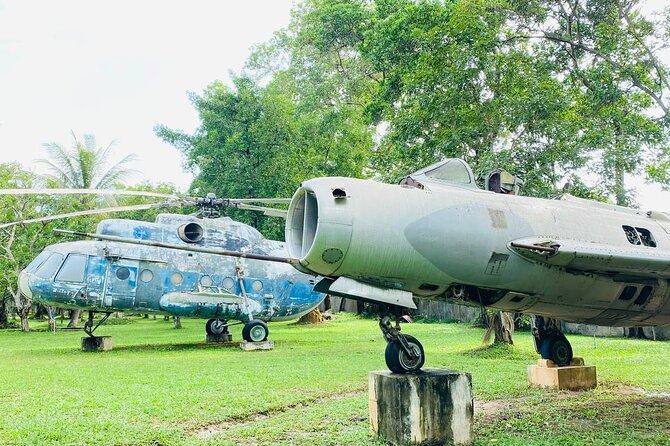
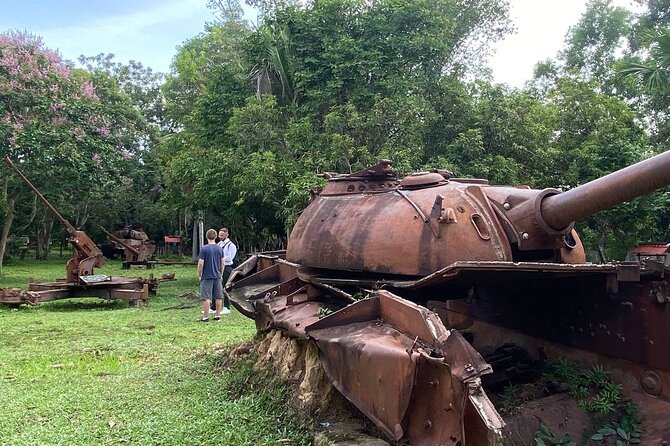
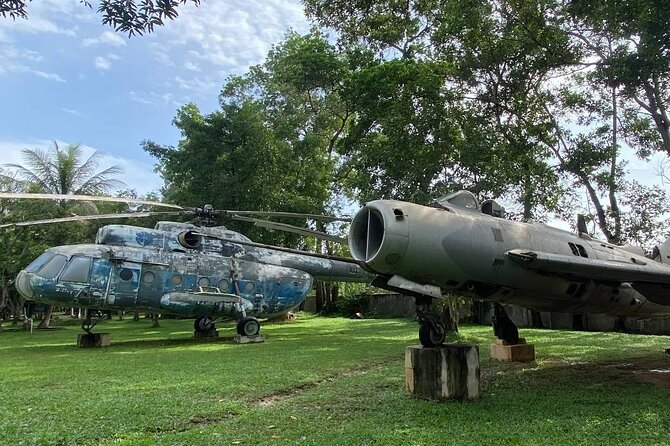
- A concrete view of conflict: The War Museum uses war artifacts plus real equipment like tanks and helicopters, paired with personal stories.
- Wat Thmey is one of more than 300 killing fields: It’s a preserved memorial site tied to the 1975–1979 Khmer Rouge period.
- Artisans Angkor connects shopping with training: You can watch crafts being made and buy items with the knowledge that training and job security are part of the mission.
- A practical final stop with free admission: Psar Chaa Old Market is scheduled with free entry and plenty of everyday items to browse.
How the 5-hour Siem Reap route really works

This is a tight, well-planned half-day that runs for about 5 hours. You’ll go either in the morning starting at 8:30am or on an afternoon start at 1pm, which makes it easier to match your temple schedule later.
The flow is intentionally structured: first, the War Museum for context; then the Killing Fields for remembrance; then Artisans Angkor for culture in action; and finally Psar Chaa Old Market to finish with normal life. That mix is a big part of the value—two heavy sites back-to-back are balanced by time spent watching Khmer crafts and browsing local goods.
You also avoid the common headache of coordinating separate tickets and transport. With an English-speaking guide, bottled water, and pickup/drop-off included, you can focus on what’s in front of you.
You can also read our reviews of more city tours in Siem Reap

War Museum Cambodia: what you’ll learn from tanks, helicopters, and stories
The War Museum Cambodia is the first stop, and it’s scheduled for about 1 hour 30 minutes. It’s located near National Highway No. 6, so the drive from central Siem Reap is usually straightforward.
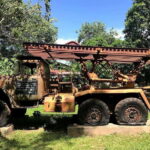
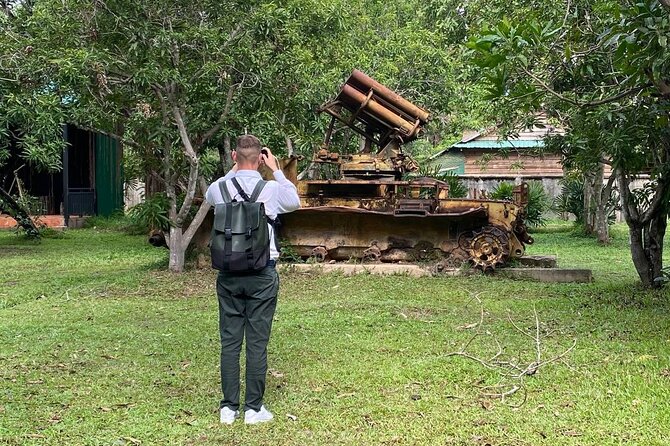
What makes this museum useful on a first visit is the way it mixes physical evidence with human accounts. You’re not just reading dates—you’re seeing war artifacts and real equipment such as tanks and helicopters, and you’re also hearing personal stories connected to Cambodia’s turbulent past. For many people, that combination turns a confusing topic into something you can actually picture.
The museum is set up well for a guided visit, especially if you want help sorting what you’re seeing. I like that the tour doesn’t rush this stop: 90 minutes gives you enough time to move at your own pace and still ask questions.
A practical tip: If you’re sensitive to graphic or disturbing themes, tell your guide what kind of pacing you prefer. The guide can often help you prioritize what to focus on so you still leave with understanding.
Wat Thmey Killing Fields: a somber stop where pacing matters
Wat Thmey (the Killing Fields) is next, and it’s about 1 hour. This site is one of more than 300 killing fields in Cambodia, tied to the years 1975 to 1979. Research cited in the tour information suggests 1,386,734 people were probably killed by the Khmer Rouge, which is the kind of scale that can hit you all at once.
This is not a place for casual browsing. You’re visiting a memorial space, and the emotional tone is unavoidable. I recommend you wear closed-toe shoes, bring water if you feel you’ll need it (bottled water is provided on the tour), and give yourself a minute before you enter to mentally shift gears.
Why I think the time allocation works: one hour is long enough to see what’s there and reflect, but short enough that you don’t feel trapped. Also, going immediately after the War Museum helps the history connect—first you see the conflict’s machinery and background, then you see the human consequences in a preserved site.
A consideration: If you’re traveling with kids, or if your group is easily overwhelmed by tragedy, check in with your guide about how you want to handle this stop. The tour is designed to include it, but you’re still the one deciding how much you can process in a given moment.
Artisans Angkor: watch crafts happen, then buy with a purpose
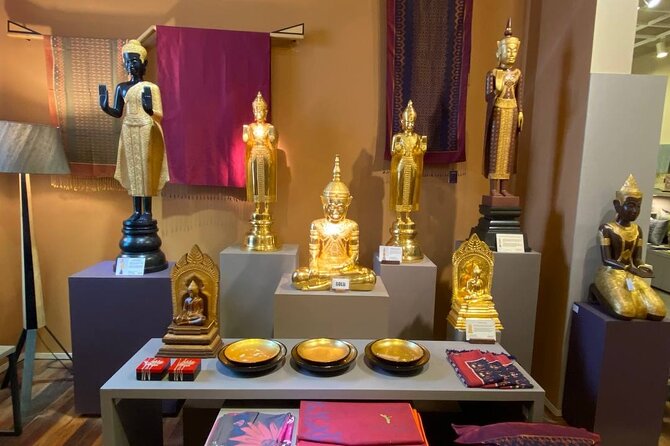
After the memorial sites, you’ll shift to Artisans Angkor for about 1 hour. This part of the day is a welcome change in atmosphere: instead of conflict history, you’re seeing craftsmanship and culture in motion.
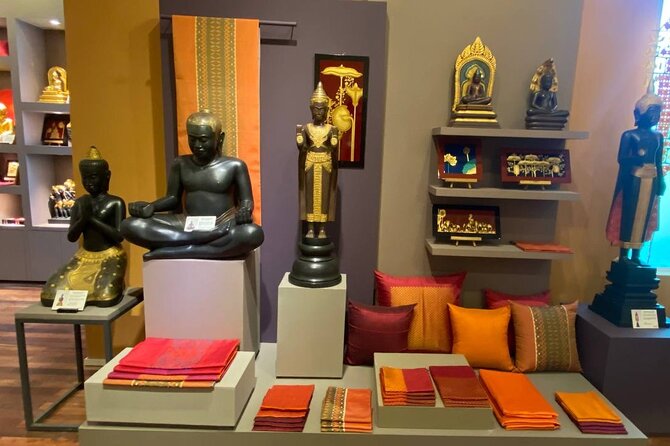
The key detail I like is the real-world support behind the scene. Artisans Angkor plays a role in revitalizing traditional craft industries, with training and job security for nearly a thousand artisans. That means your souvenir purchase isn’t just a nice memory—it’s tied to livelihoods and skills being passed on.
Even if you’re not a big shopper, watching artisans at work is the point. You get to see the care that goes into handcrafted products, which makes it much easier to spot quality and avoid buying something that looks good only from a distance.
How to shop smart here: Plan to take your time. If something catches your eye, ask how it’s made and what materials are used. The guide can help you ask better questions, and you’ll usually end up with something more meaningful than a last-minute impulse buy.
Psar Chaa Old Market: finish with everyday Siem Reap
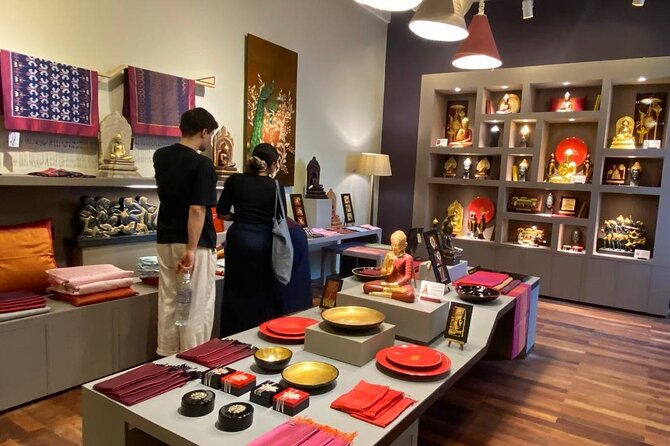
Your final stop is Psar Chaa (Old Market), scheduled for about 1 hour 30 minutes. Admission is free, and it’s a practical place to end the tour because it’s right in the heart of Siem Reap—full of the normal stuff locals shop for.
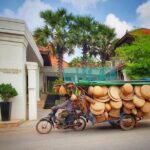
This is where the day becomes lighter. You can browse all kinds of goods, including fresh produce and meats, plus the tourist-facing items you’d expect in a major market area. If you’re trying to get your bearings fast, Old Market is a strong choice because it’s central and it gives you plenty of visual reference points for the rest of your stay.
A practical note: Markets move. Bring small bills if you plan to buy things, keep your phone secured, and don’t expect the pace of a museum. This stop is about strolling and noticing.
You can also read our reviews of more museum experiences in Siem Reap
Price and value: is $47 a good deal for this mix?
At $47 per person, this tour is priced like a compact, guided package. For that money, you’re getting:
- hotel pickup and drop-off
- an English-speaking guide
- an air-conditioned vehicle
- bottled water
- entrance fees for Wat Thmey Killing Field and Siem Reap War Museum
- a market stop with free admission
- scheduled time for Artisans Angkor and the rest of the route
What makes it good value is not just that it’s “cheap.” It’s that two major attractions with entrance fees are folded into the total, and transportation is handled cleanly. If you were to line everything up yourself, you’d still pay for guides (or you’d lose context), and you’d have to manage transport between multiple stops.
Also, the format is ideal for people who only have half a day early in their trip. You get a strong orientation: conflict history, memorial reflection, and then culture you can see and support right away.
Lunch is not included, so you’ll want a plan for where you eat after the tour. The good news is the Old Market stop can help you decide on a casual option right after you’re done.
Comfort, timing, and questions that make the day better
Because the route is about 5 hours, how you prepare affects how much you enjoy it.
Wear comfortable shoes for two reasons: the War Museum and the Killing Fields both involve walking and standing, and the market stop is hands-on strolling. Bring a light layer too—Cambodia can feel hot, and the air-conditioned vehicle can make the temperature swings more noticeable.
On the question side, I recommend you ask your guide for two things:
1) What is the main point I should remember from the War Museum before I move on?
2) What should I focus on at Wat Thmey, so I understand the memorial purpose without getting lost?
Your guide is there for more than translations. A well-structured history site can turn into a blur if you don’t know what to watch for.
Finally, if you’re worried about the emotional weight, it’s okay to set your pace. You can ask to spend a little less time on one area and still keep the experience meaningful.
Should you book this Siem Reap City Tour with War Museum and Killing Fields?
If you want one guided day that covers major history plus real Cambodian culture, I think this is a strong booking. The best reason to choose it is the balance: after serious remembrance at Wat Thmey, you end with Artisans Angkor and Psar Chaa Old Market, so you don’t leave with only heaviness.
Book it if:
- you’re spending limited time in Siem Reap and want a well-paced overview
- you prefer having an English-speaking guide connect the dots between stops
- you like the idea that souvenirs can support artisans and jobs
Skip it (or adjust expectations) if:
- you know you need a slower, more private approach to the Killing Fields
- you don’t handle emotionally heavy sites well, even with a guided context
If you’re flexible on mood and you go in prepared, this tour gives you a lot of meaning in one compact day—and you’ll also leave with ideas for what to explore next around Siem Reap.
FAQ
What is the duration of the Siem Reap City Tour with War Museum and Killing Fields?
The tour runs for about 5 hours.
What is the tour price per person?
The price is $47.00 per person.
Are hotel pickup and drop-off included?
Yes. Free pickup and drop-off at your hotel are included.
What time does the tour run?
You can choose a morning start departing your hotel at 8:30am or an afternoon tour start at 1pm.
Is there an air-conditioned vehicle and bottled water?
Yes. The tour includes an air-conditioned vehicle and bottled water.
Which entrance fees are included?
Entrance fees are included for Wat Thmey Killing Field and Siem Reap War Museum.
Is lunch included in the price?
No. Lunch is not included.
What is the cancellation policy?
Free cancellation is available up to 24 hours in advance for a full refund. If you cancel less than 24 hours before the start time, the amount paid is not refunded.