REVIEW · SIEM REAP
2 Days Angkor Wat Tranquility Tour
Book on Viator →Operated by Angkor Doors · Bookable on Viator
Quiet temples beat the big crowds. This 2-day Angkor Wat Tranquility Tour is built around that idea: you get private countryside temples on Day 1 and then hit Angkor Wat at dawn on Day 2, with round-trip hotel transfers in an AC vehicle.
Two things I especially like. First, the routing leans toward quieter spots like Prasat Bat Chum and Banteay Prei, so you’re not always fighting for space. Second, the guide approach can be strong; one praised guide was Mr Pal Chen, with detailed temple context and a clear focus on timing and getting you in and out without chaos.
One possible drawback: temple entrance fees aren’t included. You’ll need an Angkor pass (a 3-day pass is listed at $62 per person), plus you’ll plan for your own food and drinks during the day.
In This Review
- Key highlights you’ll feel right away
- Price and what you’re paying for at $110
- How private AC transfers save your energy (and your day)
- Day 1: Prasat Kravan to Banteay Prei in a calmer rhythm
- Prasat Kravan (10th-century Hindu temple)
- Prasat Bat Chum (often quieter, smaller, and personal)
- Pre Rup (brick structure plus a viewpoint payoff)
- Banteay Samre (architecture and calm)
- Eastern Mebon (the elephant-statuary focus)
- Preah Khan (stone piles, carvings, and nature)
- Banteay Prei (the quiet closer)
- Day 2: Angkor Wat before dawn, Ta Prohm, and South Gate sunset
- Angkor Wat (the big sunrise visit)
- Ta Prohm (Tomb Raider fame)
- Banteay Kdei (Buddha statues found by Japanese students)
- Angkor Thom (afternoon exploration plus South Gate sunset)
- Tickets, dress code, and how to avoid being turned away
- Guide quality: what you should look for in your tour
- Who this tour fits best
- Should you book this Angkor Wat Tranquility Tour?
- FAQ
- FAQ
- What time does the tour start?
- Is pickup and round-trip transfer included?
- What’s included in the tour price?
- Do I need to pay temple entrance fees?
- What should I wear to visit the temples?
- Is there free cancellation?
Key highlights you’ll feel right away
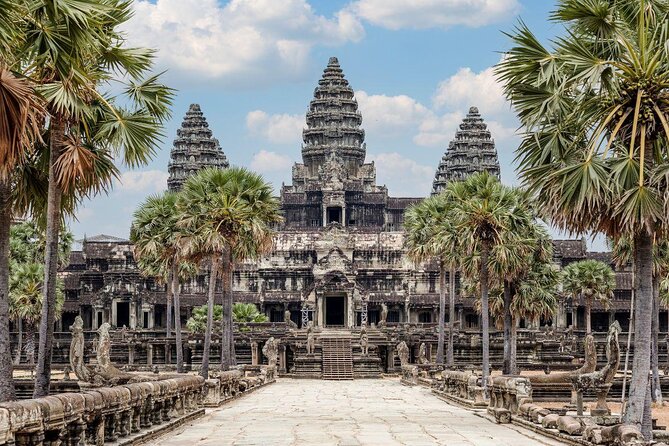
- Quiet temple first-day focus with stops like Prasat Bat Chum and Banteay Prei, where crowd levels can be much lower
- Angkor Wat sunrise timing so you arrive before dawn for the big moment
- Private, door-to-door logistics with round-trip transfers so you avoid stringing together public transport
- Real viewpoint breaks including Pre Rup for panoramic views and South Gate sunset at Angkor Thom
- Mobile tickets included, which saves you some hassle once you arrive
Price and what you’re paying for at $110
At $110 per person for about two days, this tour is priced less like a museum package and more like a “planning + driving + guiding” service. The big costs in Angkor are usually your time and your transport—not just the admission tickets. Here, your money goes toward a guided route, bottled water, and transportation in an AC car/minivan/minibus, plus sunrise and sunset experiences.
Do the math with the fees that matter. Temple entrance is not included, and the Angkor pass is listed as $62 for a 3-day pass. So your true all-in cost is going to be your tour price plus that pass, and then your meals. If you already know you’ll want a multi-day Angkor ticket anyway, the tour price starts to look more reasonable because you’re buying smoother logistics across two busy days.
You can also read our reviews of more tours and experiences in Siem Reap


How private AC transfers save your energy (and your day)
Angkor can be tiring fast. Even when the temples are close on a map, the real slowdown is travel time plus the stress of figuring out transport. This tour handles that. You get pickup offered and round-trip transfers included, using an AC vehicle rather than relying on public transport.
That matters most on a day like Day 1, where you’re visiting multiple sites in sequence. When you don’t have to negotiate rides between temples, you can focus on pacing—arriving, walking, seeing what’s there, then moving on before the day turns into a long slog. It also helps for timing on Day 2, where sunrise is non-negotiable and you’ll need to be in position before it’s crowded.
One more practical point: the tour includes bottled water. That’s not a small thing in Siem Reap’s sun, especially when you’re at viewpoints like Pre Rup and moving between temple compounds.
Day 1: Prasat Kravan to Banteay Prei in a calmer rhythm
Day 1 is the whole point of this tour name: fewer crowds, more breathing room. The order is designed to mix smaller temples with a few bigger-feature stops, without making every stop feel like the main event.
Prasat Kravan (10th-century Hindu temple)
You start at Prasat Kravan, a 10th-century Hindu temple dedicated to Lord Vishnu. The time here is short—about 30 minutes—so it works as a warm-up. You’re not burning half the morning on a single site; instead, you’re building your eye for the shapes and carvings that make Khmer temple architecture recognizable.
Why I like this kind of opening stop: it gets you oriented. Even if you’re not a stone-nerd, it helps you understand what you’re looking at before the more famous complexes start.
Prasat Bat Chum (often quieter, smaller, and personal)
Next is Prasat Bat Chum, where you can often find fewer crowds. This is described as a smaller temple built in the middle of the 10th century by Kavindrarimathana, a learned Buddhist minister of Khmer king Rajendravarman. You’ll spend around 30 minutes here.
The practical advantage is that smaller temples let you slow down. When you’re not surrounded, you can actually look at the details a guide is pointing out instead of constantly waiting for the person in front to move.
Pre Rup (brick structure plus a viewpoint payoff)
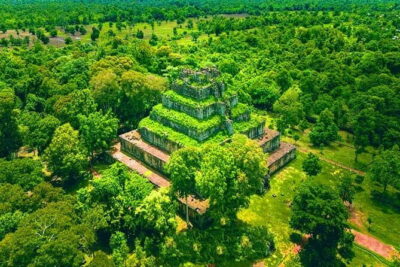
Then comes Pre Rup, with a great brick structure and—most importantly—a view. You’ll have about 1 hour here.
This stop is a good example of why guided pacing helps. The temple itself is the draw, but the bigger value is what you can do with the time: walk around for angles, step into the viewpoints, and let the guide connect the stop to the larger Angkor story without rushing you.
Banteay Samre (architecture and calm)
Banteay Samre is next, with about 1 hour. The highlight here is the architecture style and the sense of peace. If you like temples that feel more lived-in and less like an attraction line, this is the kind of stop that can make Day 1 feel like a gift.
Eastern Mebon (the elephant-statuary focus)
Eastern Mebon is a standout because it’s tied to a very specific feature: a series of giant elephant statues, carved from one huge stone. Expect about 1 hour.
This is one of those stops that’s easy to remember later because it gives you a clear image to associate with the temple. If you’re traveling with anyone who loves photo moments, this is also a great place to take a few shots—without needing to compete with the biggest crowd at the most famous landmark.
Preah Khan (stone piles, carvings, and nature)
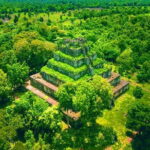
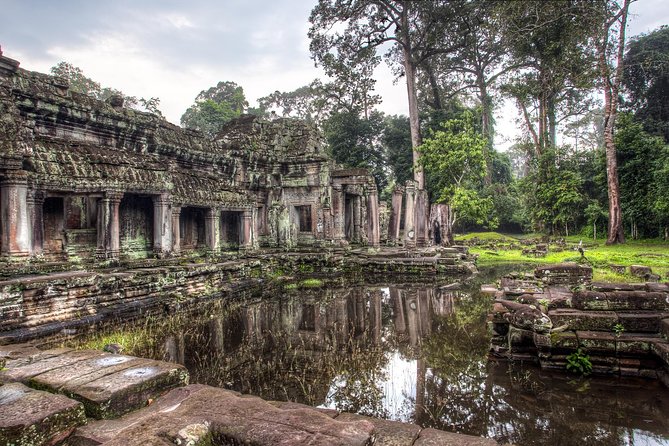
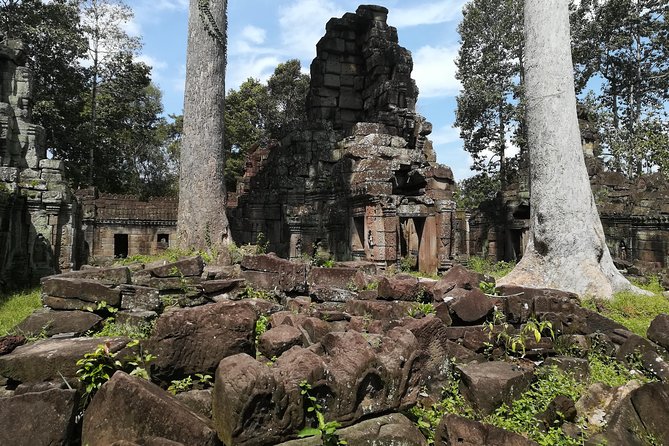
Preah Khan is where the texture of the ruins takes over. You’ll spend about 1 hour 30 minutes. The mix of stone piles, carvings, and nature is described as a combination you don’t want to miss.
This is a longer stop than some others on Day 1, which helps because this type of temple usually rewards time. If you cut your visit short here, you miss the slow, satisfying parts—tracing carvings, noticing how the greenery interacts with the stone, and letting the site unfold.
Banteay Prei (the quiet closer)
You end Day 1 at Banteay Prei, again with a vibe that can feel uncrowded. You’ll have about 30 minutes here.
As a last stop, it’s smart: you finish the day with a smaller temple where you can explore at an easy pace. It also means you’re not ending exhausted with a long, high-energy site right before you sleep.
Day 2: Angkor Wat before dawn, Ta Prohm, and South Gate sunset
Day 2 is the headline day. It also requires more discipline: sunrise at Angkor Wat means you start early to be at the temple before dawn. The tour timing notes a start time of 8:00am for the overall meeting, but for sunrise you should expect an earlier wake-up than that. Think of 8:00am as when Day 1 begins; Day 2’s highlight is before dawn.
Angkor Wat (the big sunrise visit)
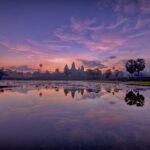
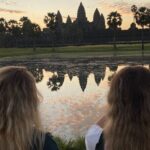
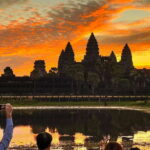
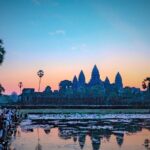
You’ll spend about 4 hours at Angkor Wat. The focus is clear: arrive before dawn and experience the sunrise visit.
Four hours gives enough time to get your bearings, see the temple in changing light, and still move at a realistic pace without feeling like you’re always rushing to the next photo spot. This is also where your guide’s timing matters: you want to see it with the day just starting, not after the biggest wave has already arrived.
If you’re trying to decide whether this tour is worth it just for the sunrise, this is the reason it exists.
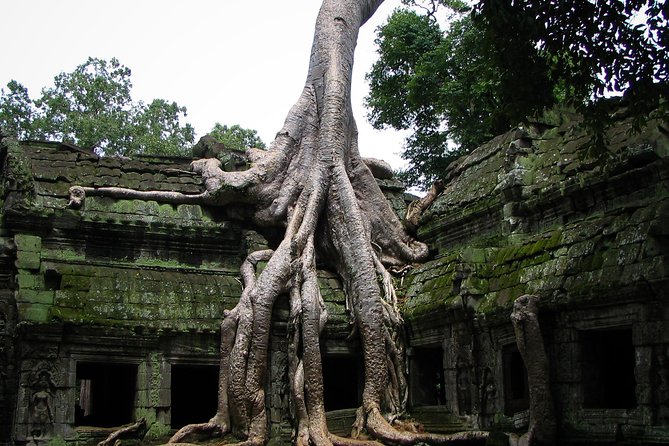
Ta Prohm (Tomb Raider fame)
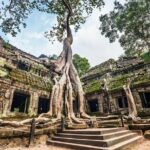
Then you go to Ta Prohm, about 1 hour. This is the temple in the movie Tomb Raider, so it has pop-culture gravity.
The best way to enjoy Ta Prohm on a tour like this is to treat it as both a story and a visual site. Your guide can help you understand what you’re seeing beyond the movie reference, so you get more than a checklist moment.
Banteay Kdei (Buddha statues found by Japanese students)
Next is Banteay Kdei, about 1 hour. The key detail here is that Japanese archeologist students found 274 pieces of Buddha statues during digging.
That kind of fact adds weight to what could otherwise feel like a standard ruin stop. It gives you a reason to pay attention to the temple’s purpose and the significance of what was found there. You’re not just walking around; you’re connecting the present ruins to what was uncovered.
Angkor Thom (afternoon exploration plus South Gate sunset)
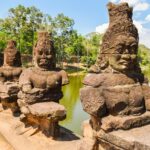
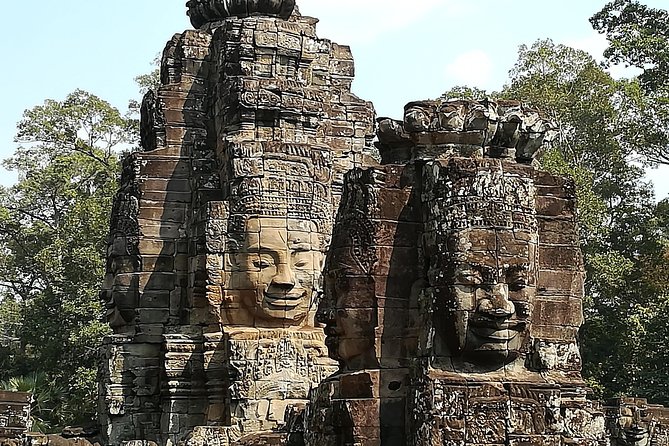
You finish with Angkor Thom for about 3 hours, plus sunset at the South Gate. This is your long afternoon block, so expect you’ll be moving, walking, and refocusing as the light changes.
The South Gate sunset piece is a strong closer because it caps the day with a clear “ending point.” If you’ve been up early for sunrise, this kind of sunset payoff feels like a fair trade.
Tickets, dress code, and how to avoid being turned away
Angkor is one of those places where a small mistake can cost you a big moment. This tour includes guidance, but you still need to show up prepared.
Entrance fees are not included. The listing indicates you’ll use a 3-day Angkor pass costing $62 per person. The tour also mentions a mobile ticket, which should make day-of logistics easier once you have the pass sorted.
Then there’s the dress code: you must respect strict temple rules covering your thighs and shoulders when entering the temple complex. If your clothing doesn’t meet the requirement, you may be refused entrance.
My practical advice is simple: bring a light layer you can put on quickly, even if it’s hot. Also, plan your day so you don’t wait until the last second outside the entrance.
Guide quality: what you should look for in your tour
This kind of tour lives or dies by the guide. You’re bouncing between temples with different vibes—some quiet and small, some famous, some ruined and overgrown. A good guide helps you read each stop.
Here’s what stood out in guide feedback: when a guide is strong, you don’t just get dates and names. You get timing—how to avoid crowds where possible—and a way to understand what you’re seeing. One guide praised was Mr Pal Chen, recognized for being a nice guy and for bringing detailed history to everything on the route.
So what should you do as a guest? Ask your guide what to focus on at the next stop. If you want more than the basics, tell them what you’re into—sunrise, carvings, quieter temples, or specific features like the elephant statues at Eastern Mebon.
Who this tour fits best
I think this tour works especially well if you:
- Want the famous Angkor Wat sunrise and still care about having breathing room
- Prefer countryside temples like Prasat Bat Chum and Banteay Prei over only the big names
- Like a structured plan with round-trip transfers, not DIY transport changes
- Are happy to invest in a guide for context and timing, not just photos
If you only care about the top two or three most famous sites and don’t want a guided route across multiple temples, you might feel the price more strongly because entrance fees and meals still sit on top of it.
Should you book this Angkor Wat Tranquility Tour?
I’d book it if your main goal is balance: see Angkor Wat at dawn, then spend Day 1 in calmer temple settings rather than spending every hour in a crowd. The itinerary is built for that exact rhythm—smaller sites first, then the big spotlight stops.
I’d hesitate if you’re trying to keep costs ultra-tight, because entrance fees (a $62 3-day pass listed here) and your meals are separate. Also, if you’re the type who hates early mornings, the sunrise focus on Day 2 is non-optional.
If you do book, go in with the right mindset: this is a tour designed for pacing and peace, not a rush job where you sprint through everything.
FAQ
FAQ
What time does the tour start?
The meeting point is listed for 8:00 am. Day 2 includes an early sunrise visit to Angkor Wat before dawn.
Is pickup and round-trip transfer included?
Yes. Pickup is offered, and round-trip transfers to and from your hotel are included without using public transport.
What’s included in the tour price?
The tour includes an English-speaking guide, transportation in an AC car/minivan/minibus, bottled drinking water, and sunrise and sunset.
Do I need to pay temple entrance fees?
Yes. Entrance fee is not included, and the Angkor pass mentioned is a 3-day pass for $62 per person.
What should I wear to visit the temples?
You must follow the strict dress code: cover your thighs and shoulders in the temple complex. If your clothing does not meet requirements, you may be refused entrance.
Is there free cancellation?
Yes. Free cancellation is offered, with a full refund if you cancel at least 24 hours before the experience’s start time.