REVIEW · SIEM REAP
1-Day private Angkor Temple Tour from Siem Reap
Book on GetYourGuide →Operated by Sokoan · Bookable on GetYourGuide
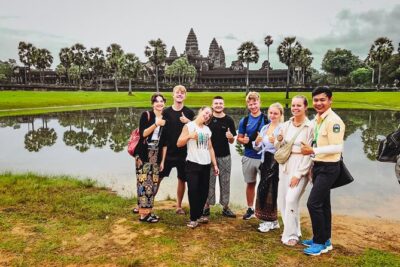
Angkor feels huge until you have a guide. This private 1-day tour strings the key temples into one well-paced day, with skip-the-line entry and a driver who keeps things moving. You’ll get explanations that help the carvings make sense, plus time to stop for photos without feeling herded.
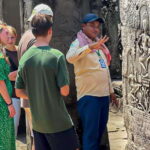
What I like most is the way the sites are explained, not just pointed at. Your guide—names you may get include Arun, Som, Sim, or Rith—connects what you see at Angkor Wat, Bayon, and the smaller temples to the stories Khmer builders left on the stone.
One thing to keep in mind: it’s a long, hot, walking-heavy day. Dress rules are strict (no shorts unless they’re knee-length), and you’ll be climbing steps and moving between temples for about 7 hours.
In This Review
- Key things that make this Angkor tour worth your time
- Why a private 7-hour plan beats the usual Angkor chaos
- Transport that makes heat feel less personal
- The real cost: $34 tour + $37 Angkor Wat entry ticket
- Angkor Wat: bas-reliefs, central chambers, and photo timing
- Tonle Om Gate (South Gate): a quick stop with big meaning
- Bayon temple and its face towers: why it feels strange in the best way
- Baphuon and Phimeanakas: step-by-step temples for people who like structure
- A secret stop plus another quick hidden-area photo break
- Terrace of the Elephants and Terrace of the Leper King
- Terrace of the Elephants
- Terrace of the Leper King
- Ta Prohm (Tomb Raider temple): trees growing through ruins
- Managing a long day: breaks, walking, and heat reality
- What makes the guides here so effective
- Who should book this tour (and who might want something lighter)
- Should you book this 1-Day private Angkor Temple Tour?
- FAQ
- What’s included in the price?
- What’s the entry ticket cost for the temples?
- How long is the private Angkor Temple Tour?
- Is this tour private?
- What temples are included in the day?
- Are shorts allowed?
- Do you need to buy tickets ahead of time?
- Can children enter for free?
- Is free cancellation available?
Key things that make this Angkor tour worth your time
- Expert guide storytelling that turns bas-reliefs into readable scenes (not random stone patterns)
- Photo-focused planning with smart vantage points at Angkor Wat and Bayon
- Heat management: bottled water on board plus cold towels at stops, which you’ll really appreciate
- Flexible private pacing: you can slow down for shade, rest, or extra pictures
- A full UNESCO loop: Angkor Wat, South Gate, Bayon, Baphuon, and Ta Prohm—plus extra quick photo stops
Why a private 7-hour plan beats the usual Angkor chaos
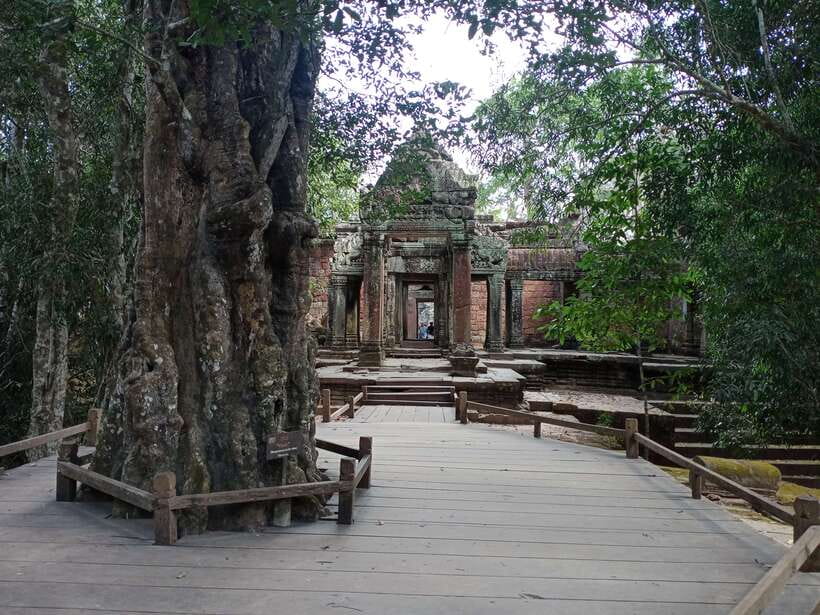
Angkor Wat is famous for a reason, but the real challenge is everything around it: heat, crowds, and the sheer size of the complex. A private format helps because you’re not stuck with someone else’s schedule. Your guide can adjust the order, timing, and how long you linger at each viewpoint—so you spend your energy where it pays off.
I also like the balance here: you get the “must-see” temples, but the pacing is built in. There are breaks for breakfast and for resting between clusters of ruins. That matters because Angkor isn’t a museum stroll. You’re walking paths, going up steps, and standing in open sun—then repeating it, temple after temple.
The tour also keeps the day feeling social in a good way. Part of the experience is chatting with locals and getting photo opportunities that feel less staged than the typical group setup. If you want Angkor to feel human—people, daily life nearby, and the places where the Khmer story still shows up—this format usually delivers.
You can also read our reviews of more private tours in Siem Reap
Transport that makes heat feel less personal
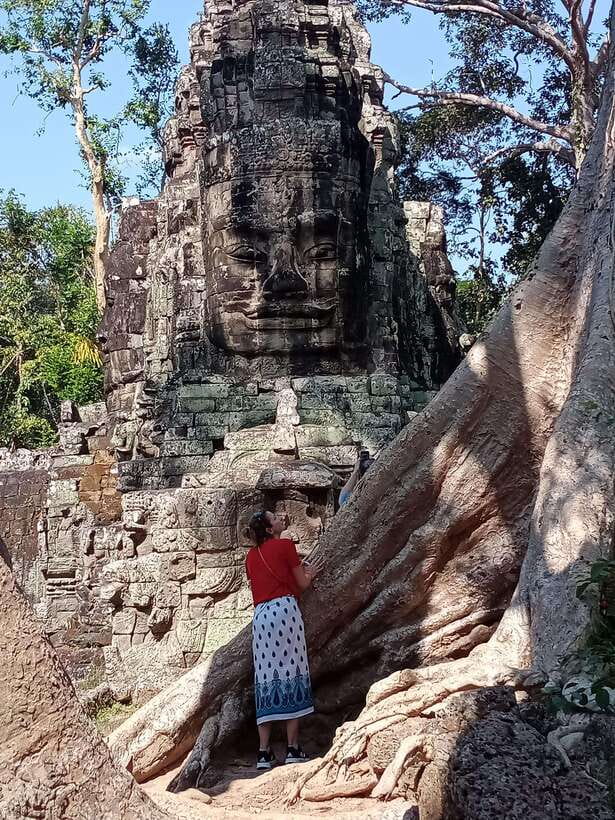
This is set up as a hotel pickup day, with your guide and driver collecting you from your hotel lobby. Expect them to be easy to spot (your guide holds a card with the group leader’s name). From there, the day runs as one continuous loop: temple-to-temple with stops where you can cool down.
One theme shows up again and again in how the tour is handled: comfort at each stop. You’ll have bottled water included, and your driver may provide cold towels and drinks that help when the temperature climbs. In Siem Reap, that can be the difference between enjoying the carvings and just trying to survive to the next gate.
Also, private transport means you don’t lose time waiting for stragglers. A driver who’s ready when you come out of the temple keeps the day flowing. If you hate feeling rushed, this structure helps a lot.
The real cost: $34 tour + $37 Angkor Wat entry ticket
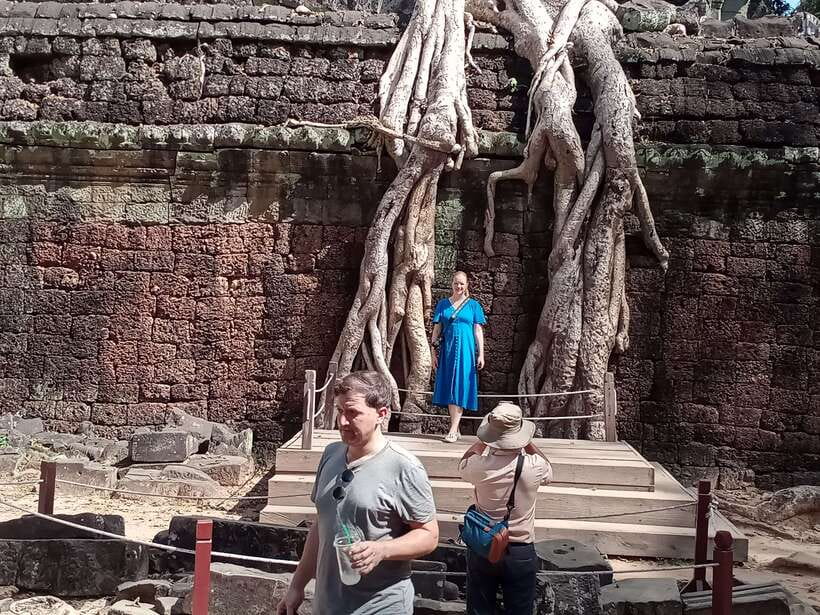
The tour price is $34 per person, and the big add-on is the temple entry ticket. The Angkor Wat pass is listed at $37 per person, and it covers all the temples you visit. You pay it onsite, which means you should plan to budget cash or payment options that work in that moment.
So what’s the value here? It’s not just “getting to temples.” The value is the combination of:
- Skip-the-line entry (separate entrance), and
- An English-speaking guide who helps you understand what you’re looking at, and
- The time saved by having the day organized into an efficient route.
If you already know Angkor well and just want to roam, you might skip the guide. But for a first or second visit—especially if you want fewer crowds and better photo positioning—this pricing often pencils out.
Angkor Wat: bas-reliefs, central chambers, and photo timing
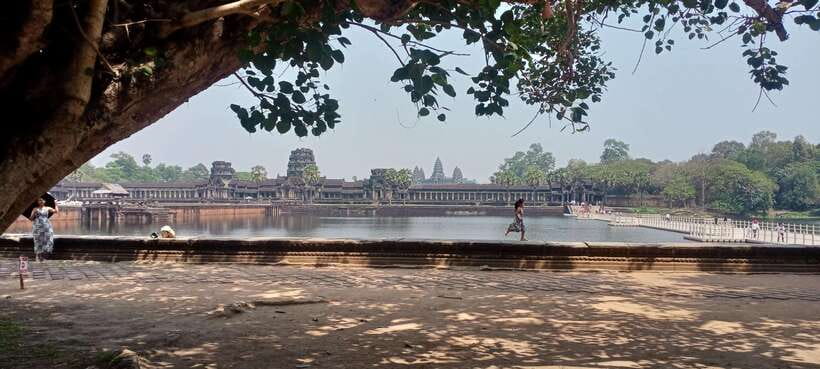
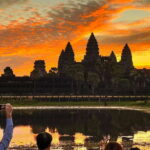
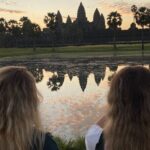
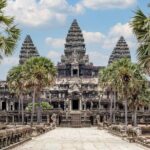
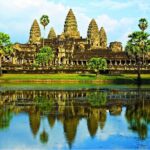
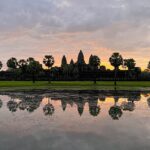
Angkor Wat is the anchor of the day, and it’s also where a good guide makes the biggest difference. You’ll spend around two hours here, including breaks and time for photos. The highlight is getting into the temple’s most important areas and learning what’s actually carved into the walls.
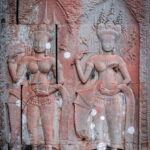
A key detail you’ll hear is how Angkor Wat’s bas-reliefs function like a storybook. Your guide explains myths, history, and scenes of everyday life carved into stone. One point worth taking seriously: the bas-relief stretch here is described as the longest in the world. That’s not just trivia. It helps you stop seeing the carvings as “busy stone” and start reading them as sequences.
You’ll also get time at the central chambers rather than only hovering around the outer courtyards. That makes the whole visit feel less like sightseeing and more like understanding how the monument was designed.
Photo-wise, guides on this tour tend to know where the light and angles work best. If you’ve ever stood at a famous spot and thought, I don’t know where to put myself, you’ll appreciate how often the guide points out exact viewpoints and helps with picture tips.
Tonle Om Gate (South Gate): a quick stop with big meaning
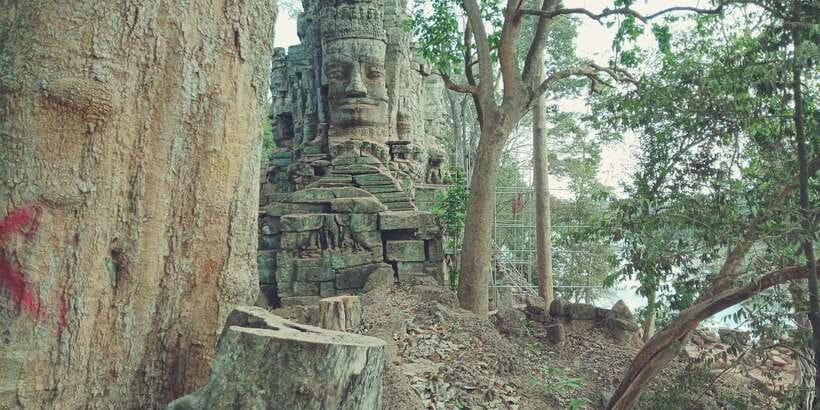
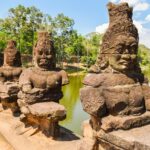
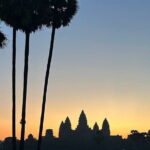
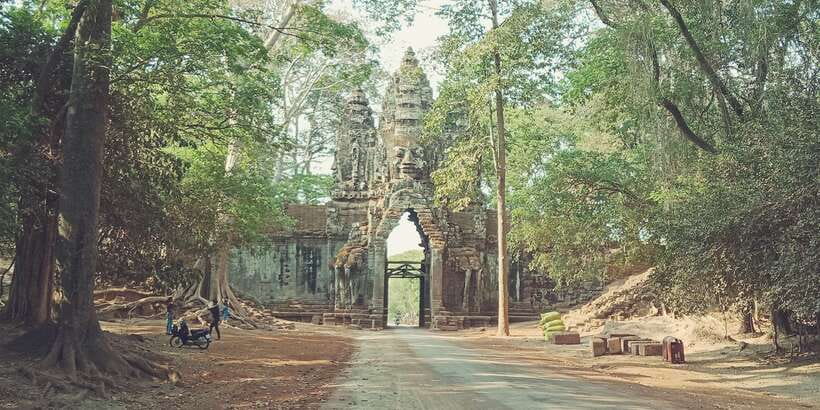
After Angkor Wat, you move to the South Gate of Angkor Thom (also called Tonle Om Gate). Even though the time here is shorter, this is where the day shifts from Angkor Wat’s grand scale into the structure of Angkor Thom, the Khmer capital city.
This stop is mostly guided walking and a photo moment—about 20 minutes. You’ll use the pause to reset your legs, check water, and look at the gate from angles that make the walls and entry points easier to understand.
If you’re worried about the day feeling too rushed, these shorter checkpoints are a smart way to keep momentum without wearing you out.
You can also read our reviews of more tours and experiences in Siem Reap
Bayon temple and its face towers: why it feels strange in the best way
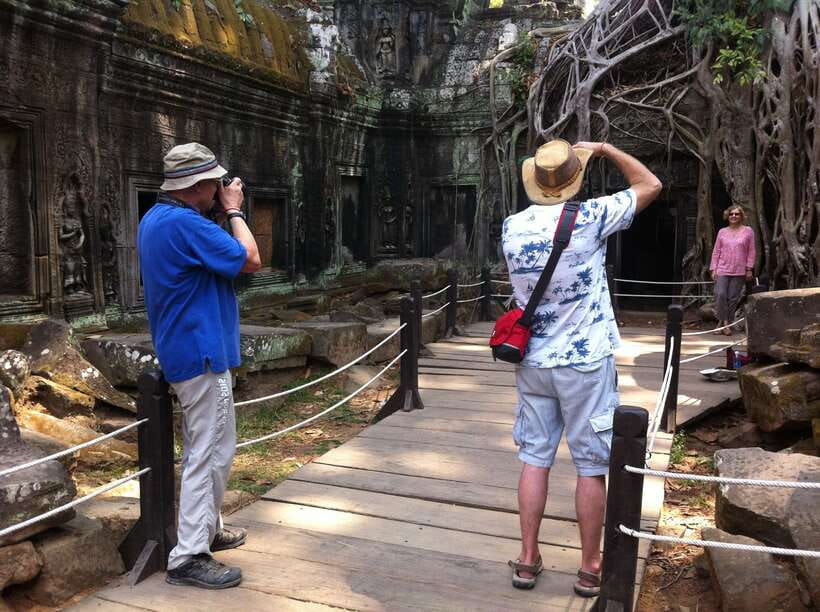
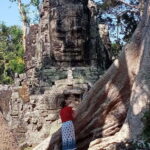
Bayon is the temple people recognize instantly: those smiling stone faces on towers clustered around the central peak. The visit is long enough to let you actually observe the pattern, not just photograph it and move on.
Your guide will explain what the faces represent and connect Bayon’s bas-reliefs to the mix of mythological, historical, and even mundane scenes carved across two sets of reliefs. The goal isn’t to memorize everything. It’s to give your eyes a way to sort what you’re seeing.
You should expect plenty of time for walking and short pauses. There’s about 40 minutes here, with a guided tour plus photo stops. The best part? You can look up, look around, and then have a framework for what those scenes likely meant to the people who built the place.
Baphuon and Phimeanakas: step-by-step temples for people who like structure
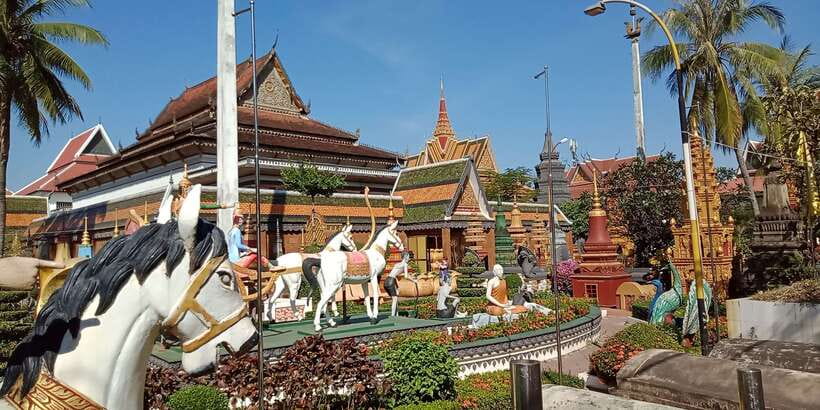
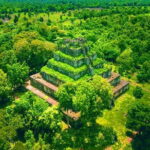
Next come the 11th-century Baphuon and then Phimeanakas, which is described as the celestial temple (built in the shape of a three-tier pyramid at the end of the 10th century).
These stops are shorter (about 40 minutes for Baphuon) but they do a useful job: they fill in the “how Angkor evolved” feeling. Angkor Wat and Bayon are big stars. Baphuon and Phimeanakas show how different temple designs express power, devotion, and Khmer architectural ideas.
A guide helps here by pointing out what to look for—terraces, tiering, and the logic of where each temple sits. Without that, you can walk through and think: I see stones. With it, you start noticing the design decisions.
A secret stop plus another quick hidden-area photo break
Between major temples, there are two short extra photo stops: one called a secret stop and another described as a hidden-area stop. The important takeaway is not what the stop is exactly. It’s the timing.
These quick breaks help you avoid the “too much, too fast” problem. They’re built for shade pauses, quick photos, and resetting yourself before the next larger temple cluster. If your legs are tired, these little buffers can save the day.
Terrace of the Elephants and Terrace of the Leper King
Two of the most memorable stops come from what Angkor used to do here socially and politically.
Terrace of the Elephants
This section runs about 350 meters long. It’s described as a giant reviewing stand used for public ceremonies. With a guide, this turns from “long platform” into a mental picture: crowds gathered, leaders displayed, and the temple space used as a stage.
Guidance also helps you notice scale. When you understand this was meant for ceremonies, you stop walking it like a tourist path and start walking it like a designed space with purpose.
Terrace of the Leper King
This one is famous, but the real value is context. The structure is U-shaped, and it’s thought by some to have been used as a royal cremation site. Again, a guide helps you handle the stories carefully—keeping an eye on what’s described and why certain interpretations exist.
You’ll get about 20 minutes here, with guided explanation plus time to take photos.
Ta Prohm (Tomb Raider temple): trees growing through ruins
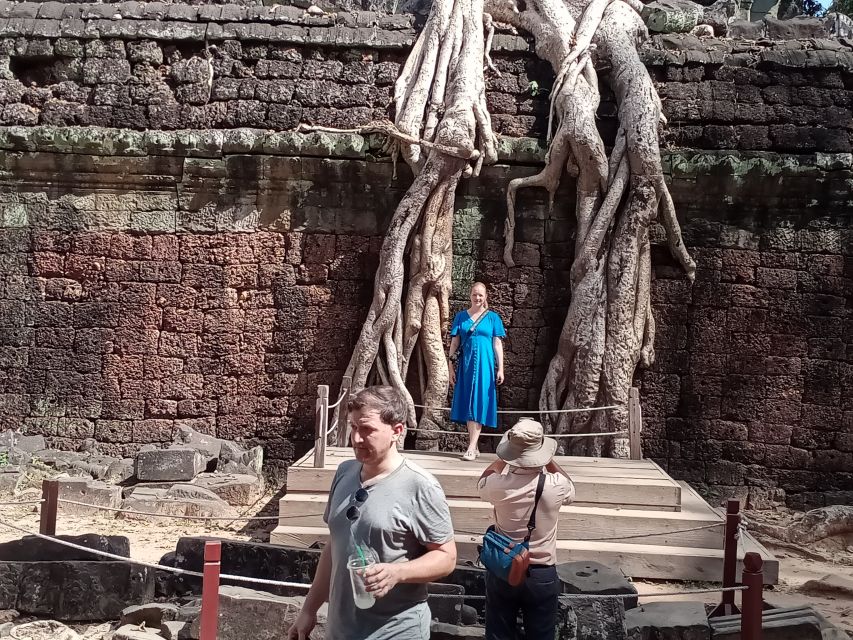
Ta Prohm is where Angkor gets cinematic. You’ll visit it late morning or early afternoon, spending about an hour with time to wander and take photos.
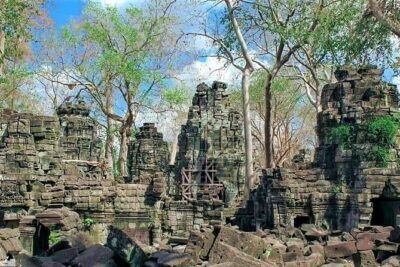
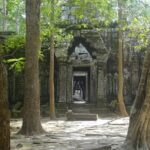
This temple is described as jungle-enveloped and built in the 13th century. The biggest reason it hits so hard is that Ta Prohm was left in much the same condition as when it was found. That’s why you still feel the collision between stone architecture and surrounding trees.
The guide helps you see details beyond the famous visual. You’ll likely notice how the trees frame doorways and columns, and why this place feels different from Angkor Wat and Bayon. If you’re the type who loves atmosphere—temples where nature is part of the story—this is often the emotional high point.
Managing a long day: breaks, walking, and heat reality
A few practical points help you enjoy the day instead of fighting it.
First, expect a lot of walking. Even with private transport, you’ll move between temple areas and climb steps. One review-style theme shows up clearly in the shared experience: plan for about 5 km of walking and plenty of climbs. You don’t need to be an athlete, but you do need comfortable shoes and a realistic pace.
Second, use the breaks. The day includes breakfast time and built-in resting moments. If it’s very hot, you’ll benefit from pausing when the guide offers shade or when you feel your energy dropping.
Third, dress smart. Shorts are listed as not allowed, but shorts on the knees are allowed for entry. The safest move is knee-length breathable pants or a skirt that covers your knees.
Finally, bring a camera and comfortable clothes. The tour makes time for photos, and guides often help you get the right angles. Still, your own comfort affects your pictures more than you think.
What makes the guides here so effective
This is where the tour really earns its rating. Multiple guide names show up across the experience—Arun, Som, Sim, Rith, San, and others—and the pattern is consistent: guides explain what you’re seeing in a way that feels clear and engaging, not like a lecture.
They also focus on pacing. You’ll see examples of guides adapting to the group’s needs—adding shade when the heat is intense, adjusting time so you don’t feel rushed, and helping with photo spots.
And yes, they’re often helpful with practicalities like getting you through the right entrance route and then knowing where to stand for the best views. That’s the difference between “I saw Angkor” and “I understood Angkor.”
Who should book this tour (and who might want something lighter)
This private Angkor day works best for you if:
- You want a guided explanation, not just temple photos
- You care about better photo viewpoints
- You want flexibility in pacing and time at each stop
- You’re okay with a long day and walking
You might want to consider a shorter or more relaxed plan if:
- Walking and climbing in heat is a major challenge
- You prefer minimal planning and don’t want to think about dress rules
- You only want the “top photo” temples and nothing more
Should you book this 1-Day private Angkor Temple Tour?
Yes—if you want your Angkor visit to feel organized, meaningful, and manageable. The mix of expert guiding, skip-the-line access, and heat-friendly support makes it a strong value for first-timers and return visitors alike.
Book it with confidence if you’re the kind of traveler who likes understanding what you’re seeing. Angkor Wat, Bayon, and Ta Prohm can blur together if you don’t get context. With this tour, you’re much more likely to walk away with details that stick.
If you’re sensitive to heat and long walking days, plan your clothing carefully, wear good shoes, and set a realistic expectation: this is a full temple circuit that takes energy. Done right, it’s one unforgettable Cambodian day.
FAQ
What’s included in the price?
The tour includes an English speaking tour guide, return transfers, and bottle water.
What’s the entry ticket cost for the temples?
Entry ticket to Angkor Wat Temple is $37 per person, and it covers all the temples. It’s paid onsite.
How long is the private Angkor Temple Tour?
The duration is 7 hours.
Is this tour private?
Yes. It’s a private group tour, and everything is flexible to your needs.
What temples are included in the day?
You’ll visit Angkor Wat, Tonle Om Gate (Southern Gate), Bayon, Baphuon, Phimeanakas, Terrace of the Elephants, Terrace of the Leper King, and Ta Prohm, with additional short photo stops.
Are shorts allowed?
Shorts are listed as not allowed, but shorts on the knees are allowed to enter the temples. Avoid short shorts.
Do you need to buy tickets ahead of time?
The temple entry ticket is not included in the tour price. You buy the ticket onsite.
Can children enter for free?
Children under 12 get free entry to any temple.
Is free cancellation available?
Yes. You can cancel up to 24 hours in advance for a full refund.