REVIEW · SIEM REAP
Cycle the Angkor Backroads with lunch / E-Bike or Tuk Tuk
Book on Viator →Operated by Siem Reaper Travel - Phnom Penh Day Tours · Bookable on Viator
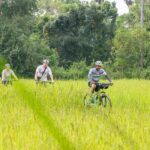
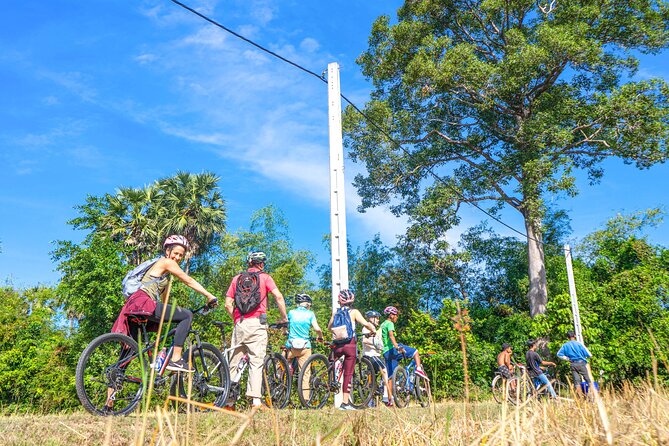
Angkor is usually a rush. This version slows things down with a bike ride through the Angkor Archaeological Park. You get the best of both worlds: temple icons like Bayon and Angkor Wat, plus those calmer stretches where you can actually feel the morning air.
I especially like that the tour keeps things small (up to 12 people), so the pace stays human. I also love that your lunch is built in, right after a scenic stop at Srah Srang. The one thing to consider: this is for people comfortable biking for roughly 20–30 km in hot, humid Cambodia.
In This Review
- Key highlights you’ll notice right away
- Why biking Angkor feels different than buses and cars
- Getting set up at Siem Reaper Travel (and why the bike fit matters)
- Angkor Thom entry at Bayon: the “elephants and faces” moment
- Ta Prohm by bike: jungle temple vibes without the rush
- Srah Srang lunch break: where the day slows down
- Angkor Wat: your big finish with the right kind of time
- Price and value: what $55 really buys you
- Who this tour suits best (and who might want another option)
- Practical tips so you enjoy every pedal
- Should you book this Angkor backroads bike tour?
- FAQ
- What time does the tour start?
- How long is the tour?
- Is hotel pickup and drop-off included?
- What’s included in the price?
- Are entrance fees to Angkor temples included?
- What distance will I ride?
- What should I wear for temple visits?
- Is a vegetarian lunch available?
- Can I cancel for a full refund?
Key highlights you’ll notice right away
- Small-group riding (up to 12): less jostling, more time to look closely.
- UNESCO temples on two wheels: Angkor Thom gate, Bayon, Ta Prohm, and Angkor Wat in one day.
- Srah Srang lunch stop: a garden-and-pond break that actually feels like a reset.
- Bike + helmet included: so you show up ready to roll.
- Dress code matters: shoulders and knees covered, especially for Angkor Wat.
Why biking Angkor feels different than buses and cars
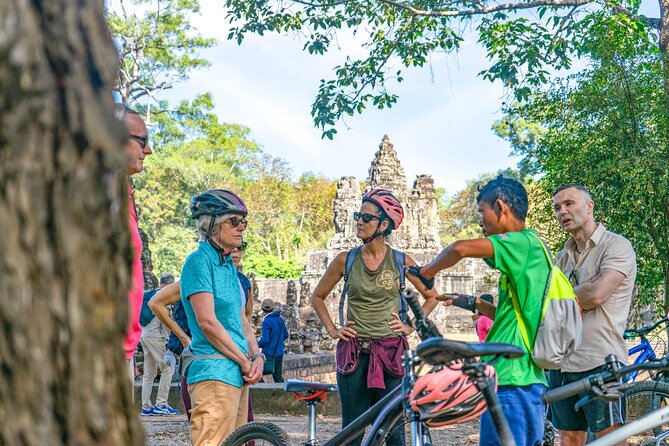
Angkor can feel like a theme park if you do it only by vehicle: stop, get out, wait, shuffle, back in. Cycling changes your rhythm. You move at a steady pace along dirt lanes and paved roads, which means you can notice details that buses and tuk tuks just pass by.
It also helps with crowd stress. You’re not locked into one lane of foot traffic the whole time. Even with the big-name temples on the schedule, you spend a lot of the day riding the in-between paths—so the day feels more like a journey than a checklist.
And because it’s a small group, your guide can pace the stops. That matters at Angkor, where time and heat can squeeze your attention fast. The tour’s structure gives you time for real viewing instead of a quick look-through.
You can also read our reviews of more cycling tours in Siem Reap
Getting set up at Siem Reaper Travel (and why the bike fit matters)
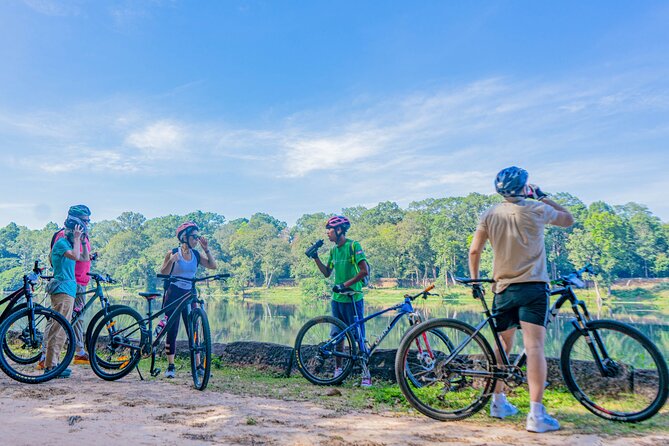
The tour starts at 8:00 am, with hotel pickup to the Siem Reaper Travel office area. The first practical step is fitting you with a bike and helmet. This is more than formality. A good fit can make the whole day easier—especially when you’ll be riding 20–30 km at a moderate pace.
You’ll also get your morning orientation before heading into the Angkor area. That’s when you want to feel confident about what the day will feel like: stop-and-go for temples, plus sustained riding between them.
If you’re planning what to wear, go with lightweight, breathable clothing that still respects the shoulders-and-knees rule. Cambodia is conservative, and Angkor Wat is the big enforcement point. You don’t want a last-minute clothing scramble after you’ve already worked up a sweat.
Angkor Thom entry at Bayon: the “elephants and faces” moment
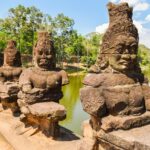
Bayon is where Angkor starts looking unmistakable. You ride into the Angkor Thom city through the ancient gate carved with elephants and four giant face details. Even if you know Angkor from photos, standing near the carvings is a different experience. Up close, you start to see how the stonework is positioned to catch light and shadow.
At Bayon, you’ll spend about 3 hours, which is a helpful chunk of time. This isn’t the kind of stop where you just do a quick loop and call it done. You get a chance to move around, take in the temple structures, and also absorb what your guide is explaining about what you’re seeing.
The main benefit of cycling here is perspective. When you’re arriving by bike, you tend to understand how the temple sits within its surrounding approach roads. That makes the temple feel less like an isolated monument and more like part of a living designed space.
Main consideration: Bayon is inside a complex with foot movement. You’re still on a schedule, but you’ll want to keep your energy steady for walking and shade breaks.
Ta Prohm by bike: jungle temple vibes without the rush
Ta Prohm is the stop people often recognize from its pop-culture fame, but the real draw is how it feels in person. This is the jungle-enveloped temple where jungle trees grow around the stone structures. It’s also linked to the Tomb Raider film, which can make the scene click instantly—then you realize it’s not just a movie set. It’s an archaeological place with real scale.
You’ll have about 2 hours here. That’s usually enough time to wander slowly, look upward at how roots and branches interact with the carvings, and still have time to regroup.
Cycling makes a difference because you arrive with momentum and an easier mind-set. Instead of stepping off a vehicle into a wall of people, you’ve already been riding and settling. Your brain is in “look closely” mode by the time you hit the ruins.
Possible drawback: if you’re hoping for lots of camera coaching—angles, composition tips, that kind of thing—your experience may vary depending on your guide’s focus. The temples themselves do the heavy lifting, but not every guide will spend equal time on photo instruction.
Srah Srang lunch break: where the day slows down
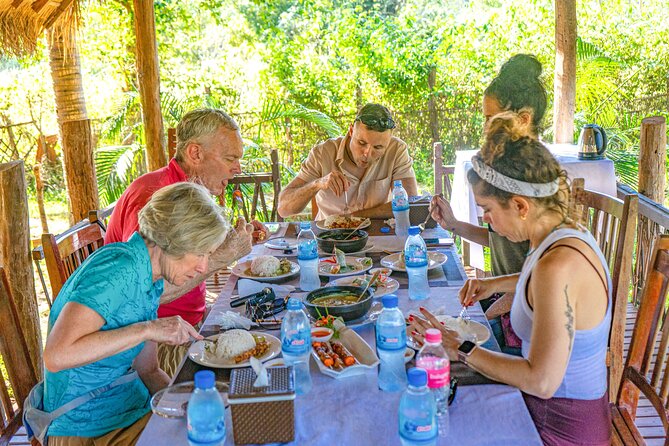
About halfway through the day, you get a real reset at Srah Srang. This is where the schedule turns from temple sprint to breathing room. There’s a lunch break in a tropical garden setting, with a view over the pond.
That setting matters in practical terms. Angkor days get hot fast. Taking a full hour here gives you a chance to cool down, eat something substantial, and recharge before Angkor Wat. The tour also includes bottled water and snacks, so you’re not going into lunch underprepared.
Lunch at a scenic pond-side spot can feel almost out of place—like someone built in a pause button for your day. It helps you enjoy the next temple stop without your energy collapsing.
Tip for you: since the day continues afterward, eat with the next leg in mind. Light to moderate portions tend to feel best in heat, even if you’re hungry.
You can also read our reviews of more tours and experiences in Siem Reap

Angkor Wat: your big finish with the right kind of time
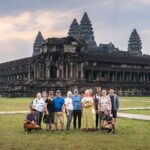
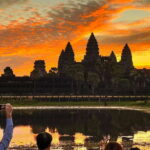
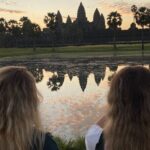
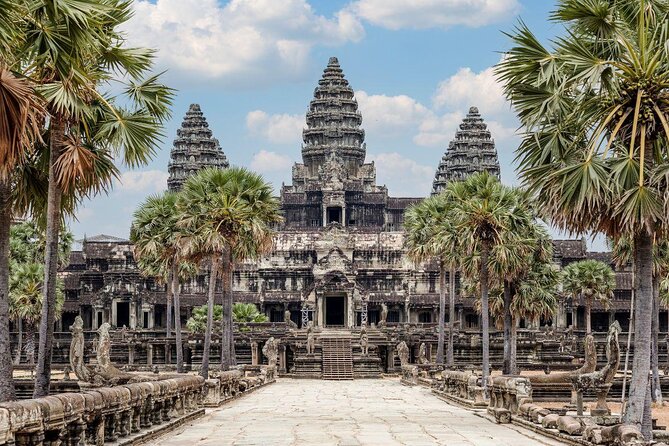
Angkor Wat is the headline. It’s also described as the largest religious monument in the world, and it’s one of the finest examples of Khmer architecture. After your ride and lunch, you’ll spend about 2 hours here.
Two hours is a smart amount of time for this style of tour. You can see enough of the key areas to feel oriented without rushing through everything. And because you’ve already been riding and visiting other temple spaces, Angkor Wat doesn’t feel like a totally separate experience. It feels like the capstone of the day.
This is also the point where you should double-check your outfit. The tour asks for clothing that covers shoulders and knees. If you show up prepared, you won’t waste time figuring out what to do once you’re already at the entrances.
One more practical note: Angkor Wat is popular and the heat can be intense. If you’re someone who wants long, quiet viewing moments, plan to take them early in your time window here. Waiting until later often means dealing with more crowd pressure and less comfortable temperatures.
Price and value: what $55 really buys you
At $55 per person for a roughly 7-hour tour, value comes from what’s included versus what you’ll likely spend anyway at Angkor.
What you get for your money:
- Hotel pickup and drop-off
- A mountain bike and helmet
- An English-speaking cycle guide
- Bottled water and snacks
- Lunch
- A small group setup (maximum 12 travelers)
What’s not included:
- Entrance fees to Angkor temple areas
- Personal expenses
So the bargain isn’t just the low sticker price. It’s the fact that bike, helmet, guide, transport, and lunch are bundled. If you tried to recreate this yourself—bike rental, guide help, getting around and timing temple visits—you’d probably spend more once you add up the logistics.
Also, booking tends to get snapped up. On average it’s booked about 18 days in advance, so if you’re traveling in a busy stretch, don’t wait until the last minute.
Is it perfect value? If you don’t want to ride in heat or you’d rather stick to vehicle tours, then you won’t fully use what you paid for. But if you’re comfortable with biking, this is one of the best ways to turn Angkor into a day you can feel on your skin instead of just remember from afar.
Who this tour suits best (and who might want another option)
This tour is a good match for people with moderate physical fitness and comfort biking. The ride distance is 20–30 km, and you’ll be moving between temple areas with some walking on top.
You’ll probably love it if you:
- Want fresh air and a more active way to see Angkor
- Prefer a small group pace
- Like understanding temples through a guide’s explanations, not just reading signs
It may not be ideal if you:
- Don’t like biking for extended stretches
- Struggle in hot and humid conditions
- Expect a lot of advanced guidance on photography or guided “photo path” planning
Practical tips so you enjoy every pedal
- Bring clothing that covers shoulders and knees without feeling heavy. This matters for Angkor Wat.
- Use the helmet and don’t try to “save time” by skipping it. It’s part of why the day stays smooth.
- Plan for heat: even a morning start at 8:00 am doesn’t guarantee cool comfort.
- If you’re vegetarian, ask for the option ahead of time. It’s available if you note it during booking.
- If you’re traveling with kids, kid-sized bikes and child seats/tag-alongs are available, which can make the logistics easier than you might expect.
Should you book this Angkor backroads bike tour?
If your goal is to see Angkor at a human pace—while also getting out of the crowd crush—this is an easy yes. You get pickup, a real day of temple highlights, and a built-in lunch break at Srah Srang that gives you energy for Angkor Wat. And because it’s capped at 12 people, the experience tends to feel calmer than the big-bus circuits.
I’d only tell you to skip it if biking sounds miserable to you, or if you’re looking for a mostly vehicle-and-stay-dry day. For the right traveler—comfortable with 20–30 km riding in heat—this tour turns Angkor into something you actually experience, not just pass through.
FAQ
What time does the tour start?
The tour starts at 8:00 am.
How long is the tour?
It runs for about 7 hours.
Is hotel pickup and drop-off included?
Yes. Pickup and drop-off from your hotel are included.
What’s included in the price?
Bike and helmet use, an English-speaking cycle guide, bottled water and snacks, lunch, and hotel pickup and drop-off are included.
Are entrance fees to Angkor temples included?
No. Entrance fees to the Angkor temple complex are not included.
What distance will I ride?
The ride distance is about 20 km to 30 km.
What should I wear for temple visits?
You’re asked to wear clothing that covers shoulders and knees, especially for Angkor Wat.
Is a vegetarian lunch available?
Yes. A vegetarian option is available if you advise the provider at booking.
Can I cancel for a full refund?
You can cancel for a full refund if you cancel at least 24 hours before the experience’s start time. Cancellation less than 24 hours before the start time is not refunded.