REVIEW · SIEM REAP
War Museum, Killing Field and Floating village ( Chong Kneas) Tour
Book on Viator →Operated by Angkor Doors · Bookable on Viator
Today history and water life collide in Siem Reap. This tour is compelling because it strings together Chong Kneas floating village life, a lotus-farm snack stop, and then the Wat Thmey Khmer Rouge sites in one smooth day. I like that it’s built around real places you can actually walk through, not just quick photo stops.
Two things I especially like: first, the long, focused time on the water at Chong Kneas, with your private guide’s tips on what to notice as you move between stilt houses and local shops. Second, the tour’s pace keeps you moving in an AC car/minivan with round-trip hotel transfers and cold water included. One drawback to consider: this is emotionally heavy. You’re going to visit genocide-related sites, and the War Museum’s opening hours have not always been consistent in recent periods, so it’s smart to double-check before you go.
In This Review
- Key points worth knowing
- A Siem Reap day built for real places, not a rushed checklist
- Chong Kneas Floating Village and the lotus-farm snack break
- What you’ll actually do at Chong Kneas
- The lotus farm stop: a needed reset
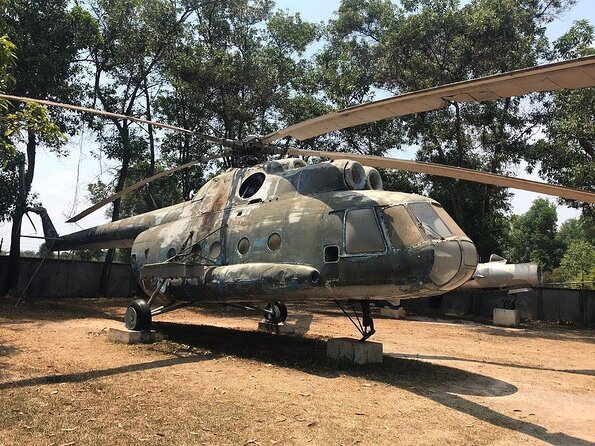
- War Museum Cambodia: vehicles, weapons, and lived context
- What makes this museum visit worth your time
- A real-world consideration: opening hours can vary
- Wat Thmey killing fields: a quiet, heavy visit
- How to get the most out of this stop
- How the private vehicle and timing work (and why it matters)
- A note on the day’s rhythm
- Price and value: what you get for $75 and what costs extra
- What your real budget might look like
- Who this tour is best for (and who should rethink it)
- Should you book this tour?
- FAQ
- What is the price per person for this tour?
- How long is the tour?
- What time does the tour start?
- Do they offer hotel pickup and drop-off?
- Is the guide English speaking?
- What’s included in the tour price?
- Are there extra tickets needed for the War Museum and Wat Thmey?
- Is food included?
- What should I wear for the day?
- Can I cancel and get a full refund?
- Is this a private group tour?
Key points worth knowing
- Chong Kneas first, with plenty of time to see stilt houses, shops, and lake life on Tonle Sap
- Lotus farm snack stop on the way out, with a restaurant break in a scenic rice-paddy setting
- English-speaking private guide who helps you understand what you’re seeing, stop by stop
- War Museum Cambodia visit focused on weapons and vehicles from the long civil war, guided by personal context
- Wat Thmey pagoda and killing fields with time built in for respectful learning
- Clear value: boat fee and Chong Kneas entrance are included, while War Museum and Wat Thmey tickets are extra
A Siem Reap day built for real places, not a rushed checklist
If you only do Angkor temples in Siem Reap, you’ll miss a major layer of the country’s story. This trip trades that temple-only rhythm for something more grounding: daily life on the lake, then the harrowing marks left by the Khmer Rouge era. The structure matters here. You’re not hopping around randomly—you get a logical flow from Chong Kneas to the War Museum, then to Wat Thmey.
I also like that the tour is designed to get you back in time for dinner. It’s long enough to feel like a full excursion, but it doesn’t swallow your entire day. That matters when you’re traveling with jet lag, or when you want to keep your evenings open for markets and street food.
You can also read our reviews of more museum experiences in Siem Reap
Chong Kneas Floating Village and the lotus-farm snack break
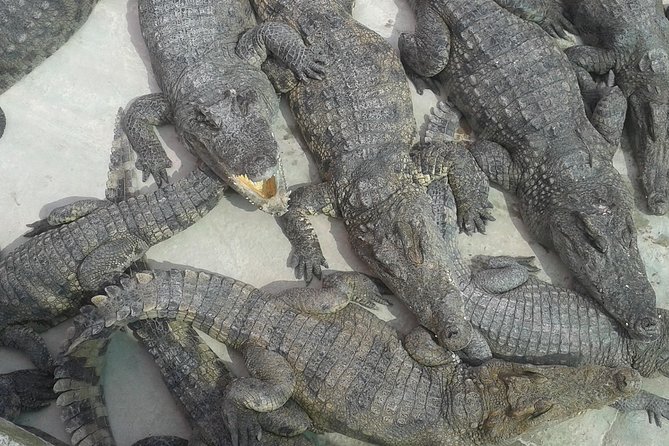
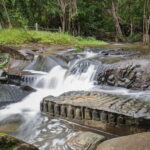
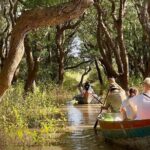
Start with the water. Chong Kneas is about 30 minutes from Siem Reap town, and that short drive helps the day feel manageable right away. You’ll spend around 4 hours at the floating village area, and boat-related costs and the Chong Kneas entrance are included—so you can focus on the experience instead of calculating add-ons.
What you’ll actually do at Chong Kneas
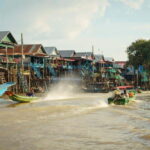
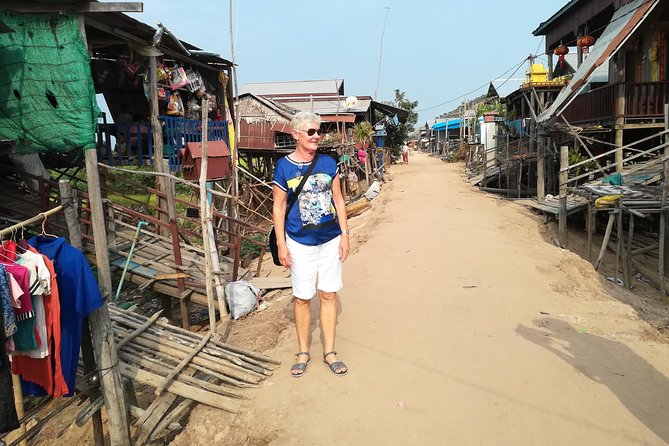
You’ll explore the stilt houses and the small shops connected with village life. The best part of this stop is that you’re not just standing on a dock for sweeping views. You’re moving through the village rhythm at a human scale, where it’s easier to notice practical details like how daily spaces are arranged on the stilts and how local commerce works along the waterways.
Your private guide also plays a big role here. The tour description specifically mentions that you’ll get hints and tips for what to do in Chong Kneas. That’s important because floating villages can feel a bit confusing at first—your guide helps you choose what to look at and how to do it respectfully.
The lotus farm stop: a needed reset
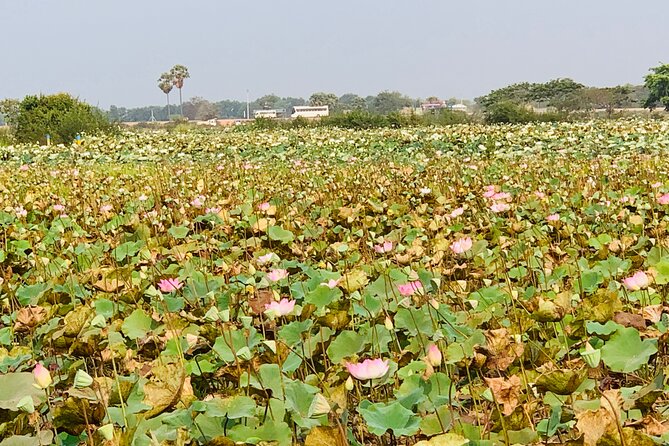
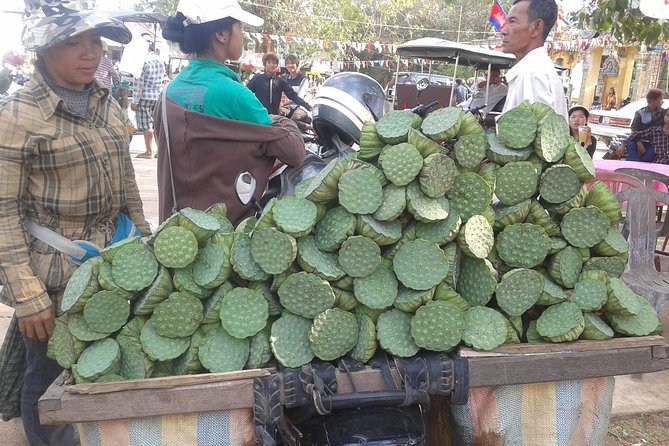
Before the water village, there’s a stop at a local lotus farm for a snack. It’s not just a quick stretch; it’s a scenic break with a local restaurant setting in rice paddies, and the tour description even notes hammocks. This is one of those small inclusions that makes the day feel balanced. After sitting in a car, you get legs, shade, and a moment to breathe before you step into the next, heavier part of the itinerary.
Practical note: you’ll be outside for most of the day, so sunscreen and long clothing aren’t optional here. Even in the morning, the sun near Tonle Sap can be strong.
War Museum Cambodia: vehicles, weapons, and lived context
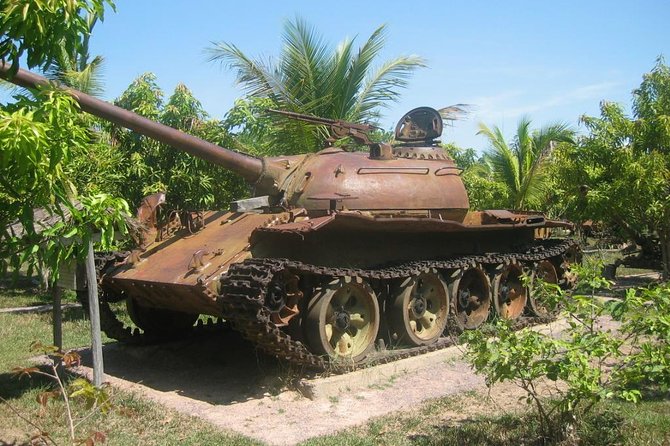
After Chong Kneas, you’ll head to the War Museum Cambodia for about 2 hours. Admission isn’t included (the ticket price is listed as $5.00 per person), but the tour includes a guide and transportation, so you’re paying mostly for access and interpretation rather than just entry.
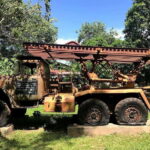
This stop is centered on tangible artifacts—military vehicles and weapons used during Cambodia’s long civil war. Seeing equipment in person changes how the story lands. Words can stay abstract; objects make the conflict feel immediate.


What makes this museum visit worth your time
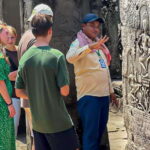
The standout here is the way your guide frames what you see. The tour description says your tour guide will share life experience during the war. Even if you already know a bit about Cambodia’s modern history, this kind of personal context tends to turn a collection of displays into a clearer, more connected timeline.
Also, this museum stop helps you prepare for Wat Thmey. You’re learning how the violence unfolded before you’re confronted with the specific killing-field site.
A real-world consideration: opening hours can vary
One caution: in one recent experience, the War Museum was closed even though the rest of the tour continued. That doesn’t mean it’s always closed, but it does mean you should treat museum hours as something to confirm. If it’s shut, you don’t want the whole day to feel like a letdown. A good tour operator can often adapt, but you’ll still want to be mentally ready for changes.
Wat Thmey killing fields: a quiet, heavy visit
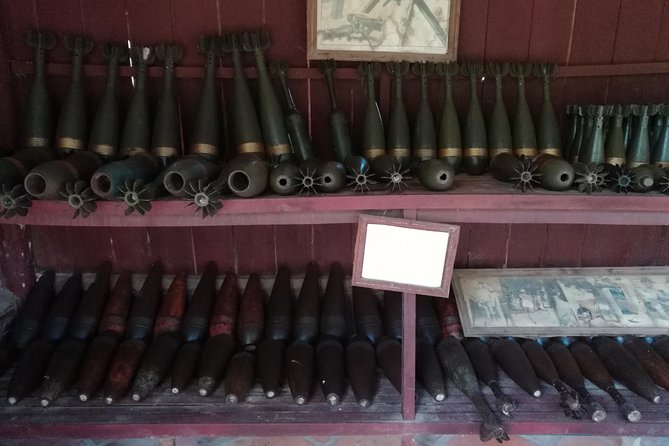
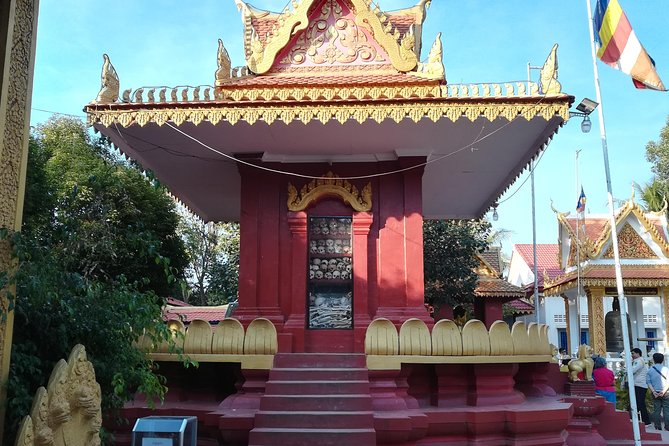
The final major stop is Wat Thmey Pagoda, the site connected with the killing fields of Siem Reap. You’ll have about 2 hours here. Admission is extra (listed as $3.00 per person), and you should expect a respectful, serious atmosphere.
The tour description is direct about what you’ll learn: the deadly Khmer Rouge regime under Pol Pot. This isn’t a casual attraction. It’s a place built for remembrance and education, and it can affect people differently depending on your own comfort level with genocide-related sites.
How to get the most out of this stop
Plan to slow down. When the topic is this heavy, your best learning comes from taking your time and letting the guide’s explanations land. If you go quickly, you miss the purpose of the visit.
Also, dress smartly. The tour notes recommend long clothes and sunscreen if needed. Long clothing is not just for comfort—it also signals respect in a memorial setting.
If you tend to get overwhelmed at memorial sites, consider how much you want to know going in. This itinerary is targeted and doesn’t shy away from the core subject.
How the private vehicle and timing work (and why it matters)
This tour runs about 6 to 7 hours, starting at 8:30 am. You’re also told that there are no central pick-up or drop-off points. Instead, round-trip transfers are provided from your hotel area. That reduces the hassle factor a lot, especially if your hotel is outside the main Siem Reap cluster.
The vehicle is described as an AC car or minivan, and you’ll get bottled cold drinking water. Those are simple perks, but in Cambodia heat, they’re the difference between a day that feels exhausting and one that feels doable.
Because this is private, only your group participates. That tends to help with pace. If your group has questions, you can usually ask without feeling like you’re holding up strangers.
A note on the day’s rhythm
Your schedule is structured around three key blocks: Chong Kneas (about 4 hours), War Museum (about 2 hours), and Wat Thmey (about 2 hours). The total time works out because there’s also travel time and buffer. Practically, you should expect a full day. It’s not a quick culture hit before lunch.
Price and value: what you get for $75 and what costs extra
At $75.00 per person, this tour is priced like a focused, guided excursion rather than a bargain-group bus ride. The value comes from what’s included:
Included:
- English-speaking tour guide
- Transport in an AC vehicle
- Bottled cold drinking water
- Boat fee and entrance fee to Chong Kneas floating village
Not included:
- Food and drinks
- War Museum Cambodia entrance ($5.00 per person)
- Wat Thmey (Killing Fields) entrance ($3.00 per person)
What your real budget might look like
Add the two entrance fees and you’re at about $83 per person, before any lunch/snacks you choose to buy. The tour does include a lotus-farm snack stop, but food and drinks aren’t listed as fully included—so assume you’ll pay for at least some beverages or meals.
Where this price makes sense: if you want a guide’s context for the museum and killing-field visit, and you want the lake village time without managing logistics yourself. If you’re trying to DIY it, you’d spend money on transport, tickets, and interpretation anyway—though your costs could be lower if you speak the language and know the connections. Most visitors don’t, which is why a guided day like this often feels like good value.
Who this tour is best for (and who should rethink it)
This is best for you if:
- You want more than temples and want to understand Cambodia’s modern past
- You like guided explanations at sites that need context
- You’re interested in Pol Pot-era history and the Khmer Rouge period
- You enjoy Tonle Sap lake life and want substantial time at Chong Kneas
It may not be ideal if:
- You want a light, entertainment-first day
- You’re not ready for genocide-related subject matter
- You prefer only sightseeing with minimal emotional weight
There’s no wrong choice here. It’s just about matching your mood to the itinerary.
Should you book this tour?
I’d book it if you want a clear, guided day that connects lake life at Chong Kneas with the reality of Cambodia’s recent history—using a private, air-conditioned schedule that keeps you comfortable enough to handle a heavy ending at Wat Thmey. The included boat/entrance for Chong Kneas and the guide-led explanation at the museum and pagoda are the heart of the value.
Skip or postpone it if you know you’re not up for memorial sites. And if the War Museum is a key reason you booked, do a quick check on opening conditions before departure so you don’t end up hoping on the day.
If you tell me your travel dates and whether you prefer lighter vs. heavier history, I can help you decide if this is the right match for your Siem Reap plan.
FAQ
What is the price per person for this tour?
The tour price is $75.00 per person.
How long is the tour?
It runs about 6 to 7 hours.
What time does the tour start?
The start time is 8:30 am.
Do they offer hotel pickup and drop-off?
Yes. There are no central pick-up or drop-off points, but round-trip hotel transfers are provided.
Is the guide English speaking?
Yes, the tour includes an English speaking tour guide.
What’s included in the tour price?
Included are transport in an AC car or minivan, an English speaking guide, bottled cold drinking water, the boat fee, and entrance fee to Chong Kneas floating village.
Are there extra tickets needed for the War Museum and Wat Thmey?
Yes. War Museum Cambodia entrance is $5.00 per person, and Wat Thmey (Killing Fields) entrance is $3.00 per person.
Is food included?
Food and drinks are not included, though the itinerary includes a lotus farm snack stop.
What should I wear for the day?
You’ll be outside for most of the day, so wear long clothes and bring sunscreen if needed.
Can I cancel and get a full refund?
Yes. You can cancel up to 24 hours in advance for a full refund.
Is this a private group tour?
Yes. It’s a private tour/activity, and only your group will participate.