REVIEW · SIEM REAP
From Siem Reap: Angkor Wat Sunrise and Temples E-Bike Tour
Book on GetYourGuide →Operated by ASEAN ANGKOR GUIDE · Bookable on GetYourGuide
Dawn at Angkor Wat hits different. This tour pairs Angkor Wat sunrise timing with e-bike access that helps you reach ruins and backroads without the slog of long walks. I also like how the day mixes big monuments with hands-on Cambodian food moments, not just temple photos.
The big consideration is the early start (tuk tuk pickup at 4:40am) and that some temple areas involve steps and uneven ground. If you’re sensitive to heat, fatigue, or rough sandy patches, plan to move slowly and wear grippy shoes.
What makes it feel smooth is the guide-led pacing and crowd awareness, often with guides such as Mr August, Raman, Sa, Ho, Makara, and Jan. You’ll get an English-speaking guide, plus safety support from the tuk tuk driver riding behind with you at key turns.
In This Review
- Key highlights to know before you go
- Sunrise run: 4:40am tuk tuk to Angkor Wat
- Angkor Wat at first light: what you’ll actually be doing
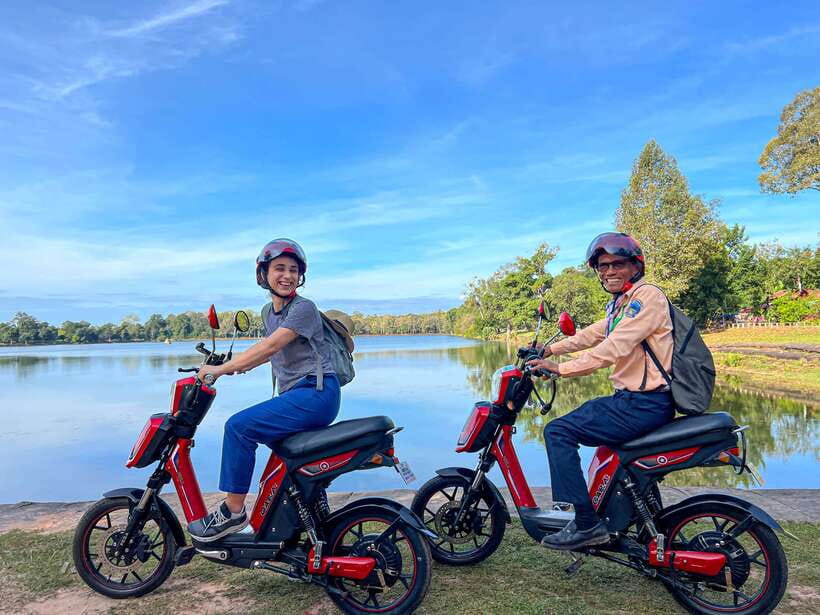
- E-bikes across Angkor Park: fast access without the full workout
- Breakfast at Sras Srang: Khmer comfort food before temples
- The Siem Reap market stop: snacks, choices, and local rhythms
- Ta Prohm and Ta Nei: when the jungle takes the lead
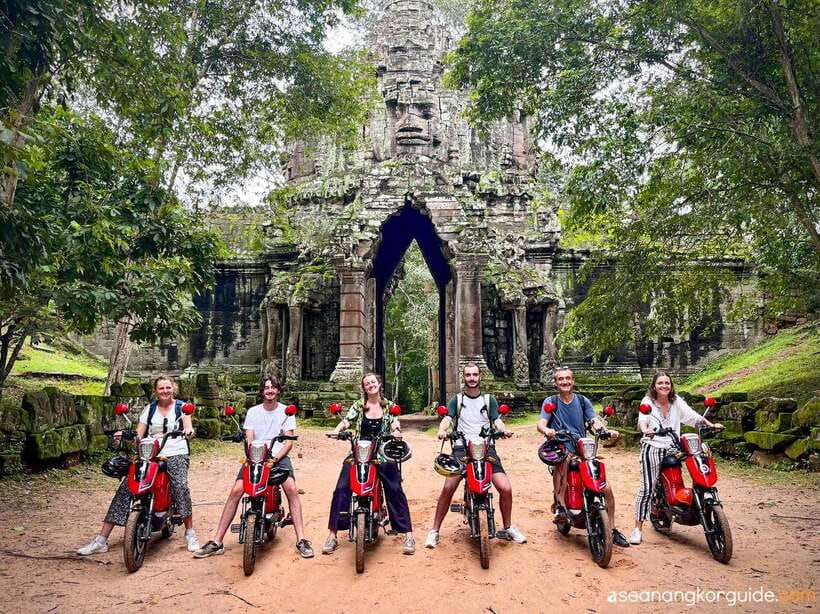
- Bayon and Angkor Thom’s Victory Gate: smiling faces with context
- Getting back to Siem Reap: tuk tuk transfer after the ruins
- Price and value: $85 with breakfast, e-bikes, and the pass you still need
- Who this Siem Reap sunrise e-bike tour fits best
- Should you book this Angkor sunrise e-bike tour?
- FAQ
- What time does the tour depart from Siem Reap?
- How long is the full tour, and does it include the return to Siem Reap?
- What’s included in the price?
- What is not included in the tour price?
- Is the Angkor pass required for this tour?
- What should I wear or avoid?
Key highlights to know before you go
- 4:40am sunrise run from Siem Reap with a guided route to first-light viewing.
- E-bikes that get you closer to temple entrances and off-trek approaches.
- Breakfast with Khmer dishes at Sras Srang plus palm sugar desserts.
- Market snack stop in Siem Reap where you can try street foods at local stalls.
- Ta Prohm and Ta Nei in original, root-choked form—part temple, part jungle.
- Bayon + Victory Gate of Angkor Thom with Jayavarman VII context and smiling-face carvings.
Sunrise run: 4:40am tuk tuk to Angkor Wat
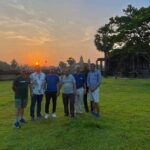
In Siem Reap, the day usually starts early. Here, it starts with a tuk tuk pickup from your hotel at 4:40am, then a short ride to the temple area (about 20 minutes from the city center). If you’re tempted to sleep in, don’t. Angkor Wat at sunrise is the whole point.
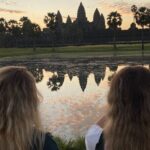
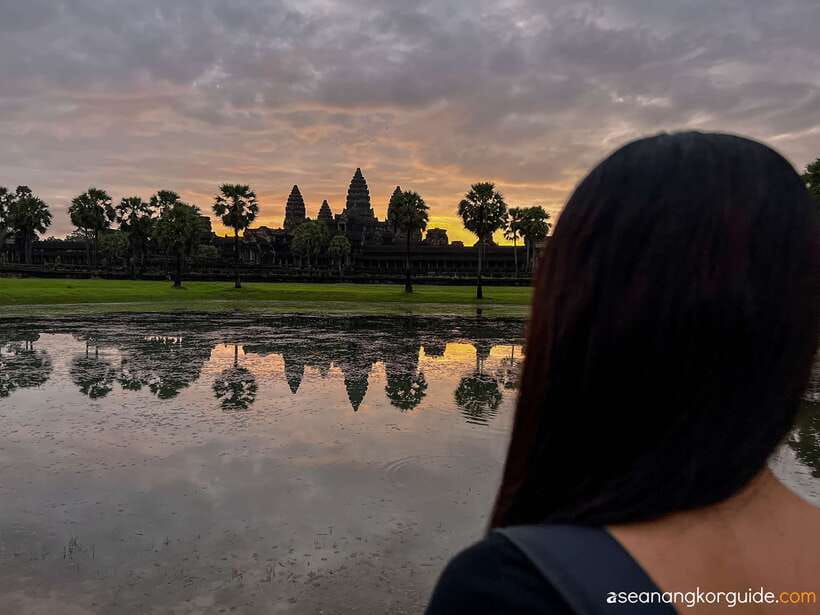
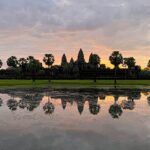
Expect a dark, quiet approach to the reflecting pool area. You’ll spend time exploring Angkor Wat itself—roughly 1 hour 30 minutes—so you’re not just doing a quick glance and leaving. I like this pacing because you get the time to look up at details, not just walk through.
Also, remember the practical stuff: it can be chilly early, then hot fast. Bring sunscreen and bug spray, and keep something light for the temple walk.
You can also read our reviews of more cycling tours in Siem Reap
Angkor Wat at first light: what you’ll actually be doing
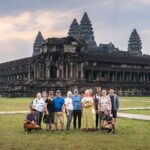
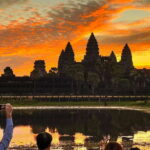
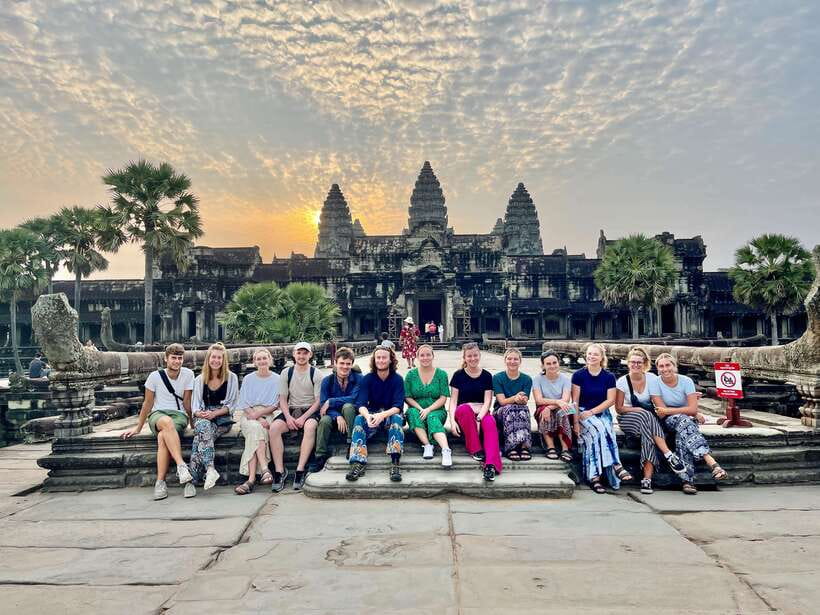
Angkor Wat sunrise isn’t just dramatic lighting; it’s a structure that reveals itself gradually. You’ll arrive in time to watch the sky brighten over the main temple, then settle into a guided visit of the complex. The tour includes time to walk through the key sections of Angkor Wat, with a guide who points out what you’re looking at—architecture, carvings, and the meaning behind what’s where.
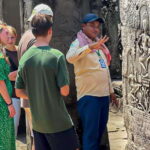
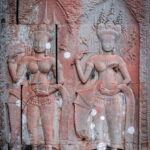
One thing I appreciate is that your guide isn’t just reciting facts. You’re pushed to look at patterns: the symmetry of the layout, the way towers relate to the central axis, and the carvings that connect the whole complex. Guides on this tour—like Mr August, Raman, Sa, and Ho—are known for timing photo angles and explaining what makes each area tick.
A possible downside: sunrise can be affected by clouds. If the morning is gray, you may miss that crisp, sun-on-stone look, but the experience still works because you’re there before the heaviest crowds.
E-bikes across Angkor Park: fast access without the full workout
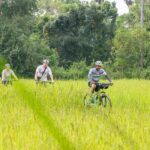
After Angkor Wat, you switch gears. You’ll ride an e-bike through Angkor Park, and the whole point is that you cover more ground than you would on foot. You’ll leave the main crowds behind and take routes that allow you to approach temples from angles most people don’t bother with.
The e-bikes are easy to ride, but treat this like riding on real roads—not a theme park path. Some stretches can be sandy or rocky, so grippy footwear matters. If you’re not comfortable with two wheels, you’ll need to go slowly and take your time during any rough sections.
What I like most is the “closer-to-the-ruins” feeling. You’re not always stuck behind the longest walking routes. Several guides on this circuit also help with navigation so you’re not guessing where to go next—Mr August, Makara, and Jan are often praised for making the ride feel safe and well organized.
One more safety detail: the tuk tuk driver typically rides behind and helps manage traffic while you turn on and off smaller routes. That’s not just comforting; it also makes the ride less stressful when traffic appears out of nowhere.
Breakfast at Sras Srang: Khmer comfort food before temples
A sunrise tour is great, but only if breakfast doesn’t disappoint. Here, your breakfast is served on a spot tied to the Royal Swimming Pool of Sras Srang, in the area where you’ll reach after biking toward the nearby village area. You’re not eating a rushed packaged meal. You get a real Khmer-style spread, served picnic-style.
The menu isn’t vague. You’ll have things like Khmer rice noodle with fish green curry soup, plus traditional desserts such as palm cake and steam rice dumplings with palm sugar. There are also treats like seasonal fruits, and you’ll get cool water (plus coconut and towels as part of the included comfort kit).
This stop matters more than it sounds. Starting at dawn means you’ll burn energy fast. Eating local breakfast in a calm setting keeps the day from turning into a temple marathon where you can’t think straight.
Hydration helps too. The included cool towels and water sound small until you’re sweating in full sun and grateful someone thought ahead.
The Siem Reap market stop: snacks, choices, and local rhythms
Before the jungle temples, you’ll make time for an interesting detour: a local market in Siem Reap. This isn’t an empty “look at souvenirs” walk. You’ll pass food stalls and get the chance to try Cambodian specialties at small, local counters.
What you might see and taste includes sticky rice, cakes, fruits, egg noodles, and the kind of fried street snacks that sound adventurous to outsiders—fried spiders and scorpions are mentioned as options at stalls. You don’t have to go for the insect snacks to enjoy the market. Even just comparing textures and flavors of the more common bites gives you a clearer sense of daily Cambodian eating.
I like that the guide helps you pick and explains what you’re looking at. It turns the market from a random stop into a cultural shortcut.
You can also read our reviews of more tours and experiences in Siem Reap

Ta Prohm and Ta Nei: when the jungle takes the lead
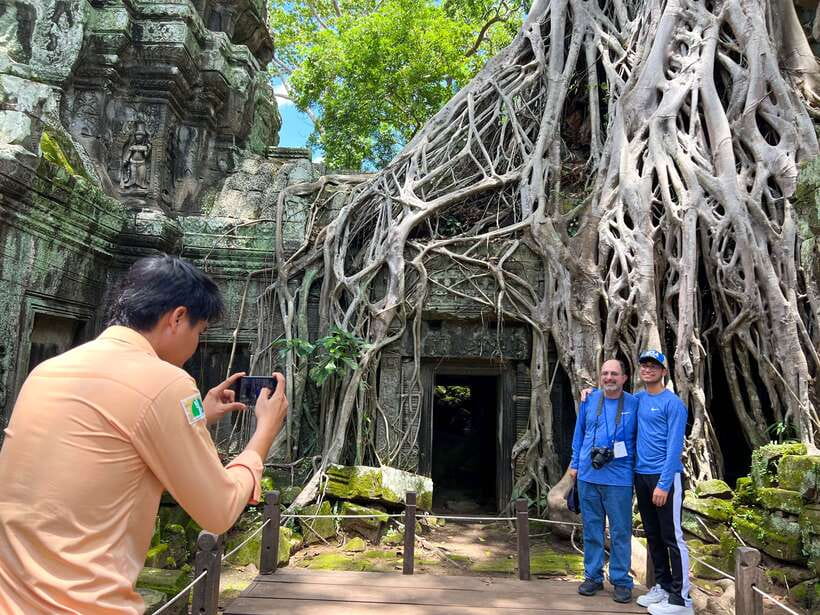
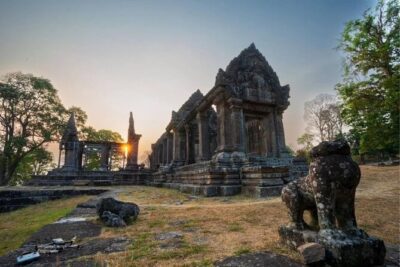
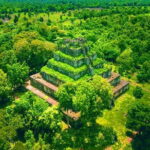
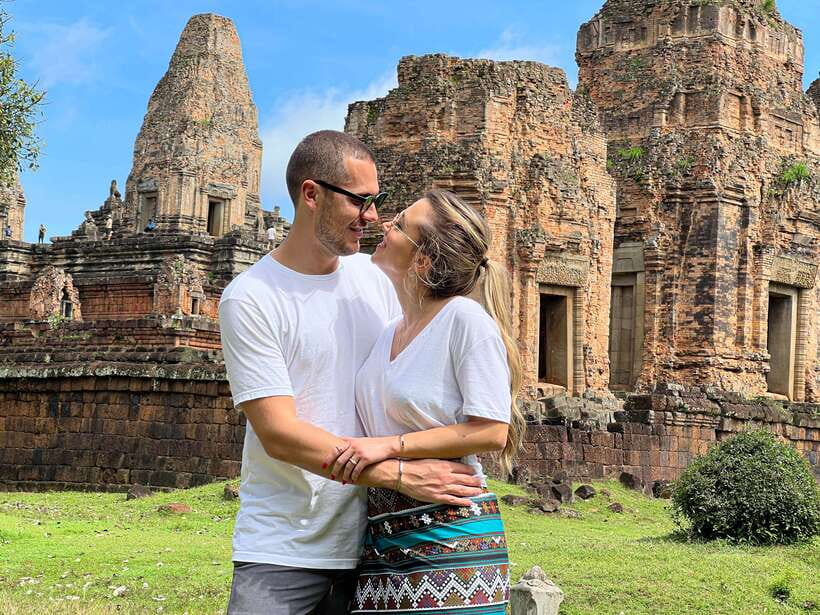
Next up are Ta Prohm and Ta Nei, temples that feel less like preserved ruins and more like a collaboration between humans and nature. Ta Prohm is the one everyone recognizes, because it’s famously left in an original state—overgrown, with huge tree roots wrapped around stone.
Ta Nei adds a different texture to the day. You still get the “temple absorbed by greenery” feeling, but the mood is often quieter and more atmospheric. Together, these stops break the pattern of neat, symmetrical Angkor Wat geometry.
Practical note: jungle-temple areas can involve uneven surfaces and steps. If you need help, guides on this tour are set up to assist where needed. The goal is for you to experience the temples instead of simply surviving them.
Photo lovers will enjoy this section too. Many guides are known for helping you frame shots around roots, light gaps, and the interplay between stone and living wood.
Bayon and Angkor Thom’s Victory Gate: smiling faces with context
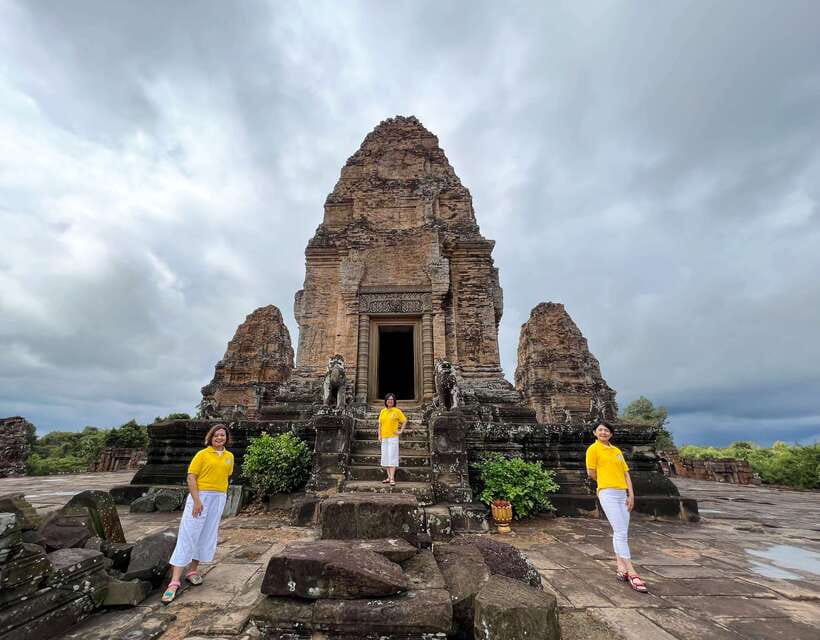
After Ta Prohm and Ta Nei, the itinerary shifts back to the iconic “readable from a distance” Angkor sites. You’ll visit Bayon temple and the Victory Gate of Angkor Thom.
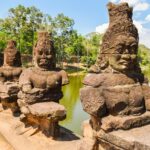
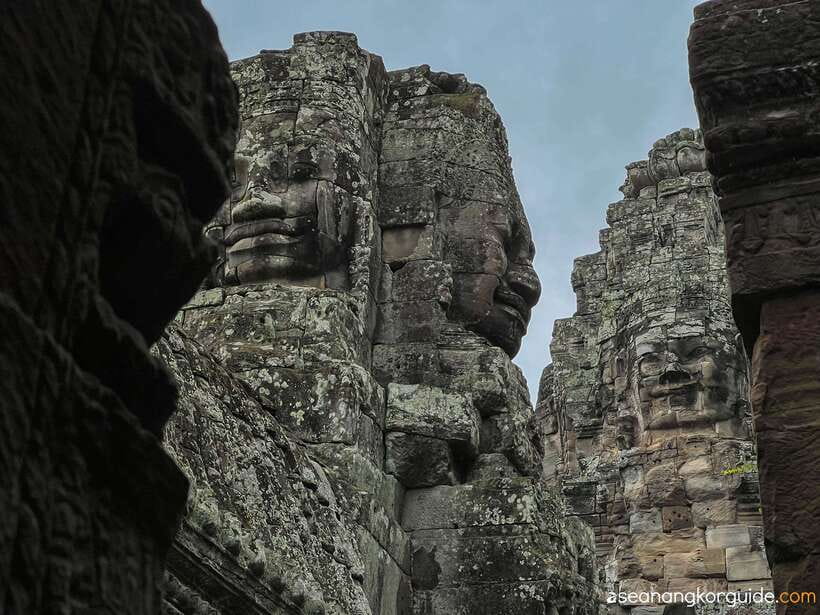
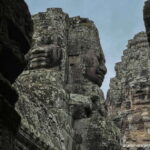
Bayon is famous for its smiling faces—those carved expressions that appear across towers and corridors. What makes the stop more rewarding than a quick crowd photo is the context your guide gives you: Bayon is described as the only monastery to have survived to this day, and it was used for worship, education, and administration.
Then comes the Victory Gate, linked to King Jayavarman VII, who was also a Mahayana Buddhist. This matters because it connects the stonework to the political and religious story that shaped the city’s layout.
This part of the day is often when you start to feel the “temple circuit” in your legs. You’ll still have the e-bike advantage for getting between sites, but you’ll want to slow down during key viewing points to actually read the carvings and proportions.
Getting back to Siem Reap: tuk tuk transfer after the ruins
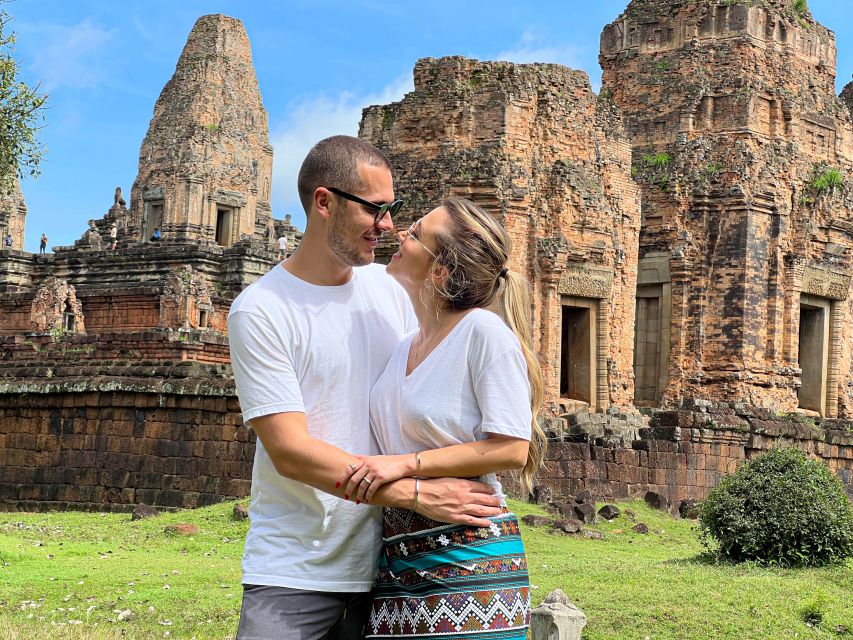
Once the Angkor Park loop is done, you transfer back to the city by tuk tuk. The return isn’t just transportation; it’s a chance to decompress after a long day that started before most of Siem Reap woke up.
You’ll finish with the sense that you did a full Angkor day without feeling stuck doing only one style of sightseeing. Sunrise gives you the atmosphere, the e-bike ride adds momentum, and the market + breakfast keep it grounded in everyday Cambodia rather than only stone monuments.
Price and value: $85 with breakfast, e-bikes, and the pass you still need
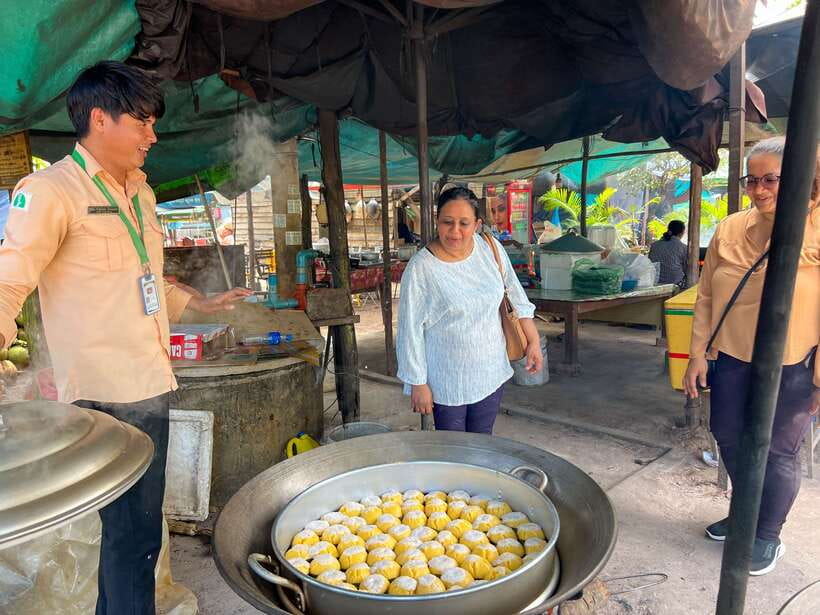
This tour costs $85 per person for a 9-hour day. That price isn’t just for “getting to temples.” It includes an English-speaking guide, e-bike use, hotel pickup and drop-off by tuk tuk, cool water plus seasonal fruits, coconut, towels, and a Cambodian breakfast with home-made desserts.
The one cost you must plan for separately is the 1-day Angkor pass (listed as $37 per pax). So you should budget roughly $122 total before any lunch or drinks.
Is it worth it? For many people, yes—because e-bikes change how you experience Angkor. You spend less time in long, hot walking stretches and more time at the actual moments that make Angkor memorable: the sunrise view, the roots-and-stone atmosphere at Ta Prohm, and the smiling-face detail at Bayon.
It’s also worth comparing the structure of your day. If you’re only paying for a bus-and-walk tour, you often lose time to crowd bottlenecks and farther entrances. Here, the route is designed around mobility and timing.
The trade-off is that you’re paying more than the basic group bus options, and you’re trading comfort-of-a-car for active riding. If you like movement and don’t mind early mornings, the value lands.
Who this Siem Reap sunrise e-bike tour fits best
This works best if you want your first Angkor day to feel like a mix of major sights and local life.
You’ll likely enjoy it if:
- You love sunrise experiences and want your Angkor visit to start strong.
- You want to cover multiple temples without spending every hour walking.
- You enjoy trying real Khmer breakfast and street snacks in a market.
- You’re comfortable riding an e-bike on roads that can be sandy or uneven.
You should think twice if:
- You’re pregnant (the tour notes it’s not suitable).
- You’re over 70 (also not suitable).
- You’re sensitive to early starts and long, hot temple walking periods.
Dress note: sleeveless shirts are not allowed. Bring a shirt that covers your shoulders, especially for temple areas.
Should you book this Angkor sunrise e-bike tour?
I’d book it if you want a full Angkor day that feels efficient and human—sunrise at Angkor Wat, a proper Khmer breakfast at Sras Srang, and two jungle-style temples that don’t look like anywhere else on earth. The e-bike format is the deciding factor: it helps you reach spots more directly and keeps the day from turning into one long queue.
Skip or choose a different option if you know you won’t handle uneven ground, temple steps, or the 4:40am wake-up. The tour is set up for movement, not for slow, low-effort sightseeing.
FAQ
What time does the tour depart from Siem Reap?
The tour departs at 4:40 am from Siem Reap by tuk tuk, to reach the sunrise at Angkor Wat.
How long is the full tour, and does it include the return to Siem Reap?
The duration is 9 hours. At the end, you’re transferred back to Siem Reap city from Angkor Park by tuk tuk.
What’s included in the price?
Included are a professional English-speaking tour guide, an e-bike, hotel pickup and drop-off by tuk tuk, cool water, seasonal fruits, coconut and towels, and breakfast (local food and home-made dessert).
What is not included in the tour price?
The Angkor pass of 1-day is not included (listed as $37 per pax). Lunch and beverage are also not included.
Is the Angkor pass required for this tour?
Yes. The tour does not include the 1-day Angkor pass, so you’ll need to arrange it separately.
What should I wear or avoid?
Sleeveless shirts are not allowed on this tour.