REVIEW · SIEM REAP
Kompong Phluk Floating village & Mangrove forest cruise
Book on Viator →Operated by Bayon Tabi Tour · Bookable on Viator
Stilts, canals, and mangroves in half a day. This Kompong Phluk and Tonlé Sap cruise combo shows you how whole communities live at the edge of Tonlé Sap, including the seasonal changes that shape daily life. You’ll also get the chance to go into the mangroves by canoe during the wet season—when conditions allow.
I especially like the practical comfort: air-conditioned transfers plus bottled water, so the long ride out of Siem Reap doesn’t drain you before the fun starts. I also like the way this tour is guided by a licensed English/Japanese speaker, with explanations of how residents adapt through dry and rainy seasons—plus a stop at the local market on the way back.
One thing to watch: the mangrove forest small-boat/canoe option is seasonally limited (it’s noted as not available from Feb 15 to July), so depending on your dates, you may still cruise but without the smaller-boat portion.
In This Review
- Key highlights worth clocking before you go
- Why this half-day Kompong Phluk plan feels efficient
- Comfort on the road: air-con transfers and bottled water
- Stop 1: Tonlé Sap Lake time and what to look for
- Stop 2: Kampong Phluk floating village on stilts (the part people talk about)
- What you may see around Kampong Phluk
- Dry season vs wet season: why your date changes the feeling
- Real talk on time
- Mangrove forest cruise by canoe: the seasonal part you must check
- If you don’t want the small-boat canoe option
- Psar Chaa Old Market stop: quick local flavor on the return
- Guides matter: licensed English/Japanese service and good rapport
- Group size, pacing, and what it feels like day-of
- Value check: is $105 a fair deal for this route?
- Who should book this tour (and who should think twice)
- FAQ
- FAQ
- How long is the Kompong Phluk floating village and mangrove forest cruise?
- What does the tour price include for $105?
- Does the tour include pickup from hotels in Siem Reap?
- What’s the main difference between dry season and wet season on this tour?
- Is the mangrove small-boat/canoe portion always available?
- Can I skip the mangrove small boat if I prefer not to do it?
- Is food included during the tour?
- What’s the market stop included in the itinerary?
- What group size should I expect?
- Should I book this tour?
Key highlights worth clocking before you go
- Air-con pickup and bottled water: a rare kind of comfort on a lake day.
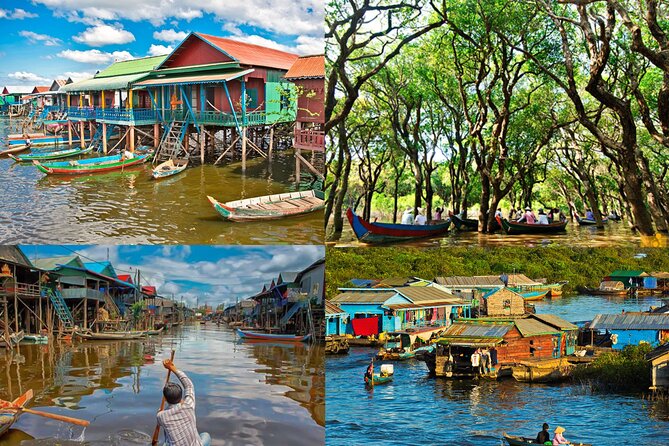
- Stilt-house life on Tonlé Sap: you’ll learn what “floating village” really means in real seasons.
- Licensed English/Japanese guides: explanations are part of the experience, not a bonus.
- Mangrove canoe option is seasonal: you’ll want to check what’s operating for your month.
- Tonlé Sap lake time plus Kampong Phluk time: you get a balanced taste without rushing.
- Psar Chaa Old Market stop: a quick local add-on on the return trip.
Why this half-day Kompong Phluk plan feels efficient
This tour is built for people who want something meaningful without giving up most of the day. You’re looking at about 3 to 4 hours, and the route is simple: drive out from Siem Reap, spend time on Tonlé Sap Lake, visit Kampong Phluk Floating Village, then swing by a market briefly on the way back.
That pacing matters. On Tonlé Sap, conditions change by season, and the village is directly tied to the water level. If you only do a short visit with no context, it can look like “pretty houses on stilts.” With a guide, you start noticing the logic—how homes, paths, and routines shift as the water rises or drops.
The tour also caps group size at 15 travelers, which usually keeps the experience from feeling like a factory line.
You can also read our reviews of more boat tours in Siem Reap
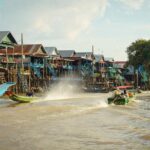
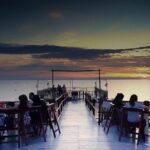
Comfort on the road: air-con transfers and bottled water
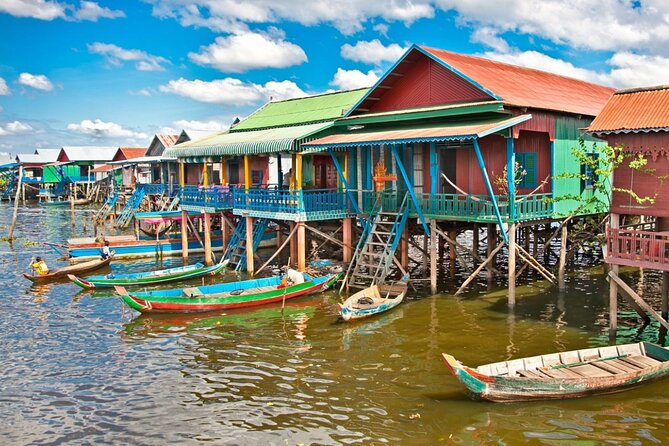
Siem Reap heat can be relentless, especially if you’re stacking it on top of temple days. This is why I like the air-conditioned vehicle detail so much: you’re not relying on luck that your boat day will also be a comfortable car day.
In addition to the AC, you get cool water (bottled water is listed). It sounds basic, but it’s a big deal when you’re going to be outside near the lake and on boats for part of the day.
If you’re comparing options, this one is a good pick when you want the nature/culture portion of Cambodia without paying for your comfort in the process.
Stop 1: Tonlé Sap Lake time and what to look for
The first stop is Tonlé Sap Lake, with about one hour allocated and an admission ticket included. Tonlé Sap matters because it’s not just scenery—it’s the engine behind Kampong Phluk.
On the water, pay attention to how everything feels connected to the shoreline and the “edge zones,” where people can live close to resources. Tonlé Sap is also linked to the Mekong system via the Tonlé Sap River, and that big connection is part of why seasons shift so noticeably.
Practical note: the lake portion is where you’ll get your wide views. Even if you’re mostly thinking about Kampong Phluk, this first stop sets the frame. It helps you understand why a place can feel fixed in one season and radically different in another.
Stop 2: Kampong Phluk floating village on stilts (the part people talk about)
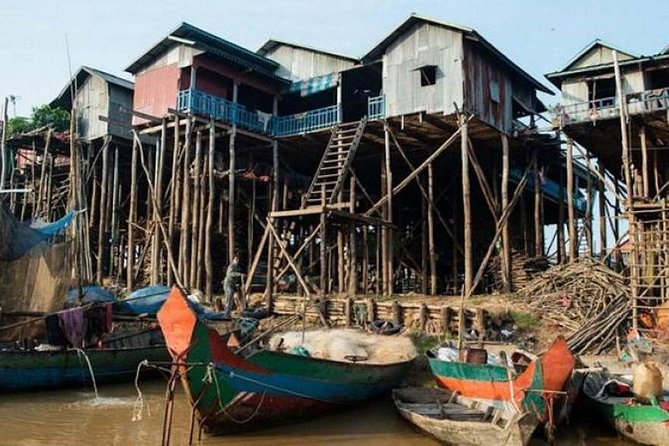
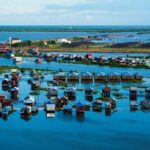
This is the heart of the tour: Kampong Phluk Floating Village. You’ll have about one hour there, with entrance included.
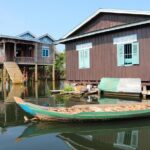
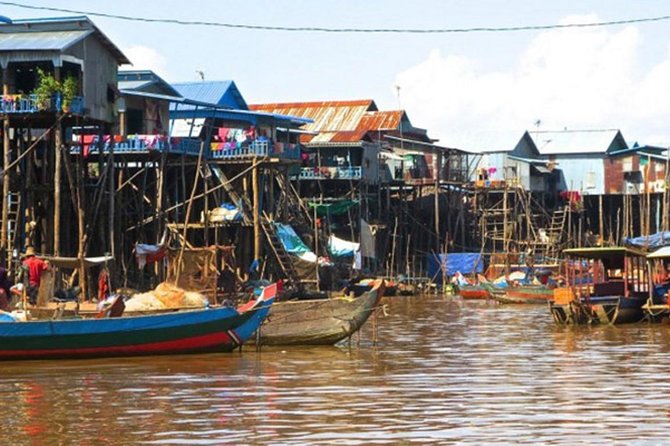
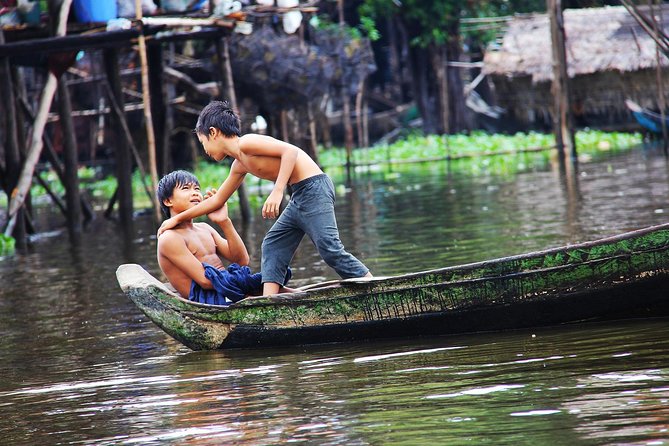
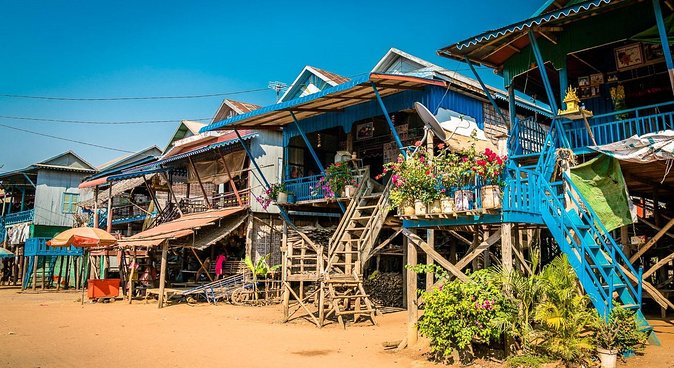
What makes it worth your time is not just the “floating” label. Kampong Phluk is described as a stilt-based life at the edge of Tonlé Sap, and the guide’s job is to help you connect what you’re seeing with what changes across seasons. That’s what turns a photo stop into a real understanding of daily life.
What you may see around Kampong Phluk
Based on the kinds of details people highlight, you can expect a guided look around key areas of the village, including:
- views along the lake and on stilt structures
- a chance to see how residents handle seasonal shifts
- visits that may include community buildings such as a mosque, depending on the day and route
- the possibility of getting a look inside a house on stilts (described in reviews)

Dry season vs wet season: why your date changes the feeling
Here’s the key: in the dry season, the village may feel more like “a fishing village on land,” even though it’s still a stilt community. In the wet season, water levels rise and the village life changes shape.
That seasonal difference is one reason this tour has value even if you’ve already seen floating-village photos elsewhere. You’re learning how Kampong Phluk adapts—how people keep functioning when the environment does what it does.
Real talk on time
One hour can sound short, but with guided context it’s usually enough to get oriented and understand what you’re looking at. If you want long wandering and lots of independent exploring, you might feel a bit rushed. But for most people doing a half-day from Siem Reap, the timing hits the sweet spot.
Mangrove forest cruise by canoe: the seasonal part you must check
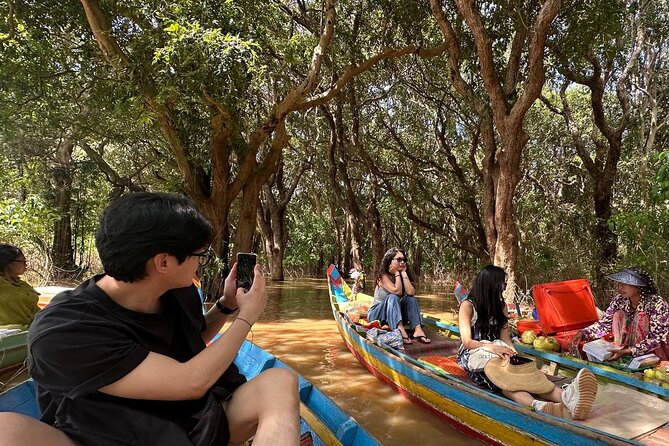
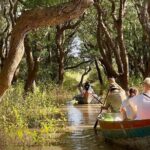
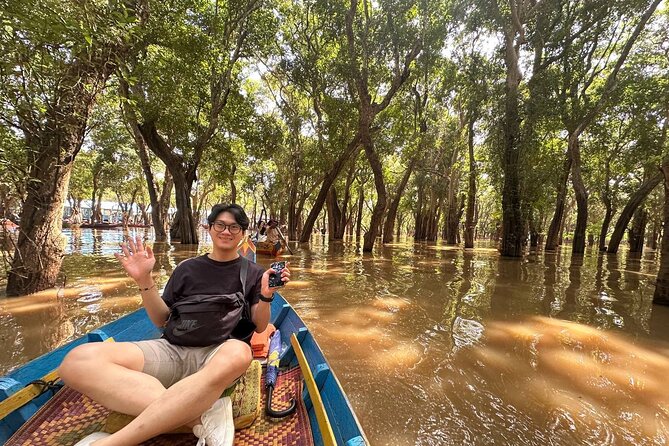
If there’s one experience highlight in the tour description, it’s the mangrove forest cruise—and specifically, canoe travel during the wet season when the mangrove area is flooded.
However, the included details also note that the mangrove forest small-boat option is not available from Feb 15 to July. That doesn’t mean you get zero water-and-mangrove value; it means the smaller-boat/canoe portion has an operating window.
If you don’t want the small-boat canoe option
You’re told that if you don’t want to take the mangrove forest small boat, the small boat can wait at a bigger boat area/shop. So there’s a built-in alternative approach on the water portion.
What I’d do before you commit: match your travel month to what you want most. If canoeing through flooded mangroves is your top reason for booking, confirm whether your dates fall within the operating window.
Psar Chaa Old Market stop: quick local flavor on the return
On the way back, you’ll visit Psar Chaa (Old Market) for about 30 minutes. Entrance here is free.
This part is short by design, and it works best as a “leg stretch plus snack browsing” stop. It’s not meant to replace a full market day in Siem Reap—you’re just getting a taste of local shopping and everyday activity.
If you’re the type who loves seeing how people live and trade (not just what tourists buy), you’ll probably enjoy this add-on.
Guides matter: licensed English/Japanese service and good rapport
The tour includes a guide who speaks English and Japanese, listed as licensed. That sounds formal, but what people actually remember is how the guide made the area understandable.
In reviews, guides named Phy, Nak, Tommy, and Pen come up as standouts for being attentive and keeping the group engaged. Even when the day is short, these guides reportedly shape it by explaining seasonal changes and what you’re seeing in the village.
I think this is one of the biggest reasons this tour earns strong satisfaction: Tonlé Sap and Kampong Phluk are easy to misunderstand if you just treat them like a “set.” A guide helps you connect the dots fast.
Group size, pacing, and what it feels like day-of
This is a maximum of 15 travelers, and that’s a nice size for a half-day. With a group that small, you’re less likely to feel like you’re chasing a schedule that was designed for hundreds.
Pacing-wise, you’ll spend:
- roughly 1 hour on Tonlé Sap
- roughly 1 hour at Kampong Phluk
- roughly 30 minutes at the market
- plus travel time in an air-conditioned vehicle and time on boats
That’s why the return time can vary depending on whether you do the mangrove segment and what seasonal boat options are operating. In reviews, some people describe a return around late morning/noon for morning tours, while others note a later return if they booked an afternoon slot.
Value check: is $105 a fair deal for this route?
At $105, you’re paying for more than a ride. This price includes key items that normally add up on lake tours:
- guide service (English/Japanese licensed)
- air-conditioned transfers
- entrance fees
- boat fees, including the mangrove area boat and boat from the port
When I evaluate value for a tour like this, I look at whether it bundles the “hard parts.” Here it does: transport + boat access + entrance costs + a guide explanation. That’s a big reason the price can make sense for a half-day.
The main reason it might feel steep is if the mangrove small-boat canoe portion you wanted isn’t available during your travel window. If you’re visiting in the Feb 15 to July period, read the seasonal note carefully so your expectations match the operating plan.
Still, even without the small-boat canoe, Tonlé Sap + Kampong Phluk with guided seasonal context is a solid use of half a day.
Who should book this tour (and who should think twice)
Book this if you:
- want a high-impact half-day from Siem Reap
- like understanding how communities work with the environment
- want a comfortable day outside with air-con vehicle support
- care about seeing how life changes between dry and rainy seasons
- like the idea of a small-group tour (up to 15)
You might think twice if you:
- are visiting in the Feb 15 to July window and canoeing through flooded mangroves is your top priority
- strongly prefer free time over guided stops (the schedule is fixed: lake, village, market)
- expect a full-day “deep explorer” experience (this is intentionally shorter)
FAQ
FAQ
How long is the Kompong Phluk floating village and mangrove forest cruise?
It’s listed as about 3 to 4 hours.
What does the tour price include for $105?
The tour includes a licensed English/Japanese speaking guide, air-conditioned vehicle, entrance fees, and boat fees for the mangrove forest cruise and port boat.
Does the tour include pickup from hotels in Siem Reap?
Yes. Pickup is offered, and the tour includes air-conditioned transfers.
What’s the main difference between dry season and wet season on this tour?
The tour description notes that during the wet season, travel can include canoe travel through a flooded mangrove forest. In the dry season, the village experience can feel more like a stilt community on land.
Is the mangrove small-boat/canoe portion always available?
No. The information states that the mangrove forest small boat is not available from Feb 15 to July.
Can I skip the mangrove small boat if I prefer not to do it?
Yes. If you do not want to take the mangrove forest small boat, it says the small boat can wait at the big boat/shop.
Is food included during the tour?
No meal is included. Lunch/dinner isn’t listed as included, though the company can escort you to a restaurant if you require it.
What’s the market stop included in the itinerary?
On the return trip, you’ll visit Psar Chaa (Old Market) for about 30 minutes. Admission is free.
What group size should I expect?
The tour has a maximum of 15 travelers.
Should I book this tour?
If you want a short, structured day that combines Tonlé Sap Lake, Kampong Phluk, and (when available) mangrove canoe time, this is a strong match. Just make sure your travel month lines up with the mangrove small-boat schedule—then you’ll get the day you imagined.