REVIEW · SIEM REAP
Kullen Waterfall Park with Small Group included entrance fee
Book on Viator →Operated by Siem Reap Experiences · Bookable on Viator
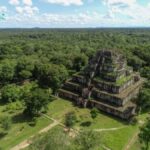
Waterfalls and ancient stones, all in one day. This Phnom Kulen outing mixes Khmer monuments with a chance to swim in the holy-water Kulen falls, plus a quiet walk among the carved 1,000 Lingas. I like the small-group pace (max 13) and the way your guide ties each stop to what people once used the mountain for. One caution: depending on season, the waterfall can be less forceful and swimming may be restricted.
Hotel pickup in Siem Reap and an air-conditioned minivan make the long drive easy, and the English-speaking guide keeps the story clear. For $45, you’re also covered for the park entrance fee (listed at $20), plus cold water and a wet towel—an easy win on a hot day.
In This Review
- Key Things You’ll Actually Notice on This Phnom Kulen Day Trip
- Price and Logistics: What Your $45 Gets You
- First Stop: Phnom Kulen National Park and the Climb Mood
- Stop 2: Walking Among the 1,000 Lingas Carvings
- Stop 3: Preah Ang Thom Pagoda and the Reclining Buddha View
- Stop 4: Kulen Waterfall Swimming and the Shiva/Linga Theme
- Stop 5: Palm Sugar Time, Then the Optional Landmine Museum
- The Small-Group Factor: Why Max 13 Feels Better
- Timing: How an 8-Hour Day Feels on the Ground
- What This Tour Is Best For (and Not For)
- Should You Book Kullen Waterfall Park With Small Group?
- FAQ
- What does the $45 price include?
- Is the park entrance fee included?
- Does the tour include the Landmine Museum?
- How long is the tour and when does it start?
- How big is the small group?
- Is hotel pickup included?
- Is food included?
Key Things You’ll Actually Notice on This Phnom Kulen Day Trip
- Small group size (max 13) keeps the stops from turning into a cattle line
- One Thousand Lingas riverwalk puts ancient carvings right where the water runs
- Preah Ang Thom pagoda includes the famous reclining Buddha statue (said to be Cambodia’s largest)
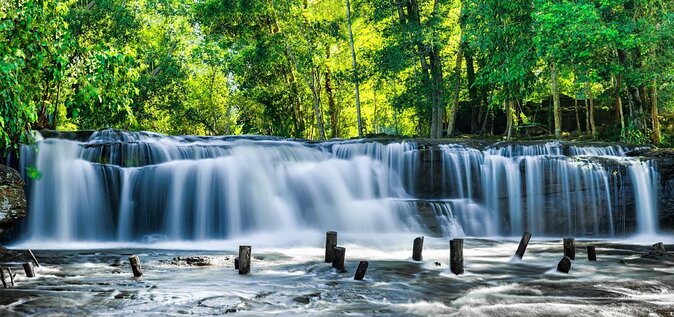
- Kulen Waterfalls swimming time with the holy-water Shiva/Linga theme
- Palm sugar demonstration adds real rural-life flavor before the optional Landmine Museum
- Guides like Chout and Makara are repeatedly praised for making the history click (and for photo help)
Price and Logistics: What Your $45 Gets You
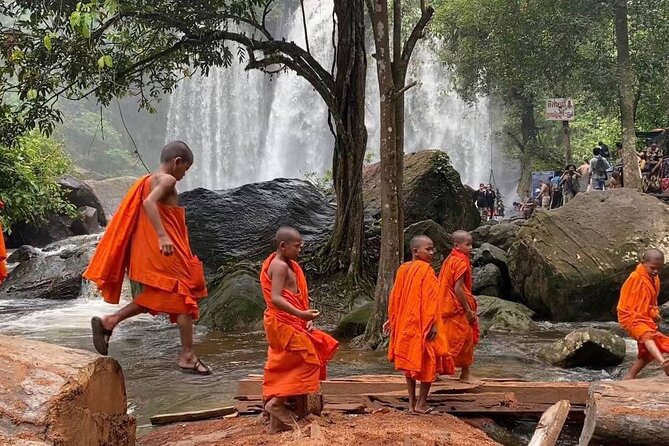
At $45 per person, this tour is priced like a full day that includes real entry costs—not just transport and “good luck.” Your price covers the park entrance fee (listed at $20), all fees and taxes, air-conditioned vehicle time, and an English-speaking guide. You also get cool water and a wet towel, which matters when you’re walking, climbing, and hoping for swimming at the falls.
One practical detail I like: you use a mobile ticket. That cuts down on time spent at desks, especially when schedules get busy in Siem Reap.
Duration: about 8 hours
Start time: 8:30 am
Pickup: included (you’ll be collected from the meeting point area in Siem Reap)
End: back at the start meeting point
The Landmine Museum is the only common “extra”—it’s not included in the main entrance fee and is listed at USD 3. If you want that stop, budget a little.
You can also read our reviews of more tours and experiences in Siem Reap.
First Stop: Phnom Kulen National Park and the Climb Mood
Phnom Kulen National Park sits as an isolated chain of small mountain plateaus south of the Dângrêk Mountains. What that means for your day is simple: you’re out of the city feel quickly. Once you leave Siem Reap, the air, the road rhythm, and the terrain shift in a way that makes the trip feel worth it.
The plan begins with a first stop in the national park area, including a pause partway as you climb to see a quarry where people cut stone. That’s not just scenery. It hints at how humans have worked with this landscape long before the tourist trail existed—stone for building, and the mountain itself for religious and community life.
What you’ll enjoy here:
- The “getting higher” feeling early, so the day doesn’t start flat.
- A calmer pace than you’d expect from a mega-tour.
What to consider:
- It’s not a gentle walk the whole time. You should be ready for stairs/paths as the day builds.
Stop 2: Walking Among the 1,000 Lingas Carvings
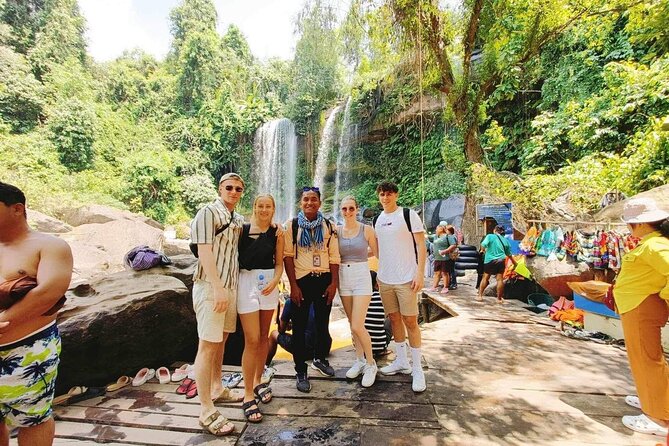
This is the signature moment for many people. The One Thousand Lingas are carved into river bedrock, dated to around 800 AD. The experience is designed as a tranquil river walk, with lingas in different sizes you can spot along the route.
A big reason this stop lands is location. These aren’t “museum carvings behind glass.” They’re in the ground where water moves through the setting. Even when you’re not fully reading the symbolism, you can feel why worshippers would come here: the water, the stones, and the calm walk all support the mood.
The tour also notes color effects in the water near the ground. Even if you don’t catch the same visual every day, the main value is the mix of history and walking at an easy pace.
Your tip for better photos:
Go slow on this stop. The carvings reward close attention, and rushing makes you miss the interesting angles.
Season reality check:
One caution from real-world experience: if water levels are low at the time you go, the carvings can be harder to see clearly. If you’re traveling when rains have recently strengthened the flow, the experience tends to feel more dramatic.
Stop 3: Preah Ang Thom Pagoda and the Reclining Buddha View
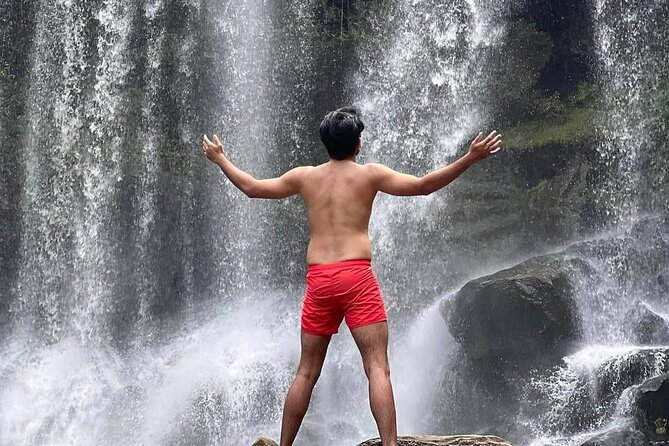
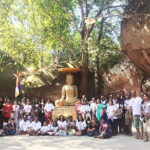
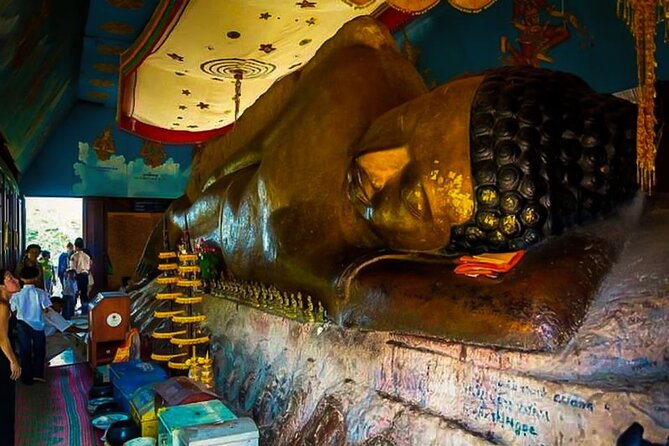
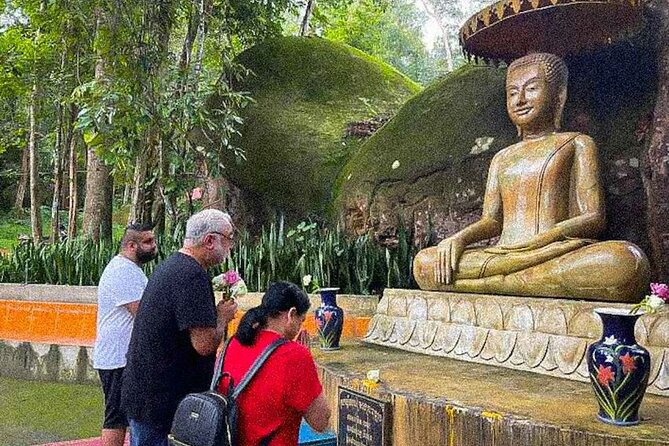
Next up is Preah Ang Thom pagoda, located near Kulen Mountain and the Thousand Lingas area. The pagoda is said to have the largest reclining Buddha statue in Cambodia, with the statue on the hill.
This stop works as a “breather,” but not a boredom break. You’re moving from riverbed carvings into a hilltop religious site, which changes the soundscape and the views. The contrast keeps your brain engaged: stone carvings at water level, then a major statue on a higher vantage.
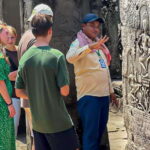
Also, this is one of those places where guides often add color—how local people treat the space, what makes this pagoda stand apart, and why it’s linked in the bigger story of the mountain. Guides such as Chout and Makara have been singled out for translating history into plain language and for being helpful with photos.
What to expect:
- A climb to the pagoda area.
- Great vantage points once you’re up.
What to consider:
- If you’re hoping for a totally flat stroll, this isn’t that stop. Wear shoes you trust on uneven ground.
Stop 4: Kulen Waterfall Swimming and the Shiva/Linga Theme
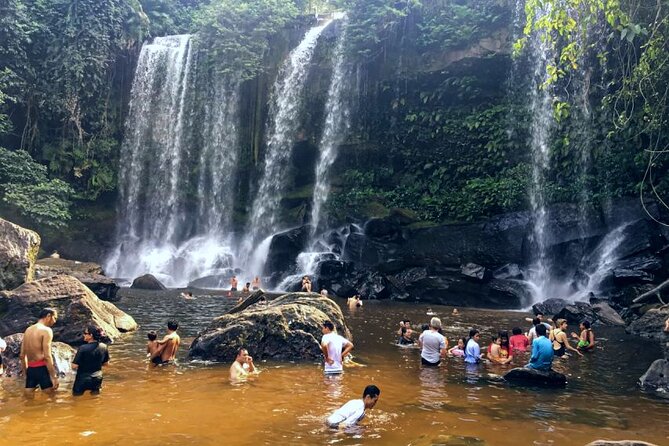
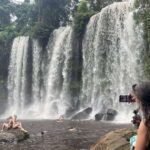
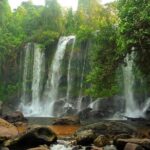
Then comes the part you came for: Phnom Kulen Waterfall. The theme here is sacred water from the Shiva god, and the tour connects the waterfall to the linga symbolism.
The waterfall experience isn’t just “watch and move on.” The tour includes time for a refreshing dip. That’s a real treat on a hot day, and it’s one reason this day trip gets repeat customers: you’re pairing temples with actual water time.
The tour also explains a practical side: man-made water channels near the waterfall were important for people living around the banks of the Mekong region, supporting daily life like rice fields and cooking.
So you’re not only doing a holy stop. You’re learning how water shaped work and survival.
Two tips to make this stop better:
- If swimming matters to you, plan to arrive in a calm mindset. Your time in the water depends on conditions.
- Bring a plan for your belongings. The wet towel helps, but you still want a safe way to keep your phone and wallet dry.
A key drawback to watch for:
If rainfall hasn’t been strong recently, the waterfall can feel less powerful, and swimming may not be possible. That’s not a dealbreaker, but it changes the feel of this stop.
Stop 5: Palm Sugar Time, Then the Optional Landmine Museum
Before the Landmine Museum, you’ll pause for about 1 hour for a local palm sugar traditionally hand-made demonstration. This is one of my favorite types of stop because it’s active. You’re seeing how something ends up on tables, not just reading about it in a guidebook.
After that, the Cambodian Landmine Museum is available as an optional add-on (USD 3 for the museum). The museum is described as being established by former child soldier Aki Ra, and there’s also mention of a relief facility. This is the tour’s heavier emotional chapter compared to temples and waterfalls.
Who will likely enjoy this:
- If you like your day trips to include real human context and not just pretty sights, you’ll probably want to go inside.
- If you’re the type who gets overwhelmed easily by difficult topics, decide ahead of time whether you want the museum portion.
Practical note:
Since it’s optional, your guide should be able to help you understand the cost and whether you want to add it.
The Small-Group Factor: Why Max 13 Feels Better
A max group size of 13 changes your day in small ways:
- You get time to ask questions without waiting for a loud crowd.
- The photo stops feel less chaotic.
- The guide can slow down when someone wants extra explanation.
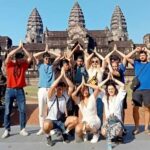
Several guides are mentioned in the experience feedback—Chout, Makara, Caout, Pheap—each praised for making the day memorable. One standout theme is comfort: people noted that when they returned to the van, it was cleaned and they were handed wipes and cold water. That kind of attention matters when you’re sweating through multiple walking stops.
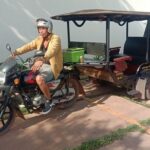
Your driver also plays a role. Toon is mentioned as always ready with air-conditioning, which helps when you’re going from jungle heat back into the ride.
Timing: How an 8-Hour Day Feels on the Ground
This tour starts at 8:30 am and runs about 8 hours. That’s long enough to feel like a proper outing, but short enough that you’re usually back for evening plans in Siem Reap.
The sequence matters:
- Morning for the national park and carvings
- Midday for hilltop pagoda views
- Later for the waterfall, when you’re more likely to be ready to swim
That order can be a quiet advantage. If you arrive too late in the day, you may feel rushed at the waterfall. If you arrive early, you get the best chance at a calmer 1,000 Lingas walk and more comfortable temperatures for the climbing stops.
A season tip that really matters:
If you can choose your dates, aim for Jan to March. The stronger waterfall flow tends to make both the swimming and the visibility of the Lingas more satisfying.
What This Tour Is Best For (and Not For)
This fits you if you want:
- A temple + nature day that doesn’t feel like a theme park
- A small-group format with room for questions
- A mix of spirituality, local rural life (palm sugar), and a real-world museum stop
It may not fit you as well if:
- You’re expecting everything to be equally accessible in every season. Water flow can affect the feel of the waterfall and the visibility at the 1,000 Lingas stop.
- You only want light sightseeing. The Landmine Museum portion can be emotionally intense.
Should You Book Kullen Waterfall Park With Small Group?
If you’re doing a Siem Reap trip and you want one day that steps away from Angkor’s crowds, I think this is a strong choice. The price is fair because the park entrance fee is included, and the day gives you multiple “why am I here” moments: ancient carvings at river level, a hilltop reclining Buddha, and a real chance to cool off at Kulen Waterfalls.
I’d especially book it if:
- You want a small-group experience (max 13)
- Water time at the falls is a priority
- You like tours where the guide connects sites to how people lived and worked around the mountain
Just go in with one expectation set: the waterfall and the visibility of the Lingas can vary by season, and the museum stop is optional but meaningful.
If those realities sound okay to you, this is the kind of day trip that leaves you with more than photos. You’ll come back with a stronger sense of how this mountain served both belief and daily life.
FAQ
What does the $45 price include?
The price includes an air-conditioned vehicle, the English-speaking tour guide, all fees and taxes, the park entrance fee, cool water and wet towel, and pickup/drop-off. It’s a small group tour and you also get a mobile ticket.
Is the park entrance fee included?
Yes. The park entrance fee is included in the tour price and is listed as $20.
Does the tour include the Landmine Museum?
The Cambodia Landmine Museum is not included. It’s listed as optional, with the museum cost shown as USD 3.
How long is the tour and when does it start?
The tour runs for about 8 hours and starts at 8:30 am.
How big is the small group?
The group is capped at a maximum of 13 travelers.
Is hotel pickup included?
Pickup is included, and the tour starts from the meeting point area at Siem Reap Pub Hostel behind Angkor Night Market.
Is food included?
No. Foods are not included in the tour price.