REVIEW · SIEM REAP
Half Day Trip: Silk Farm, Satcha, and Senteur d’Angkor Tour
Book on GetYourGuide →Operated by Tour Guide Team Cambodia · Bookable on GetYourGuide
A few stops, a lot of craft skill. This half-day circuit is built around how Cambodian makers turn raw materials into silk and handmade goods you can actually take home. I like that you see the whole chain, from mulberry leaves to finished fabric, not just a gift-shop display.
I also like the variety: Satcha blends Khmer-inspired patterns with modern workshop design, and Senteurs d’Angkor focuses on sustainable products rather than random souvenirs. One thing to consider: you’ll be visiting multiple craft centers back-to-back, so if you’re only craving one must-see, this format can feel like a shopping-to-watch ratio of sorts.
You start with hotel pickup in Krong Siem Reap and ride a tuk-tuk between places. Expect an English-speaking driver, a separate entrance that helps you skip waiting, and comfortable walking time at each stop. Bring a camera and wear shoes you can walk in, because the tour is part workshop viewing and part stroll.
In This Review
- Key things to notice before you go
- A Half-Day Silk and Craft Circuit Around Siem Reap
- Why this format feels worth it
- Angkor Silk Farm: From Mulberry Leaves to Finished Fabric
- What to look for while you’re there
- Shopping at SilkFarm: what makes it useful
- Satcha Handicraft Center: Six Bamboo Workshops and Khmer-Inspired Design
- What makes Satcha worth your attention
- A practical tip for your eyes
- Senteurs d’Angkor: Sustainable Cambodian Treasures You Can Browse
- How to shop smarter at Senteurs d’Angkor
- Artisan d’Angkor: Seeing Local Handicrafts Made
- What to focus on here
- Price, Time, and Tuk-Tuk Logistics That Actually Matter
- The tuk-tuk part
- What to Bring for Comfort and Good Photos
- Who This Tour Suits Best
- Who might want to skip or rethink it
- Should You Book This Half-Day Trip?
- FAQ
- How long is the Half Day Trip: Silk Farm, Satcha, and Senteur d’Angkor?
- Where does pickup happen?
- Is the tour private or shared?
- What is the price?
- What stops are included?
- Does the tour include hotel pickup and drop-off?
- Are meals included?
- Is there an English-speaking guide or driver?
- Is smoking allowed during the tour?
- What should I bring?
- Can I cancel for a refund?
- Is there a way to avoid waiting on arrival?
Key things to notice before you go
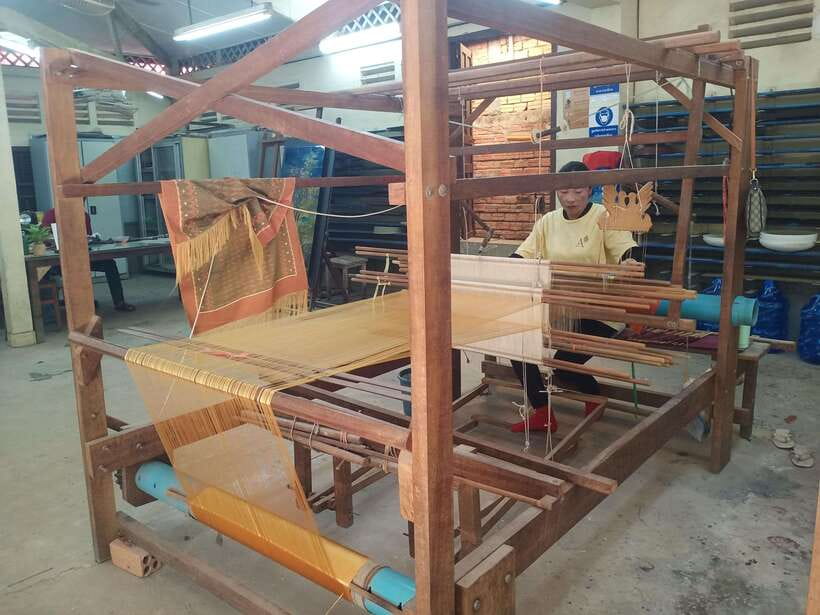
- SilkFarm shows the lifecycle: mulberry trees, silkworm stages, and how silk becomes thread and fabric
- Satcha has 6 bamboo workshops built with Cambodian bamboo from Kampong Cham
- Khmer motifs meet modern design at Satcha, so products feel rooted but not old-fashioned
- Senteurs d’Angkor is sustainability-focused with artisanal Cambodian treasures you can browse mindfully
- Artisan d’Angkor is where crafts are made, not just displayed
- 4 hours is tight but realistic: plenty of viewing time, plus short photo stops
A Half-Day Silk and Craft Circuit Around Siem Reap
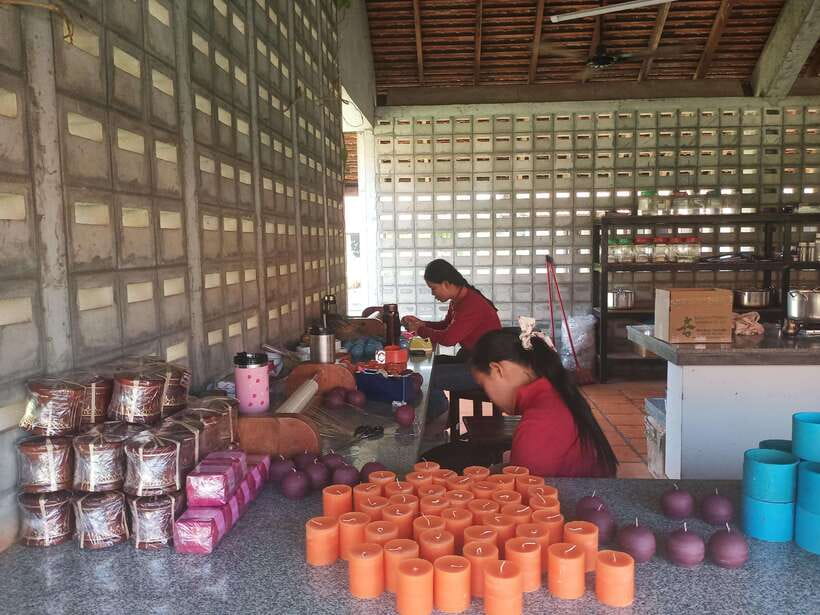
This tour is designed for people who want Cambodia’s handmade side without burning a full day. It’s private, runs about 4 hours, and is priced per group (up to 2 people). That makes it a good option if you and a travel partner want a calm, flexible pace with pickup and drop-off handled for you.
The route is straightforward: you’ll bounce from one production-focused stop to the next. Each place gives you guided time and a chance to browse and shop, so it’s not just watching behind glass. You’ll also get short pauses for photos during the ride.
You can also read our reviews of more tours and experiences in Siem Reap

Why this format feels worth it
Craft centers can be hit-or-miss depending on how much of the process you actually see. Here, the best value is that you’re watching how materials are handled and transformed. By the time you hit the shops, you’ll know what you’re looking at and what questions to ask.
Angkor Silk Farm: From Mulberry Leaves to Finished Fabric
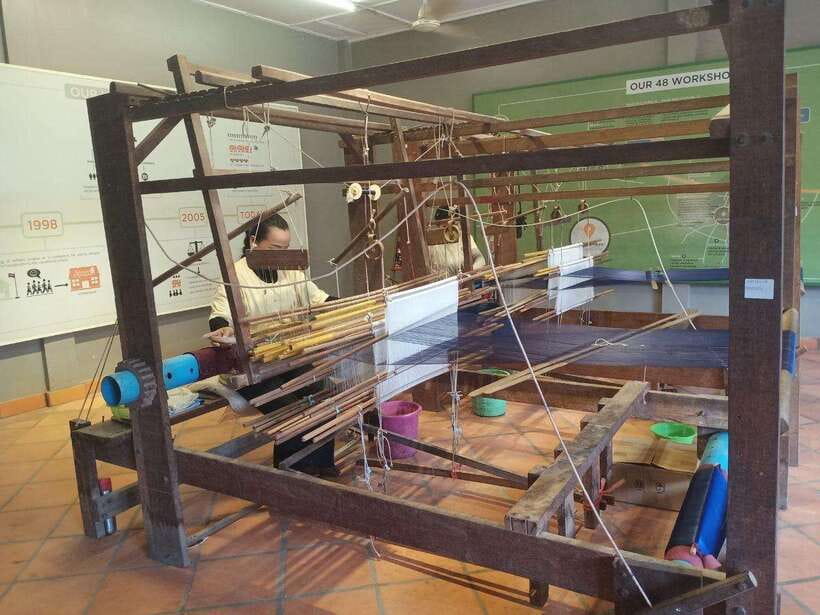
The tour begins at the SilkFarm experience, where the focus is the silk-making process. You’ll spend about 50 minutes there with a guided tour that walks through how silk begins and how it becomes something beautiful and usable. The whole thing is built around the lifecycle of the silkworm and the farm side of silk production.
What I love about this stop is that it changes silk from a vague product into a real process. Mulberry trees matter here because they feed the silkworms, and that connection helps everything click. You’re not just admiring the end results—you’re learning what has to happen first.
What to look for while you’re there
You’ll likely move through areas tied to the production chain. Keep an eye out for the sequence: feeding and lifecycle stages, how silk is handled, and how weaving turns thread into fabric. The guide helps connect those steps so you can understand why the finished cloth looks the way it does.
Shopping at SilkFarm: what makes it useful
There’s shopping time, but it’s more meaningful after you’ve seen the process. If you’re buying silk items, you’ll be able to ask smarter questions about the type of fabric and what makes one piece different from another. Even if you don’t buy, you’ll walk out with a clearer sense of what you’re seeing.
A comment from the visit vibe that stands out: people tend to be friendly and welcoming, and that makes the farm feel less like a rushed stop. If you enjoy learning, this part is your best payoff.
You can also read our reviews of more tours and experiences in Siem Reap






Satcha Handicraft Center: Six Bamboo Workshops and Khmer-Inspired Design
Next up is Satcha Handicraft Center, where you get to see six different workshops. You’ll spend about 50 minutes here too, with guided time and browsing opportunities. The site is known for workshops built exclusively with Cambodian bamboo from Kampong Cham, which is a cool detail because it ties materials and design together.
Satcha’s approach also leans creative: traditional know-how comes through, but the products often use contemporary design inspired by Khmer ornaments. In plain terms, it’s not only about preserving old methods—it’s about making them relevant for modern buyers.
What makes Satcha worth your attention
This is the stop where you’ll probably notice variety the most. Multiple workshops usually mean you can compare how different crafts are approached, even when they share the same cultural design language. If you’re the type who likes to see different styles, this is where you’ll get it.
Also, bamboo construction is a good visual reminder: you’re watching Cambodian craft thinking in real space, not only in the merchandise. When a workshop environment uses local materials, the whole visit feels more coherent.
A practical tip for your eyes
Take your time reading the designs before you shop. Khmer-inspired patterns can look similar at first glance, but if you slow down, you’ll see differences in symmetry, motif style, and how patterns are used across product types. It’s the difference between buying something because it looks nice and buying something because it connects to a design tradition.
Senteurs d’Angkor: Sustainable Cambodian Treasures You Can Browse
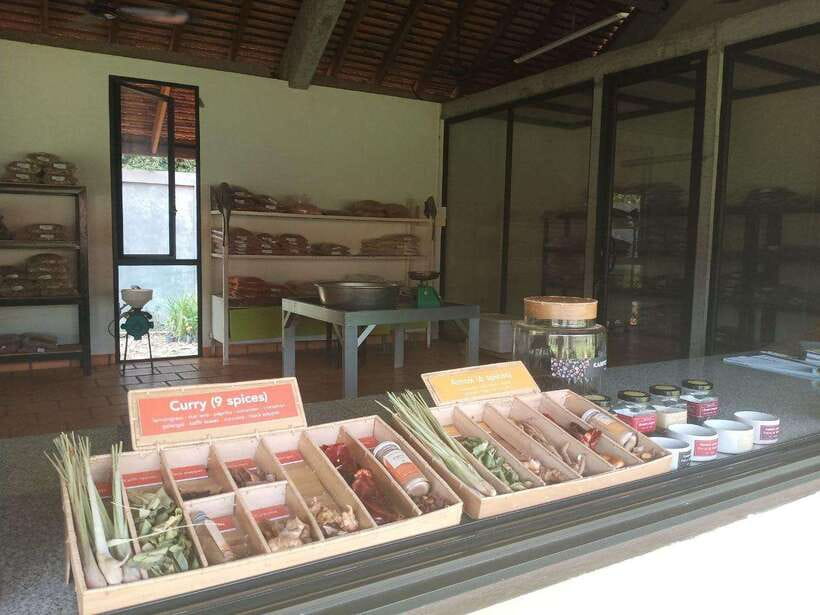
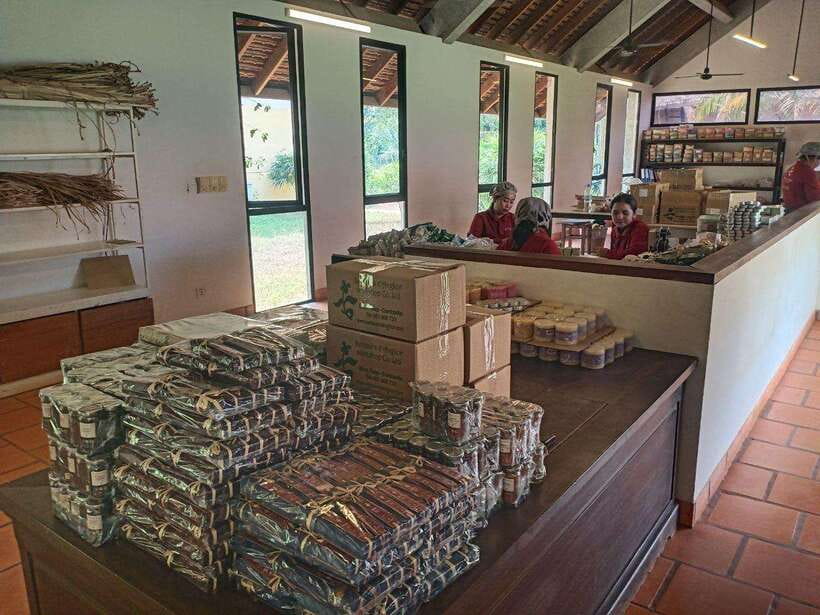
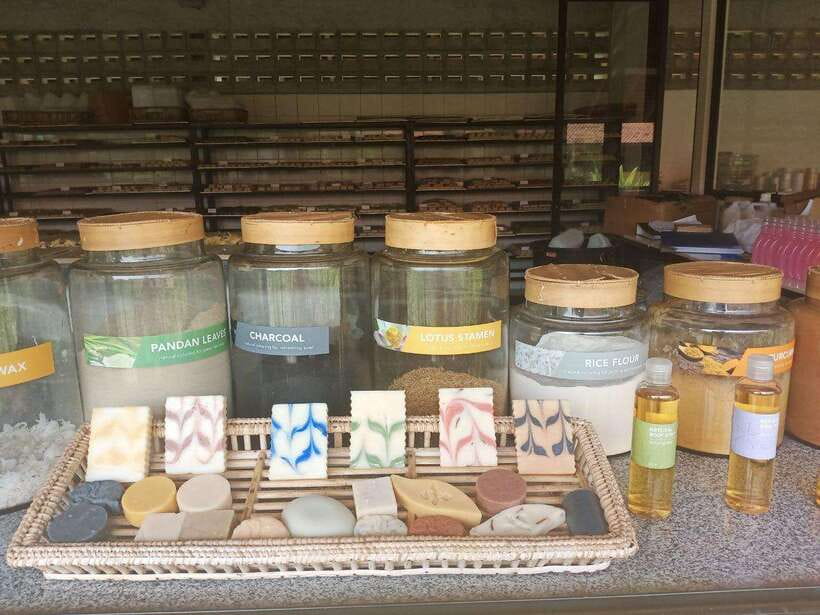
After Satcha, you’ll continue to Senteurs d’Angkor, another guided stop with shopping time. This section is framed around artisanal Cambodian treasures with a sustainability angle. That matters because many craft stops in tourist zones drift toward mass-produced souvenirs. Here, the experience is set up to feel like you’re selecting from items meant to last and represent a craft approach.
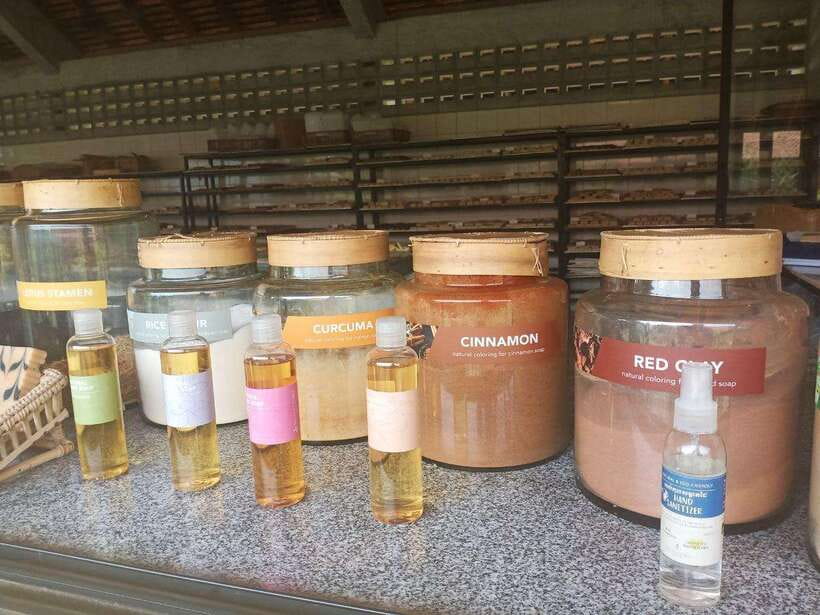
I like this stop because it gives your tour a different flavor. Silk and weaving are one category, and scent and personal goods (depending on what’s on offer that day) can be another. Even if you don’t buy anything, it helps break up the “all textiles all the time” rhythm.
How to shop smarter at Senteurs d’Angkor
If you’re buying, use your new silk-and-craft context from earlier. Look for what’s handmade, what uses local materials, and what feels consistent with the maker’s approach. If the item tells you nothing about its process, that’s your cue to treat it as a simpler souvenir rather than a craft product.
The tour is private, which helps. You can ask the guide basic questions without feeling like you’re holding up a big group.
Artisan d’Angkor: Seeing Local Handicrafts Made
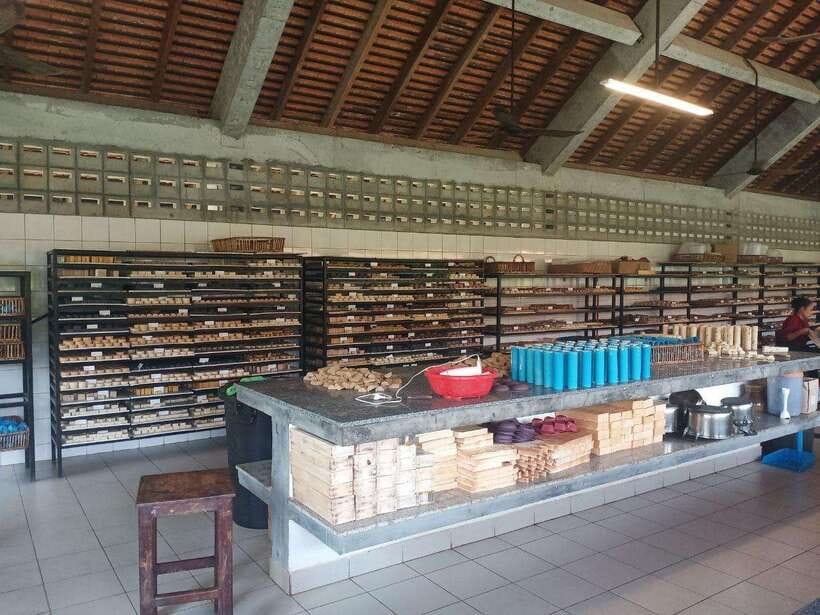
The final craft stop is Artisan d’Angkor, which is presented as a place where local handicrafts are made. Like the others, you get guided time and a chance to walk through the production side rather than only looking at finished items behind a counter.
This stop can be especially valuable if you want the most hands-on feeling of the day. Even when you’re not participating directly, watching how things are produced helps you see the quality signals: careful finishing, consistent construction, and attention to small details.
What to focus on here
Because this stop is positioned as production, prioritize your attention on the making stages. Ask yourself questions like: Is it assembled neatly? Does the workmanship look consistent? Does the design reflect a process rather than a shortcut?
If you’ve been shopping at the previous stops, this is where you can sanity-check what you’re buying. You’ll know what “real craft effort” looks like by then.
Price, Time, and Tuk-Tuk Logistics That Actually Matter
The big practical detail: the price is $25 per group up to 2 people. For a 4-hour private craft-and-shopping tour that includes hotel pickup/drop-off and four separate craft-centered visits, that pricing is usually decent value—especially if you like learning and want someone else handling transportation and timing.
Time matters because you’re cramming a lot into half a day: roughly 50 minutes per main stop, plus short tuk-tuk rides and photo moments. If you enjoy shopping, this schedule gives you time to browse without feeling like you’re only sprinting. If you’re not a shopper, you might want to treat the browsing time as optional and keep your focus on watching and asking questions.
The tuk-tuk part
You’ll use a tuk-tuk for transfers between stops (short rides). That’s not just practical—it changes the feel of the day. In cities, you can feel stuck inside air-conditioned car time. Here, the tuk-tuk keeps things moving while still letting you get a sense of local streets.
One review highlight worth keeping in mind: the tuk-tuk driver experience tends to be a bright spot, which makes the rides feel smoother.
What to Bring for Comfort and Good Photos
This tour doesn’t come with meals, so plan accordingly. If you’re hungry, grab a snack before pickup or be ready to eat after you’re dropped back in Krong Siem Reap.
Bring:
- Comfortable walking shoes (you’ll be on your feet through workshop areas)
- A camera (there are clear opportunities for photos)
- Light sun protection (because you’ll be outside enough to notice the heat)
And one simple rule: no smoking.
Who This Tour Suits Best
This is a great fit if you enjoy:
- learning how materials turn into products (especially silk)
- hands-on craft observation rather than only looking at displays
- a half-day plan that still feels structured and worth the ticket
It’s also a smart choice for people who want to buy thoughtfully. When you understand the process—like how silk starts with mulberry trees and silkworms—you’re less likely to purchase on impulse and more likely to bring home something that fits your taste and your ethics.
Who might want to skip or rethink it
If you’re the type who hates craft centers packed back-to-back, this may not be your favorite format. You’ll see multiple workshops and multiple shopping moments, which can feel repetitive if you only want one style. On the other hand, if you like collecting ideas (not only products), the variety helps.
Should You Book This Half-Day Trip?
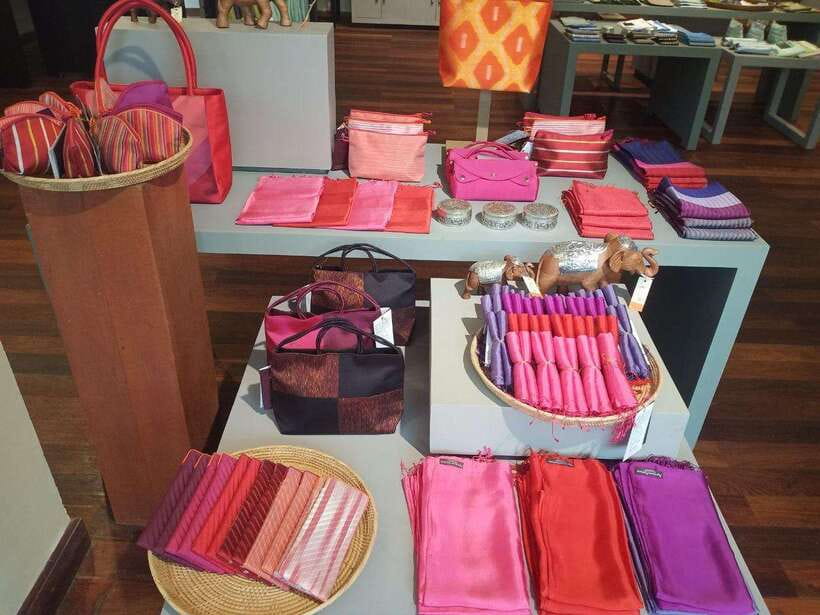
Book it if you want a structured, low-stress introduction to Cambodian craft—from silk production to bamboo workshops and maker-focused centers. The strongest reason to choose it is the silk learning component plus the production-minded way the other stops are presented.
Skip it or shorten your expectations if your main goal is just one standout shopping stop. This tour is best for people who enjoy process, not only finished goods. If that sounds like you, you’ll probably walk away with both better purchases and better questions for the next craft stall you see.
FAQ
How long is the Half Day Trip: Silk Farm, Satcha, and Senteur d’Angkor?
The duration is 4 hours.
Where does pickup happen?
Pickup is from Krong Siem Reap.
Is the tour private or shared?
It’s a private group.
What is the price?
It’s $25 per group up to 2.
What stops are included?
You visit Silk Farm, Senteur d’Angkor, Satcha Handicraft Center, and Artisan d’Angkor.
Does the tour include hotel pickup and drop-off?
Yes, hotel pickup and drop-off are included.
Are meals included?
No, meals are not included.
Is there an English-speaking guide or driver?
The driver is listed as English.
Is smoking allowed during the tour?
No, smoking is not allowed.
What should I bring?
Comfortable walking shoes and a camera are recommended.
Can I cancel for a refund?
Yes. You can cancel up to 24 hours in advance for a full refund.
Is there a way to avoid waiting on arrival?
Yes. The tour includes a separate entrance to skip the line.