REVIEW · SIEM REAP
Angkor Wat Sunrise & Ancient City Discovery
Book on Viator →Operated by Angkor Cycling Tour · Bookable on Viator
Sunrise at Angkor feels like a movie. This Angkor Wat sunrise cycling tour gets you pedaling early so you can watch the sky shift while the temple carvings glow in low light, then keep exploring afterward with an English-speaking guide. I love the bike freedom—you can move through Angkor at your own pace instead of being stuck in a slow line—and I love that the day includes real temple time plus jungle-style riding.
Here’s the one thing to plan around: the 5:00am start is early, and you’ll also need to budget for the temple pass (it’s not included in the $70 price). If you hate mornings, set expectations now.
In This Review
- Key things I’d watch for
- Why biking Angkor Wat at sunrise makes sense
- The 5:00am reality check (and how to prepare)
- What $70 really gets you: temple pass math and value
- Sunrise at Angkor Wat: the moment you came for
- Cycling through Angkor: what the ride feels like
- South Gate of Angkor Thom: defensive walls and big views
- Prasat Chrung: climbing to the protection wall views
- Bayon, Preah Khan, Tanei, Tapron: the day expands beyond Wat
- The guide makes a difference: Seng, Bobo, Vannarath, Sihal
- Breakfast, lunch, and coconut juice: small details that keep the day sane
- How long is the tour, and what that means for your schedule
- Group size and pacing: why max 10 is a smart limit
- Dress code: what you should wear to Angkor’s sacred areas
- Who should book this cycling sunrise tour
- Should you book this tour?
- FAQ
- What time does the tour start?
- How long is the experience?
- Is the mountain bike and helmet included?
- Is the Angkor temple pass included in the price?
- What food and drinks are included?
- Do I get hotel pickup?
- Which temples are included in the route?
- What’s the group size limit?
- What clothing rules should I follow at Angkor?
- Can I cancel for a full refund?
Key things I’d watch for
- Sunrise timing: you get the first-light moment at Angkor Wat, then you’re not done when the crowds peak
- Mountain bike + helmet included: quality bikes (Giant/Trek) and a helmet are part of the deal
- Food is covered: breakfast, lunch, water, and coconut juice keep you going from dark to midday
- Small group vibe: the tour caps at 10 travelers, which usually helps with pacing and photo stops
- Multiple major temples: you’ll hit sites beyond just Angkor Wat, including Bayon and Preah Khan
Why biking Angkor Wat at sunrise makes sense
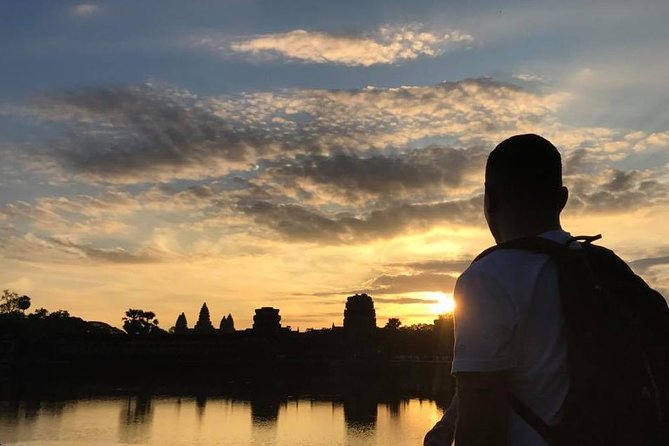
Angkor Wat is famous for sunrise, but sunrise tours can turn into a stressful race: find your spot, squint at your phone, then scramble to the next site. This one changes the rhythm. You’re already moving on a mountain bike, and that means you spend less time standing still and more time actually seeing how the complex sits in its landscape.
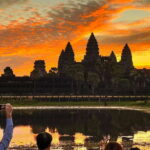
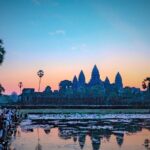
I also like that the tour is built around timing you can feel. You start in the dark, then the sun appears on the horizon and Angkor Wat’s architecture throws long shadows. That “watch it happen” moment is the whole point, and biking gives you a little extra control over where you pause—without needing to fight for a perfect viewing angle every single minute.
You can also read our reviews of more city tours in Siem Reap
The 5:00am reality check (and how to prepare)
Let’s be honest: 5:00am is early enough that your alarm will feel personal. The good news is that you’re not doing it just for a quick photo. The schedule is set up so sunrise is followed by a full temple route, so the early start buys you more than a 15-minute stop.
Dress matters too. Angkor is an active spiritual site for Buddhists, and revealing clothing (shorts/skirts above the knees and bare shoulders) is prohibited in sacred palaces. Bring something that covers your knees and shoulders, even if you’re tempted to travel light. You’ll thank yourself when you’re standing near gates and chambers where the rules are enforced.
Practical packing list from the tour guidance:
- camera
- sunglasses
- sunscreen
- respectful clothing that covers knees and shoulders
What $70 really gets you: temple pass math and value
The price is $70 per person, and what’s included is the part that makes this tour feel like good value. You get:
- an English-speaking tour guide
- a quality mountain bike (Giant/Trek) with helmet
- breakfast and lunch
- pure drinking water and fresh coconut juice
- hotel pick-up
But two costs aren’t bundled:
- Temple pass: listed as $37 for 1-day entry
- Hotel drop-off: listed as not included
So the “real budget” is usually closer to $107 once you add the pass. Even with that, biking + guide + food + several major temples can still feel like a smart deal—especially because you’re not paying separately for transportation between sites. Still, I recommend you confirm how they handle the return after the tour since the notes mention pickup and also list drop-off as not included.
Sunrise at Angkor Wat: the moment you came for
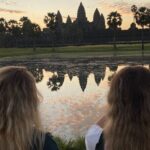
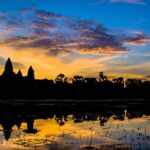
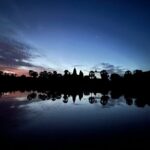
Your day starts with darkness and silence outside the main action. Then the sun appears on the horizon and Angkor Wat shifts into golden light. This tour is built around that progression—darkness to first glow—so you aren’t arriving late, and you aren’t only seeing Angkor Wat in the harsh midday sun.
Once sunrise hits, you’ll do more than stand near the main view. You’ll have time for a stroll through temple complex chambers, learning the place as you go. The cycling part starts after, and that combination is what makes the tour click: you get the sacred, slow, details-first Angkor experience and the energy of moving through the area on a bike.
Cycling through Angkor: what the ride feels like
The route isn’t just flat pavement. The biking experience is described as mixing asphalt, dirt roads, elevated trail sections, and single-track-style paths. That matters because it changes what you’ll notice. On wheels, you see the approach routes and the surrounding areas in a way you don’t get when you’re only walking inside temple grounds.
A mountain bike with a helmet is provided, which helps with confidence—especially if you haven’t ridden dirt trails in a while. And because the group is capped at 10, you’re less likely to feel like you’re in a long conga line.
Fitness-wise, the notes say most people can participate. Translation: this is not described as extreme mountain biking. Still, you’re waking early and riding for hours, so plan for basic stamina and some uneven ground.
You can also read our reviews of more tours and experiences in Siem Reap
South Gate of Angkor Thom: defensive walls and big views
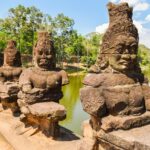
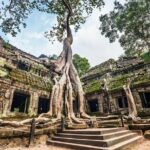
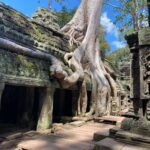
After the Angkor Wat portion, the route turns toward Angkor Thom’s perimeter and gates. One of the listed highlights is the South Gate of Angkor Thom, noted as one of the most appealing defensive walls of Angkor Thom.
This is the kind of stop that’s easier by bike because you can transition quickly and keep momentum. The gate area also gives you a “city scale” perspective. Angkor isn’t just one temple. It’s an entire walled world, and the gates help you understand where the temple fits into the broader layout.
If you like architecture details—gate design, carvings, and how walls frame approaches—this is a good area to pause and look around before you pedal on.
Prasat Chrung: climbing to the protection wall views
One of the standout moments in the plan is the chance to climb up and venture on the protection wall at Prasat Chrung. The reward is a breathtaking view from up high.
Climbing portions matter here. The tour is riding-based, but Prasat Chrung is a reminder you’ll still be doing stairs and steps. If you have knee issues or you’re not steady on uneven surfaces, consider whether this climb fits your comfort level. The good side is that the view is explicitly described as worth it, and the timing helps you see it without being buried in peak-hour crowds.
Bayon, Preah Khan, Tanei, Tapron: the day expands beyond Wat
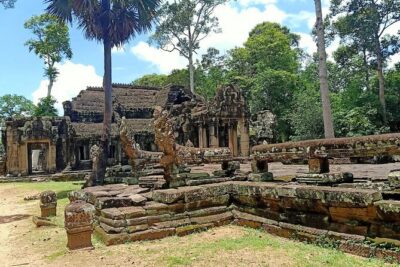
Sunrise might be the headline, but the rest of the day is where you can really build your Angkor understanding. The route includes major temples beyond Angkor Wat, including:
- Bayon
- Preah Khan
- Tanei
- Tapron
- and Prasat Chrung (covered above)
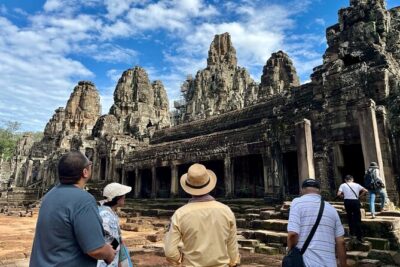
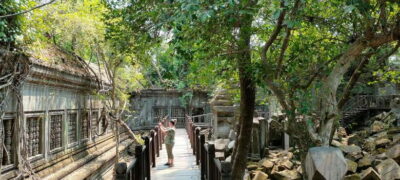
Each temple adds a different flavor. Bayon is known for its distinctive facial stone imagery (you’ll likely notice why it’s so iconic as you get close). Preah Khan tends to feel more atmospheric because of its layout and the way temple areas blend into surrounding greenery. Tanei and Tapron are part of the same “you’re in a whole archaeological complex” feeling.
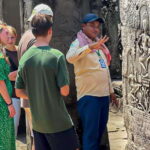
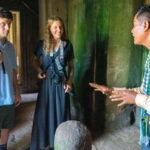
Also, you’re not just being herded between stops. The guide approach is described as history-focused and detail-oriented, which is ideal here. Angkor can look like a lot of stone at first glance. A strong guide helps you connect what you’re seeing to why it mattered.
The guide makes a difference: Seng, Bobo, Vannarath, Sihal
A lot of tours list guide as a feature. This one’s different because the guide quality seems to be a big reason people love the day.
Names that come up often include:
- Azude Seng
- Bobo
- Vannarath
- Sihal
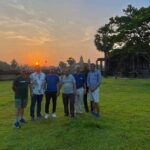
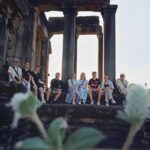
Common threads: these guides are repeatedly described as history-minded, gentle, and tuned to what makes a good photo moment. One account even highlights a guide becoming a personal photographer and suggesting spots for pictures. Translation for you: expect more than “this is a temple.” Expect help spotting details, timing your photos, and pacing your time so you don’t just rush through.
Breakfast, lunch, and coconut juice: small details that keep the day sane
You’ll be out early, and Angkor days can run long. This is why I’m glad food and drinks are included. You get:
- breakfast
- lunch
- water
- fresh coconut juice
Morning fuel is not a luxury here. With sunrise and cycling, your energy can drop faster than you expect. Having water and coconut juice on hand helps you avoid the classic mistake of spending the day dehydrated and then blaming Cambodia for your headache.
Lunch also matters because you’re not stuck eating a random meal between temple blocks. You’ll have time to reset before the afternoon temples.
How long is the tour, and what that means for your schedule
The duration is listed as 9 hours (approx.). That’s long enough for sunrise at Angkor Wat and a meaningful chunk of additional temples, but not so long that it eats your entire day.
Practically, it gives you options afterward in Siem Reap. If you want to keep exploring local markets, do a relaxed afternoon, or add another nearby site, this format leaves more breathing room than full-day “only temples, all day” itineraries.
Group size and pacing: why max 10 is a smart limit
The tour caps at 10 travelers. That’s not just a number. With sunrise and multiple temples, a small group means:
- fewer delays at gates
- easier photo coordination
- more flexibility when a guide wants to show you a detail up close
You’ll feel less like a commuter and more like you’re moving through Angkor with a plan. And since the ride includes trail sections, a smaller group also makes it easier to keep everyone safe on uneven paths.
Dress code: what you should wear to Angkor’s sacred areas
The tour explicitly warns that clothing that reveals too much is prohibited in sacred palaces: shorts or skirts above the knees, and bare shoulders. Respectful dress is strongly encouraged.
So aim for:
- shirt that covers shoulders (or bring a light layer)
- bottoms that cover knees
This isn’t about being fancy. It’s about being allowed to move comfortably through spaces that are still used for daily worship and meditation.
Who should book this cycling sunrise tour
This is a great fit if you want:
- the Angkor Wat sunrise moment without turning the whole day into a waiting game
- a more active way to see Angkor—cycling through approaches and trails
- a guide-led experience with history notes and photo help
- included food and drinks that keep you from scrambling for snacks
It’s also a good match for people who like variety: temple chambers in the morning, then riding through different surfaces, then more temples later.
You might think twice if:
- you hate early alarms and don’t do well with 5:00am starts
- you have difficulty with stairs or climbs (Prasat Chrung includes a protection wall climb)
- you want a fully relaxed day with minimal walking around stone steps
Should you book this tour?
I’d book it if your top priority is seeing Angkor Wat at sunrise and you want the day to keep moving afterward. The bike-and-guide format is practical in a place where slow pacing can make you miss the best light. The included breakfast, lunch, water, and coconut juice are also a real comfort—no hunting for food while you’re in temple mode.
Just go in with two clear expectations: you’ll need the temple pass (listed at $37), and the start time is very early. If you can handle that, this is one of the more efficient ways to get both sunrise magic and a solid sampling of major Angkor temples.
FAQ
What time does the tour start?
The meeting time is listed as 5:00am.
How long is the experience?
It’s listed as 9 hours (approx.).
Is the mountain bike and helmet included?
Yes. A quality mountain bike (Giant/Trek) and a helmet are included.
Is the Angkor temple pass included in the price?
No. The temple pass is listed as $37 for 1 day entry.
What food and drinks are included?
Breakfast and lunch are included, along with pure drinking water and fresh coconut juice.
Do I get hotel pickup?
Hotel pick-up is included. The notes also list hotel drop-off as not included, so you’ll want to confirm return details.
Which temples are included in the route?
The tour lists Angkor Wat and additional major temples including Bayon, Preah Khan, Tanei, Tapron, and Prasat Chrung, plus gates such as the South gate of Angkor Thom.
What’s the group size limit?
The maximum group size is listed as 10 travelers.
What clothing rules should I follow at Angkor?
Angkor is an active spiritual site, and revealing clothes are prohibited in sacred palaces. Shorts and skirts above the knees and bare shoulders aren’t allowed; respectful dress is strongly encouraged.
Can I cancel for a full refund?
Yes. Free cancellation is offered if you cancel at least 24 hours before the experience start time for a full refund.