REVIEW · SIEM REAP
Siem Reap: Angkor Wat Sunrise & Explore Angkor Temples With Guide
Book on Viator →Operated by Pineapple Cambodia Tours · Bookable on Viator
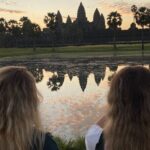
Sunrise at Angkor is unforgettable. This Siem Reap day trip is built around a prime Angkor Wat sunrise viewing location and a private, English-speaking guide who explains what you’re seeing as the light changes. You’re not just dropped off to wander.
I especially like the structure: a slow, meaningful walk at Angkor Wat before you move on to the smaller, quieter stops. The round-trip tuk-tuk plus drinking water throughout the day also makes the whole morning feel practical, not chaotic.
One thing to plan for: the Angkor Archaeological Park entrance fee isn’t included, and the start time is very early, so you’ll want to be ready for a long temple day right from the morning.
In This Review
- Key Points You’ll Care About
- Why Angkor Wat Sunrise Is Worth the 4:50 am Alarm
- What You’ll Do at Angkor Wat Before the Heat Hits
- Banteay Kdei and Srah Srang: Calmer Temples and a Water Break
- Ta Prohm and Angkor Thom: Jungle Drama Meets Royal Capital
- Bayon Temple’s 54 Towers and the Human Side of Khmer Art
- Price and Value: Is $60 a Good Deal for a Private Sunrise Day?
- Tuk-Tuk Comfort, Water, and What to Pack
- Who This Sunrise and Temple Tour Fits Best
- Should You Book This Angkor Sunrise & Explore Angkor Temples Tour?
- FAQ
- What time does the tour start?
- How long is the tour?
- Is hotel pickup included?
- Is this tour private?
- Is the Angkor Archaeological Park entrance fee included?
- What temples are visited during the day?
- Does the tour include breakfast?
- Is there an English-speaking guide?
- What else is included besides the guide and transport?
- What is the cancellation policy?
Key Points You’ll Care About
- 4:50 am departure keeps you aligned with the sunrise and avoids a rushed schedule later
- Guide support for a strong sunrise position means less stress and more time to absorb the moment
- Angkor Wat is given a full 3 hours, including time walking around and inside key areas
- Banteay Kdei is treated as a quieter contrast to the most famous Angkor sites
- Srah Srang adds a true break with a reservoir view plus breakfast
- Bayon’s 54 towers are a focused finale inside Angkor Thom’s ancient capital area
Why Angkor Wat Sunrise Is Worth the 4:50 am Alarm
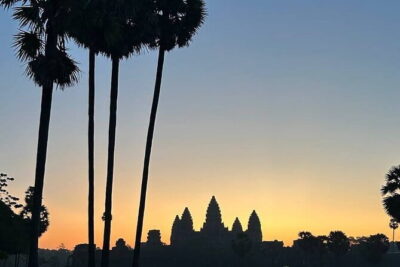
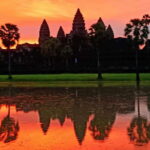
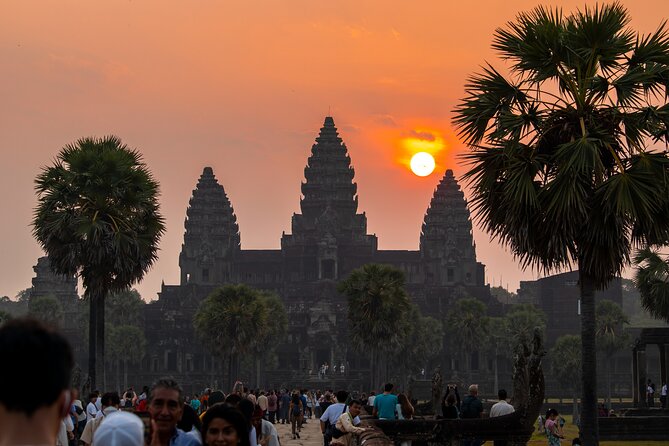
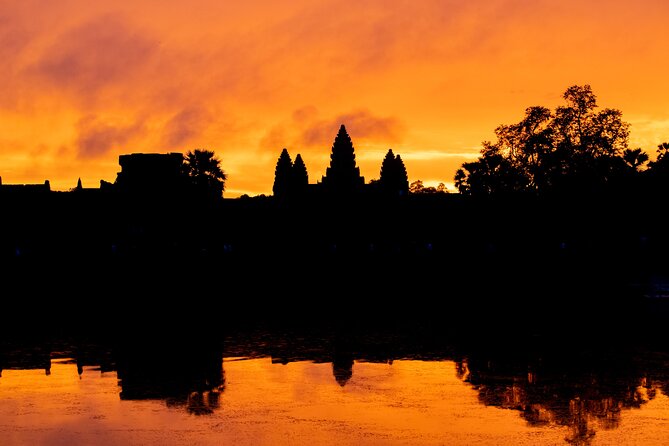
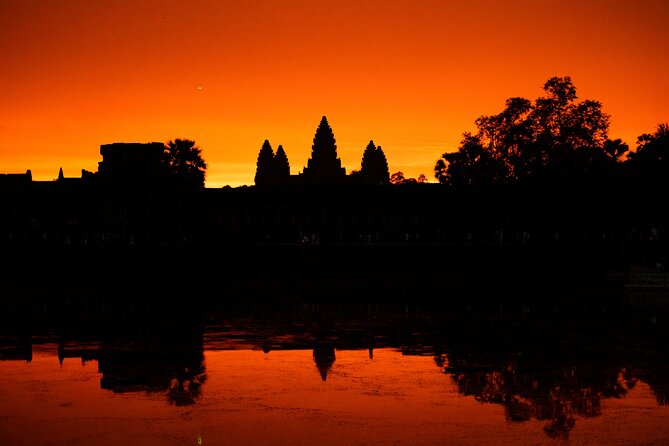
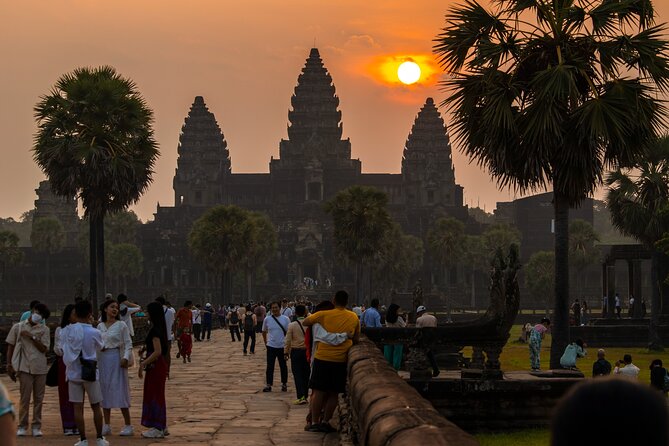
If you only do one “wow” moment in Cambodia, make it Angkor Wat at sunrise. This tour starts at 4:50 am, and that early timing matters because you’re aiming for the kind of soft light that turns carved stone into something almost three-dimensional. It’s also easier when your plan isn’t DIY: your guide helps you secure a prime viewing spot, so you spend less time guessing where to stand and more time enjoying the atmosphere as the sky brightens.
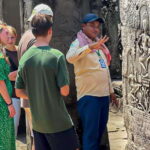
I also like that the sunrise isn’t treated like a quick photo op. While you wait, your guide shares what matters—temple layout, Khmer artistic details, and context on Cambodia’s history and culture—so the experience has meaning beyond the postcard view.
The last consideration is simple: this is an early start plus a full day of walking. If you’re sensitive to long mornings, plan to go slow at your first temple stop and pace your water breaks.
You can also read our reviews of more guided tours in Siem Reap
What You’ll Do at Angkor Wat Before the Heat Hits
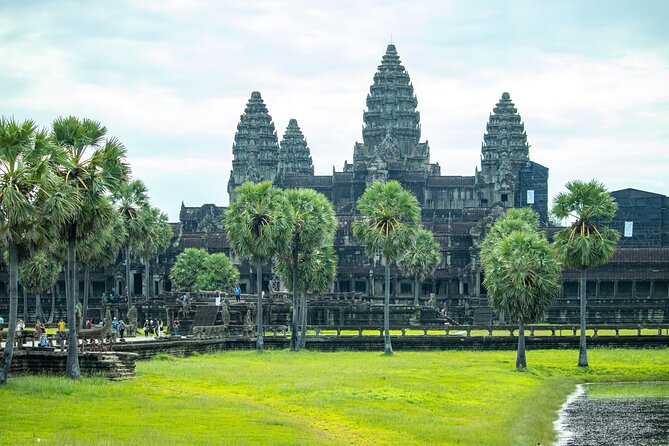
Angkor Wat is the centerpiece, and you get time to do it properly. At Stop 1, you spend about 3 hours on-site, and you’ll have an admission ticket requirement handled separately (the park fee is not included). During this part of the day, the tour focuses on walking around and inside the Angkor Wat temple, with your guide explaining the history and the sculpting details you’re seeing.
Why that matters: Angkor Wat isn’t just big; it’s precise. Without some framing, it can feel like you’re looking at a famous monument and trying to “figure it out” alone while the morning is moving fast. With a guide, you can connect the carvings, symmetry, and temple design to the bigger Khmer story.
Practical tip: this is also the moment when you’ll want your camera ready. But try to balance shots with time just watching light change across stone and shadows shift in doorways and corridors. That slow attention is what makes the sunrise stick in your memory.
Banteay Kdei and Srah Srang: Calmer Temples and a Water Break
After Angkor Wat, the tour changes gears. Banteay Kdei is next (about 35 minutes), and the tone is deliberately different. This site is described as more peaceful and quiet, and it functions as a Buddhist temple with a history that includes periods when it hosted an active monastery. That’s a nice contrast when the most famous Angkor stops can feel like a constant stream of people.
Banteay Kdei also helps you read Angkor better. You’re seeing how Buddhist practice and temple space evolved within the Khmer temple landscape. Even in a short stop, it’s the kind of place where your guide can point out how the carvings and layout communicate purpose.
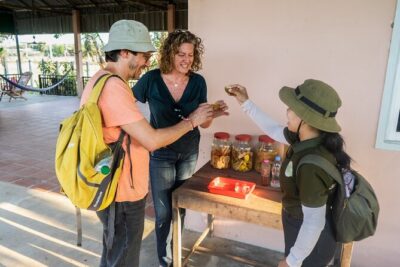
Then you’ll take a breather at Srah Srang for about 1 hour. This stop includes breakfast plus time to relax with the view over the reservoir. A reservoir stop does two things for you: it gives you a break from temple stone, and it gives your body a pause before you go back into heavier walking at the next sites.
If you’re deciding whether this tour is “worth it” for a day trip, this is a big reason. It’s not only about hitting famous names; it’s built to keep you comfortable enough to enjoy the next two temples without feeling wrecked.
Ta Prohm and Angkor Thom: Jungle Drama Meets Royal Capital
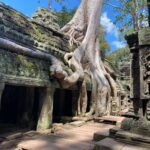
Next comes Ta Prohm (about 1 hour), and yes, it’s the jungle-famous one. The ruined temple is known as Ta Prohm, and people often call it the Tomb Raider Temple because it appeared in a film starring Angelina Jolie. Even if you’re not a movie fan, it’s hard not to be impressed by how nature and stone coexist here.
Why it works in a guided format: without context, Ta Prohm can become just a set of dramatic photos. With a guide, you’re more likely to notice the temple’s structure—how the ruin reads as a place with pathways and enclosures, not only as a backdrop.
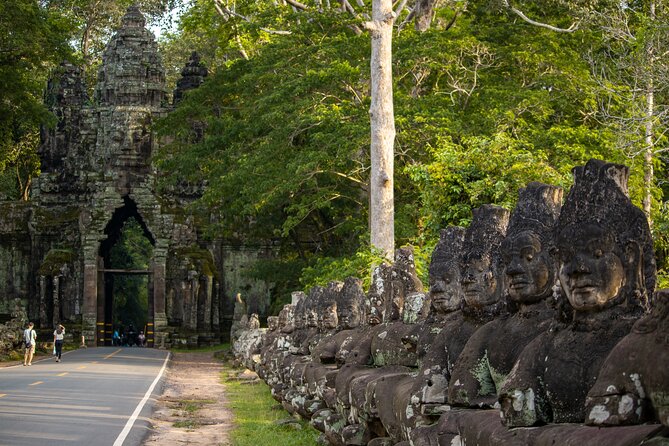
Then the day moves to Angkor Thom for about 1 hour. Angkor Thom was the Khmer Empire’s final and enduring capital area, founded in the late 12th century. It covers about a 9-square-kilometer area, and it includes structures from earlier periods as well. That’s a lot of space, so the guide help is key: you don’t want to spend this part wandering without a sense of what you’re looking at.
The capital-city context is what makes the next stop more powerful. You’ll see how royal power shaped temple design and how later layers of history remain visible in the built environment.
Bayon Temple’s 54 Towers and the Human Side of Khmer Art
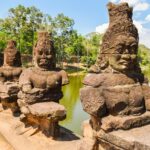
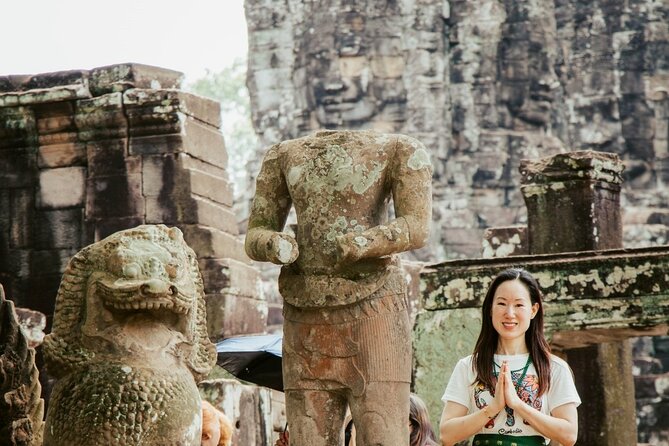
Your final temple stop is Bayon Temple (about 1 hour) inside Angkor Thom. Bayon was built in the 12th century as a state temple for King Jayavarman VII, and it’s known for its 54 towers. That detail matters because Bayon isn’t just impressive in size—it’s impressive in the repeating pattern of faces and towers that dominate the skyline of the temple complex.
This is one of the best places to slow down. You get a concentrated look at Khmer royal symbolism and the way temple art communicates power and belief. If you’re the type who likes to learn while you walk, this ending is strong because the day already gave you context at Angkor Wat and Banteay Kdei, so Bayon lands with more clarity.
A helpful note from real-world experience: some guides in this program have a gift for making the past feel real. One guide named Ben has been praised for sharing what life may have looked like about 1000 years ago—exactly the kind of framing that helps the carvings stop being abstract.
You can also read our reviews of more tours and experiences in Siem Reap

Price and Value: Is $60 a Good Deal for a Private Sunrise Day?
At $60 for roughly 7 to 8 hours, this tour can be a good value—especially if you compare it to the costs of doing sunrise and multiple temples on your own.
What you’re paying for:
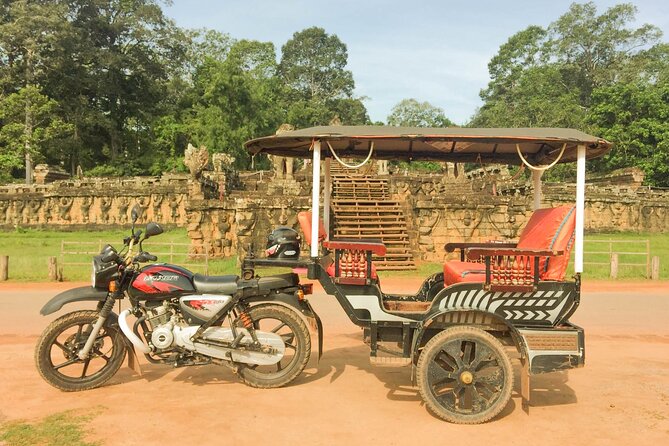
- Round-trip tuk-tuk transportation
- An English-speaking guide
- Drinking water throughout the day
- A private setup for your group (no random mix-in with other people)
Where you’ll spend extra:
- The Angkor Archaeological Park entrance fee (not included in the tour price)
Here’s how to think about it: you’re essentially buying time, navigation, and explanations. At Angkor, that’s not a luxury—it’s part of what makes the experience click. Sunrise is hard to plan correctly without local guidance, and once you move beyond Angkor Wat, the value of a guide grows because the sites are less “obvious” than the most famous postcard views.
If you’re on a tight budget, confirm the total cost with the park entry fee. But if you want a well-paced day with less guessing, $60 plus park entry can still be a solid deal.
Tuk-Tuk Comfort, Water, and What to Pack
This tour uses tuk-tuk round-trip pickup, which is a practical fit for Siem Reap. You’ll be picked up early in the morning and moved between temple stops efficiently. The tour also includes drinking water throughout the day, which is a simple but important benefit when you’re out for hours in the tropical heat.
For what to bring, I’d keep it basic and functional:
- Comfortable walking shoes (you’ll be on temple ground for multiple stops)
- A light layer for the very early morning
- Sunscreen and a hat for later in the day
- Cash or payment method for the park entrance fee, since it’s not included
If your driver is Han, that’s another plus people often call out: he’s described as professional and friendly. A steady, calm driver makes the long early start feel less stressful.
Who This Sunrise and Temple Tour Fits Best
This is a great choice if you want:
- A focused Angkor Wat sunrise plan without DIY stress
- A guided day that explains more than the basics
- A schedule that includes both top names and quieter contrasts
- A comfortable pace with breaks, including breakfast at Srah Srang
It’s especially worth it for first-timers to Angkor who don’t want to spend their limited time trying to figure out where to stand for sunrise or which areas deserve attention. If you already know the basics and just want maximum temple time, you might feel the stops are neatly timed rather than endless. But if you care about understanding what you’re seeing, the guided format is the point.
Also: it’s described as something most travelers can participate in, and it’s a private tour for your group, which makes it easier to manage your pace and attention.
Should You Book This Angkor Sunrise & Explore Angkor Temples Tour?
I’d book this tour if sunrise is your priority and you want a day that stays organized. The combination of a guided sunrise with a prime viewing location, meaningful time at Angkor Wat, and a thoughtful flow through Banteay Kdei, Srah Srang, Ta Prohm, Angkor Thom, and Bayon creates a complete Angkor arc without feeling like you’re rushing from one stop to the next.
Skip it (or at least think twice) if the early start sounds rough, or if you strongly prefer paying for park entry on your own and navigating every stop without a guide. Also double-check the total you’ll pay once you add the Angkor Archaeological Park entrance fee, since that’s the main cost not built into the $60 price.
If your goal is an efficient, guided Angkor day with the sunrise moment done right, this one is a strong fit.
FAQ
What time does the tour start?
The tour starts at 4:50 am.
How long is the tour?
It runs about 7 to 8 hours.
Is hotel pickup included?
Yes, pickup is offered, and the tour includes round trip by tuk-tuk.
Is this tour private?
Yes. It’s described as private, meaning only your group participates.
Is the Angkor Archaeological Park entrance fee included?
No. Entrance fee to Angkor Archaeological Park is not included.
What temples are visited during the day?
You’ll visit Angkor Wat, Banteay Kdei, Srah Srang, Ta Prohm, Angkor Thom, and Bayon Temple.
Does the tour include breakfast?
Yes. There is breakfast during the stop at Srah Srang.
Is there an English-speaking guide?
Yes. The tour includes an English speaking guide.
What else is included besides the guide and transport?
You get drinking water throughout the day.
What is the cancellation policy?
You can cancel for free up to 24 hours in advance for a full refund. If you cancel less than 24 hours before the start time, the amount paid isn’t refunded.