REVIEW · SIEM REAP
Siem Reap: Angkor Wat Private Tour with Sunrise
Book on GetYourGuide →Operated by Vamos Camboja Turismo · Bookable on GetYourGuide
Sunrise at Angkor is a reset button. This private Angkor Wat sunrise tour pairs early-morning magic with a pro local guide and comfortable transport, but the 05:00 AM pickup means you’ll need to be ready before you’re fully awake.
I like that it’s built for real touring, not just driving past temples. You get a tight run of the main sights on a private schedule, plus photo-ready stops like Ta Prohm, Angkor Thom, and Bayon.
And if you have time, the 2-day option adds the slower, more atmospheric Grand Circuit temples plus Banteay Srei, often the day that feels most rewarding.
In This Review
- Key points before you go
- Sunrise at Angkor Wat: why the early start is worth it
- Angkor Wat and the Small Circuit: a morning that actually flows
- Angkor Wat: more than the postcard
- Ta Prohm: the Tomb Raider look in real scale
- Victory Gate: a quick photo stop that matters
- The Terrace of the Elephants: carvings you can actually study
- Angkor Thom, Bayon, and Baphuon: faces, gates, and temple mood
- Baphuon: restored temple mountain energy
- Bayon: the smiling faces stop
- The 2-day route: Grand Circuit day two plus Banteay Srei
- Preah Khan: atmospheric corridors and carvings
- Neak Pean and Ta Som: quieter temple shapes
- East Mebon: the island-in-water feeling
- Pre Rup: mountain-style temple with views
- Lunch note and the Banteay Srei finish
- Price and logistics: what the $57 really buys
- Transport, comfort, and the guide experience that changes everything
- What to wear and bring for Angkor temple rules
- Dress code essentials
- What to bring
- Not allowed
- Who should skip this style of tour
- Picking 1 day vs 2 days without regretting it
- Should you book this private Angkor Wat sunrise tour?
- FAQ
- What time is hotel pickup for the sunrise?
- Which temples are included in the 1-day option?
- What’s included in the 2-day option?
- Are Angkor entrance tickets included in the tour price?
- Is lunch included?
- How long does the 1-day tour take?
- How long does the 2-day tour take?
- What languages are available for the guide?
- What kind of transport do you use?
- What should I wear to enter the temples?
Key points before you go
- 05:00 AM pickup gets you into Angkor while it still feels fresh and photogenic
- Private guide in 5 languages (English, Spanish, French, Portuguese, Japanese) and a driver who keeps things smooth
- Smart pacing: sunrise and the Small Circuit in a 1-day plan, then Grand Circuit + Banteay Srei on day two
- Cold water and towels during the route helps a lot in Siem Reap heat
- Entrance tickets cost extra, so budget that day properly
- Strict dress code matters at multiple temples, so plan clothes early
Sunrise at Angkor Wat: why the early start is worth it
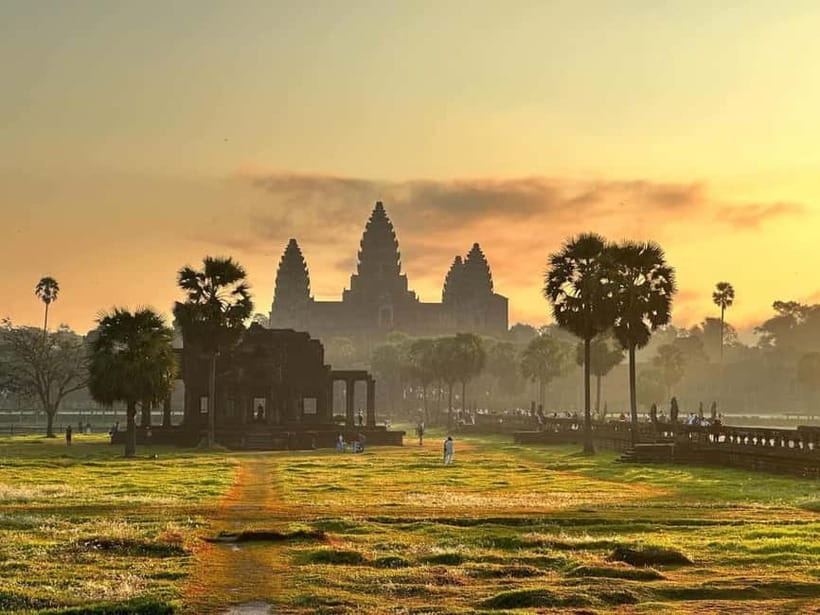
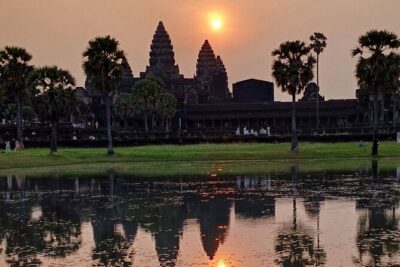
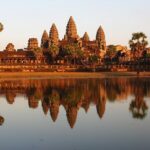
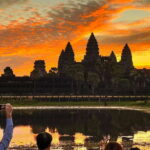
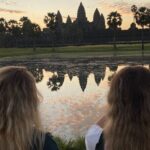
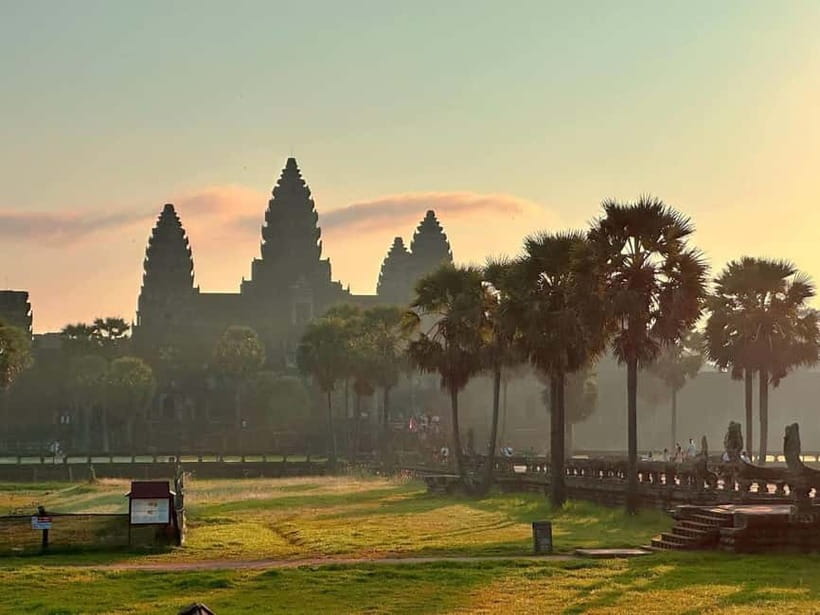
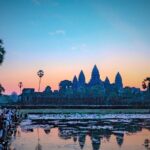
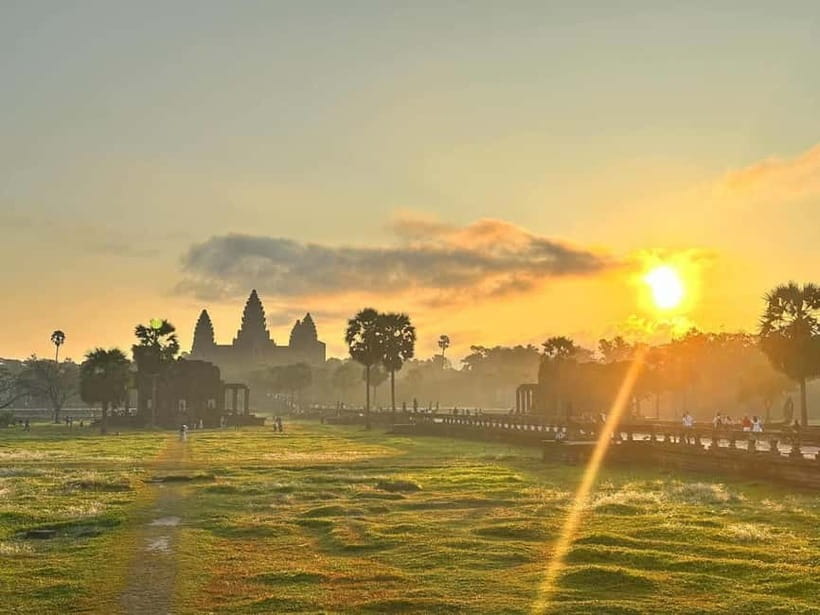
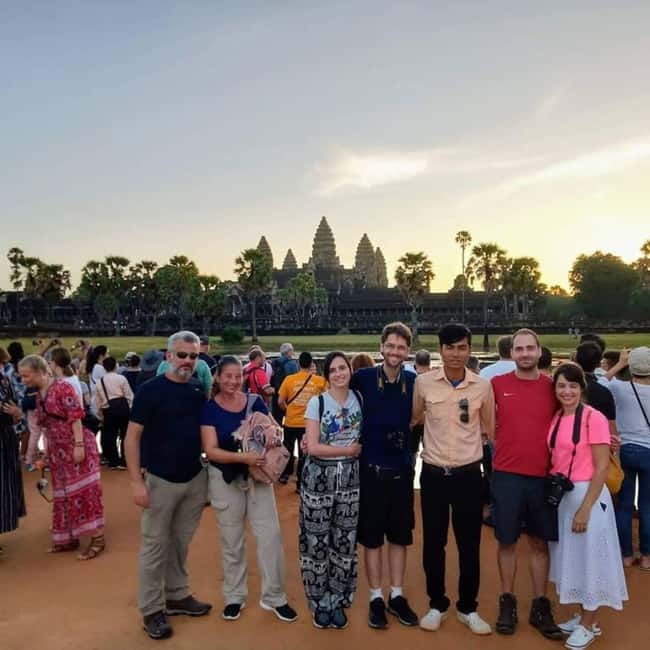
The whole experience hinges on the same practical idea: do the most famous scene before the crowds and heat lock in. The tour starts with a hotel pickup at 05:00 AM, then you’re at Angkor Wat in time for sunrise. You spend about 2.5 hours at Angkor Wat during the morning window, which is long enough to see the main views and still walk without feeling rushed.
This is also the part where having a guide pays off fast. A good guide helps you move with purpose: where to stand for the best light, how to time your photos so you’re not fighting other people for space, and what small details to notice once the first wow moment fades. In the past, guides like Youk have been praised for suggesting strong photo spots and even helping with creative shots, not just reciting temple facts.
One small thing I’m glad this tour encourages: you’re told to grab breakfast after sunrise and you can bring a breakfast box from your hotel. That’s smart because you’ll likely arrive hungry, then you’re out walking again shortly after.
You can also read our reviews of more private tours in Siem Reap
Angkor Wat and the Small Circuit: a morning that actually flows
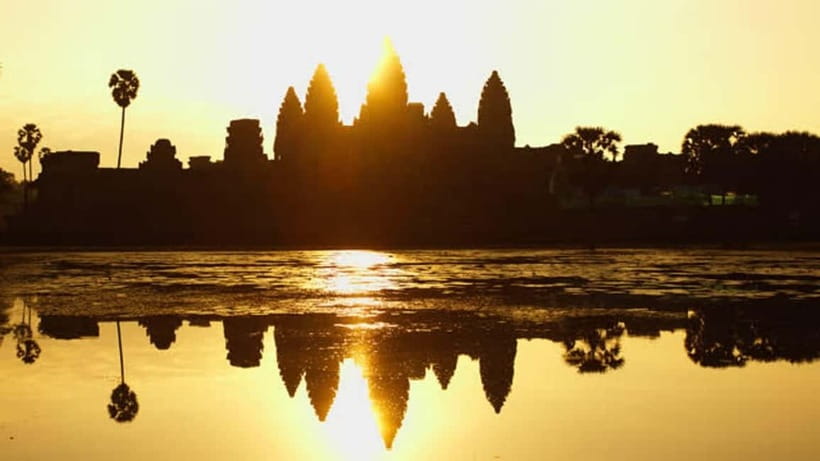
After sunrise, the tour moves into the Small Circuit and core Angkor highlights. Your schedule is built around getting you through the biggest “must-sees” with minimal wasted time, so you don’t end up spending most of the day in transport.
Here’s how the main morning portion feels, stop by stop:
Angkor Wat: more than the postcard
Angkor Wat is the anchor. You’re not just checking a building off a list. With guided time included, you’ll get context on what you’re seeing and why this layout matters. That first stretch is where you’ll notice the scale: courtyards, axis lines, and that dense carved surface that rewards slow looking.
A practical tip: wear comfortable shoes with good grip. Dawn-to-noon can mean uneven stone underfoot, and you’ll want to keep your pace steady.
Ta Prohm: the Tomb Raider look in real scale
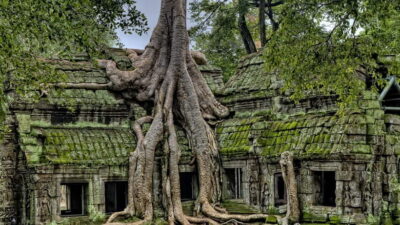
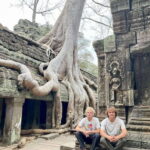
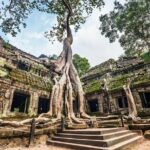
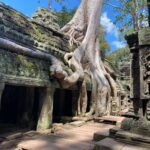
Next comes Ta Prohm, the famous temple where large trees wrap around the ruins. This stop is short enough to keep it energetic (about 1 hour), but long enough for the important moments: the first framed view, then a calmer look as you move deeper into the structure.
If you’re the type who likes photos, this is one of the best places on the route for creative angles because the roots and stone create natural “layers” in your frame.
Victory Gate: a quick photo stop that matters
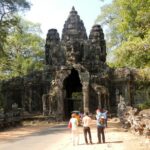
Then you hit Victory Gate at Angkor. It’s listed as a 15-minute photo stop, which tells you something about the tour’s philosophy: this is a “grab the essential views fast, then move” moment. Even in a short window, it’s worth slowing down for composition. The gate is dramatic on its own, and it also sets the mood for Angkor Thom, the next chunk of the circuit.
You can also read our reviews of more tours and experiences in Siem Reap

The Terrace of the Elephants: carvings you can actually study
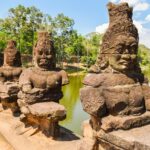
Next is the Terrace of the Elephants (around 20 minutes). This is one of those stops where a guide helps you see the story in the details. The point here isn’t just the terrace shape; it’s the carvings and how they relate to the royal setting of the complex.
If you’ve ever felt temple touring becomes repetitive, pay attention here. This is more “close-looking” than “big silhouette,” which gives your brain a different job.
Angkor Thom, Bayon, and Baphuon: faces, gates, and temple mood
The late morning part of the Small Circuit turns into the most distinctive look of Angkor Thom: massive walls, entrances, and then the faces at Bayon.
Baphuon: restored temple mountain energy
Baphuon comes next (about 40 minutes). It’s described as a restored temple mountain symbol, and that matches what you’ll feel walking up to it: the structure reads like a climb, even when you’re moving mostly along paths and tiers. It’s a great stop if you want a temple where the vertical impression is part of the wow.
Bayon: the smiling faces stop
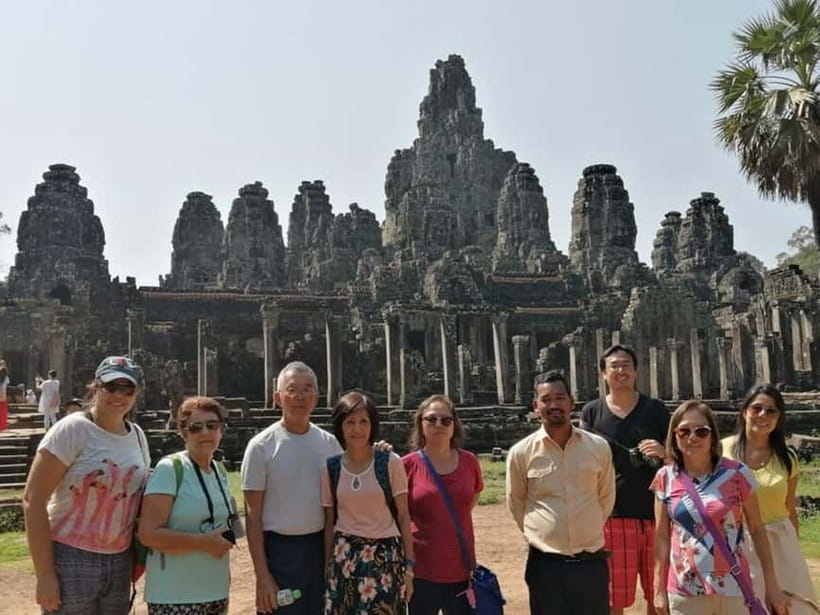
Finally, Bayon (about 45 minutes) is where Angkor feels uniquely “alive.” Bayon is famous for its towers covered with over 200 serene, smiling faces. With guided time, you’ll learn what those faces represent and where to position yourself for the most striking angles.
This is also a good time to slow your pace. It’s easy to rush Bayon because it’s so visually strong. But if you take a minute to compare towers and notice how the expression changes slightly with viewpoint, you get more out of your time.
The 1-day route typically ends around 12:00 PM, with return to your hotel. That’s a real advantage if you want your afternoon back for a massage, a good meal, or a slower wander through Siem Reap.
The 2-day route: Grand Circuit day two plus Banteay Srei
If you choose the 2-day private tour, day one is gentler in structure and day two becomes the expanded temple day. The payoff is clear: you don’t cram every major site into one long morning, and you get room for calmer viewing.
Preah Khan: atmospheric corridors and carvings
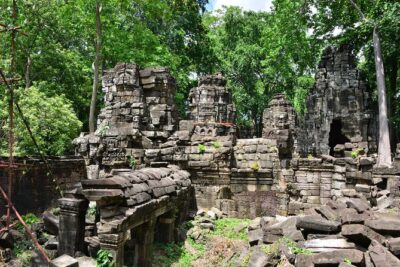
Day two starts with Preah Khan, a large monastic complex. You’ll spend time walking through corridors and around carvings, and the feel here is less about one big view and more about mood. This is where you start appreciating why some temples feel “darker” or more enclosed than others.
Neak Pean and Ta Som: quieter temple shapes
Then you move to Neak Pean, a smaller temple centered on tranquil pools, and Ta Som, known for its iconic tree-covered gate. These stops balance the bigger sites with something more intimate, which keeps your day from becoming a blur.
East Mebon: the island-in-water feeling
East Mebon is described as once standing on an island in a reservoir. Even if you can’t fully picture the ancient water setting, the guide can help you understand the layout and why it was built where it was.
Pre Rup: mountain-style temple with views
Pre Rup is the “mountain temple” moment, with sweeping views over the Cambodian countryside. If the heat is high, this is still worth it because the views are the payoff for walking and climbing earlier.
Lunch note and the Banteay Srei finish
Lunch is not included, so you’ll want to plan on paying for food separately (a nearby restaurant is mentioned). After that, you finish at Banteay Srei, the “Citadel of Women,” admired for its intricate pink sandstone carvings.
This is the stop that tends to feel different from the bigger Angkor temples. It’s more delicate, and the carvings invite close looking. It’s also a strong way to end your trip because it shifts you from “scale” to “detail.”
The day ends around 04:00 PM, then you’re back at your hotel.
Price and logistics: what the $57 really buys
The listed tour price is $57 per person, and that number covers the core service: private guide, private transport, hotel pickup and drop-off, sunrise, and the temple visits included in the day plan. It also includes cold water and towels, which you’ll feel the moment you’re walking in sun and humidity.
What it does not include is the Angkor Archaeological Park ticket. Entrance tickets are:
- $37 per person for 1 day
- $62 per person for 2–3 days
So your real budget should think in totals:
- 1-day option: $57 + $37 = $94 per person
- 2-day option: $57 + $62 = $119 per person
That’s the value equation. You’re paying extra for speed and comfort: you’re not arranging guide + transport separately, and you skip the ticket line. For a place like Angkor, where morning access can get chaotic, that “time saved” can be worth real money.
Also note: lunch is not included (so day two usually needs extra spending for food).
Transport, comfort, and the guide experience that changes everything
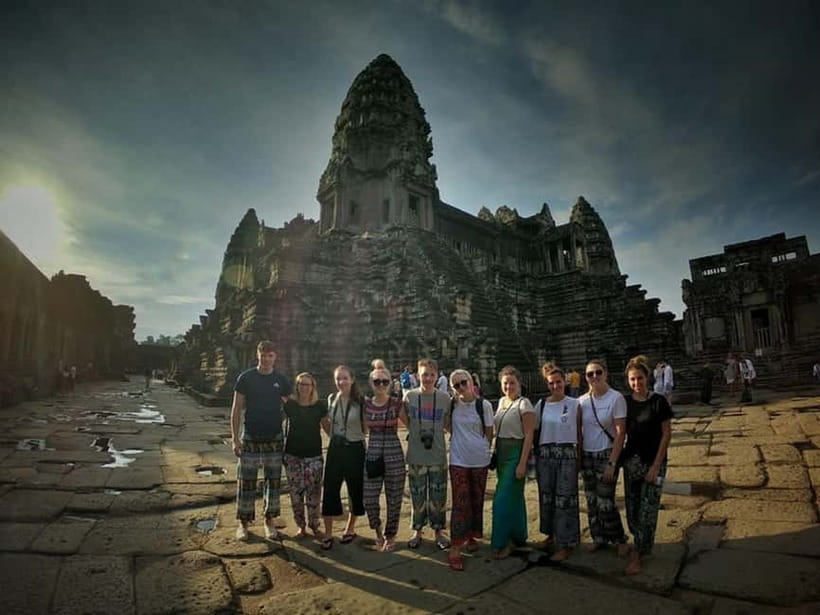
This is a private group, so you won’t be stuck with someone else’s pace. Transport depends on group size:
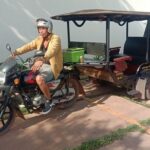
- 1–2 people: tuk tuk
- 3 people or more: air-conditioned van/bus
That matters because you’ll be walking a lot. Having a vehicle that moves you efficiently between stops is the difference between enjoying the day and feeling spent before Bayon.
Comfort details are genuinely useful here. Cold water and towels are provided during the tour, and multiple guides have been praised for keeping things fun and manageable in the heat. You’ll also get a professional local guide in one of five languages: English, Spanish, French, Portuguese, or Japanese.
From the guide names that show up in real-world bookings, I’ve seen strong feedback tied to people like Youk, Ra, Sovuth (including praise for Sovuth Sun), Buth Veasna, and drivers such as Mr Sao and Mr Ben for reliability. Even with different personalities, the consistent theme is that the guide isn’t just explaining. They’re helping you get better photos, choose smart viewpoints, and keep the day moving.
And yes, humor shows up too. Guides have been described as funny and entertaining, which can help when you’re up early and still adjusting to the heat.
What to wear and bring for Angkor temple rules
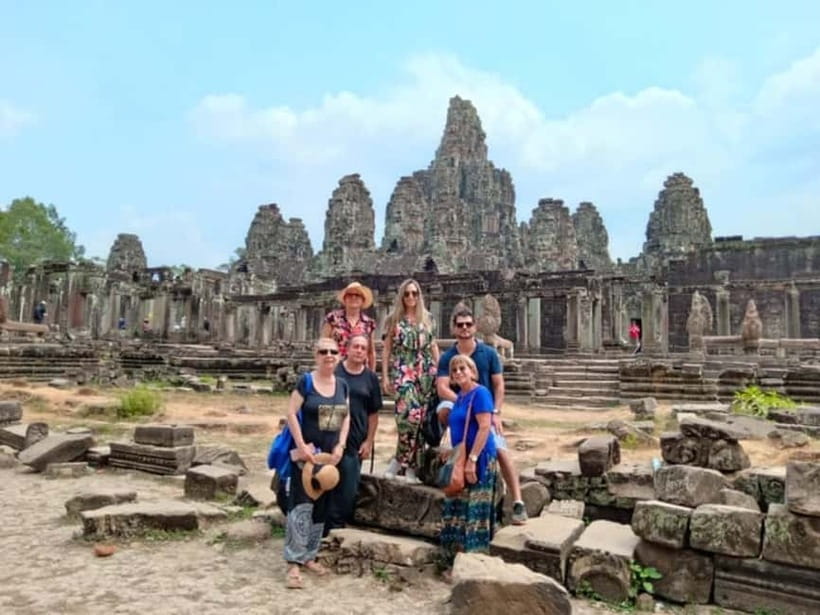
Angkor temples have rules, and this tour repeats them clearly. Follow them and your day stays smooth.
Dress code essentials
You can wear a scarf to cover knees and shoulders at most temples. But the rules tighten at times:
- Shorts and short skirts are not allowed
- Sleeveless shirts are not allowed
- Except Angkor Wat, you must wear pants and skirts that cover the knees and shirts that cover the shoulders
In practice, I’d treat this as: cover up early, then stop worrying.
What to bring
Bring:
- Comfortable shoes
- Sunglasses and sun hat
- Camera
- Sunscreen
- Insect repellent (and biodegradable if possible)
- Cash
- A light, comfortable layer that meets the clothing rules
Not allowed
Alcohol and drugs are not allowed.
Who should skip this style of tour
This tour isn’t suitable for:
- Wheelchair users
- People over 95 years
If you’re in that range or have mobility limits, you’ll want a different setup with less walking and more accessible paths.
Picking 1 day vs 2 days without regretting it
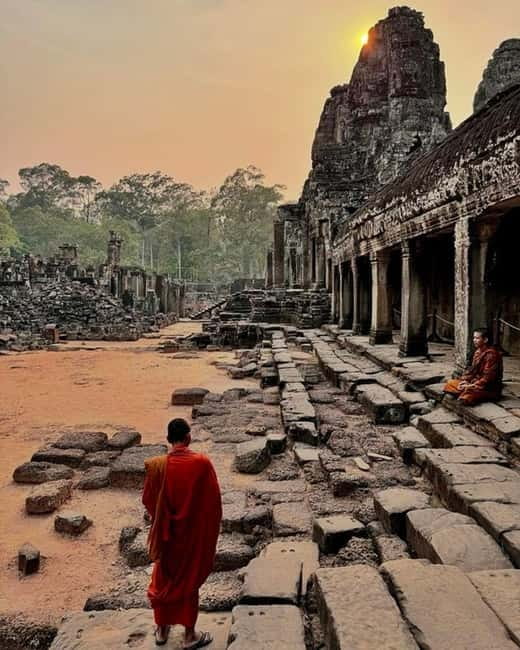
Both options cover sunrise and the early Angkor highlights, but they feel different because of pacing.
Choose 1-day Small Circuit + sunrise if:
- you want the biggest, iconic hits: Angkor Wat, Ta Prohm, Angkor Thom highlights, Baphuon, Bayon
- you like being done by around 12:00 PM
- you want energy left for Siem Reap later that day
Choose 2-day option if:
- you want a more relaxed rhythm and extra temples
- you care about Grand Circuit stops like Preah Khan, Neak Pean, Ta Som, East Mebon, and Pre Rup
- you want to include Banteay Srei for the intricate carving finish
A good mental shortcut: if you’re the type who gets cranky when days feel too packed, the 2-day option is usually the kinder choice.
Should you book this private Angkor Wat sunrise tour?
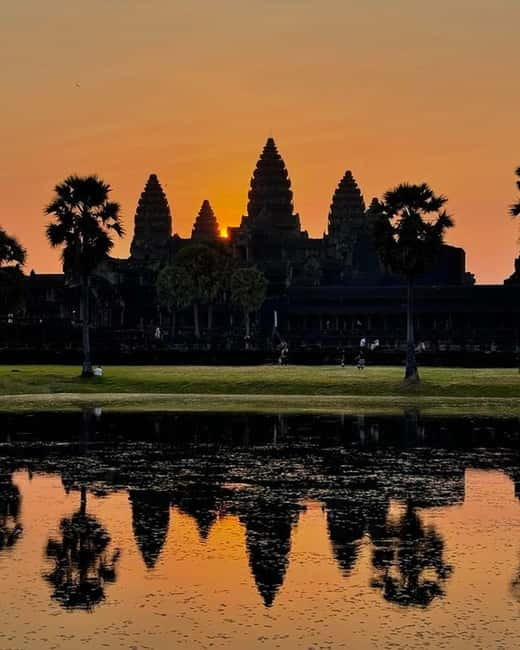
Book it if you want a day (or two) that feels organized from hotel pickup to temple exits, with a private guide who helps you see and photograph more than you’d manage alone. The combination of early sunrise timing, included transport, and the comfort touches like cold towels makes it easier to enjoy the temples instead of just surviving them.
Skip it if you hate early starts or you don’t want to handle separate Angkor ticket costs and strict dress rules. Also, if mobility is an issue, this route’s walking isn’t built for wheelchair access.
FAQ
What time is hotel pickup for the sunrise?
Pickup is at 05:00 AM for the Angkor Wat sunrise.
Which temples are included in the 1-day option?
You’ll visit Angkor Wat (sunrise), Ta Prohm, Victory Gate, Terrace of the Elephants, Baphuon, and Bayon.
What’s included in the 2-day option?
Day two includes Preah Khan, Neak Pean, Ta Som, East Mebon, Pre Rup, lunch (not included), and Banteay Srei.
Are Angkor entrance tickets included in the tour price?
No. The Angkor Archaeological Park entrance ticket is not included: $37 per person for 1 day and $62 per person for 2–3 days.
Is lunch included?
Lunch is not included (day two mentions eating a Cambodian meal at a nearby restaurant).
How long does the 1-day tour take?
It typically finishes around 12:00 PM after the morning circuit.
How long does the 2-day tour take?
Day two typically finishes around 04:00 PM, then you return to your hotel.
What languages are available for the guide?
Guides are available in English, Spanish, French, Portuguese, and Japanese.
What kind of transport do you use?
For 1–2 people, it’s tuk tuk. For 3 people or more, it’s an air-conditioned van/bus.
What should I wear to enter the temples?
Shorts, short skirts, and sleeveless shirts are not allowed. A scarf can help cover knees and shoulders, and except for Angkor Wat, you need pants/skirts that cover the knees and shirts that cover the shoulders.