REVIEW · SIEM REAP
Siem Reap 2 Days Private Tour Angkor Wat and Floating Village
Book on Viator →Operated by About Cambodia Travel & Tours · Bookable on Viator
Siem Reap moves fast on purpose. This two-day private tour is a solid way to see the big Angkor sites with a professional licensed tour guide and an air-conditioned vehicle, plus a Tonle Sap cruise for the floating village. I like that your guide gives in-depth commentary while you hop temple to temple with built-in stops for photos. One thing to plan for: entrance fees and the Angkor Pass are not included, so budget a bit extra when you arrive at Angkor Park.
On the practical side, it’s set up for comfort and flow: hotel pickup and drop-off, bottled water, and cool fresh towels along the way. It’s also private, so your pace is shaped by your guide rather than being locked to a big group. If you’re sensitive to tight schedules or hot walking days, start thinking about energy levels before you go.
In This Review
- Key Things I’d Circle Before Booking
- What You’re Really Buying for $170: Private Time, Not Just Tickets
- Day 1 in Angkor: A Temple Loop You Can Actually Follow
- Angkor Thom and the South Gate: Start With the Big Picture
- Bayon and Baphuon: Stone With a Point of View
- Phimeanakas and the Terrace of the Elephants: Royal Zone Details
- Ta Prohm: The Trees Are the Main Character
- Angkor Wat: The Best-Preserved Anchor of the Day
- Phnom Bakheng: A Sunset Spot Over Angkor Wat
- Day 2 on Tonle Sap: Floating Villages Without the Stress
- Kampong Phluk Floating Village: Houses on Stilts and Real Life
- Beyond the Water: Pagoda Paintings, Crafts, and West Baray
- Wat Preah Prom Rath: Old Pagoda, Preserved Wall Paintings
- Artisans Angkor: Craft Work With a Social Purpose
- West Baray and Svay Romiet Pagoda: Big Water, Small Details
- Comfort, Dress, and Photo Stops: How to Make This Tour Feel Easier
- Price and Value: Entrance Fees, Meals, and What’s Included
- A Word on Guides: What Better Feels Like Here
- Who This Tour Fits Best (and Who Might Rethink It)
- Should You Book This Siem Reap 2-Day Private Tour?
- FAQ
- FAQ
- What is included in the tour price?
- Do I need to pay entrance fees for the temples?
- What about meals during the tour?
- Is pickup from my hotel included?
- Is there a cruise included on Day 2?
- Which main Angkor sites are included on Day 1?
- Which stops are included on Day 2?
- How long is the tour?
- What should I wear?
- Is free cancellation available?
Key Things I’d Circle Before Booking
- Licensed guide + commentary focused on Cambodia’s past, not just ticket-scan facts
- Hotel pickup and drop-off with a private, comfortable AC vehicle
- Private cruise on Tonle Sap for Kampong Phluk floating village
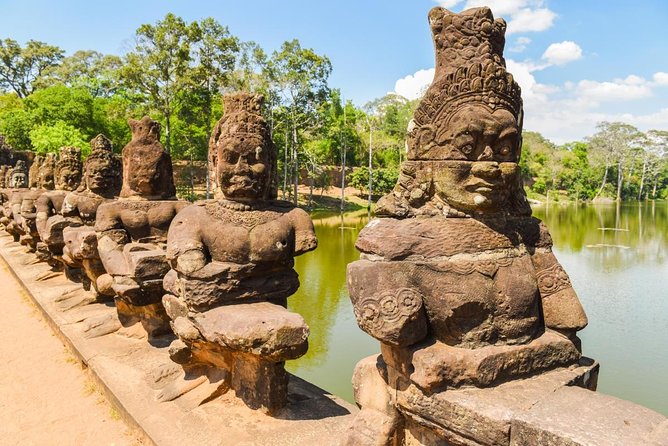
- Photo-ready stops across Angkor Thom, Angkor Wat, and Bayon
- Bottled water and cool fresh towels kept you going between ruins
What You’re Really Buying for $170: Private Time, Not Just Tickets
At $170.05 per person for a two-day private plan, you’re paying mostly for time with one guide and one driver—plus convenience. In a place like Siem Reap, that matters because Angkor is spread out and the logistics can eat your energy fast.
This tour also includes the big day-to-day comforts: pickup and drop-off at your hotel, transportation by private luxury air-conditioning, and water plus a cool fresh towel for the whole trip. That’s not a small detail. Heat + long distances + temple walking can turn a dream day into a survival day, so the basics here are handled.
There’s also group discounts listed, so if you’re traveling with friends or family, the value can feel even better. And yes, you’ll still need to budget for temple entry via the Angkor Pass, since entrance fees aren’t included.
You can also read our reviews of more private tours in Siem Reap
Day 1 in Angkor: A Temple Loop You Can Actually Follow
Day 1 is built like a classic Angkor circuit, moving through major sites around Angkor Thom and Angkor Wat. What makes it work is that you’re not just moving between monuments—you’re moving with a guide who can explain what you’re seeing and why it matters.
The route includes big-name stops plus the ones that help you understand the place as a whole: gates, towers, terraces, and the “tree kingdom” atmosphere of Ta Prohm.
Angkor Thom and the South Gate: Start With the Big Picture
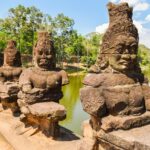
You begin at Angkor Thom, a huge walled city area shaped around Buddhist cosmology, in a scale meant to represent ideas in three dimensions. Then you hit the Angkor Thom South Gate, popular with visitors because it’s been restored and many of the stone faces remain in place.
Why I like this order: it helps your brain anchor first. You get the “this is the whole world” feeling from Angkor Thom, then you narrow in to one dramatic entry point.
A small consideration: gates and walls are impressive, but they can also be crowded during peak hours. If you’re the kind of person who hates crowds, you’ll want to keep your expectations flexible.
Bayon and Baphuon: Stone With a Point of View
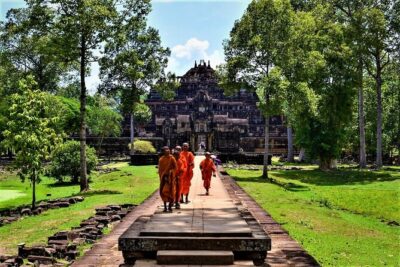
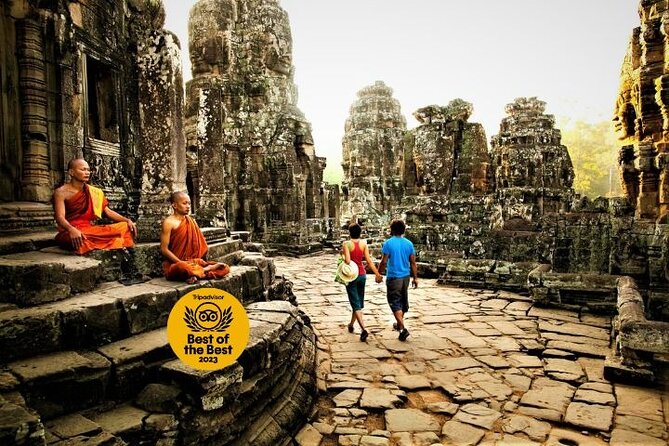
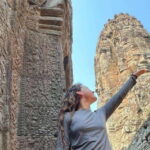
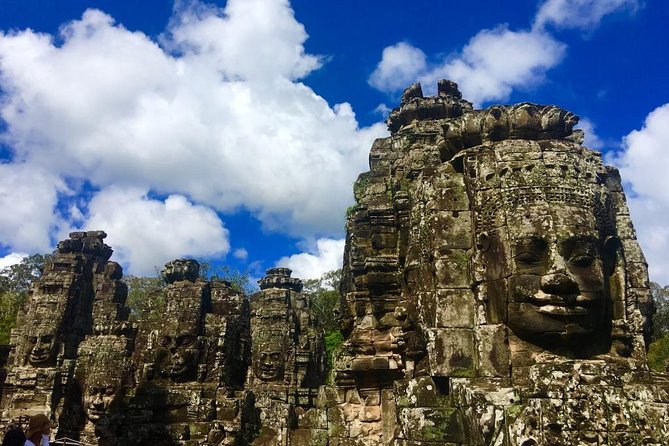
Next comes Bayon Temple, built nearly 100 years after Angkor Wat. It’s located at the center of a royal city, and the site’s age and location help you understand why it became such a focal point.
Then you move to Baphuon Temple, notable for its rectangular sandstone base and five levels of about the same size—different from temples that step down in clear smaller tiers.
This section is a good reminder that Angkor isn’t one style. The stones change shape, the layouts change, and your guide’s commentary helps you notice that instead of just snapping photos and walking on.
Phimeanakas and the Terrace of the Elephants: Royal Zone Details
Phimeanakas Temple sits near the center of the area enclosed by the walls of the Royal Palace, and it’s described as having originally been crowned with a golden pinnacle. Even if you don’t catch every detail on the first look, the setting gives you a sense of power and ceremony.
After that, you visit the Terrace of the Elephants. The descriptions focus on how the elephants are associated with servants and princes, and how the steps and forest setting create a sense of movement and procession.
Practical note: these are stone sites with a lot to look at. Build in time for pauses, especially if photography is part of your plan.
You can also read our reviews of more tours and experiences in Siem Reap


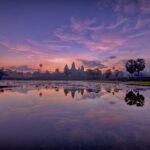
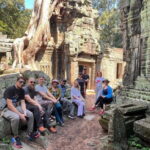
Ta Prohm: The Trees Are the Main Character
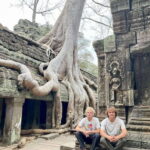
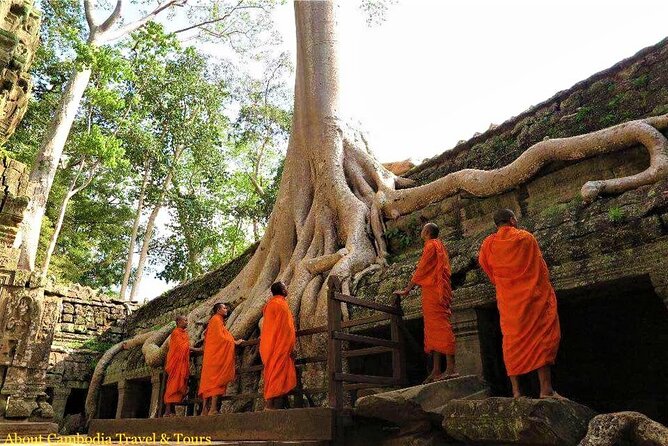
Ta Prohm is the stop many people remember—often described as the kingdom of the trees. The site was left mostly untouched by archaeologists except for clearing paths for visitors and structural strengthening to stave off further deterioration.
This is one of those moments where the ruins feel alive. The roots and shadows make the place look different at every angle, so it’s worth taking your time instead of treating it like a quick photo stop.
Angkor Wat: The Best-Preserved Anchor of the Day
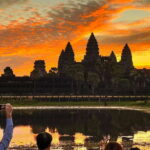
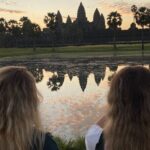
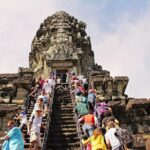
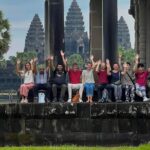
Then you reach Angkor Wat itself, the largest monument of the Angkor group and the best preserved. The description focuses on its architectural masterpiece qualities: balance, proportions, and reliefs and sculpture that make it one of the finest monuments in the world.
This is the big finish point for much of Day 1, so don’t rush your viewing. If you want photos, this is where you’ll naturally spend the most time.
Phnom Bakheng: A Sunset Spot Over Angkor Wat
Phnom Bakheng is the temple best known as a spot where you can see the sun go down over Angkor Wat. It’s not just a random viewpoint; it’s specifically noted for that sunset experience.
If sunsets are a must for you, it’s worth mentally planning to be present and not thinking about dinner right away. Sunset views can also mean more people around, so patience helps.
Day 2 on Tonle Sap: Floating Villages Without the Stress
Day 2 shifts from stone to water and local life. It starts at Tonle Sap Lake, described as the largest fresh water in South East Asia. The size changes depending on monsoon and dry season, which is a great reminder that the landscape is seasonal—not static.
That matters on the Tonle Sap side because what you see can feel different depending on timing of the year. Even without getting technical, it helps you understand why the floating community has adapted to changing water levels.
Kampong Phluk Floating Village: Houses on Stilts and Real Life
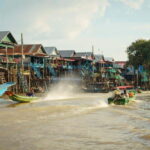
From the lake, you go to Kampong Phluk Floating Village. It’s about 30 km southeast of Siem Reap town and is home to more than 3,000 inhabitants. The description emphasizes that households are built on stilts of about 6 and the homes are made of wood and bamboo.
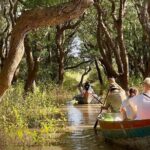
The practical win here is the format: your tour includes a private cruise tied to this floating village visit. That beats the guesswork of figuring out transport and timing on your own.
One consideration: floating areas can feel crowded with boats at some times. Your best strategy is to keep your guide close and let them direct where to stand for the best view.
Beyond the Water: Pagoda Paintings, Crafts, and West Baray
The second half of Day 2 adds cultural stops around Siem Reap that balance the heavy Angkor day with quieter, more local-interest places.
Wat Preah Prom Rath: Old Pagoda, Preserved Wall Paintings
Wat Preah Prom Rath is described as one of the oldest pagodas in Siem Reap and includes well-preserved wall paintings from the 17th century. Even if you’re not a fine-arts person, old paintings are the kind of detail that makes a tour feel real rather than just a checklist.
Dress still matters here because it’s a religious ground. Keep shoulders covered and plan clothing that follows the tour’s guidelines.
Artisans Angkor: Craft Work With a Social Purpose
Artisans Angkor is a Cambodian social business that creates job opportunities for young people in rural areas while reviving traditional Khmer craftsmanship. It was founded in 1992.
This kind of stop is valuable because it connects what you see in the ruins (stone and design) to what people build and work on today. It’s not just shopping. You’re seeing a system that supports artisans.
West Baray and Svay Romiet Pagoda: Big Water, Small Details
West Baray is a vast man-made lake surrounded by an earthen levee. There’s also a legend mentioned: a ruler’s daughter being grabbed by an enormous crocodile. The stop is short, but the scale hits you fast.
Svay Romiet Pagoda sits directly on the banks of West Baray. With a quick visit, it works as a calmer, scenic pause after the denser temple stops.
Comfort, Dress, and Photo Stops: How to Make This Tour Feel Easier
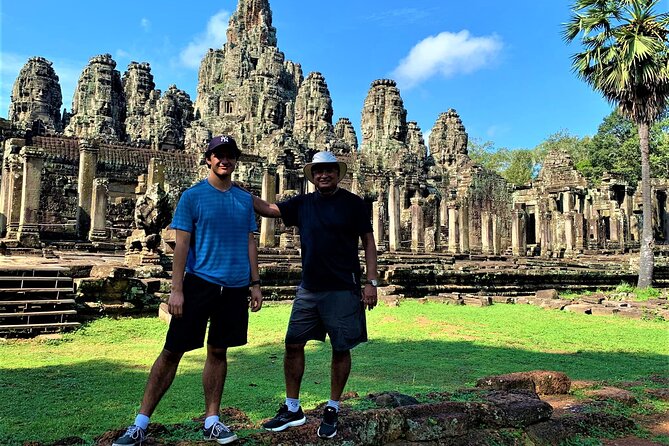
This tour is built around comfort moves. Hotel pickup and drop-off remove decision fatigue. The private luxury air-conditioned vehicle helps you recover between temples rather than arriving cooked. And the tour includes bottled water and a cool fresh towel throughout.
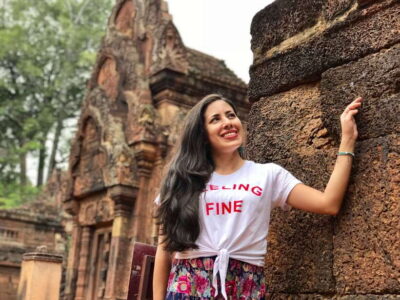
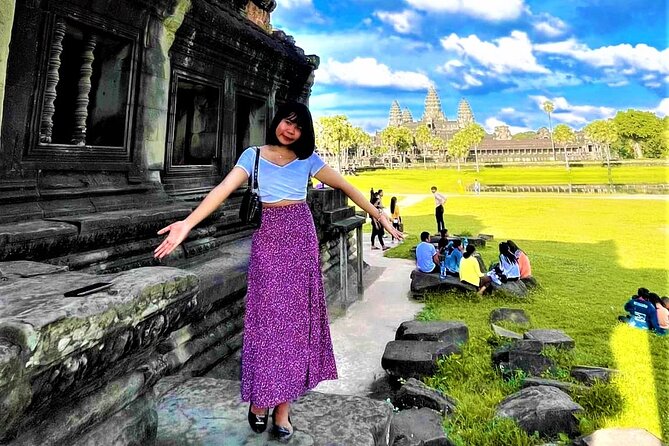
Your biggest “do it now” checklist is dress. You’re asked to dress appropriately: cover your shoulders and wear trousers or knee-length pants or skirts. This isn’t just rule-following. It keeps you from getting stuck at entry points with no way to fix the problem quickly.
For photos, the tour is designed around snapping opportunities across major stops: Angkor Wat, Angkor Thom, Bayon, Ta Prohm, and the floating village. Still, at major temples, you’ll get better results if you’re okay with waiting for angles and avoiding rushing.
Price and Value: Entrance Fees, Meals, and What’s Included
Let’s talk value honestly. The $170.05 per person price includes guide, transportation, and the private Tonle Sap cruise. It also includes water and cool fresh towels, plus pickup and drop-off.
It does not include:
- Tips for tour guide and driver
- Entrance fees through the Angkor Pass (your guide assists you in purchasing it at Angkor Park)
- Meals (lunches are available at local restaurants, vegetarian and non-vegetarian options, around $3–$10 per dish)
That Angkor Pass note is important. The guide will assist with purchasing it before starting in the Angkor Park area, which saves you time and confusion. You just need to have the cash/card ready when you get there.
On meals, the tour doesn’t trap you in one restaurant. You can usually choose what fits your appetite that day. If you want an easy lunch without thinking too hard, you’ll still be able to do that at local spots near the route.
A Word on Guides: What Better Feels Like Here
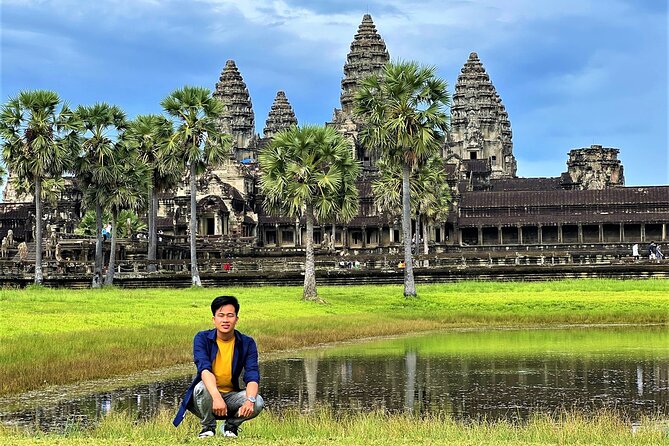
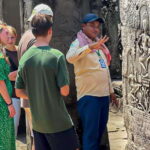
A big reason to choose a licensed private guide is how it changes the feel of the ruins. In one example, a guide named Sokmeng was described as highly informative, professional, and helpful—plus a driver who cared about the small things.
You don’t need a lecture at every stop. You want context. In-depth commentary helps you connect Bayon to the wider royal center, Ta Prohm to the tree-shrouded vibe, and Angkor Wat to the design-focused perfection people talk about.
If you like understanding what you’re seeing—without turning the day into a classroom—this tour’s style is a good match.
Who This Tour Fits Best (and Who Might Rethink It)
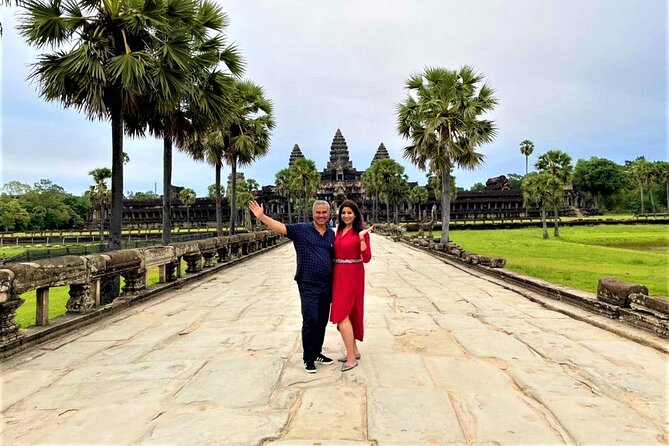
This is a strong fit if you:
- Want a private plan with only your group
- Like a guide who explains what you’re looking at
- Prefer comfort between ruins (AC vehicle, water, cool towel)
- Want both Angkor highlights and Tonle Sap life in just two days
It might be less ideal if:
- You want fully self-guided flexibility with zero planning
- You’re trying to travel at the lowest possible total cost (since entrance fees via Angkor Pass and lunches are extra)
- You dislike structured routes where major stops are pre-set
Should You Book This Siem Reap 2-Day Private Tour?
I think you should book this if your priority is a smooth, guided two-day experience that hits the most important Angkor sights plus Tonle Sap’s floating village, without you juggling transport details. The included comforts (pickup, AC car, bottled water, cool fresh towels, private cruise) help the day feel manageable, and the Angkor Pass assistance reduces stress when you arrive.
If you hate paying on top of the base price, factor in the Angkor Pass and meals up front. Once you do that, the rest is pretty straightforward: a licensed guide, private transport, and a route that gives you more than just the headline temples.
FAQ
FAQ
What is included in the tour price?
The tour includes hotel pickup and drop-off, a professional English-speaking licensed tour guide, private transport in an air-conditioned vehicle, a private cruise to Tonle Sap Lake and the floating village, and drink water plus cool fresh towels during the trip.
Do I need to pay entrance fees for the temples?
Yes. Entrance fees are not included. The tour uses the Angkor Pass to cover temples on the itinerary, and your guide assists with purchasing it at the entrance of Angkor Park.
What about meals during the tour?
Meals are not included. Lunches are available at local restaurants with both vegetarian and non-vegetarian options, and you pay for meals yourself (menu prices listed around $3–$10 per dish).
Is pickup from my hotel included?
Yes. Pickup and drop-off at your hotel are included, and you need to provide your hotel information.
Is there a cruise included on Day 2?
Yes. The tour includes a private cruise to Tonle Sap Lake and the floating village.
Which main Angkor sites are included on Day 1?
Day 1 includes Angkor Thom, Angkor Thom South Gate, Bayon Temple, Baphuon Temple, Phimeanakas Temple, Terrace of the Elephants, Ta Prohm, Angkor Wat, and Phnom Bakheng.
Which stops are included on Day 2?
Day 2 includes Tonle Sap Lake, Kampong Phluk Floating Village, Wat Preah Prom Rath, Artisans Angkor, West Baray, and Svay Romiet Pagoda.
How long is the tour?
It runs for 2 days (approx.).
What should I wear?
You should dress appropriately for ancient religious grounds. Cover your shoulders, and wear trousers or knee-length pants or skirts.
Is free cancellation available?
Yes, cancellation is free. You can cancel up to 24 hours in advance for a full refund based on local time cut-off rules.