REVIEW · SIEM REAP
Siem Reap: Angkor Wat Sunrise Tour with Spanish Guide
Book on GetYourGuide →Operated by Vamos Camboja Turismo · Bookable on GetYourGuide
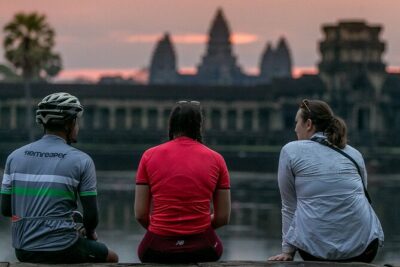
Sunrise at Angkor Wat changes your whole morning. I like that this tour is built around the sunrise timing and a Spanish-speaking guide who knows where to stand and how to get your photos right. In the best cases, the guide (names like Mario and Sovuth Sun come up often) also brings a photographer’s eye and keeps the stories moving, so temples feel less like stamps on a map and more like lived history.
The second thing I love is the mix of viewpoints: you get the big “wow” sites, plus guided explanations that connect temples to the Khmer Empire’s ideas and rulers. One consideration: the Angkor Archaeological Park entrance ticket isn’t included, so your total cost is higher once you add it in.
In This Review
- Key highlights at a glance
- Why an Angkor Wat sunrise tour feels different (especially at this pace)
- Day 1: Angkor Wat sunrise and the Main-temple circuit you actually remember
- Hotel pickup and sunrise at Angkor Wat (the core moment)
- Ta Prohm: the “Tomb Raider” feeling, with a reason behind it
- Victory Gate: short stop, high payoff photos
- Angkor Thom: royal city walls and a long guided walk
- Terrace of the Elephants, Baphuon, and Bayon: where the carvings do the talking
- The best parts of the route (and why the order matters)
- Day 2 option: Grand Circuit plus Banteay Srei for more space and more carving detail
- Pre Rup: temple mountain views (good for patience)
- East Mebon: an island temple memory
- Ta Som: quieter corners and a strangler fig tree
- Neak Pean: a small island on a man-made lake
- Preah Khan: a maze-like complex tied to King Jayavarman VII
- Lunch break (not included)
- Banteay Srei: pink sandstone and fine carvings
- Price and real value: what $65 covers, and what it doesn’t
- Transportation and group size: tuk tuk vs van changes the comfort level
- What to bring and how to dress (so you don’t get stuck at the gate)
- Bring these
- Dress code reality check
- Who this tour is best for (and who should rethink it)
- Should you book the Spanish Angkor Wat Sunrise Tour?
- FAQ
- Is the Angkor Archaeological Park entrance ticket included in the tour price?
- What time is pickup for the sunrise day trip?
- What temples are included on the 1-day Small Circuit option?
- What’s added on the 2-day extended option?
- Is the guide Spanish-speaking?
- What should I bring for the early morning and temple visits?
- What is the cancellation policy?
Key highlights at a glance
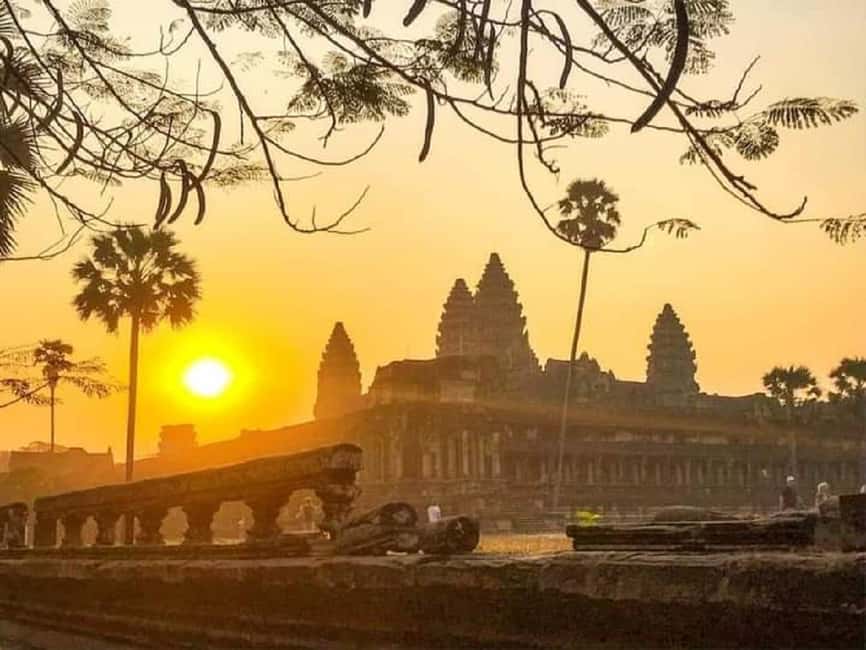
- Sunrise timing at Angkor Wat with an early pickup from Krong Siem Reap
- Spanish live guide with clear temple storytelling and photo guidance
- Best-picture stops, including dedicated photo time at Victory Gate
- Small Circuit + Main temples on Day 1 for a focused, high-impact route
- Grand Circuit + Banteay Srei on Day 2 for a longer, less rushed day
- Cooling perks like cold water and a cold towel after temple walking
Why an Angkor Wat sunrise tour feels different (especially at this pace)
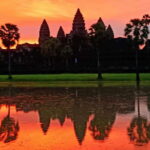
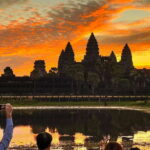
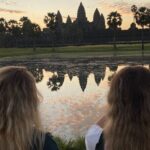
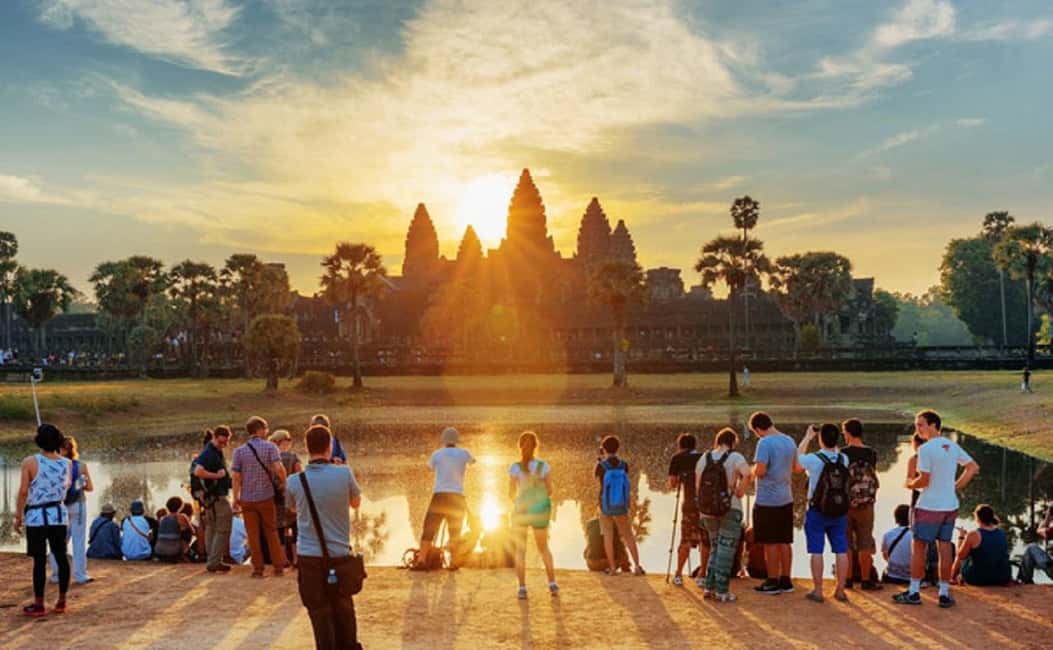
Angkor Wat at sunrise is one of those rare moments where the place is bigger than the photos. Early morning light makes the stone look warmer, and the crowds haven’t fully arrived yet. With pickup between 04:30 and 05:00 AM, you’ll be up early, yes, but you’re also buying yourself a calmer, more photogenic experience.
I also like that the guide’s job isn’t just translating words. The better Spanish guides on this kind of route help you understand what you’re seeing, then point you to practical angles. That matters at Angkor, where you can easily waste time chasing the perfect view in the wrong spot. When someone like Mario or Sovuth Sun is guiding, the tone tends to be hands-on: you get tips for timing, viewpoints, and getting the shot without blocking other people.
The itinerary is also structured so you don’t burn the day before the highlight. You’ll do Angkor Wat first, then transition through the Main temples while your energy is still decent. That’s smart, because the later you start, the more the heat and crowds start to steer your day.
You can also read our reviews of more guided tours in Siem Reap
Day 1: Angkor Wat sunrise and the Main-temple circuit you actually remember
Day 1 is designed as a “big hits” morning, ending around 12:00 PM and bringing you back to your hotel in Siem Reap city. That timing is a real quality-of-life factor. You’re not left with your whole afternoon to figure out how to recover from temple fatigue.
Hotel pickup and sunrise at Angkor Wat (the core moment)
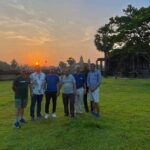
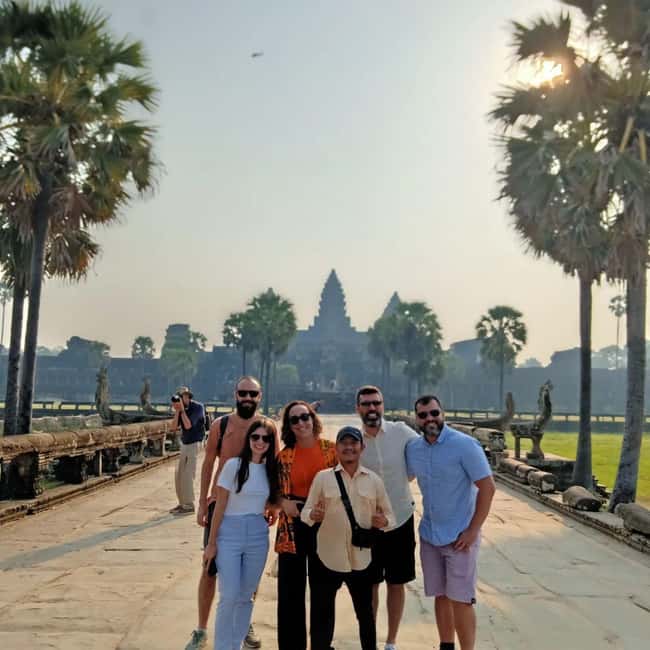
Pickup is from your hotel area in Krong Siem Reap between 04:30 and 05:00 AM. You’ll ride to the Angkor area, then watch the sunrise for about 1.5 hours.
Practical tip: plan for breakfast. The tour recommends bringing a breakfast box from your hotel or packing snacks, because you’ll likely be on the move before you can comfortably eat. If you forget, you might still find food in the zone, but your schedule is tight enough that having something ready helps you stay pleasant.
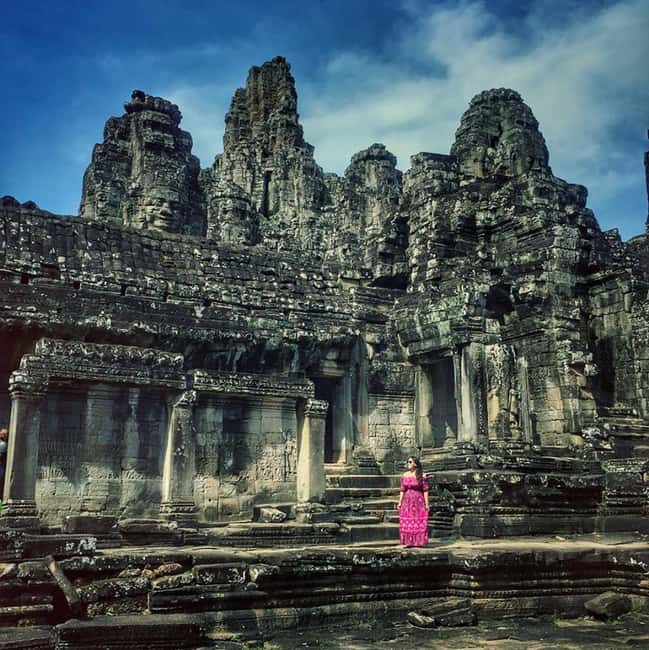
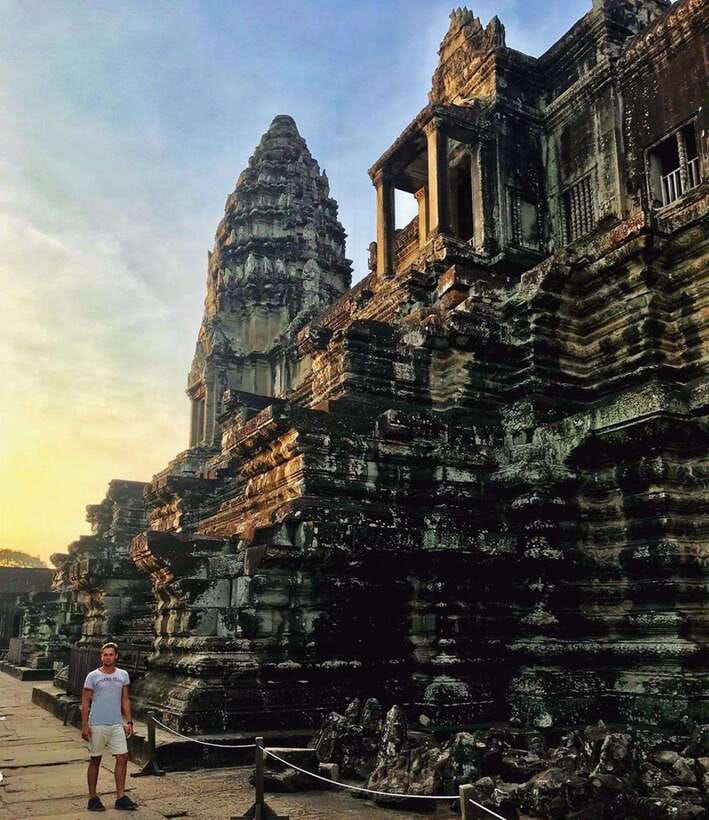
Once you’ve had your sunrise moment, you’ll start the guided visit inside Angkor Wat (about 1.5 hours). This is where a good Spanish guide earns their keep. Instead of just naming halls and towers, they help you read the place: where you are in the complex, what the layout is trying to communicate, and why the design looks the way it does.
Ta Prohm: the “Tomb Raider” feeling, with a reason behind it
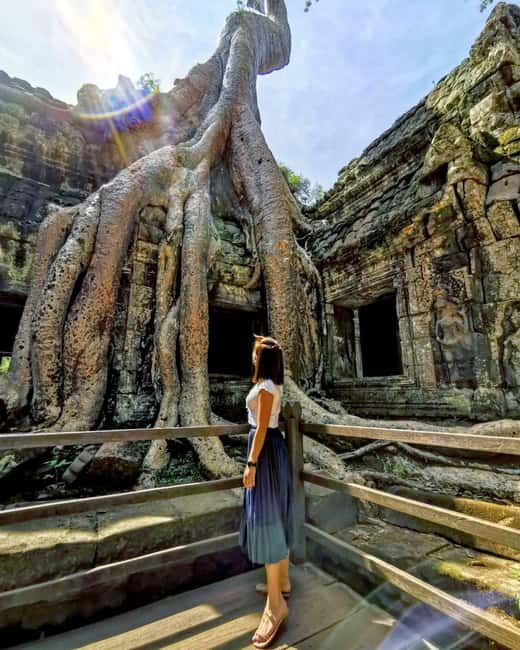
After Angkor Wat, the tour moves to Ta Prohm, the famous temple where roots and ruins have a starring role. You’ll get a short break and breakfast time (about 30 minutes), then another guided visit here (about 1 hour).
Ta Prohm can feel like a movie set if you only look for the drama. I like that with a guide, you can connect the atmosphere to what the temple represents and how the surrounding growth interacts with the stone. You’ll walk slowly enough to see textures: worn carvings, the way the structures frame the trees, and the contrast between carved detail and nature’s takeover.
A heads-up: Ta Prohm is photogenic but also busy. The guide’s photo focus helps you choose angles quickly rather than wandering while the best light slips away.
Victory Gate: short stop, high payoff photos
Next is Victory Gate. You get a photo stop of about 10 minutes. This is one of those “quick but worth it” moments where you want the architecture cleanly framed. A guide can help you pick a spot that lines up the perspective without you having to do guesswork.
If you’re the type who likes to take photos from the same angle repeatedly to compare later, this stop is handy. You have a defined window, so you won’t lose the whole route to one location.
You can also read our reviews of more tours and experiences in Siem Reap

Angkor Thom: royal city walls and a long guided walk
Then you’ll enter Angkor Thom, the former royal city. The guided visit here is about 105 minutes, which is long enough that it won’t feel like a drive-by.
This part of the day is where the Khmer Empire stories start to click. You’re not only looking at temples. You’re moving through a designed space—gates, walls, and courtyards—that reflects power and planning. The guide’s job is to translate what those pieces mean, and that’s how you start noticing small details: how the layout guides movement, where symmetry matters, and why certain faces or carvings show up again and again.
Terrace of the Elephants, Baphuon, and Bayon: where the carvings do the talking
Within the Angkor Thom area, you’ll also visit:
- Terrace of the Elephants (about 20 minutes)
- Baphuon (about 30 minutes)
- Bayon (about 45 minutes)
These stops are shorter than Angkor Thom overall, but they’re high value.
Terrace of the Elephants is a viewing and ceremonial platform, and the elephant reliefs are the kind of detail you only notice if you slow down. A guide can point out what to look for, so you’re not just photographing “elephants,” but reading the theme.
Baphuon is a restored temple mountain and the symbolism of Mount Meru is part of why it matters. If you only see it as a mound of stone, you miss the point. With guidance, you’ll understand why it’s positioned and built to suggest a cosmic center.
Bayon is the face temple: known for 54 towers with over 200 smiling faces. Even if you’ve seen the images online, the real thing is different. Up close, you see weathering and carving style, and you understand why the guide’s commentary matters. You’ll finish with Bayon as one of the most memorable “endpoints” of the whole circuit.
The best parts of the route (and why the order matters)
This tour’s order is doing something smart: it saves the most intense emotional visuals for early, then you settle into the dense architectural core.
- You start with Angkor Wat sunrise, which is the one moment that can’t be faked by a different time of day.
- You then move into Ta Prohm, where morning light still helps the trees and stone textures pop.
- You finish with Bayon, where the faces are easiest to enjoy when you’re not already cooked by midday heat.
Also, the itinerary doesn’t try to cram everything in. The Small Circuit focus on Day 1 means you return to your hotel while you still have enough energy for dinner plans—not just a shower and collapse.
Day 2 option: Grand Circuit plus Banteay Srei for more space and more carving detail
If you choose the 2-day option, you add more temples and a trip out to one of the most celebrated carving sites: Banteay Srei. Day 2 starts later, with pickup at 08:30 AM, and typically wraps around 4:30–5:00 PM depending on pace and traffic.
This second day is for you if you prefer fewer “racing moments.” It’s also for you if you want the Khmer world to feel bigger than just Angkor Wat and the classic faces.
Pre Rup: temple mountain views (good for patience)
Pre Rup is described as a brick and laterite temple mountain that was used for royal cremations. That kind of background changes how you look at it. Instead of treating it like a viewpoint stop, you start thinking about ritual and time.
East Mebon: an island temple memory
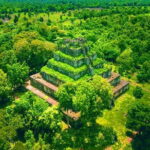
East Mebon is a 10th-century temple that once stood on an island in a large reservoir. Even if you don’t get the original island feeling exactly as it was, the story helps. It becomes a lesson in how landscapes were engineered around temples.
Ta Som: quieter corners and a strangler fig tree
Ta Som is known for a peaceful atmosphere and a strangler fig tree engulfing the eastern gate. This stop is good when you’re tired of standing in the same crowd spots. You’ll have time to notice how the tree and architecture interact, and why the site feels different from Ta Prohm’s more famous drama.
Neak Pean: a small island on a man-made lake
Neak Pean sits on a man-made lake and relates to healing rituals through sacred pools. That’s a useful context because it steers you from “nice scenery” into “designed sacred function.” Even the scale feels intentional here.
Preah Khan: a maze-like complex tied to King Jayavarman VII
Preah Khan is described as a vast, maze-like complex dedicated to King Jayavarman VII’s father, with Hindu and Buddhist symbolism. If you enjoy sites that reward slow walking and repeated glances, this is your kind of stop. It also helps to have a guide here because the layout can feel like you’re wandering unless someone explains the bigger structure.
Lunch break (not included)
You’ll stop for lunch at a local restaurant, but lunch isn’t included. This is one place where you’ll want to plan your cash on hand, since the tour itself doesn’t cover it.
Banteay Srei: pink sandstone and fine carvings
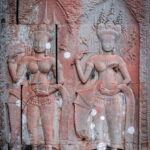
Then comes Banteay Srei, about 37 km from Siem Reap. It’s known for its pink sandstone and fine, detailed carvings, often described as the jewel of Khmer art. This is the stop that often makes people glad they did the 2-day route.
Why it’s worth the extra travel: Banteay Srei is a change of texture and scale. Instead of giant massing and towering faces, you get precision. With guidance, you’ll learn to notice carved patterns rather than treating it as just pretty stone.
Price and real value: what $65 covers, and what it doesn’t
The stated price is $65 per person, and it covers a Spanish-speaking guide, hotel pickup and drop-off in Siem Reap city, transportation (tuk tuk for 1–2 people or an air-conditioned van/bus for larger groups), plus cold water and a cold towel.
But you also need to factor in the big line item: the Angkor Archaeological Park entrance ticket.
- About $37 per person for 1 day
- About $62 per person for 2–3 days
So your likely totals are roughly:
- Day 1: $65 + $37 = $102
- 2-day option: $65 + $62 = $127
That can still be good value because sunrise access plus guided storytelling plus organized transportation is hard to DIY without spending your own time coordinating. Also, the tour notes skip-the-ticket-line support, which saves time when you’re already running on early-morning energy.
The trade-off is simple: you’ll pay more than $65 on arrival. If you hate surprise costs, budget for the ticket before you go.
Transportation and group size: tuk tuk vs van changes the comfort level
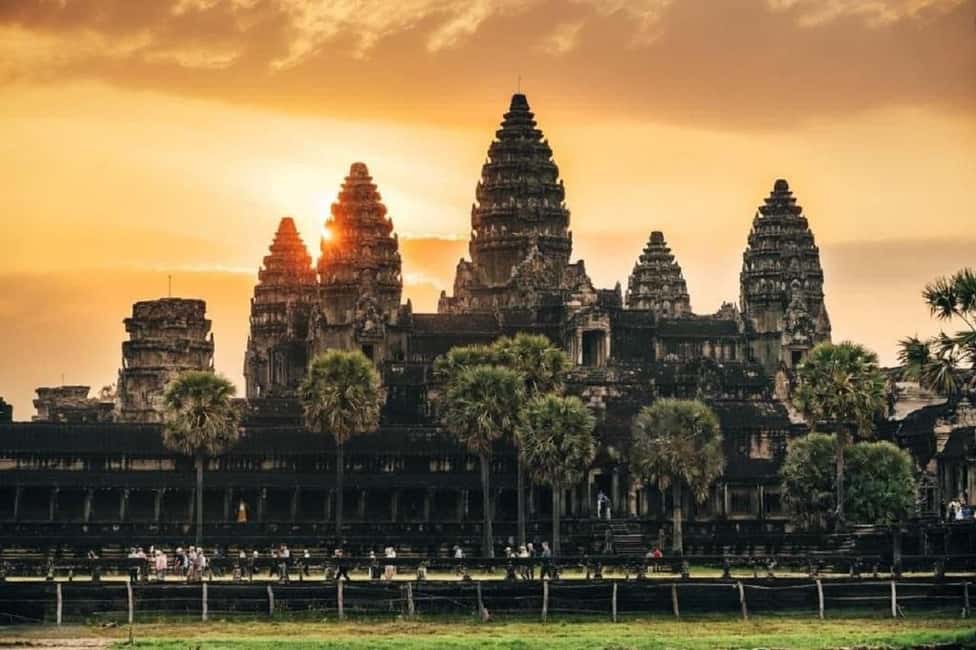
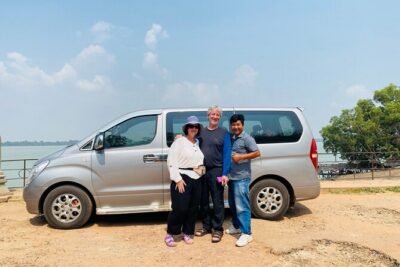
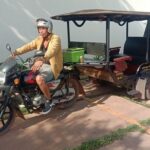
You may ride in a tuk tuk if you’re 1–2 people, or in an air-conditioned van/bus if you’re in a bigger group (3+). Either way, hotel pickup and drop-off are included, so you’re not negotiating rides at the most inconvenient hours.
I like that the tour offers private or small groups. On a temple route, small-group pacing is what keeps you from feeling like a human pinball between sites. You still get the sunrise moment and the guide doesn’t vanish after a quick “here’s the view.”
Also, you get cold water and a cold towel, which sounds minor until you’re walking in heat and humidity. It’s the kind of included comfort that helps you keep your day enjoyable.
What to bring and how to dress (so you don’t get stuck at the gate)
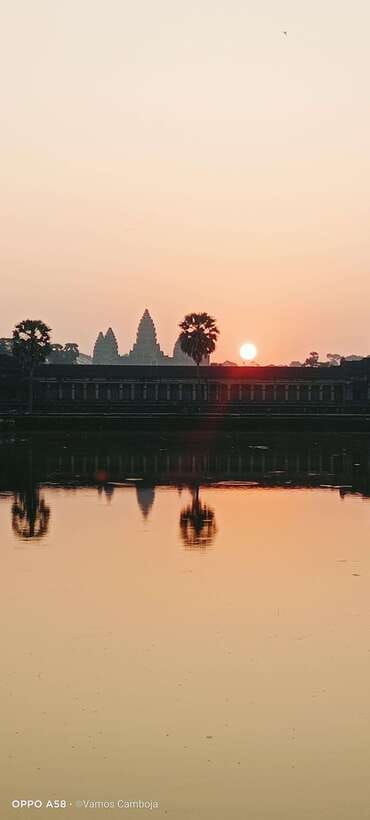
The tour is specific about what to bring and what not to wear. Take that seriously, because temple rules are strict.
Bring these
- Comfortable shoes (you’ll be on uneven stone)
- Sunglasses and a sun hat/hat
- Camera if you’re into photos
- Sunscreen
- Insect repellent (biodegradable is specifically mentioned)
- Cash
- Cash is listed, so have it ready for the lunch on Day 2 (since lunch isn’t included)
Dress code reality check
You can wear a scarf to cover knees and shoulders for many temples. But the rules are clearer than people think:
- Shorts and short skirts aren’t allowed
- Sleeveless shirts aren’t allowed
- Except Angkor Wat, you must wear pants and skirts that cover the knees and shirts that cover the shoulders
Also, alcohol and drugs are not allowed. If you’re trying to do this in the same outfit you’d use for a beach day, plan for a change before you head out.
Who this tour is best for (and who should rethink it)
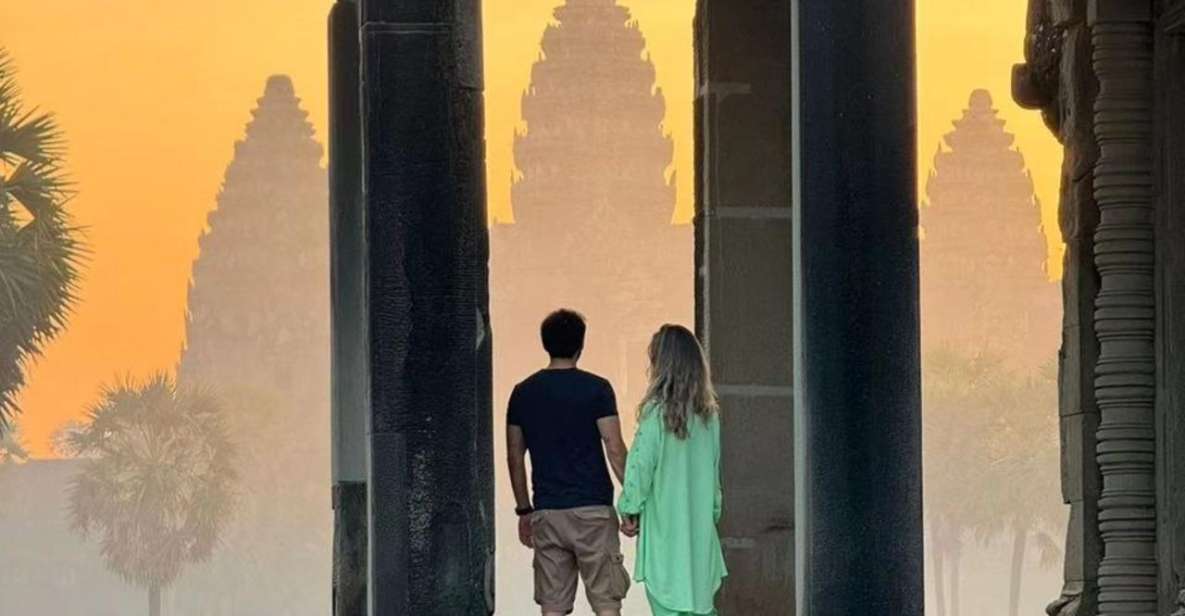
This tour fits best if you:
- Want a guided Spanish experience in Siem Reap
- Like structured days with a defined end time
- Care about photo angles and not just ticking boxes
- Prefer sunrise and iconic temples without spending your whole day in transport
It might be less suitable if you:
- Need wheelchair access (it’s not suitable for wheelchair users)
- Travel with very young babies (not suitable for babies under 1 year)
- Have mobility limits that struggle with early starts and walking-heavy temple terrain
- Are planning for late-morning energy only (this is built around very early pickup)
Should you book the Spanish Angkor Wat Sunrise Tour?
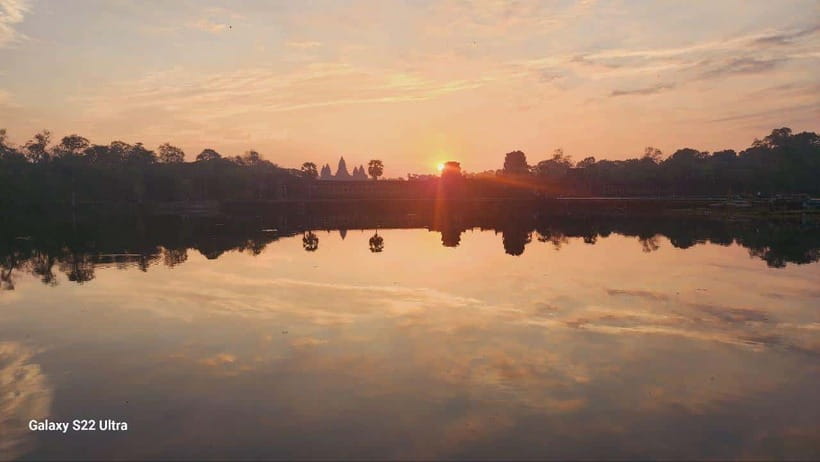
If you’re coming to Siem Reap for the first time, I think this is an easy yes—especially if you want the sunrise moment to be organized and meaningful. Paying for a guide here is worth it because you get context and practical help with where to stand, plus a route that moves logically from Angkor Wat to the heart of Angkor Thom.
Choose the 1-day Small Circuit if you want one unforgettable morning and a quick return to enjoy the rest of your day. Choose the 2-day option if you want quieter temples, more walking time, and the carving focus of Banteay Srei.
Just do one homework task before you go: budget for the entrance ticket and plan your breakfast/snack situation for that early start. Get those two right, and this tour can be one of your strongest Cambodia memories.
FAQ
Is the Angkor Archaeological Park entrance ticket included in the tour price?
No. The entrance ticket is not included. It’s listed as about USD 37 per person for 1 day and about USD 62 per person for 2–3 days.
What time is pickup for the sunrise day trip?
Pickup from your hotel in Krong Siem Reap is between 04:30 AM and 05:00 AM for the sunrise at Angkor Wat.
What temples are included on the 1-day Small Circuit option?
Day 1 includes sunrise at Angkor Wat and visits to Ta Prohm, Victory Gate (photo stop), Angkor Thom, Terrace of the Elephants, Baphuon, and Bayon.
What’s added on the 2-day extended option?
Day 2 adds the Grand Circuit temples: Pre Rup, East Mebon, Ta Som, Neak Pean, Preah Khan, and then Banteay Srei. Lunch is included as a break but lunch itself is not included.
Is the guide Spanish-speaking?
Yes. The live tour guide speaks Spanish.
What should I bring for the early morning and temple visits?
Bring comfortable shoes, sunglasses, a sun hat, a camera, sunscreen, insect repellent (biodegradable is mentioned), and cash. The tour also recommends you bring snacks or a breakfast box for the early morning.
What is the cancellation policy?
You can cancel up to 24 hours in advance for a full refund.