REVIEW · SIEM REAP
Private 2 Days Angkor Wat Sunrise, Floating Village & Beng Mealea
Book on Viator →Operated by Siem Reap Guide · Bookable on Viator
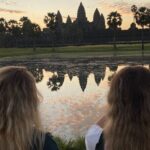
Angkor Wat at sunrise hits different. This private 2-day Siem Reap tour strings together the big sights with real pace, starting before the crowds and ending in the jungle at Beng Mealea. I love how it mixes iconic temples with a Tonle Sap floating village visit, so you get more than just stones and carvings.
Two things I really like: the guide team makes the temples easier to read, and the small comfort details help your day not fall apart after all that walking. On my tour experience, the guides Han and Yanos (and the driver Tata) were the kind of calm, practical crew who keep the rhythm moving, with fresh cold water and even eucalyptus toilet breaks after temple stops.
One thing to consider: a lot of the major temple admissions are not included in the price, so your final spend will depend on the entry fees you buy on the day. You’ll also want to plan for meals, since meals and soft drinks aren’t part of the package, and the early start means you’ll feel it.
In This Review
- Key highlights at a glance
- Why this private 2 days starts with Angkor Wat sunrise
- Day 1: Angkor Thom, Ta Prohm, and the terraces you might not plan on
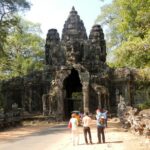
- Bayon Temple: the faces that do the judging
- Ta Prohm: the movie set that still feels real
- Baphuon and the view from above
- Terrace of the Elephants and Terrace of the Leper King
- Day 2: Kompong Khleang on Tonle Sap and the real-life stilt world
- Beng Mealea’s jungle temple: when “untouched” is the point
- Price and logistics: what $279 really buys
- Transport and comfort: small details that matter at Angkor
- What this tour is best for (and where you might want a different plan)
- Tips to get the most from Angkor, the lake, and Beng Mealea
- Should you book this 2-day private Angkor sunrise, floating village, and Beng Mealea tour?
- FAQ
- How long is the tour?
- Is this a private tour?
- What’s the group size for this private tour?
- What’s included in the price?
- Are meals included?
- Are Angkor Wat and Beng Mealea entrance fees included?
- What floating village do you visit?
- Is pickup offered, and do I get a mobile ticket?
Key highlights at a glance
- Angkor Wat sunrise timing so you can see the temple in its best morning light
- A guided temple route across Bayon, Ta Prohm, and Baphuon across both ancient and jungle-overgrown styles
- Kompong Khleang floating village on Tonle Sap with local life on stilts and boats
- Sampan boat rides (about 2 hours) that slow your pace down on the lake
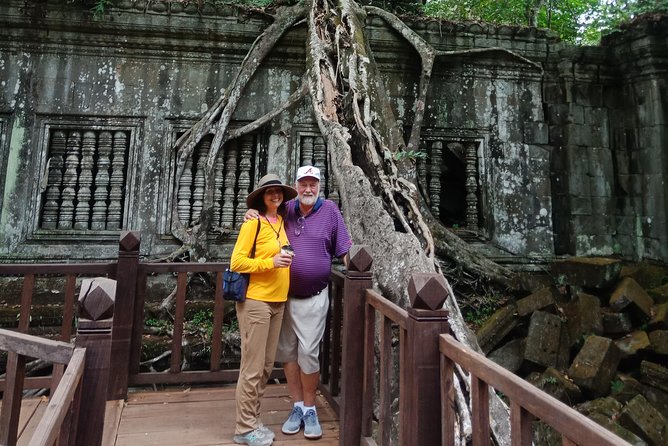
- Beng Mealea’s outback feel with an “untouched jungle temple” experience
- Cold waters, wipes, and thoughtful break stops powered by a private guide and driver team
Why this private 2 days starts with Angkor Wat sunrise
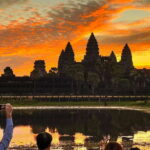
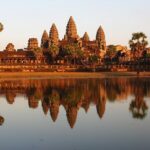
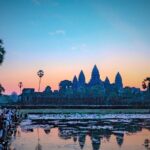
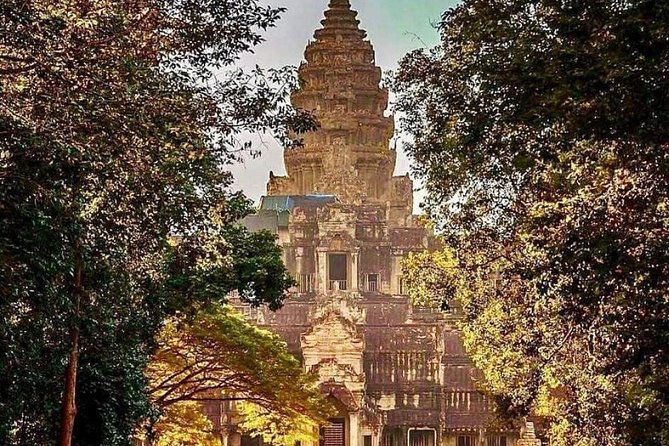
Sunrise at Angkor Wat is the headline because the light is softer and the whole place feels quieter. You’re looking at the most famous temple in Cambodia with the added bonus of being there while the day is still waking up. The tour schedules the Angkor Wat portion for about 3 hours, which gives you time not only to see the first glow, but also to explore without feeling rushed.
The other big value here is that this is private. That means you’re not stuck in a conveyor belt line where you do the photo, then sprint. Instead, your guide can help you move between viewpoints and temple sections in a sensible order so you actually understand what you’re looking at.
Do note one practical item: Angkor Park admission is not included, so you’ll want to have the right ticket sorted before you show up. The tour description also notes a mobile ticket, which can make entry smoother if you’ve got your phone ready.
You can also read our reviews of more private tours in Siem Reap
Day 1: Angkor Thom, Ta Prohm, and the terraces you might not plan on
Day 1 is where you pack in the classic Angkor story arc, and it works because the stops are grouped. You start at Angkor Wat and then move into Angkor Thom, where the temple styles shift from grand Hindu structures to Buddhist influence and jungle presence.
Bayon Temple: the faces that do the judging
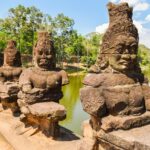
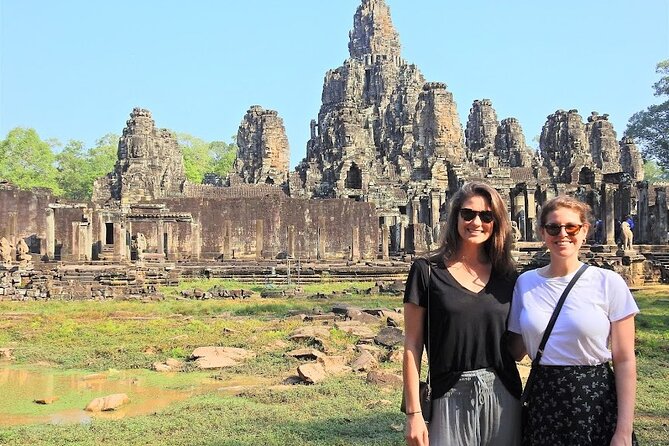
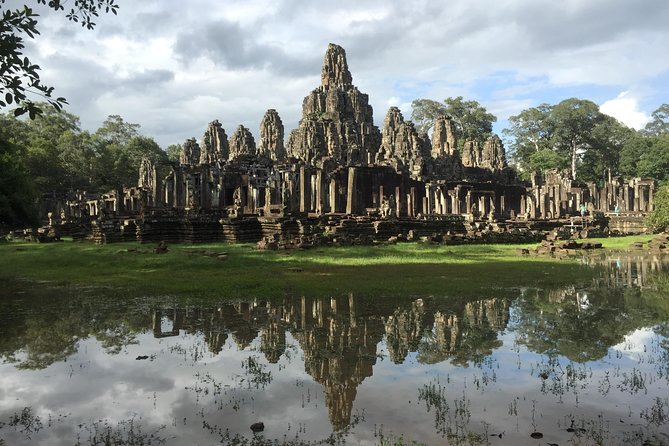
After the morning at Angkor Wat, you head to Bayon, known for the Buddhist smiling faces. The stop is short—about 45 minutes—so it’s built for a focused visit rather than a long wander. This is a good length if you want to see the main towers, notice the faces from different angles, and still keep energy for the next jungle section.
If you like details, ask your guide to point out how the faces repeat across the towers and what that symmetry is doing visually. With a guide, it’s easier to avoid just staring up and hoping it makes sense.
Ta Prohm: the movie set that still feels real
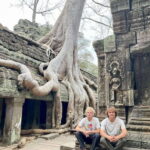
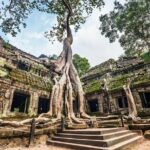
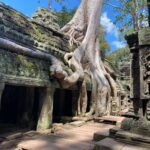
Then comes Ta Prohm, the famous jungle-overgrown temple often associated with Tomb Raider vibes. You get about 1 hour here, which is enough to move through the main corridors, pause for the big roots, and catch the “how is this still standing?” feeling. This stop can get busy, but your private pacing helps you get more calm moments in between people.
A practical note: ground can be uneven and footing can change as the temple rooms get more overgrown. Wear shoes you don’t mind getting a bit dusty. You’ll walk more than you expect, because Ta Prohm rewards slow movement.
Baphuon and the view from above
Next is Baphuon Temple, inside Angkor Thom. You’ll get around 40 minutes, and the highlight is that you can climb for one of the best views in the area. The description mentions Hindu myth carvings, a reclining Buddha from the 16th century, and plenty of sculptural storytelling.
This stop is a nice counterbalance: after the wild feeling of Ta Prohm, Baphuon feels more structured. It’s also a good time to catch a breath, because the physical climb is its own rhythm—short bursts rather than nonstop walking.
You can also read our reviews of more tours and experiences in Siem Reap
Terrace of the Elephants and Terrace of the Leper King
Finally on Day 1 you have two smaller but memorable sculpture stops: the Terrace of the Elephants (about 20 minutes) and the Terrace of the Leper King (about 20 minutes). These aren’t always the first ones people plan, which is exactly why they’re worth including. You get detailed carvings involving horses and elephants, and then the Leper King terrace with creatures and a famous figure missing fingers and toes.
The benefit of keeping these to about 20 minutes is that they don’t steal the whole day. Instead, they add texture. After a full day of bigger temples, these terraces give you a different kind of “wow,” more about sculpture and storytelling than scale.
Day 2: Kompong Khleang on Tonle Sap and the real-life stilt world
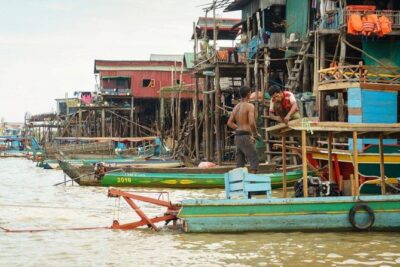
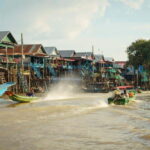
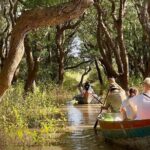
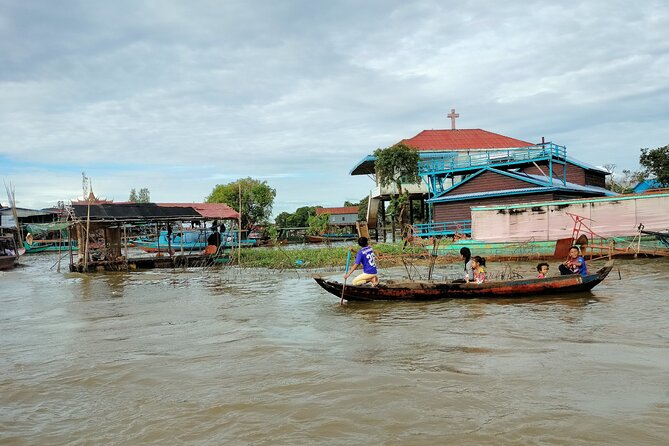
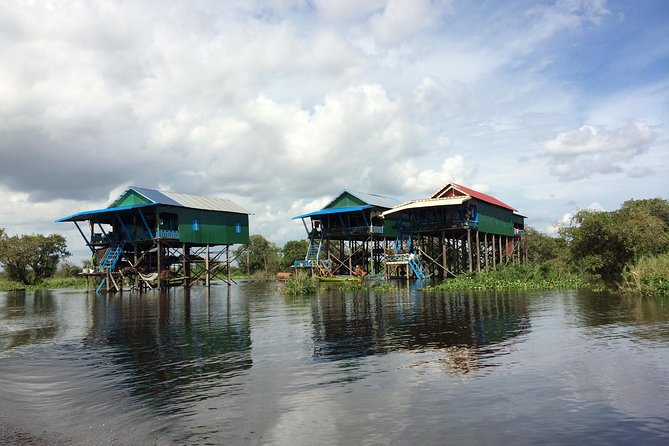
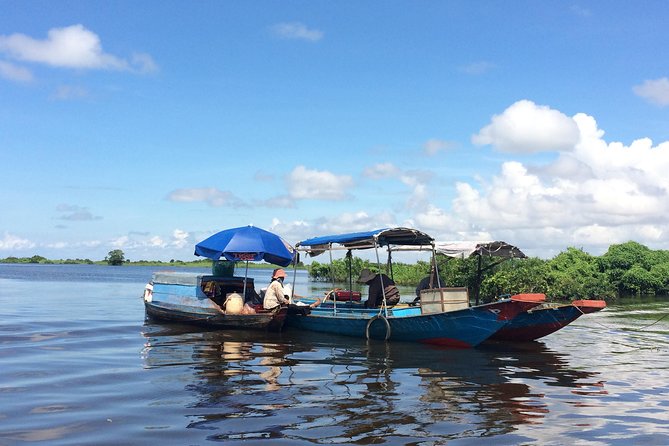
Day 2 shifts from temple stone to lake life. The tour visits Kompong Khleang, described as one of the best and largest fishing/floating villages on the Tonle Sap Lake, with a population over 20,000. You’re there for about 3 hours total, and that includes sampan boat rides that last roughly 2 hours.
This is one of the tour’s smartest choices because it changes your brain. You go from carvings and ruins to everyday life on stilts and boat-houses—an experience that feels both distant and familiar. If you’ve ever watched people live close to water, this is a clear view of how a community adapts to flooding and seasons.
The boat portion is the big event. You’ll be riding out on the lake as the village life slides past you. It’s also calmer than temple crowds, since the rhythm is set by the water.
One more thing: the floating village is not just scenery. You’ll see practical infrastructure and learn how people live about 1,000 years ago is referenced in the tour description as part of the historical context of the community’s lifestyle. Even if you don’t treat that as a strict timeline, the point is clear: this is a long-running way of life shaped by the lake.
And yes, comfort matters. The tour includes cold waters and wipes, which helps on a warm day, especially after sun time.
Beng Mealea’s jungle temple: when “untouched” is the point
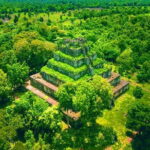
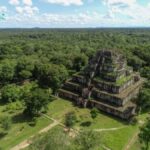
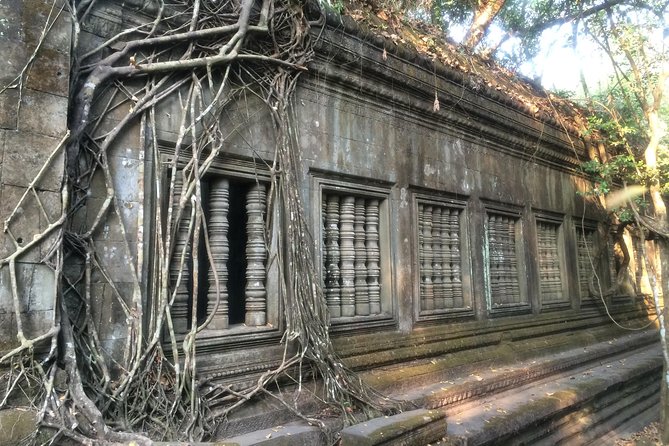
The second stop on Day 2 is Prasat Beng Mealea, described as the most untouched outback jungle temple. You spend about 2 hours here, and that time window matters because Beng Mealea is less about strict routes and more about exploring what’s fallen, grown over, and half-hidden.
What I like about putting Beng Mealea on this tour is the contrast. By Day 2, you’ve already seen major temple architecture and Buddhist faces. Then Beng Mealea throws you into a more rugged setting where the jungle is part of the experience. Your guide can help you understand what you’re seeing—where parts of the complex were, how the temple was laid out, and what the carvings imply even when stones are fractured.
One consideration is that it’s out in the open compared to some of the main Angkor zones, so you’ll be exposed to heat, sun, and humidity. The tour notes moderate physical fitness is needed, which is realistic for uneven ground and walking through temple ruins.
Also remember: Beng Mealea entrance is not included. So budget for that ticket separately from your Angkor admission.
Price and logistics: what $279 really buys
The tour price is listed as $279 per group (up to 10 in the price description), and the tour is described as private for groups up to around 12. If you’re traveling with friends or family, this kind of private pricing can be a solid deal because the cost is spread across a small team.
Here’s what you’re getting for that money:
- Private transportation for both days
- A private guide
- Cold waters and wipes
- Parking/toll/gas and the lake boat trip admission included for the floating village portion
Then here’s what you’ll likely pay separately:
- Angkor Park admission for the Angkor sites (not included)
- Beng Mealea entrance (not included)
- Meals and soft drinks (not included)
Value-wise, this is often a good option when you want convenience and interpretation. Sunrise at Angkor is great, but it’s not just about being there. It’s about understanding the layout, knowing where to look, and avoiding wasted time. A private guide helps you do that, and that can be worth more than saving a few dollars on a less guided option.
Another practical point: pickup is offered, and the tour notes a mobile ticket. If you prefer not to deal with ticket lines, that’s a plus.
Timing note: the experience is on a 2-day schedule, and it’s typically booked about 15 days in advance on average. That doesn’t mean you can’t book later, but it’s a hint that sunrise slots can go.
Transport and comfort: small details that matter at Angkor
You’ll spend a lot of time in the car between stops, and the tour provides private transportation. That’s not glamorous, but it’s effective. It reduces the stress of navigating and helps you keep your day on track.
The tour also includes cold water and wipes. That’s the sort of thing that feels unnecessary until you need it. Walking through stone corridors under the morning-to-midday heat can make you realize you’re thirsty and don’t want to guess where the next water is.
In the review details provided, the driver Tata is specifically mentioned for comfort and preparedness. Fresh cold water shows up, and the team also provided eucalyptus toilet stops after walks in the temples. That may sound like a small thing, but when you’re doing multiple temples in two days, it makes the experience much smoother.
If you’re planning what to bring, think practical: light layers, good shoes, and sun protection. You’ll thank yourself later.
What this tour is best for (and where you might want a different plan)
This private 2-day plan fits well if you want:
- Angkor Wat sunrise plus a structured temple route
- A floating village experience on Tonle Sap
- One day that feels like a sightseeing sprint, and a second day that slows down into nature and local life
It’s also ideal for groups who want flexibility but still like a plan. Because it’s private, the guide can pace you in a way that works for your energy.
The one mismatch could be if you hate early mornings. Sunrise means an early start by nature, and Day 1 is action-heavy with multiple stops. Another mismatch would be if you’re trying to keep costs strictly minimal, because temple admissions and meals aren’t included.
Finally, the tour asks for moderate physical fitness. That usually means you should be comfortable with uneven ground, steps, and some climbing at the temples.
Tips to get the most from Angkor, the lake, and Beng Mealea
1) Treat tickets as part of your plan, not an afterthought. Since Angkor Park admission and Beng Mealea entrance aren’t included, confirm what you need before you’re standing there trying to figure it out.
2) Build your day around shoes. You’ll do a lot of walking across temple grounds, plus Beng Mealea’s more rugged terrain. Closed-toe shoes help.
3) Use the breaks. If your guide offers water and wipes at transitions, take them. Hydration is one of the easiest ways to protect your energy on a temple-heavy itinerary.
4) Ask your guide to point out the repeating features. At Bayon, the faces look cool, but the meaning gets clearer when someone explains what you’re looking for. At the terrace stops, the carvings are easier to interpret with guidance.
5) On the boat ride, don’t rush photos. The point of the sampan section is seeing life as it moves past you. Take a few photos, then relax and watch how the village sits on and around the water.
Should you book this 2-day private Angkor sunrise, floating village, and Beng Mealea tour?
If you want an efficient, private plan that covers the top Angkor hits and still gives you a real change of scenery, I think this is a strong choice. You’re paying for more than transportation: you’re buying timing, guidance, and comfort across two very different days.
I’d especially recommend it if you like the idea of sunrise at Angkor Wat and you also want Tonle Sap life and an outback jungle temple rather than another day of only major temple ruins.
Skip it only if you’re trying to avoid extra entrance fees and you prefer a self-paced day. Otherwise, with a private guide team that includes Han and Yanos and with driver support like Tata, you’re set up to spend your limited time in Siem Reap seeing the right places in the right order.
FAQ
How long is the tour?
It’s listed as 2 days (approx.).
Is this a private tour?
Yes. It’s described as private, and only your group participates.
What’s the group size for this private tour?
The price is shown per group up to 10 people, and the tour is also described as private for groups up to about 12. Confirm the exact headcount limit when booking.
What’s included in the price?
Included items are private transportation, cold waters and wipes, a private guide, plus the admission for the boat trip connected with the floating village visit, along with toll roads, parking fees, and gasoline.
Are meals included?
No. Meals and soft drinks are not included.
Are Angkor Wat and Beng Mealea entrance fees included?
No. Admission for Angkor Park and entrance for Beng Mealea are not included.
What floating village do you visit?
The itinerary lists a visit to Kompong Khleang on Tonle Sap Lake, with sampan boat rides.
Is pickup offered, and do I get a mobile ticket?
Pickup is offered, and the tour description notes a mobile ticket.