REVIEW · SIEM REAP
Kulen Elephant Forest Siem Reap in Small Group
Book on GetYourGuide →Operated by Angkor Local Guide · Bookable on GetYourGuide
Elephants in a calm forest routine. This small-group trip to Kulen Elephant Forest is built around observation, gentle interaction, and seeing how retired elephants live in a protected wild setting. I like that it’s not just a quick photo stop, it’s a full half-day focused on how elephants choose their own time, and what their day looks like.
I love two things about this experience right away: you’ll help hand-make healthy snacks for the elephants before you meet them, and you get guided forest observation trekking (about 2 km) that turns the day into more than feeding. Plus, you’ll watch elephant social moments up close—how they interact, play, and move around—while learning from your English-speaking guide.
One thing to keep in mind: this center runs two tours per day, and even with respectful handling, any human schedule can add pressure for animals. It’s still an ethical option compared to captivity, but if you’re sensitive to the idea of timed visits, factor that in.
In This Review
- Key Things You’ll Notice on This Tour
- Kulen Elephant Forest: why this retirement setup feels different
- Getting to Kulen: the 1-hour drive and how to prepare
- First briefing and snack-making: where the trip sets its tone
- Observation trekking in the forest: seeing how elephants choose their time
- Daily life moments: meet handlers, learn behavior, and watch social dynamics
- Base camp at noon: traditional Khmer food and a needed reset
- Price and value: is $69 worth it?
- Who should book this small-group elephant forest tour?
- Should you book Kulen Elephant Forest in Siem Reap?
- FAQ
- FAQ
- Where do I meet for the tour in Siem Reap?
- How long is the Kulen Elephant Forest tour?
- What’s included in the price?
- Do I get food during the tour?
- What should I bring?
- Is this tour suitable for wheelchair users and pets?
Key Things You’ll Notice on This Tour
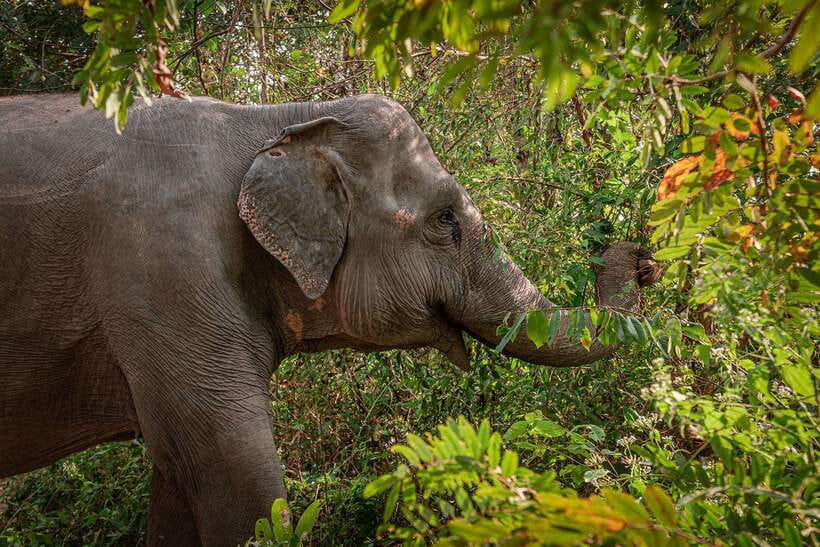
- Hand-making elephant snacks before you meet them, so you understand what you’re giving
- Small-group pacing that leaves room for watching, not rushing
- 2 km observation trekking through Cambodia’s forest with a guide leading the timing
- Pond and enrichment moments where you can see play and natural choices
- Traditional Khmer meal or snack at base camp before heading back
Kulen Elephant Forest: why this retirement setup feels different
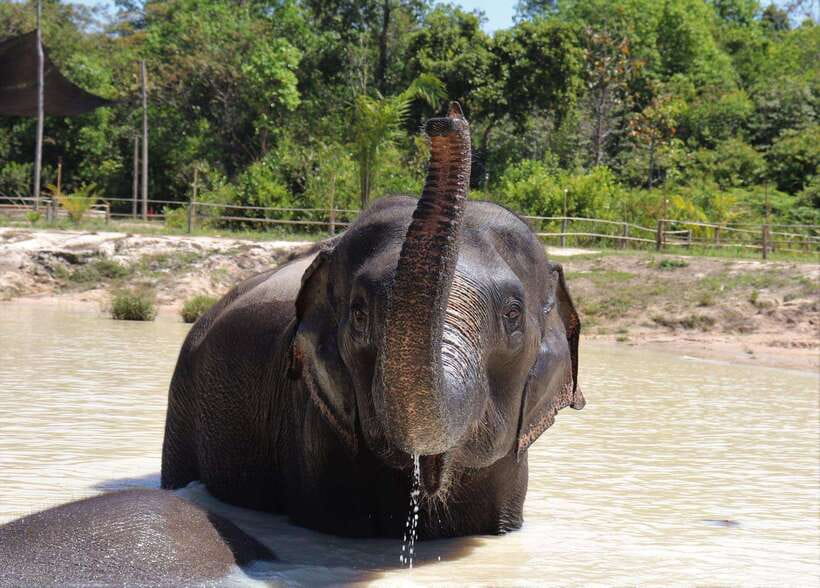
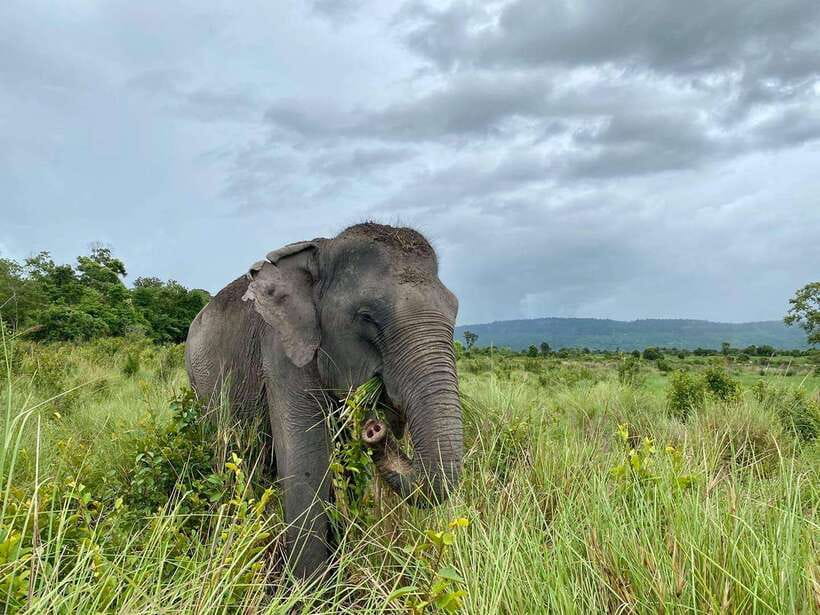
Kulen Elephant Forest (outside Siem Reap) is one of those experiences that reframes what you think you’re doing. Instead of chasing tricks, you’re watching retired elephants move through a protected patch of Cambodia forest life. The vibe is quiet and observational, and the goal is to see elephants as animals first, not entertainment.
From what I can tell, the biggest reason people leave happy is simple: these elephants are described as rescued or retired from working/captivity situations and cared for so they can live in a setting that supports them. One guide I’ve seen referenced—Tom—was called out as professional and informative, which matters. When you understand what you’re seeing (social behavior, feeding patterns, how elephants use shade and water), the whole visit clicks.
You’ll also feel the care system in the rhythm. You’re not just showing up to feed; you’re meeting handlers, making food, and then observing the elephants decide where they go and how long they stay. Even moments like enrichment and handlers assisting with bathing are framed as part of daily care—not performance.
You can also read our reviews of more tours and experiences in Siem Reap.


Getting to Kulen: the 1-hour drive and how to prepare
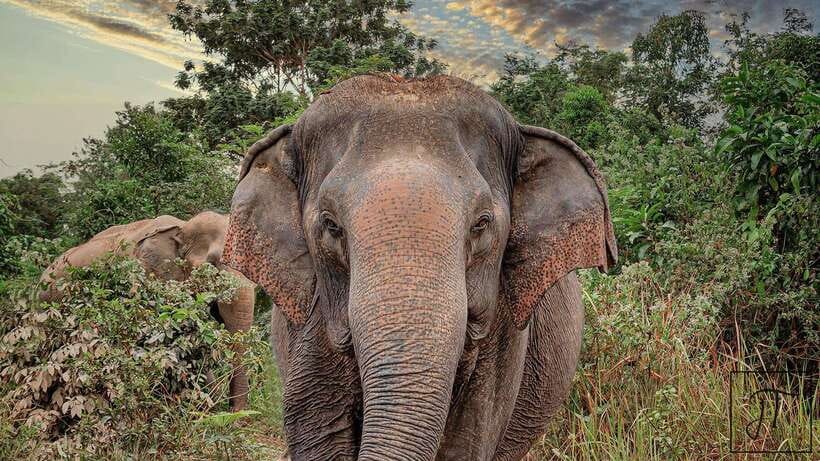
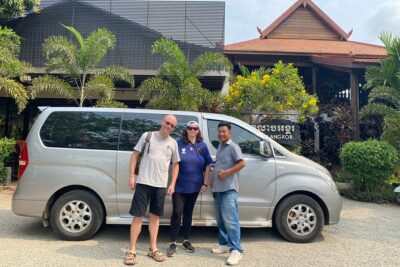
You start in downtown Siem Reap, where a shuttle picks you up from the meeting point and then brings you back to the same place at the end. Expect about a 1-hour scenic drive to Kulen Elephant Forest. In practice, that means you’re not spending your whole day trapped in transit, but you should still treat it like part of the experience.
What you pack really affects comfort here. You’re walking in a forest setting and you’ll be near active animals, so I strongly recommend:
- Insect repellent (non-negotiable in humid forest conditions)
- A hat for shade
- Camera for elephant moments and forest life
Also, plan for a hands-on day. You’ll be making snacks, then feeding and observing. Wear clothing that’s comfortable for walking and can handle getting a bit warm.
One more practical point: this tour is not suitable for wheelchair users. If mobility is an issue for you, ask before booking. The walking section and general uneven ground can make this hard.
First briefing and snack-making: where the trip sets its tone
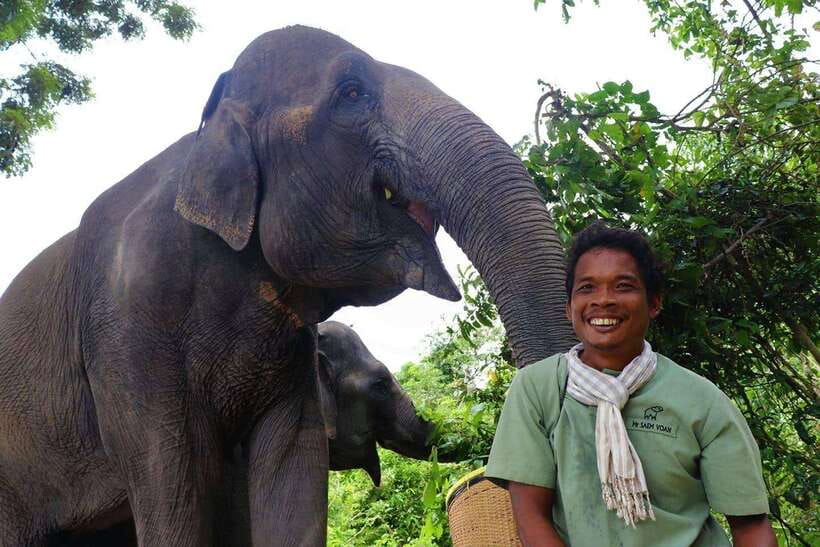
Before you meet elephants, you get an introductory briefing with your expert guide. This is where you learn what to expect and how to interact appropriately. The center doesn’t treat this as a casual encounter; it’s a guided, structured experience designed around elephant comfort.
Then comes one of the more memorable parts: hand-making healthy snacks for elephants. This isn’t just a ceremonial step. Making the food means you understand that you’re participating in care. And it also slows the day down in a good way—less waiting, more intentional preparation.
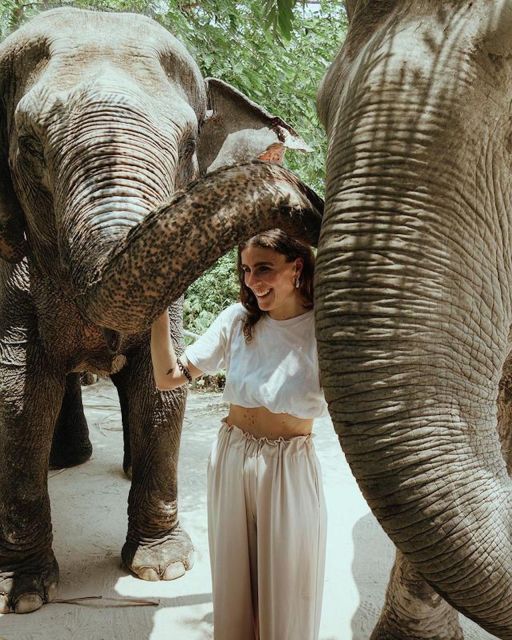
After that, you’ll do the elephant meet and greet and feeding. This is the “up close” portion people want, but the best version of this experience is when you keep your focus on calm observation. Watch how elephants approach, how they coordinate with each other, and how they respond to what you’re offering. Your guide’s explanations help you connect behavior to their daily needs.
If you’re prone to rushing for photos, remind yourself: the best moments are often the quiet ones—an elephant settling, a group moving together, or a pause near water. This tour is built for that pacing.
Observation trekking in the forest: seeing how elephants choose their time
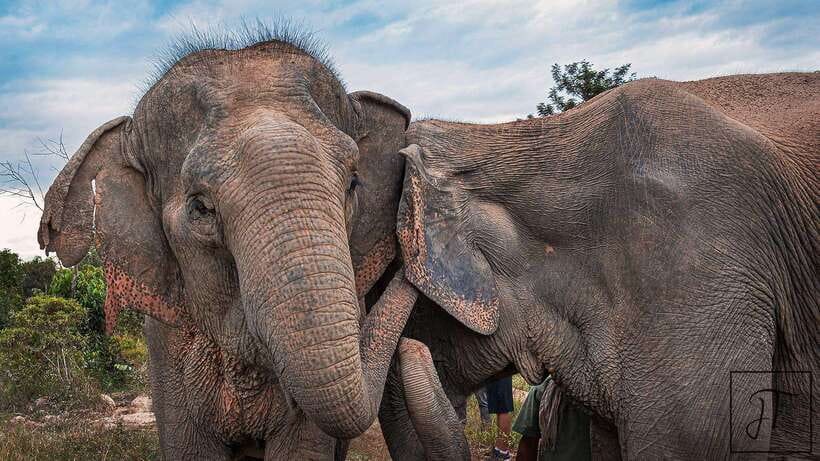
You’ll shift from snack-making and feeding to active observation. The walking section is described as observation trekking (about 2 km). This isn’t framed as a fitness hike; it’s more like a guided walk where elephants and people move through the same forest world with everyone watching and staying respectful.
This part is valuable because it turns your role from viewer to participant in observation. You’re not just standing in one spot waiting for elephants to come by. You walk far enough to change the view, but not so far that the day becomes exhausting.
As you walk with the elephants into the forest, pay attention to how they choose their paths:
- Where they pause
- How they move between cover and open space
- What draws them toward water or food areas
The tour also includes making enrichment and watching elephants play by the pond. That pond time often becomes the emotional highlight for visitors because it’s where social behavior shows up clearly: playful interactions, group movement, and visible comfort. From the reviews, people especially liked being able to watch elephants interact with one another while learning how they behave in a group.
A small caution: any time humans and animals are close, it’s important to follow your guide’s instructions closely. Don’t try to improvise. Even if elephants seem relaxed, the forest environment and elephant body language can change quickly.
Daily life moments: meet handlers, learn behavior, and watch social dynamics
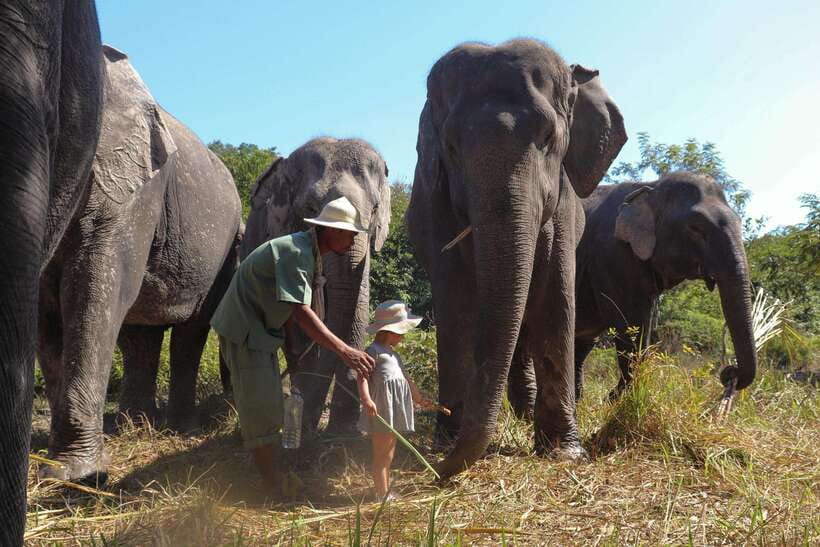
After the trekking and pond moments, the tour continues in that same “daily life” lane. You’ll spend time observing elephants enjoying their natural surroundings, and you’ll learn about elephants through your guide’s commentary.
This is where a reputable guide really matters. In one review, Tom was described as professional and informative, which tracks with what you need here. Elephant behavior can look random if you don’t have context. But with guidance, you start noticing patterns: group preferences, how elephants respond to routine, and the way they use the environment.
There’s also a care-and-connection element. Many programs like this offer limited contact and a lot of rules. Here, the interaction is described as structured and respectful—sharing homemade goodies, feeding, and even assisting with handler-led moments like hosing down after pond time. That kind of involvement is usually what makes people feel the visit was meaningful, not just scenic.
The ethical angle is central too. People have noted that these elephants are saved from captivity and supported so they can live in a community and roam and bathe in the forest. That doesn’t make the experience perfect or risk-free, but it does mean the purpose is care and retirement—not exploitation.




Base camp at noon: traditional Khmer food and a needed reset
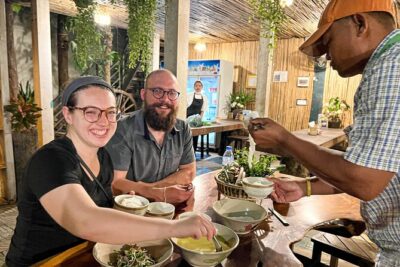
At noon, you retire to base camp for a break. Then you enjoy a traditional Khmer meal or snack (depending on the morning/afternoon pacing). This meal matters because it’s part of why the tour feels complete. You’re not rushed off to “the next thing.” You get a proper pause before you head back to Siem Reap.
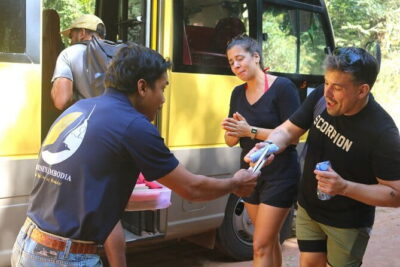
Also, you’ll have water included. That’s a small detail that makes a real difference in a hot, outdoor day.
If you’re the kind of traveler who likes to know what to expect: expect a simple, local meal rather than something fancy. This is a working forest day, and base camp gives you a calmer setting to eat and recharge.
Price and value: is $69 worth it?
At $69 per person for about 5 hours, this isn’t an impulse bargain—but it also isn’t priced like a luxury extravagance. The value comes from what’s bundled and from what’s prioritized.
Here’s what you’re paying for, based on the included features:
- Expert guide in English
- Transfers from downtown Siem Reap and back
- Lunch (with the morning tour) and snacks (with the afternoon tour)
- Water
- Time spent in the elephants’ environment with structured activities (snacks, feeding, trekking, pond/enrichment)
When you compare this to elephant experiences that are just a quick roadside stop, this one holds up better because it’s more than a photo moment. You’re getting real time in the forest routine and a guide explaining what you’re seeing. And because it’s small-group, you’re less likely to feel like cattle in the flow of constant arrivals.
Also, the review feedback strongly emphasizes the ethical retirement angle: people liked knowing elephants are protected and cared for, and that the visit supports the food and maintenance of the elephants and their staff/handlers. While you should always confirm what your specific operator does, the overall design here lines up with what visitors want from a “values-based” day.
Who should book this small-group elephant forest tour?
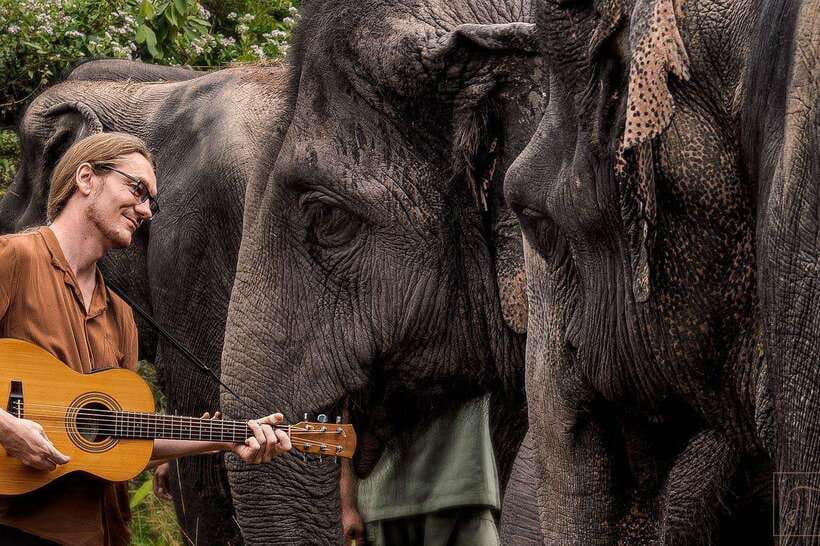
This is a great fit if you want:
- More observation, less performance
- A structured day with snack-making and guided learning
- A forest walk that feels like part of seeing the elephants’ routine
- An experience that’s described as ethical and focused on retirement
It’s less ideal if:
- You need wheelchair accessibility
- You hate the idea of guided interaction close to animals (even when it’s calm and respectful)
- You’re extremely sensitive to the fact that the center runs two tours per day, meaning animals may be exposed to scheduled human activity
If you’re traveling with kids, this tour can work as long as kids can handle outdoor walking (and you manage expectations). For adults, it often lands best for travelers who care about how animals are treated and want a less shallow encounter.
Should you book Kulen Elephant Forest in Siem Reap?
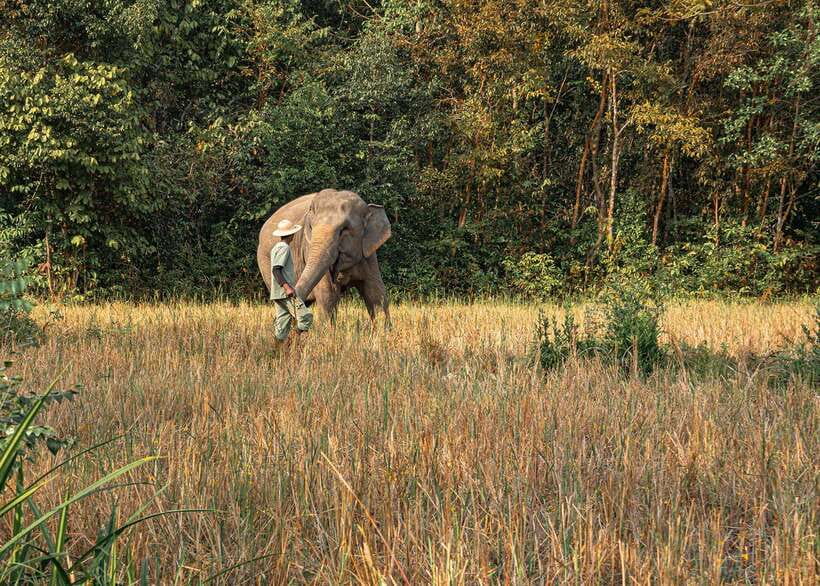
I’d book it if you want a thoughtful, guided elephant experience where you make food, observe behavior, walk a bit (about 2 km), and then enjoy Khmer lunch/snack at base camp. The setup—feeding, trekking, pond play, and hands-on care moments with handlers—adds up to a full half-day rather than a quick stop.
Before you book, double-check what matters to you most. If you’re specifically looking for the most hands-on “hold the elephant” style interaction, this likely won’t match that. If you want respect, education, and a day built around elephant comfort, this is the right direction.
FAQ
FAQ
Where do I meet for the tour in Siem Reap?
You’ll be picked up from the tour office in downtown Siem Reap, and the transfer drops you back at the same meeting point.
How long is the Kulen Elephant Forest tour?
The total duration is about 5 hours.
What’s included in the price?
The tour includes an expert guide, transfers from the meeting point, lunch or a snack (depending on the tour time), water, and time with the elephants.
Do I get food during the tour?
Yes. You’ll have a traditional Khmer meal at base camp with the morning tour, or a snack with the afternoon tour, plus elephant snack-making activities.
What should I bring?
Bring a camera, insect repellent, and a hat.
Is this tour suitable for wheelchair users and pets?
No for wheelchair users. Pets are not allowed.
If you want, tell me whether you’re doing the morning or afternoon version and what time you’re arriving in Siem Reap. I can help you pick the best fit for your day.