REVIEW · SIEM REAP
Siem Reap: Floating Village Half-Day Tour
Book on GetYourGuide →Operated by Tara Riverboat · Bookable on GetYourGuide
Tonle Sap feels like a different Cambodia. This half-day tour mixes floating village life with a guided boat ride on the lake’s river system, plus lunch on the big boat, Queen Tara.
I like that you get a real guided experience (not just a sightseeing ride), with English-speaking explanations of how people live and work on the water. I also like the practical value: hotel pick-up, boat time, and a meal with two drinks are wrapped into the price. One thing to consider is that the itinerary depends on lake water levels, so timing and what you can see can shift.
In This Review
- Key things that make this Tonle Sap tour worth your time
- From Siem Reap to Phnom Krom: getting out of the temple crowd
- The lotus farm stop: pretty photos with practical meaning
- Boarding near the edge of the Great Lake
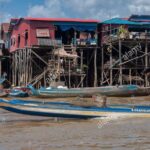
- Floating village life: what you actually watch from the boat
- Crocodile and fish farm: a trade stop with an ethical twinge
- Queen Tara lunch: the food, the boat, and the pause you need
- Watching the lake after lunch: use the viewing deck time wisely
- Getting back to Siem Reap: quick and smooth
- Price and value: what $55 buys you on Tonle Sap
- Who should book this tour (and who might rethink it)
- Guides on board: real people, clear stories
- Final call: should you book the Siem Reap Floating Village half-day?
- FAQ
- How long is the Siem Reap Floating Village Half-Day Tour?
- What’s included in the price?
- Where does the tour start?
- Is the tour suitable for children?
- Is there a vegetarian option?
- Does the tour run in rainy or bad weather?
- Is the tour dependent on the lake conditions?
Key things that make this Tonle Sap tour worth your time
- Small-group feel with a limit of 11 participants, so questions don’t get lost
- Culture-first boat time on Tonle Sap, with a guide explaining daily life along the canals
- Lotus farm stop that connects what you see with Buddhism and the plant’s many uses
- Crocodile and fish farm visit as a peek into local trades (with room to watch without getting too close)
- Lunch on Queen Tara on a large boat in the middle of the floating village
- Seasonal changes: views of rice and lotus can look very different depending on when you go
From Siem Reap to Phnom Krom: getting out of the temple crowd
Most people base themselves in Siem Reap for one main reason: temples. This tour gives you a break from that heat-and-hustle feeling by moving you toward the countryside and the lake life that’s tied to it.
After pick-up from your hotel or guesthouse, you transfer by air-conditioned vehicle or tuk tuk to the port near Phnom Krom. Along the way, your English and Khmer-speaking guide points out areas of interest and keeps answering questions as you pass by rice paddies and lotus fields. That drive matters more than you’d think. It’s your quick orientation to a landscape shaped by water levels and seasonal flow, not just a ride to the next “photo spot.”
If you’re the type who likes to understand where you are before you start snapping pictures, you’ll appreciate the guide’s context here. And if you’re visiting in the hottest part of the day, a morning departure can make a difference—one practical tip that comes up often: go earlier if you can, so you’re not cooking while you’re waiting for boats and walking short stretches.
You can also read our reviews of more tours and experiences in Siem Reap
The lotus farm stop: pretty photos with practical meaning
Once you reach the port area, there’s a quick stop at a lotus farm. It’s not positioned as a long stay. It’s more like a short, focused introduction: how lotus is used and why it matters in Buddhism. Even if you only spend a short time there, you get a lot more out of the lake views later because you’re no longer looking at lotus as just a pretty plant.
Also, don’t expect the lotus and rice fields to look the same year-round. Depending on timing and season, you may see more flowers, different field colors, or different density of plants. Your guide will connect what you’re seeing to the wider rhythm of this region.
Boarding near the edge of the Great Lake
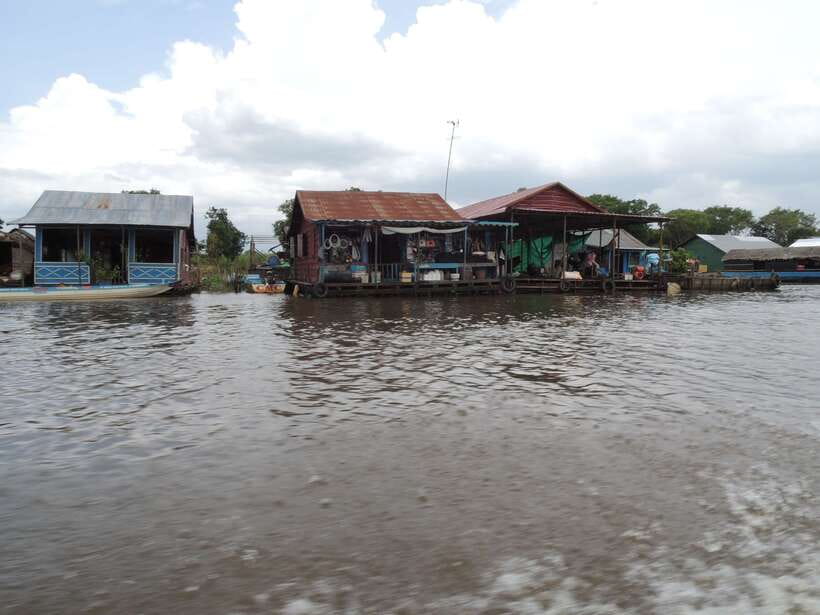
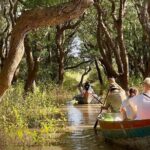
When the boats are ready, you cruise into a world that feels quieter and more water-bound than what you’ll be used to in Siem Reap.
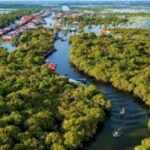
The Tonle Sap system is famous for a detail that’s both wild and useful to understand: there’s a river system that flows backwards. In the wet season, the river and lake flow northwards. In the dry season, they flow south into the South China Sea. That seasonal push and pull is the reason floating communities exist and why the scenery can change depending on when you ride.
So as you glide along rivers and canals, you’re not just moving through water. You’re moving through a living system that rearranges where people can live, work, and travel.
Floating village life: what you actually watch from the boat
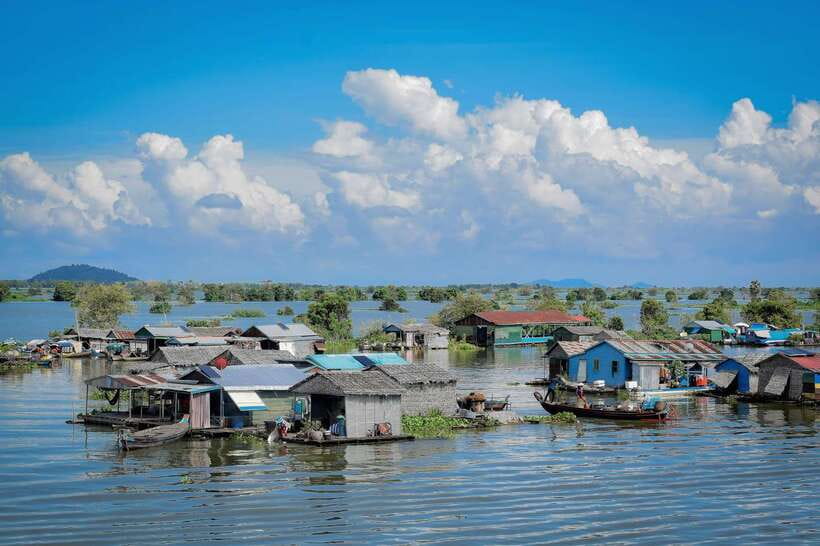
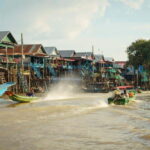
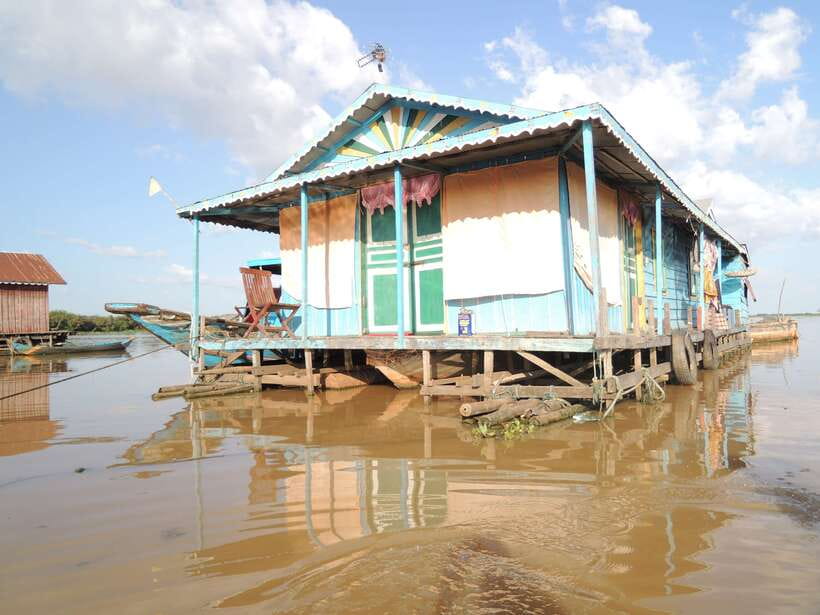
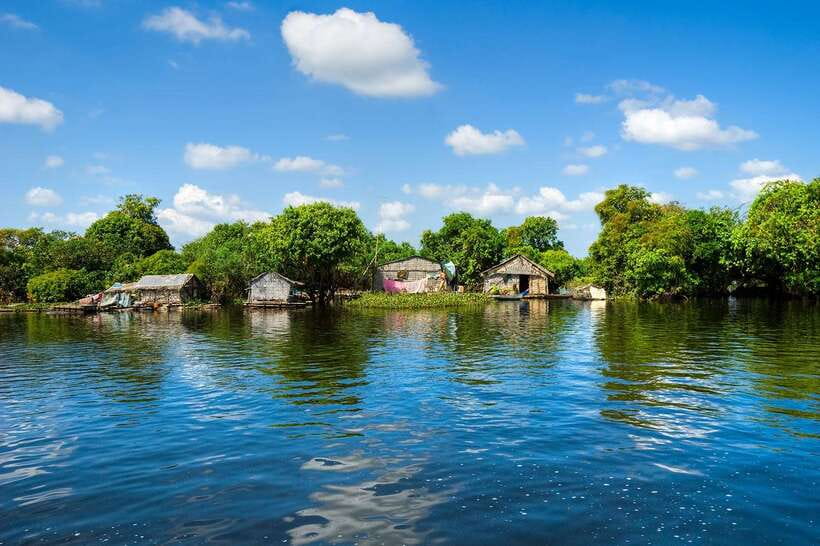
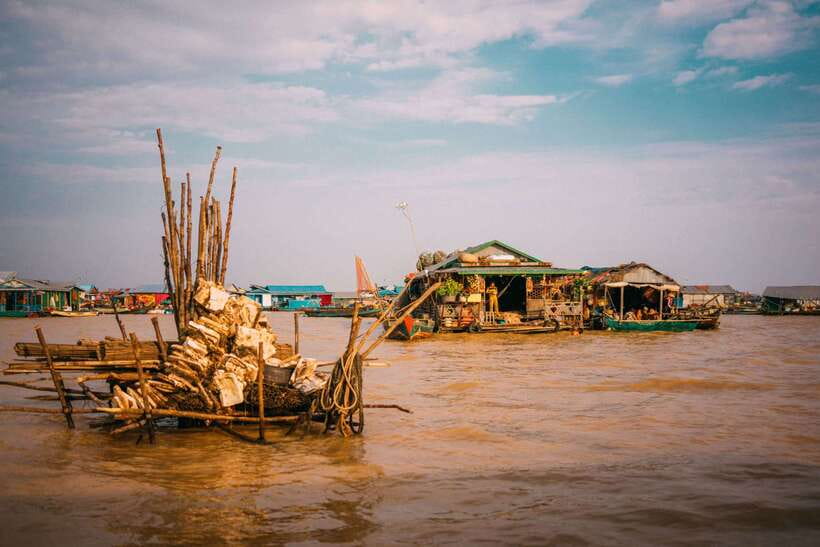
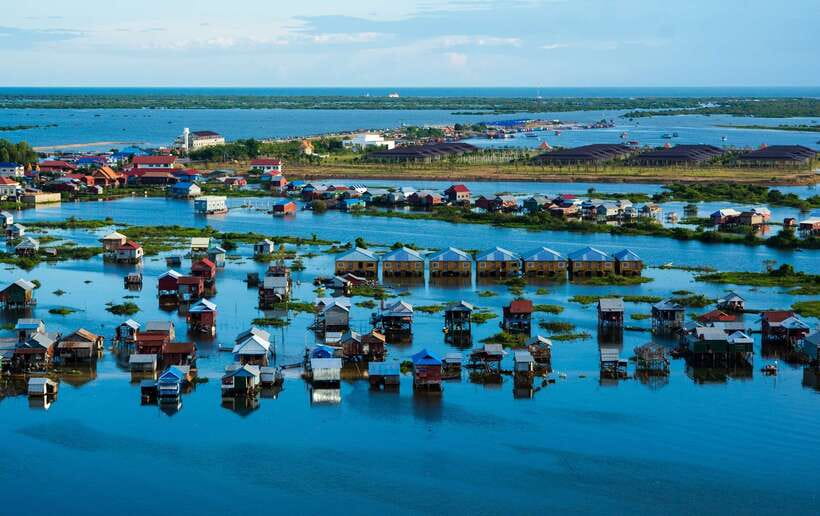
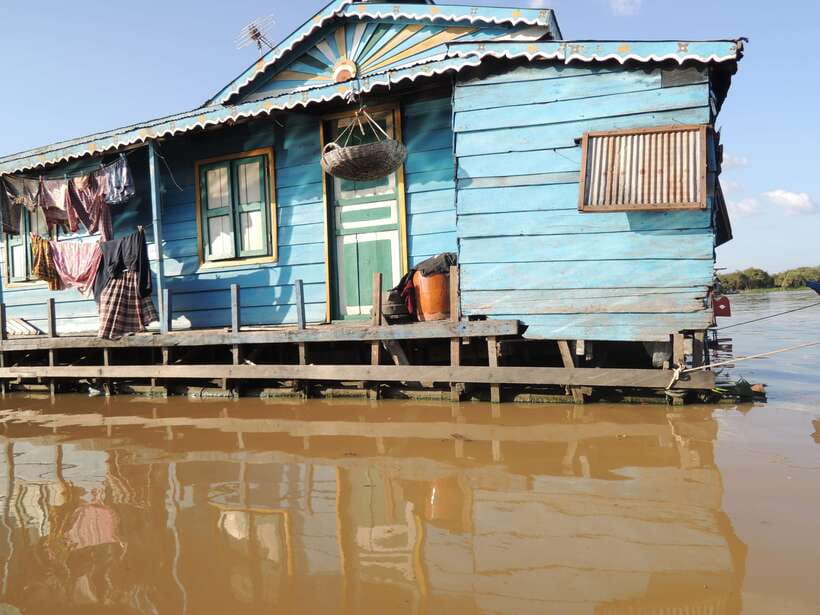
The floating village part is the heart of the tour. Here’s the best way to think about it: you’re not watching a theme park. You’re passing through a working home for fishing families and their extended communities.
From the boat, you see daily rhythms—movement on the water, activity around village areas, and the way buildings and life are organized to match the lake’s rise and fall. Your guide explains what you’re seeing, which turns the ride into something closer to learning than looping around for photos.
One note: the tour style here is a guided cruise and a lunch docking. It doesn’t promise an extended walk-on through the village. You’ll get onboard viewpoints and a close-enough look at daily life from the water, then you’ll settle in for food on the big boat.
Crocodile and fish farm: a trade stop with an ethical twinge
Next up is a crocodile and fish farm on the lake, depending on current water levels.
This portion gives you a peek at lake-based trades beyond fishing itself. You’ll learn how crocodiles and fish fit into local work, and you’ll see how the farm is arranged to function in a floating environment.
Now for balance: if you’re sensitive to animal welfare, you might find this stop uncomfortable. One guest flagged that the crocodile enclosures can feel too tight and crowded. The good news is that there’s a place to sit and wait during the portion that’s more self-led, so you’re not stuck hovering right next to everything.
If crocodiles aren’t your thing, the boat also offers a souvenir shop and viewing deck options during this phase, so you can keep your focus on the scenery and the floating village atmosphere.
Queen Tara lunch: the food, the boat, and the pause you need
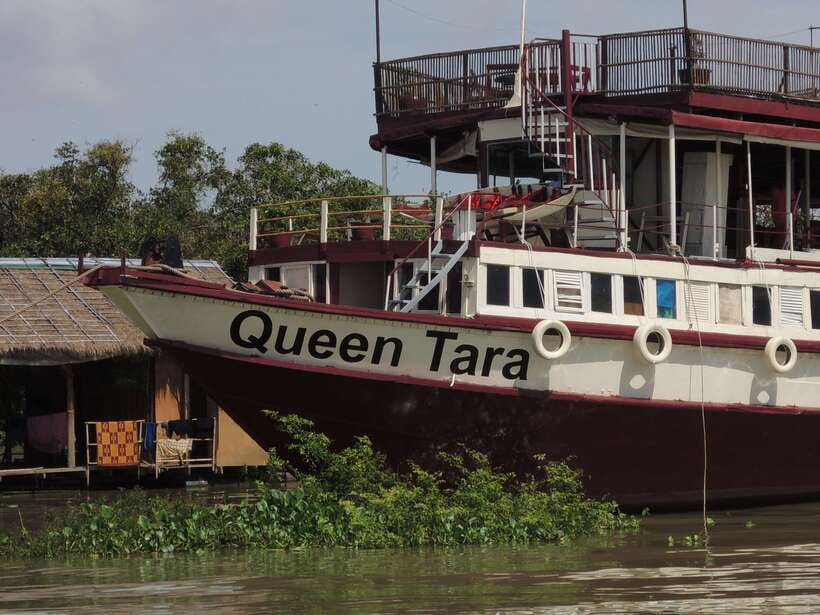
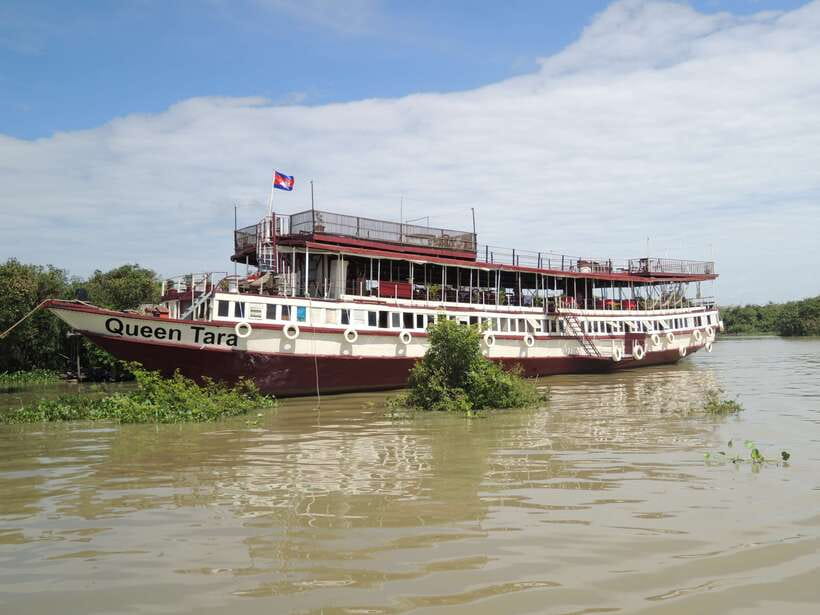
The tour docks at Queen Tara, described as the biggest boat on the lake and located right in the middle of the floating village. This is where the experience shifts from moving to slowing down.
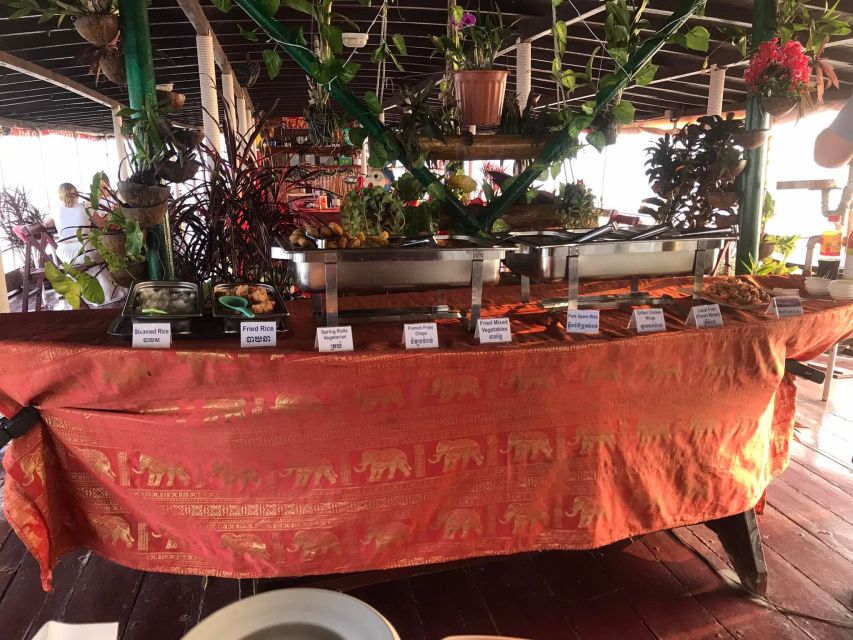
Lunch is served in a relaxed setting, with options like choosing from a menu (you’ll see how it works once you’re onboard). The meal includes two free drinks—soft drinks, beer, spirits, cocktails, or wines. That mix is a practical perk after time on the water, especially if you’ve been walking around in Siem Reap before this.
There’s also a neat historical angle to the boat itself. One description you’ll hear about the Tara Riverboat is that it carried cargo from the 1920s through routes tied to Vietnam and the Mekong into Cambodia. You’ll likely notice that the boat feels like a working vessel rather than a plastic tourist set-up, which makes the lunch feel more connected to the lake’s real economy.
A small comfort detail: a guest suggested the boat could update eating utensils (forks and spoons). It’s not a dealbreaker, but it’s the kind of note that tells you the focus is on the experience and setting, not fine dining.
Watching the lake after lunch: use the viewing deck time wisely
After lunch, you sit on the viewing deck and watch the world go by. This is one of the underrated parts of the tour.
Before lunch, you’re looking outward for village activity. After lunch, you get a slower pace where you can watch without rushing for the next stop. It’s a good time to:
- pick a spot on the deck and settle in
- watch how the floating areas sit relative to the water
- look for boat traffic and daily routines moving in and out of view
If the earlier parts felt like information overload, this is the “breather” section. It’s also when the lake visuals can feel most calm—soft light, gentle movement, and more time for unplanned observations.
Getting back to Siem Reap: quick and smooth
Once you depart Queen Tara, you return toward the port. Then your transport is waiting to take you back to your hotel or guesthouse in Siem Reap.
Because the full tour is about 4 hours, it fits well into a day that also includes temples, markets, or a relaxed dinner. It’s short enough that it won’t derail your schedule, but long enough to feel like you left Siem Reap and came back with a different story.
Price and value: what $55 buys you on Tonle Sap
At $55 per person for a half-day, you’re paying for a package that includes more than just a boat ride. Your money goes toward:
- hotel pick-up and drop-off
- transportation by air-conditioned vehicle or tuk tuk
- an English-speaking guide (plus Khmer guidance)
- meal with two drinks
- checkpoint fees
- the lotus farm tour
- the floating village cruise and the crocodile/fish farm visit
If you were to piece together parts of this independently—driver, entrance/checkpoint fees, a guided explanation, and lunch on the water—you’d likely spend similar money and still miss the “all-in-one” structure. The single biggest “value driver” here is that the guide helps you connect what you’re seeing to why it exists: the backwards-flow water system, the trades, and the way Buddhism connects to lotus.
The one value trade-off is the crocodile farm stop. If animal welfare is your top concern, you may feel the stop isn’t worth it. But if you’re open-minded and want a broader picture of lake economies, it lands as part of a larger snapshot.
Who should book this tour (and who might rethink it)
You should book if you want:
- a break from temple crowds with a guided look at real Cambodian water life
- a short tour that still feels like more than a drive-by photo stop
- a mix of nature, culture, and a practical lunch included on the lake
You might rethink it if:
- you dislike anything involving animal farms (the crocodile stop can feel ethically tense)
- you’re expecting a long walking tour through the floating village itself (this is mainly a cruise and a lunch docking)
It also helps if you’re comfortable with the idea that the lake can change day to day. The tour depends on water levels, so you’re agreeing to a bit of natural variability.
Guides on board: real people, clear stories
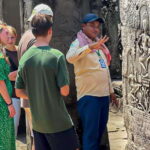
One of the reasons this tour gets strong marks is the guidance quality. Names that have popped up in positive feedback include Mr. Friday, Mr. Mony, Pon, and Supak—people praised for good English and for sharing cultural background that makes the scenery easier to understand. That matters on Tonle Sap because the visuals alone can be confusing. With a good guide, it clicks: the lake isn’t just a view. It’s the system that shapes livelihoods.
Final call: should you book the Siem Reap Floating Village half-day?
I’d book this if you’re spending a few days in Siem Reap and want one day that feels genuinely different. It’s a practical half-day with hotel pick-up, small-group pacing (up to 11 people), and lunch on Queen Tara—plus the Tonle Sap story that helps everything make sense.
I wouldn’t book it if crocodile farms are a hard no for you or if you need a highly predictable, unchanging itinerary. If you’re flexible and curious about how lake communities live and trade, this is one of the better ways to see that side of Cambodia without burning your whole day.
FAQ
How long is the Siem Reap Floating Village Half-Day Tour?
It lasts about 4 hours.
What’s included in the price?
The tour includes pick-up and drop-off at your hotel or guesthouse, transfer by air-conditioned vehicle or tuk tuk, an English-speaking guide, a meal with 2 drinks on Queen Tara, all checkpoint fees, and tours of the floating village, the crocodile and fish farm, and lotus farms.
Where does the tour start?
You’re picked up in Siem Reap and transferred to the port area near Phnom Krom.
Is the tour suitable for children?
Unaccompanied minors aren’t allowed. Children age 10 and under pay half price, and children younger than 5 can join for free, as long as they are accompanied by an adult.
Is there a vegetarian option?
Yes. A vegetarian option is available if you request it at booking.
Does the tour run in rainy or bad weather?
The tour operates in all weather conditions, so you should dress appropriately.
Is the tour dependent on the lake conditions?
Yes. The tour is dependent on Tonle Sap water levels, which can affect what happens during the cruise and stops.