REVIEW · SIEM REAP
Half-Day: Silk Farm, Senteur Angkor, and Satcha Workshop
Book on GetYourGuide →Operated by Tour Guide Team Phnom Penh · Bookable on GetYourGuide
Silk starts with a leaf. This half-day tour turns Cambodian silk into something you can actually picture, from mulberry to silkworm to weaving. I also love how the stops keep moving between making and buying, so you get both the craft process and real-world product ideas from places like Satcha’s bamboo workshop design and the artisan centers. One thing to watch: as with any craft-focused visit, some workshops or products can feel pricey once you start shopping.
This is built for a quick hit in Siem Reap—hotel pickup and drop-off, a guided run through multiple craft stops, and enough time to ask questions. You’ll spend about four hours total and you’ll be on foot more than you expect, so comfortable shoes matter. Smoking and eating during the tour are not allowed, which keeps things moving.
If you like tangible cultural experiences—watching work happen, not just looking at displays—this tour fits well. It’s also a good format for couples since it’s priced per group (up to 2) and runs as a private group.
In This Review
- Key Points You’ll Care About
- Silk Farm in Siem Reap: More Than a Pretty Photo Stop
- Satcha Handicraft Center: Bamboo Buildings and Real Workshop Energy
- Senteurs d’Angkor: Sustainable Cambodian Treasures You Can Actually Browse
- Artisan d’Angkor: Where Local Handicrafts Are Made
- Price and Time Management for a 4-Hour Craft Run
- What’s Good for Shopping (and What to Watch)
- Practical Tips Before You Go
- Who Should Book This Tour
- Should You Book the Silk Farm, Senteur Angkor, and Satcha Half-Day?
- FAQ
- FAQ
- How long is the tour?
- Where does the tour start in Siem Reap?
- How much does it cost?
- What’s included in the price?
- What language is used for the tour?
- How many workshops do you visit at Satcha?
- Is a meal included?
- What should I bring?
- Is smoking allowed?
- Is the tour suitable for wheelchair users?
Key Points You’ll Care About
- Angkor Silk Farm shows the whole silk story, from mulberry leaves and silkworm life cycle through weaving.
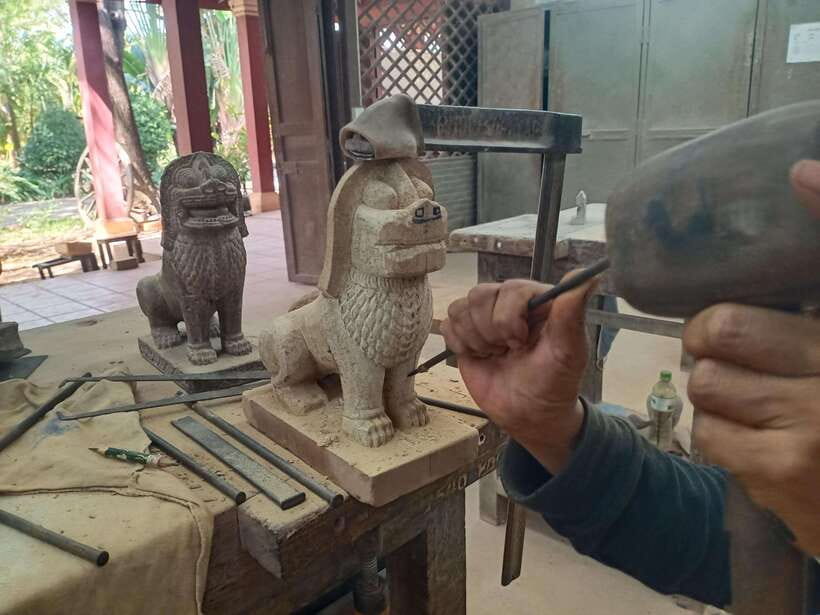
- Satcha Handicraft Center features 6 workshops built with Cambodian bamboo and inspired by Khmer ornament design.
- You’ll see an impressive range of know-hows at Satcha, with 50+ artisans working across many materials.
- Senteurs d’Angkor focuses on sustainable Cambodian treasures, making it a useful place to browse beyond silk.
- Artisan d’Angkor is where local handicrafts are made, so you can watch the making, not only the selling.
- You get hotel pickup/drop-off and a separate entrance to help you save time at stops.
Silk Farm in Siem Reap: More Than a Pretty Photo Stop
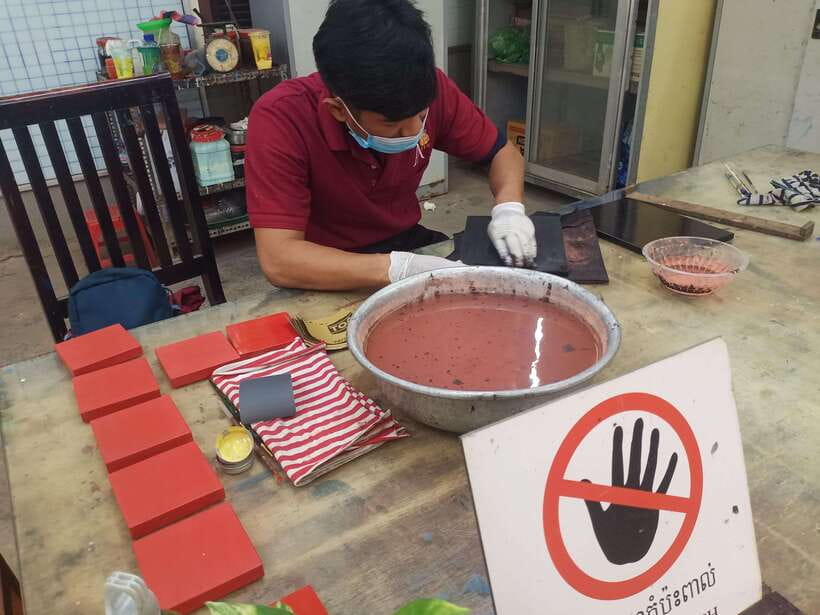
The day starts with pickup from Krong Siem Reap, then a short van ride to the Angkor Silk Farm area. You’ll get a bit of time for photos before the guided part really begins. This is the kind of stop where the details matter, because silk isn’t magic—it’s work, timing, and living creatures.
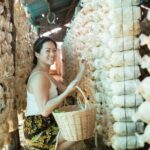
At the silk farm, you follow a clear chain: mulberry trees are the starting point, since that’s what silkworms eat. Then you move through the silkworm lifecycle and see how the process leads toward finished fabric. The best part is that you’re not just looking at a finished scarf and guessing how it got there. You get the steps that explain why silk garments look and feel the way they do.
The tour also gives you time to walk around and look at silk products, plus you can shop if you want. I like this format because it helps you buy with context. Instead of impulse-shopping a “silk souvenir,” you’re more likely to understand what you’re paying for, since you’ve just watched the origin story.
Possible drawback to plan for: silk farms can be hot and bright, and you’ll likely spend some time outdoors before you reach the more sheltered workshops. Bring sunscreen and a hat, and don’t pack shoes that hurt after an hour.
You can also read our reviews of more tours and experiences in Siem Reap


Satcha Handicraft Center: Bamboo Buildings and Real Workshop Energy
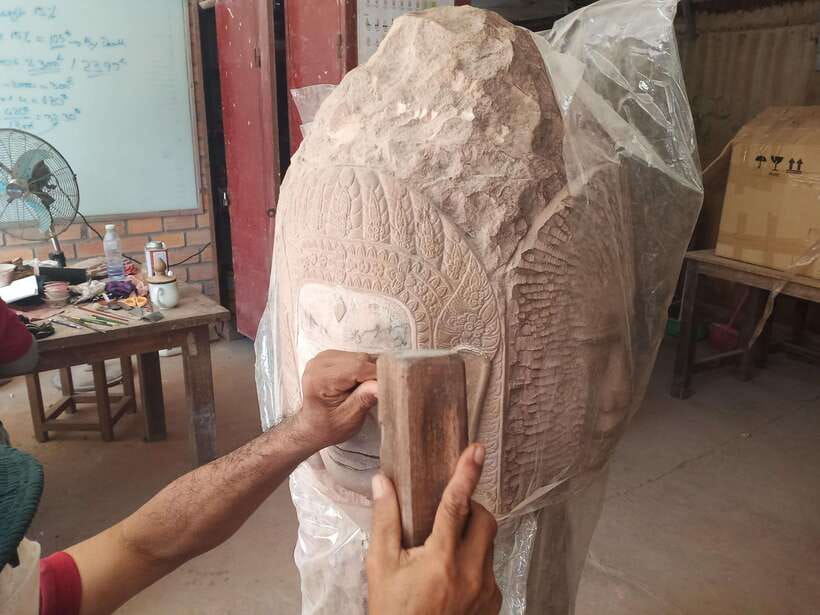
Next you move to the Satcha Handicraft Center, which is designed around workshops rather than a single showroom. This is one of the most interesting stops in the whole half-day because it’s built around the idea that crafts should be learned, practiced, and shared.
Satcha’s site is built exclusively with Cambodian bamboo from Kampong Cham, and the design takes inspiration from Khmer ornaments. That’s not just decorative. The whole place feels like a working craft environment, where the building style supports a workshop culture instead of pretending it’s a museum.
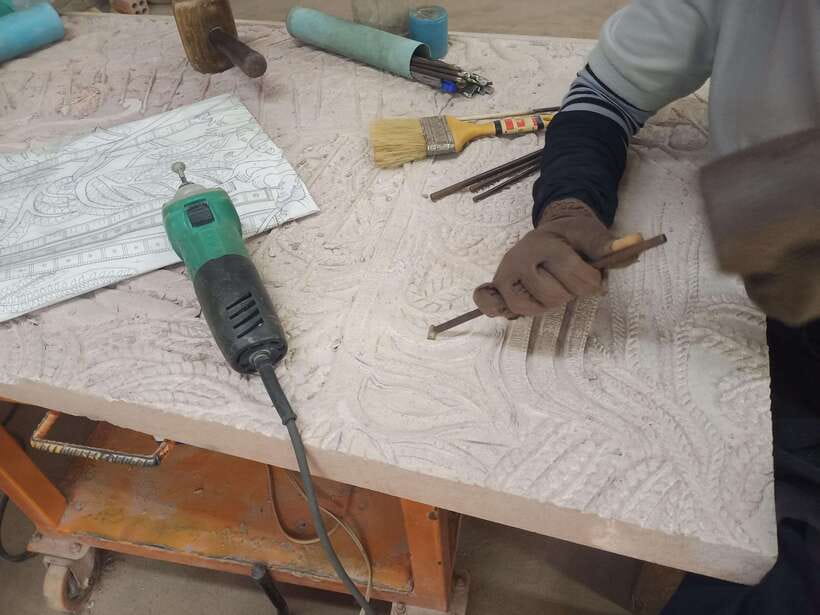
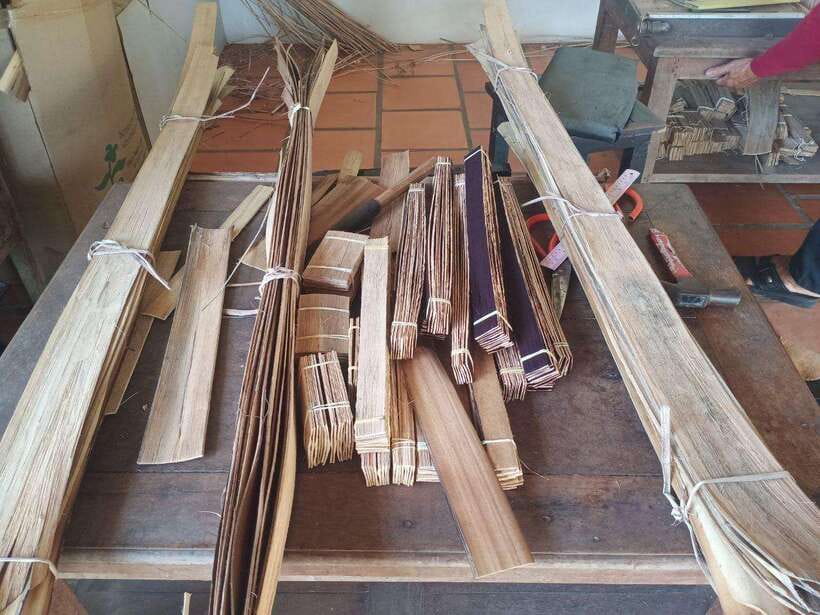
You’ll visit 6 workshops here, and the variety is the point. Satcha hosts 50+ artisans and includes 15 different know-hows. That means you can see craft skills connected to lots of different materials, including carving, stone, wood, bamboo, leather, weaving, rattan, seagrass, water hyacinth, silk, cotton, painting and lacquer, jewelry, and silver plating.
Even if you don’t know the terminology, you can still get a lot out of watching the workflow. You’ll start noticing how each craft discipline has its own tools, pacing, and finishing steps. That’s the kind of pattern-recognition that makes the whole Siem Reap craft scene feel less confusing.
You also get contemporary design ideas mixed into traditional know-how. In practice, that helps explain why some souvenirs look updated but still grounded in Khmer style. If you’re shopping for gifts, this is where you can compare styles quickly—one workshop can help you understand a technique, while another helps you understand a design direction.
A small consideration: the visit includes shopping and workshop viewing, so you may feel gentle pressure to buy. That doesn’t mean you should stop browsing, but it helps to set a budget in your head before you get tempted.
Senteurs d’Angkor: Sustainable Cambodian Treasures You Can Actually Browse
After Satcha, the tour moves to Senteurs d’Angkor, described as a hub for sustainable Cambodian treasures. This stop is more about exploring artisan products than watching one specific craft step start-to-finish.
What you can expect here is a curated browse of Cambodian items with a sustainability angle. Even though the tour description doesn’t list every product category, you can use the time well if you treat it like a “what should I buy in Siem Reap” reality check. You’ll likely find things that make sense as gifts because they connect to local resources and artisanal production.
The best use of your time is to ask questions as you browse. For example: what’s made locally, what materials are used, and what makes the item “sustainable” in their context. Even if you don’t get perfect answers for every product, the act of asking helps you learn how local makers think about materials.
This stop is also a handy pacing tool. After the density of Satcha’s workshop variety, Senteurs d’Angkor gives your eyes and feet a little break while still keeping you in the craft world.
Note for planning: expect walking and looking again. Bring a hat, and keep water nearby on your own time. (Eating and drinking aren’t part of the tour itself, so plan to do breaks outside the guided segments if you need them.)
Artisan d’Angkor: Where Local Handicrafts Are Made
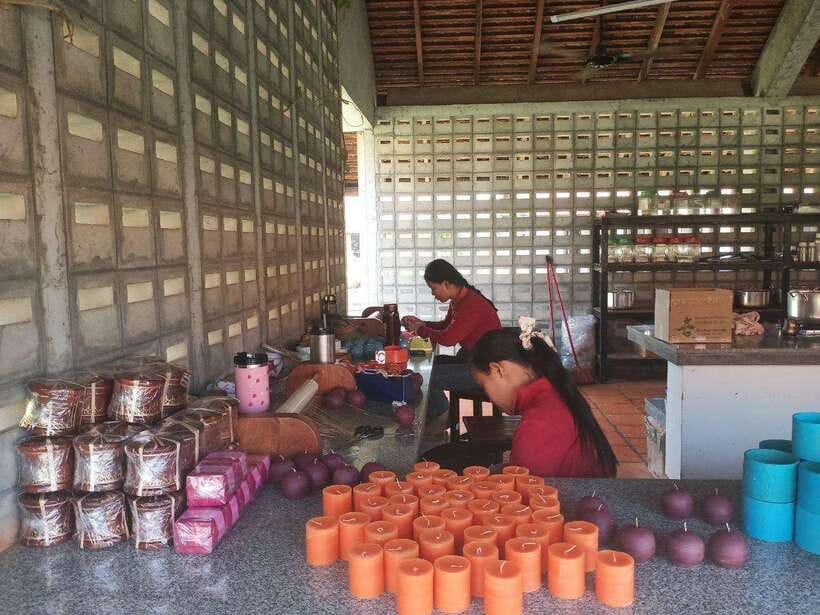
The final craft stop is Artisan d’Angkor, focused on handicrafts being made locally. This is the “watch the making” closing chapter—less like browsing and more like observing how local craft work moves from raw materials to something you can buy.
The tour description frames Artisan d’Angkor as a place where local handicrafts are made, which usually means you’ll see artisans at work and get a clearer picture of how production happens. That matters because it helps you tell the difference between a mass-produced item and a handcrafted one that’s shaped by skills and finishing choices.
If you’re the type who likes to understand what’s worth paying extra for, this is where you can get a better read. Sometimes the difference is visible in the finishing, sometimes it’s visible in the tools and handling. Either way, watching the process makes your shopping decisions feel less random.
At the same time, you still have the practical advantage of one-day flow. You aren’t piecing together multiple locations on your own. The tour strings together silk, bamboo-centered craft learning, and broader artisan product stops into a compact route.
Price and Time Management for a 4-Hour Craft Run
This tour is priced at $25 per group up to 2 for a half-day experience lasting about four hours. For that money, you’re not just paying for entrances—you’re paying for hotel pickup and drop-off, a guided experience across multiple craft sites, and a setup that helps you avoid wasting time.
One advantage that’s easy to overlook: the tour includes skip-the-line access through a separate entrance. In Siem Reap, saved time is saved energy. When you’re squeezed by heat and short days, it’s a real value add.
Also, because it’s a private group, you’ll have more space to ask questions without feeling like you’re competing for the guide’s attention. With a craft tour, that’s important—materials, tools, and production steps are easier to grasp when you can ask quick follow-ups.
What you’re not getting is meals. That’s normal for a four-hour window, but plan for it. If you’re doing this early or late in the day, eat before pickup or plan a real meal right after you return.
You can also read our reviews of more tours and experiences in Siem Reap




What’s Good for Shopping (and What to Watch)
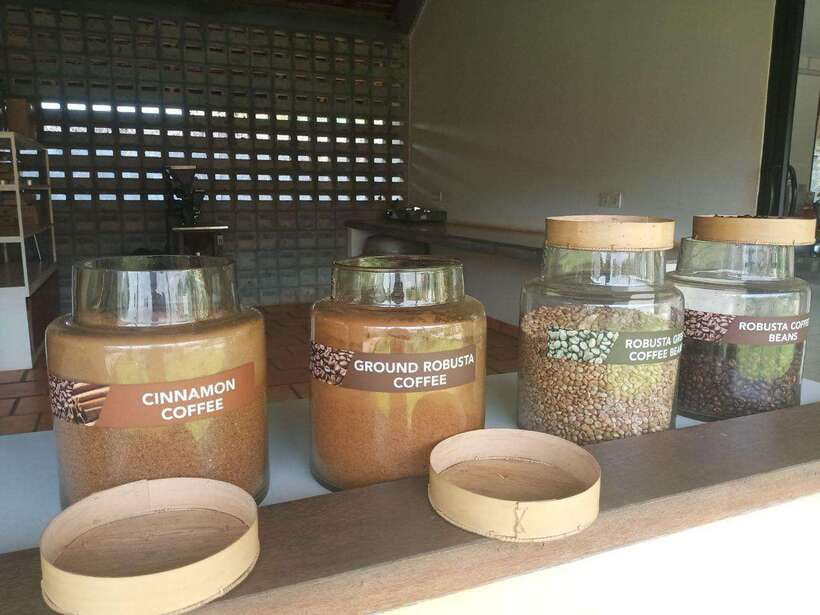
This tour is strongly oriented toward craft discovery with shopping built into the flow. That can be a plus if you came to Siem Reap with gift ideas. It can also be a distraction if you’re not in a buying mood.
Here’s how I’d handle it:
- Decide what you want first: silk items, handmade accessories, or general Cambodian handicrafts.
- Use Satcha as your “skills and materials” stop, and use the later shops to compare the final look.
- Check for consistency: if the product matches what you saw made (weaving technique, material type, finishing), you’ll feel more confident in the purchase.
One review detail to keep in mind from the overall experience pattern: one workshop was described as expensive even though it was interesting. That’s a common craft-tour reality—some demonstrations and higher-end items cost more. You don’t have to do everything. If your budget is tight, focus on learning and choose just a couple of items that you truly like.
Practical Tips Before You Go
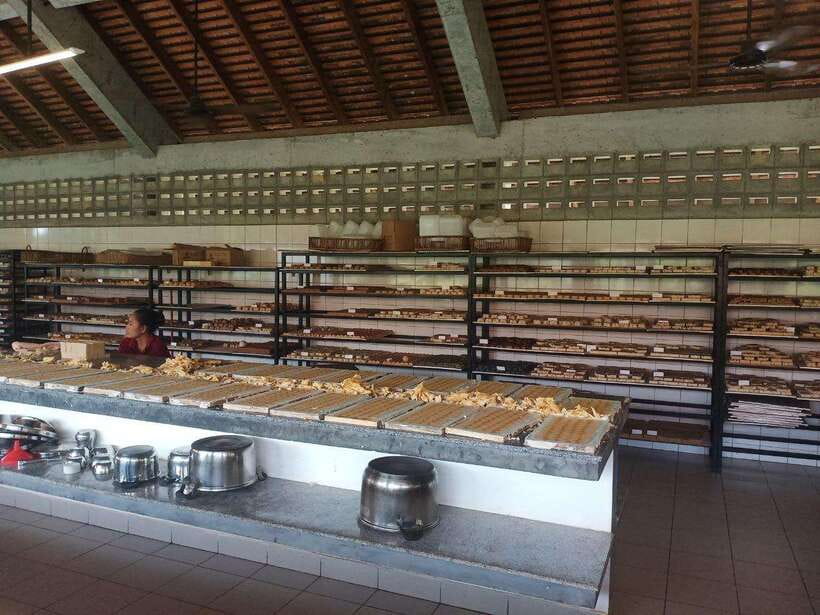
A few small things will make this tour more pleasant, and they’re all based on what you’ll actually do on the ground.
Wear comfortable walking shoes. You’ll walk around multiple areas and likely spend time outdoors. Bring a camera if you want to capture the silk lifecycle and workshop activity. It’s also smart to bring sunscreen and a hat; the farm and open areas can be sun-heavy.
There’s also a clear rule: smoking isn’t allowed during the tour, and eating/drinking aren’t part of the guided time. That’s fine, but it means you should plan your food stops around pickup and return.
One more reality check: the tour is not suitable for wheelchair users, so if mobility is a concern, this one may be hard to fit comfortably.
Who Should Book This Tour
I think this is a great match if you:
- Want an easy half-day in Siem Reap that focuses on hands-on culture.
- Like craft processes, especially silk and weaving-related work.
- Want a guided route that bundles several artisan stops into one compact schedule.
- Are shopping for gifts and want context before you buy.
It’s less ideal if you:
- Want only sightseeing with minimal walking and minimal shopping.
- Don’t like heat or outdoor time and don’t want to manage sun comfort.
Should You Book the Silk Farm, Senteur Angkor, and Satcha Half-Day?
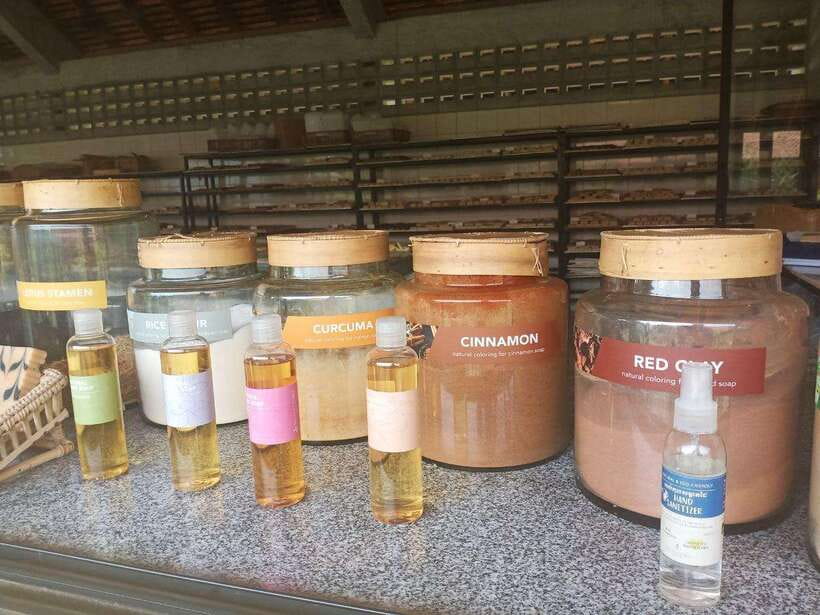
If you want a half-day that helps you understand what you’re buying—and why Cambodia silk and handicrafts look the way they do—I’d book this. The strongest reason is the combination: silk farm process in the first stop, then a craft-learning center like Satcha with bamboo workshop architecture and many know-hows, and finally broader artisan browsing at Senteurs d’Angkor and Artisan d’Angkor.
Before you go, set expectations: this is part education, part workshop viewing, and part shopping. If that sounds like your kind of day, you’ll get real value from the time you have in Siem Reap.
FAQ
FAQ
How long is the tour?
The tour duration is about 4 hours.
Where does the tour start in Siem Reap?
Pickup is from Krong Siem Reap.
How much does it cost?
It costs $25 per group, up to 2 people.
What’s included in the price?
Hotel pickup and drop-off, visits to the silk farm, Satcha Handicraft Center, Senteurs d’Angkor, and Artisan d’Angkor.
What language is used for the tour?
The driver/guide is listed as English.
How many workshops do you visit at Satcha?
You visit 6 workshops at Satcha Handicraft Center.
Is a meal included?
No meals are included.
What should I bring?
Bring comfortable shoes, a hat, a camera, and sunscreen.
Is smoking allowed?
No, smoking is not allowed during the tour.
Is the tour suitable for wheelchair users?
No, it is not suitable for wheelchair users.