Fish, reptiles, and big cats in one ticket. Angkor Wildlife & Aquarium (AWA) is built around the Freshwater Tank and Touch Pool, so you’re not just looking at animals behind glass—you’re moving through freshwater, ocean exhibits, and hands-on moments that are easy to enjoy.
I also like how the park is set up for conservation learning, with naturalistic enclosures and a steady flow from aquatic to land animals. One thing to consider: it’s a bit far out of town, so you’ll want to line up the offered pickup or the shuttle option ahead of time.
In This Review
- Key things I’d plan around at AWA
- What this Siem Reap ticket is really good for
- Entering the park: start with the freshwater story
- Ocean Aquarium: the switch from freshwater to marine
- On land: tigers, crocodiles, otters, sun bears, and reptiles
- Why the reptile focus is a smart value add
- Touch Pool: the part that often steals the show
- Time, pickup, and getting there without stress
- Price value: what $15 buys you in the real world
- What to expect from the experience flow
- Who this tour suits (and who might pass)
- Quick FAQ
- FAQ
- How much is the Angkor Wildlife & Aquarium full day pass?
- What’s included with the ticket?
- What does the ticket not include?
- How long should I plan to spend at the park?
- Are there pickup options in Siem Reap?
- What are the opening hours?
- Should you book Angkor Wildlife & Aquarium in Siem Reap?
Key things I’d plan around at AWA
- Freshwater Tank shows Mekong River and Tonle Sap Lake themes, so you get regional context before you switch to marine life
- Touch Pool is a highlight if you like hands-on animal encounters
- Big-name wildlife on land includes Bengal tigers, Siamese crocodiles, otters, and sun bears
- 30+ reptile species show up in a dedicated way, including the Asian water monitor
- Expect a range of visit lengths (2 to 5 hours 20 minutes) depending on pace and how long you linger at exhibits
What this Siem Reap ticket is really good for
A full pass to Angkor Wildlife & Aquarium is one of those places that works even if you don’t want a full-on all-day schedule. You’re basically buying admission to a conservation-focused zoo-and-aquarium mix, with two big zones that do the heavy lifting: the freshwater storytelling section and the ocean aquarium area.
At $15 per person, it’s not priced like a luxury attraction. You’re paying for access to the exhibits plus the park’s animal experience areas—especially the areas that feel interactive, like the touch moments.
Another practical plus: the experience includes an air-conditioned vehicle and entry ticket, and you can receive a mobile ticket. That makes the visit feel straightforward, especially if you’re already in Siem Reap and don’t want to fight for transportation once you’re out of the center.
You can also read our reviews of more tours and experiences in Siem Reap
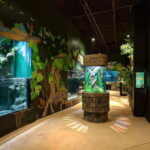
Entering the park: start with the freshwater story
If you’re the type who enjoys learning as you go, the freshwater section sets the tone. The Freshwater Tank is designed to connect Cambodia’s key aquatic ecosystems—specifically the Mekong River and Tonle Sap Lake—so you’re seeing more than random fish tanks. Tonle Sap is presented as Southeast Asia’s largest freshwater lake, and that scale helps you understand why these species matter.
What I like about doing freshwater first is the logic of the route. You’re essentially building your mental map before the exhibits expand outward into marine life. It also helps with pacing: aquatic exhibits are usually easy to take in without needing long breaks.
You’ll also notice the theme of “monsters” in the Mekong framing. Even if you’re not there for shock-and-awe, it’s a memorable way to introduce you to the kinds of animals people associate with the region’s water systems.
Ocean Aquarium: the switch from freshwater to marine
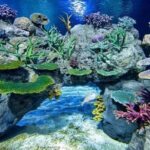
After freshwater, the Ocean Aquarium is where the park makes the transition feel real. The idea is simple and effective: you move from regional freshwater ecosystems into marine habitats.
This is the zone where you’ll likely spend extra time if you enjoy seeing lots of different aquatic species in one visit. The experience is designed so that you can compare what you saw in the earlier freshwater halls—what’s similar, what changes, and how the animals are adapted to different environments.
One key consideration: the aquarium portion is a strong part of the experience, so if your priority is fish and marine animals, you may feel like you got your money’s worth faster than someone whose main interest is land wildlife.
On land: tigers, crocodiles, otters, sun bears, and reptiles
AWA doesn’t only do aquatic exhibits. You also get a land section with recognizable wildlife and a reptile collection that’s built out thoughtfully.
Here’s what’s specifically highlighted in the park:
- Bengal tigers
- Siamese crocodiles
- Otters
- Sun bears
- Over 30 reptile species, including the Asian water monitor
This is a good section for anyone who likes variety, but it also gives you something practical: you’re not forced to choose between “zoo” and “aquarium.” You can spend your time where your interests lean most—then shift without wasting the day.
That said, one downside worth taking seriously: if you’re hoping for a huge range of different wildlife species on land, you might find the land side more limited than expected. The aquarium and reptiles tend to feel better represented than the total wildlife lineup, so your expectations should match that balance.
Why the reptile focus is a smart value add
The reptile presence matters for two reasons.
First, reptiles are one of those animal groups that many zoos under-emphasize. Here, over 30 reptile species are called out, including the Asian water monitor. That tells you the park is trying to do more than “a couple of tanks.”
Second, reptiles often reward slower viewing. They may not move constantly, but you can spot patterns in behavior and habitats—especially when exhibits are presented in a more naturalistic setup. If you enjoy taking your time and you like noticing small details, the reptile section can stretch your visit in a good way.
And if you’re visiting with kids or anyone who gets restless easily, reptiles can be a nice middle ground: they’re still animal-focused, but you don’t have to wait on a tiger pacing routine.






Touch Pool: the part that often steals the show
The Touch Pool is a hands-on marine interaction area and it’s specifically noted as a favorite for visitors of all ages.
For planning purposes, I’d treat the touch pool like your “anchor activity.” If you want the best experience, build your visit around it so you don’t rush through it at the end when you’re tired.
I also think this is why the visit length can vary so much. Some people will do touch pool and main exhibits quickly; others will linger because it’s the most engaging part of the day.
Time, pickup, and getting there without stress
AWA is in Siem Reap, but it’s described as being a bit far out of town. That’s not a dealbreaker, but it changes how you plan.
Good news: the experience includes pickup offered, and you’re also able to use an air-conditioned vehicle. Plus, there’s a shuttle option from the Siem Reap centre when you book tickets in advance. If you’re going to rely on shuttle service, I’d prioritize arranging it before you arrive, so you don’t lose time figuring it out on the day.
As for timing, the visit is approximately 2 hours to 5 hours 20 minutes. That wide range usually comes from how long you spend in each section—freshwater versus ocean aquarium versus land wildlife and reptiles—and whether you focus on the touch area.
Opening hours are listed as 8:00 AM to 5:00 PM, Monday to Friday (for the dates shown). If your travel dates fall outside those listed days, you should double-check before you commit to a schedule.
Price value: what $15 buys you in the real world
At $15 per person, the value is strongest if you like animals, aquatic habitats, and hands-on experiences. You’re not paying a premium that assumes a massive amount of land-wildlife variety. Instead, you’re buying into the park’s aquarium-forward structure plus a solid reptile lineup and selected big species.
What makes the price feel fair:
- Entry ticket is included
- Pickup/off-site convenience is included via air-conditioned transport
- The aquarium portion and touch pool are built to be the centerpiece
Where you might feel less satisfied:
- If you came expecting a zoo-style day with lots of different wildlife everywhere, the land section may not match that expectation.
- If you mainly want “animals walking around,” the aquarium and reptiles might hold more of your attention than the tigers or crocodiles.
In other words: it’s good value if you go in with the right priorities—fish, reptiles, regional aquatic themes, and a touch interaction.
What to expect from the experience flow
The experience is set up as a straightforward visit that starts at Angkor Wildlife & Aquarium and then moves through the exhibits in a logical progression: freshwater → ocean aquarium → land wildlife and reptiles → touch interaction.
You won’t be forced into a complicated schedule based on what’s described. The “about 2 hours to 5 hours 20 minutes” range suggests you can pace yourself based on interest and energy.
Also, the park supports conservation education and a nurturing environment for animals. That conservation angle is part of the experience design, not just a side note—so it tends to feel more like an educational visit than a purely entertainment-driven show.
Who this tour suits (and who might pass)
This is a great match for:
- Families with kids who enjoy hands-on moments like the Touch Pool
- People who love aquariums and freshwater ecosystems
- Visitors who want both land wildlife and reptiles without choosing separate venues
- Travelers who like conservation messaging and naturalistic habitats
You might want to think twice if:
- Your main goal is maximum variety of land wildlife species across the whole park
- You’re short on time and want the most animal-heavy, land-only experience possible
- You don’t want to deal with transportation to a location that’s a bit outside the Siem Reap center
Quick FAQ
FAQ
How much is the Angkor Wildlife & Aquarium full day pass?
The price is listed as $15.00 per person.
What’s included with the ticket?
It includes an air-conditioned vehicle, all fees and taxes, and the entry ticket.
What does the ticket not include?
Alcoholic beverages, snacks, and lunch are not included.
How long should I plan to spend at the park?
The visit duration is approximately 2 hours to 5 hours 20 minutes.
Are there pickup options in Siem Reap?
Yes, pickup is offered, and the experience includes transportation by air-conditioned vehicle.
What are the opening hours?
The listed opening hours are Monday to Friday, 8:00 AM to 5:00 PM (for the dates shown).
Should you book Angkor Wildlife & Aquarium in Siem Reap?
Yes—if you’re excited by aquatic life, regional freshwater themes, reptiles, and at least one hands-on moment. The structure of the visit is aquarium-forward, and the touch pool is the kind of experience that tends to make the day feel worth it even when travel time is a little inconvenient.
Before you book, do two quick reality checks: confirm you can get to the park smoothly with the offered pickup or shuttle plan, and make sure your expectations match the mix (aquarium and reptiles tend to be the strongest parts). If that sounds like you, this is a smart, value-priced conservation visit.