REVIEW · SIEM REAP
Angkor Wat Private Tour with English Speaking Driver, NO guide
Book on Viator →Operated by Green Era Travel · Bookable on Viator
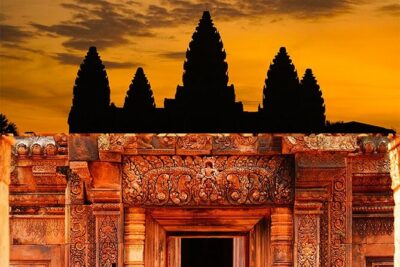
Angkor starts best when you control the pace. This private transfer gets you from Siem Reap to Angkor Archaeological Park so you can explore on your own, without group bottlenecks. You’ll still have an English-speaking driver to handle pickup, routing, and getting you back on time.
I especially like the flexibility here: you decide how long you linger at Angkor Wat versus how quickly you move through the rest of the circuit. Another win is the intimate feel for a site that can get busy, because you’re not waiting around for large groups to shuffle from stop to stop.
The main thing to watch is that there’s no experienced English guide included, and the temple entrance fee is on you (the park fee is listed separately). If you want deep narration and history on every corner, you’ll need to prepare or supplement yourself.
In This Review
- Key highlights to know before you go
- Private driver-only touring at Angkor: control beats being rushed
- Price and value: $13 transfer, plus the park entrance fee
- Getting from Siem Reap to Angkor: tuk-tuk vs AC minivan
- Dress code and timing: what you must wear to avoid problems
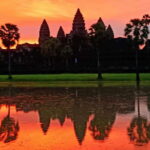
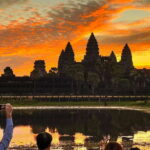
- Stop 1: Angkor Wat for about 3 hours (your main focus block)
- A good way to use your Angkor Wat time
- Stop 2: Angkor Thom for about 1 hour (a faster city stop)
- Stop 3: Bayon Temple for about 1 hour (where your eyes will work)
- Without a guide, focus on a simple photo strategy
- Stop 4: Ta Prohm (short stop, big visual payoff)
- Practical tip: plan your Ta Prohm moment
- What you gain (and what you miss) by skipping the guide
- You gain
- You might miss
- Lunch inside the park: convenient choice, sometimes pricier
- Small details that matter: water, private group, and photos
- Who this tour suits best (and who may want a different style)
- You might want a guide-inclusive option instead if…
- Gotchas to keep you from wasting time
- Should you book this Angkor Wat private transfer?
- FAQ
- What’s included in the tour price?
- Do I need to buy Angkor entrance tickets separately?
- Is there a guide on this tour?
- How long is the tour?
- What transport will I use?
- Are meals provided?
- What should I wear for temple visits?
- How does lunch work?
- What is the cancellation policy?
Key highlights to know before you go
- Private, driver-led pickup and drop-off from your Siem Reap hotel
- No guide, so you explore at your own speed (tickets not included)
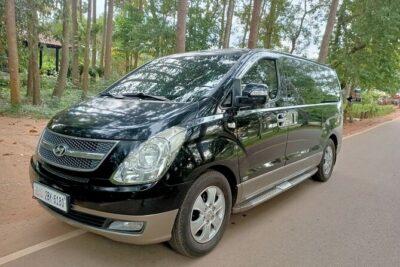
- Tuk-tuk for 1–2 people or an AC minivan for 3+, based on group size
- Bottled cold water during the tour
- Short, efficient route: Angkor Wat, Angkor Thom, Bayon, then Ta Prohm
- Practical dress requirement: long pants or knee-length skirt/dress
Private driver-only touring at Angkor: control beats being rushed
This is built around a simple idea: you get transportation and an English-speaking driver, but you set the pace once you arrive. That matters at Angkor. Even when you have a plan, your feet (and your photos) can change your timing.
You’ll start with pickup from your hotel in Siem Reap and ride into the Angkor Archaeological Park area. After each stop, you’re essentially free to wander within your time window. The tour description also highlights that this avoids waiting for big groups, which you’ll feel immediately if you hate the slow-motion shuffle that happens on large group itineraries.
The upside is obvious: you can spend more time where your eyes keep returning. Maybe it’s the main temple grounds. Maybe it’s the dramatic scenes and photo angles people love. The less fun side is also clear: without an experienced guide, you’ll have to work a bit harder to connect what you’re seeing to what it means.
You can also read our reviews of more guided tours in Siem Reap
Price and value: $13 transfer, plus the park entrance fee
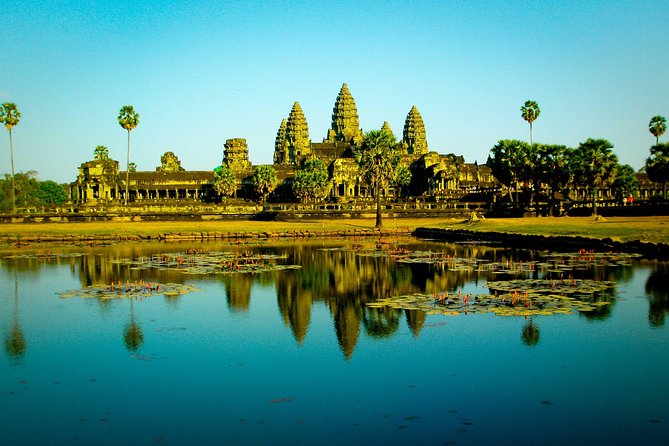
The headline price is $13 per person for transportation and the driver service. That sounds like a bargain, and for what you’re getting—private pickup/drop-off, cold bottled water, and an English-speaking driver—it can be good value.
But you need to add the one big missing cost: entrance fee for Angkor National Park is $37 per person (not included). So a more realistic budget is:
- $13 transfer + $37 entrance = about $50 per person, before any meals.
Meals aren’t included either. The tour notes that lunch is typically handled at a local restaurant inside the park area, and it can cost more than eating back in town. If you’re trying to keep costs down, that’s worth thinking about before you assume lunch will be cheap.
If you’re a couple, or you can share transport efficiently, the math gets even friendlier—especially because the service is private and only your group participates.
Getting from Siem Reap to Angkor: tuk-tuk vs AC minivan
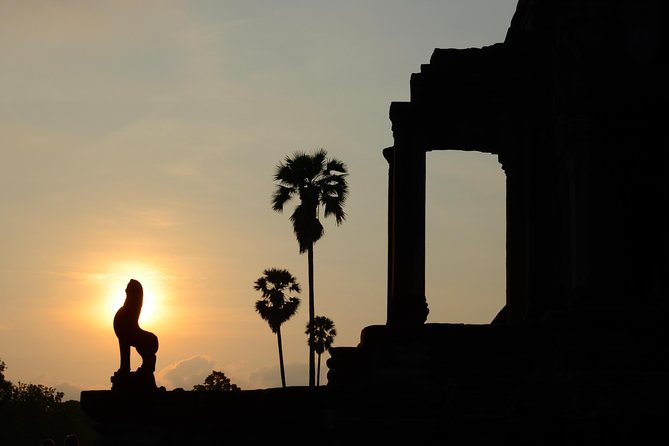
Your transport style depends on group size:
- 1–2 pax: tuk-tuk
- 3+ pax: AC minivan
Both options are practical for this kind of day. The tuk-tuk feels like part of the experience, and it’s easy for short hops between temple areas. The AC minivan is the better call if your group includes people who get uncomfortable in heat or want a quieter ride.
Either way, the pickup and drop-off are included from your hotel in Siem Reap. That saves you time hunting transport on your own, and it keeps the schedule smoother since you won’t be figuring out timing between multiple stops.
Dress code and timing: what you must wear to avoid problems
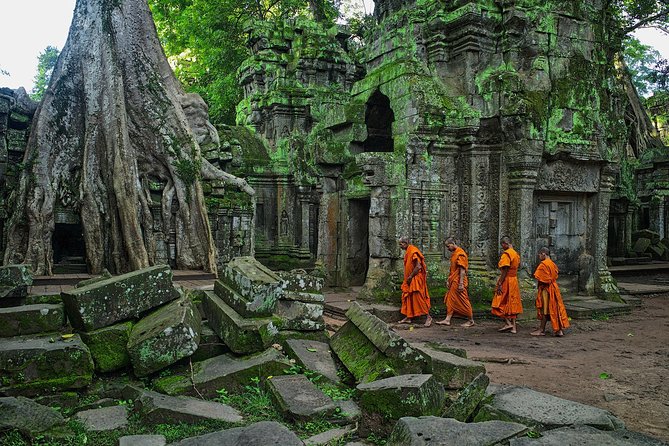
Angkor temples have a strict dress requirement:
- Long pants, or a knee-length skirt/dress
This is one of those “check it now, not later” rules. If you show up in shorts, you can end up stuck while you search for something appropriate. Even if the tour moves efficiently, you don’t want your morning (or your first stop) ruined by a clothing scramble.
Also, plan for the fact that you’ll be walking on temple grounds during daylight. Moderate fitness is recommended for travelers, and you should expect uneven walking surfaces and some climbing areas. If you know you tire quickly, build in slower pacing at Angkor Wat where you’re likely to want longer anyway.
Stop 1: Angkor Wat for about 3 hours (your main focus block)
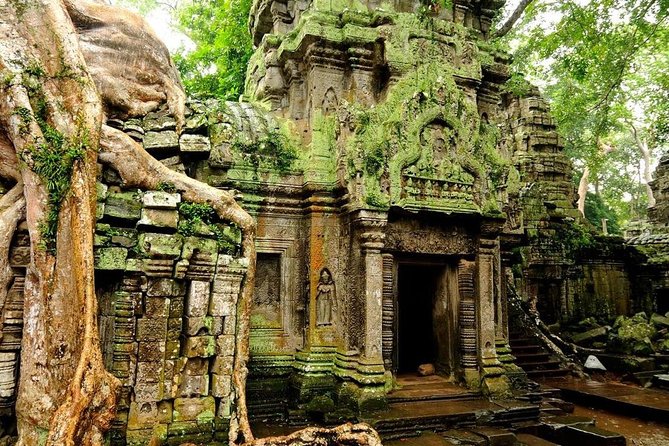
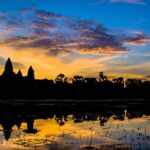
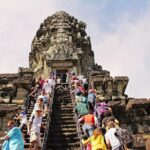
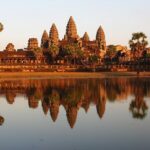
Angkor Wat is your first stop, and the time here is the big one: around 3 hours. That’s perfect if you want room to see the complex without turning it into a race.
Because this tour is private and you explore on your own, the 3-hour block is where you can shape the experience:
- Spend longer on the viewpoints and paths that catch your eye
- Take more photos without negotiating group timing
- Step away for a breather when you need it
The tour also points out that you’ll handle the entrance fee at the ticket office on your own. So the practical move is to keep your day pack ready for tickets and to avoid any delays right as you arrive at the park.
You can also read our reviews of more private tours in Siem Reap
A good way to use your Angkor Wat time
Don’t treat the 3 hours like a checklist. Treat it like a choose-your-own-wander. Start with the area you’ve been picturing from photos, then follow whatever line of sight keeps pulling you forward. With no guide, your best “story” comes from noticing what changes as you move—angles, carvings, and layouts that look different from different positions.
Stop 2: Angkor Thom for about 1 hour (a faster city stop)
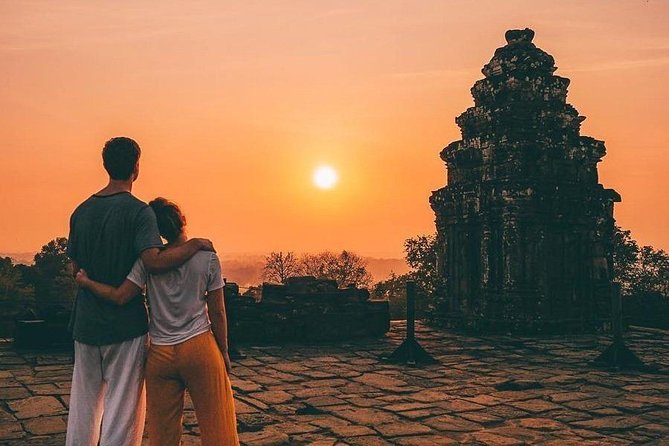
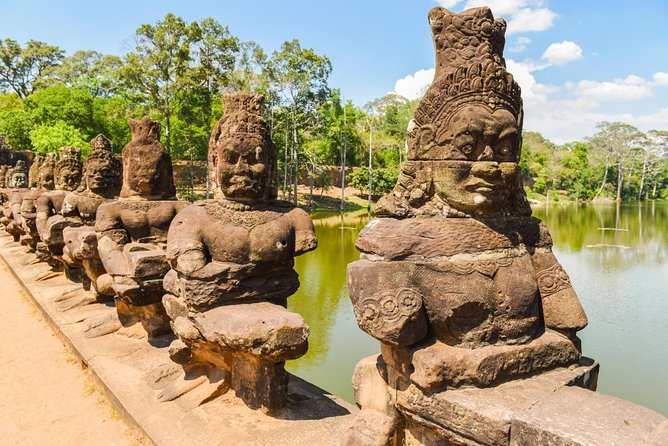
Next up is Angkor Thom, described as the capital city of the Khmer empire built at the end of the 12th century. The tour notes it’s located north of Angkor Wat, between West Baray and East Baray.
You’ll have about 1 hour here. That’s not a long time, so think of it as an orientation stop plus a chance to catch the atmosphere. If you love urban layouts and temple gateways, you might feel satisfied in that window. If you’re hoping for a deep, slow investigation, 60 minutes can feel short—especially without an English speaking guide to highlight what to look for.
Still, this timing is part of the value. It keeps your day moving so you can hit the major anchors and not spend the whole day in one spot.
Stop 3: Bayon Temple for about 1 hour (where your eyes will work)
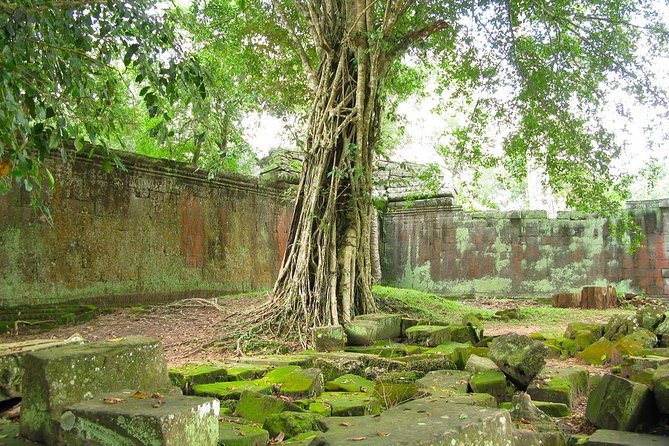
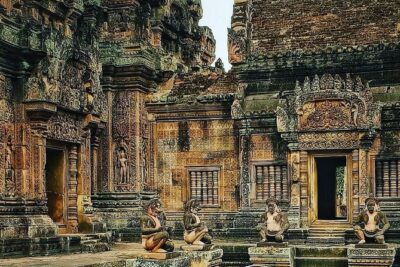
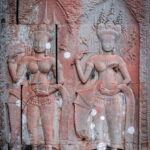
Bayon Temple is next, with about 1 hour allocated. The tour description gives specific context: Bayon is a richly decorated Khmer temple at Angkor, built in the late 12th or early 13th century as the state temple of the Mahayana Buddhist King Jayavarman VII.
This is the kind of stop where even if you’re not reading every detail, you can still “get” the place by looking. The tour’s schedule gives you enough time to walk around and take in the major views without rushing through in panic-mode.
Without a guide, focus on a simple photo strategy
If you’re traveling with a camera or phone, you’ll do better if you set a mini-goal:
- Find one or two key angles you like, then work around them
- Return to the same spot from different sides if you can
- Give yourself time to zoom in on details you’d otherwise miss
Because you’re exploring independently, these small habits keep you from feeling lost. You’ll leave with real images, not just a folder of snapshots taken while you’re still figuring out where to stand.
Stop 4: Ta Prohm (short stop, big visual payoff)
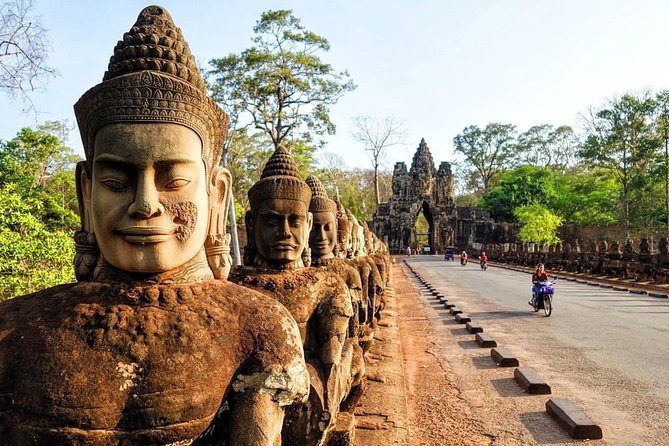
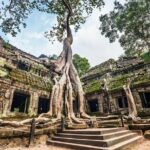
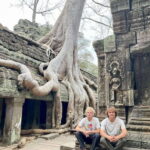
Ta Prohm is the finale, and it’s where the experience gets memorable fast. The tour description frames it around the ruins being taken over by tree roots—a dramatic scene that’s easy to recognize in photos and even easier to feel in person.
However, the timing information shown for Ta Prohm is very short (listed at 1 minute). That’s likely a scheduling detail/formatting issue in the data you’re given, but the safe interpretation is this: Ta Prohm is treated as a smaller time block on this particular route.
So approach this stop with the right expectations. If you want a long, slow Ta Prohm session, you may feel slightly rushed here. If you mostly want to see the signature look—tree roots, ruins, and the atmosphere—you’ll probably be satisfied.
Practical tip: plan your Ta Prohm moment
Because this is your last temple stop, you can make Ta Prohm more rewarding by deciding what you want most:
- The big iconic view first, then details after
- Or details first if you love textures and close-up shots
That way, even if time is tight, you still get what you came for.
What you gain (and what you miss) by skipping the guide
This tour includes an English-speaking driver, but it does not include an experienced English speaking guide. That choice shapes the whole experience.
You gain
- Freedom: you’re not waiting for a guide’s pace
- Flexibility: you can linger where you care most
- Less group time: the tour emphasizes avoiding waiting for large groups
You might miss
- Context: without a guide, the meaning behind specific features may not land as clearly
- Efficient navigation: Angkor is huge and signage can feel like a maze at first
If you’re the type who likes learning while you walk, you can still make this work. Bring a guidebook, download an audio option, or read a bit before you arrive so your eyes know what to look for when you’re standing there.
Lunch inside the park: convenient choice, sometimes pricier
The tour notes that lunch is normally stopped at a local restaurant in the national park during lunchtime. It also warns it can be more expensive than restaurants in town, but calls it the best choice for this tour.
That makes sense operationally: once you’re deep in the park area, a long detour back to town can mess up your temple timing. For most people, paying a bit more for convenience and staying on schedule is worth it.
If you’re food-budget focused, you can still plan by doing one of these:
- Eat a substantial breakfast so you’re not starving when lunch costs more
- Pack snacks if your day allows it (check what’s realistic for you)
- Decide in advance whether you’re okay paying for convenience today
Small details that matter: water, private group, and photos
This transfer includes cold bottled water. It sounds basic, but in a hot temple day, it’s one less thing to think about. You won’t spend energy hunting for drinks during transitions.
It’s also a true private tour/activity for your group only. That’s important because it changes how you use time. When you’re not waiting on strangers, you can move at your own pace at each stop—and you can take photos without feeling like you’re holding everyone back.
The tour also mentions a mobile ticket. That can simplify entry steps, though the entrance fee itself is still listed as not included. In practice, that means you’ll want to know exactly how your ticket process works when you arrive.
Who this tour suits best (and who may want a different style)
This works especially well for:
- Couples or small groups who want private transport but don’t require a full guided lecture
- People who prefer to explore at their own pace and are comfortable reading signs or using pre-trip notes
- Travelers with moderate fitness who want a manageable day length (about 5–6 hours)
It also fits families as long as children are accompanied by an adult, since the tour notes that children must be with an adult.
You might want a guide-inclusive option instead if…
- You want an expert to explain what you’re seeing at each temple
- You don’t want to do any prep work beforehand
- You get overwhelmed easily without someone helping you navigate
Without a guide, your enjoyment depends more on your personal curiosity and how prepared you are.
Gotchas to keep you from wasting time
Here are the main friction points to watch so your day runs smoothly:
- Entrance fee not included: Angkor National Park is listed at $37 per person
- No meals included: plan for lunch (often inside the park) and expect it may cost more
- Temple dress code: long pants or knee-length skirt/dress
- Ta Prohm may be brief: this route likely treats it as a shorter final stop
- You’re responsible for exploration: the driver helps with logistics, not interpretation
One more human note: the tour feedback includes examples of drivers who are friendly and flexible. For instance, a tuk-tuk driver named MrCabdriver is described as going out of his way for lunch when the tour finished earlier than expected. That sort of attitude can make the day feel smoother, even with no guide.
Should you book this Angkor Wat private transfer?
Yes, consider booking if you want a private, low-stress transportation plan and you’re comfortable exploring independently. The price plus the included pickup, bottled water, and English-speaking driver can feel like good value—especially if you’re okay handling the entrance fee yourself and you don’t need deep commentary at every stop.
Skip this style (or at least think hard) if you want a guide to explain the temples in detail, or if you’re worried you’ll feel lost without one. In that case, you might prefer a package that includes an experienced English speaking guide so you get the story while you walk.
If you fall somewhere in the middle—curious, but not demanding an expert on every wall—this tour is a practical way to spend a classic Angkor day on your own terms.
FAQ
What’s included in the tour price?
Transportation from your Siem Reap hotel area to the Angkor sites, hotel pickup and drop-off, cold bottled water, and an English-speaking driver are included. Entrance fees and meals are not included.
Do I need to buy Angkor entrance tickets separately?
Yes. Entrance fee for Angkor National Park is listed as $37 per person and is not included. You’ll pay at the ticket office.
Is there a guide on this tour?
No. The tour includes an English-speaking driver, but it does not include an experienced English speaking guide.
How long is the tour?
The duration is listed as approximately 5 to 6 hours.
What transport will I use?
It depends on group size: tuk-tuk for 1–2 people, and an AC minivan for 3 people or more.
Are meals provided?
No. Meals are not included.
What should I wear for temple visits?
Long pants or knee-length skirts/dresses are required for visiting the temples.
How does lunch work?
Lunch is normally stopped at a local restaurant in the national park during lunchtime, and it can be more expensive than restaurants in town.
What is the cancellation policy?
Free cancellation is offered. You can cancel up to 24 hours in advance for a full refund.