REVIEW · SIEM REAP
Angkor Wat Sunrise: Exclusive Private Tour!
Book on Viator →Operated by Angkor Wat Shared Tours · Bookable on Viator
Dawn at Angkor Wat hits different. This private tour is built around the classic sunrise moment, then keeps you moving through the most famous temple sights in the Angkor area while a guide helps the Khmer Empire click into place in your mind. You’ll ride in an air-conditioned minivan with drinking water ready along the way, which matters when your morning starts early and your camera battery is already under stress.
I especially love two things here. First, the schedule makes the morning feel efficient without rushing every photo. Second, my guide, Sayon, explained what you’re seeing in plain language, tying architecture and symbols to the people and beliefs behind them.
One consideration: the Angkor ticket fee and meals are not included, so you’ll want to plan your budget for entry and food separately.
In This Review
- Quick hits before you go
- Why this sunrise day feels worth the early alarm
- Pickup, comfort, and the “don’t waste time” advantage
- Angkor Wat at dawn: the biggest religious monument, seen in motion
- Angkor Thom and Bayon: city walls, symbolic entrances, and a face everywhere
- Ta Prohm: jungle texture, famous film energy, and real atmosphere
- Ta Keo: the unfinished temple that looks unfinished on purpose
- Banteay Kdei: the monk-cells vibe and those famous cotton tree roots
- The real value: having Sayon connect the dots
- Price and what you’re truly buying for $60
- How long is the day, and how should you prepare?
- Who this private sunrise tour suits best
- Should you book this Angkor Wat sunrise private tour?
- FAQ
- What is the starting location for pickup?
- How long does the tour last?
- Is this tour truly private?
- Does the tour include the Angkor ticket fee?
- Are meals included?
- Is drinking water provided?
- What’s included besides the guide?
- What temples and stops are included?
- When will I receive confirmation?
- Can I cancel for free?
- Is there a minimum number of travelers?
Quick hits before you go
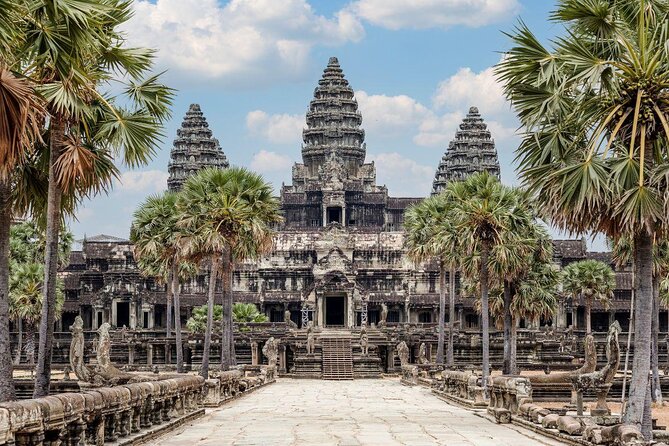
- Sunrise at Angkor Wat plus a full set of signature Angkor sites in one day
- Pickup and drop-off from your accommodation in an air-conditioned minivan
- Guide Sayon helps you connect the dots between temples, empire, and symbolism
- Chilled drinking water available throughout the tour for long, hot temple walks
- Ta Prohm, Ta Keo, and Banteay Kdei give you three very different temple moods, not clones of the same view
Why this sunrise day feels worth the early alarm
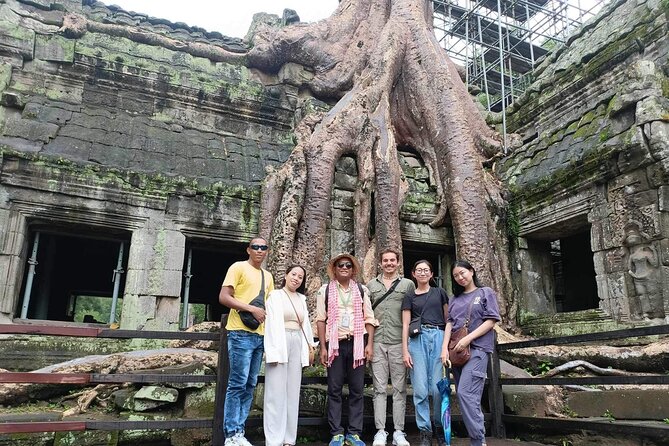
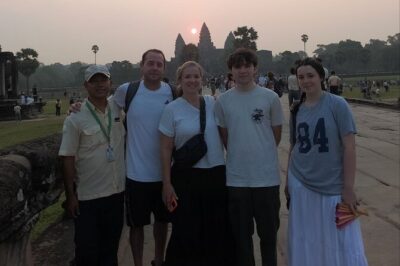
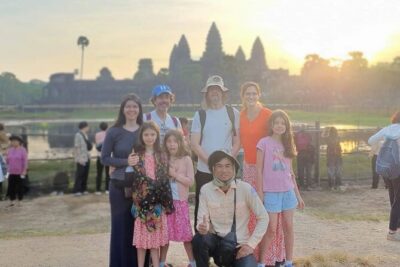
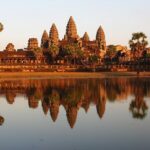
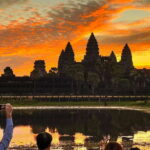
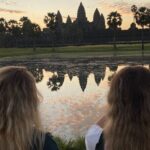
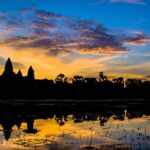
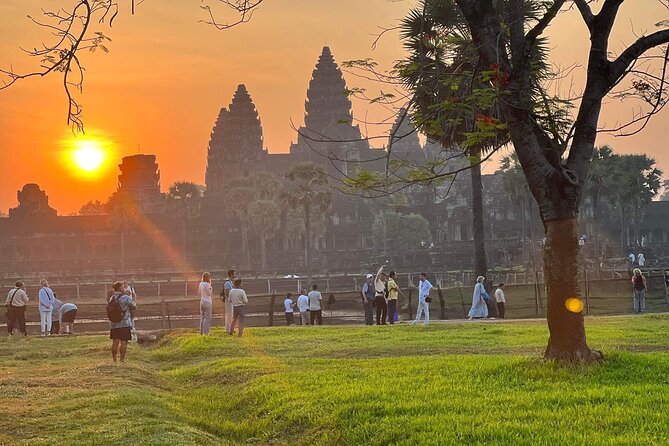
Angkor Wat at sunrise is one of those sights that people hype for good reason. The timing changes how the temple reads: less like a monument you observe, more like something you experience as light and shadows roll over the stone. Even if you’ve seen photos before, you’ll understand why this is the morning anchor.
What makes this tour practical is that it doesn’t stop at the first big moment. You keep going through Angkor Thom, then hit temples with very distinct personalities, so your day feels like a guided story rather than a checklist.
Because it’s private for your group only, you also get a better chance to control your pace. If you want to linger for one specific angle or pause for restroom breaks, you’re not forced into a rigid herd rhythm.
You can also read our reviews of more private tours in Siem Reap
Pickup, comfort, and the “don’t waste time” advantage
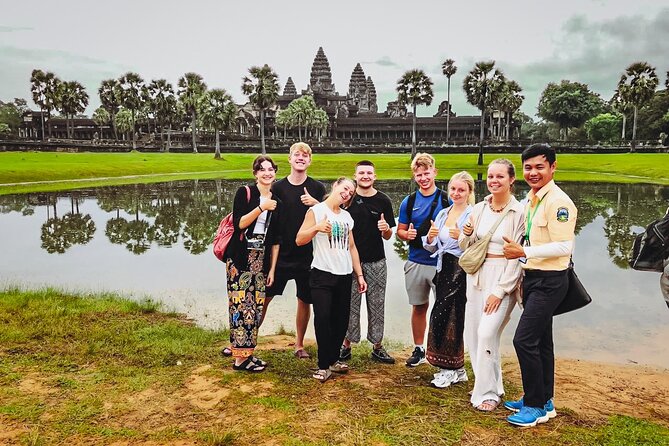
Starting with pickup in Siem Reap is a big deal. It removes the hassle of finding your own transport before a sunrise schedule, and it lets you focus on being ready for the temples instead of managing directions at dawn.
The minivan is air-conditioned, which helps when you’re moving from cooler morning air into the warmer temple circuit. And the fact that you get drinking water during the day sounds small until you’re walking in heat between stops.
This kind of tour timing also helps you avoid the worst parts of disorganization. You’re not waiting around to assemble, and you’re not spending the morning trying to figure out how to get between sites efficiently.
Angkor Wat at dawn: the biggest religious monument, seen in motion
You’re going to spend about two hours at Angkor Wat, and it’s time well used. Angkor Wat isn’t just large; it’s organized and intentional. The sunrise view tends to make the whole complex feel monumental, with the geometry and central temple areas becoming clearer as the light strengthens.
Two practical tips that make a sunrise visit easier:
- Wear shoes you can walk in comfortably for temple paths. You’ll be moving enough that flip-flops usually feel like a mistake.
- Plan for brightness changes. You might start cool and low-light, then quickly shift into strong sun and high contrast.
Even though Angkor Wat is famous for sunrise, there’s a second reason this stop is worth your time: you see the temple as part of a larger religious statement. With the right context from your guide, the design stops feeling like random stonework and starts feeling like purpose.
Note: the Angkor ticket fee is not included, so have that sorted before you arrive at the entry point.
Angkor Thom and Bayon: city walls, symbolic entrances, and a face everywhere
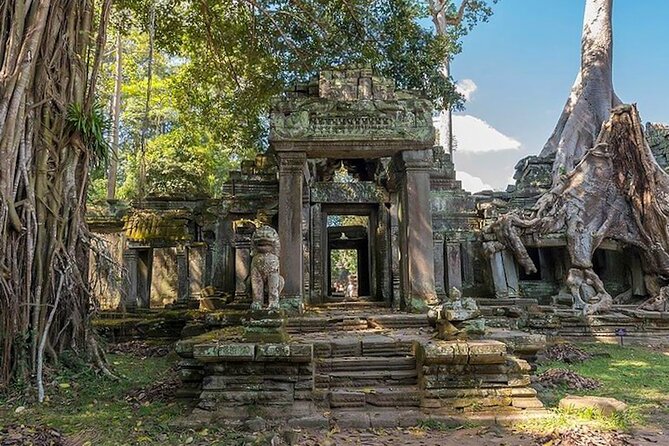
Next comes Angkor Thom, the later capital of the Angkor Empire. This is where the temple circuit starts to feel like a whole city, not just separate attractions.
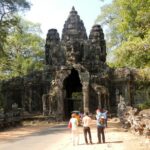
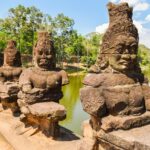
You’ll pass through the South Gate area, known for its gods and demons locked in a tug-of-war motif. It’s a dramatic entrance story, and it’s the kind of symbolism that makes more sense once your guide points out what’s being shown instead of you trying to guess.
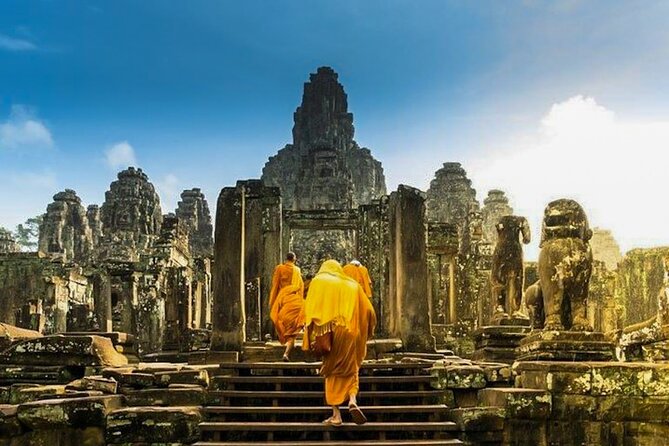
From there, you move toward Bayon Temple at the centre. Bayon is famous for the stone faces that feel like they follow you as you walk. What I like about pairing Bayon with the South Gate stop is that it gives you a full sense of how entry into the city and power within the city were expressed visually.
You’ll have around two hours total here, which is enough time to wander slowly, not just take a quick look. Keep an eye on where you stand, because the angles change the way the faces and towers read.
Again, the entry ticket for this temple area is part of the Angkor ticket fee you’ll pay separately.
Ta Prohm: jungle texture, famous film energy, and real atmosphere
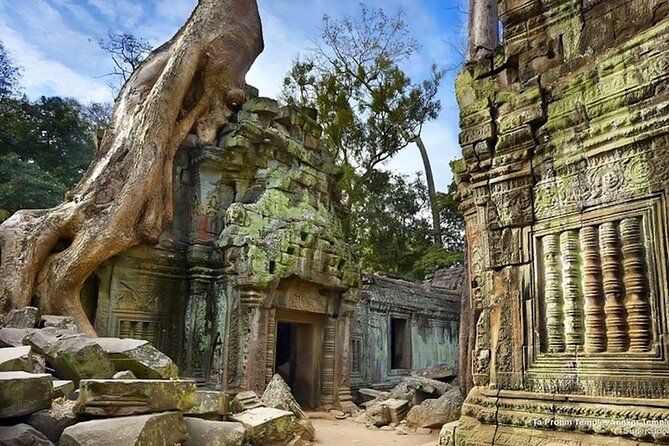
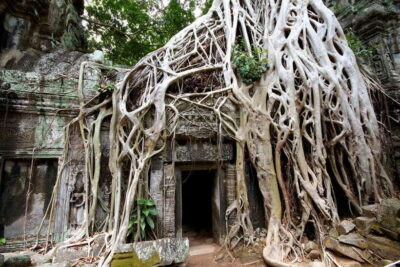
Then you get to Ta Prohm, a ruin partially reclaimed by jungle. This is one of those stops where nature and architecture share the same space, and your photos will look better simply because the setting is already busy with detail.
Ta Prohm is also known through pop culture as the Tomb Raider temple, but don’t treat it like a set. What you’ll actually enjoy is the way the trees and roots shape the ruin’s mood. The stone feels older and more broken in a way that looks natural, not staged.
This stop runs about one hour. That’s about right for Ta Prohm because it’s visually intense. If you try to rush, you miss the root-and-stone moments that make it special.
If you’re sensitive to uneven footing, take it slow. Ruins plus roots can make paths feel irregular, especially after you’ve already been walking since sunrise.
You can also read our reviews of more tours and experiences in Siem Reap

Ta Keo: the unfinished temple that looks unfinished on purpose
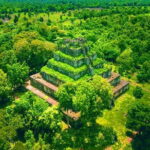
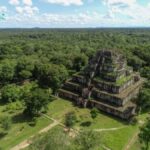
Ta Keo is a shorter stop at about one hour, but it changes the tone. Many Angkor temples feel complete, even when they’re worn. Ta Keo feels different because it was never finished.
You’ll notice the temple’s square, layered-pyramid shape. The dramatic part is that it looks like the project stopped mid-sentence, which creates a distinct silhouette compared with other stops on the day.
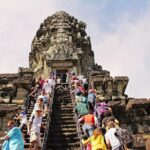
There’s also an opportunity to climb at least parts of the temple terraces, and that’s where Ta Keo earns its keep. Views help you understand the scale and direction of the complex in the wider temple zone.
This is also a good break stop. After Ta Prohm’s tangled jungle atmosphere, Ta Keo gives you clean lines, a more architectural feel, and a chance to reset your eyes.
Banteay Kdei: the monk-cells vibe and those famous cotton tree roots
Banteay Kdei, also called the citadel of monk’s cells, brings you a different kind of beauty. It’s partially overgrown with towering trees, and those trees are not just background. They add structure to the scene and make the ruin feel alive.
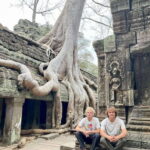
The most memorable visual here is the silk cotton tree roots. They weave through ruined stone in a way that’s easy to recognize in photos, but much better in person because you can see the texture and depth.
You’ll spend about one hour at this stop. That gives you enough time to circle, find one or two good viewpoints, and still stay on schedule for the full day.
If you like detailed temple stonework, this is a strong choice because you’re not only seeing a building. You’re seeing how time, plants, and weather have collaborated.
The real value: having Sayon connect the dots
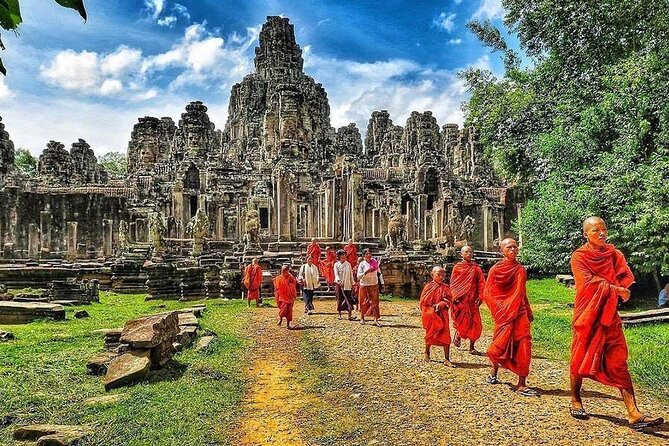
A sunrise tour is always going to be about visuals. But the day becomes far more satisfying when someone explains what those visuals mean.
My guide, Sayon, did a standout job walking through the temples and explaining what was happening historically around them. You get more than a few captions on a screen. You get the why behind the design choices and how the Khmer Empire expressed power, belief, and identity through stone.
This matters because Angkor can feel like a huge maze if you don’t have anchors. When you understand that the city, gates, and temples were part of a broader system, you stop viewing each site as a random stop on a long route.
I’d suggest asking your guide one or two questions during the ride. Even something simple like what you should look for next can help you tune your attention before you arrive.
Price and what you’re truly buying for $60
At $60 per person, this tour is priced like a budget-friendly way to see a lot without DIY stress. What you’re paying for is the private transportation, pickup and drop-off, an English-speaking guide, and time management across the morning and temple circuit.
Two costs to factor in:
- The Angkor ticket fee is not included
- Meals are not included
That means your total day spend depends on how you handle food. If you plan to grab snacks or a meal near the circuit, you’ll likely feel good about the value. If you arrive hungry and try to buy everything on the fly, you might feel budget pinch sooner than you expect.
Still, considering you’re getting an organized route, private vehicle comfort, and a guide with context, $60 feels like a fair entry point for a high-impact day.
Also, this tour is described as a private activity for your group only. If you’re traveling with a friend or small group, it can feel especially reasonable because you’re splitting the cost of that convenience.
How long is the day, and how should you prepare?
Plan on 8 to 10 hours. That’s a full day, and it’s not just because you have multiple stops. It’s because sunrise adds early morning time, and temple walking adds steady physical effort.
Here’s what I’d do before you go:
- Keep your daypack light, but bring water if you’re the type who likes a backup bottle. The tour provides drinking water, but having extras is comforting.
- Wear clothes that can handle heat and sun. You’ll be outside a lot.
- Build in patience for crowds and movement at major temples, even on a private tour day.
The good news is the tour is organized stop-to-stop, so you’re not constantly figuring out timing. You just follow the route and enjoy the sights.
Who this private sunrise tour suits best
This fits best if you want one clear plan for Angkor Wat sunrise and the major highlights afterward. It’s ideal for:
- First-timers who want the biggest names in one day
- Couples or small groups who prefer private comfort and pacing
- Travelers who like their temple sightseeing with explanations, not only photos
If you’re the type who wants to wander totally independently, you might find the structure limiting. But if you’re trying to see a lot and reduce the stress of planning, this style is a smart way to do it.
Should you book this Angkor Wat sunrise private tour?
I’d book it if your priority is a smooth sunrise morning plus a guided run through Angkor Thom, Ta Prohm, Ta Keo, and Banteay Kdei, with English support and air-conditioned pickup from Siem Reap. The guide quality feels like the make-or-break factor here, and Sayon’s explanations are the kind of context that turns a photo day into a meaningful temple day.
I’d think twice if you’re trying to keep your overall costs ultra-low, because the Angkor ticket fee and meals will add to your total. Also, plan for a long day. If 8 to 10 hours of temple walking sounds heavy, you may want to choose a shorter or less intense option.
If you can handle a full day and want the convenience of a private vehicle and guide, this is a strong value for one of the most famous sunrise experiences in the world.
FAQ
What is the starting location for pickup?
Pickup is offered from your accommodation in Siem Reap, and you’ll also get drop-off after the tour.
How long does the tour last?
The tour lasts about 8 to 10 hours.
Is this tour truly private?
Yes. It’s a private tour/activity, and only your group participates.
Does the tour include the Angkor ticket fee?
No. The Angkor ticket fee is not included.
Are meals included?
No. Meals are not included.
Is drinking water provided?
Yes. Drinking water is included, and chilled water is available throughout the tour.
What’s included besides the guide?
You get private transportation, pickup and drop-off, drinking water, and an English speaking tour guide.
What temples and stops are included?
The tour includes Angkor Wat (sunrise), Angkor Thom, Ta Prohm, Ta Keo, and Banteay Kdei.
When will I receive confirmation?
Confirmation is received at the time of booking.
Can I cancel for free?
Yes. You can cancel up to 24 hours in advance for a full refund. If you cancel less than 24 hours before the start time, you won’t receive a refund.
Is there a minimum number of travelers?
Yes. If the minimum number isn’t met, the experience may be canceled and you’ll be offered a different date/experience or a full refund.