REVIEW · SIEM REAP
Sunrise Angkor Wat Temple Half Day Tour ( Small-Group Tour)
Book on Viator →Operated by Angkor Pro Travel · Bookable on Viator
That first light at Angkor Wat is magic. This small-group morning tour packs the big hits of the Angkor Archaeological Park, with a guide who helps you read the carvings and understand what you’re looking at. I particularly like the sunrise-at-Angkor-Wat timing and the hotel/area pickup setup that gets you moving without stress.
Two more things make this worth your time: you visit major stops like Angkor Thom and Bayon, and you’re given help for positioning yourself for the best sunset viewing over the temples. The main drawback to keep in mind is that what you pay for doesn’t cover entry—so you’ll need an Angkor Pass—and your guide’s English level may vary, which can affect how much you get out of the explanations.
In This Review
- Key things to know before you go
- Sunrise at Angkor Wat: Why this start time changes everything
- Pickup, transport, and the flow of a 6-hour day
- Angkor Wat: Your 2 hours for photos and first bearings
- Angkor Thom’s South Gate: Learn the capital before the faces
- Bayon Temple: The Hundred Faces and the mixed faith story
- Ta Prohm: Tomb Raider vibes, plus the “why it looks like this”
- Getting a good sunset over the temples (without guessing)
- Price and value: $14.40 plus the Angkor Pass reality check
- Guide quality: friendly matters, but English level can affect depth
- Who this tour suits best (and who may want to compare)
- Should you book Sunrise Angkor Wat with Angkor Thom, Bayon, and Ta Prohm?
- FAQ
- How much does the Sunrise Angkor Wat Temple Half Day Tour cost?
- How long is the tour?
- What are the main temple stops?
- Is the Angkor Pass included in the price?
- What’s included during the tour?
- Where does the tour start and end?
Key things to know before you go
- Angkor Wat start around 5:00 AM for the best dawn atmosphere and first-chance photos
- Four major temple stops in one morning-to-early-evening loop: Angkor Wat, Angkor Thom, Bayon, Ta Prohm
- Guide support for the sunset spot so you’re not wandering around trying to guess the view
- Cold drinking water and a cold towel included to help you cope with the heat later
- Admission fee / Angkor Pass not included, and food is on your own
- Small-group feel with private participation (only your group joins)
Sunrise at Angkor Wat: Why this start time changes everything
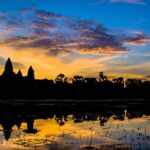
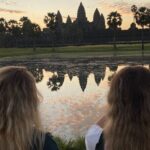
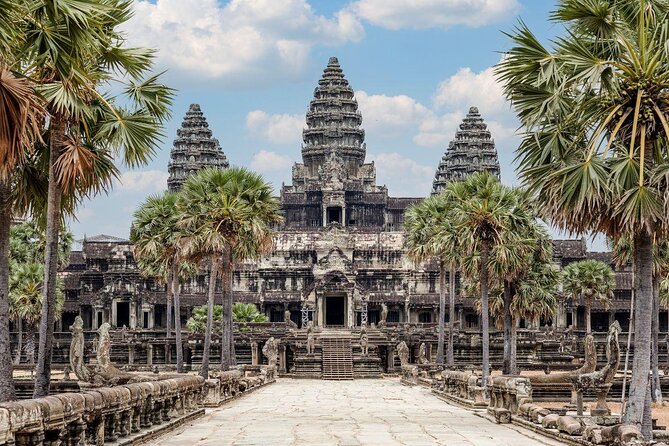
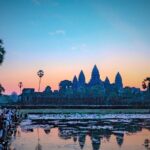
If you like your travel with a little cinematic timing, this works. Arriving at Angkor Wat around 5:00 AM means you’re seeing the temple as the darkness lifts, not after the crowds have fully landed. The light changes fast here, and that’s exactly when the stone details look their best.
I love that you get a real block of time on-site—about 2 hours at Angkor Wat. That’s enough to wander the main grounds, take photos without feeling rushed, and still catch the moments when the colors shift from cool morning tones to brighter daylight.
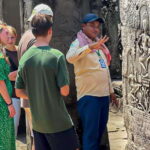
The guide matters, too. You’re not just walking from photo spot to photo spot. You’ll get explanations that help you connect shapes and symbols to the story of the Khmer Empire, so the temple isn’t only scenery.
One practical thing: sunrise tours also mean earlier wake-up and cooler-than-you-think mornings. The included cold drinking water and cold towel won’t solve the whole weather thing, but they do help once the day heats up.
You can also read our reviews of more tours and experiences in Siem Reap
Pickup, transport, and the flow of a 6-hour day
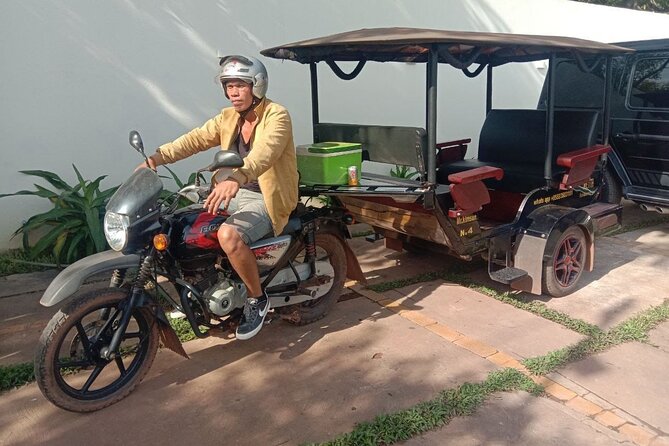
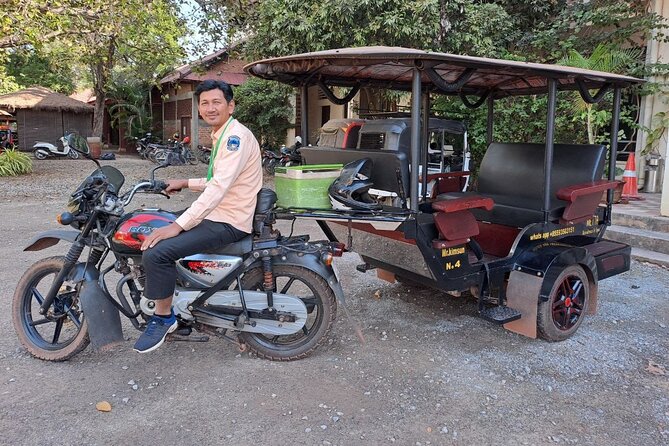
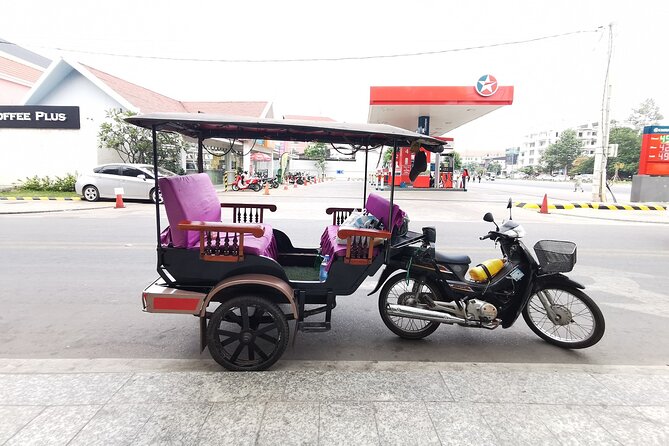
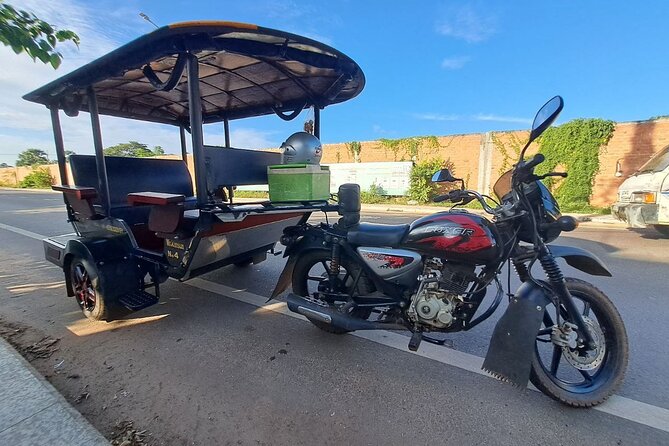
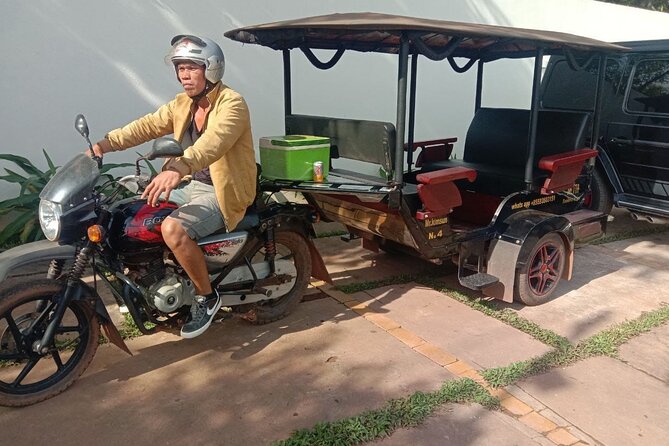
This tour is built for convenience. Pickup is offered, and you’re using private transportation in an air-conditioned vehicle (and the mode can be a tuk-tuk, car, or van depending on your group size). That matters in Siem Reap, because you don’t want to lose half your day coordinating rides.
It’s also designed to get you to the temples quickly and reduce waiting. The day is structured around specific temple arrival windows, with stops that total about 6 hours (approx.). That’s long enough to see the highlights without turning your afternoon into a blur.
The meeting point listed for the tour is Siem Reap Shuttle Tours on Sivutha Blvd, and the experience ends back at the same location. In practice, pickup from your hotel is typically part of the deal when you reserve, but it’s smart to confirm exactly where you’ll meet your guide.
A small comfort detail I appreciate: you’re provided cold drinking water and a cold towel. On temple days, that’s not luxury—it’s survival support, especially after you’ve been out early and then hit the heat later.
Angkor Wat: Your 2 hours for photos and first bearings
Angkor Wat is the reason people plan the whole trip. Your stop here starts around 5:00 AM, so you’ll be in the right place for those early views when the temple looks timeless instead of touristic. You’ll spend about 2 hours exploring the main temple grounds.
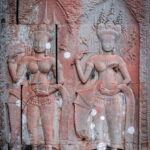
What makes this stop work on a guided half-day is pacing. A guide can help you choose what to prioritize—where to look first, which angles show the structure best, and what the key carvings and layout are trying to communicate. It saves you from wandering in circles or missing the details that make the whole site click.
Photo-wise, early timing helps. Less daylight overhead at the start can make the stone look different than it does at noon, and your photos won’t all look the same. Also, you’ll have time to take breaks. Not every angle is a 30-second stop.
If you care about getting your own shots (not only group photos), tell your guide what you want. One review mentioned the guide took quite a few photos—so you may find you’re able to ask for help and get back to enjoying the view without constantly handing your camera to strangers.
Angkor Thom’s South Gate: Learn the capital before the faces
After Angkor Wat, you head to Angkor Thom City, the 12th-century capital of the Khmer Empire. Your visit includes a stop at the south gate, where you can learn about the architecture and history.
This is one of those parts where a guide really earns their keep. The south gate isn’t just a dramatic entrance—it’s your context. Once you understand what this city represented and how it was planned, the rest of the complex stops feel less random.
You’ll spend about 1 hour at Angkor Thom. That’s enough time to absorb the gate area and get moving toward Bayon without the day feeling dragged out. The tradeoff is that you won’t have the time to roam deep into every corner of the city—this is about major hits, not exhaustive exploration.
Bayon Temple: The Hundred Faces and the mixed faith story
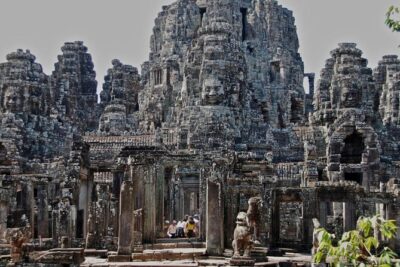
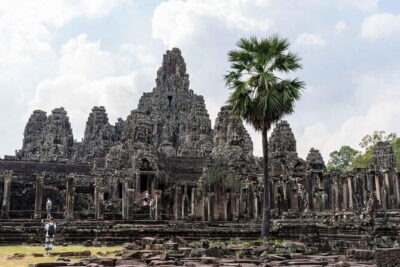
Bayon Temple is famous for a reason: the giant stone faces. Expect to spend around 1 hour here, and get ready for close-up attention. You’ll see how the faces depict different deities and kings, and that’s where Bayon starts to feel less like a photo backdrop and more like a statement.
One of the best parts of Bayon is the religion story. This temple combines elements of Hinduism and Buddhism in a way that reflects the vision of Jayavarman VII, who aimed to create a new capital that was both powerful and beautiful. It also reflects devotion to his religion and to his people.
Because your time is limited, focus on looking up and then slowing down. The faces are the headline, but the temple details around them add meaning once you’re oriented. A guide can help you spot what to pay attention to so you don’t just see faces—you understand what they might be representing.

Ta Prohm: Tomb Raider vibes, plus the “why it looks like this”
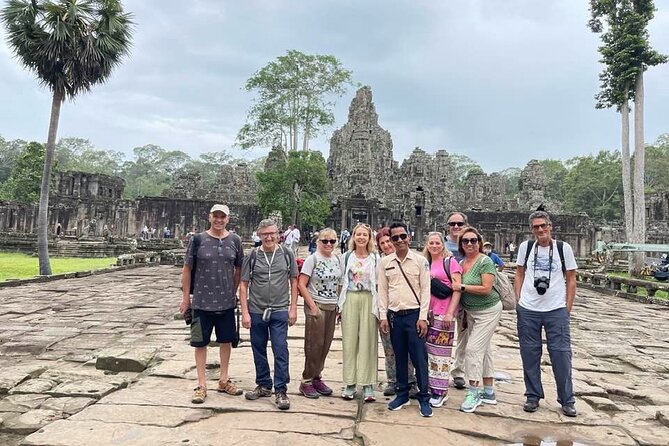
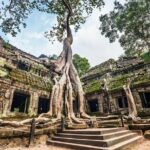
Next is Ta Prohm Temple, the one most people recognize from Tomb Raider style imagery. You’ll have about 1 hour here, and you’ll notice the look first: overgrown vegetation wrapped around ancient structures and carvings that feel both weathered and protected by age.
This stop is special because it doesn’t try to look “clean.” It looks like time won. The mystery visitors feel is part of the design story: it’s a temple where nature and stone share the frame.
If you want the most out of this hour, keep your eyes moving. Start with the bigger scenes—where roots meet walls and the openings frame the sky. Then switch to the carved sections you can reach from your path. The carvings and stonework feel more personal when you take them in gradually.
Getting a good sunset over the temples (without guessing)
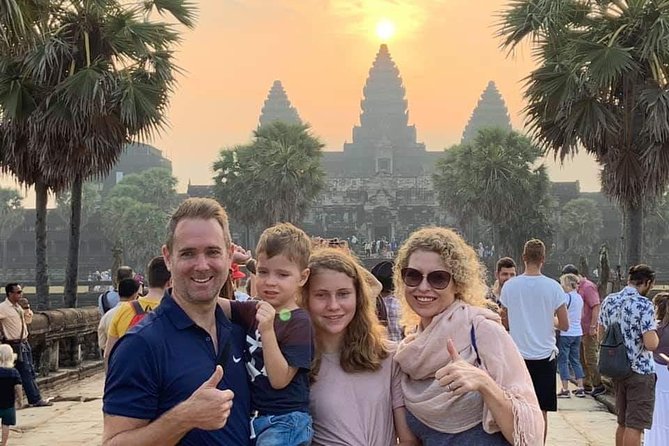
This is the part that makes the tour feel more than a checklist. The tour includes help for finding the best spot to watch the sunset over the temples, with your guide directing where to go.
The practical advantage is simple: sunset timing is tight, and good views get harder to snag as light drops. A guide who already knows the viewing flow can help you avoid wasting the best hour of the day wandering around.
Because the tour is built around major temple stops earlier, you’ll want to stay mentally flexible for the sunset segment. Don’t plan on having a lot of time to explore extra detours at the end. Think of sunset viewing as the payoff: you get the big view, you watch the sky change, and you move on.
Price and value: $14.40 plus the Angkor Pass reality check
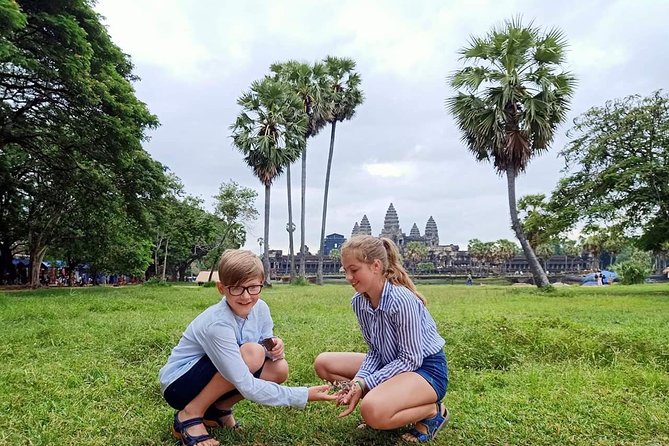
The listed price is $14.40 per person, and that’s a strong entry point for a guided morning tour with transportation and included refreshment. What makes it feel good value is what you do get: a professional guide, air-conditioned private transportation, and practical extras like cold water and a cold towel.
But here’s the key budgeting point: admission fees / the Angkor Pass are not included. That means your final total isn’t just $14.40. You’ll also need to plan for food and drinks because those aren’t included either.
So how do you judge whether this tour is worth it? Ask yourself this: if you’re going to see Angkor Wat, Angkor Thom, Bayon, and Ta Prohm anyway, this tour gives you a guided route that reduces coordination hassles. If you’re on a tight schedule and want someone to help you get oriented quickly, the low base price becomes even more meaningful.
If you want total control over your meal stops and spending, just remember food is on you. One review-style concern was not having much choice about where to buy lunch, which fits the reality of a tour where meals aren’t included. Bring a flexible attitude, or plan to handle meals separately if that kind of control matters to you.
Guide quality: friendly matters, but English level can affect depth
This experience is run with a professional tour guide (assigned based on the reservation selection). I like that guides are part of the value here—not only for safety and timing, but because Angkor makes more sense when someone can explain what you’re seeing.
One review mentioned the guide was friendly and picked the group up promptly. That’s a big deal on early tours. Another review flagged that English wasn’t as strong as some other guides they’d had, which can affect how much detail you catch—especially if you’re hoping for deep explanations of symbols, layout, and Khmer context.
Here’s how you can handle that in a practical way: ask simple questions about what you’re looking at as you go. If the guide’s English is limited, you can still learn a lot by focusing on the essentials—what the faces represent, why the temple looks the way it does, and what to notice in each area.
Also, if you want photos, don’t be shy. One experience noted the guide took lots of photos, which can be a real convenience. Just confirm what’s happening and whether they’ll help with individual shots, not only group pictures.
Who this tour suits best (and who may want to compare)
I think this tour fits best if you:
- want major Angkor highlights in one guided loop without dealing with all the planning
- like early starts and want the sunrise feel at Angkor Wat
- value transportation + guide explanations over doing it all on your own
- prefer a small-group experience with private participation (your group only)
It may be less ideal if you:
- need a guide with very strong English for advanced explanations
- strongly want choice over where you eat (since food and drinks aren’t included)
- only want one temple and don’t care about seeing the whole “greatest hits” arc
If you’re traveling at a pace where you like to ask questions, take breaks for photos, and still feel you saw the core sites, this matches that style.
Should you book Sunrise Angkor Wat with Angkor Thom, Bayon, and Ta Prohm?
Book it if you want a time-efficient, guided Angkor morning that starts with real dawn atmosphere and ends with help finding a solid sunset view. The price is low for what’s included—transport, guide, and thoughtful extras like cold water and a cold towel. That combination works well when you’re trying to keep stress down and maximize the hours you’ll spend staring at stone wonders.
Compare or plan carefully if you’re budgeting for the Angkor Pass and want tighter control over meals. Also, if language depth matters most to you, ask about guide language expectations when you reserve.
If you want my quick decision rule: this is a good booking when you care about the big sites, sunrise timing, and having someone help you read what you’re seeing. It’s a smaller-value fit if you want everything fully personalized with meals and long stays per temple.
FAQ
How much does the Sunrise Angkor Wat Temple Half Day Tour cost?
The price is listed as $14.40 per person.
How long is the tour?
The duration is approximately 6 hours.
What are the main temple stops?
You’ll visit Angkor Wat, Angkor Thom, Bayon, and Ta Prohm.
Is the Angkor Pass included in the price?
No. The admission fee / Angkor Pass is not included.
What’s included during the tour?
Included items are air-conditioned vehicle, private transportation, a professional tour guide (based on reservation selection), and cold drinking water with a cold towel.
Where does the tour start and end?
The start and end point is back at the meeting location: Siem Reap Shuttle Tours on Sivutha Blvd. Pickup is offered as part of the experience.