REVIEW · SIEM REAP
Siem Reap: Angkor Wat Private Tour by Tuk-Tuk
Book on GetYourGuide →Operated by Etrip Asia · Bookable on GetYourGuide
Angkor feels endless, and that’s the point. I like this private tour because it turns a giant temple day into an easy, timed route with tuk-tuk comfort and a dedicated driver. Two things I really enjoy are the free round-trip hotel transfers and the fact that you’re not stuck walking long distances between sites. One thing to consider: you’ll still do plenty of walking once you arrive at each temple, and you’ll need to plan for the Angkor Pass (not included).
This is a small group set-up (up to 4), so you get flexibility that big group tours usually don’t. The tone stays calm too: multiple drivers have been described as punctual, friendly, and not pushy—some names you might hear are Neang, Vichara, Khun/Mr Kun, Two, Tu, and Niam. Still, the temples are popular, so the best experience comes from arriving with the right mindset: heat, crowds, and stairs are part of the day.
If you want the classic Angkor hits without the slog of shoe-leather logistics, this is a strong way to do it. It’s also a nice fit if you’re time-limited in Siem Reap—an 8-hour day can give you a lot of meaning without feeling like you rushed straight through.
In This Review
- Key highlights worth your time
- Why a private tuk-tuk is the smartest way to handle Angkor logistics
- The 8-hour route: what each stop feels like
- Angkor Wat (2 hours): the main event, with scenic approach
- South Gate (1 hour): a good palate cleanser
- Bayon Temple (2 hours): faces, atmosphere, and photo time
- Local restaurant + free time (1 hour): stop for real food, not just snacks
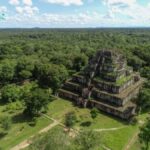
- Ta Keo (1.5 hours): a strong guided stop
- Ta Prohm (2 hours): the famous roots-and-stone feeling
- Banteay Kdei (1 hour): a calmer closer with good payoff
- Transfer back to Siem Reap (remaining time)
- Managing heat and crowds without ruining your day
- Price and value: what $16 per group actually buys you
- Who should book this tuk-tuk Angkor day (and who should think twice)
- The guide factor: why friendly pacing matters more than you think
- Should you book this Siem Reap Angkor Wat private tuk-tuk tour?
- FAQ
- Do I need an Angkor Pass for this tour?
- What’s included in the tour price?
- Is lunch included?
- How long is the tour?
- How many people are in the group?
- Will I be walking at the temples?
Key highlights worth your time
- Tuk-tuk hotel pickup and drop-off so you can start and end the day without transportation stress
- Chilled bottled water helps a lot when the sun is doing its thing
- A driver who can manage timing, letting you linger where you care most
- Angkor Wat plus the small-circuit temples in one day, including Ta Prohm and Ta Keo
- Free time at a local restaurant built into the plan, so you’re not hunting mid-tour
- Official guides are available on-site if you decide you want deeper storytelling at one or two stops
Why a private tuk-tuk is the smartest way to handle Angkor logistics
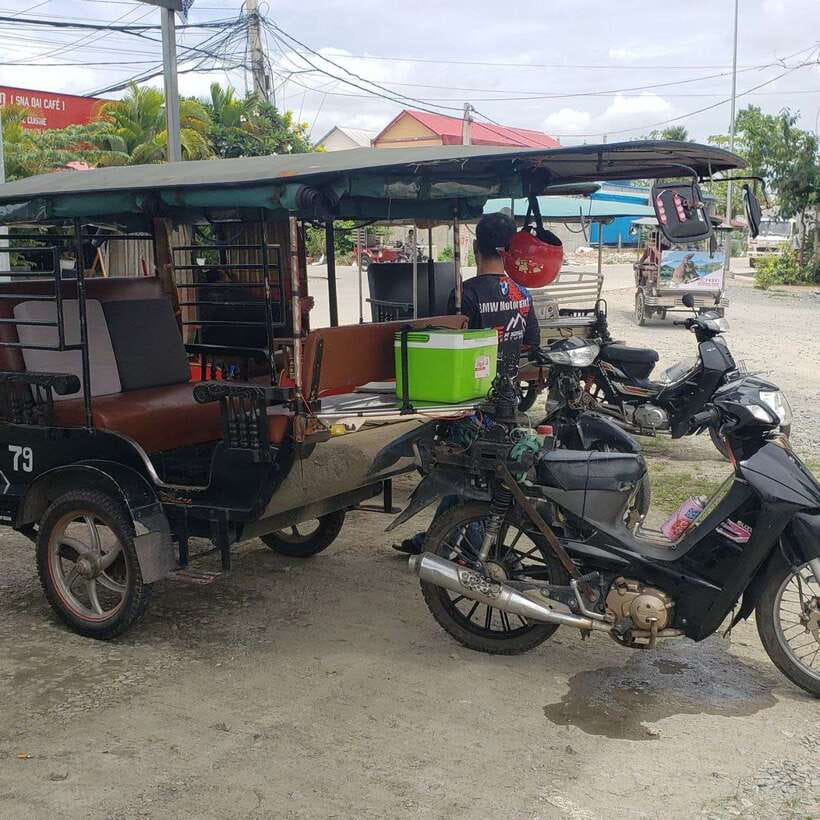
Angkor is famous for being big—really big. The classic mistake is assuming you can just bounce from place to place quickly on foot. You can, but it turns into wasted energy and sore legs, and you still end up distracted by the practical stuff: where the next entrance is, where shade might be, and how to get back without losing time.
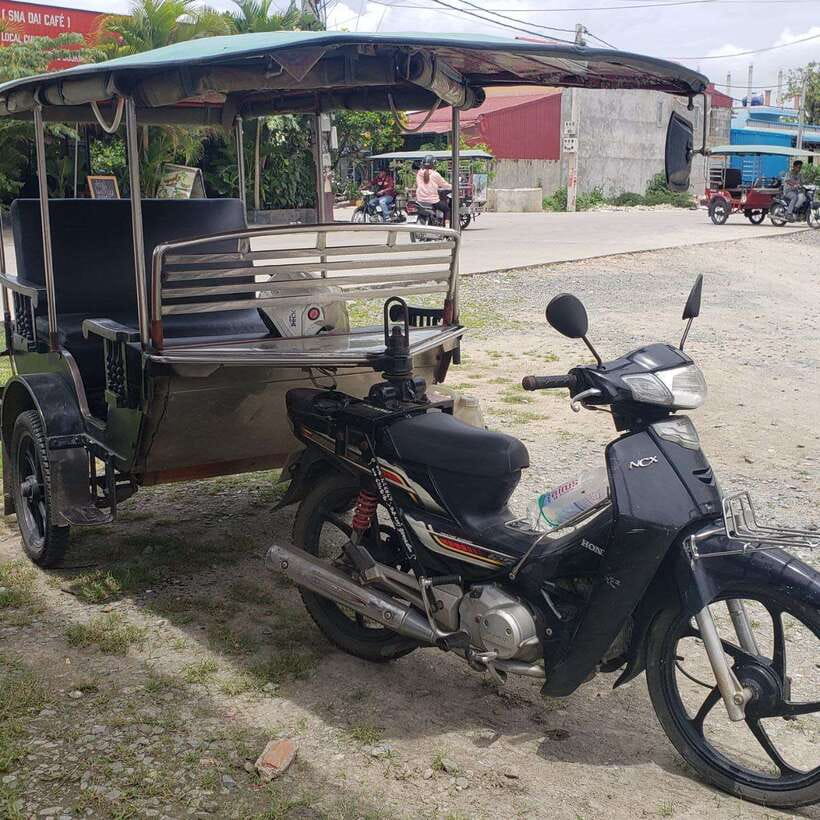
This tuk-tuk set-up fixes that. You’ll ride between highlights in a motorized tuk-tuk, and you keep your day organized like a real itinerary instead of a scavenger hunt. In practice, this means you can spend your legs on the temples themselves rather than the in-between stretches.
I also like that it’s private (up to 4). On a shared tour, you often feel pressure to keep moving even when a temple’s details are pulling you in. Here, the driver can keep the schedule moving while still giving you room to choose your pace—slow for shade and photos, faster for the next must-see.
You can also read our reviews of more private tours in Siem Reap
The 8-hour route: what each stop feels like
The overall shape of the day is built around the most famous names first, then a run of equally worthwhile temples that many people skip because they assume it takes too long.
Here’s how the day plays out in human terms, with what you should expect at each point.
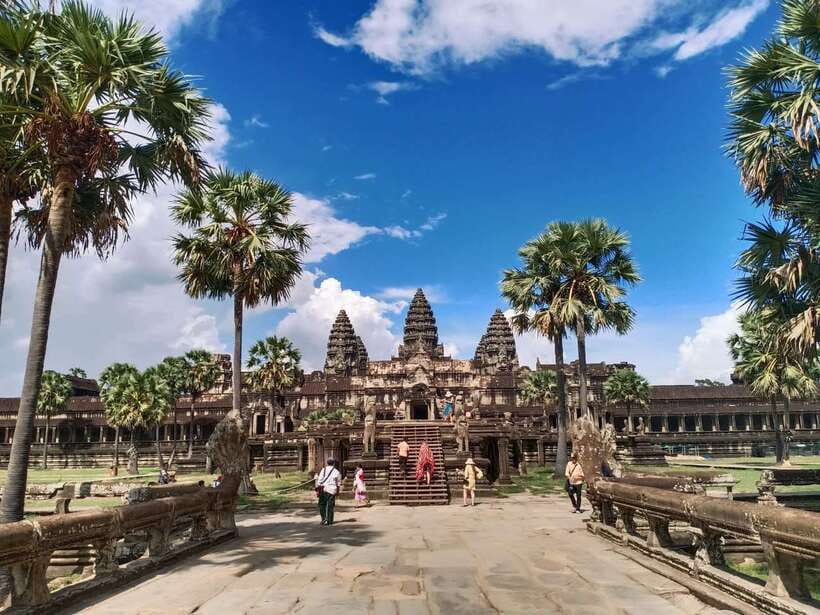
Angkor Wat (2 hours): the main event, with scenic approach
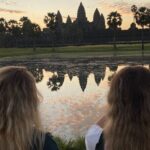
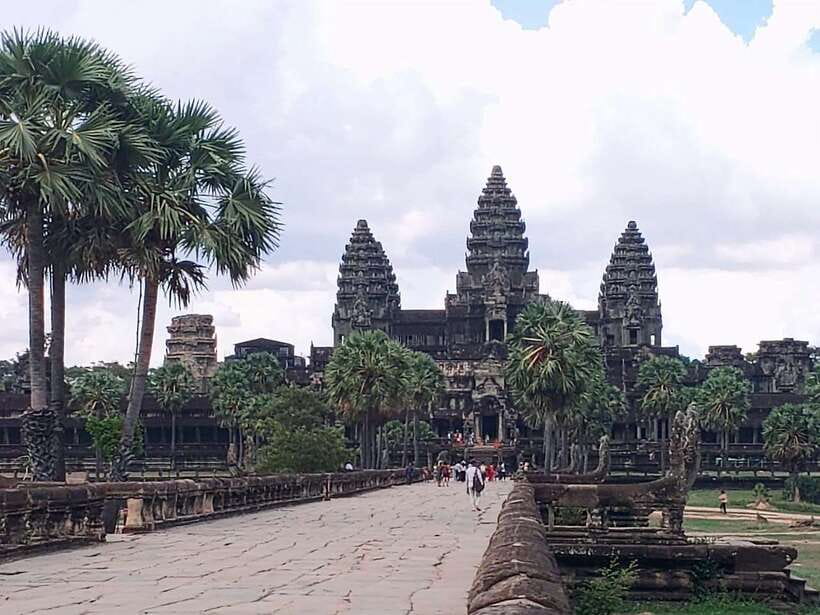
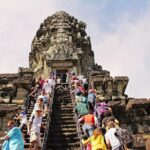
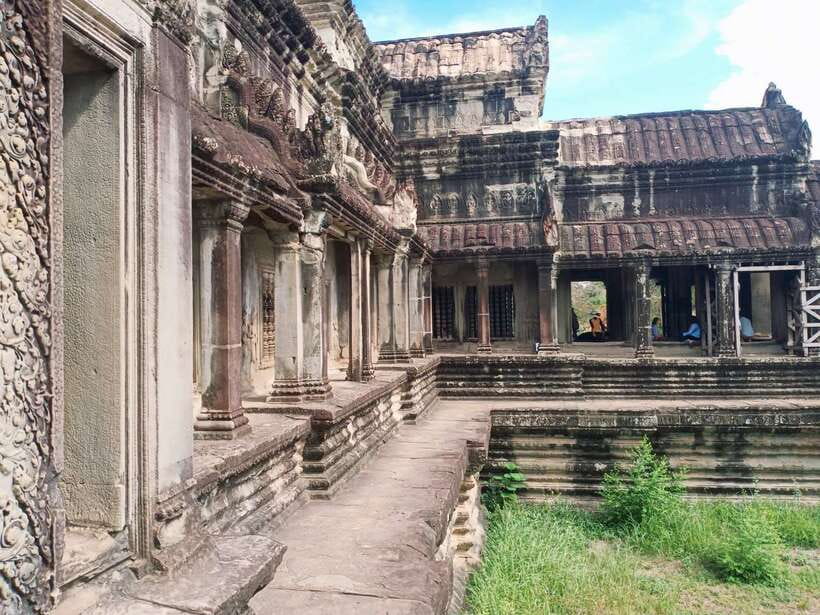
Angkor Wat is the one you picture in your head before you arrive. The plan gives you about two hours here, including sightseeing and walking, plus scenic views on the route. That time is important because Angkor Wat isn’t just one viewpoint—it’s layered. You’ll spend your first part orienting yourself and finding the angles that match the time of day.
A private tuk-tuk day helps because you can slow down without feeling like you’re holding anyone back. If you love symmetry, take your time around the main areas. If you prefer details, you can spend more energy on carvings and doorways rather than racing for photos.
Potential drawback: it’s a major site, so you’ll still deal with crowd flow. Your best move is not to fight it—use your two hours to pick a few moments and enjoy them fully.
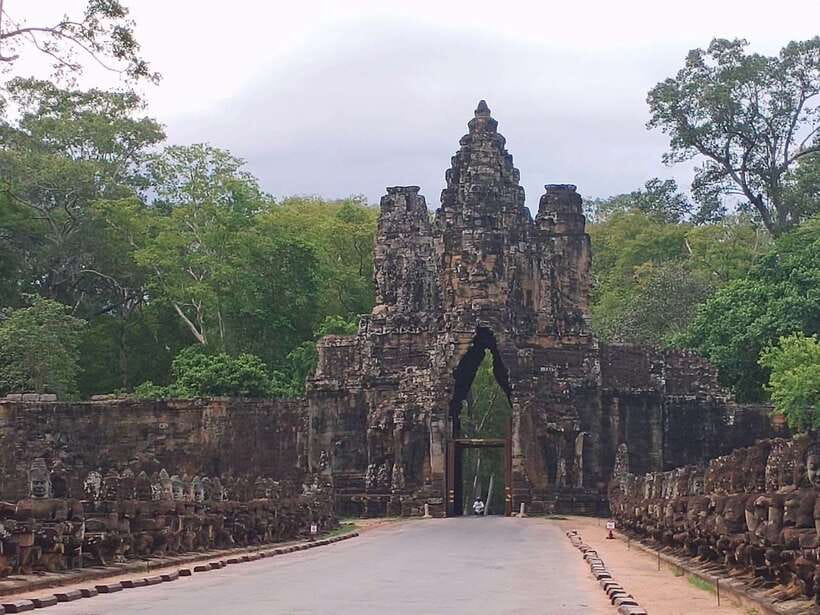
South Gate (1 hour): a good palate cleanser
After Angkor Wat, the day moves to the South Gate with about one hour for sightseeing and walking. This stop works like a reset. It’s less about one single iconic scene and more about the transition into the Angkor Thom area.
If you want a breather from the most packed parts, this is the kind of stop that lets you refocus. It also helps your brain connect where you are, so the next temple feels less like jumping into the middle of a maze.
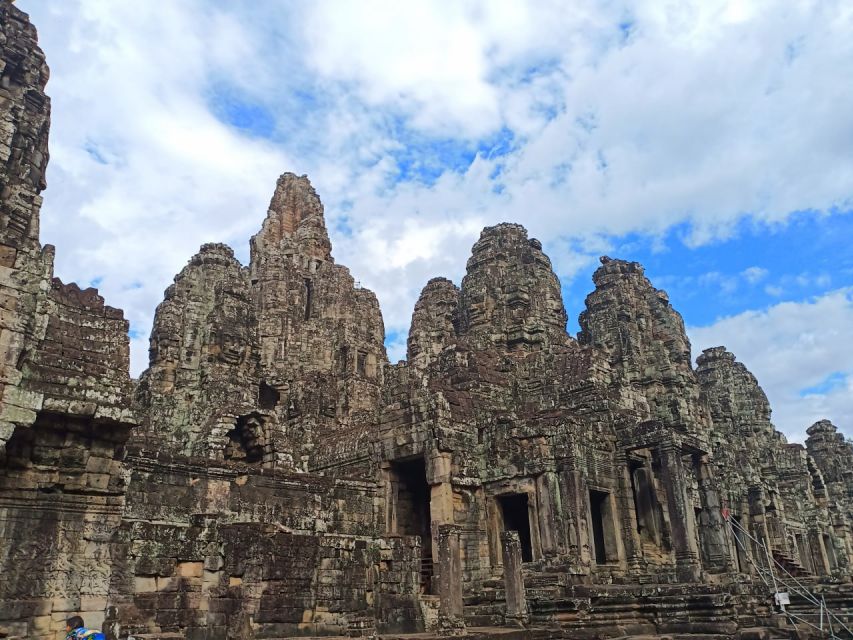
Bayon Temple (2 hours): faces, atmosphere, and photo time
Bayon is the temple where those stone faces make instant sense—suddenly it’s not just architecture, it’s expression. You get around two hours here for sightseeing and walking.
This is one of the best places to slow down. Bayon rewards attention. You’ll be able to circle, look up, and notice how perspective changes as you move. With a private driver, you can also manage your stops so you’re not stuck waiting for a group to catch up.
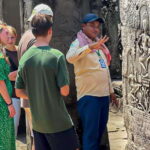
If you prefer guided context, note this: some days include English-speaking support from your driver, and some travelers also decide to hire an official guide on-site for added background. You can do the same if you feel like you want more story at Bayon.



Local restaurant + free time (1 hour): stop for real food, not just snacks
You’ll get a one-hour break at a local restaurant with free time. Lunch isn’t included, but the tour builds in the pause so you’re not eating on the move.
I like this structure because Angkor days can mess with your timing. If you wait too long, you end up hungry and cranky—or you grab whatever is closest. A scheduled break gives you the chance to eat something satisfying, drink water, and regroup.
One practical note from past experiences: drivers have offered lunch suggestions and can bring you to a restaurant they think you’ll like, which saves decision fatigue.
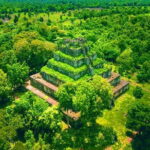
Ta Keo (1.5 hours): a strong guided stop
Next is Ta Keo with about 1.5 hours and a guided portion. This timing matters because Ta Keo is one of those temples where details make the difference. Even if you’re not a “stand and read every stone” person, a guide helps you see what you’re looking at instead of just admiring it from far away.
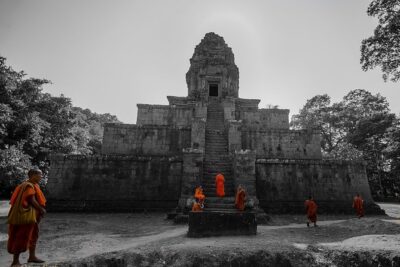
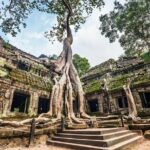
Ta Prohm (2 hours): the famous roots-and-stone feeling
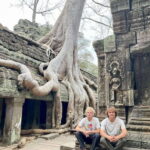
Then you’ll hit Ta Prohm for about two hours with guided time. This is the temple most people associate with dramatic nature taking over architecture. With enough time, you can see the different angles and not feel like you’re rushing through the set pieces.
Two hours also gives you room to take photos without turning the experience into a production line. If you like walking slowly, Ta Prohm is where that style pays off.
Banteay Kdei (1 hour): a calmer closer with good payoff
Finally there’s Banteay Kdei for about one hour with guided time. This is a nice way to finish because it feels more relaxed than the biggest headline temples, while still giving you temple detail and texture.
After a full day, an hour is plenty for a meaningful look without pushing you into fatigue.
Transfer back to Siem Reap (remaining time)
The day ends with transfer time back, and you return to Siem Reap Province. A private transport finish is underrated: after temples, you don’t want to negotiate rides or figure out timing. The whole point is to keep your day smooth from pickup to drop-off.
Managing heat and crowds without ruining your day
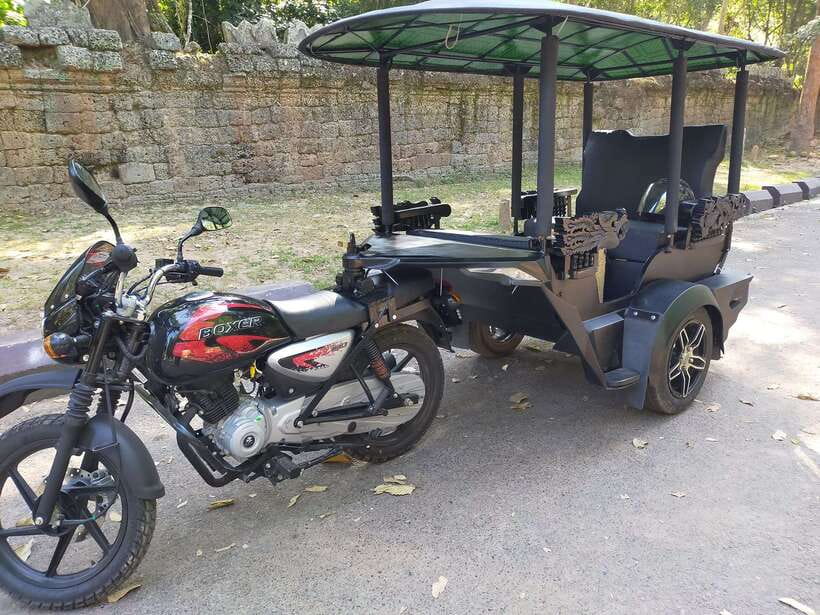
Angkor is famous for size and also for weather. Even on days when everything goes right, the sun can drain you. This is why the small comfort choices matter.
You’ll get bottled drinking water, and you can expect chilled water on hot days. That’s not a luxury detail—it’s what keeps you from getting dehydrated halfway through Bayon or Ta Prohm.
On crowd management: a private tour route helps because you’re not tied to one rigid group pace. Some drivers can adjust the order or timing slightly to keep things moving and reduce long waits. The biggest win is that you stay in control. You can choose where you linger, and you don’t have to keep matching someone else’s walking speed.
One more real-world tip: if you want more depth, you can hire an official tour guide at the temples. Your driver can help coordinate that if you decide you want extra context at just one or two sites.
Price and value: what $16 per group actually buys you
The price is listed as $16 per group up to 4, for an 8-hour private tour with tuk-tuk transfers. That’s unusually good value for a full day between multiple major temples, especially because the big costs you’d normally face—transport, scheduling, and moving around efficiently—are handled.
What’s included:
- Bottled drinking water
- Round-trip transfers to and from your hotel
What’s not included:
- Angkor Pass
- Lunch
That pass piece is the only major “gotcha.” You’ll need to plan it ahead. One helpful note from an experienced traveler: buying temple tickets through the Angkor Pass app can be straightforward, so having it sorted before the tour saves time and stress.
When I judge value, I focus on outcomes. This tour’s outcome is simple: you see Angkor’s top temples with minimal transport hassle, in a private pace, without paying for a full guided tour package. If you’re okay with using a guide only where you want it—or relying on your tuk-tuk driver for English explanations—this can be a very cost-effective way to cover a lot of ground.
If you insist on a formal, full-time guide story at every stop, you might find you’ll add extra guide time and the total cost will rise. But you still control where that spend goes.
Who should book this tuk-tuk Angkor day (and who should think twice)
This tour is a great match if:
- You want the big-name temples and also the follow-up temples in one day
- You dislike long walks between sites and want a calmer, organized day
- You’re traveling with up to three companions and can share the group price
- You want flexibility with timing so you can move at a pace that feels good in the heat
It may be less ideal if:
- You want a fully guided, lecture-style tour for every single temple (the plan includes guided time at some stops, but not all stops are positioned the same way)
- You don’t want any walking at all once you arrive at a temple site
- You haven’t planned for the Angkor Pass yet, because you’ll need that to enter
For solo travelers, this kind of private set-up can also be a win if you’re time-limited and want to hit the highlights efficiently.
The guide factor: why friendly pacing matters more than you think
A driver isn’t just a taxi. In Angkor, a good driver helps you avoid wasted time and makes the day feel friendly rather than rushed.
From the reported experience, the best drivers tend to be:
- Punctual and waiting when you finish one temple section and move to the next
- Not pushy about controlling your choices
- Willing to explain what to look for if you want context
Some people have specifically called out that drivers stayed ready between stops, kept things moving smoothly, and even helped line up an official guide if desired. Others praised particular individuals for being accommodating and for giving enough time at each site.
That’s the practical reason this tour works: it keeps the day from turning into stress. You’re not just getting rides—you’re getting a rhythm.
Should you book this Siem Reap Angkor Wat private tuk-tuk tour?
I’d book it if your goal is a high-value day: Angkor Wat, Bayon, Ta Prohm, plus enough additional temples to feel like you didn’t only scratch the surface. The hotel transfers, small group size, and tuk-tuk pacing make it easier to enjoy the temples rather than managing logistics.
You might skip or reconsider if you know you want a fully guided experience at every single site, or if you’re not ready to handle the Angkor Pass planning ahead of time. Also, if you’re physically limited, remember that temple time still involves walking and stairs once you’re on-site.
FAQ
Do I need an Angkor Pass for this tour?
Yes. The Angkor Pass is not included, so you’ll need to have it ready for entry.
What’s included in the tour price?
You get bottled drinking water and round-trip transfers from and back to your hotel.
Is lunch included?
No. Lunch isn’t included, but there is free time at a local restaurant during the day.
How long is the tour?
The tour runs for about 8 hours.
How many people are in the group?
It’s a small group limited to up to 4 participants, so it feels like a true private day.
Will I be walking at the temples?
Yes. Even though the tuk-tuk handles the travel between sites, the itinerary includes sightseeing and walking at each temple stop.