REVIEW · SIEM REAP
2-Day Angkor Wat With Small, Big Circuit & Banteay Srei Tour
Book on GetYourGuide →Operated by Happy Angkor Tour Cambodia · Bookable on GetYourGuide
Early sunrise at Angkor still feels electric. This 2-day private tour uses a smart small-circle then big-circle plan, so you see major temples without feeling like you’re rushing through everything. I love the licensed English guide focus on how the places connect—religion, art, and daily meaning—not just dates on a sign.
The second thing I like is the comfort details: air-conditioned private transport plus cool drinks and face towels at stops, which makes long temple days much more doable. The one drawback to plan for is budget: the temple pass isn’t included and meals are also on you.
In This Review
- Key things that make this 2-day Angkor tour work
- Private 2-day Angkor: why the route matters more than the checklist
- Day 1: Angkor Wat, Ta Prohm roots, and Angkor Thom on foot
- Sunset at Phnom Bakheng: the payoff at the end of a long day
- Day 2: sunrise at Angkor Wat, then the Big Circle temples
- Rice-paddy scenery and the pink sandstone of Banteay Srei
- Price and logistics: what $136 covers, and what you still need
- Guides and pacing: what you can ask for on the spot
- Who should book this tour, and who might want a different plan
- Should you book this 2-day Angkor Wat tour?
- FAQ
- Do I need to buy a temple pass for this tour?
- Is Angkor Wat sunrise included?
- What’s included in the tour price?
- Are meals included?
- Is this tour private or shared?
- What language is the guide?
- Where does the tour start and how does pickup work?
- Are kids allowed, and do they pay for the temple pass?
Key things that make this 2-day Angkor tour work
- Private guide in English who can explain and adapt to your interests
- Small Circle Day 1 plus Big Circle Day 2, so the route flows logically
- Ta Prohm giant tree roots and the Tomb Raider filming connection
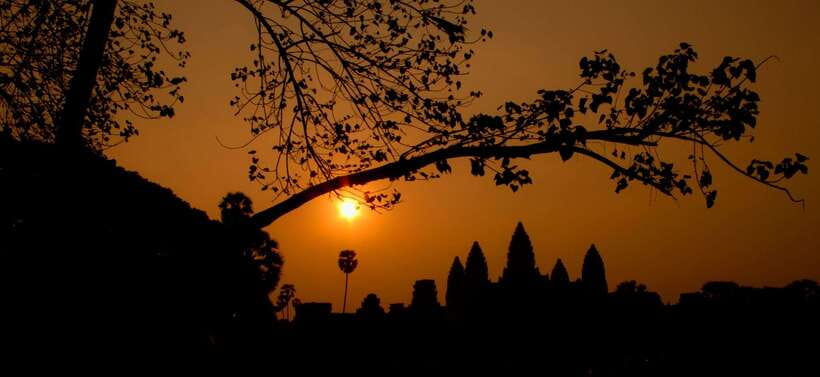
- Sunrise at Angkor Wat in the early hours, then you head out to keep the day moving
- Pink sandstone of Banteay Srei plus extra stops at Banteay Samre and Banteay Kdei
- Cool drinks, face towels, and a comfortable van, with quick transfers back to the car when you need them
Private 2-day Angkor: why the route matters more than the checklist
Angkor is big enough that a normal day can turn into a blur of stone. What I like about this tour format is that it’s built around two clear halves of the site: the Small Circuit on day 1 and the Big Circuit on day 2. That structure helps you connect what you saw earlier to what you see next—especially around Angkor Wat, Angkor Thom, and then onward to the outlying temples.
You also get a private setup, not a crowded group scramble. Your guide is with you the whole time, and you can nudge the itinerary toward what you care about—whether that’s photo time, religious symbolism, or temple layout and storytelling. I also like that it starts with hotel pickup in Siem Reap and handles the driving, so you’re not stuck negotiating the practical stuff while you’re trying to enjoy the temples.
Finally, this tour is very explicit about comfort. You’ll have private air-conditioned transportation, plus cool drink water and face towels at stops. It sounds like a small thing, but after hours of walking through heat and dust, it’s the difference between feeling tired and feeling done-but-not-destroyed.
You can also read our reviews of more tours and experiences in Siem Reap


Day 1: Angkor Wat, Ta Prohm roots, and Angkor Thom on foot
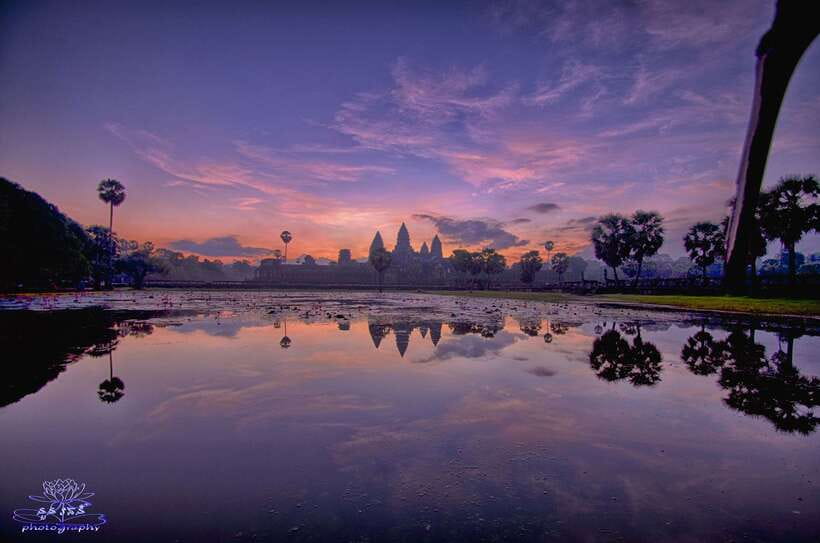
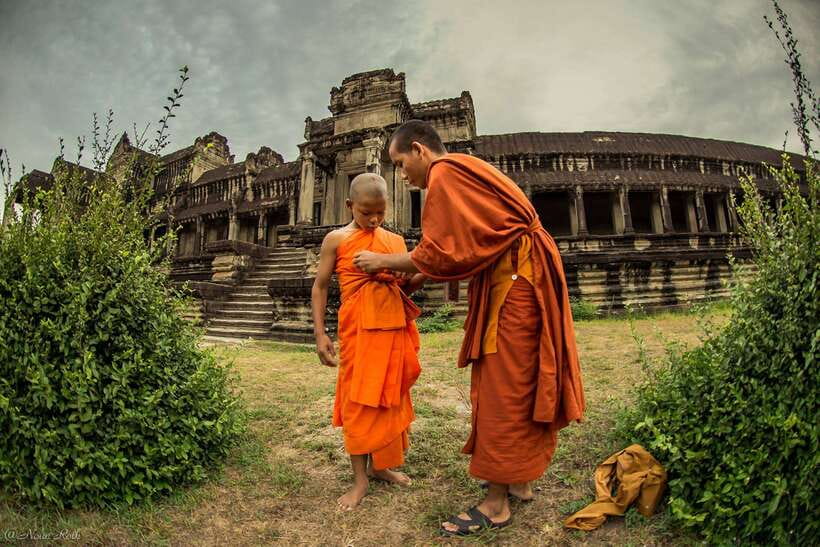
Day 1 begins with pickup from your Siem Reap hotel and a morning run to Angkor Wat, the big one. You’ll spend a few hours exploring the main temple, which is a good opener because it sets the scale for everything else you’ll see afterward. Angkor Wat is a 12th-century masterpiece, and your guide can help you read what you’re looking at instead of treating it like a set of random structures.
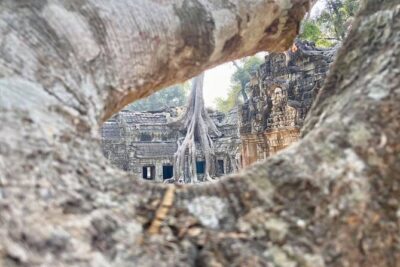
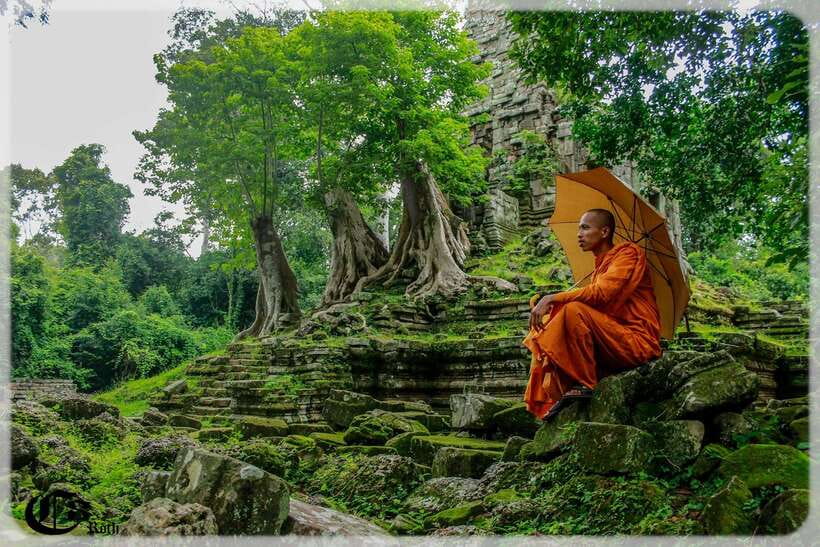
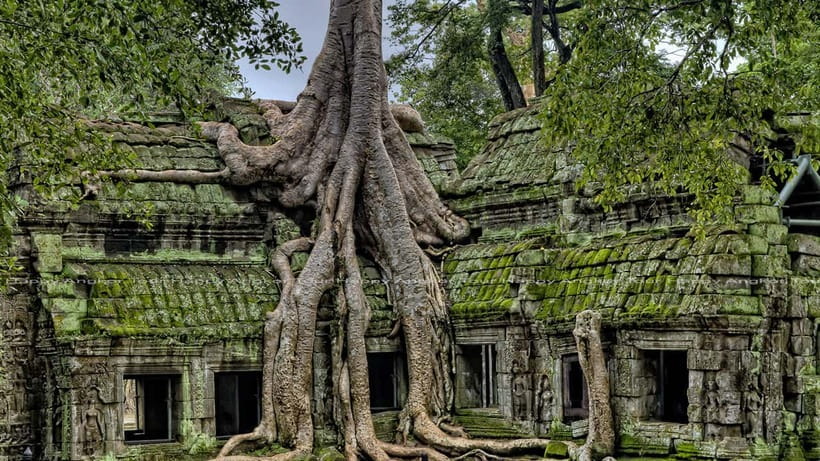
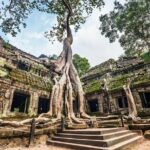
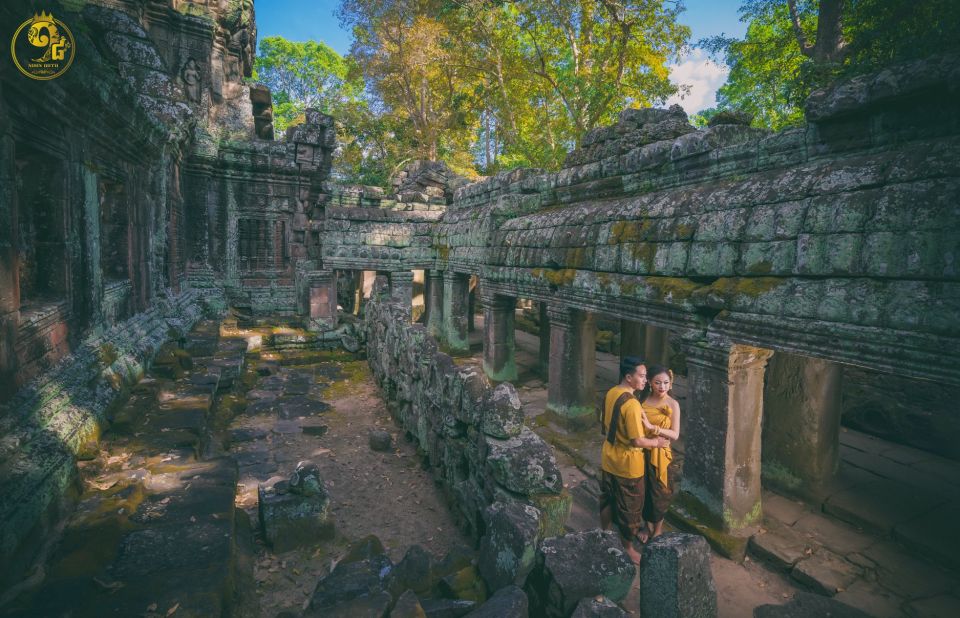
After Angkor Wat, you shift into the Small Circle temples. The highlight here is Ta Prohm, the temple famous for the giant tree roots that wrap through the stone. There’s also a specific pop-culture hook: Ta Prohm is the lost-city look used in Tomb Raider. Even if you’re not chasing movie trivia, the roots make the ruins feel alive and different from the more restored temple areas.
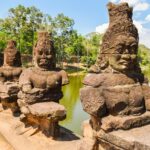
Then comes the Angkor Thom block: you’ll stop at Ta Nei before moving into Angkor Thom, starting at the Victory or Death Gate. From there, you walk toward Bayon, known for its 49 smiling towers. The walk matters here: seeing Bayon in context inside Angkor Thom gives you a sense of how the site was planned rather than just seeing a single landmark.
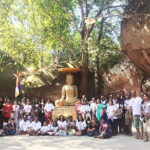
Your Angkor Thom route continues with nearby temple stops, including Baphoun. Behind it, you can marvel at the Reclining Buddha, which gives the day a very different visual mood. After that, you stroll through the Royal Enclosure area and see a run of major features: the Royal Enclosure Wall, Phimeanakas, Elephant Terrace, Leper King Terrace, and Palilay. That sequence can feel like a lot, but it works because each stop adds another piece to the daily life and belief-world the city was built around.
One practical note: you’ll get a lunch stop at a local restaurant, but lunch itself is not included. I like that the tour builds in time to eat without turning the day into an empty-stomach sprint.
Sunset at Phnom Bakheng: the payoff at the end of a long day
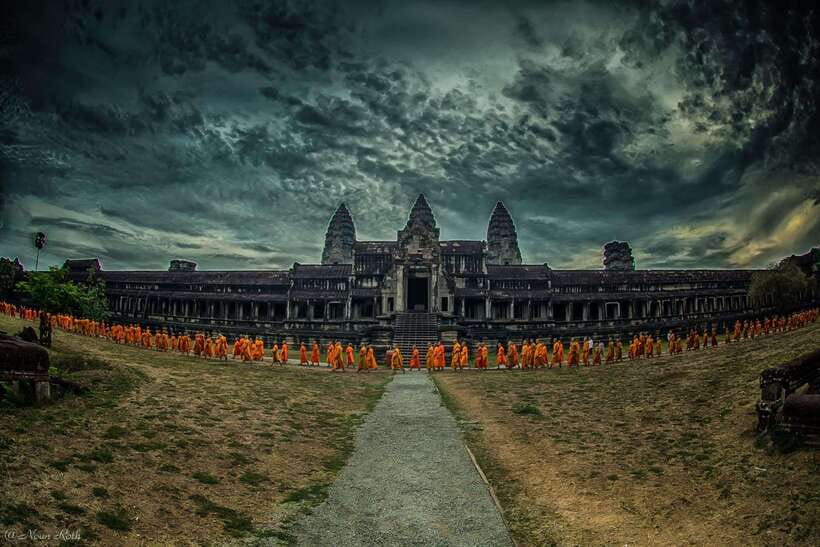
The day closes with a sunset viewpoint from the hill of Phnom Bakheng. This is a classic Angkor “capstone,” and it’s also a practical choice: you get a big emotional payoff before you’re completely drained.
Because you’re doing this after a full day of walking across multiple temple zones, the comfort items really help. The tour includes face towels and cool water, which means you’re not starting the sunset climb as a dehydrated wreck. If you’re traveling with a friend who gets temple fatigue fast, sunsets are often the moment they remember why they came.
Day 2: sunrise at Angkor Wat, then the Big Circle temples
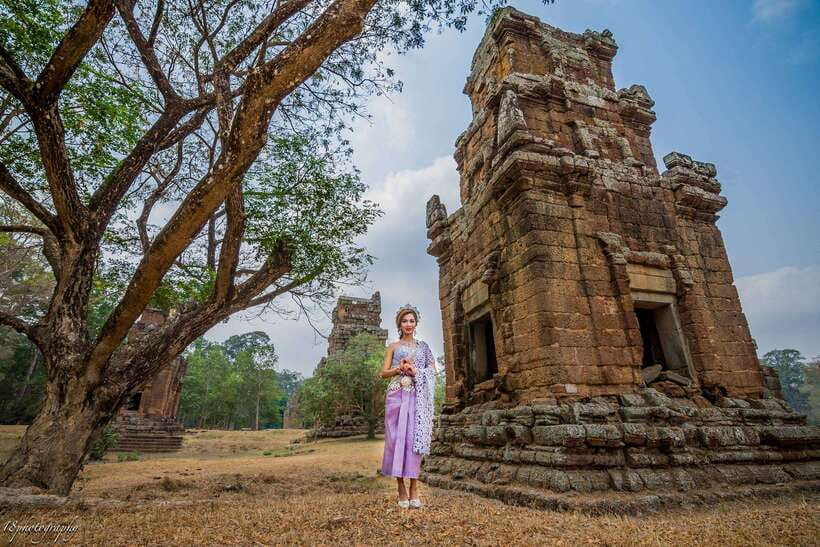
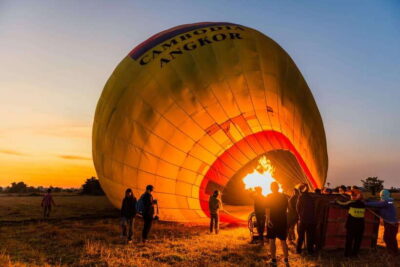
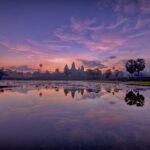
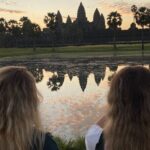
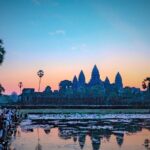
Day 2 starts bright and early for sunrise at Angkor Wat. Sunrise is special here because the temple is the anchor of the whole area, so you’re not just photographing a pretty moment—you’re seeing the site in a new light, and then getting straight into more temples afterward.
After sunrise, you return to your hotel for breakfast, or you can stop for breakfast at a restaurant (not included). That choice matters. A sunrise start can be rough if you don’t eat soon after, and this tour gives you a built-in way to reset.
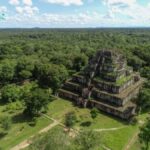
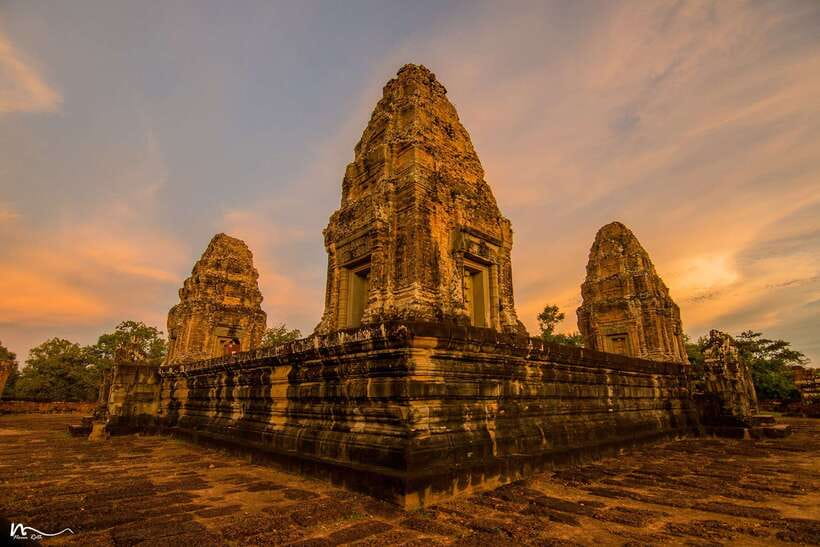
Then you head into the Big Circle. This is where Angkor starts to feel less like a single complex and more like a network of sacred zones spread across the region. The Big Circle list includes Prah Khan, Neak Poan, Ta Saom, East Mebon, and Pre Rup. Your guide helps connect why these temples belong together on the same day’s route—so you’re not just collecting names.
As with day 1, lunch is planned at a local restaurant and not included. I recommend treating lunch as part of your pacing strategy, not an afterthought. The day includes more driving and village-area scenery, and a proper meal helps you keep your energy stable for the remaining stops.
Rice-paddy scenery and the pink sandstone of Banteay Srei
One of the smartest choices on day 2 is what happens after the Big Circle temples. Instead of staying strictly in the main temple zones, the tour drives out into villages and rice-paddy fields. That scenery break gives your eyes a different kind of texture between dense temple stone.
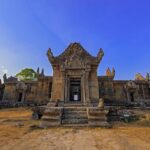
Then the standout temple for day 2 arrives: Banteay Srei, also called the Ladies Temple. You’ll admire its pink sandstone, and that color difference is exactly why this temple earns a reputation. It feels like a change of setting without leaving the Angkor world.
The route doesn’t stop there. You continue with extra stops at Banteay Samre and Banteay Kdei before the tour wraps up. For many people, this is where you start to feel the value of a guide: you can ask what to notice at each site, and you’re not trying to figure out priorities while you’re already tired.
Price and logistics: what $136 covers, and what you still need
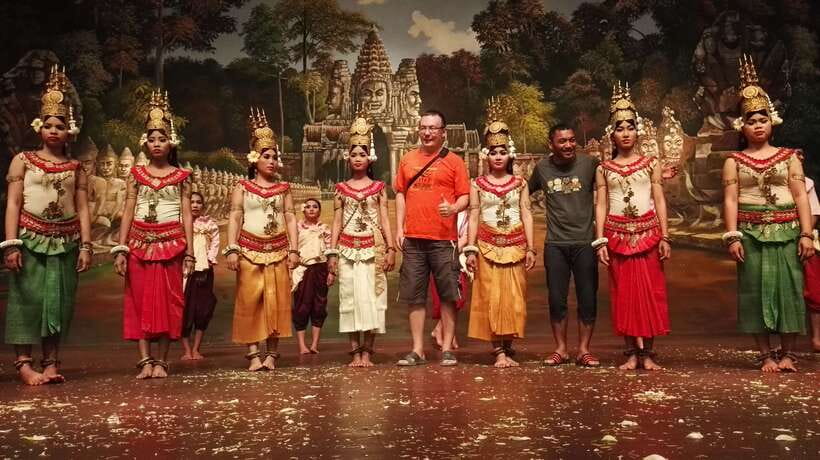
The listed price is $136 per person for a 2-day private guided tour. What you get for that money is the hard-to-organize stuff:
- Hotel pickup and drop-off
- Private air-conditioned transportation
- A guide (English)
- Cool drink water and face towels
What you still need to budget for:
- Temple pass (not included)
- Food, since breakfast/lunch/dinner are not included
The temple pass info is clear: you can buy a 2-3 day pass for 62 USD per person. Children under 12 have free entrance. Since this is a 2-day tour, it’s usually easiest to match your pass length to the days you’re using. If you add the temple pass to the tour price, you’ll likely be planning around roughly $198 per person before meals.
Is it good value? In my view, yes, mainly because it’s private transportation plus a guide for two full days. Angkor is one of those places where DIY can burn time fast—finding routes, managing transfers, and deciding what to skip. Here, someone else does the routing, and you get guided interpretation.
Also, the included comfort items are not filler. Face towels and cool water at stops reduce the “grind factor,” and in a place like Angkor, that matters more than a slightly cheaper tour price.
Guides and pacing: what you can ask for on the spot
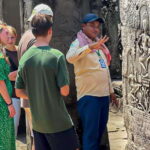
This tour runs as a private group, and the guide is key to how smooth the day feels. The experiences you’ll likely get center on:
- English explanations that connect history, religion, and culture
- pacing that matches your group instead of pushing everyone at the same speed
- smart photo timing and viewpoints
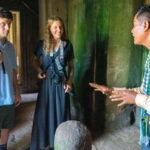
In particular, guides such as Banhhak and Chhay are highlighted for their organization and ability to find good spots for pictures. Drivers like Sreang and That are also mentioned for being attentive and friendly. Even if you don’t get the same guide, it’s a helpful sign that the provider places value on both explanation and logistics, not just driving.
Practical question to ask your guide: if sunrise photos are your priority, ask about the plan to reach the best sunrise angle and then move efficiently afterward. The tour includes sunrise at Angkor Wat, and the best outcome happens when you’re not scrambling after the fact.
Who should book this tour, and who might want a different plan
This is a great fit if you want:
- a structured route across both major circuits
- a private English guide who can explain what you’re seeing
- a comfortable day with air-conditioned transport, plus water and face towels
- a temple mix that includes the popular heavy-hitters and then the pink sandstone stop at Banteay Srei
It might be less ideal if you prefer maximum freedom and minimal structure. Because the tour has a defined route and planned stops, you’re trading spontaneous wandering for efficiency and guidance. Also keep in mind the big cost variable: you’ll still need the temple pass and you’ll buy meals during the day.
If you’re traveling with limited time in Siem Reap and want to cover a lot without turning your trip into navigation homework, this format is hard to beat.
Should you book this 2-day Angkor Wat tour?
If your goal is to see Angkor Wat, Angkor Thom, and the Big Circle temples in two days with a guide who can explain what matters, this is an easy yes. The combination of sunrise at Angkor Wat, Ta Prohm’s tree-root drama, and Banteay Srei’s pink sandstone makes the itinerary feel balanced instead of repetitive.
The main reason not to book is simple: you’re responsible for the temple pass and food. If you’re trying to keep the trip ultra-budget with meals and planning handled independently, this may feel more expensive than it looks.
But if you want value in the way that counts—time saved, comfort supported, and someone guiding you through the site—this private two-day setup with Happy Angkor Tour Cambodia is a solid choice.
FAQ
Do I need to buy a temple pass for this tour?
Yes. Temple pass tickets are not included. You can purchase a 2-3 day temple pass for 62 USD per person.
Is Angkor Wat sunrise included?
Yes. Day 2 includes a very early start to see the sunrise at Angkor Wat.
What’s included in the tour price?
Hotel pickup and drop-off, private air-conditioned transportation, a guide (English), cool drink water, and face towels are included.
Are meals included?
No. Food is available for purchase, and lunch is typically planned at local restaurants. Breakfast on day 2 is either back at your hotel or at a restaurant (not included).
Is this tour private or shared?
This tour is private (private group). You’ll have your own guide and transportation.
What language is the guide?
The guide provides live interpretation in English.
Where does the tour start and how does pickup work?
Pickup is included from your Siem Reap accommodation. You should provide your hotel address and details, and you should wait in the hotel lobby about 10 minutes before the scheduled pickup time.
Are kids allowed, and do they pay for the temple pass?
Children under 12 have free entrance for the temple pass based on the information provided.