REVIEW · SIEM REAP
Angkor Wat & Floating Village 3-Day Private Tour
Book on Viator →Operated by Bayon Guide · Bookable on Viator
Angkor temples feel like a time machine. This 3-day private route strings together the big wow moments around Siem Reap, from Ta Prohm’s roots-and-stone drama to a Tonlé Sap floating village boat ride. I like that the plan is tightly guided with an expert to translate what you’re seeing, and I also like the small comforts like air-conditioned transport plus mineral water during the days. One thing to plan for: the temple pass isn’t included, and day 2 includes a trek to Kbal Spean that asks for moderate physical fitness.
What makes this tour work is the pacing. Day 1 hits Ta Prohm, Angkor Thom’s major stops, and then Angkor Wat for lunch time, so you get both the jungle temple vibe and the grand centerpiece in one day. Day 2 adds variety with Preah Khan, Banteay Srei (often called the Women’s Citadel), and a walk up to Kbal Spean’s thousand linga carvings. Day 3 keeps the story going with the Roluos temples and then shifts from stone monuments to daily life on the lake.
The one possible drawback is that you’ll be outside a lot. It’s hot, you’ll do a few walks, and the Kbal Spean trek is not a stroll on flat ground. If you like slow mornings and lots of free time in between, this style may feel packed.
In This Review
- Key highlights you’ll actually care about
- A practical 3-day plan built for big sights, not logistics
- Day 1: Ta Prohm roots, Angkor Thom faces, and Angkor Wat at lunchtime
- Dinner plus a cultural performance: the easy nightcap after temple walking
- Day 2: Preah Khan, Banteay Srei (Women’s Citadel), and the Kbal Spean trek
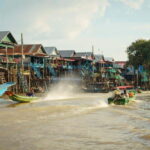
- Day 3: Roluos temples and Kampong Phluk on Tonlé Sap by wooden boat
- Price and what’s actually good value about it
- What’s included, what’s not, and how that affects your day
- Who should book this private Angkor and floating village tour
- Should you book this tour? My straight answer
- FAQ
- What time does the tour start?
- How long is the tour?
- Is pickup included?
- What’s included in the price?
- Do I need to buy the temple pass?
- Is there any trekking or physical activity?
Key highlights you’ll actually care about
- Private means your own group pace: pickup, guide, and transport are set around you.
- Ta Prohm’s jungle roots are the opener: it’s the kind of scene that makes photos look too small.
- Angkor Thom has real visual variety: Victory Gate, Elephant Terrace, Leper King Terrace, and more.
- Banteay Srei is the craftsmanship stop: the Women’s Citadel name fits what you’re seeing.
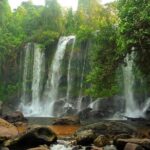
- Kbal Spean mixes temples and a river carving trail: expect a trek up for the linga views.
- Kampong Phluk is a different world: wooden boat on Tonlé Sap and a look at life on the water.
A practical 3-day plan built for big sights, not logistics
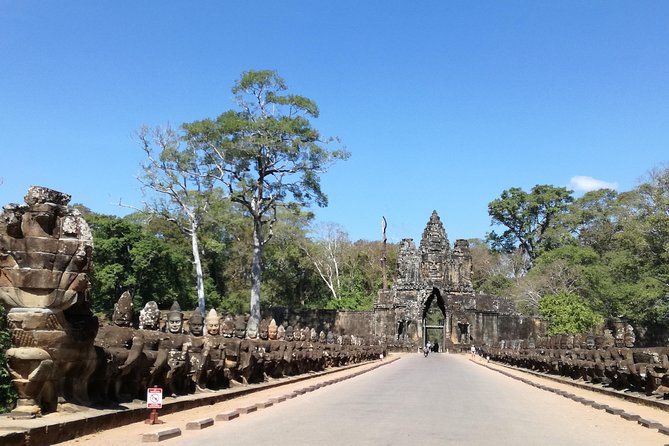
This is the kind of tour you choose when you want the “greatest hits” of the Angkor region without spending your trip time figuring out routes, ticket counters, or which temple goes best with which day. Starting at 8:00am, you’re not waiting around for sunrise crowds. You’re moving.
Because it’s private, you get something that matters at Angkor: order. Angkor is visual overload. With a guide—examples from past guests include Sambath, Long, Mork, and Chhoeum—you’re not just walking between stones. You’re getting explanations that help the complex parts make sense. That’s the difference between seeing temples and understanding why they look the way they do.
Another value point: you’re not doing the full day on an empty stomach or with constant trips back to town. The tour includes dinner with a cultural performance, plus mineral water and cold tissues during the tour. Breakfast and lunch are on you, but you do get scheduled lunch breaks where the guide can point you to good local spots.
You can also read our reviews of more private tours in Siem Reap
Day 1: Ta Prohm roots, Angkor Thom faces, and Angkor Wat at lunchtime
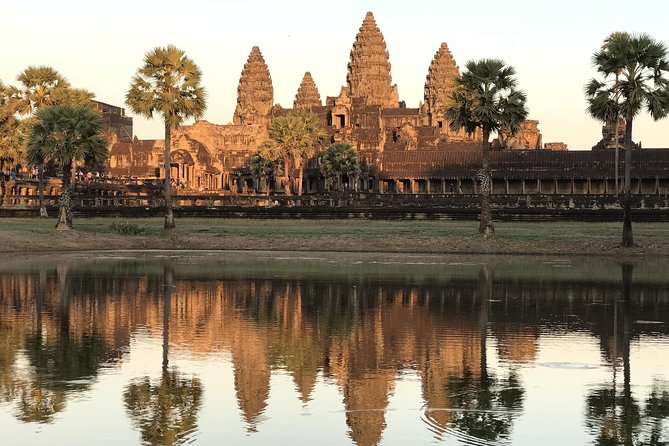
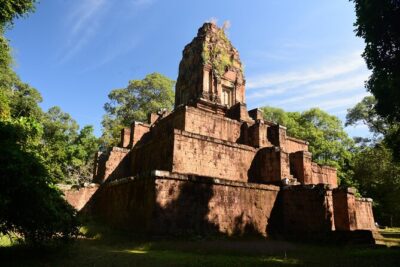
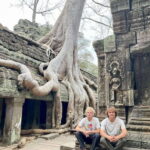
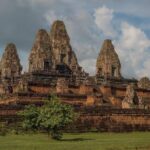
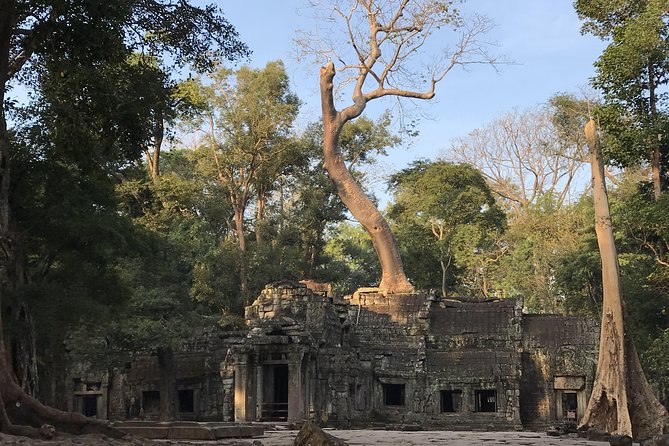
Day 1 is all about mood shifts. It starts with Ta Prohm, the temple known for being embraced by roots of enormous strangler fig trees. This is the opening that tells your brain the trip has a story: stone carved with human intent, then softened and taken over by the jungle. The movie fame helps, but the real reason to go is visual. You’re walking through a place where nature and architecture are fighting for the same space.
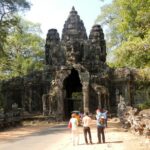
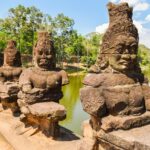
Next comes Angkor Thom, the last capital city of the Khmer Empire, reached through Victory Gate. From there, you’ll see a set of key stops that each add a different flavor. The Elephant Terrace and the terrace of the Leper King give you classic Khmer sculptural details. The Royal Enclosure and Phimean Akas add the sense of a planned ceremonial center, not random ruins scattered in the jungle. Even Baphu and the other stops in the loop contribute to the feeling that Angkor Thom is built like a system—movement, power, ritual, and scale.
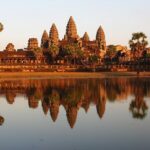
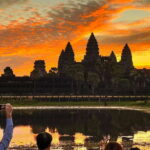
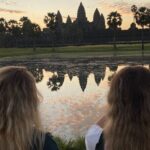
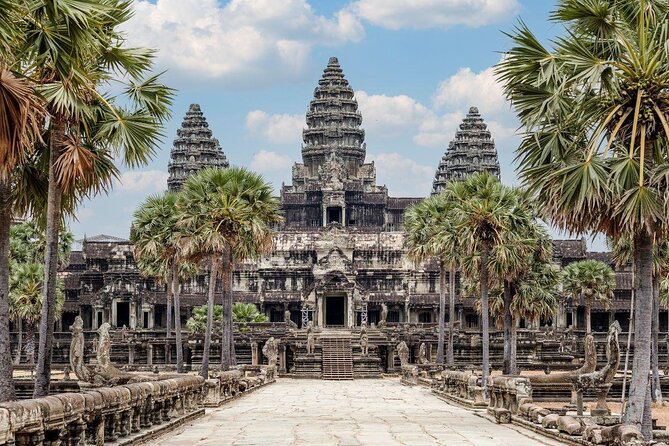
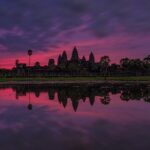
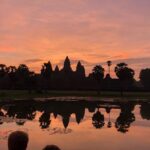
Then you finish with Angkor Wat, the world’s largest religious site. The schedule includes a lunch break around midday, with lunch options near the temples and the guide able to suggest where to eat. Practical note: this lunch window is your chance to recharge, hydrate, and avoid turning the afternoon into a low-energy slog.
One drawback to acknowledge: Ta Prohm is immersive, and Angkor Thom is busy with multiple viewpoints in the same general area. If you’re the type who wants long pauses for sketching or slow wandering, you’ll want to balance it with the fact that the guide is driving the route so you don’t miss the best angles.
Dinner plus a cultural performance: the easy nightcap after temple walking
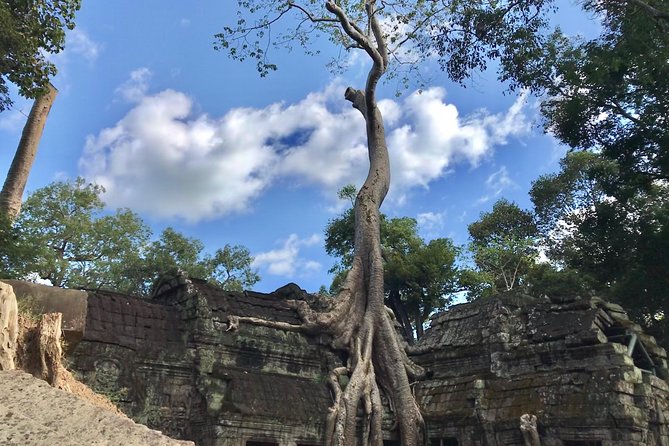
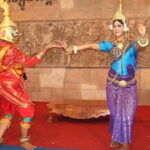
On day 1, you’ll have dinner paired with a cultural performance. This is one of those “included” items that can be worth more than you expect, because it stops your first night from turning into a hunt for a safe, easy plan.
The value isn’t that you’re checking a box. It’s that you get a full day of temples and then a structured evening that keeps the trip cohesive. If you’re new to Cambodia’s traditions, the show can be a helpful context buffer before you hit the more complex temple symbolism on day 2.
If you prefer your evenings quiet and unstructured, you may want to choose your seating carefully or ask the guide how the timing fits your energy level. But as an included option, it’s a solid convenience.
Day 2: Preah Khan, Banteay Srei (Women’s Citadel), and the Kbal Spean trek
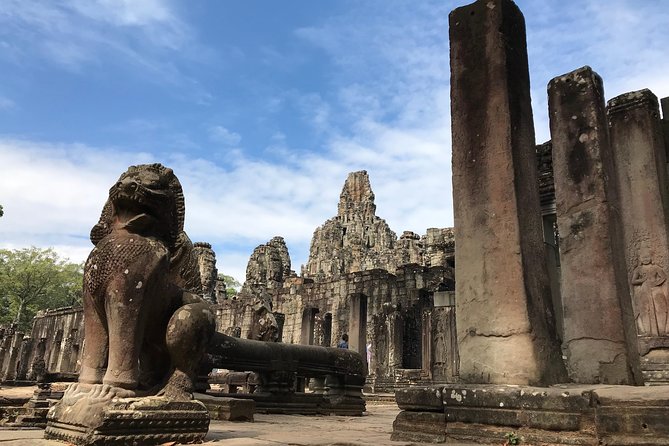
Day 2 is where the tour switches from big-city monument scale to detail and walking.
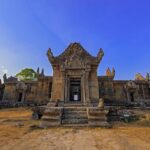
It starts with Preah Khan, part of the Grand Circuit route and described as the ancient Buddhist University. This stop works well if you like temples that feel layered—places that weren’t only about one moment, but about learning, community, and sustained religious life over time. You’ll spend time there to see the carvings and temple layout, and it’s a good mid-trip reset after the density of day 1.
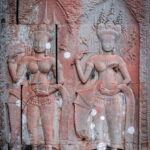
Then you go to Banteay Srei, often called the exquisite Women’s Citadel. The tour gives you about an hour at the site, which is just long enough to appreciate why people target this temple specifically: the carving style and the visual delicacy are the point, and you don’t want to rush through it.
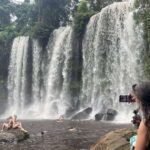
After that, you head toward Kbal Spean, the river with one thousands linga. This is the trek part of the trip. The walking isn’t described in distance terms, but the tour explicitly flags moderate physical fitness as a requirement, so you should expect a climb and uneven terrain. Bring water, wear shoes that can handle dirt, and don’t treat it like a casual stroll.
Practical value: Kbal Spean is a nice contrast to the earlier temples. Instead of towering structures, you’re looking for carvings tied to water and rock. The brain shifts gears, and that makes the day feel less repetitive.
A simple consideration: lunch is scheduled for noon with local restaurants around the temples, and you’ll continue after. If your group gets hangry easily, consider eating on the early side of the lunch break so the trek doesn’t feel like it steals energy you didn’t have to spend.
Day 3: Roluos temples and Kampong Phluk on Tonlé Sap by wooden boat
Day 3 gives you a clean break from the Angkor temple circuit and then connects it back through everyday life.
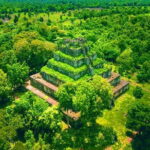
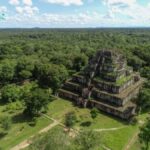
You start with the Roluos group of temples, including Preah Ko and other monuments. These are described as former capital “Hari-Hara” dating in the 9th century. This works best if you like seeing variety across time periods, not just chasing the most famous names. Roluos feels more like a historic chapter, a place that helps you understand Angkor wasn’t only one single golden age.
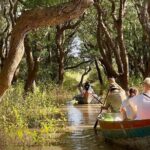
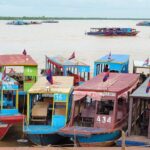
After that, you shift to the lake with Kampong Phluk Floating Village. Lunch is included here as a break, but only as time built into the schedule—you’ll still pay for lunch on your own account. Then the tour takes you by wooden boat along the flooding forests, with time to experience the fishing community on Tonlé Sap lake. Admission for the floating village portion is included, and the boat trip is part of what you’re paying for.
The big value of day 3 is that it turns the trip from archaeology into living culture. You’re not just looking at old stones. You’re seeing how communities adapt to the seasonal rhythm of the lake. That makes your understanding of the region feel less like a museum visit and more like a place where people still work, live, and move with the landscape.
A practical heads-up: boat rides can mean sun and splashes. Wear practical clothes, bring sun protection, and keep your phone secure. The trip includes water and cold tissues, which helps on hot days, especially if you’re out on the boat longer than you expected.
You can also read our reviews of more tours and experiences in Siem Reap
Price and what’s actually good value about it
The price is listed as $198.98 per person for the private 3-day experience. That number is for the guided tour structure: pickup, air-conditioned vehicle, guide, included dinner, and the boat trip on Tonlé Sap.
But there’s an important add-on you should budget for: the 3-day Temple Pass costs US$62/person (free for children below 12). Since the pass is not included, your real trip cost is the base price plus that temple pass amount.
So is it good value? For me, the value comes from three places:
- You’re not arranging day-by-day transport yourself. The air-conditioned vehicle and pickup reduce decision fatigue.
- Your guide time is built into a tight route. At Angkor, a guide can save you from wandering without purpose.
- The floating village boat portion is included. That’s not just a drive-by photo stop.
If you’re traveling as a couple or small group, private tours can still make sense because you’re buying time and clarity. If you’re a lone traveler or you only want one temple day, you might find cheaper options elsewhere—but for the full Angkor highlights plus Tonlé Sap, this structure is a fair deal.
What’s included, what’s not, and how that affects your day
Included in the tour:
- Dinner with cultural performance
- Air-conditioned vehicle
- Expert tour guide
- Boat trip to Kampong Phluk on Tonlé Sap Lake
- Mineral water and cold tissues
Not included:
- Hotel
- 3-day Temple Pass ($62/person)
- All other meals and beverages
- Personal expenses and tips
That mix matters. You still get freedom for lunch choices, and the guide can help recommend places, but you shouldn’t assume every meal is paid for. Plan on budgeting for lunch across the three days, plus any drinks or snacks you want.
The guide support is a practical highlight. Past experiences with guides like Visovitou, Long, and Mork show a pattern: people tend to mention clear explanations, patience, and flexibility to fit what the group wants. In a private setting, that matters. It means you can ask for timing adjustments or photo stops without feeling like you’re holding up a big bus tour.
Who should book this private Angkor and floating village tour
This tour is a good match if:
- You want the major Angkor highlights in three days without DIY planning.
- You like a guided structure that helps you understand what you’re seeing.
- You’re curious about not only temples, but also how daily life works around Tonlé Sap.
- Your group can handle heat and walking, especially on day 2 for Kbal Spean.
It may not be ideal if:
- You dislike packed sight schedules and prefer slow mornings every day.
- You’re uncomfortable with a moderate trek day.
- You’d rather spend your evenings totally unstructured and skip included dinner shows.
Should you book this tour? My straight answer
I’d book it if you’re going to Cambodia for the Angkor highlights and you also want the Tonlé Sap floating village experience without turning your trip into a planning project. The combination is efficient: Ta Prohm and Angkor Thom set the temple mood, Angkor Wat anchors the day, Banteay Srei adds craftsmanship focus, Kbal Spean adds a trekking contrast, and day 3 shifts the story to real life on the lake.
Just make sure you budget for the Temple Pass up front, pack for sun and a trek, and plan your lunch choices wisely. If you do those basics, this is the kind of private tour that feels like a well-run guidebook in motion—less stress, better context, and a memorable mix of stone, jungle, and water.
FAQ
What time does the tour start?
The tour starts at 8:00am each day.
How long is the tour?
It’s a 3-day private tour (approx.).
Is pickup included?
Yes. Pickup from your hotel is offered.
What’s included in the price?
The price includes dinner (with a cultural performance), an air-conditioned vehicle, an expert tour guide, mineral water and cold tissues, and the boat trip to the floating village on Tonlé Sap Lake.
Do I need to buy the temple pass?
Yes. The 3-day Temple Pass costs US$62/person and is not included. It’s free for children below 12 years old.
Is there any trekking or physical activity?
Yes. Day 2 includes a trek up to Kbal Spean, and the tour recommends travelers have moderate physical fitness.