REVIEW · SIEM REAP
Siem Reap City Haft Day Bike Tour
Book on GetYourGuide →Operated by Siem Reaper Travel · Bookable on GetYourGuide
Siem Reap looks different at bike speed. This half-day City Bike Tour is a smart way to get oriented while you hit real stops, not just quick photo breaks, from a Khmer ceramics workshop to Wat Thmey’s Killing Fields Memorial. I especially like the hands-on touch of the ceramics center (you learn pottery wheel and carving basics) and the way the ride keeps history, art, and everyday life in one easy morning plan. One thing to consider: it’s not a lazy stroll—there’s enough riding that you’ll want decent cycling clothing and comfortable shoes.
The tour runs on a morning schedule with hotel pickup, a setup with your bike and helmet, and a return around 12:30. If you like moving around with purpose, it’s a great fit. If you’re hoping for long museum time or slow stops, you may find the pace a bit full—though the flat route design and frequent briefing helps you stay relaxed.
In This Review
- Key highlights that make this tour worth your $41
- How the morning ride gets you oriented fast
- Khmer Ceramics & Fine Arts Centre: make something, not just watch
- Wat Thmey Killing Fields Memorial: quiet facts, heavy context
- Theam’s Gallery: an art house with room to breathe
- Royal Independence Gardens and the Preah Ang Chek Preah Ang Chorm Shrines
- Pub Street lane to Phsar Chas: local life beyond the main drag
- Price and value: what $41 buys you (and what it doesn’t)
- Guides, pacing, and comfort: the stuff that makes or breaks it
- What to bring so the ride feels easy
- Should you book this Siem Reap City Half-Day Bike Tour?
- FAQ
- How long is the Siem Reap City half-day bike tour?
- What’s included in the tour price?
- Do I need to pay entrance fees separately?
- What should I wear or bring?
- Is there a lunch break?
- What language is the tour guide?
Key highlights that make this tour worth your $41
- A local-artist ceramics experience at the Khmer Ceramics & Fine Arts Centre, using pottery wheel and Khmer carving tools
- Wat Thmey Killing Fields Memorial for clear context on the Khmer Rouge period (1975–1979)
- Theam’s Gallery: an art house museum setting with paintings, sculptures, and a quiet garden
- Royal Independence Gardens plus nearby Preah Ang Chek Preah Ang Chorm Shrines for a calmer, greener stretch
- Oldest Khmer market stop (Phsar Chas) after a ride past Pub Street lane, so you see daily life up close
- Flat, easy riding with English-speaking guide support and clear navigation
How the morning ride gets you oriented fast
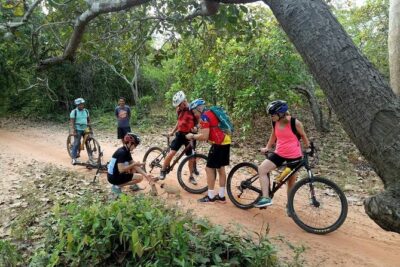
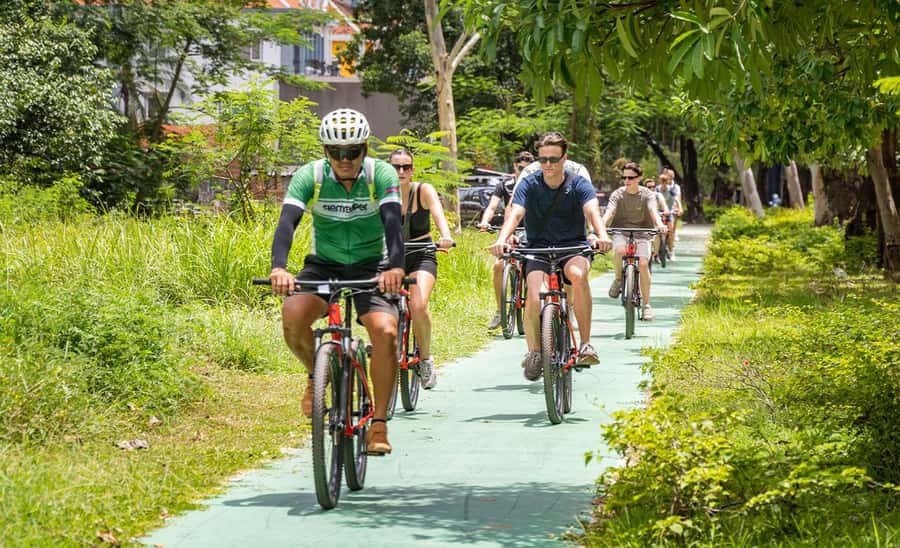
This tour is built for people who want Siem Reap in one morning without turning it into a self-made logistics puzzle. You’ll get hotel pickup and drop-off, then head to the bike shop for a quick setup with a bicycle and helmet. Before you roll, your guide gives a short tour introduction and route overview—useful, because Siem Reap traffic can feel intense if you’re only used to walking.
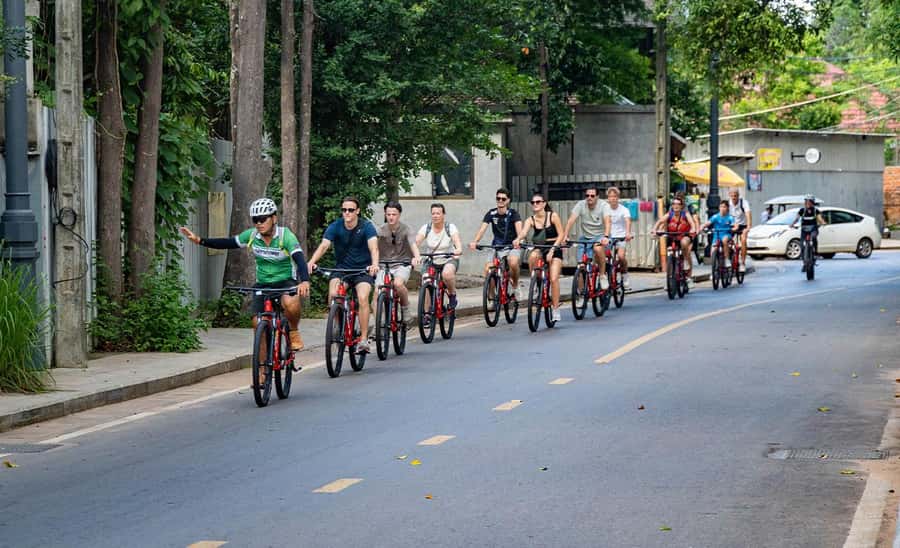
Once you’re set, you’ll head out through backstreets first. That matters. It helps you get comfortable on the bike and learn the rhythm of the area before you’re cycling near more famous spots. The ride also includes a steady flow between stops, so you’re not stuck waiting around for long transitions.
The overall goal is orientation: you’ll see major cultural anchors, plus a market where locals do real shopping. And because the route is designed to be mostly flat, it’s approachable for beginners who can handle short cycling stretches.
One practical note: the tour is described as not suitable for pregnant women, so if that applies, it’s better to choose a different format.
You can also read our reviews of more cycling tours in Siem Reap
Khmer Ceramics & Fine Arts Centre: make something, not just watch

Your first big stop is the Khmer Ceramics & Fine Arts Centre, a social enterprise that also works as a creative space. What I like about this part is that it doesn’t feel like a vague demonstration where you’re just observing. You get the chance to learn how to use a pottery wheel and Khmer carving tools to create Cambodian ceramics.
Your guide is supported by a professional local artist, and the focus stays on process and technique: the work behind the finished pieces. That context is what turns souvenirs into something more meaningful. You start to notice the effort and attention that go into even simple-looking forms.
From the reviews, this is also a standout because the ceramics center is engaging in a way that feels hands-on, not staged. One guide-led experience singled out how much hard work goes into making items, and that matches the workshop’s purpose. You’re not just learning what to buy—you’re understanding why the craft takes time.
What to watch for as you go: ceramics activities can mean you’ll want to keep your clothes practical. The tour info mentions cycling clothing, but also consider bringing something you won’t mind getting a little dusty or handling carefully during workshop time.
Wat Thmey Killing Fields Memorial: quiet facts, heavy context
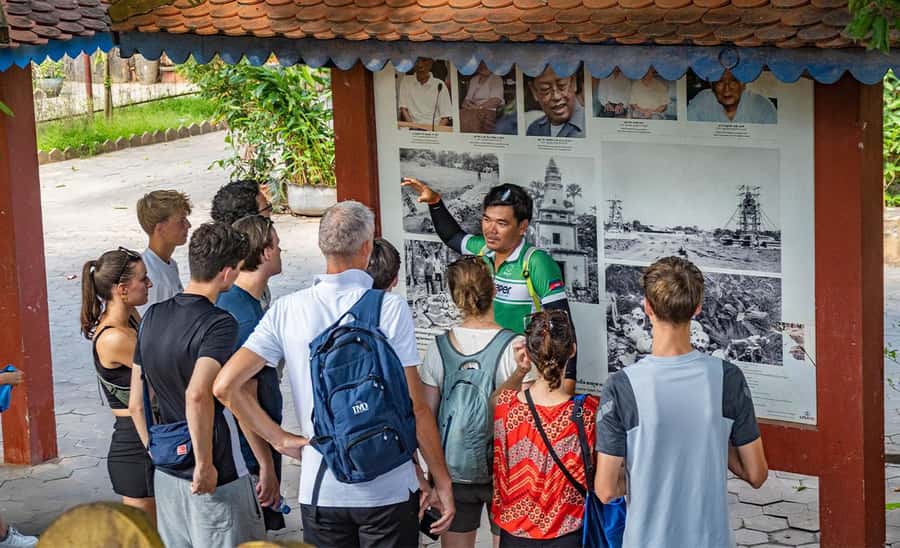
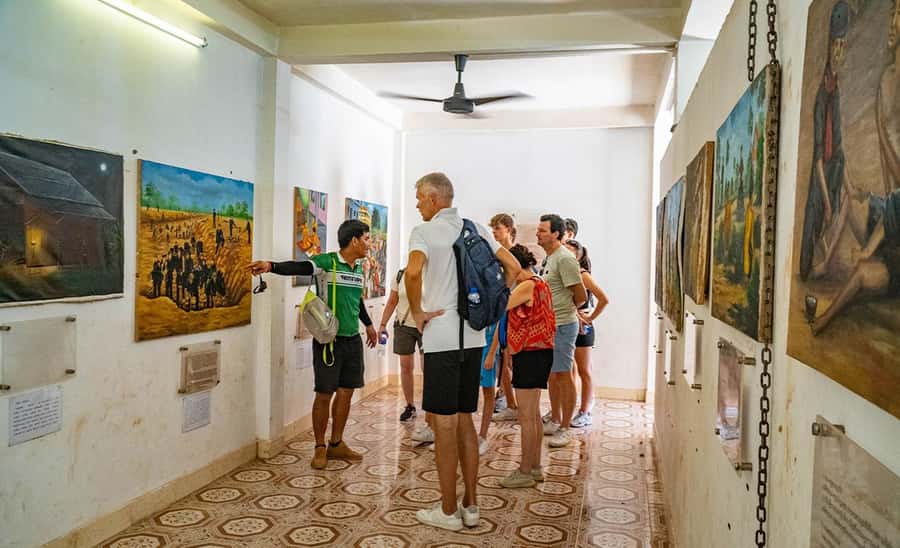
Next up is Wat Thmey – The Killing Fields Siem Reap. This stop is clearly one of the emotional centers of the tour. It’s a memorial for the atrocities committed in Cambodia from 1975 to 1979, connected to the Khmer Rouge period.
The value here is that your guide provides history during the visit, not just after you walk in. Since the memorial is tied to a specific period, having an English-speaking guide offering context helps you connect what you’re seeing with what happened. You’ll come away with a clearer understanding of why this memorial exists and what it represents.
A good tour doesn’t rush grief, and this one is positioned as a meaningful break in the middle of a cycling morning. You’ll likely slow down mentally, even if your schedule keeps moving. It’s also the kind of place where your camera can feel like the wrong tool—if you prefer to just take it in, you can.
One more practical point: this stop can be mentally intense. If you’re prone to overthinking during history visits, it can help to take the smallest pause between sections—breathe, look around, then move on when you feel ready.
Theam’s Gallery: an art house with room to breathe
After the memorial, the tour includes a break for coffee or coconut. That matters more than you’d think on a half-day plan. It gives you a reset, especially after a heavy historical stop, and it keeps the morning from feeling like a nonstop checklist.
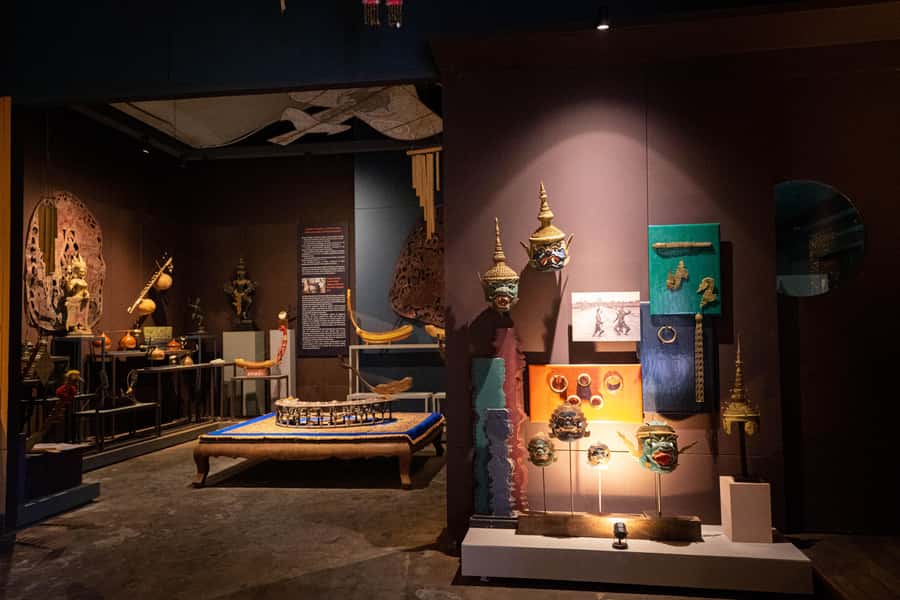
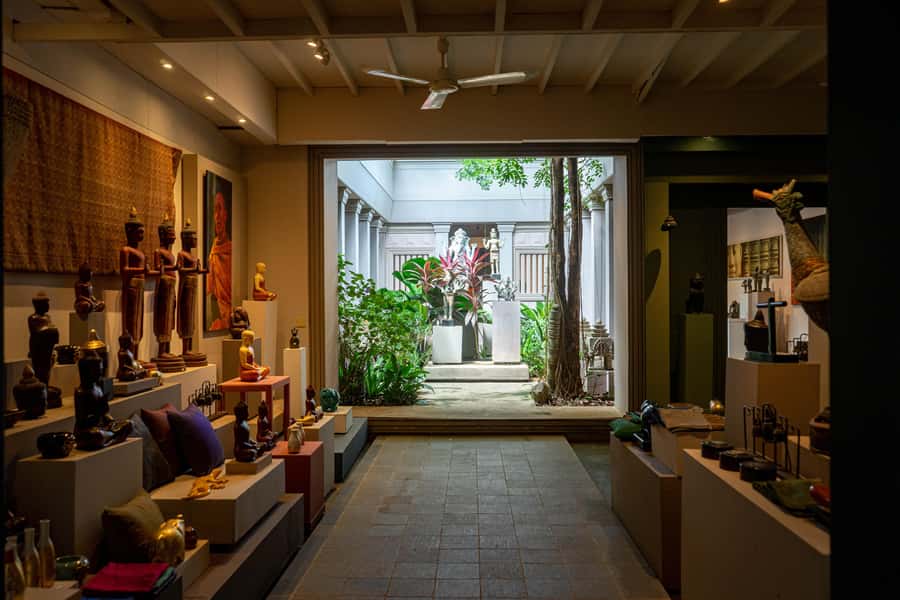
Then comes Theam’s Gallery, described as a surprising art space and a house museum environment. You explore Cambodian paintings and sculptures in an elegant setting, and you also get a tranquil garden portion. I like that combination because it shifts your attention from facts to creativity without making you bounce straight from trauma to entertainment.
This is where the tour earns its “more than expected” reputation. The gallery isn’t framed as a quick photo stop. You have time to walk, look closely, and slow down with the art in a quieter mood than you get at some major attraction circuits.
If you’re the type of traveler who enjoys art but doesn’t want to spend an entire day in a museum, this is a great fit. You get enough time to feel something, but it stays part of a bigger morning route.
Royal Independence Gardens and the Preah Ang Chek Preah Ang Chorm Shrines
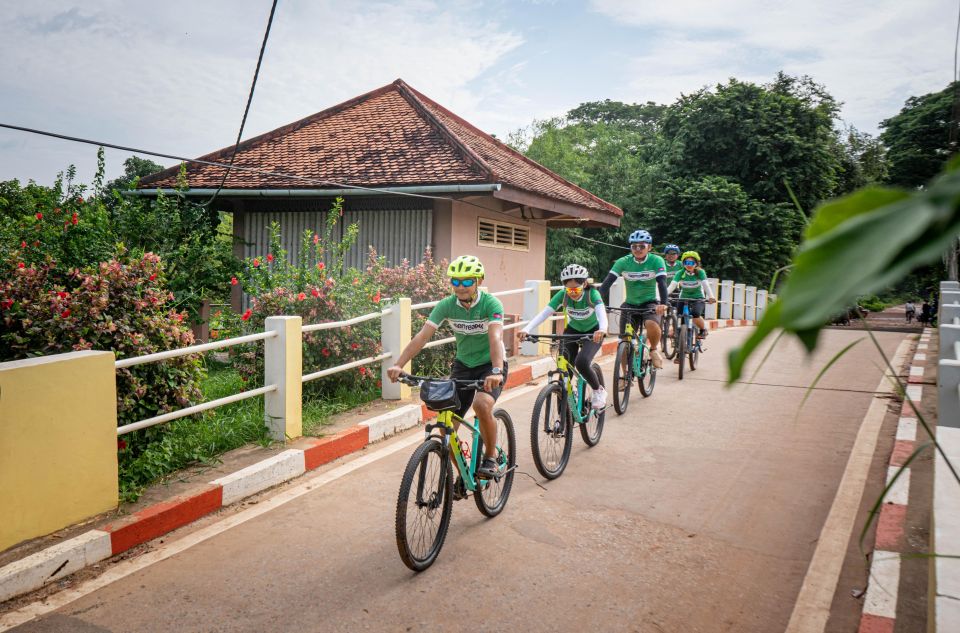
After Theam’s Gallery, you continue cycling toward the Preah Ang Chek Preah Ang Chorm Shrines, small enclosed temples positioned near the Royal Independence Gardens, which also tie into the broader history of Siem Reap.
This section works well as a change of pace. You’ve done craft, memorial, and art house—now you get open garden space and a smaller shrine stop that feels more intimate than the bigger temple sights people often focus on. Your guide ties it back to the story of the city, so you’re not just looking at structures—you’re learning why they matter.
This is also a good time to enjoy what the bike tour does best: you move through areas with a different feel than walking. Gardens and shrine spaces can be calm, and cycling lets you cover the distance without losing the atmosphere.
Keep an eye on the enclosed nature of the shrine areas. Depending on the day and crowd level, you may need to pause more frequently to let others pass, especially if the group is navigating narrow entry points.
You can also read our reviews of more city tours in Siem Reap



Pub Street lane to Phsar Chas: local life beyond the main drag
From there, the tour heads through Pub Street lane and onward to Phsar Chas, described as the oldest Khmer market in Siem Reap. This is a smart ending stop because it’s where you see the city doing its everyday work.
The key value of this segment is perspective. Before the market, you’re in cultural and artistic spaces. At Phsar Chas, you’re seeing how locals live: shopping rhythms, stalls, and the everyday flow that doesn’t exist for visitors trying to keep their day perfect.
From what you can learn during the ride, your guide helps you notice what you might otherwise skip. Markets can feel chaotic if you don’t know what you’re looking at, so the guide’s direction makes it easier to focus on meaningful details rather than getting overwhelmed.
Timing-wise, you should plan for a final browsing stop that won’t become a long detour. You’re expected to wrap up around 12:30 pm, so you’ll want to keep energy for the last leg and avoid overbuying right at the end unless you’re sure you can carry it comfortably.
Price and value: what $41 buys you (and what it doesn’t)
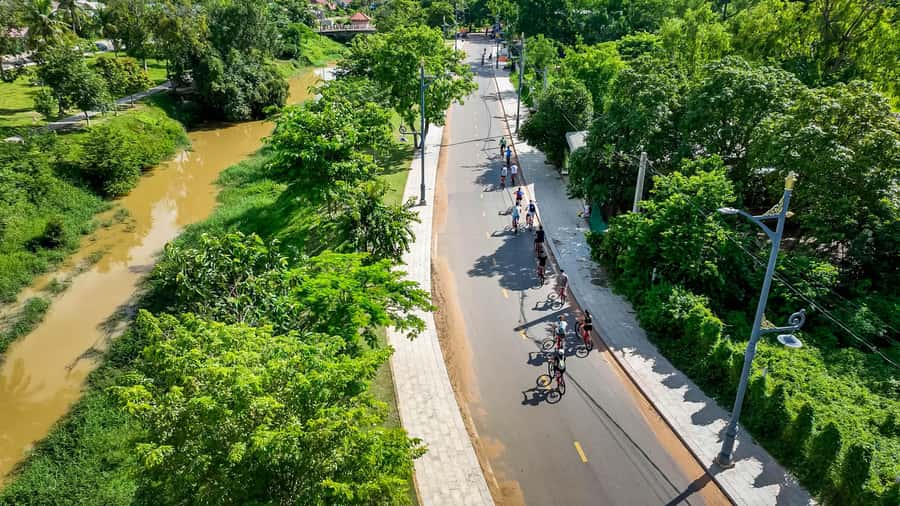
At $41 per person, this tour can be excellent value because a lot of the costs are handled upfront. Included in the price are:
- Hotel pickup and drop-off
- Bicycle and helmet
- English-speaking guide
- Local snacks and bottle of water
- Admission fees to Wat Thmey and Theam’s Gallery
Lunch isn’t included, and personal expenses are on you. That’s normal for a half-day tour, but it changes how you plan your afternoon. If you’re hungry after markets and temples, you’ll want a simple plan for lunch in town afterward.
Where the value really shows is the combination of activities. You’re paying for a guided bike route plus two paid cultural entries plus a craft-based stop. If you were to replicate this independently—bike rental, admissions, and a guide—you’d likely spend more, and you’d spend extra time figuring out routes.
From the reviews, multiple people highlighted the included entrances as a big reason it feels fair. Others also mentioned the tour’s value for money because the coffee stop and guided navigation are part of the structure, not add-ons.
Guides, pacing, and comfort: the stuff that makes or breaks it
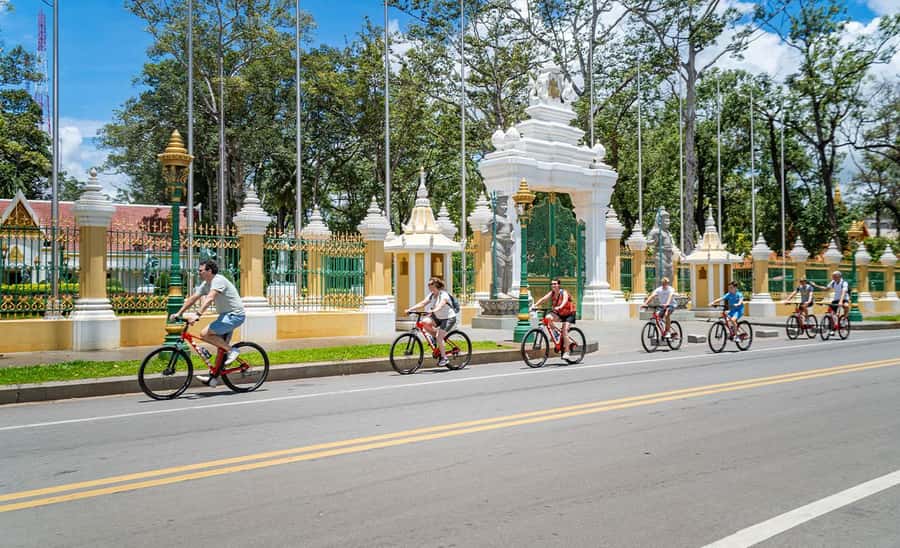
This kind of tour lives or dies with the guide, and the experiences here sound consistently well-led. Names that came up include Meng, JR, Mr Vandy, Thanut, and Choeun. Across these, the common thread is attentiveness: clear route instructions, comfort riding, and contextual explanations at each stop.
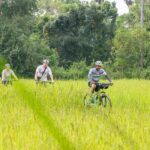
One review specifically pointed out that the cycling felt easy because routes are flat. That’s huge for confidence. When the route is easy and your guide provides clear directions, a bike tour stops feeling like a risk and starts feeling like a relaxing way to see the city.
Pacing is also balanced. Stops are frequent enough to keep things interesting, but not so frequent that you lose momentum. One person noted the pace between venues felt right for both distance and speed, and that matches how the itinerary is shaped.
If you get carsick easily or hate movement, a bike tour may still be your preference or not, but the flat route and short morning duration help. Also, since it’s a half-day, you’re not committing to an all-day logistics marathon.
What to bring so the ride feels easy
Here’s how to set yourself up for a smooth morning. The tour asks you to bring camera and cycling clothing, so I’d follow that advice closely.
Beyond that, I’d keep it simple:
- Comfortable shoes you can walk in during temple and market stops
- A light layer, since mornings can feel cooler before Siem Reap warms up
- Sunglasses and sunscreen, especially if the garden and market time turns sunny
- Water awareness: water is included, but if you tend to drink a lot, bring a small extra bottle only if it’s practical for you
Also, if you plan to buy ceramics or market items, consider how you’ll carry them. The tour ends around midday, so you may want to keep bags light until you’re ready to head back.
Should you book this Siem Reap City Half-Day Bike Tour?
If you want an efficient morning that mixes craft, memorial history, art, and local market life, this is a strong choice. It’s especially worth booking if you like the idea of being guided through places you might not fully understand on your own, like the Wat Thmey context or the creative process at the ceramics center.
Book it if:
- You want flat, easy riding
- You prefer hotel pickup and an organized route
- You’d rather learn with a guide than just collect landmarks
- You like a half-day plan that ends around 12:30
Skip it or choose a different format if:
- You’re not comfortable with cycling for a sustained morning
- You need a slower, longer time at any single stop
- You’re looking for a lunch included tour (this one doesn’t include lunch)
- Pregnancy applies, since the tour isn’t suitable for pregnant women
FAQ
How long is the Siem Reap City half-day bike tour?
The tour is planned for a morning schedule and you can expect to return around 12:30 pm.
What’s included in the tour price?
Hotel pickup and drop-off, a bicycle and helmet, an English-speaking guide, local snacks, bottled water, and admission fees to Wat Thmey and Theam’s Gallery are included.
Do I need to pay entrance fees separately?
No. Admission fees for Wat Thmey and Theam’s Gallery are included in the tour price.
What should I wear or bring?
Bring cycling clothing and a camera. It also helps to wear comfortable shoes since you’ll walk at stops.
Is there a lunch break?
Local snacks and water are included, but lunch is not included.
What language is the tour guide?
The tour is offered with an English-speaking guide.