REVIEW · SIEM REAP
2-Day Angkor Wat Tour
Book on Viator →Operated by Adventure Travel Cambodia · Bookable on Viator
Angkor shows up in your face fast, and this tour handles the hard parts. I love the licensed English guide format and the fact you’re riding in an A/C private vehicle from Siem Reap with hotel pickup and drop-off. You’ll get structured temple time at Angkor Thom and Angkor Wat, plus an added Tonle Sap lifestyle stop instead of rushing straight home.
One thing to plan for: the big sights aren’t fully “all-in” on your ticket price. You still need to buy the 2-day Angkor Pass ($62/person) and you’ll pay extra for the Tonle Sap boat ticket ($20/person), plus food.
In This Review
- Key things to know before you go
- Two days that fit Angkor’s scale without rushing you
- Price and what your money really covers
- Starting in Siem Reap: the Day 1 momentum
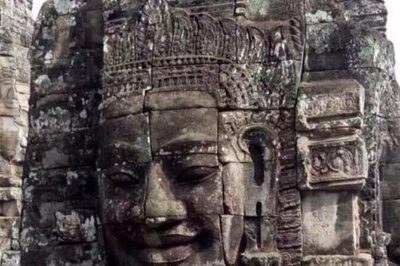
- Angkor Thom: walk the city walls, then meet the faces
- Lunch inside the Angkor park
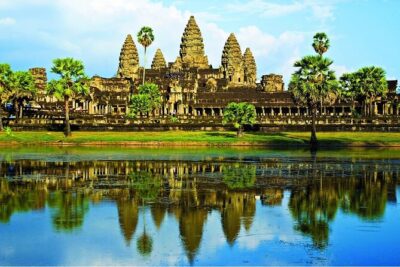
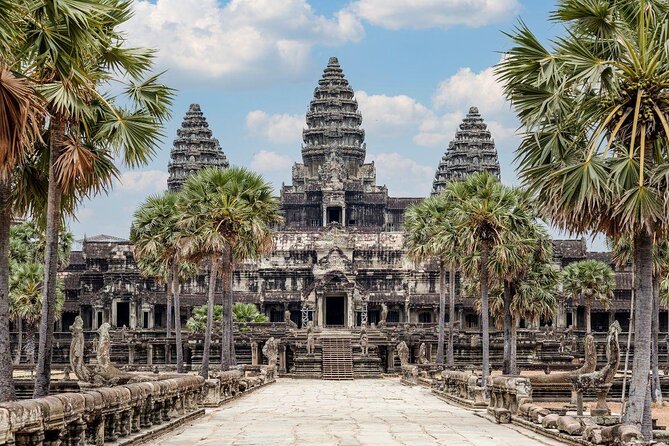
- Angkor Wat on Day 1: the best-preserved anchor
- Day 2: sunrise Angkor Wat and the temples that feel alive
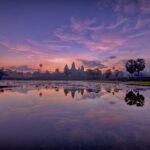
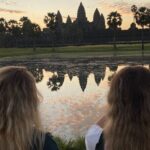
- Sunrise Angkor Wat: why this timing matters
- Ta Prohm: the jungle grip
- Neak Pean, Preah Khan, Ta Som, Eastern Mebon: the “less famous but worth it” set
- Banteay Srei: the pink sandstone art-gallery feeling
- Tonle Sap at sunset: change of pace, not just another stop
- How the guide shapes your experience (and why it matters)
- Practical tips that keep you comfortable
- Who this tour fits best
- Should you book this 2-Day Angkor Wat tour?
- FAQ
- FAQ
- What is the total cost for the tour?
- Does the tour include hotel pickup and drop-off?
- Do I need to buy an Angkor Pass before visiting?
- Is sunrise included?
- What about the Tonle Sap visit and boat ride?
- Is lunch included?
- Is this tour private?
Key things to know before you go
- Sunrise Angkor Wat means an early start, with your hotel able to pack breakfast for a quick grab-and-go.
- Angkor Pass handled on Day 1 so you can focus on temples once you’re inside.
- More than the postcard temples: Angkor Thom, Bayon faces, and a full circuit that doesn’t feel like a checklist.
- Expert guidance with cultural context, including deep explanations of Khmer culture and religious traditions (guides like Sinan and David are known for this).
- Tonle Sap is a real change of pace: Kampong Phluk floating village plus a private sunset boat ride.
- Small-comfort wins: unlimited bottled water and cool towels during the excursion help in the heat.
Two days that fit Angkor’s scale without rushing you
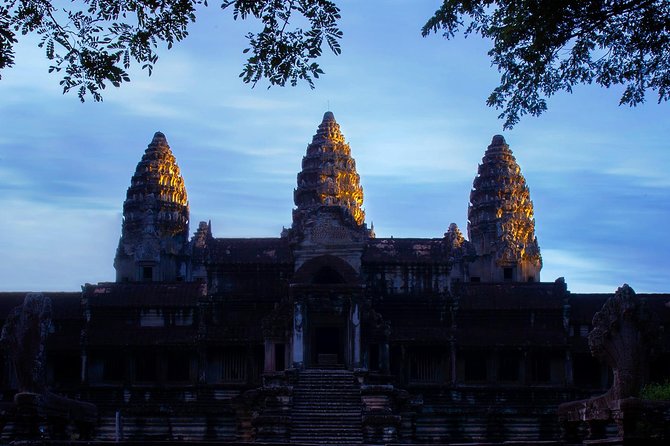
Angkor Wat doesn’t work like a normal monument visit. The grounds are huge, the temples are layered in time, and you can burn a whole day just walking the wrong route or staring at stone without knowing what you’re looking at. This 2-day tour keeps the logistics sane: pickup in Siem Reap, A/C transport to the Angkor Archaeological Park, and a licensed English guide to turn “cool ruins” into a place with meaning.
The best part for me is how the schedule mixes big hitters with the in-between temples that make Angkor feel like a living system, not only one famous viewpoint. Day 1 feeds your eyes with Angkor Thom’s walls, gates, towers, and the Bayon faces; Day 2 shifts to sunrise and the famous jungle-meets-stone look of Ta Prohm.
There’s also a practical advantage: you’re not left to figure out the entry pass on your own. The plan includes time on Day 1 to purchase the 2-day Angkor Pass (USD62 per person). Once you have it, your temple day becomes much smoother.
You can also read our reviews of more tours and experiences in Siem Reap


Price and what your money really covers
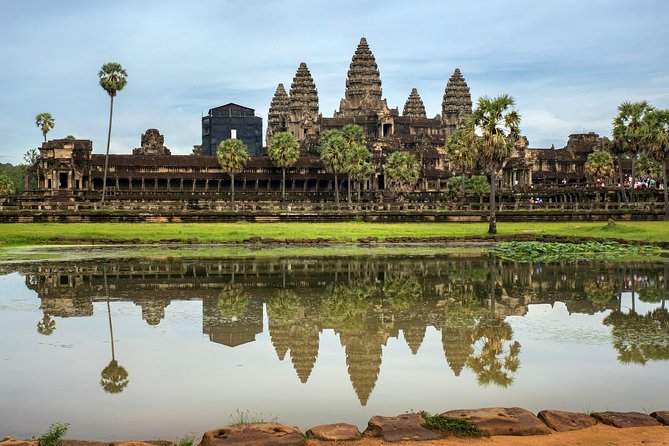
The tour price is $164 per person. What’s included is the “moving and interpreting” side of the trip: an English-speaking licensed guide, A/C transportation (car or minivan), unlimited bottled water and cool towels during the excursion, plus hotel pickup and drop-off.
What’s not included is the part people often forget to budget for:
- Angkor Pass (2-day): $62/person
- Tonle Sap ticket with boat ride: $20/person
- Food and soft drinks: not included
So your realistic total before snacks and meals sits at roughly $246 per person, assuming you pay the listed add-ons once. For Angkor, that’s a common reality: the pass is separate from the guiding and transport. The value here is that the guide and schedule protect your time at the sites and handle the day flow so you don’t waste energy on ticket confusion.
Also worth noting: the tour is set up as a private experience with only your group participating. That matters in Angkor, where you don’t want your photos, pace, or questions chopped up by a huge crowd.
Starting in Siem Reap: the Day 1 momentum
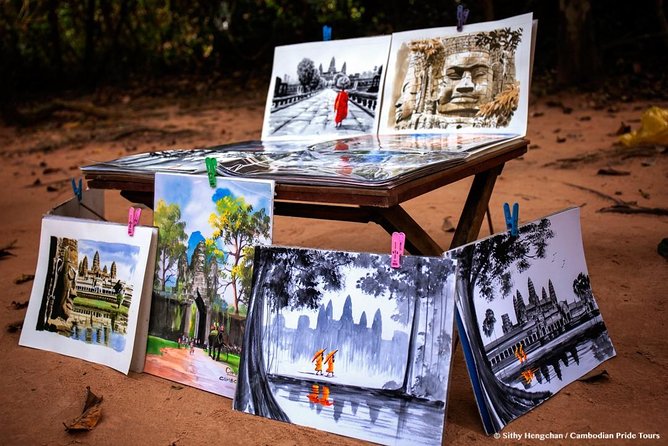
Your day begins with pickup from your hotel (the experience notes a start time around 8:30 am, with early morning departure). Then you head by vehicle to the Angkor area. The morning focus is Angkor Thom, the walled city and key political center of the Khmer Empire.
Angkor Thom: walk the city walls, then meet the faces
The circuit starts at Angkor Thom, with time to purchase the 2-day Angkor Pass (USD62 per person) and get rolling inside. This is where having a guide pays off fast. Without context, you can see towers and gateways and feel like you’re just wandering. With guidance, you start noticing levels, viewpoints, and why specific structures are arranged where they are.
From there the itinerary moves through:
- South Gate: a short stop but important because it frames your first approach into the walled complex. The guide explains what you’ll see at each level as you climb.
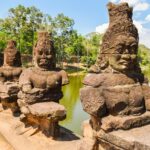
- Bayon Temple: a longer stop (about 2 hours). Bayon is famous for the stone faces, but the real value is learning how to read the carvings and the layout—what each view is set up to show. In practice, this is the moment the tour becomes more than a photo run.
- Phimeanakas and Baphuon Temple: smaller, focused climbs with guide-led explanations so your time doesn’t feel like “just more stairs.”
- Terrace of the Elephants: another stop where the guide helps you connect the carvings to the temple’s role in ceremony and power.
Lunch inside the Angkor park
You get a lunch break in a local Khmer-style restaurant within Angkor Park. You’ll be on-site, which saves travel time and keeps the day from splitting into two separate adventures. Food isn’t included, so plan to budget for meals, but the convenience is real.
Angkor Wat on Day 1: the best-preserved anchor
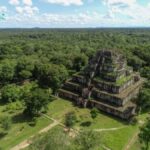
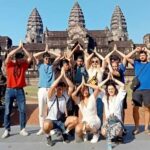
After lunch, you move to Angkor Wat, described as the world-famous and best-preserved temple within the complex. You’ll get around 2 hours here. Day 1 Angkor Wat is different from sunrise day 2: you’re not hunting the perfect light angle. You’re learning the temple’s overall geometry and how the spaces connect, which makes sunrise feel even more meaningful the next day.
One practical win: the tour structure helps you avoid the common mistake of spending all your attention on only the main courtyard without understanding the temple’s plan.
Day 2: sunrise Angkor Wat and the temples that feel alive
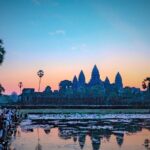
Day 2 starts with the big thing: sunrise over Angkor Wat. If your room includes breakfast, you can ask the hotel to pack a takeaway breakfast. The schedule notes a start-ready time around 4:40 am, which means you should treat this as a real early morning mission.
Sunrise Angkor Wat: why this timing matters
Sunrise is not only about the view. It’s about how you experience the site when it’s calmer and cooler, before the full crush of the day. With the guide, you’re also more likely to notice details you’d otherwise ignore—like how the architecture directs sightlines and how the bas-reliefs read when the lighting is gentle.
The stop is listed at around 2 hours, so you’re not doing a quick “in-and-out” sunrise. You have time to see the temple before it fully heats up and before the day’s crowds build.
Ta Prohm: the jungle grip
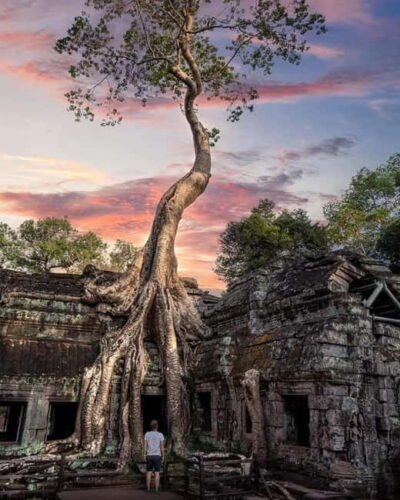
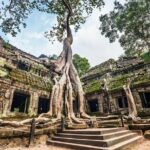
After sunrise, the day shifts to Ta Prohm, the temple most people associate with roots and stone. You’ll have about 2 hours here with guide support while you move through key areas.
What makes Ta Prohm special is the tension between human design and nature’s hold. Even if you’ve seen photos, being guided through the layout helps you understand which sections are preserved and why the temple looks the way it does now. You’re not just looking at a backdrop; you’re reading a structure.
Neak Pean, Preah Khan, Ta Som, Eastern Mebon: the “less famous but worth it” set
Day 2 keeps moving through a sequence of temples that can be skipped on rushed tours. Here’s the flow:
- Neak Pean (about 45 minutes): a shorter stop where guidance helps you make sense of the site’s features without spending the whole day staring at one corner.
- Preah Khan (about 1 hour): longer than the smaller stops, giving you time to appreciate scale and arrangement.
- Ta Som (about 30 minutes): brief but useful for connecting the broader circuit.
- Eastern Mebon (about 30 minutes): another “stop-and-learn” segment that keeps the day cohesive.
This sequence matters because it prevents the trip from feeling like you’re only chasing the headline temples. It’s the difference between seeing Angkor and understanding the system around Angkor.
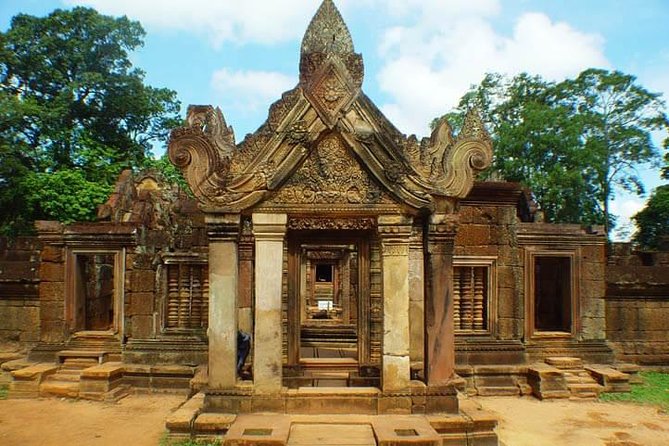
Banteay Srei: the pink sandstone art-gallery feeling
Then you drive further north to Banteay Srei, also called the lady’s temple. You’ll get about 2 hours for the stop (the schedule shows a short time label that seems inconsistent with the listed duration style, but the key point is that this is a focused temple visit). The big detail here is the pink sandstone, which looks far more specific in person than in a quick photo scroll.
This stop is also a nice emotional reset: after moving through larger complexes, Banteay Srei’s fine carving vibe makes the day feel like it’s ended on craft, not only scale.
Tonle Sap at sunset: change of pace, not just another stop

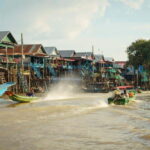
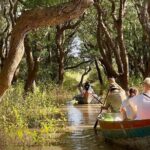
The final act is Tonle Sap, the biggest freshwater lake in Southeast Asia. The tour includes a visit to Kampong Phluk, a floating village for a lifestyle look, plus a private boat cruise designed for a stunning sunset.
The Tonle Sap ticket with boat ride costs $20 per person and isn’t included. Plan for that. You’ll also want water and some patience with the day’s heat—this is the kind of outing where you’ll appreciate having cooled down earlier, and the tour’s bottled water and cool towels during the excursion helps set you up for the transition.
What I like about closing the tour here is that you leave the temple bubble. You shift from carved stone to living water and everyday life. Even without deep background knowledge, you come away with a clearer sense of how modern communities connect to the same Cambodian environment that shaped ancient life.
How the guide shapes your experience (and why it matters)
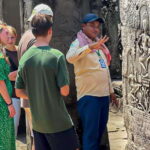
This tour is built around a licensed English-speaking guide, and the quality of those explanations is the difference between “saw temples” and “understood temples.”
From real examples of guides associated with this kind of itinerary:
- Sinan is praised for answering questions about Khmer culture, food, and history, not only describing what you see.
- David is known for explaining religious traditions and how they influenced what you see in the temple layout.
- Thy, the driver, is noted for being experienced and safe, which matters because the driving between sites can be tiring.
You don’t need a guide to look up at stone and think it’s impressive. You do need one to explain why a terrace matters, what a gate is doing, and how the whole complex fits together as a worldview.
Practical tips that keep you comfortable
Angkor is a long day. Even if you’re used to museums, this is real walking under real light. Here are smart, low-drama ways to make the schedule easier:
- Bring sun protection and plan for hot moments between temple climbs. The tour provides unlimited bottled water and cool towels, which helps a lot, but you still want your own small comfort setup.
- Wear comfortable shoes for stairs and uneven surfaces. You’ll be going up and down multiple times across Angkor Thom, Bayon, and the other temple stops.
- Expect a lot of standing around while the guide explains levels and viewpoints. If you’re the type who likes to rush to the next photo, the guidance may slow you down—in a good way, but still a factor.
- Bring cash for the add-ons. The Angkor Pass and Tonle Sap ticket are listed separately, so you’ll need to cover them during the tour.
Who this tour fits best
This is a great pick if:
- You want a 2-day Angkor plan that covers more than just Angkor Wat.
- You care about context—how Khmer culture and religious traditions shape what’s carved and built.
- You prefer a guided pace rather than a self-drive “wing it” approach inside the park.
- You like the idea of ending at Tonle Sap with sunset and a boat ride.
It might not be ideal if:
- You’re only interested in seeing the single most famous temple photo spot, because the itinerary includes a lot of additional structures.
- You have trouble with early mornings, since sunrise day 2 is a major feature.
Should you book this 2-Day Angkor Wat tour?
If you’re coming to Siem Reap mainly for Angkor, I think this is a solid way to do it. You get the big temples plus enough extra stops to make the trip feel complete, and the licensed guide support helps you leave with understanding, not just photos.
The deciding question is budget and timing: your tour price is $164, but you should plan for the Angkor Pass ($62) and Tonle Sap boat ticket ($20), plus meals. If that fits your spending plan, the value is strong because you’re paying for guided interpretation, A/C transport, and a structured two-day rhythm.
FAQ
FAQ
What is the total cost for the tour?
The tour price is $164 per person, and it does not include the Angkor Pass ($62 per person) or the Tonle Sap ticket with boat ride ($20 per person). Food and soft drinks are also not included.
Does the tour include hotel pickup and drop-off?
Yes. The experience includes hotel pick-up and drop-off, plus transportation with A/C (car or minivan).
Do I need to buy an Angkor Pass before visiting?
Yes. The itinerary includes time on Day 1 to purchase the 2-day Angkor Pass for $62 per person, and the pass is not included in the tour price.
Is sunrise included?
Yes. Day 2 includes sunrise over Angkor Wat, with guidance and a suggested early start around 4:40 am if you need breakfast packed by your hotel.
What about the Tonle Sap visit and boat ride?
Tonle Sap includes a floating village visit to Kampong Phluk and a private boat cruise at sunset, but the ticket with boat ride is not included (it costs $20 per person).
Is lunch included?
No. Lunch is mentioned as a break at a local Khmer-style restaurant, but food and soft drinks are not included.
Is this tour private?
Yes. The experience is listed as private, meaning only your group will participate.