REVIEW · SIEM REAP
Angkor National Museum Ticket with Tuk-Tuk Pick-Up
Book on GetYourGuide →Operated by Euro Khmer Voyages · Bookable on GetYourGuide
A museum stop that makes the temples make sense. The Angkor National Museum ticket is a smart, time-saving way to see how Khmer beliefs and power evolved before you hit Angkor sites. You also get a simple tuk-tuk pickup so the day starts without hassle.
What I like most is how this visit is structured to help you connect dots: the collection is arranged into 8 chronological galleries, so the story moves in order rather than feeling random. I also like that you’ll get a map to wander the galleries at your own pace, with the museum setting helping you follow along.
One thing to consider: this is an easy, fixed-duration visit (about 2 hours). If you’re the type who reads every label and wants extra audio time, you might feel a little rushed. Also, there’s a no-backpack rule, so plan to travel light.
In This Review
- Key things to know before you go
- How the tuk-tuk pickup actually helps
- A 2-hour visit built around eight chronological galleries
- Why that structure matters for your Angkor day
- The Buddha-statue highlight: what 1,000 statues teaches you
- Khmer Empire origins: setting the stage for what you’ll see outside
- Angkor Wat and Angkor Thom eras: architecture with context
- Audio option: when it’s worth paying extra
- Price and value: $26 for entry plus one-way tuk-tuk
- Who this museum ticket suits best
- Important rules: backpacks and pets
- A smart way to time it with Angkor temples
- Provider and language: what to expect from the experience team
- Should you book this Angkor National Museum ticket with tuk-tuk pickup?
- FAQ
- Is the Angkor National Museum ticket price $26 per person?
- How long is the experience?
- What’s included in the ticket?
- What transport do I get with the pickup?
- Do I need to provide my hotel name for pickup?
- Is an audio tour included?
- What language is the driver?
- Are pets allowed inside?
- Are backpacks allowed?
Key things to know before you go
- Eight chronological galleries help you understand Khmer history as a timeline, not a pile of artifacts
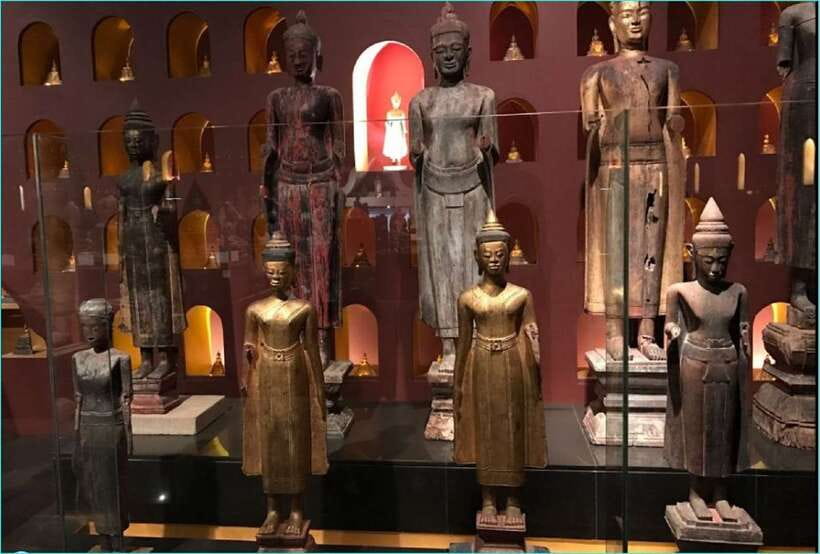
- A gallery of 1000 Buddha statues gives you a focused look at religious art and changing beliefs
- Architecture context for Angkor Wat and Angkor Thom helps you recognize what you’re seeing later
- English-speaking driver plus one-way hotel pickup keeps logistics simple in Siem Reap
- Map-based self-wandering means you control your pace inside the museum
How the tuk-tuk pickup actually helps
In Siem Reap, the easiest travel days are the ones with the fewest decisions. This ticket is built for that. You get entry to Angkor National Museum plus a one-way pickup from your hotel area by tuk-tuk.
Here’s the practical bit: you must give your hotel name or location so the driver can find you. If you don’t share that, pickup can’t happen, and you still need your ticket from the provider to enter the museum. You’ll also be asked to wait in your accommodation lobby for the driver.
Because the driver speaks English, it’s easier to confirm the pickup point without playing phone tag. And since it’s one-way, you’re free to keep your afternoon flexible afterward—handy if you plan to pair this with temple visits later.
You can also read our reviews of more tours and experiences in Siem Reap

A 2-hour visit built around eight chronological galleries
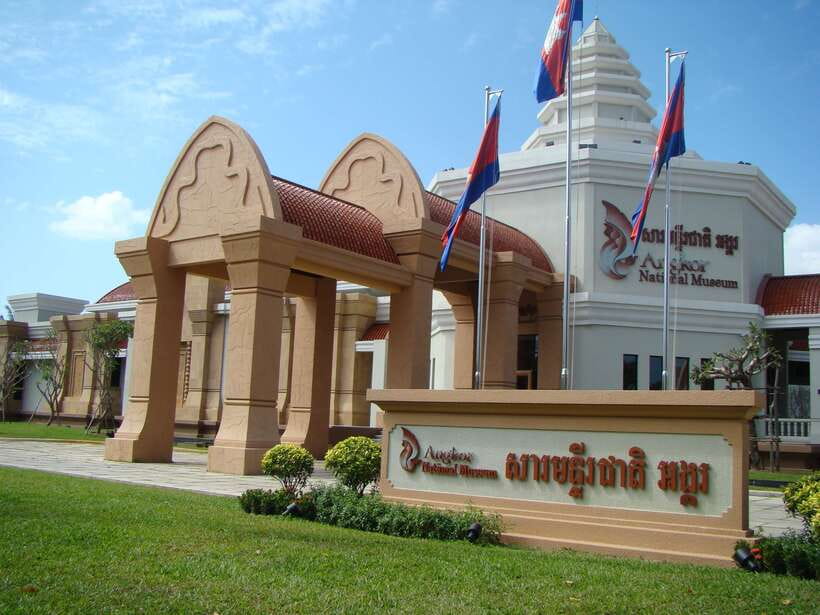
The core experience here is the museum’s storyline. Instead of wandering randomly, you’re guided by a map that directs you through all galleries. The idea is that you move through the collection in sequence—creation to what’s described as the highest point of Khmer civilization.
The museum’s layout is designed in 8 chronological galleries. Each one adds context with a realistic atmosphere, so you’re not just looking at objects—you’re getting the sense of how people lived, believed, and built during different eras. In plain terms, you’re training your eye for what you’ll see later around Angkor.
What you’ll feel in those two hours is a gradual buildup. The story doesn’t dump everything at once. It reveals the region’s background slowly, so your understanding grows as you go from gallery to gallery.
Why that structure matters for your Angkor day
If you’re planning to visit Angkor Wat and Angkor Thom, this is the kind of stop that pays off later. When you understand the eras and customs first, the temple scenes stop being “cool ruins” and start becoming “oh, I get why they built this.”
That’s the big value of a chronological museum visit: it saves you from doing history later with guesswork.
The Buddha-statue highlight: what 1,000 statues teaches you
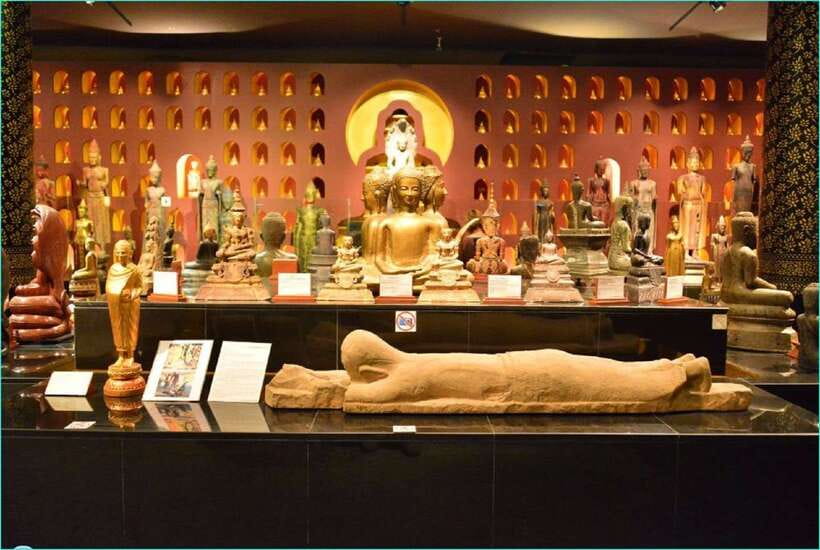
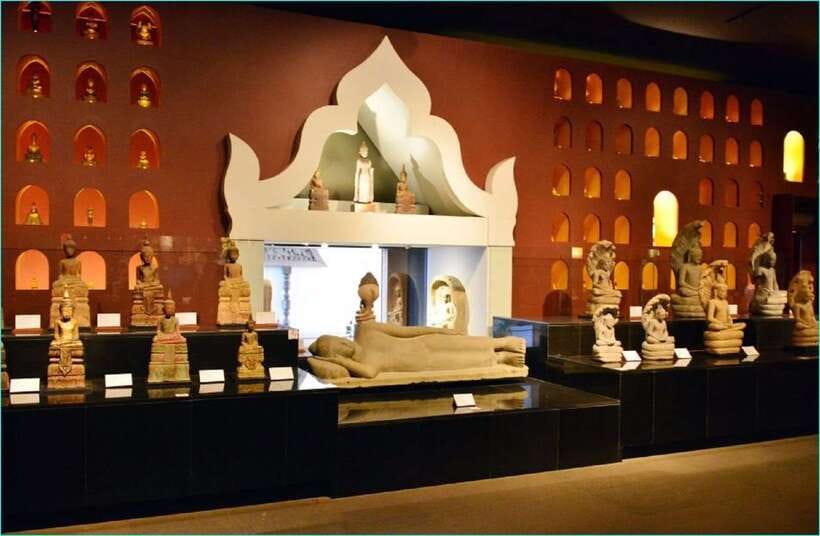
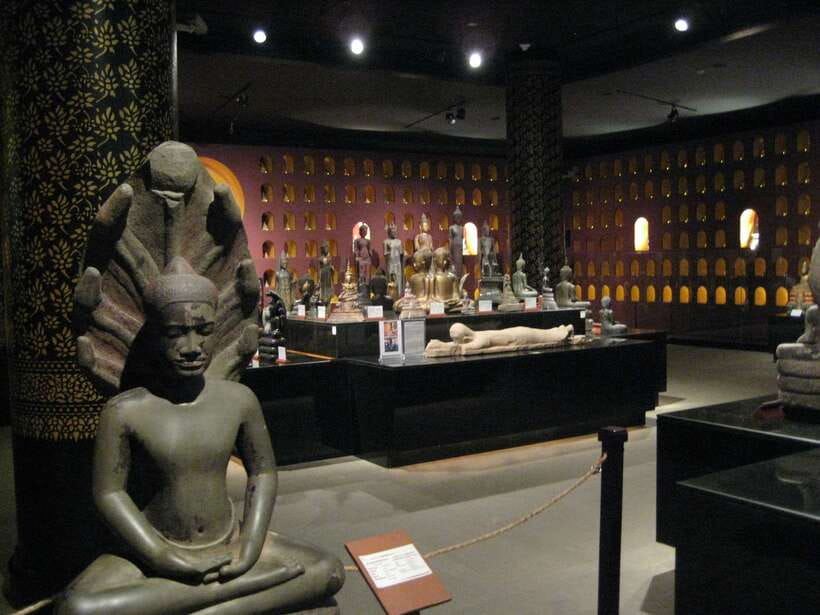
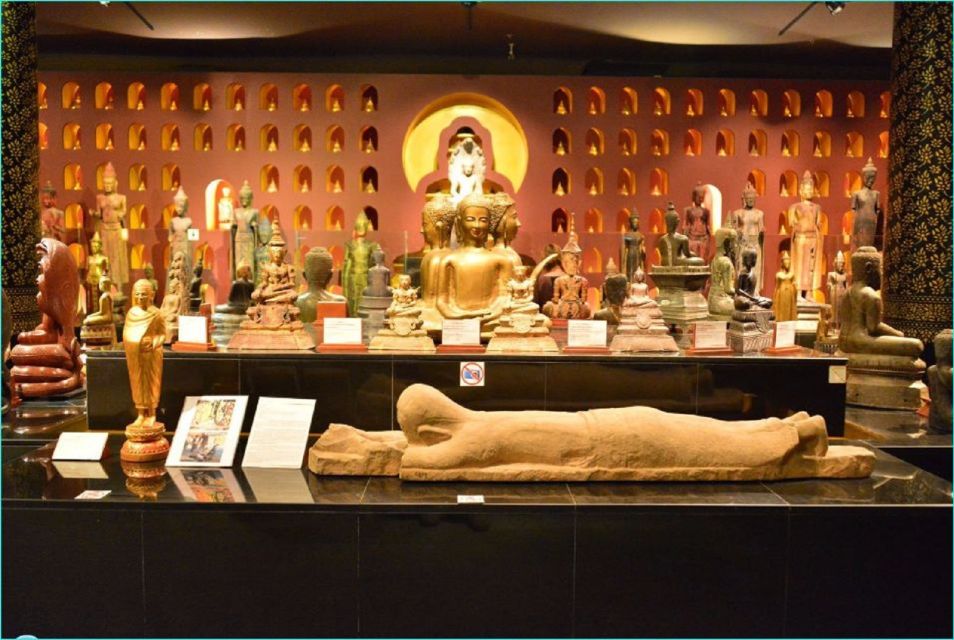
One of the most talked-about elements of this museum experience is the gallery featuring 1000 Buddha statues. Even if you don’t follow every religious detail, the sheer scale makes the point quickly: this was a world where religious art wasn’t a side hobby—it was central to how communities expressed belief.
In a temple landscape like Angkor, religious symbolism is everywhere. A gallery like this helps you understand how Buddhist ideas showed up in Khmer culture over time. It also gives you a visual reference before you see carvings, iconography, and religious themes in stone across the wider complex.
What I’d watch for as you move through this part:
- How the statues are presented as a collective, not just individual pieces
- The role of religious imagery in the museum’s storyline of Khmer civilization
- Any labels or descriptions that connect these beliefs to the broader eras
If you’re going with kids or a mixed group, this gallery often works well because it’s visually clear and easy to react to fast.
Khmer Empire origins: setting the stage for what you’ll see outside
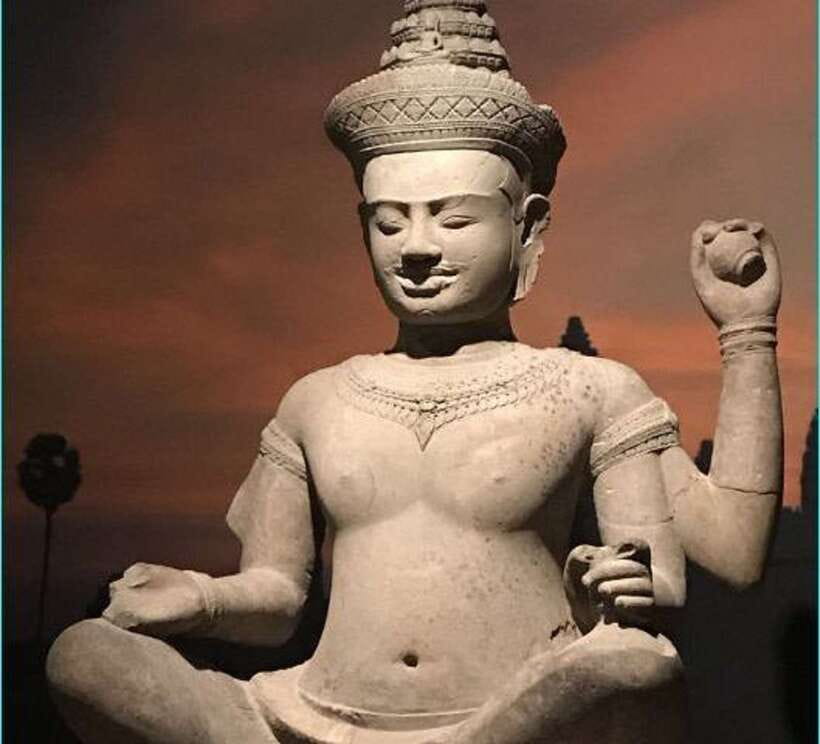
Another standout theme is learning about the origins of the Khmer Empire and the customs behind it. Museums can sometimes feel like a checklist of dates. Here, the aim is different: you’re building understanding of where power came from and how people expressed identity through beliefs and tradition.
Because the galleries are chronological, you can track change over time. That matters at Angkor, where structures and styles can look similar at first glance. When you know what came earlier versus later, you’ll start to notice distinctions more easily.
If you’re the kind of visitor who wants your Angkor day to feel like a story—not a sprint—this is a good match. You’ll walk out with a framework you can apply to temple architecture, iconography, and the overall vibe of the sites.
You can also read our reviews of more museum experiences in Siem Reap




Angkor Wat and Angkor Thom eras: architecture with context
The museum doesn’t just tell you history. It focuses on how the architecture during Angkor Wat and Angkor Thom eras connects to the broader Khmer timeline.
This is a key part for practical reasons. At the temples, you can get overwhelmed by details: towers, causeways, carving styles, doorways, and religious symbolism all happening at once. A museum visit like this helps you sort the big patterns first.
So instead of trying to decode everything on-site, you get a head start. It can make your later walking feel more intentional. You may find yourself noticing:
- How different eras influence design
- Why certain elements look the way they do
- How religious concepts show up in the built environment
Even if you’re not a “museum person,” this section can turn the later temples from confusing to coherent.
Audio option: when it’s worth paying extra
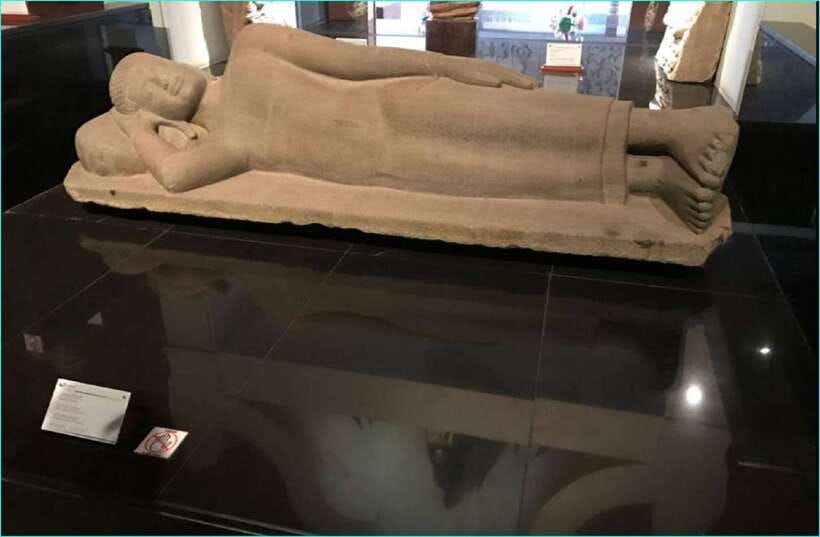
The ticket you’re considering includes admission and pickup, but an audio tour set is not included. Still, audio is available, and one visitor specifically mentioned using audio guide headphones and said they come in German.
So how do you decide?
- If you like moving fast and reading only a few labels, skip audio and let the museum pacing do the work.
- If you prefer more explanation and you want help understanding customs and belief systems, plan to add the audio on-site.
Because your total time is about 2 hours, audio can change how much ground you cover. If you add it, you may want to be selective about which galleries you linger in.
Price and value: $26 for entry plus one-way tuk-tuk
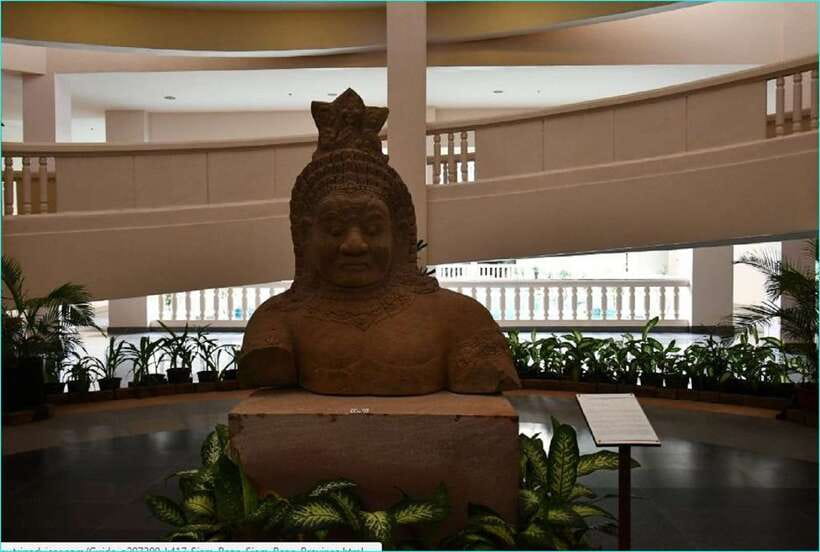
At $26 per person, this ticket isn’t just “museum entry.” You’re also getting one-way tuk-tuk pickup from your hotel area. In Siem Reap, that combination can be good value because transportation can add up quickly when you’re juggling separate bookings.
Here’s how I’d frame the math:
- You pay for museum access (the main cost driver)
- You also pay for pickup, which reduces the friction of arranging transport and reduces the time you spend planning
The value gets even better if you’re trying to fit the museum into a busy temple day. A smooth morning pickup means you can arrive in time, avoid stress, and start learning before you see the big sites.
Potential “cost” that isn’t in the $26: the audio set (not included), plus any personal expenses once you’re out of the museum.
Who this museum ticket suits best
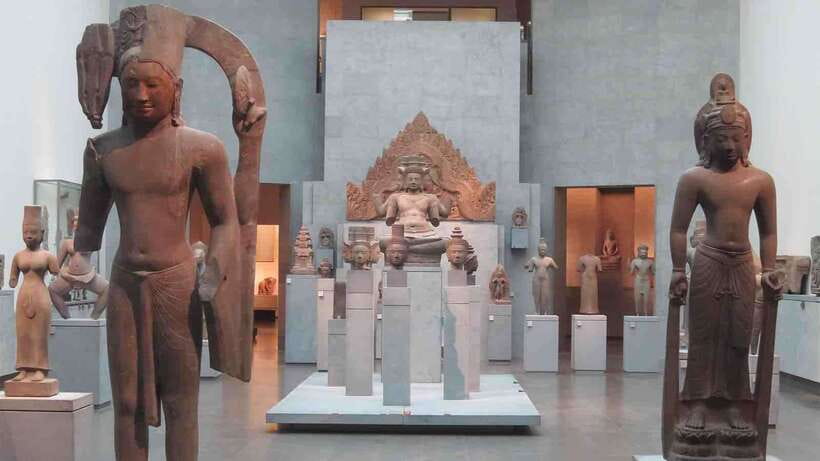
This experience fits best if you want understanding without overplanning.
You’ll likely love it if:
- You’re doing a temple-heavy itinerary and want the museum to set the context
- You want a structured visit through Khmer history (chronological galleries)
- You prefer a simple logistics-light start with pickup and entry handled
You may feel less satisfied if:
- You need a fully guided, lecture-style tour with constant explanation
- You’re the type who needs far more than two hours to read every label
- You travel with items that don’t meet the museum rules
Important rules: backpacks and pets
This ticket comes with clear “know before you go” constraints:
- Pets are not allowed
- Backpacks are not allowed
So pack light. Think day-bag, not a hiking pack. If you’re carrying camera gear, keep it minimal and easy to manage. If you’re unsure what counts as a backpack, I’d err on the side of a small bag you can comfortably hold and move.
These rules matter because they can affect your comfort at the entrance and how easily you can focus once you’re inside.
A smart way to time it with Angkor temples
The most useful planning tip is simple: visit before Angkor temples. That way, when you walk among Angkor Wat and Angkor Thom later, your brain has a framework ready.
If you visit afterward, you can still enjoy it, but you’ll be working in reverse—less ideal if your goal is to connect museum lessons to real stone.
A good approach is:
- Museum first, so the eras and beliefs are fresh
- Then temples, while your understanding is still “on”
Provider and language: what to expect from the experience team
The experience provider is Euro Khmer Voyages. You’ll have an English-speaking driver for the pickup portion. Inside the museum, your experience is map-based through the galleries, not a constantly narrated guided tour format—so you control your pace.
If you’re comfortable reading museum signage and want structure, this works well. If you prefer oral storytelling from a guide throughout, you might want to consider adding audio or pairing with another tour later.
Should you book this Angkor National Museum ticket with tuk-tuk pickup?
Yes, book it if you want a straightforward, high-value way to understand Khmer civilization before you spend time at Angkor sites. For the price, you’re getting admission plus one-way transport, and the museum’s chronological galleries are exactly the kind of structure that makes temples easier to read.
Skip or reconsider if you know you’ll need more than two hours, you hate museum pacing, or you’re traveling with a backpack (since that rule can change your day fast). Also remember: audio isn’t included in the ticket.
If you’re building an Angkor day plan, this ticket is one of the easiest ways to make your temple visits feel smarter, not just longer.
FAQ
Is the Angkor National Museum ticket price $26 per person?
Yes. The listed price is $26 per person, and it includes the museum entry fee.
How long is the experience?
The duration is listed as 2 hours. Check availability for starting times.
What’s included in the ticket?
Included are the Angkor National Museum entry fee and one-way hotel pickup.
What transport do I get with the pickup?
You’ll be picked up by tuk-tuk for one-way transport from your accommodation area to the museum.
Do I need to provide my hotel name for pickup?
Yes. You need to share your hotel name or location so the driver can find you, and you should wait at your accommodation lobby.
Is an audio tour included?
No. The audio tour set is not included. You can add audio separately if you want it.
What language is the driver?
The driver is listed as English.
Are pets allowed inside?
No. Pets are not allowed.
Are backpacks allowed?
No. Backpacks are not allowed.