Two days in Cambodia, and it moves fast. I love the sunrise at Angkor Wat and the fact you get a real picnic stop at the Kulen waterfall. Your main catch is simple: the day starts very early, and the Angkor temple entry costs are not fully included in the base price.
This is a small-group style tour, max 14 people, with hotel pickup and A/C transport. You also get a professional English-speaking guide, plus water and towels to make the long temple days feel manageable.
In This Review
- Key Things I’d Plan Around
- Sunrise Over Angkor Wat: Be Ready For 4:30–5:00 AM
- Srah Srang Breakfast Break: A Quick Local Reset
- Pre Rup and the Brick Temple Mood: When Angkor Gets Dramatic
- Ta Prohm Jungle Temple: Tomb Raider Atmosphere Without Extra Fluff
- Bayon Smiling Faces and Angkor Thom Flow
- Angkor Thom South Gate and the Two Terraces
- Phnom Kulen National Park: A Change of Pace From Temples
- Poeng Ta Kho Views: Cliff Energy and Jungle Below
- 1000 Lingas and Sacred Water: Symbols and Stairs
- Preah Ang Thom Reclining Buddha: The Long Look
- Picnic at Kulen Waterfall: Where the Day Becomes Yours
- Price and Tickets: What You Pay and What You Still Need
- Guides and Drivers: Why the Human Touch Shows Up
- Comfort, Pacing, and the Small-Group Advantage
- Who Should Book This 2-Day Angkor Wat and Kulen Tour
- Should You Book This Tour?
- FAQ
- What time does the sunrise pickup happen?
- Is the Angkor Wat ticket included in the tour price?
- What costs extra for Angkor temple access?
- Is Kulen Mountain admission included?
- What meals are included during the two days?
- Do you get hotel pickup and transportation?
- How large is the group?
- Can I cancel for a full refund?
Key Things I’d Plan Around
- Sunrise timing at Angkor Wat means you beat the crowds and the heat buildup
- Picnic at Phnom Kulen Waterfall gives you a break that feels local, not just scenic
- Small group cap (14 people) helps keep the pace readable
- English guide support for understanding what you’re seeing, not just walking past it
- A/C minivan/minibus plus water and towels make the long travel days less painful
Sunrise Over Angkor Wat: Be Ready For 4:30–5:00 AM
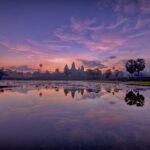
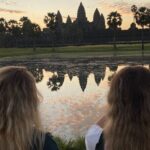
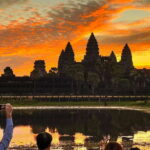
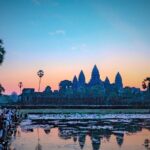
Angkor Wat is the star, and the tour builds everything around that early light. You’re picked up from your hotel before dawn, typically between 4:30 am and 5:00 am, then you watch the sunrise with the temple as the main backdrop.
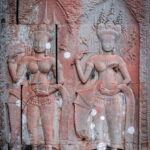
This is one of the best ways to experience Angkor Wat because the experience is about more than the photo. Morning light changes the feel of the carvings and towers, and the air is cooler before the day turns hot. If you hate waking up early, this still might be worth it—because sleeping in means missing that calm, before the mass of the day.
Practical tip: keep your camera battery warm in the morning. Early starts plus cooler air can drain batteries faster than you expect.
You can also read our reviews of more tours and experiences in Siem Reap


Srah Srang Breakfast Break: A Quick Local Reset
After sunrise, the day shifts from dramatic temple views to a calmer Cambodia-morning rhythm. You stop at Srah Srang, a historical site inside the Angkor area, then you get a short break for breakfast with local food.
This breakfast-style stop matters. A lot of temple tours either rush meals or skip them, and then you’re stuck trying to eat in the middle of crowds later. Here, you get to refuel early with items like Khmer noodle soup and local desserts (palm cake and steamed rice are mentioned). It’s also a nice moment to stretch before walking again.
You’ll want to eat fast and keep water handy, because the next temple stops come in quick chunks.
Pre Rup and the Brick Temple Mood: When Angkor Gets Dramatic
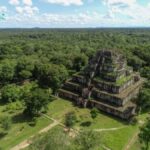
Next up is Pre Rup, described as the biggest brick temple in the Angkor complex. It’s the kind of site where you start noticing how different structures feel within the same overall Angkor story—less about one single landmark and more about the variety in design and atmosphere.
The tour keeps this leg relatively short, so it works well if you’re trying to see a lot without turning the day into one long hike. Also, many temple stops are different in height and walking surface, so your legs appreciate the pacing.
One thing to watch: some sections of Angkor are uneven. Wear shoes you can trust on stone and compact pathways, not just flat sandals.
Ta Prohm Jungle Temple: Tomb Raider Atmosphere Without Extra Fluff
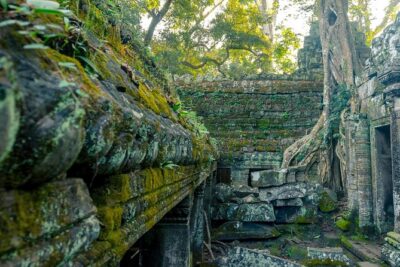
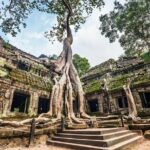
Then you head to Ta Prohm, the famous jungle temple left with trees and huge roots. This is one of the most visually memorable stops in the Angkor circuit because the site looks half-built by people and half-built by nature.
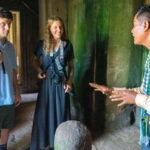
The tour includes about an hour here, and that’s long enough to slow down. You’re not just passing through—you’re getting time to look at how the roots twist around stones and how that changes your sense of scale. It’s also a stop where a good guide helps, because it’s easy to stare at the roots and miss why the structure is important.
If your style is more photos, less reading, this still works because the visuals do most of the talking. If you like context, the guide’s explanations are a big part of the value.
Bayon Smiling Faces and Angkor Thom Flow
After Ta Prohm, you go to Bayon Temple, known for the smiling faces. This is where the tour shifts from jungle texture to the dense “city” feeling of Angkor Thom.
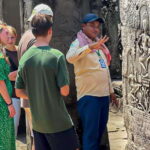
The guide-led pace helps here. Bayon can feel repetitive if you’re just scanning for faces, but when someone points out placement and perspective, the temple becomes easier to read. The tour also covers key parts of Angkor Thom around the same area, so the geography starts to make sense as you move.
You’ll feel the day in your feet by now. Short stops still add up, but the overall route keeps you from bouncing around randomly.
Angkor Thom South Gate and the Two Terraces
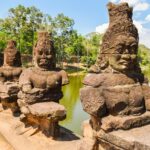
You’ll also hit several additional Angkor Thom stops: the Terrace of the Elephants, the Terrace of the Leper King, and the Angkor Thom South Gate.
These are quick visits compared to the main temples, but they’re not random. They help you understand Angkor Thom as a full walled city concept, not just a few standalone ruins. The South Gate is also a world-famous landmark built by King Jayavarman VII, and it’s a solid capstone for the day because it feels like arriving somewhere important.
For a practical mindset: treat these as “pattern recognition” stops. After you see the bigger complexes, these shorter stops help you connect dots and remember how the city was organized.
Phnom Kulen National Park: A Change of Pace From Temples
Day 2 is a different kind of experience. You start with pickup in the morning (between 8:00 am and 8:30 am) and travel through rural Cambodian villages, where the emphasis is on scenery and everyday life beyond Angkor.
This shift is great if you’re worried about getting temple fatigue. You’re still in heritage territory, but the mood is countryside instead of stone-on-stone. The tour includes Phnom Kulen National Park admission, so you’re not scrambling for entries once you arrive.
The guide’s rural storytelling is where the day becomes more than sightseeing. And since the group size stays small, you can actually hear explanations over the sound of the road.
Poeng Ta Kho Views: Cliff Energy and Jungle Below
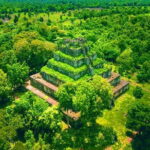
At Kulen, you stop at Poeng Ta Kho (amazing cliff), built around dramatic views. The description focuses on the cliff summit perspective—emerald jungle below and mountain peaks in the distance.
This is the stop you remember when you get back to Siem Reap, because it feels like you’ve left the city and stepped into a wider world. You don’t need a long trek to enjoy it, either. The time here is set at about 30 minutes, which is long enough for photos, a slow look around, and a breather.
If you plan to shoot photos: aim for lower angles when the light is good. Views from cliffs tend to look flat from eye level.
1000 Lingas and Sacred Water: Symbols and Stairs
Next is 1000 Lingas, described as a sacred river carved with ancient Hindu symbols from the 9th century, plus cascading multi-level falls. It’s both a cultural stop and a water-friendly moment.
This is one of those places where the guide can help you slow down and see details. From a visitor point of view, it’s easy to see “carvings” and move on quickly. With guidance, it becomes easier to notice patterns and why the site is treated as hallowed ground.
If you’re traveling in a season where falls are active, you might find it more appealing in the middle of the day when you can feel the mist.
Preah Ang Thom Reclining Buddha: The Long Look
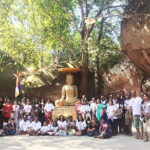
You’ll also visit Preah Ang Thom pagoda, described as the largest 16th-century reclining Buddha statue in Cambodia. This stop is about one hour, so it gives you time to view the statue without rushing.
It’s a good contrast to the earlier cliff and carving stops. This part feels more still and reflective, like you’re switching gears from outward views to inward scale and devotion.
Practical tip: this is a place where shade can vary. Bring water habits from day 1 so you don’t forget to drink.
Picnic at Kulen Waterfall: Where the Day Becomes Yours
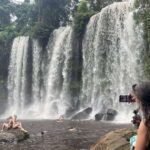
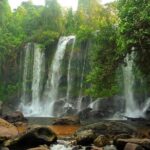
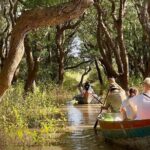
The centerpiece on day 2 is Phnom Kulen Waterfall, where you get time for a picnic with local food. The tour gives about 2 hours here, which is a welcome change from nonstop temple schedules.
This is also where the tour’s value shows up: you’re not just seeing a waterfall and leaving. You’re given a proper break in a scenic spot, with food and time to relax. That makes the day feel balanced—adventure in the morning, then a calmer, more human-feeling pause later.
The included water and towels matter here too. Waterfalls mean you’ll likely get damp. Having towels on hand keeps things comfortable without needing to buy anything last minute.
Price and Tickets: What You Pay and What You Still Need
The tour price is $79.00 per person for two days. On top of that, you should plan for the Angkor temple entry costs, because an Angkor pass ($37.00 per person) is not included.
So how does that shake out for value?
- You’re paying for the big logistics: A/C transport, hotel pickup, an English-speaking guide, and the sunrise timing.
- You’re also paying for “time saved.” The route covers major Angkor sites across two days rather than making you piece everything together.
- Kulen entries are included where stated (the tour includes Kulen Mountain admission ticket), and day 2 has its own included admission stops.
Soft drinks are not included, which is normal but worth noting if you plan to buy drinks during the day. Also, some specific temple admissions on day 1 are listed as not included, which is why budgeting for the Angkor pass is the smart move.
If you already own a pass or plan to buy one anyway, this tour becomes easier to justify. If you don’t want to add costs later, compare carefully.
Guides and Drivers: Why the Human Touch Shows Up
The most praised part of this tour isn’t just where you go—it’s how you’re led. Multiple reviews mention guides like Seila, Sam Made, Moni/Mony, Sotin, Ho, and a driver named Tra.
What you should take from that: the experience seems to run with a friendly, organized style. People highlight guides taking time to explain background and helping with photos. That can turn a temple visit from a checklist into something you remember with context.
You’ll still do the walking and you’ll still sweat in the heat. But with a guide who knows where to slow down, you’ll get more meaning out of the carvings, gates, and terraces instead of just collecting images.
Comfort, Pacing, and the Small-Group Advantage
This tour caps at 14 travelers, which matters more than it sounds. Smaller groups move faster without feeling rushed and make it easier to hear explanations from the guide.
Transport is done in an A/C minivan/minibus, and you also get a cool bottle of water and towels. That setup reduces the usual stress of long temple days: heat control, hydration, and a few comfort basics.
The pacing also works because day 1 is structured around sunrise and the classic Angkor route, while day 2 slows into countryside travel and then a long picnic window at the waterfall.
Who Should Book This 2-Day Angkor Wat and Kulen Tour
This tour is a strong fit if you want:
- Two full days of major sights without doing the planning math yourself
- A sunrise experience at Angkor Wat, plus a more relaxed day 2
- Picnic time instead of only quick photo stops
- A professional English-speaking guide and A/C comfort during travel
It may be less ideal if you hate early mornings. The sunrise pickup is very early, and day 1 is packed with multiple temple stops.
Should You Book This Tour?
Yes, if you’re the kind of traveler who wants a smooth plan, not a scavenger hunt. The big selling points are the sunrise at Angkor Wat, a guided route through major temples, and the day 2 payoff: a picnic at the Kulen waterfall plus scenic stops like Poeng Ta Kho.
Budget-wise, just remember the Angkor pass is not included in the $79 base price. If you’re already budgeting for temple entry anyway, this becomes a practical way to see a lot with less friction.
FAQ
What time does the sunrise pickup happen?
Pickup for the Angkor Wat sunrise portion starts between 4:30 am and 5:00 am.
Is the Angkor Wat ticket included in the tour price?
No. The Angkor pass is not included, and the tour lists Angkor Wat admission ticket not included.
What costs extra for Angkor temple access?
The Angkor pass is listed at $37.00 per person. Some individual temple admissions are also listed as not included.
Is Kulen Mountain admission included?
Yes. The tour includes the Kulen Mountain admission ticket.
What meals are included during the two days?
Breakfast is included for day 1, and a picnic lunch is included at the waterfall on day 2. Soft drinks are not included.
Do you get hotel pickup and transportation?
Yes. Pickup is offered and you travel by A/C minivan or minibus.
How large is the group?
The tour has a maximum of 14 travelers.
Can I cancel for a full refund?
Yes. Free cancellation is offered if you cancel up to 24 hours in advance of the experience start time.