REVIEW · SIEM REAP
2-Day: Angkor Temple Treasures and Unique Floating Lifestyle
Book on GetYourGuide →Operated by Individual professional guide · Bookable on GetYourGuide
One place feels like two trips in one: Angkor temples and Tonle Sap life. This tour is a smart, small-group way to get your bearings fast, with English guide Rathan and driver Mr. Toi keeping the day moving and questions answered. I love the temple storytelling and practical comfort details like ice-cold towels, but a key drawback is that major costs like the Angkor Archaeological Park ticket and the floating village boat time aren’t included.
What makes it especially appealing is the mix of the big-name sites with less-heralded ruins, spread across two full days. You’ll walk the Khmer heartland at a pace that fits real sightseeing, not a racing checklist, and you’ll end with Tonle Sap’s wooden stilt-house world. Just plan for heat, sun, and extra budgeting for lunch and tickets, since those extras can add up quickly.
In This Review
- Key highlights you’ll feel (and why they matter)
- Why this 2-Day Angkor-and-Tonle-Sap combo makes sense
- Tour basics: pace, group size, and what your $75 actually covers
- Day 1: Angkor Thom Small Circuit, from South Gate to Bakheng sunset
- South Gate of Angkor Thom: the “entering the city” moment
- Bayon Temple: hundreds of smiling faces
- Terrace of the Elephants: royal viewing and ceremony
- Ta Prohm: the nature-and-stone look
- Ta Keo: a steeper, quieter feeling
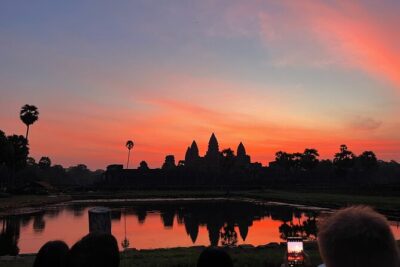
- Bakheng Mountain: sunset over the Angkor complex
- Day 2: Angkor Wat main complex, then Ta Som, Preah Khan, and Neak Pean
- Angkor Wat: the main temple complex and bas-relief details
- Ta Som: a softer, story-rich stop
- Preah Khan: wider ruins, deeper atmosphere
- Neak Pean: a calm ending before Tonle Sap life
- Tonle Sap floating village: floating school, stilt houses, and water markets
- Price and logistics: tickets, lunch, and what to plan for
- Who should book this tour (and who might want another option)
- The best reasons to choose it over a DIY day
- Should you book this 2-day Angkor Temples + Tonle Sap tour?
- FAQ
- What’s included in the $75 per person price?
- Is the Angkor Archaeological Park entry ticket included?
- Does the tour include the floating village boat visit?
- How many people are in the group?
- Will I have an English-speaking guide?
- What’s the cancellation flexibility like?
Key highlights you’ll feel (and why they matter)
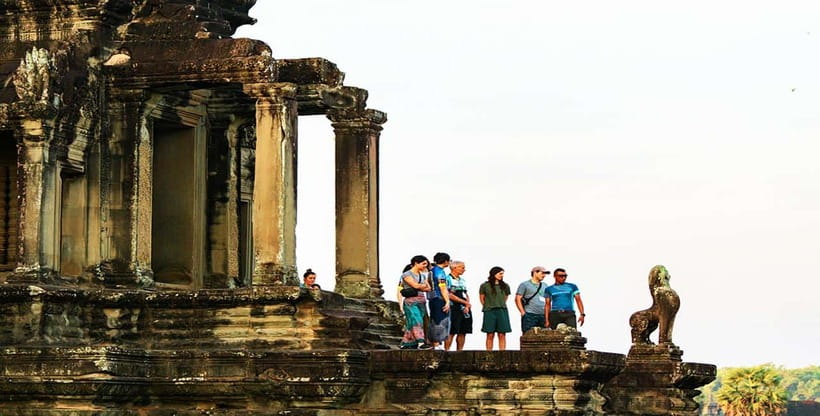
- Small group, lots of attention: Limited to 10 participants, and some departures run even smaller than that.
- Rathan’s temple stories in English: You’ll understand what you’re seeing, not just what’s next.
- Angkor Thom first day: South Gate, Bayon faces, the Elephant Terrace, and Ta Prohm in sequence.
- Angkor Wat at the right time: One review notes a sunrise moment, which is when the mood shifts.
- Hidden ruins after the classics: Ta Som, Preah Khan, and Neak Pean help break up the crowd energy.
- Tonle Sap floating lifestyle: Floating school, stilt houses, and water markets add real-world context beyond the stone.
Why this 2-Day Angkor-and-Tonle-Sap combo makes sense
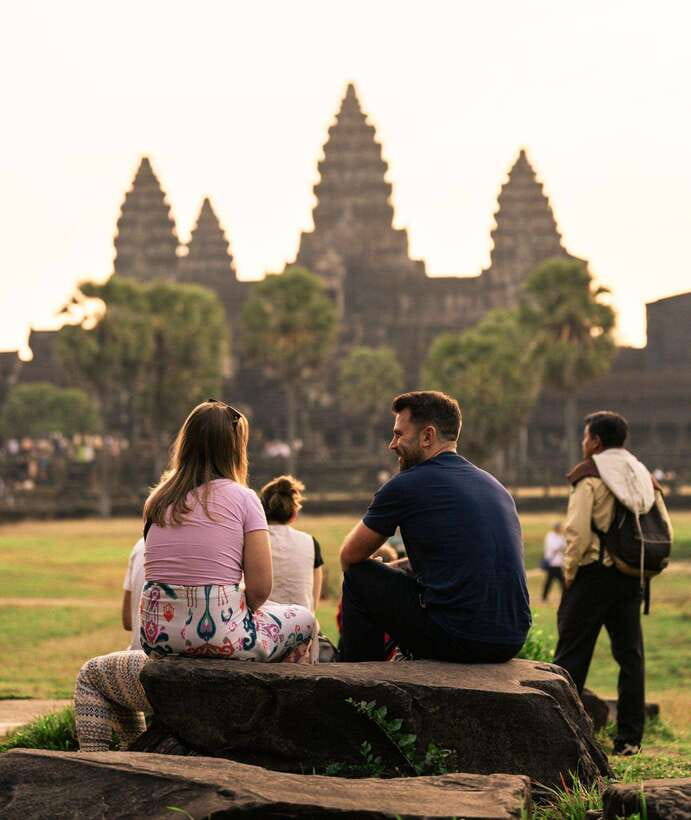
If you’re visiting Siem Reap, you’ll quickly learn there are two different kinds of wow here. One comes from stone temples like Angkor Wat and Bayon. The other comes from living culture on Tonle Sap Lake—where people build, learn, and trade on wood on the water.
This itinerary is built around that contrast. Day 1 leans into Angkor Thom, the former Khmer capital, so you can grasp the layout and symbols before you move to Angkor Wat’s main complex. Day 2 then broadens out: you get the showpiece sights, plus “in-between” temples that make the second day feel fresh rather than repetitive.
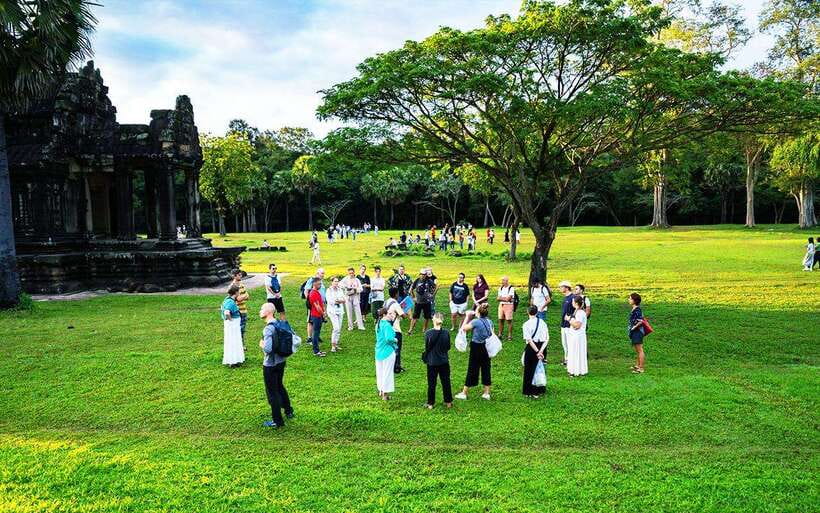
And because the group is small, you get a more human experience. With Rathan guiding in English and Mr. Toi handling the driving and timing, you’re not stuck waiting while a big crowd shuffles between stops.
You can also read our reviews of more tours and experiences in Siem Reap



Tour basics: pace, group size, and what your $75 actually covers
At $75 per person for two days, this tour is positioned as a value-focused route. You’re paying for an organized plan: pickup and drop-off, a professional English-speaking guide and driver, and basic comfort support like cool waters and fresh towels.
Here’s what’s important for you to know up front:
- The Angkor Archaeological Park entry ticket is not included.
- Lunch is not included.
- The boat visit to the floating village on Tonle Sap (Tonle Sab in the description) is not included.
So the real cost picture is $75 plus ticket(s) and meals, plus whatever boat option you choose. The reason this still can be good value is that you’re not spending your time figuring out routes, timing, and temple order. You’re buying access to a guide who can explain details and keep your schedule workable.
Group size matters here. Limited to 10 participants, and described as fewer than 6 for private-style departures, you’ll likely get a quieter, more flexible rhythm. That’s a big deal at Angkor, where crowds and heat can make even good plans feel stressful.
Day 1: Angkor Thom Small Circuit, from South Gate to Bakheng sunset
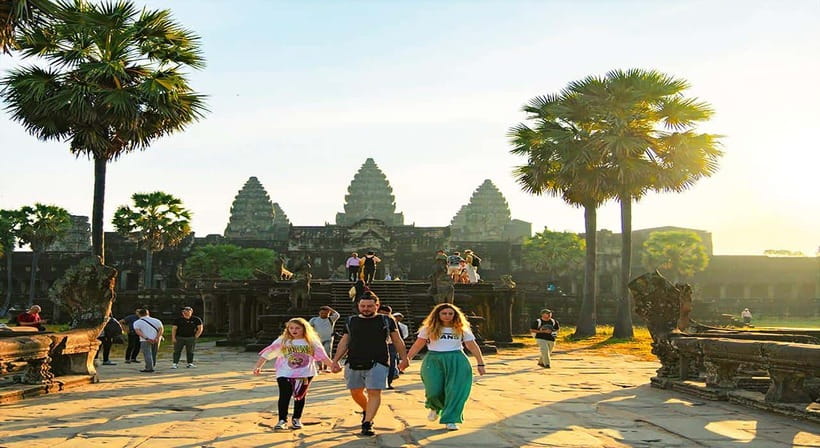
Day 1 is built for orientation and momentum. Angkor Thom is a walled city area tied to the Khmer Empire’s center of power, so it’s a perfect first-day choice. You’ll start with the gates and move through the core landmarks, then finish with a sunset viewpoint that gives you the temple complex in one sweep.
South Gate of Angkor Thom: the “entering the city” moment
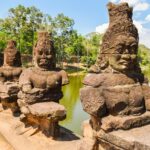
The South Gate sets the tone. It’s your arrival point into the larger Angkor Thom world, and it’s also where many visitors start realizing this isn’t one temple—it’s a whole ceremonial city. Seeing it early helps you notice how the temples relate to each other like chapters in the same story.
Practical tip for you: show up ready for sun. Even in the morning, the stone reflects heat quickly, and you’ll want water within reach.
Bayon Temple: hundreds of smiling faces
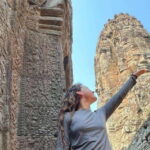
Next comes Bayon, famous for its hundreds of stone faces. The key value here isn’t just the image—it’s what Rathan can explain about how these faces appear across the temple’s towers and galleries. They’re not random decoration. You’ll start connecting symbolism to placement as you move around.
What you’ll likely enjoy most is the way Bayon rewards slow turns. If you rush, you miss how expressions change as you shift position.



Terrace of the Elephants: royal viewing and ceremony
Then you’ll visit the Terrace of the Elephants, known for its carved elephants and royal association. It’s one of those stops where the carvings matter as much as the structure. It helps you understand that Khmer kings didn’t just commission temples—they used spaces for spectacle and power.
Ta Prohm: the nature-and-stone look
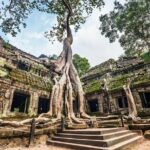
Ta Prohm is the kind of temple that looks like it’s still in the middle of a transformation, with trees growing into the architecture. It’s also widely recognized from the movie Lara Croft: Tomb Raider, which draws people here fast. But the guide’s job is what turns it from a photo stop into a meaningful visit—explaining what you’re seeing and why the structure looks the way it does.
If you’re worried about crowds, this is the day segment where being with a small group helps. You can pause longer and choose angles without feeling totally swallowed by traffic.
Ta Keo: a steeper, quieter feeling
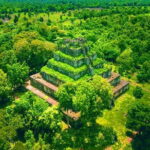
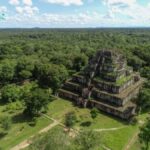
Ta Keo offers a different temple mood. It’s more open in feel and often less chaotic than the most famous spots. It’s a good balance after Ta Prohm’s dramatic scene. You’ll get time to notice how design and levels guide your movement upward.
Bakheng Mountain: sunset over the Angkor complex
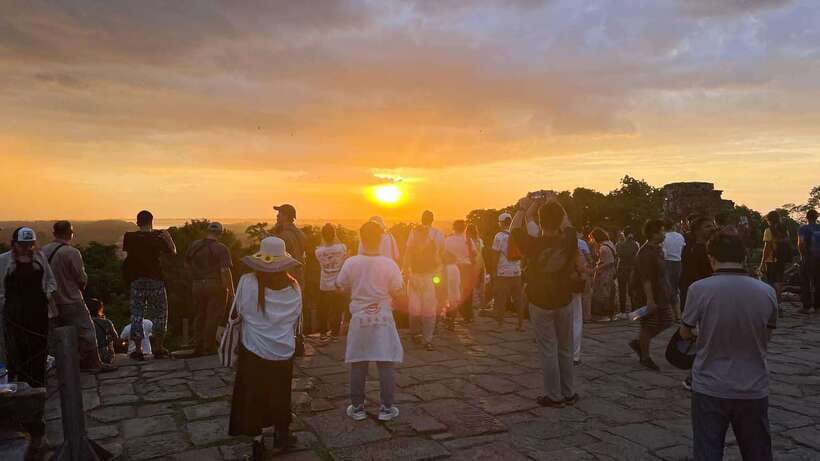
Day 1 ends with Bakheng Mountain sunset views. This is where the whole complex starts making sense from a distance. From the viewpoint, temples become a clustered cityscape rather than isolated monuments.
This part is also where you should be realistic with your body. You’ll likely climb and stand in place for the sky to shift, and the air can cool near sunset while the ground stays hot from daytime heat. Bring a light layer if you run cold easily.
Day 2: Angkor Wat main complex, then Ta Som, Preah Khan, and Neak Pean
If Day 1 is about Angkor Thom’s city logic, Day 2 is about Angkor Wat’s visual dominance and the wider network of significant ruins nearby. You’ll explore the main Angkor Wat complex first at a leisurely pace—outer galleries, bas-reliefs, and architecture that rewards patience.
Angkor Wat: the main temple complex and bas-relief details
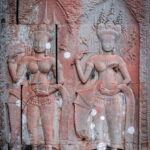
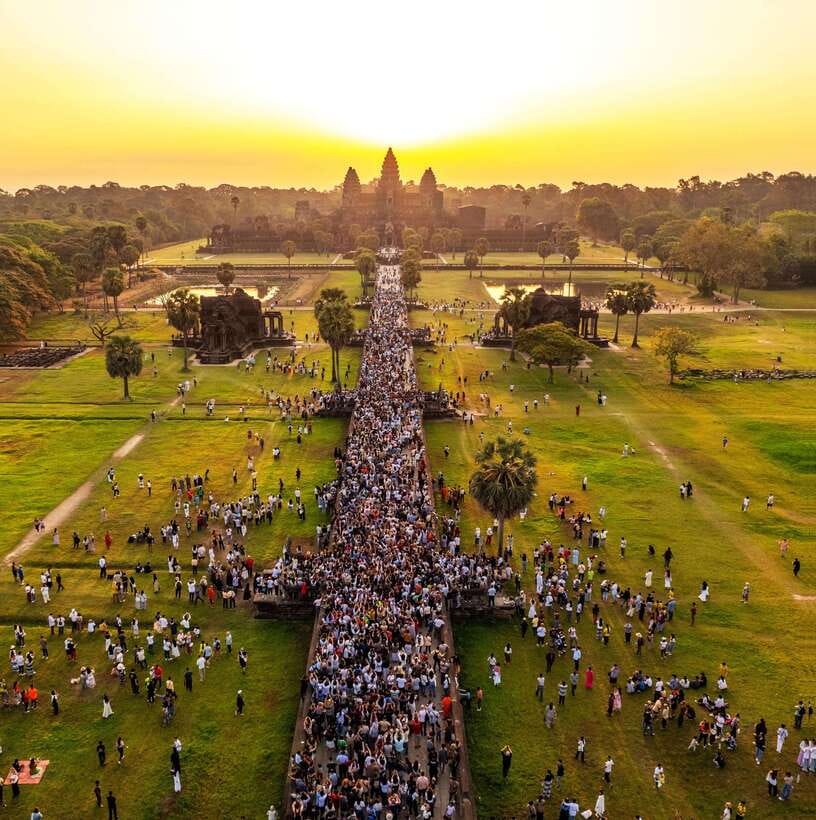
Angkor Wat is the icon. The value of this tour’s approach is that you’re not treated as a human camera. You’ll spend time on the main temple complex and also move through the outer galleries and bas-reliefs slowly enough to spot details.
Bas-reliefs can become meaningless if you treat them like wallpaper. With Rathan’s guidance, you’ll likely understand what themes show up and how stories appear across the temple surfaces.
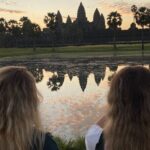
Timing note: one review highlighted a sunrise in Angkor Wat as a unique view. Even if your exact timing varies by departure, this is the kind of stop where early light can change everything. If your schedule allows, prioritize getting there when the light is gentler.
Ta Som: a softer, story-rich stop
After the big framework of Angkor Wat, the itinerary shifts to Ta Som. This is where you start feeling the logic of the route: you’ve seen the “headline” temples, so now the day gets more human and exploratory.
It’s not just about another set of towers. A guide can help you interpret layout and carvings so it feels like learning, not just walking.
Preah Khan: wider ruins, deeper atmosphere
Preah Khan is the kind of temple that often feels more like a place you wandered into than a single monument. You’ll appreciate it if you like temple textures, corners, and gradual discovery rather than one perfect frontal view.
Neak Pean: a calm ending before Tonle Sap life
Neak Pean can serve as a reset before you shift from stone to living culture. It’s a fitting transition stop, because it gives you a calmer feel and a change in pace—ideal before the Tonle Sap segment.
By the time you reach the floating village portion, you’ll be mentally ready to see how the region’s heritage doesn’t stop at ruins.
Tonle Sap floating village: floating school, stilt houses, and water markets
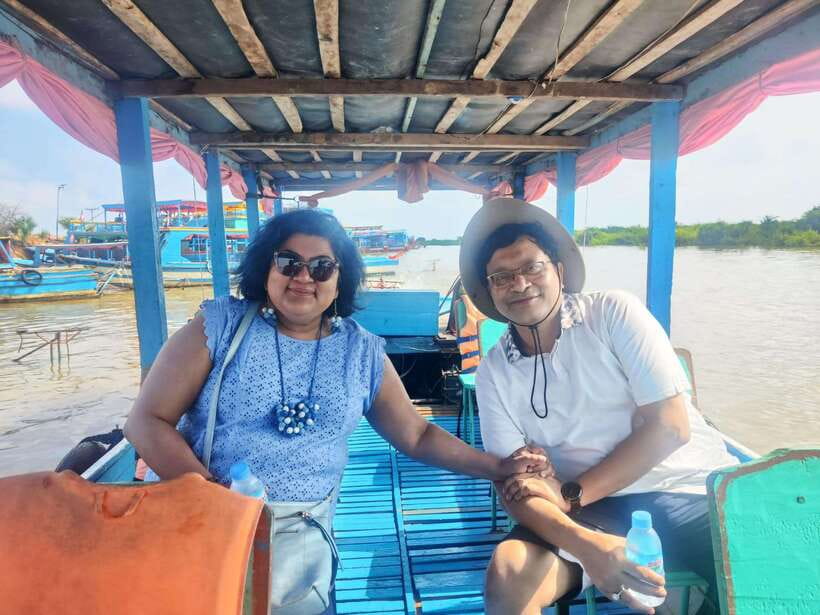
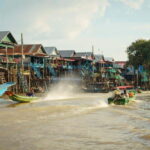
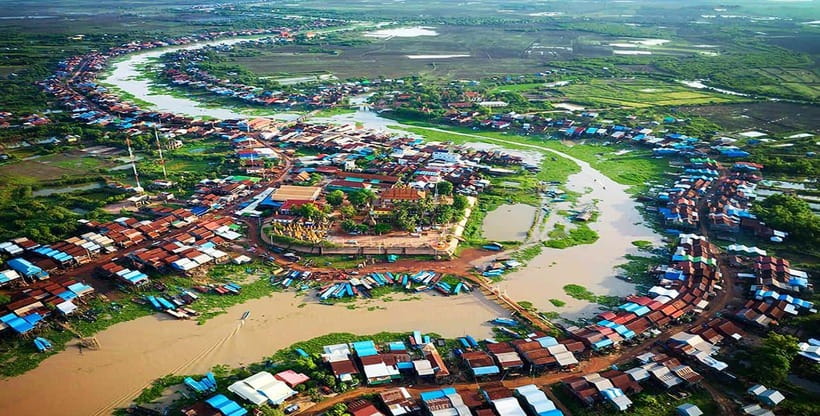
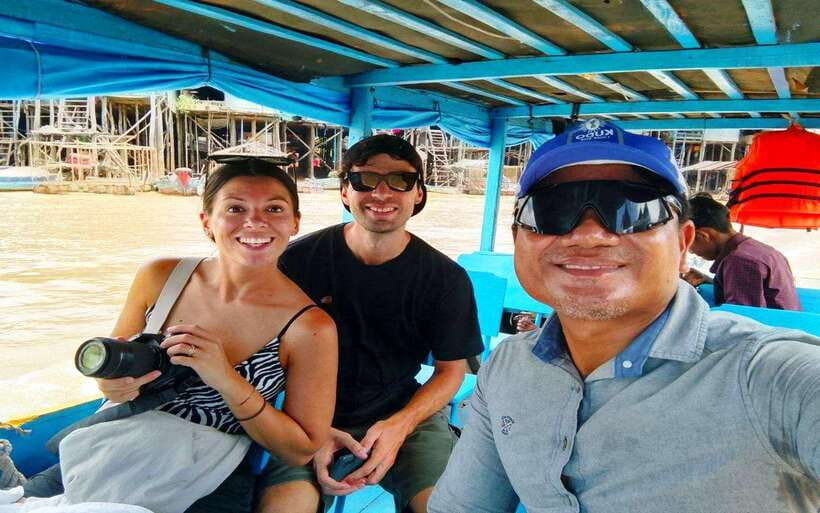
The last phase of Day 2 is Tonle Sap Lake floating village time. The description highlights wooden stilt houses, a floating school, and bustling markets on the water. This is the part that turns the trip from “Cambodia’s past” into “Cambodia today.”
One important reality check: the boat visit to the floating village is listed as not included. That means you might need to budget extra if the experience you want includes time on the water by boat.
Even so, you can still get real value from the time spent in the floating community environment—watching daily life, seeing how education and trade work in this setting, and connecting it with what you learned about the region’s geography.
Practical tip for you: keep your expectations flexible. Floating villages are about weather and water levels. Your guide can steer you toward the most workable parts of the visit that day.
Price and logistics: tickets, lunch, and what to plan for
This tour is priced at $75 per person for two days, with pickup/drop-off, guide, driver, cool water, and fresh towels included. That’s the core value.
To avoid budget surprises, plan for these extras:
- Angkor Archaeological Park entry ticket (not included)
- Lunch (not included)
- Boat visit for the floating village on Tonle Sap (not included)
If you want a smoother day, you’ll also want to bring cash for meals and the entry ticket, since those are common “on the spot” items. I can’t tell you the exact process for ticket purchase from this info alone, but treating the park pass as your first must-buy will keep you from scrambling later.
What I like about how this tour is structured is that you’re paying for a real route and real guidance, not just a seat on a vehicle. The comfort details matter too. Ice-cold towels and water can feel like small things until you’re deep in temple heat.
Who should book this tour (and who might want another option)
This tour is a good match if:
- You want maximum temple coverage across two days without going full sprint.
- You like learning from an English guide and asking questions as you go.
- You want both Angkor icons and lesser-seen ruins like Ta Som, Preah Khan, and Neak Pean.
- You want a cultural finish on Tonle Sap, with floating school and water markets.
You might think twice if:
- You don’t want to coordinate extra costs for entry tickets, lunch, and possibly boat time.
- You have limited mobility, since temple visits involve walking, stairs, and uneven stone surfaces. The description also notes it’s not suitable for people over 95 years, which signals the days are physically demanding.
The best reasons to choose it over a DIY day
If you’re the type who likes control, DIY can be tempting. But Angkor is the kind of place where control can become stress fast. The entrance ticket alone is one task. Then you add routes, timing, and deciding which temples to do together.
This itinerary solves that with a logical two-day flow:
- Day 1 centers on Angkor Thom, so you build context.
- Day 2 expands into Angkor Wat plus additional ruins, then transitions to Tonle Sap.
You also get the human factor. In at least one experience with this tour, guide Rathan was praised for answering a lot of questions and sharing interesting stories, while Mr. Toi was described as always waiting in the right spot with fresh water and ice-cold towels. That kind of coordination is exactly what turns a hot, confusing day into a calm one.
Should you book this 2-day Angkor Temples + Tonle Sap tour?
Yes—if your priority is a guided, efficient temple plan with time to actually look, and you want Tonle Sap floating life added at the end. The combination of small-group touring, English guidance from Rathan, and comfort touches like water and towels makes the $75 rate feel more like a thoughtful package than just transport.
I’d say book it if you’re excited about Angkor Thom’s Bayon and Ta Prohm, and you also want Angkor Wat’s bas-reliefs without rushing. If you’re trying to keep costs ultra-tight and hate planning for extra tickets and lunch, you’ll want to do the math first.
Either way, treat the Angkor entry ticket and the floating village boat option as part of your trip budget, and you’ll start the experience relaxed instead of improvising under the heat.
FAQ
What’s included in the $75 per person price?
Pickup and drop-off, a professional English-speaking guide and driver, hygiene local transport, and cool waters plus fresh towels are included. Lunch, Angkor park entry, and the floating village boat visit are not included.
Is the Angkor Archaeological Park entry ticket included?
No. The entry ticket for the Angkor Archaeological Park is not included, so you should plan to pay for it separately.
Does the tour include the floating village boat visit?
No. The boat visit to the floating village on Tonle Sap is not included, though the itinerary includes time connected to floating village life on Tonle Sap Lake.
How many people are in the group?
The tour is limited to a small group (up to 10 participants). It’s also described as a private-style group of fewer than 6 for some departures.
Will I have an English-speaking guide?
Yes. The tour includes a professional English-speaking guide.
What’s the cancellation flexibility like?
Free cancellation is offered up to 24 hours in advance for a full refund.