REVIEW · SIEM REAP
1-Day Angor Wat Small Circuit Tour with Sunset
Book on Viator →Operated by Angkor Guide Services · Bookable on Viator
Sunrise at Angkor feels like a reset button. This one-day Angkor Wat sunrise and Ta Prohm tree roots circuit is packed, photogenic, and paced by a licensed English guide. One heads-up: it’s a long day, and the ending climb at Phnom Bakheng can feel tiring.
I like that you get a smooth hotel start with pickup and drop-off, plus AC transport and small comfort extras like cool water and a cool wet towel. That matters when you’re bouncing from temple to temple for 8 to 9 hours in heat.
Value-wise, the $63 tour price is only part of the cost. You’ll also need the one-day temple pass (listed at $37/person), and meals aren’t included, so plan for lunch on the way.
In This Review
- Key Highlights Worth Noting
- How the Small Circuit Fits One Day in Siem Reap
- Getting Started: Pickup, Temple Pass, and the Real Cost
- Angkor Wat Sunrise: Light, Layout, and Time to Look Closely
- Ta Prohm: The Tree Roots Stop That Changes the Mood
- Ta Nei and the Calm Break from Crowds
- Victory Gate to Bayon: A Photo Route Through Angkor Thom
- Baphuon and the Royal Terraces: More Than a Quick Walk-Through
- Phnom Bakheng Sunset: Big Views, Real Stair Climb
- Guide Quality Changes the Whole Day (Sok and Mr.Lucky)
- Price and Value: Is $63 a Smart Deal?
- Who This Tour Suits Best
- Should You Book This 1-Day Small Circuit With Sunset?
- FAQ
- FAQ
- What does the $63 price include?
- Do I need to buy a temple pass for Angkor?
- What time does the tour start, and how long is it?
- Are meals included?
- Is this tour private?
- Can I cancel for free?
Key Highlights Worth Noting
- Early timing for Angkor Wat sunrise so the day starts with light, not heat
- Ta Prohm’s tree roots for dramatic photos and an atmospheric stop
- Angkor Thom in a tight loop with Victory Gate, Bayon, and Baphuon
- Terrace of the Elephants + Leper King gives you context beyond one main temple
- Phnom Bakheng sunset with a stair climb for big views, if you’re up for it
- Guides with strong English and timing like Sok and Mr.Lucky from past experiences
How the Small Circuit Fits One Day in Siem Reap
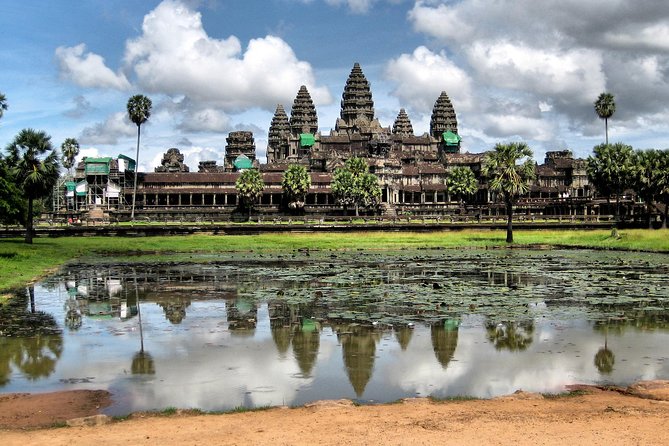
This tour is built for people who want the classic Angkor hits without spending days in a car and still hoping you’ll catch sunset light. The idea of the “small circuit” is smart: you focus on major sights inside and around Angkor Archaeological Park rather than zig-zagging across the whole complex.
You’ll spend your daylight moving through a sequence that makes sense visually. You begin with the iconic symmetry of Angkor Wat, then shift to the wild jungle feel of Ta Prohm, and finish with the tighter, face-filled geometry of Angkor Thom before ending at Phnom Bakheng for sunset.
The best part is pacing. You get time at each stop—enough to walk, look up, and take photos—without feeling like you’re constantly sprinting. The tradeoff is stamina. By the time you reach the mountain, you’re not fresh anymore, so wear shoes you trust.
You can also read our reviews of more evening experiences in Siem Reap

Getting Started: Pickup, Temple Pass, and the Real Cost
Pickup starts at 8:00am, and the tour runs roughly 8 to 9 hours total, ending back at your hotel. In practice, that means you should plan for a very full day with early departure and a late finish.
The $63 price includes an English speaking guide (licensed), hotel pickup and drop-off, and an air-conditioned vehicle with a driver. You’ll also get cool water and a cool wet towel, which sounds small until you’re sweating under the afternoon sun.
Two costs you need to budget up front:
- One-day temple pass is not included and is listed at $37 per person
- Meals are not included (the schedule mentions lunch time, but you’ll be responsible for food)
Also, you’ll receive a mobile ticket. If you prefer things organized on your phone, that’s a plus. If you’re old-school and anxious about battery life, bring a power bank just to be safe.
Angkor Wat Sunrise: Light, Layout, and Time to Look Closely
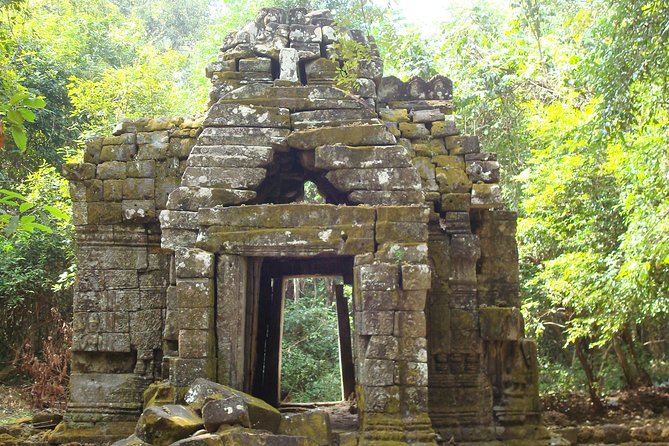
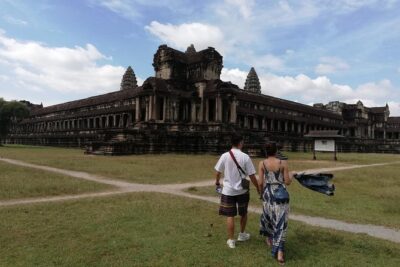
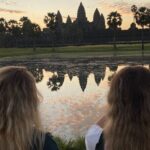
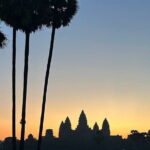
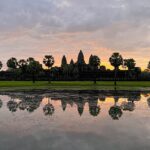
You start early enough to head to Angkor Wat for sunrise viewing. Sunrise at Angkor Wat is popular for a reason: the light changes the stone tones quickly, and the whole place feels different at dawn compared to midday.
You’ll spend about 2 hours 30 minutes at Angkor Wat. That’s enough time to do more than just snap photos from the first vantage point. You can walk, pause, and catch how the temple’s symmetry lines up with the horizon.
Practical tip: arrive ready to move. Even if you’re not climbing anything here, you’ll still do walking and standing while the sky does its thing. Wear breathable clothing and bring sun protection you can reapply.
If you’re coming for big “wow” moments, Angkor Wat delivers. If you’re coming for understanding, this is also a strong start because your guide can set the context for what you’ll see later in the circuit.
Ta Prohm: The Tree Roots Stop That Changes the Mood
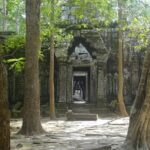
After Angkor Wat, the tour heads to Ta Prohm, often called the Tomb Raider temple because of its movie fame. The real star here is the famous chaos: giant tree roots wrapped around the stone, making the temple look like it’s being reclaimed by nature.
You get about 1 hour 30 minutes for Ta Prohm, which is a good amount for photos and slow looking. This is the stop where you’ll want to look both ways: up at roots and branches, then down at paths and carvings.
From past tour experiences with guides like Mr.Lucky, the best value comes from how they manage photo timing. You’ll get guidance on where to stand and how to frame shots. You’ll also be given time that doesn’t feel rushed, which matters here because the “best photo” changes depending on where people cluster.
One small caution: it’s a busy site, and the footing can be uneven. Good shoes help more than you think.
Ta Nei and the Calm Break from Crowds
After the main hits, the itinerary includes Ta Nei, a quieter temple in the forest. This stop is shorter—about 30 minutes—but it works like a breather.
The value here is contrast. After Ta Prohm’s dramatic look, Ta Nei feels calmer and less hectic. It’s also a chance to step into a more shaded, less intense part of the day where you can slow your pace and reset your brain.
If you’re the type who likes photos but hates crowds, this is the part of the day that can feel like relief. You might not get another “wow” monument moment like Angkor Wat, but you’ll enjoy the change of mood.
You can also read our reviews of more tours and experiences in Siem Reap
Victory Gate to Bayon: A Photo Route Through Angkor Thom
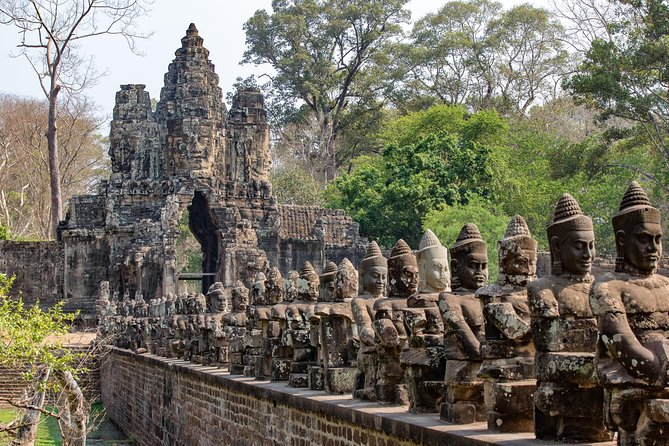
Next up is Angkor Thom, starting with the South Gate, also known as the Victory Gate. You’ll have about 15 minutes here, and it’s clearly designed for photography.
That short stop is not “do everything” time. It’s “get your bearings and your best angle fast.” The gate is a classic scene-maker, and if you wait too long you’ll watch the best light opportunities fade.
Then the tour moves to Bayon Temple, the famous one with 216 face towers. Expect about 1 hour here. Bayon works because the faces are different from every direction, and your attention keeps getting pulled from one carved expression to another.
This stop is also where a strong guide helps. In past experiences, guides like Sok stood out for fluent English and for being able to answer questions about what you’re seeing. If you care about meaning and symbolism, Bayon is where that kind of explanation pays off.
Baphuon and the Royal Terraces: More Than a Quick Walk-Through
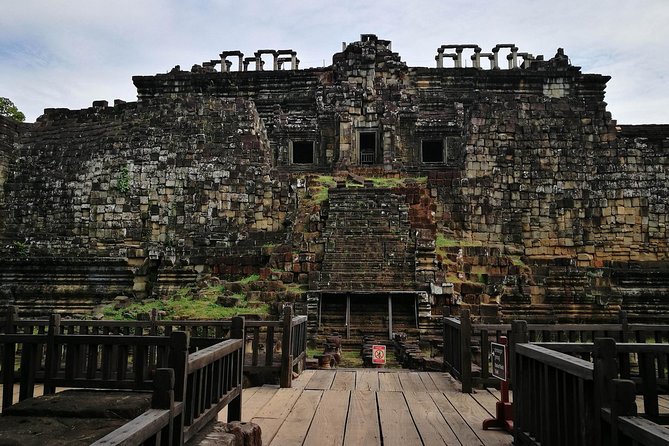
After Bayon, you’ll visit Baphuon, a pyramid-shaped Hindu temple built in the 11th century. Your time here is about 1 hour, and it’s noted as restored and open to tourist viewing.
Baphuon adds structure to the day. Bayon gives you faces and tight corridors; Baphuon gives you a different kind of geometry. It’s also a helpful pause because you get a more “temple as a whole” view compared with the dense face-focused carvings of Bayon.
Then you’ll move to the Terrace of the Elephants and the Terrace of the Leper King. Together, this is about 30 minutes. You’re in the royal palace enclosure zone, and the terrace views help connect the dots about how the king and the court related to the temple complex.
This part of the circuit is underrated. It’s not always the first place people say they’re excited about, but it adds perspective. You see that Angkor isn’t just “one temple,” it’s a designed royal and ceremonial landscape.
Phnom Bakheng Sunset: Big Views, Real Stair Climb
Finally comes the evening payoff: Phnom Bakheng mountain for sunset. The schedule notes a hike up the mountain and time at Bakheng Temple for the best viewing of sunset. The Phnom Bakheng portion is about 2 hours.
This is the stop that can test your body. One past experience warned that the climb at the end is tiring, and that’s exactly what you should plan for. Bring water even if you’re already getting cool water on the vehicle. Wear shoes with grip. If you’re prone to knee pain, take the ascent slowly.
The upside is that the payoff can be dramatic. From the viewpoint, the temple views and light shifts make the entire day feel worth it. When the sun drops, your eyes finally get a wider perspective beyond carved details.
If sunset is your main goal, this is the moment that delivers. If you’re not comfortable with stairs or hills, you’ll still enjoy the day, but manage expectations about the final climb.
Guide Quality Changes the Whole Day (Sok and Mr.Lucky)
This tour is built around guides, not just sightseeing. The English speaking guide is listed as licensed, and the past experiences you have around Sok and Mr.Lucky highlight why that matters.
Sok was praised for being experienced, well informed, and having fluent English—plus the ability to answer questions. That combination turns your stops from checkboxes into a story you can actually follow.
Mr.Lucky was praised for being friendly, fun, considerate, and always on time. He also gave extra attention to photography, knowing good spots and giving the time you want at each location. That’s not a small detail in Angkor. A good photo spot is often about timing and position, not fancy gear.
So if you like asking questions—about what you’re seeing, why certain structures look the way they do, or what ceremonies might have happened here—choose this tour style. A strong guide is the difference between seeing temples and understanding them.
Price and Value: Is $63 a Smart Deal?
Let’s break it down plainly.
You pay $63 for the tour itself, which covers the guide, pickup and drop-off, AC transport, and comfort extras. You still pay:
- $37/person temple pass (not included)
- meals (not included)
On paper, that means your total spend is higher than $63, but the tour price is still where the “value” lives. You’re paying for:
- early timing and organized movement between sites
- a guide who can explain what you’re looking at
- transport so you don’t waste energy planning logistics day-of
For one day, that’s a reasonable trade. If you can only do one Angkor day, paying for a structured circuit usually saves you stress and gives you better use of daylight.
If you already know the sites well and you’re confident planning your own route and tickets, you could spend less by going independently. But if you’d rather show up, ride, and focus on the sights, this format is a practical choice.
Who This Tour Suits Best
This is a good fit if you want:
- a full Angkor day with the big-name stops
- English explanations as you go
- a planned route that includes both sunrise and sunset
It’s especially suited for first-timers in Siem Reap who want the classic highlights without guessing. It also makes sense if you don’t want to handle temple pass logistics yourself, since you’ll stop to buy the pass at the start.
The main mismatch is people who struggle with long days and physical climbs. The tour is long, and the end climb at Phnom Bakheng is real. If you want an easier pace, you might prefer a shorter itinerary or a tour with fewer steps at the end.
Should You Book This 1-Day Small Circuit With Sunset?
I’d book it if you’re aiming for a true Angkor day: Angkor Wat sunrise, Ta Prohm tree roots, Angkor Thom faces, and Phnom Bakheng sunset. The schedule gives you a complete story arc from early light to evening views.
I’d think twice if you know you’re sensitive to stairs or you dread late-day exertion. The final climb is the one part that can dominate your memory for the wrong reasons—especially if you arrive at Phnom Bakheng already exhausted.
If you do book, set yourself up to enjoy it:
- wear solid walking shoes
- bring sun protection
- plan for lunch since meals aren’t included
- budget for the temple pass at $37/person
FAQ
FAQ
What does the $63 price include?
It includes an English speaking guide with licensed service, hotel pickup and drop-off, an air-conditioned vehicle with driver, and cool water plus a cool wet towel.
Do I need to buy a temple pass for Angkor?
Yes. A one-day temple pass is not included and is listed at $37 per person. The tour also includes a stop to buy the temple pass at the start.
What time does the tour start, and how long is it?
Pickup starts at 8:00am. The total duration is about 8 to 9 hours, and the tour ends with drop-off back at your hotel.
Are meals included?
Meals are not included in the tour price (meals listed as B/L/D are not included).
Is this tour private?
Yes. It’s listed as a private tour/activity, meaning only your group participates.
Can I cancel for free?
Yes. Free cancellation is available, with a full refund if you cancel up to 24 hours before the experience’s start time.