REVIEW · SIEM REAP
Siem Reap: Small Group Tour of Kulen Elephant Forest
Book on GetYourGuide →Operated by Angkor Focus Travel · Bookable on GetYourGuide
A morning with elephants beats the usual temple shuffle. This Kulen Elephant Forest outing pairs close elephant time with a real forest walk, plus an actual break for lunch. What I like most is getting to feed elephants with handmade snacks and having an English guide explain their habits and social behavior. The only real drawback is comfort: the ride can be hot, and the bus seating isn’t always what you’d call spacious.
You start in Siem Reap, then head out to Kulen for a few hours of quieter, greener Cambodia than you’ll find in town. Expect pond-side downtime, a slow walk into the trees, and the kind of close, attentive interaction that feels more like learning than staring from a distance. Just be ready to dress for possible mess and heat, because getting close can mean you’ll come back with muddy splashes in your day bag plans.
If you’re hoping for a long, full-day adventure, this one won’t stretch that far. But for a half-day that’s focused, guided, and packed into about 4–5 hours, it hits a sweet spot—especially when you want something different than the temples.
In This Review
- Key things to know before you go
- From downtown pickup to Kulen Elephant Forest, and what that means for your day
- Elephant snack time: the moment you get close and learn at the same time
- Watching daily elephant life: behavior, social moments, and pond time
- The forest walk with elephants: stunning views, slower pace, and real movement
- Base camp lunch: a real pause after the close-up elephant time
- Price and value: is $112 fair for 4–5 hours in Kulen?
- What to bring (and what to skip) for a comfortable elephant morning
- Small-group feel: why it matters with elephants
- Who this tour fits best, and who might want to rethink it
- Should you book: my take on the Kulen Elephant Forest small-group option
- FAQ
- How long is the Siem Reap: Small Group Tour of Kulen Elephant Forest?
- What’s included in the price?
- Do I need to tip?
- Where do I get picked up?
- How do you get to Kulen Elephant Forest?
- Is there lunch included?
- What should I wear or bring?
Key things to know before you go
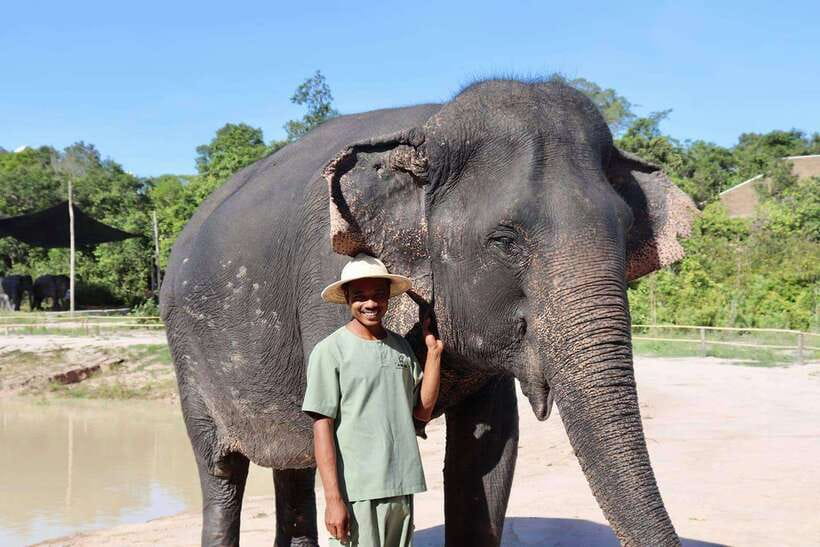
- Handmade snacks: You’ll get healthy, handmade elephant snacks before you feed them.
- Up-close elephant time: You’ll get near enough to watch behavior, not just take photos.
- Forest walking: After introductions, you’ll walk with the elephants into the forest and see how they choose to spend time.
- Guide-led elephant explanations: An English-speaking guide gives context while you observe how elephants interact.
- Pond moments and daily routine: You’re timed to see them play and relax around water.
- Lunch at base camp: A traditional Khmer meal or snack helps you finish without racing back hungry.
From downtown pickup to Kulen Elephant Forest, and what that means for your day
This tour runs out of Siem Reap Province, with pickup in downtown Krong Siem Reap. The guide and driver pick you up from your hotel about 30 minutes before departure, which is a big deal because it reduces the stress of finding a meeting point after you’ve already started your day.
Once everyone’s aboard, you’ll take a shuttle bus ride of about 1 hour to Kulen Elephant Forest. That commute is short enough to keep the day from feeling swallowed, but long enough that comfort matters. One guest flagged that the mini bus felt tight and that air-conditioning didn’t bring much relief in the heat. I’d plan like it might be warm: wear breathable layers, keep sunglasses handy, and expect the ride to be more practical than cushy.
Why this timing works: you’re not doing temples in the hottest hours, and you’re not stuck in a full-day travel loop either. A 4–5 hour block is easier to fit around breakfast, a midday break, or even an afternoon market visit afterward.
You can also read our reviews of more tours and experiences in Siem Reap.


Elephant snack time: the moment you get close and learn at the same time
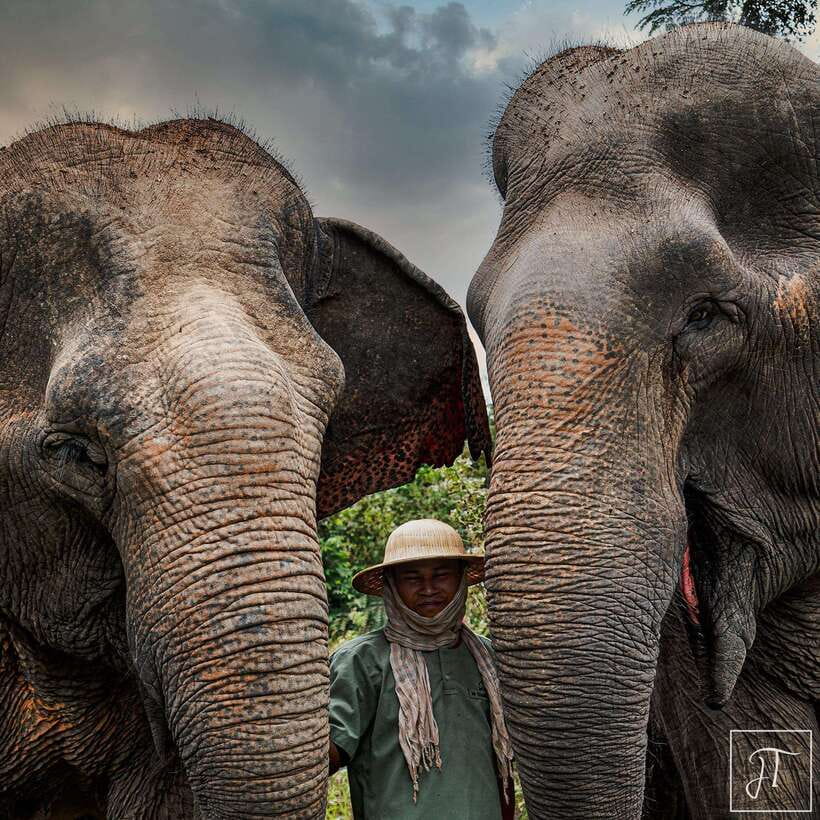
The first thing you do once you arrive is get an intro briefing from your English-speaking guide. This isn’t a throwaway lecture. It sets you up to watch with intention—how elephants move, what kinds of interactions you might notice, and what to look for as they settle near people.
Then comes the part you’ll remember: you’ll receive handmade healthy snacks for the elephants. You’re close enough to see how they approach, how they pick up food, and how their body language changes as they shift attention from one elephant to another. That close contact is the heart of the experience, and it’s also where respect and patience really show up. You’ll get a chance for a photo with an elephant as part of this phase, which can be fun, but I’d treat it as a bonus rather than the main goal. The real value is standing there long enough to notice the small behaviors the guide points out.
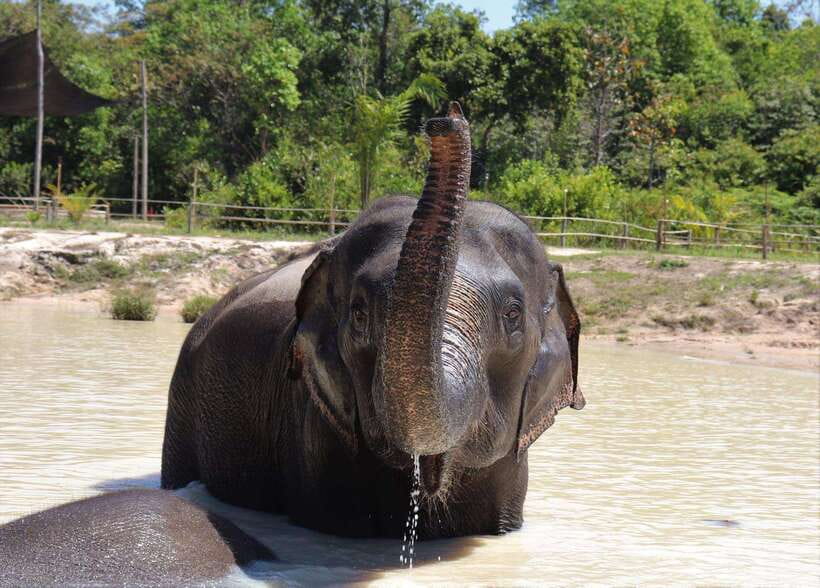
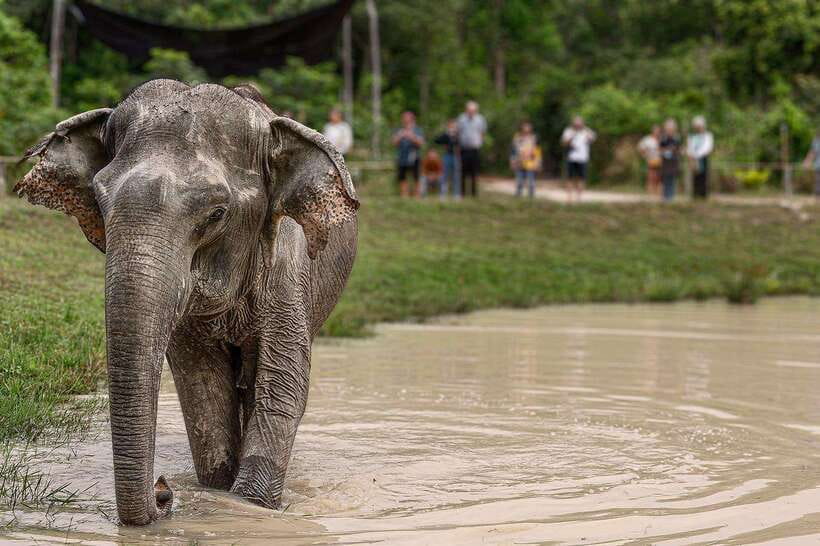
One review also mentions that after feeding, there may be a mud-bath and a wash in the river as part of the daily routine. If that happens during your time slot, it adds a vivid, slightly chaotic sense of real life in the forest—watching elephants interact with water and dust without it feeling staged.
A small practical note: I strongly suggest planning your outfit like you might end up with splashes. One guest specifically recommended bringing a change of clothes, because it’s very easy to get marked up. The tour operator doesn’t mention this as a guarantee, but if you’re the type who hates the feeling of damp or muddy fabric, packing a spare shirt is cheap insurance.
Watching daily elephant life: behavior, social moments, and pond time
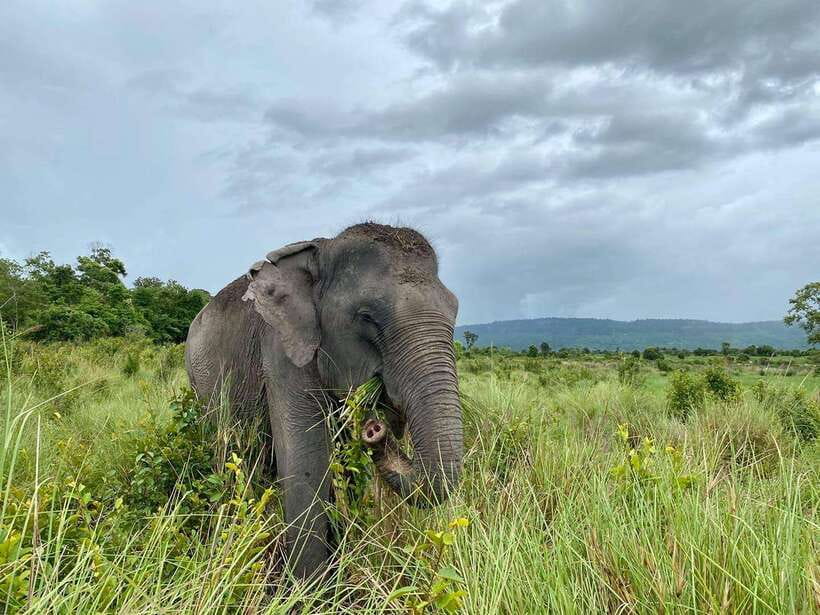
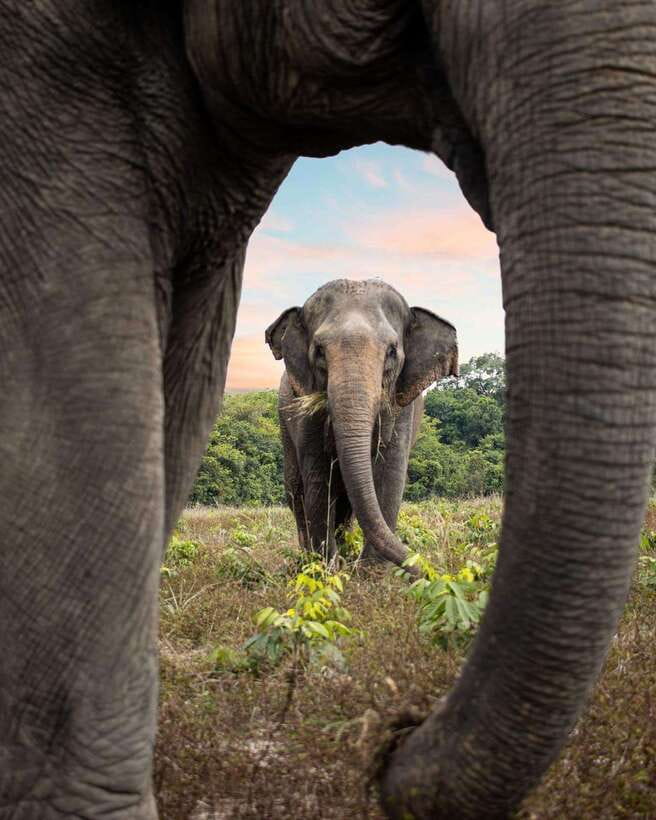
This tour isn’t just about feeding. It shifts from snack-time interaction into observing the elephants as they spend time around the area—especially near the pond. You’ll get time to watch them relax, play, and interact with each other, and the guide’s job is to help you connect what you’re seeing to elephant habits.
What’s valuable here is that the guide doesn’t only narrate facts. They point you toward patterns: how elephants move in relation to each other, how attention shifts, and how their routines show up in the space around you. Even if you think you already know elephants, standing near them in a living environment usually makes everything click faster than reading about it.
And because you’re not rushing through this part, you get those quiet stretches where you can simply watch. That’s the difference between an animal stop you speed through and an experience that feels like you’re learning a rhythm.
If you’re sensitive to crowds or rapid-fire photo moments, small-group format helps. You’ll still share space with your group and the elephants, but it won’t feel like a conveyor belt.
The forest walk with elephants: stunning views, slower pace, and real movement
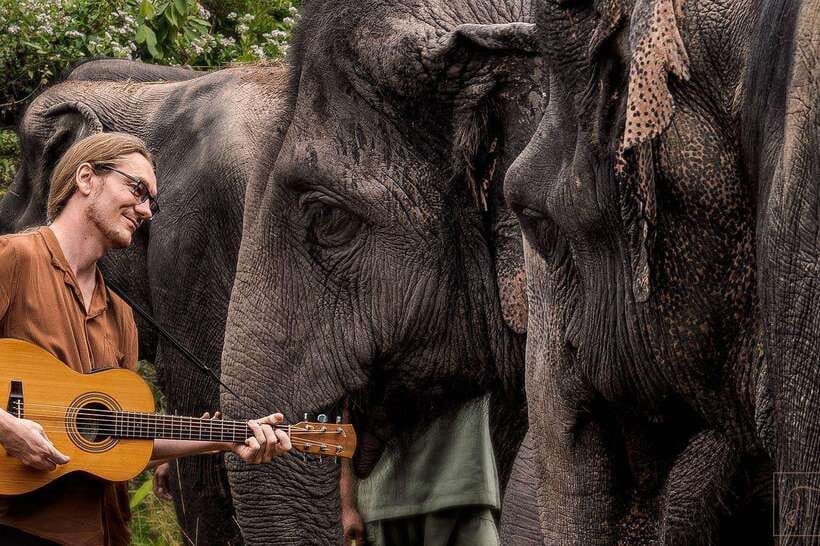
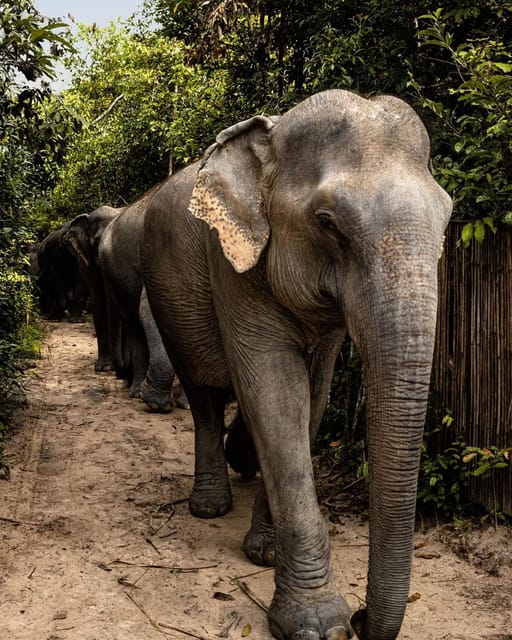
After the feeding and observation period, you’ll walk with the elephants into the forest. This is a key shift. Instead of standing still and pointing your camera, you’re moving along with the animals, at a pace that’s set more by where they choose to go than by a strict schedule.
The walking part also gives you something photos alone can’t: context. You’ll admire plant life around you and see the forest as something elephants use—not just scenery for a wildlife visit. You’ll also get a front-row view of how they choose where to spend their time, which is much more informative than a quick viewing platform.
The downside? This is still a real outdoor walk, so comfortable shoes matter. The tour lists comfortable shoes and comfortable clothes for a reason. I’d also avoid anything you can’t get dirty, since you may brush against foliage or deal with damp ground depending on conditions.
Base camp lunch: a real pause after the close-up elephant time
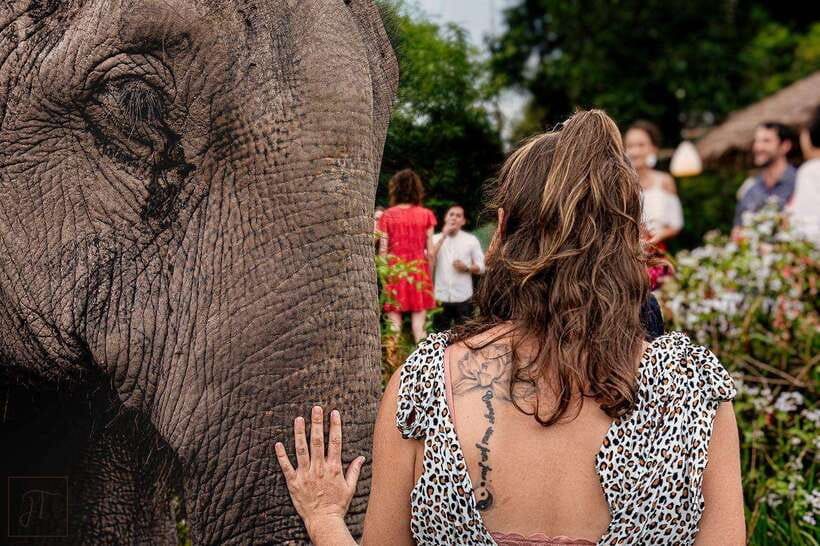
By noon, you retire to base camp for a traditional Khmer meal or snack. This is a smart design choice because elephant time is surprisingly physical and mentally focused. You might think you’ll be fine until you’re hungry, but after watching close-up and staying in the sun, a scheduled meal is what keeps the energy from collapsing.
Lunch at base camp also lets you reset before the shuttle ride back to Krong Siem Reap. If you’ve just spent a morning following elephant movement and trying to stay attentive, you’ll appreciate the simple shift to food and a slower pace.
One bonus: meal time is when you can ask the guide follow-up questions you didn’t have time for earlier—like what you noticed in the elephants’ interactions, or why a certain behavior happened at pondside. The guide has context, and if you’re curious, this is when you’ll get your most useful answers.




Price and value: is $112 fair for 4–5 hours in Kulen?
At $112 per person for a 4–5 hour small-group tour, this is priced like a guided, activity-focused half day—not a cheap transfer-and-see-something stop. The question is what you get for that money.
Here’s the value case:
- Pickup and drop-off from your hotel in Siem Reap is included. That saves time and hassle, especially if you’re not comfortable coordinating transport on your own.
- You get an English-speaking guide, plus guided observation time that helps you understand what you’re seeing.
- Handmade healthy snacks are included, and that’s a big part of why you’re there.
- Water is included, which helps in the forest heat.
- Lunch at base camp is part of the experience, which adds real value versus tours that leave you to find food afterward.
What you should weigh: this price won’t cover your tip, and tip isn’t included. That’s normal for guided tours, but it’s worth keeping in mind when budgeting.
Also, the transportation comfort issue raised by one guest is the kind of thing that affects your experience day-to-day. If you’re sensitive to heat or cramped seating, factor that into your value calculation. You’re paying for elephant access and guidance, not luxury transport.
What to bring (and what to skip) for a comfortable elephant morning
The tour gives basic guidance: comfortable shoes and comfortable clothes. I’d treat that as the minimum, not the whole plan.
Bring:
- A spare set of clothes if you’re worried about getting messy. One guest strongly recommended it after the experience.
- Shoes you don’t mind getting dirty and that handle uneven, outdoor ground.
- Sunglasses and sun protection, because you’ll be outdoors and near open spaces.
Skip:
- Anything that’s precious or hard to wash.
- Light, delicate fabrics that won’t survive damp or splashes.
For comfort, I’d also plan mentally for heat: even when you’re moving slowly, the combination of sun, outdoor time, and waiting for elephants to do their thing can make you feel warmer than expected.
Small-group feel: why it matters with elephants
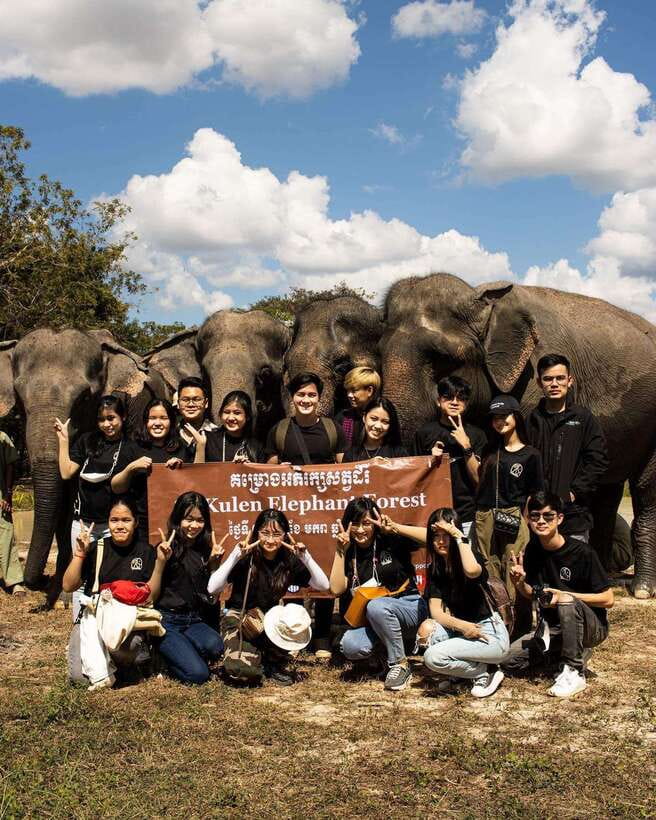
This is a small-group tour, which matters more than people expect. With elephants, the main rule is calm, respectful space. When your group is larger, you end up with more noise, more pushing for photos, and less time to actually observe.
A small group keeps things manageable: you’ll have time with the guide, and you’ll be able to watch elephants interact without constantly repositioning. It also makes the walk feel more like a shared guided experience instead of a stampede.
If you’re coming from temple crowds, that difference will feel like a relief.
Who this tour fits best, and who might want to rethink it
This tour is a strong match if you:
- Want an animal-focused morning with real guidance and explanation
- Enjoy close-up wildlife experiences more than distant viewing
- Prefer a half-day plan that doesn’t wreck the rest of your Siem Reap itinerary
- Like forests and nature as much as you like animals
You might rethink it if:
- You’re extremely sensitive to cramped seating or heat during the transfer (the bus comfort has been questioned)
- You hate the idea of potential mess and would rather avoid getting splashed
- You’re looking for an all-day program with a big number of stops (this is focused and shorter)
Should you book: my take on the Kulen Elephant Forest small-group option
If you want a guided experience that swaps temples for elephants and forests, I think this is worth considering. The structure makes sense: a briefing, handmade snack feeding, time to watch daily behavior, a forest walk, and then a proper lunch at base camp. You come away with more than photos—you get a better sense of how elephants move, interact, and spend time around water and trees.
The main things to get right before booking are comfort planning and expectations. Bring comfortable shoes. Wear clothes you don’t mind getting dirty. If you’re worried about the ride, be aware that transport may be warm and seating can be tight. That’s not a deal-breaker for most people, but it is something to factor in.
Finally, pay attention to your guide’s instructions during close-up moments. When you follow that lead, this kind of experience tends to be unforgettable in the best way—quietly impressive, not chaotic.
FAQ
How long is the Siem Reap: Small Group Tour of Kulen Elephant Forest?
The tour lasts about 4 to 5 hours.
What’s included in the price?
The tour includes an English-speaking guide, hotel pickup in Siem Reap, drop-off after the tour, water, and the elephant experience elements described (including snacks and the lunch).
Do I need to tip?
Tips are not included.
Where do I get picked up?
Pickup is from hotels in Siem Reap (Krong Siem Reap area). The guide and driver will pick you up about 30 minutes before departure.
How do you get to Kulen Elephant Forest?
You ride a shuttle bus for about 1 hour from Siem Reap to Kulen Elephant Forest.
Is there lunch included?
Yes. At around noon you return to base camp for a traditional Khmer meal or snack.
What should I wear or bring?
Wear comfortable shoes and comfortable clothes. It’s also wise to plan for possible mess since the experience can involve splashing.