REVIEW · SIEM REAP
Private Transfer : Siem Reap ↔ Battambang
Book on Viator →Operated by Siem Reap Shuttle · Bookable on Viator
A safe ride across Cambodia is the goal. This private Siem Reap ↔ Battambang experience mixes door-to-door pickup with temple sightseeing that connects Hindu-era design to later Buddhist heritage. I especially like the practical comfort touches—think cold towels and ice-cold water—because the heat can drain you fast.
Two things I’d call out for value: you get a private vehicle (from 3-seaters to 10-seater vans) and a smooth, hassle-free trip with flexible departure times. One thing to consider: with a total duration of about 3 to 4 hours, the day is best if you’re happy with efficient stops rather than a long, slow exploration.
In This Review
- Key things to know before you go
- Door-to-door Siem Reap ↔ Battambang: less hassle, more time
- Price and what you’re really paying for
- The ride comfort: cars, vans, and staying cool
- Temple stops that connect Hindu roots to Buddhist heritage
- Stop set: Banteay Srei, Pre Rup, East Mebon, Ta Som, Preah Khan
- Optional English-speaking guide: worth it if you want meaning
- What I’d watch for: heat, timing, and meals
- Who this Siem Reap ↔ Battambang transfer fits best
- Should you book it? My practical take
- FAQ
- How long is the Siem Reap to Battambang private transfer?
- What is the price of the experience?
- Does the price include pickup and drop-off?
- What vehicle sizes can you choose?
- Is an English-speaking guide included?
- Are cold towels and water provided?
- Are meals included?
- How much should I budget for lunch?
- What’s the cancellation policy?
Key things to know before you go
- Private, door-to-door transfer: pickup and drop-off designed to save you time and stress
- Vehicle options for different groups: 3-seater cars, 6-seater minivans, or 10-seater vans
- Cold towels and ice-cold water: real comfort in Cambodia’s heat
- Optional English-speaking guide: better temple context without forcing you to read everything alone
- Temple route focused on meaning: Hindu to Buddhist comparisons through design and layout
- Short overall timing: roughly 3–4 hours, so you’ll want to keep your pace
Door-to-door Siem Reap ↔ Battambang: less hassle, more time
If you’ve ever tried to connect between Siem Reap and Battambang using shared transport, you know how fast your day can get eaten by waiting, switching seats, and chasing schedules. This is built as a private transfer, so you start from where you are and end where you need to be, without the scramble.
I like that it’s designed as safe and comfortable journey transportation, not a sketchy “good luck” plan. The same idea shows up in the vehicle options: you can choose a 3-seater car for a small group, a 6-seater minivan when you want more room, or a 10-seater van if you’re traveling with a bigger party and still want privacy. That matters because luggage space and seating comfort are where these rides can make or break your mood.
There’s also flexibility in departure timing, which is underrated. If your morning in Siem Reap runs late, or you want to line up your Battambang plans, having a range of start times keeps your day from turning into a domino effect.
You can also read our reviews of more private tours in Siem Reap

Price and what you’re really paying for
The price is $65 per group (up to 3). For a private ride, that’s fairly straightforward: you’re paying for convenience, comfort, and time savings, rather than just transportation.
Here’s how I think about the value:
- If you’re traveling as two or three people, splitting the cost makes the per-person price reasonable compared with piecing together transfers on your own.
- If you’re a solo traveler, it can still be worth it if you strongly value a guaranteed departure, a private vehicle, and a stress-free experience.
- If you’re using multiple people, the option of larger vehicles helps you stay comfortable without losing the private feel.
One more value point: cold towels and ice-cold water are part of the comfort package. That’s not a “nice-to-have” detail when you’re doing hot temple stops or walking outside in the sun.
The ride comfort: cars, vans, and staying cool
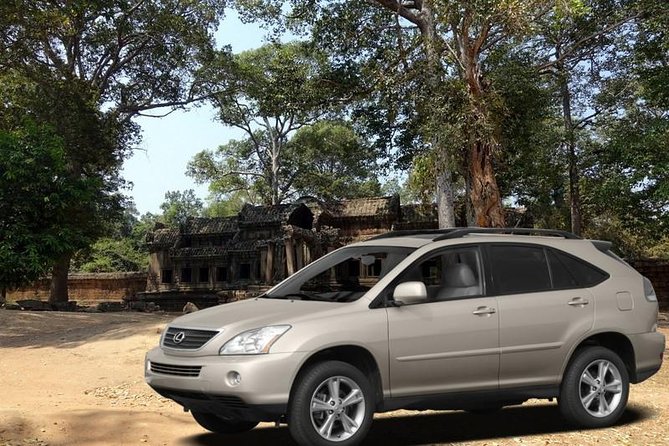
This experience is about keeping you moving—without frying. The key comfort elements here are simple and practical: ice-cold water and cold towels are provided to help you keep going.
That combination does two things:
- It reduces that mid-day heat slump where every step feels harder than it should.
- It helps you stay steady for temple walking, where shade can be limited and transitions between sites can be quick.
The ride itself is set up with a professional transportation structure: fuel surcharge is included, and you get door-to-door pickup and drop-off. You’re also not guessing about tickets. The experience uses a mobile ticket, and confirmation is received at booking time.
Also, you’re not forced into a mixed group. It’s private, so it’s just your group in the vehicle.
Temple stops that connect Hindu roots to Buddhist heritage
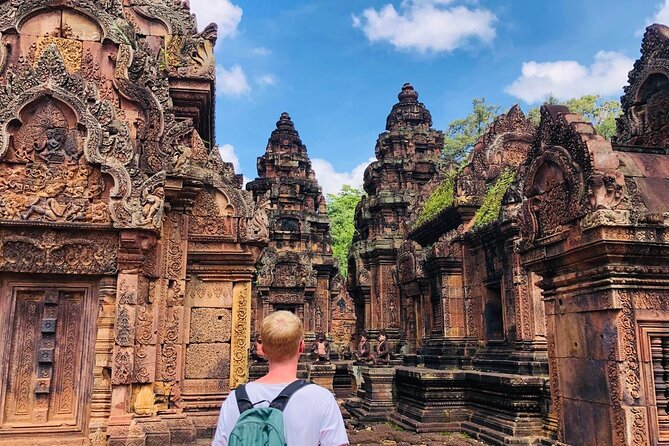
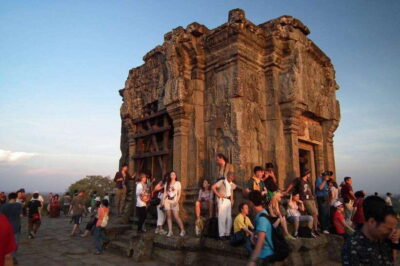
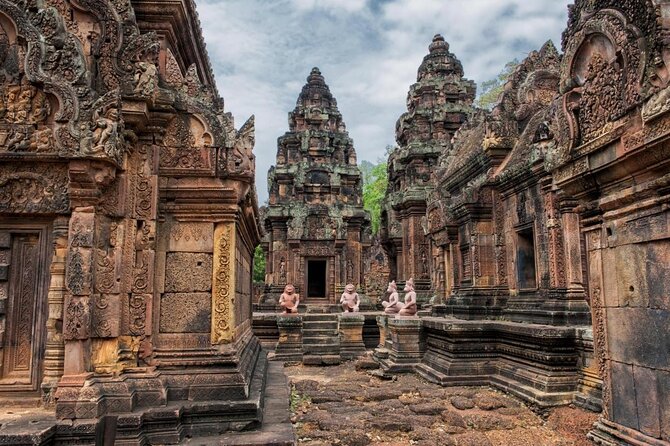
Even if Angkor Wat is what brought you to the region, the story of northwestern Cambodia’s religious heritage goes way beyond one famous monument. This experience frames the temple visits through a clear theme: how ancient Hindu history and later Buddhist heritage show up in temple design and layout.
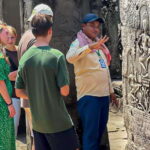
That theme is the reason a guide can matter, even if you don’t want a full lecture. Temples are visually impressive, but without context they can start to feel like a set of pretty stone scenes. An English-speaking guide (optional) adds the “why it looks like that” layer—especially when you’re comparing sites built in different eras.
Stop set: Banteay Srei, Pre Rup, East Mebon, Ta Som, Preah Khan
Your temple-focused stops include:
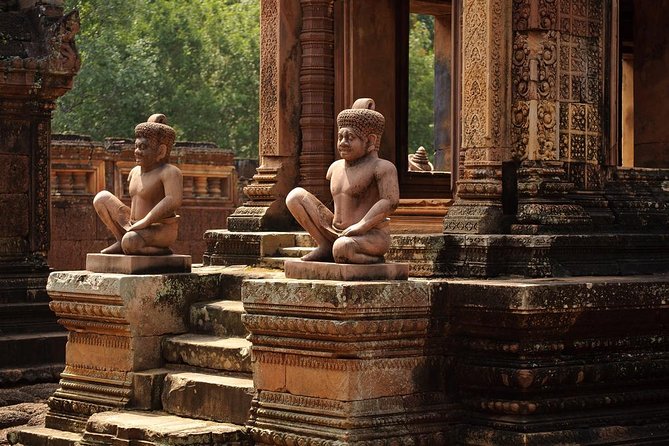
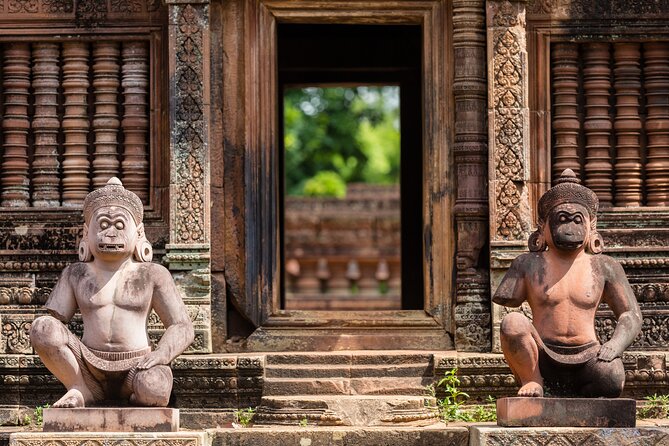
- Banteay Srei
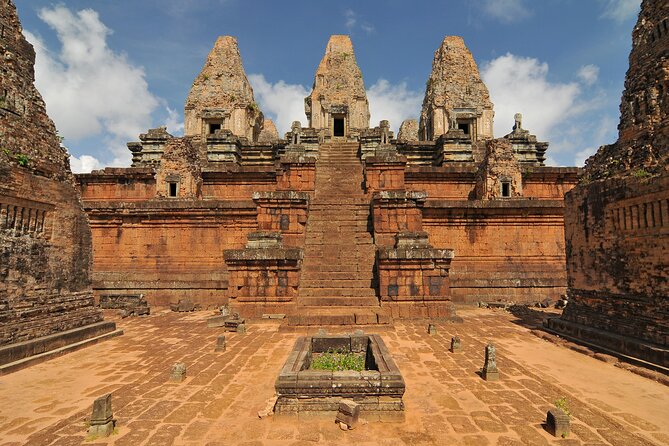
- Pre Rup
- East Mebon
- Ta Som
- Preah Khan
A practical note: these are memorable sites, but this experience is designed as an efficient 3–4 hour block. You’ll get meaningful time at each stop, but you shouldn’t plan on treating it like a slow, all-day temple marathon.
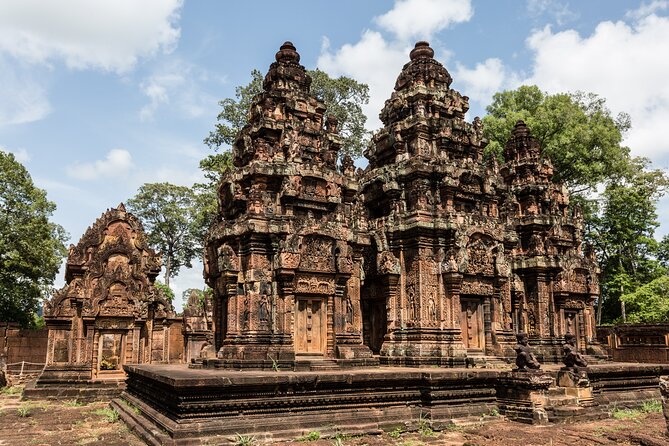
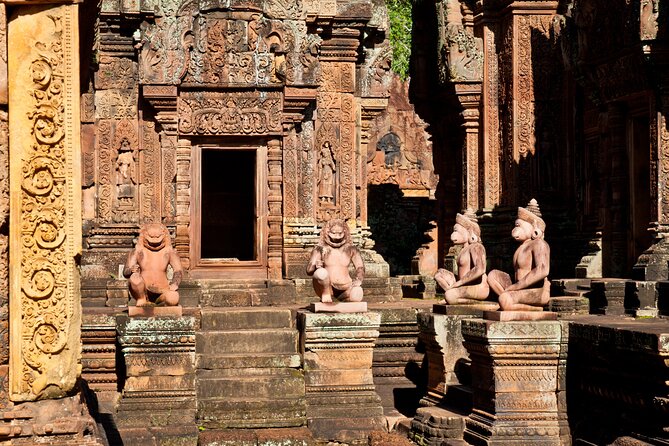
Banteay Srei: a popular starting point
Banteay Srei is described as a popular stop on the route. That usually means it’s easier to match with a short day, since you’re not spending your energy just figuring out the basics of where to go and what to look for.
If you book the optional English guide, this is a good place to start because the cultural comparison theme is fresh and you can connect what you see to later sites. The main value is the commentary around how religious ideas show up in temple design.
Pre Rup: a less-frequently visited stop with strong visual payoff
Pre Rup is listed as one of the less-frequently visited temples in the circuit. That can be a big quality-of-life upgrade. Fewer crowds mean you can actually slow down for a minute and look closely at carvings, layout, and how the space feels.
This stop also fits the theme of moving from older Hindu influence to later Buddhist interpretation. Even in a short time window, you’ll be able to notice design differences when you have context from an English guide.
East Mebon: where architecture helps you read the story
East Mebon is another temple stop included in the theme-based route. When the commentary is working well, this kind of site can feel less like a random temple stop and more like a chapter.
You’ll likely focus on how the temple’s form reflects the religious culture of its time—exactly what this experience sets out to explain.
Ta Som: a calmer pace in a short day
Ta Som sits in the middle of the route and can act like a breather, depending on how your day flows. In temple circuits, having one stop that feels slightly quieter helps you keep your energy for the final sites.
If you’re comparing eras and styles, Ta Som can be a strong moment to pause and look beyond the “main view” your brain automatically gravitates to. With a guide, you’ll get prompts for what to notice.
Preah Khan: bringing the comparisons together
Preah Khan is included as one of the final listed temple stops. This is the kind of site where the theme—how Hindu and Buddhist heritage are reflected in temple design—becomes more obvious because you’ve already seen several points of reference in earlier stops.
If you opted for the English-speaking guide, this last stop is usually where the commentary helps you connect the dots. It’s a good place to ask questions like what changed over time, and why certain design choices look the way they do.
You can also read our reviews of more tours and experiences in Siem Reap


Optional English-speaking guide: worth it if you want meaning
The tour offers an optional English-speaking guide for commentary throughout the temple tour. If you like learning while you walk, that’s the best way to get your money’s worth out of a short temple itinerary.
Even with your own guidebook or phone notes, a live guide helps because:
- you can ask questions on the spot
- you get a simple storyline you can follow in real time
- you notice details faster when someone points your attention to what matters
If you’re the type who prefers silence and self-guided browsing, you might skip the guide and use your own pace. Just go in knowing that the “Hindu vs Buddhist design reflections” theme will land better with interpretation.
What I’d watch for: heat, timing, and meals
This experience includes comfort support—cold towels and ice-cold water—but you’re still outdoors in Cambodia’s sun. Plan your pacing like a smart traveler: hydrate, use the towels when offered, and wear clothing that won’t make temple walks feel like a chore.
Meals are not included. Lunch is typically $3 to $5 per meal, but that cost should be part of your day planning. If you’re sensitive to hunger during sightseeing, eat before you start or budget time to stop for lunch.
Finally, the total time is approximate (about 3 to 4 hours). With multiple temple stops included, you may move at a brisk but organized pace. If you want deep, unhurried time at every site, this format may feel short.
Who this Siem Reap ↔ Battambang transfer fits best
This experience makes the most sense for:
- Couples or small families who want private transport without logistics headaches
- People who value door-to-door convenience more than exploring on public schedules
- Travelers who want a short, theme-based temple overview rather than a long, all-day temple plan
- Groups that can share the cost (the price is per group up to 3)
It may be less ideal if you:
- want a long temple day with slow, standalone exploration
- expect meals and lunch to be handled for you
- don’t want any guide support and also want the “why” behind temple design comparisons
Should you book it? My practical take
Book it if you want a safe, private, comfortable transfer between Siem Reap and Battambang and you also want an efficient temple itinerary with clear cultural connections. The comfort extras (cold towels and ice-cold water) and the option for an English-speaking guide are the difference between just seeing temples and understanding what you’re looking at.
Skip it (or adjust expectations) if you’re aiming for hours of free roaming at each stop or you hate tight schedules. In a 3–4 hour window, you’re choosing focus over length.
If that balance fits your travel style, this is a smart way to keep your day smooth and your temple time meaningful.
FAQ
How long is the Siem Reap to Battambang private transfer?
The duration is about 3 to 4 hours (approx.).
What is the price of the experience?
It costs $65.00 per group (up to 3).
Does the price include pickup and drop-off?
Yes. You get door-to-door pick-up and drop-off.
What vehicle sizes can you choose?
You can choose a 3-seater car, 6-seater minivan, or 10-seater van.
Is an English-speaking guide included?
An English-speaking guide is optional for commentary during the temple tour.
Are cold towels and water provided?
Yes. Cold towels and ice-cold water are provided.
Are meals included?
No. Meals are not included.
How much should I budget for lunch?
Lunch is listed as $3 to $5 per meal.
What’s the cancellation policy?
You can cancel for free up to 24 hours in advance for a full refund.