REVIEW · SIEM REAP
Kompong Phluk Village Tonle Sap Lake Half-Day Tour From Siem Reap
Book on Viator →Operated by Tara River Boat Company · Bookable on Viator
Tonle Sap looks different every season. This half-day Kompong Phluk Village tour turns Siem Reap into a lake adventure, with free hotel pickup and a small-group feel that keeps things relaxed. You’ll glide through flooded forest, then reach stilted riverside life and wide-open Tonle Sap views.
I really like the logistics: free pickup and drop-off means you’re not wasting your limited time figuring out transport. I also like that the boats are built for this watery world, using special flat bottoms to handle water depth changes.
One drawback to keep in mind: this is a basic, working-lake experience. Some departures can feel more focused on shopping stops than pure sightseeing, and walking on gangplanks can be uneven—so wear grippy shoes and don’t expect comfort-level certainty from a boat day.
In This Review
- Key things to notice before you go
- Why Kompong Phluk and Tonle Sap fit a half day from Siem Reap
- Pickup, road time, and the start of the water journey
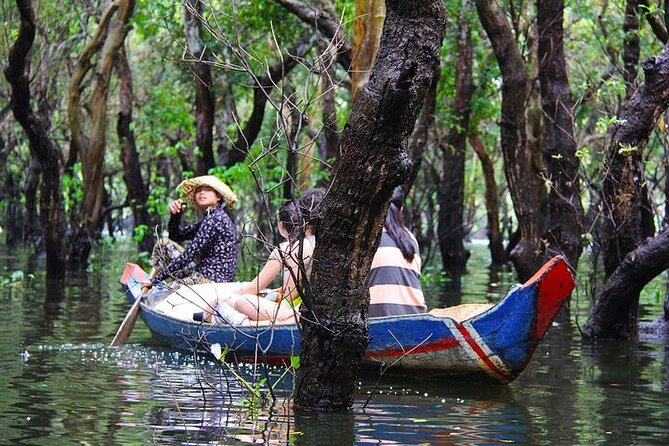
- Flooded forests: what you see when the water is doing its thing
- Kompong Phluk village on stilts: the best place to understand adaptation
- Exploring down the river toward Tonle Sap proper
- Market stops, fruit snacks, and the question of shopping pressure
- Boats, comfort, and safety: what to expect on a basic lake day
- Price and value: is $49 per person a fair deal?
- What guides can make (or break) this tour
- Who this tour suits best in your travel plan
- Should you book the Kompong Phluk half-day from Siem Reap?
- FAQ
- How long is the Kompong Phluk Village Tonle Sap half-day tour?
- What does the tour cost?
- Do I get hotel pickup and drop-off?
- What’s included with the tour?
- Is there an admission ticket included?
- Is the tour family friendly?
- How big is the group?
- Does it operate in all weather?
- Can I cancel for a full refund?
- How far in advance do people usually book?
- What’s the main thing you do at Kompong Phluk?
Key things to notice before you go
- Flat-bottom boats for changing water levels: Tonle Sap can swing dramatically, so the vessels are designed to keep you moving.
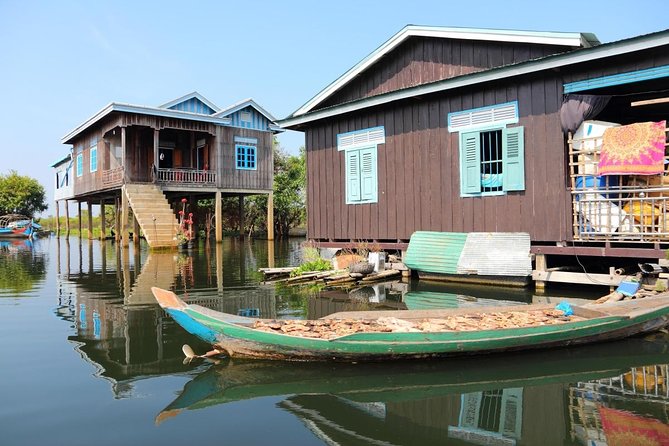
- Stilt houses at Kompong Phluk: Homes and the river edge adapt when the lake rises and falls.
- A short time on the big lake: You get the scale, but you won’t spend hours out on Tonle Sap proper.
- Market and snack time: You may sample fruit and local sweets as part of the day’s rhythm.
- Small-group limit (up to 16 people): Less crowd pressure than some big tours.
- Working village reality: Expect simple infrastructure and occasional sales pressure around the water.
Why Kompong Phluk and Tonle Sap fit a half day from Siem Reap

If you only have a few hours before a flight or you want something calmer than Angkor, this is one of the best “nature + culture” combos near Siem Reap. Tonle Sap isn’t a postcard lake. It’s a seasonal system that floods forests, pushes villages higher, and changes where life happens.
This tour is built around that idea. You start with the flooded forest approach, then shift toward Kompong Phluk itself and the wider Tonle Sap area. The timing matters here: you get the wow-factor without needing a full day.
Also, the experience is family friendly. The pace is generally slow, and the visuals do most of the work—camera time comes naturally.
You can also read our reviews of more tours and experiences in Siem Reap
Pickup, road time, and the start of the water journey
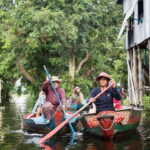
The day begins with pickup from your hotel area. That’s a real quality-of-life win in Siem Reap, where traffic and timing can turn a half day into a half day plus stress.
From there, you’ll head toward the lake system by air-conditioned car or tuk-tuk. The tour keeps the group size down (up to 16), which helps once you reach the boat area and people start gathering gear and cameras.
The tone at the start usually depends on the guide. Some are upbeat and talkative, and others speak less. Either way, the early minutes set your expectations: this is a river-and-lake day, not a museum tour.
Flooded forests: what you see when the water is doing its thing
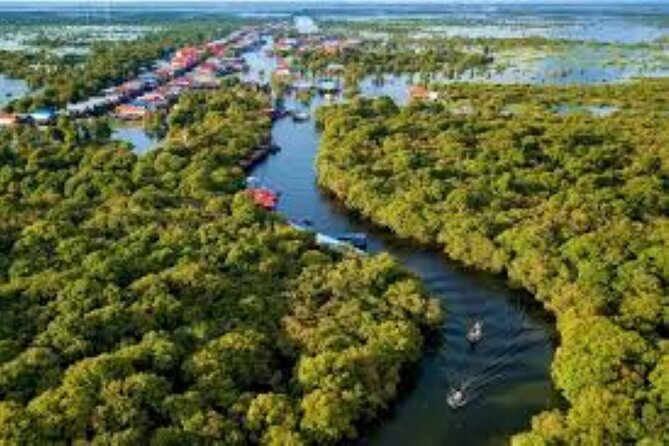
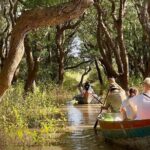
The most memorable part for many people is the flooded forest ride. Tonle Sap feeds a whole wetland zone, and when the water is high, you can cruise through areas that normally wouldn’t look navigable.
The boats used here are special flat-bottomed vessels. That detail matters because Tonle Sap depth changes a lot. The tour description specifically highlights variation in water levels, from about half a meter to over 10 meters at different times. When you’re on a system like that, design isn’t a gimmick—it’s safety and practicality.
Photography tip: plan for shifting light. Morning can be bright, but forested sections can be darker, and reflections on water can be intense. Bring a lens cloth and expect some glare.
Kompong Phluk village on stilts: the best place to understand adaptation
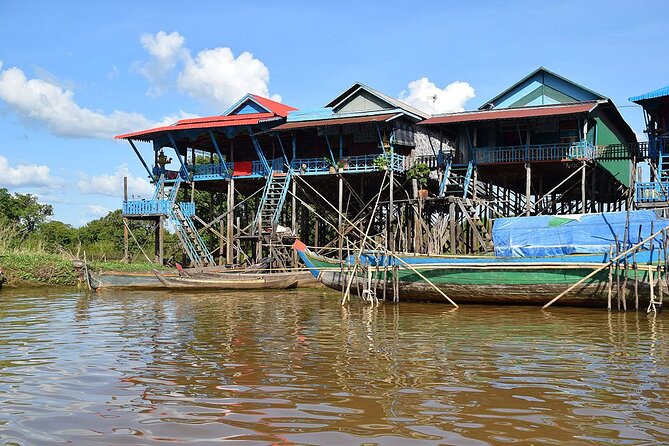
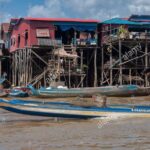
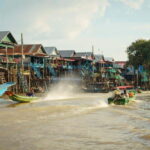
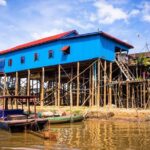
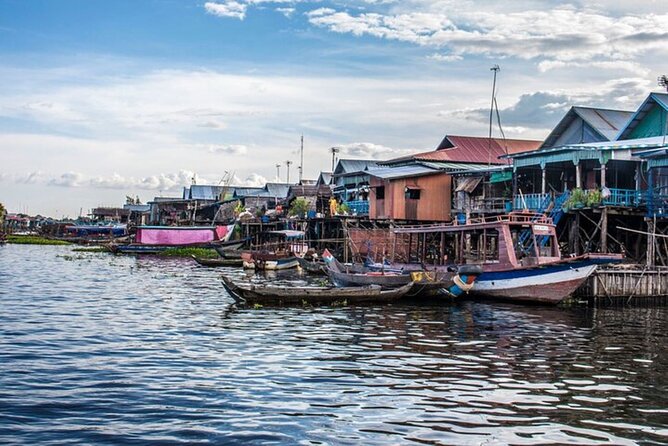
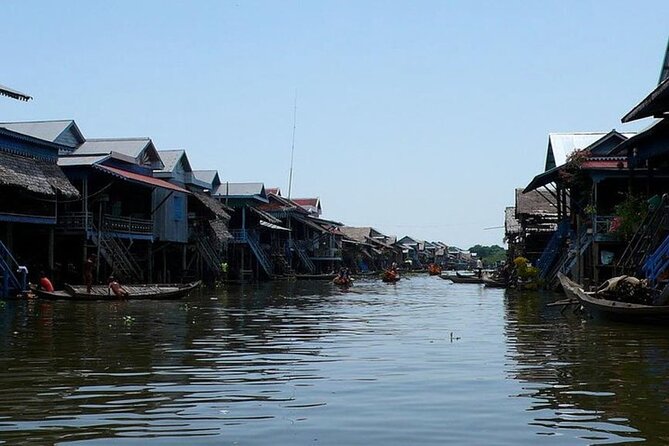
Kompong Phluk is built for a lake that does not sit still. When the water rises, the village and river spaces rise with it—on stilts. The tour description notes the village structure reaching around 12 meters high to handle seasonal changes.
What I like about Kompong Phluk is how it forces you to think in terms of systems, not buildings. Houses, walkways, and the practical flow of daily life adjust to water level. It’s not staged architecture. It’s survival math done with wood and community effort.
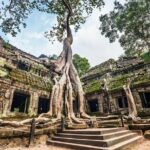
The stop includes a guided look around the village and river areas, plus docking near a Monks Training School. One standout detail here is the large pergola connected with extensive art work on its walls and ceiling, which makes for a nice visual break from just scanning houses.
Drawback to watch for: if you’re hoping for long, uninterrupted village walking time, the day is still time-boxed. Kompong Phluk is fascinating, but you should expect a guided circuit rather than hours of free wandering.
Exploring down the river toward Tonle Sap proper
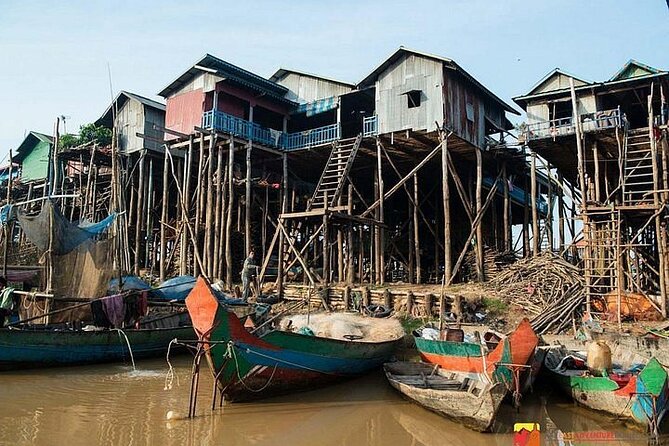
After the flooded forest experience, the itinerary continues down the Kompong Phluk river and out toward Tonle Sap Lake proper. This section is where the “system” feeling clicks.
Tonle Sap is enormous. The tour description gives scale: over 200 km long and more than 40 km wide from the point you reach the lake proper. You won’t cover that entire distance in a half day, of course, but you’ll understand why locals and fishers treat the lake like a highway.
You might see floating areas and village life shifting between the river and the lake depending on conditions. That’s a key point: during some seasons, you’ll encounter floating village elements in the lake zone; in other seasons, they may appear more in the river itself.
If your goal is simple: yes, this is scenic. If your goal is deeper understanding: focus on how the village layouts change with water level.




Market stops, fruit snacks, and the question of shopping pressure
Food and small tastings are part of the experience. The tour description highlights light fruit lunch and water, and the tour rhythm often includes snacks. One account specifically mentions fruit and local sweets/cakes with a local market visit.
Here’s the practical issue: this kind of tour sometimes walks a fine line between education and sales. Some guides handle it lightly; others spend more time in the shop-and-sticker zone.
You can protect your experience with a mindset shift:
- Treat market moments as a chance to observe, not a requirement to buy.
- Decide ahead of time whether you want to support artisans with purchases, and if not, keep your focus on the water and village life.
Also bring some cash only if you truly want it. Many costs on village days are informal, and you’ll feel less pressured if you’re prepared to say no.
Boats, comfort, and safety: what to expect on a basic lake day
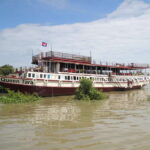
Let’s talk about the boat reality. This is not a cruise ship. It’s a working transport system on a lake that changes depth and bottom conditions.
The good news is the tour uses flat-bottom boats designed to traverse this unique watery environment year-round. That design helps stability and access compared to boats that would struggle in shallow or shifting areas.
The caution from real-world feedback: some departures can involve older boats, and the conditions can be rougher than you might want—especially if water levels are low. There are also mentions of walking over uneven rickety gangplanks, and getting on/off boats can be more physical than expected.
So here’s my straight advice:
- Wear shoes with grip.
- Avoid sandals.
- Keep your phone/camera strap secure.
- Don’t plan on perfect stability for photos.
If you’re traveling with knee issues or you hate shaky steps, this is the one part of the day that can test you.
Price and value: is $49 per person a fair deal?
At $49 per person, the big value signals here are the inclusions and how much you do in a half day. You’re getting transportation in air-conditioned vehicles or tuk-tuks, free hotel pickup and drop-off, boats and operators, water, and a light fruit lunch. Checkpoint fees and taxes are also included, with no hidden extras listed.
That matters because lake tours can nickel-and-dime you later. Here, the pricing model is meant to be straightforward.
Is it worth it? For most people, yes—especially if:
- you want an organized way to see flooded forest and stilt villages without planning transport,
- you’re okay with a basic, working-village day,
- you value time efficiency over slow wandering.
Where value becomes questionable is when expectations are mismatched. If you want a long, history-heavy, deeply scripted tour, you might feel the time on the water is short. And if the day’s rhythm leans too hard into sales or the boat condition isn’t great, the experience can feel off for the price.
What guides can make (or break) this tour
The guide effect is real on this kind of trip. The tour is described with an informative, friendly, professional local guide. Some accounts include very knowledgeable guidance and smooth management of the whole day.
There are also quieter experiences where the guide shares less during the ride. That doesn’t ruin the scenery, but it changes your overall take on value.
A few guide names show up in feedback, including Va and Pitesh, plus references to Mr Sapon. The practical lesson: if your guide talks less, your best bet is to ask simple questions early—what changed with the water level this month, how stilt living works day to day, and what the lake provides for fishing and daily life.
Who this tour suits best in your travel plan
This is ideal for:
- families who want a visual, outdoor day that’s not exhausting,
- first-time visitors who want Tonle Sap and stilt village life without committing to a full day,
- photographers who want flooded forest textures and wide lake views.
It’s less ideal if:
- you strongly dislike markets and sales pressure,
- you have mobility limits that make uneven gangplanks challenging,
- you need guaranteed comfort or modern boat standards.
The tour is built for most travelers, but you’ll have a better time if you approach it as a real lake day, not a theme park.
Should you book the Kompong Phluk half-day from Siem Reap?
I’d book it if you want a time-efficient Tonle Sap experience with the essentials handled for you: pickup, transport, boats, and a guided look at stilted Kompong Phluk life. The best part is the changing-water scenery—flooded forest views and the way the village adapts to the lake’s rhythm.
Skip or consider alternatives if your top priority is comfort, long narrative history, or a very polished, low-sales atmosphere. Also take extra care with footwear and balance expectations, because getting on and off boats is part of the deal.
FAQ
How long is the Kompong Phluk Village Tonle Sap half-day tour?
It’s approximately 4 hours 30 minutes.
What does the tour cost?
The price is $49.00 per person.
Do I get hotel pickup and drop-off?
Yes. Free hotel pickup and drop-off are included.
What’s included with the tour?
You get professional guiding, boats (including row boats and operators), air-conditioned transportation by car or tuk-tuk, free pickup/drop-off, light fruit lunch, water, and all checkpoint fees and taxes.
Is there an admission ticket included?
Yes. An admission ticket is included.
Is the tour family friendly?
Yes. It’s described as family friendly, and children must be accompanied by an adult.
How big is the group?
The tour has a maximum of 16 travelers.
Does it operate in all weather?
Yes. It operates in all weather conditions, and you should dress appropriately.
Can I cancel for a full refund?
Yes. You can cancel up to 24 hours in advance for a full refund.
How far in advance do people usually book?
On average, it’s booked 5 days in advance.
What’s the main thing you do at Kompong Phluk?
You explore the Kompong Phluk river and the village area, including docking near the Monks Training School and seeing the large pergola with extensive art work.