REVIEW · SIEM REAP
Kompong Phluk Floating Village Half-Day Tour ( Morning / Sunset )
Book on Viator →Operated by Siem Reap Shuttle · Bookable on Viator
Kompong Phluk turns Tonlé Sap into a moving city. This half-day tour gives you a calm, practical way to see how communities live between wet and dry seasons, plus a choice of morning or sunset timing.
I especially like the tight setup: hotel pickup, air-conditioned transport, and life-jackets handled for you. I also love that the tour includes more than just boats—there’s time to walk around Kompong Phluk and then stop at a local market in Rolous and the Wat Roga pagoda.
One thing to consider: what you see depends a lot on the season. In low water, it can feel more like stilt houses by a lake than a fully flooded forest, and the optional rowing experience is only available when water levels are high.
In This Review
- Key points I’d plan around
- Tonlé Sap Floating Villages: Why Kompong Phluk Is Worth Your Time
- Morning vs Sunset: Choosing the Right Departure
- Getting There in Comfort: Pickup, Boat Style, and Group Size
- Kompong Phluk on the Water and on Foot: What the Main Stop Feels Like
- Rolous Market and Wat Roga Pagoda: Short Stops With Real Purpose
- Value for $24: What’s Included, What Costs Extra, and What You Should Do With That
- Season Matters on Tonlé Sap: Wet Water vs Stilt Living
- What to Bring and How to Dress (So the Day Feels Easy)
- Guides and Pacing: Why People Rave About the Human Part
- FAQ
- FAQ
- How long is the Kompong Phluk floating village half-day tour?
- Is hotel pickup included?
- What boat rides are included in the tour price?
- Do I need to pay extra for the rowing boat?
- What stops are included besides Kompong Phluk?
- Is there a dress code for the pagoda?
- Does the tour run in bad weather?
- Should You Book the Kompong Phluk Floating Village Half-Day Tour?
Key points I’d plan around
- Sunset option adds real payoff with late-afternoon views over Tonlé Sap
- Small group size (max 10) keeps the pacing friendly and not chaotic
- Optional rowing (USD 5) is seasonal and can be the highlight if water is high
- Three meaningful stops: Kompong Phluk + Rolous market + Wat Roga pagoda
- Handled-for-you comfort: AC vehicle, water, cold towel, guide, and life-jackets
Tonlé Sap Floating Villages: Why Kompong Phluk Is Worth Your Time
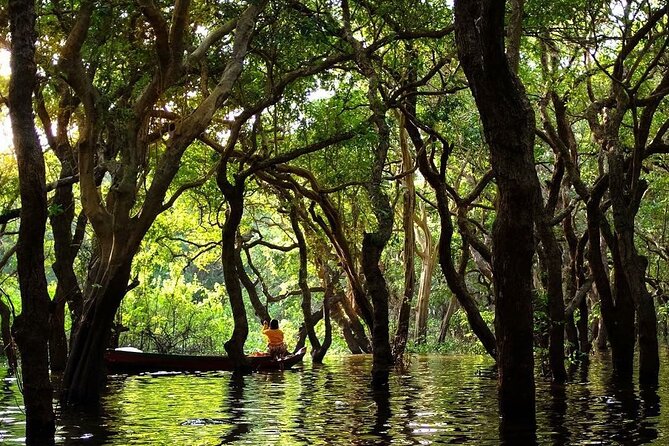
Kompong Phluk is a practical introduction to life on Tonlé Sap Lake, where the big story is not just boats—it’s timing. The water level changes the whole environment, and the tour is built around that idea. You’ll see stilted homes, schools, and everyday routines that make more sense when you’ve watched the lake shift on and off.
What makes this trip especially useful from Siem Reap is that it’s half-day. You can fit it alongside temple time without burning your whole day. It’s also a good change of pace from Angkor’s stone geometry, because here you’re moving with the lake instead of walking through ruins.
The vibe is not a formal museum. It’s real life at the water’s edge—so you should expect a casual mix of walking, looking, and listening from your guide. If you come with respect (and the right attitude), it feels honest rather than staged.
You can also read our reviews of more evening experiences in Siem Reap

Morning vs Sunset: Choosing the Right Departure
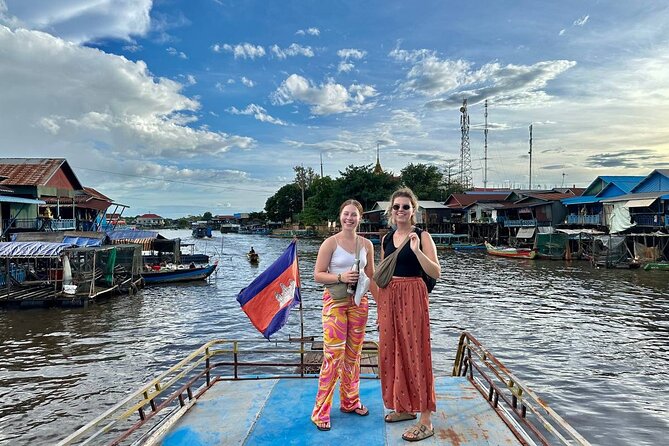
Pick your departure based on what you want to feel most: reflection or momentum. Morning tours are often quieter and easier to pair with early temple plans. The early timing can also help in hot months because you’re not stuck in peak sun for the longest stretches.
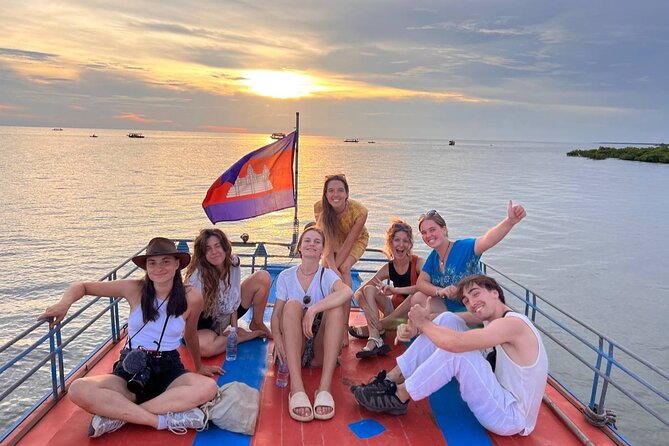
The sunset option is the obvious crowd-pleaser for a reason: late-afternoon light over Tonlé Sap is beautiful, and it changes how the water and stilt houses look. Many people also like the relaxed feeling of being on the lake as the day cools down.
There’s one extra perk tied to afternoon departures: you may get a chance to swim in the lake (if conditions allow). If that appeals to you, sunset is the better match.
Practical tip: if you’re sensitive to heat, bring sun protection either way. The tour runs in all weather conditions, so your best defense is being prepared for sun, humidity, and sudden rain.
Getting There in Comfort: Pickup, Boat Style, and Group Size
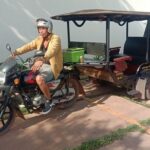
This is one of those tours where the logistics matter because you’re spending time on and near water. You get hotel pickup and air-conditioned transport from Siem Reap, and the vehicle is designed for comfort rather than cramped shuffling. In the best reviews, people appreciated that the pickup timing didn’t drag their day off schedule.
Once you reach the lake area, you’ll be on motorized and village boats as part of the main experience. The tour includes life-jackets, and even if you’re a confident swimmer, it’s still smart to use them when you’re on the water. You’ll also get a bottle of water and a cold towel—tiny things that help when you’re sweating in Cambodia’s humidity.
Group size is capped at a maximum of 10 people per booking. That’s a big deal for pacing. You’re more likely to get clear explanations from your guide and have enough time at each stop.
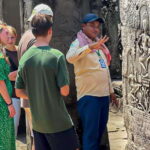
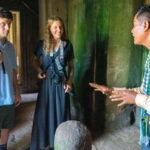
Also, you’ll meet an excellent English-speaking guide (and in real examples from guides like Ran, Ry, Tola, John, Tea, Phyrom, and Perun Rean, people consistently highlighted how well they explained daily life and the lake’s seasonal rhythm). Even when you don’t get the exact guide you hoped for, you can still expect a structured, well-run day.
Kompong Phluk on the Water and on Foot: What the Main Stop Feels Like
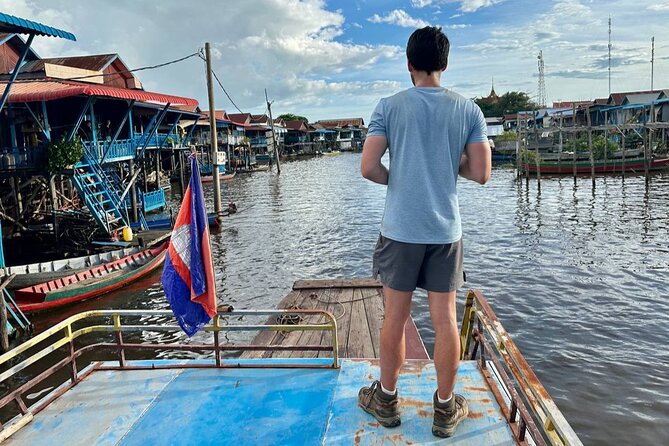
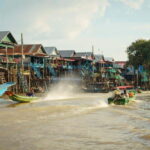
Kompong Phluk is the heart of the tour, with about 3 hours devoted to it. You’ll travel by vehicle to the dock area and then glide alongside homes, shops, and schools on Tonlé Sap. Seeing it from the water first helps you understand why stilt living exists and how the entire community is built around water access.
You’ll also have time to explore on foot. This is where small details matter: how people move around daily tasks, how space is organized over the water, and how the village feels when you slow down and look. Your guide’s explanations connect what you’re seeing to the larger pattern of wet-season and dry-season life.
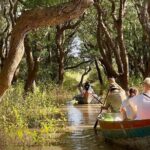
Optionally, you can add a rowing boat ride around the flooded forest. This is not always included in the base price. The rowing boat is USD 5 per person and is available only during the rainy season when water levels are high.
Season note, because it affects expectations: in months when water is lower, it’s still interesting—just less dramatic. One negative review pointed out that in low water, it can feel more like stilt houses on the lake than a fully flooded landscape. That doesn’t mean it’s a waste. It just means you should judge it on what nature is offering that week.
Rolous Market and Wat Roga Pagoda: Short Stops With Real Purpose

After Kompong Phluk, the tour shifts from the village center to two local context stops.
In Rolous, the tour visits the Rolous market next to the primary school. Even though the itinerary says it doesn’t stop at the primary school itself, the market gives you a good look at day-to-day village life: you’ll wander, and your guide will explain how locals sell homegrown produce. It’s a practical way to understand what people depend on when the lake changes the environment around them.
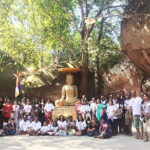
Then you’ll visit a Buddhist pagoda at Wat Roga. This stop is about community connections, not just architecture. You’ll spend about 30 minutes learning how Buddhist monks and villagers rely on each other in daily life. If you’ve toured temples in Siem Reap before, you’ll recognize the tone here: calmer, more local, and focused on respect.
Dress code matters at the pagoda. Stick with comfortable, casual clothing, and act like you’re entering a working religious space. That means covering appropriately and keeping your manners steady. Your guide will set the expectations, but you should bring the basics: respectful behavior and a willingness to observe quietly.
You can also read our reviews of more tours and experiences in Siem Reap
Value for $24: What’s Included, What Costs Extra, and What You Should Do With That
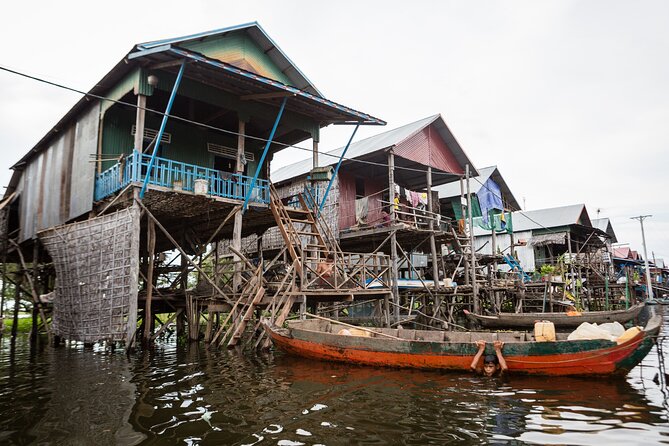
At $24 per person, this tour is priced like a straightforward half-day activity, not a premium all-day excursion. The best value part is that key costs are already handled: transport, the floating-village boat trip, the guide, life-jackets, local tax, bottled water and cold towel, and travel insurance.
The main extra cost to plan for is the rowing boat option (USD 5 per person), and it’s seasonal. If the water is high enough for the flooded forest, this can be the difference between a standard tour and a tour you remember for the specific scenery.
What’s not included is food, soft drinks, and alcohol, but there’s a restaurant where you can purchase snacks. That’s normal for a half-day format. The practical win is that you’re not paying extra just to be on the boats.
Balanced take: a few critical reviews complained about the experience feeling stretched out or having a sales tone. Another issue raised was that some people wanted the rowing boat experience to feel more premium. My advice is simple: decide early whether you want the optional rowing ride. If you do, budget the USD 5 and think of it as your “upgrade for the season.”
Season Matters on Tonlé Sap: Wet Water vs Stilt Living
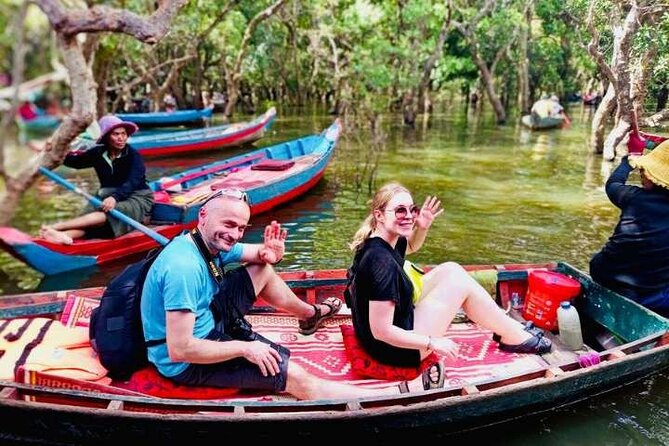
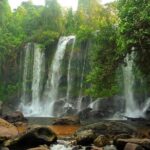
Tonlé Sap is seasonal in a way that’s hard to fake. During higher water periods—typically October to March—the flooded forests and the surrounding water network look much fuller. That’s when the rowing boat ride through the mangroves/flooded forest is most likely to be available and worth the extra cost.
During low water months, like June (as one review example described), the experience can feel less “floating forest” and more “village on stilts.” The village is still there, the lake is still there, and daily life is still fascinating. But the scenery won’t have the same dramatic water coverage.
Here’s how to think about it: if you’re traveling during peak water, prioritize the rowing option. If you’re traveling during low water, treat the tour as a window into stilt architecture and seasonal adaptation, not as a guarantee of flooded-forest scenery.
Either way, you’ll get the guided context. That matters. Without context, any floating village tour risks feeling like just boats and houses. With context, it becomes a lesson in how people work, trade, and live when the waterline moves.
What to Bring and How to Dress (So the Day Feels Easy)
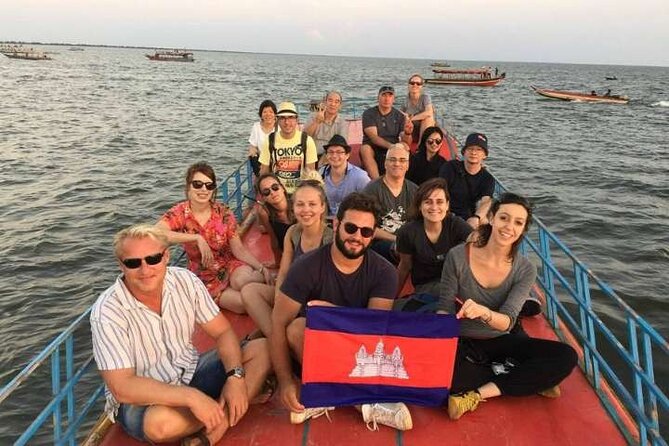
This tour runs in all weather conditions, so dress for what you might get: sun, humidity, and rain. You’ll be outdoors enough that comfort affects your enjoyment.
Bring:
- a hat and sun cream
- insect repellent
- comfortable casual clothing
- water-friendly footwear if you have it (you’ll be around boats and dock areas)
For temple and pagoda stops, respect the religious grounds. That usually means clothing that won’t be distracting, and being ready to cover up if needed.
Your physical fitness should be moderate. You’re walking in a village environment, not climbing mountains, but you’ll still want stable footing and a calm pace.
Finally, even though life-jackets are provided and often strongly recommended, use them as the safety default. One of the best practical vibes from reviews was how helpful staff were getting people on and off the boat, which reduces stress when you’re balancing around water.
Guides and Pacing: Why People Rave About the Human Part
The consistent praise across guide names is not just friendliness. It’s that the guides explain what you’re seeing in a way that feels organized. People highlighted guides like Ry, Ran, Tola, John, Tea, Phyrom, and Perun Rean for clear pacing and strong English explanations.
You also want a tour where you’re not rushed. Many high ratings praised timing and the fact that there was enough room to enjoy each stop. That matters on water tours, because if the schedule is tight you’ll feel it the whole day.
That said, a couple critiques complained about waiting or long breaks at the start, and one mentioned the experience feeling designed to sell add-ons. My advice is to keep control of your expectations: you can enjoy the scheduled stops, but you should decide your optional add-ons (like rowing) in advance so you’re not pressured mid-day.
FAQ
FAQ
How long is the Kompong Phluk floating village half-day tour?
It’s listed at about 5 hours (approx.), with key stops including around 3 hours at Kompong Phluk and shorter visits for the Rolous market and the Wat Roga pagoda.
Is hotel pickup included?
Yes. The tour includes hotel pickup and transport from Siem Reap.
What boat rides are included in the tour price?
The tour includes transport and a floating village boat trip. A separate rowing boat ride through the flooded forest/mangroves is optional and costs extra.
Do I need to pay extra for the rowing boat?
Yes if you want it. The rowing boat is USD 5 per person, and it’s available only during the rainy season when water levels are high.
What stops are included besides Kompong Phluk?
You’ll visit the Rolous market (next to the primary school area) and the Buddhist pagoda at Wat Roga.
Is there a dress code for the pagoda?
Wear comfortable, casual clothes, and respect ancient religious grounds. That means dressing appropriately for a Buddhist temple/pagoda visit.
Does the tour run in bad weather?
It operates in all weather conditions. You should dress appropriately, because it can depend on good weather for water-based activities.
Should You Book the Kompong Phluk Floating Village Half-Day Tour?
Book it if you want an efficient, guided way to understand Tonlé Sap life without spending a full day, and if you like the idea of seeing stilt communities first-hand. The sunset option is a strong choice if late-day views over the lake matter to your trip.
Don’t book expecting the same flooded-forest drama every month. The rowing boat option depends on water levels, and low water can mean more stilt-living than flooded mangroves. If you’re traveling in the higher-water season, consider the rowing ride as the experience upgrade.
If you care about smooth logistics—pickup timing, clean air-conditioned transport, life-jackets, and clear guiding—this tour is built for that. Just remember: this is a respectful look at everyday life on Tonlé Sap, not a theme-park replacement, so arrive with curiosity and keep your camera and comments kind.