REVIEW · SIEM REAP
Siem Reap: Fishing in the rice fields, in the villages of Siem Reap
Book on GetYourGuide →Operated by Joe Jungle Adventure · Bookable on GetYourGuide
Snakehead fishing in rice fields beats typical Siem Reap. I like how this day combines Khmer village life with a hands-on topwater fishing lesson aimed at snakehead. You get out of town early and into real routines—markets, paddies, and the kind of patient fishing that locals do all day.
A key thing to know is that this is rural Cambodia. The start is early (7 a.m.), the water may be rougher than you expect, and you should be ready for mud and wild nature, including the possibility of snakes or other dangerous creatures. If that makes you nervous, this might feel like more of a challenge than a vacation.
On the plus side, it’s a private setup for up to four people, with pickup from your hotel in Siem Reap and a German/English instructor. You’re also covered for the essentials: fishing gear, water, snacks, lunch, and even one soft drink per person.
In This Review
- Key Highlights You Actually Feel During the Day
- From Pickup to Rice Fields: The 7 a.m. Start That Sets the Tone
- Village Markets First: Seeing Khmer Life Before You Cast a Rod
- The Fishing Lesson: Topwater Rules, Frog Bait, and Snakehead Focus
- What the Rice Fields Feel Like (And Why the Spots Change)
- Lunch in a Village: Real Recharge Before Afternoon Casting
- When You Catch Snakehead: The Moment and the Food Option
- Safety and Comfort: What to Bring for Mud, Sun, and Rural Wildlife
- Price and Value: Is $68 for 10.5 Hours Worth It?
- Who This Siem Reap Rice-Field Fishing Trip Fits Best
- Quick Guide: How to Make the Most of Your Day
- Should You Book This Siem Reap Snakehead Fishing Tour?
- FAQ
- Where does the tour start and do I get hotel pickup?
- What is the duration of the experience?
- How big is the group?
- What fish are you targeting and what bait do you use?
- What’s included in the price?
- What should I bring?
- How many languages will the instructor speak?
Key Highlights You Actually Feel During the Day
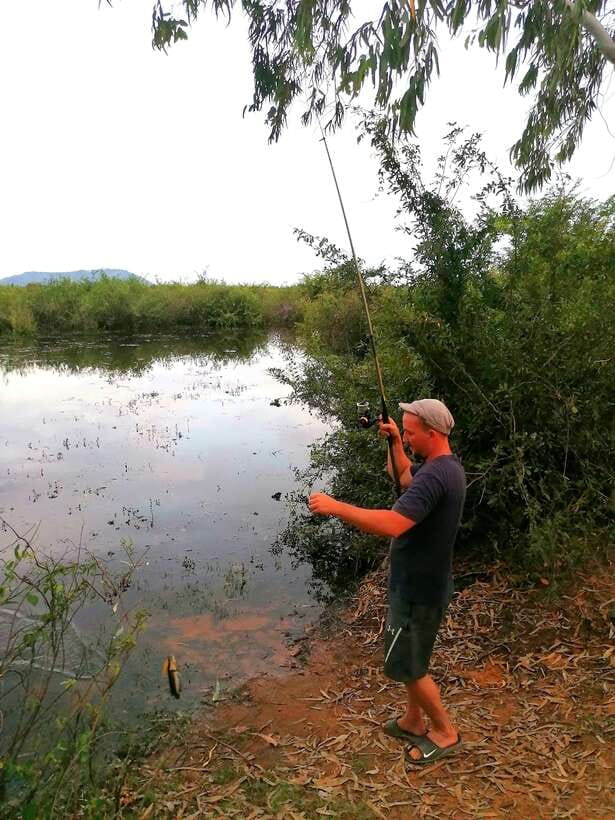
- Small-group, max 4 private fishing day with a guide who can adjust the pace to you
- 7 a.m. ride to villages about 20–30 km from Siem Reap, with local market stops first
- Topwater snakehead technique using frog bait, taught with simple rules and real practice
- Rice-field fishing that shifts with the water level and fish stock, so you’re not stuck in one spot
- Lunch in a surrounding village plus another round of fishing after you recharge
- Cooking your catch may be possible (depending on the day and where you fish), like locals do
From Pickup to Rice Fields: The 7 a.m. Start That Sets the Tone
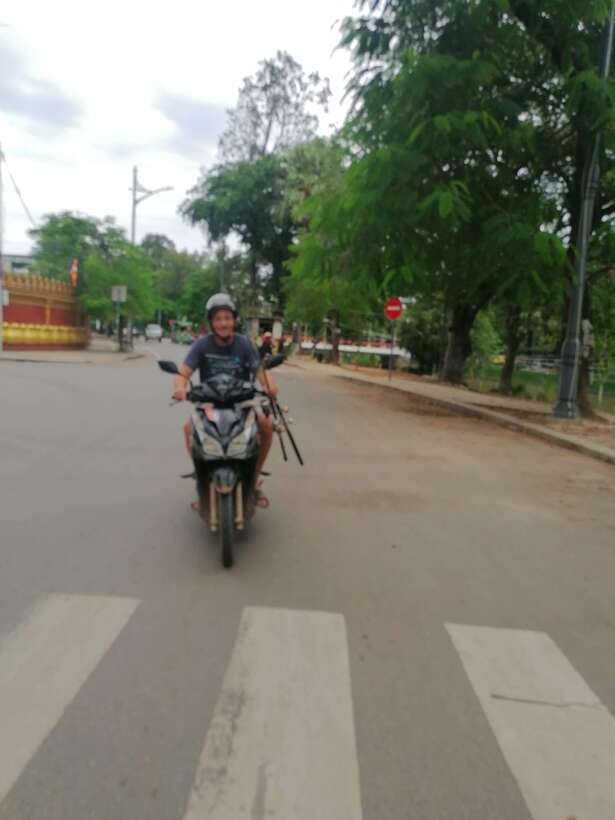
This tour runs about 10.5 hours, starting early at 7:00 a.m. You’ll be picked up from your hotel in Siem Reap, and you should show up in the lobby about 15 minutes before pickup time. The early start matters because fish activity and the feel of the countryside are often best before the heat and crowds.
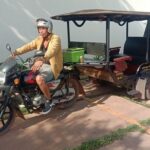
From Siem Reap, you ride out roughly 20–30 km to nearby villages. Transport is on motorcycles or scooters, so you should be comfortable with local driving style and dust. If you hate getting splashed, plan for that thought now—this is farm-country, not a polished city tour.
Once you reach the village area, the day quickly moves from scenery to routine. You’re not just watching; you’re learning how locals fish and how villagers shop and live.
You can also read our reviews of more tours and experiences in Siem Reap
Village Markets First: Seeing Khmer Life Before You Cast a Rod
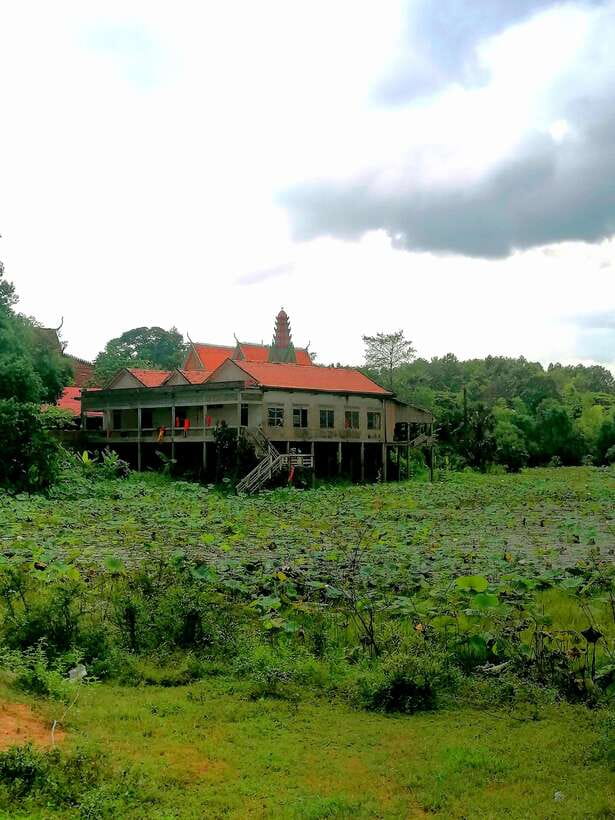
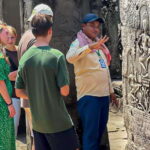
A smart choice here is that you don’t rush straight to fishing. You stop at local markets in the village area, where you get an insight into daily Khmer life. Even if you don’t buy anything, this is where you start to understand the setting you’re about to fish in.
These markets also act like a quick warm-up. You’ll see how people move, what food and gear look like locally, and the general rhythm of village mornings. It helps you shift from tourist mode to participant mode.
After the market stop, you continue to one of the rice-field fishing spots. The exact location changes depending on the water level, which is a big deal—rice fields aren’t static ponds. They rise, fall, and change the way fish hunt.
The Fishing Lesson: Topwater Rules, Frog Bait, and Snakehead Focus
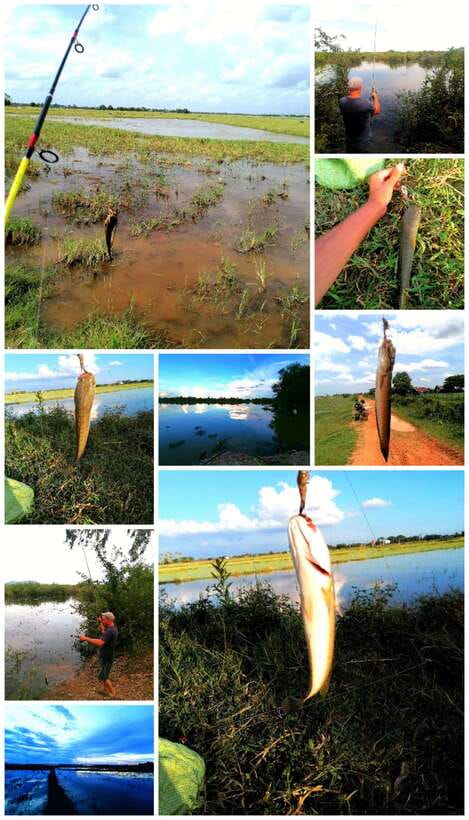
Once you reach the fishing area, you get an introduction to the tackle and the basics of topwater fishing. This is not a vague “try your luck” session. You learn the basic rules first, then you start fishing with frogs as bait.
That frog-bait detail is the whole point. Snakehead fish feed near the surface, so your job is about timing and control—placing the bait where it can draw strikes. When it works, it’s the kind of moment that feels simple and intense at the same time: you cast, you watch, and then the surface grab happens fast.
You’ll also get a small snack before you start casting more actively. It sounds minor, but in practice it helps you focus. Fishing is patience plus quick reactions, and that little energy boost makes a difference when you’re out in the countryside for hours.
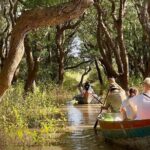
A key part of the experience is that you don’t fish alone in theory. On the way and around the spots, you’ll likely cross paths with local fishermen. You may even stand together in the rice fields for parts of the day, which makes the whole thing feel less like a staged activity and more like you’re getting invited into local work.
What the Rice Fields Feel Like (And Why the Spots Change)
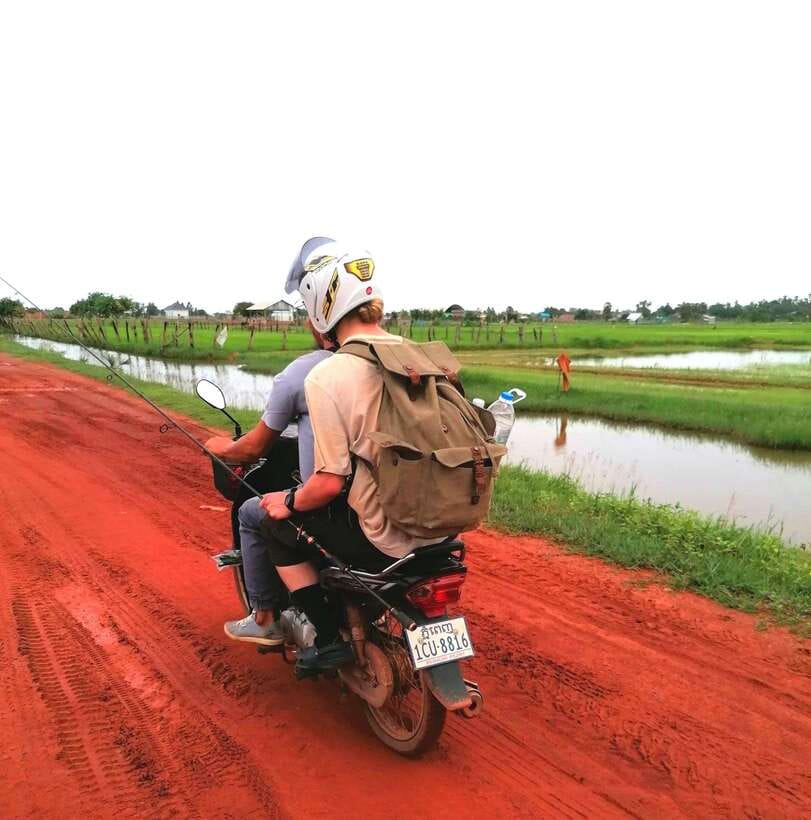
The fishing spots aren’t fixed. They vary based on water level, and later in the day they may change again depending on fish stock. That flexibility is a practical way to keep your odds up, because the fish don’t care about your schedule.
In real terms, this can mean short rides to new areas, re-positioning, and adapting to changing conditions. Sometimes you might move from one watery pocket to another, instead of fishing the same patch for the entire day.
One thing I really like about this format is that it teaches you how local fishing works as a job, not a hobby. Locals don’t assume the fish will appear on command. They read the water, follow the chances, and keep going.
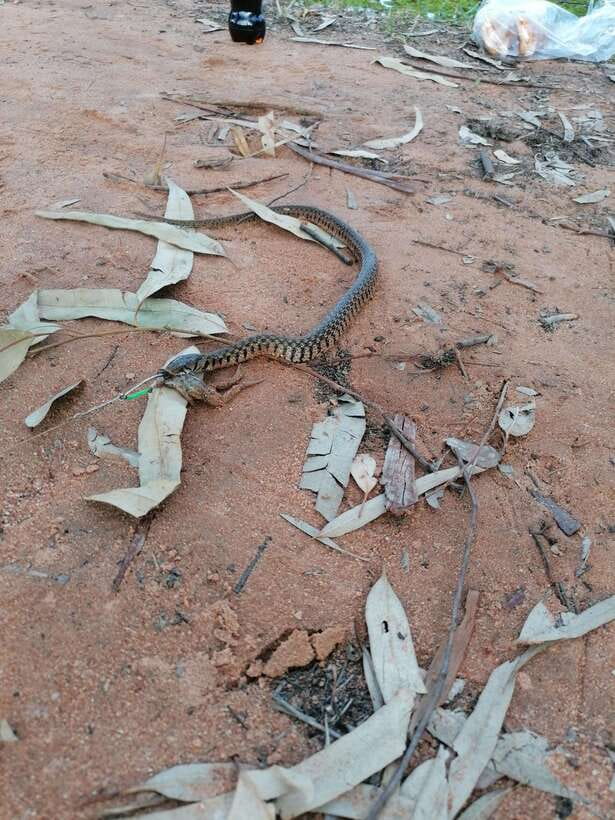
Also, the countryside isn’t sterile. You should expect wild nature in the background. It’s not uncommon to encounter snakes or other dangerous creatures, so stick with your guide’s lead and don’t wander around the edges on your own.
Lunch in a Village: Real Recharge Before Afternoon Casting
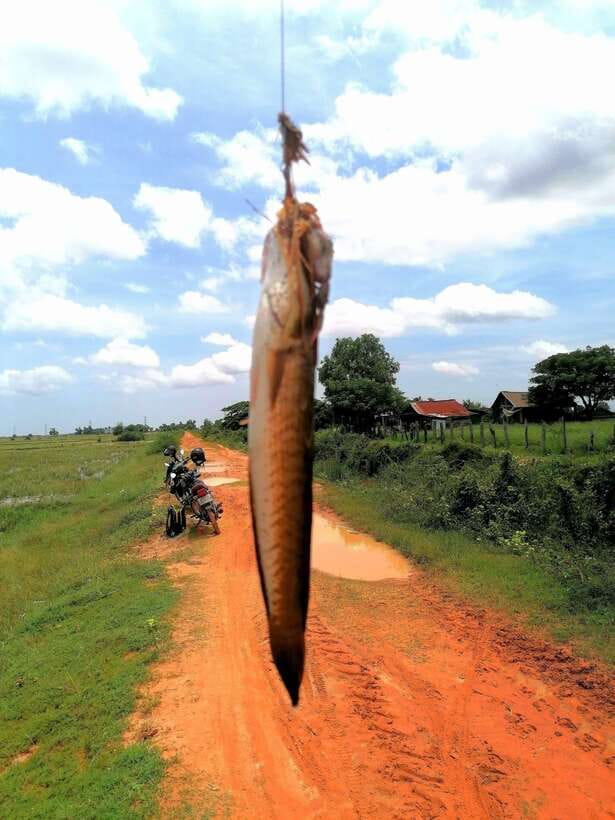
After the morning fishing, you’ll have lunch in one of the surrounding villages. This is included, and it’s one of the main breaks in the day. You’ll be back out again afterward, so think of lunch as fuel rather than a final stop.
The value here is that lunch happens in the village context, not after you’ve returned to a restaurant bubble. It keeps your day connected to rural life, where fishing, food, and village routines overlap.
Once lunch is done, the tour continues. You’ll strengthen up, then switch spots again if needed and fish for a few more hours in the afternoon. This second push is important because it gives you more than one chance at the surface action.



When You Catch Snakehead: The Moment and the Food Option
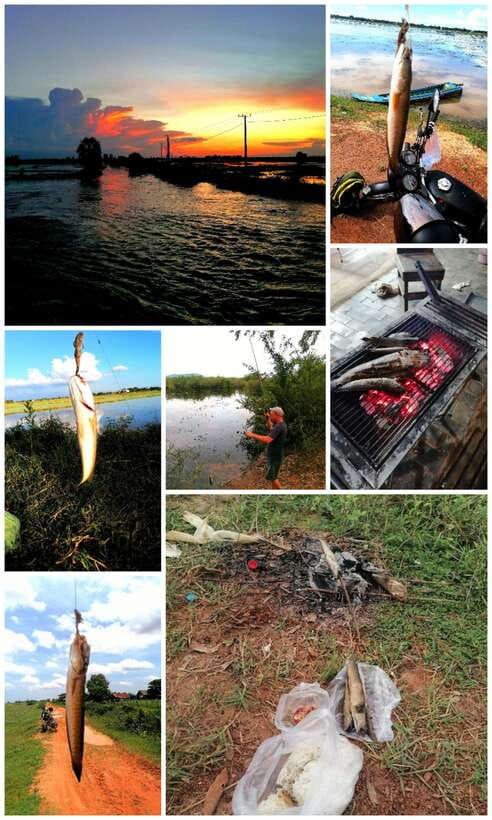
Catching a snakehead on topwater is the emotional payoff. The strike happens at the surface, and if you land it, you’ll feel that mix of surprise and satisfaction that comes from learning a technique you didn’t have yesterday.
If you catch fish, you may be able to prepare and eat what you catch on the spot, in a local style. One highlight from past days is cooking over a fire beside the water, then getting back to fishing afterward. Whether you do this depends on the specific spot and how your day unfolds, but the option is part of what makes the experience feel grounded.
Even if you don’t eat your catch, you’ll still likely see how locals treat fishing as a full-day routine—catch, share, cook, and return to work.
Safety and Comfort: What to Bring for Mud, Sun, and Rural Wildlife
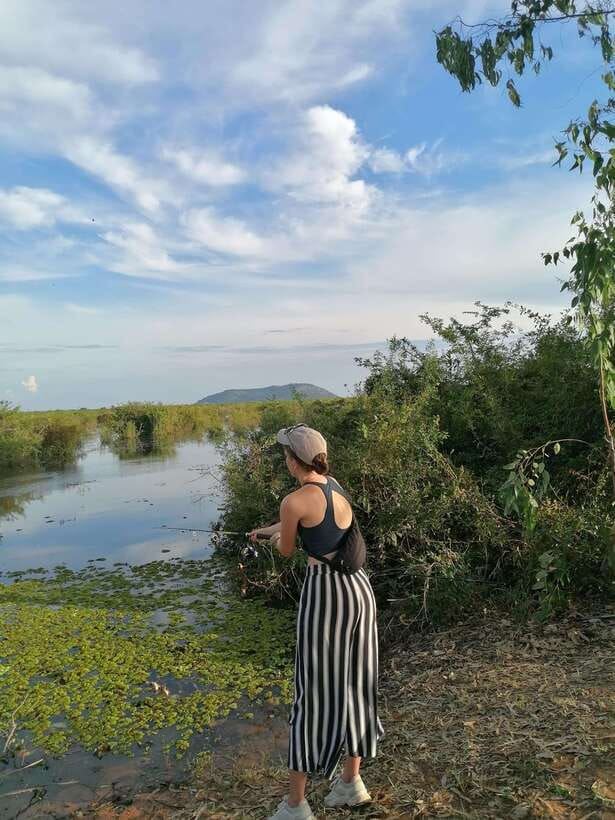
This is outdoors all day, so your comfort depends on basic preparation. The tour specifically suggests you bring:
- a sun hat
- a head covering or kippah
- sunscreen
- clothes that can get dirty
That last one is not optional. Rice fields and village work areas can be wet, muddy, and unpredictable. If you show up in “nice” clothes, you’ll probably regret it.
Also, head coverings matter here. The inclusion of a head covering or kippah suggests you’ll be around village settings where modesty and local norms are respected. So follow their guidance to keep things smooth.
What about wildlife? The day includes a warning that you might encounter snakes or other dangerous wild creatures. You don’t need to panic, but you do need to stay close to your guide, keep your balance, and avoid roaming.
Price and Value: Is $68 for 10.5 Hours Worth It?
At $68 per person for about 10.5 hours, the real value is in what’s included and what you’re paying for. This price isn’t just “a fishing boat and a tackle box.” You also get:
- hotel pickup and transport from Siem Reap
- fishing equipment
- water plus one soft drink per person
- snacks and lunch
- a private group setup limited to 4 participants
- instruction in topwater fishing using frog bait
For Siem Reap, that’s a strong deal if you want something beyond temples and obvious tourist loops. You’re paying for a full countryside day with real local contact, not just a short activity.
The private small-group limit is also meaningful. With fewer people, you’re more likely to get hands-on help when your casting timing is off, and you can ask questions without feeling rushed.
If you’re the type who hates early mornings, hates getting dirty, or just wants casual sightseeing with no physical participation, then this price may feel less fair. But if you’re curious about rural Khmer life and you want to learn a skill, it’s good value.
Who This Siem Reap Rice-Field Fishing Trip Fits Best
This tour fits best if you want authentic village life and a hands-on activity. I’d point you to it if you:
- like small-group experiences with real instruction
- are interested in Cambodian rural life, not only Angkor-related stops
- enjoy fishing enough to focus for a few hours at a time
- can handle outdoor conditions like sun, mud, and long stretches
It may not be ideal if you:
- have trouble with early mornings
- get nervous in nature settings (wildlife warnings are part of the plan)
- dislike motorcycles or scooters for long-ish rides
- expect a glossy, all-comfort itinerary
Quick Guide: How to Make the Most of Your Day
A few practical habits help you enjoy this more:
- Wear dirty-ready clothes and keep your most important items secure.
- Bring the exact sun protection they suggest, especially the sun hat.
- Pay attention during the tackle and rules introduction. That short prep is what makes later casting feel less random.
- Keep your energy up: snack before active fishing is there for a reason.
- Stay close if you’re around rice-field edges. Guides know the safe flow.
Also, expect the day to feel a bit dynamic. Spots change with water level and fish stock, and that’s part of how rice-field fishing works.
Should You Book This Siem Reap Snakehead Fishing Tour?
I think you should book it if you want a day that feels genuinely tied to Khmer village life, with a real skill to learn and not just a photo stop. The combination of market time, frog-bait topwater instruction, and long rural stretches makes it more memorable than most standard Siem Reap tours.
Skip it if you want comfort-first sightseeing, hate outdoor conditions, or aren’t interested in actively participating. This is an active countryside day, not a couch-and-camera experience.
If you do book, you’ll probably enjoy it most by going in with a curious mindset. Learn the rules, respect the rural setting, and don’t rush the patience parts.
FAQ
Where does the tour start and do I get hotel pickup?
The tour includes pickup from your hotel in Siem Reap. You should be in the hotel lobby about 15 minutes before pickup.
What is the duration of the experience?
The total duration is about 10.5 hours, with the tour ending around 17:30.
How big is the group?
It’s a private tour limited to a maximum of 4 participants.
What fish are you targeting and what bait do you use?
The technique is topwater fishing aimed at snakehead fish, using frogs as bait.
What’s included in the price?
Included items are transportation from your specified hotel and back, water, 1 soft drink per person, snacks, lunch, and fishing equipment.
What should I bring?
Bring a sun hat, a head covering or kippah, sunscreen, and clothes that can get dirty.
How many languages will the instructor speak?
The instructor speaks German and English.