REVIEW · SIEM REAP
2 Days Angkor Wat Sunrise and Sunset Private Tour
Book on Viator →Operated by Angkor Buddy Tour · Bookable on Viator
Golden temples demand an early start. This private 2-day plan is built around sunrise at Angkor Wat and sunset viewing from Phnom Bakheng, while also hitting both the big and small temple circuits in two tight days. I also like that you travel with a prepared, professional English guide like Tann, so you get the why behind what you’re seeing, not just photos and names.
The main thing to think about is cost details: the tour price does not include meals or the Angkor entrance fee (the 3 Days Angkor Pass is listed separately), so you’ll want to budget extra and plan for sunrise timing with whatever breakfast your hotel can provide.
In This Review
- Key highlights at a glance
- Why sunrise at Angkor Wat and sunset at Bakheng work so well
- Price and logistics: what $134 really buys you
- Day 1: Angkor Wat, Angkor Thom South Gate, Bayon, Ta Prohm, and the elephant terrace
- Angkor Wat (about 2 hours)
- Angkor Thom South Gate (15 minutes)
- Bayon Temple (about 1 hour)
- Ta Prohm (about 1 hour)
- Ta Nei (about 40 minutes)
- Terrace of the Elephants (about 15 minutes)
- Day 2: Banteay Srei, Preah Khan, Neak Pean, Ta Som, Eastern Mebon, and sunset at Phnom Bakheng
- Banteay Srei (about 2 hours)
- Preah Khan (about 1 hour)
- Neak Pean (about 30 minutes)
- Ta Som (about 35 minutes)
- Eastern Mebon (about 40 minutes)
- Phnom Bakheng (about 1 hour)
- What to do about dress code, sunrise snacks, and temple rules
- Guide and pacing: why private changes how the temples feel
- Is this the right fit for you?
- Should you book this 2 Days Angkor Wat Sunrise and Sunset Private Tour?
- FAQ
- FAQ
- What is included in the tour price?
- Is pickup and drop-off included?
- How long is the tour?
- What entrance fees are not included?
- Do I need to pay for breakfast and lunch?
- Can I buy temple tickets on the day of the tour?
- Are visa cards accepted for temple entrance fees?
- What is the dress code for temples?
- Is this tour private or shared?
- Are drones allowed at the temples?
Key highlights at a glance
- Sunrise and sunset are the headline moves at Angkor Wat and on Phnom Bakheng for golden-hour temple views
- Big and small circuit coverage in two days so you see more of the site without doing it in five separate half-days
- Comfort and timing help with an air-conditioned vehicle plus free hotel pickup and drop-off in Siem Reap
- Entrance fees need a plan: the 3-day Angkor Pass is not included, but you can buy entrance access on the day and visa cards are accepted
- Temple rules matter: drones are not allowed without asking APSARA permission first
Why sunrise at Angkor Wat and sunset at Bakheng work so well
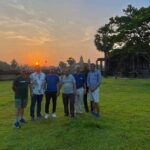
If you only do one Angkor day, you’ll miss the best light. This tour is structured to solve that problem. Day 1 starts with Angkor Wat at sunrise time, and Day 2 saves the cinematic moment for evening at Phnom Bakheng. That timing is exactly what makes Angkor feel different when the air is cooler and the colors shift.
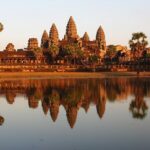
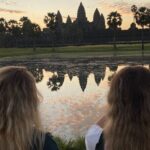
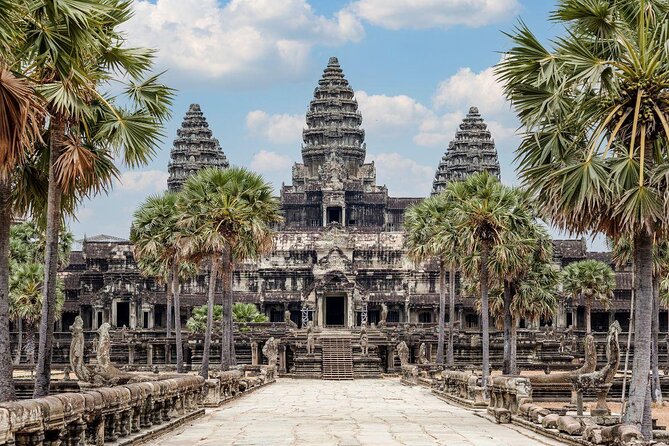
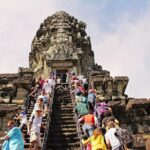
Angkor Wat is the obvious anchor. It’s the massive Hindu temple complex in Cambodia and one of the world’s most recognizable temple sites. Even if you’ve seen pictures before, sunrise changes the whole vibe: you can take in the symmetry and the stonework without heat fatigue pushing you along too fast. It’s also a practical choice. Your guide can help you get your bearings early, so you’re not trying to figure out the site while everyone else is rushing to the same angles.
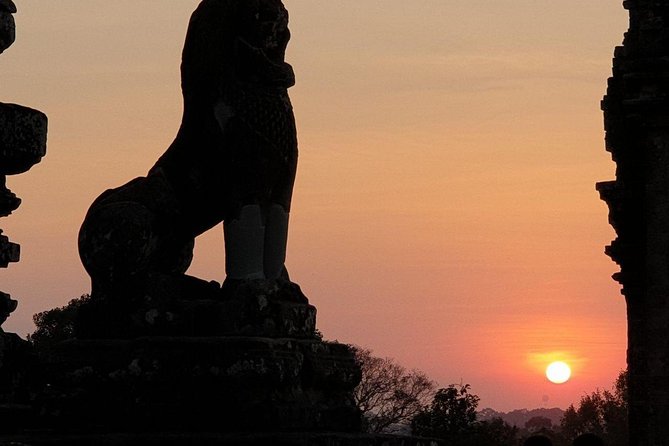
Then there’s sunset. Phnom Bakheng is a temple-mountain experience, and the point of the second day is to be there when the light starts to soften. You’ll be thinking less about schedules and more about the view—temple silhouettes, warm stone, and the sense that Angkor is still working as a spiritual site, not just an outdoor museum.
One more thing I really appreciate: this isn’t just “Angkor Wat and leave.” You also get a strong mix of Angkor Thom temples plus the smaller-circuit stops, which means your two days feel like an actual tour, not a long line of quick photo breaks.
You can also read our reviews of more private tours in Siem Reap
Price and logistics: what $134 really buys you
At $134 per person, you’re paying for a private, guided, two-day temple circuit with hotel pickup and an English-speaking guide. For many people, that’s the core value—having someone who knows how to connect the dots and keep the day moving without chaos.
Here’s the catch: entrance and meals are not included. The tour lists the 3 Days Angkor Pass as $62 per person and notes that breakfast, lunch, and drinks are also not part of the price. So your realistic temple-day budget is your tour price plus the pass, plus whatever you choose to eat each day.
The good news is that the information you’re given is straightforward. You can purchase temple entrance access on the day of the tour just before sunrise, and it says visa cards are accepted. That reduces stress if you arrive and need to handle tickets right away.
Other small items to note:
- Bottled water is included, which helps you stay comfortable in the heat.
- Tipping the guide and driver is recommended, so plan on that as part of the total cost.
- Confirmation is received at booking time, and the tour uses a mobile ticket.
- Cancellation is free up to 24 hours in advance for a full refund.
Also, this is booked about 53 days in advance on average. That’s usually a sign the sunrise/sunset combo is in demand—so if you’re traveling in peak season, lock it in earlier rather than gambling.
Day 1: Angkor Wat, Angkor Thom South Gate, Bayon, Ta Prohm, and the elephant terrace
Day 1 is designed to hit the emotional and visual center of Angkor first, while you’re still fresh enough to enjoy it.
Angkor Wat (about 2 hours)
Angkor Wat is the biggest stop on the first day, and you’ll spend enough time to actually look instead of sprint. The tour describes it as a Hindu temple complex originally dedicated to Vishnu. That matters because it explains why so much of what you see is arranged with meaning—axis, towers, and the way the courtyards and causeways guide your eyes.
Sunrise timing is the key reason to book a two-day sunrise/sunset format. If you’re here in the late morning or afternoon only, you’ll still see the monument—but you’ll miss that calm first light that makes Angkor Wat feel almost unreal.
Angkor Thom South Gate (15 minutes)
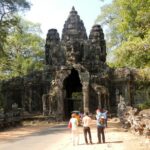
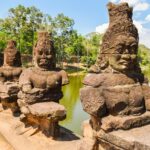
From Angkor Wat you shift into Angkor Thom, the last and enduring capital city of the Khmer empire. The South Gate stop is brief, but it’s the right kind of brief. You get the feeling of entering a city at full scale rather than just wandering between temples.
You can also read our reviews of more evening experiences in Siem Reap

Bayon Temple (about 1 hour)
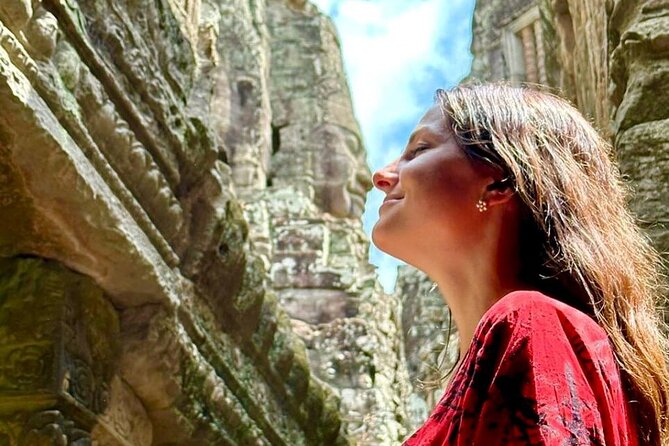
Bayon is described as a richly decorated Khmer temple and built as the state temple of King Jayavarman VII. The centerpiece detail is the face-focused design that makes Bayon so memorable. With the guide, you’ll understand the political and religious role the temple played, not just the eye-catching stonework.
Ta Prohm (about 1 hour)
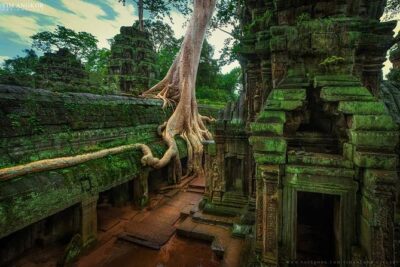
Ta Prohm is one of those temples that instantly looks familiar once you’ve seen it online—thanks to the way roots and stone seem to share the space. The tour notes that it’s in the Bayon style and was originally called Rajavihara. That’s useful context, because it helps you notice how the temple’s elements fit into the larger Khmer architectural story.
Ta Nei (about 40 minutes)
Ta Nei is smaller but interesting. It’s a late 12th-century stone temple near the northwest corner of the East Baray, dedicated to the Buddha. This is one of those stops where the guide can shift your attention from big, iconic structures to the quieter details that make Angkor feel like a whole site, not a checklist.
Terrace of the Elephants (about 15 minutes)
You get a quick hit at the Terrace of the Elephants inside Angkor Thom. It’s listed as free in the itinerary notes, so it’s a nice extra without extra cost. Even in a short visit, it’s a strong transition point—another reminder this place was built for ceremony, processions, and power.
Day 2: Banteay Srei, Preah Khan, Neak Pean, Ta Som, Eastern Mebon, and sunset at Phnom Bakheng
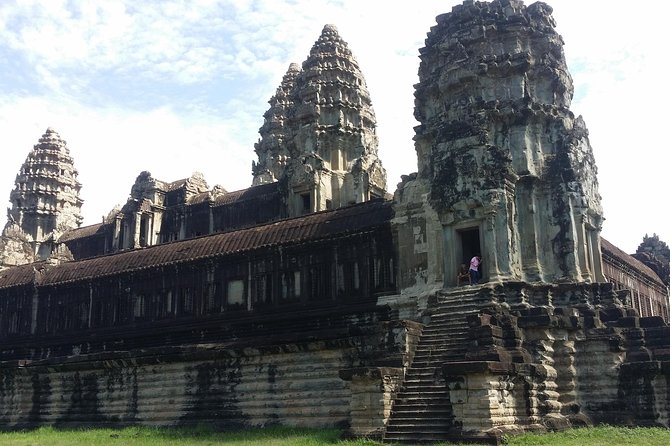
Day 2 leans into the smaller circuit temples and finishes with the sunset payoff.
Banteay Srei (about 2 hours)
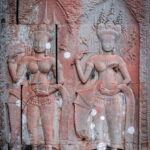
Banteay Srei is a 10th-century temple dedicated to Shiva. You’re given a solid time slot here—about two hours—which matters because this is the kind of place where you want to slow down and actually study carvings and architectural details.
This stop is great for balancing Day 1. After Angkor Thom’s large, monumental feel, Banteay Srei gives you a different scale and a more intricate look.
Preah Khan (about 1 hour)
Preah Khan is built in the 12th century for King Jayavarman VII to honor his father. It’s located northeast of Angkor Thom and near Jayatataka baray. That geographic note helps you understand why it’s part of the circuit: you’re not only hopping between random temples, you’re tracing the Khmer layout and how water and sacred spaces were connected.
Neak Pean (about 30 minutes)
Neak Pean is described as an artificial island with a Buddhist temple on a circular island within Jayatataka Baray. It’s tied to Preah Khan and associated with Jayatataka Baray during Jayavarman VII’s reign. The short time you get here works well. It’s the kind of stop that’s best when your eyes can register the setting quickly.
Ta Som (about 35 minutes)
Ta Som is a small temple built at the end of the 12th century for King Jayavarman VII, dedicated to a Buddha. It’s placed just east of Neak Pean. Because you’re visiting nearby temples back to back, this kind of stop feels like it belongs to the same walking logic, not like a detour.
Eastern Mebon (about 40 minutes)
Eastern Mebon is a 10th-century temple on what was an artificial island in the center of what is now a dry reservoir. That “now dry” detail matters. It gives you a reason to look at the setting, not just the structure. Even if the water isn’t there anymore, you can picture what the site likely felt like when it had its original function.
Phnom Bakheng (about 1 hour)
Your final stop is Phnom Bakheng, a Hindu and Buddhist temple mountain dedicated to Shiva, built at the end of the 9th century during the reign of Yasovarman. This is the end-of-tour sunset position, and it’s the emotional climax. You’ll want to be present for it, because this is where the whole two-day plan starts to click: you went from grand monuments to smaller sacred spaces and now return for the light change that ties it together.
What to do about dress code, sunrise snacks, and temple rules
Angkor is famous, but it’s still a working sacred site. You’re given a clear dress code: cover your shoulders and knees is required, and it says only a real dress scarf is allowed. That matters because it’s easy to show up in shorts and then scramble. Bring a light scarf or long cover-up that you’ll actually use.
Sunrise days are also food days, just not in the normal way. Breakfast is not included, but you’re told that if your hotel includes breakfast, you should request a breakfast pack and enjoy it after sunrise at Angkor Wat. That’s smart. It means you can start the day without spending time later hunting for food.
A couple of extra rule reminders that come straight from the tour info:
- Drones at the temple do not allow. If you have one, you’d need to ask APSARA permission first.
- Temple entrance access is available for purchase on the day just before sunrise, and visa cards are accepted.
These are small details, but they stop the usual travel-day headaches.
Guide and pacing: why private changes how the temples feel
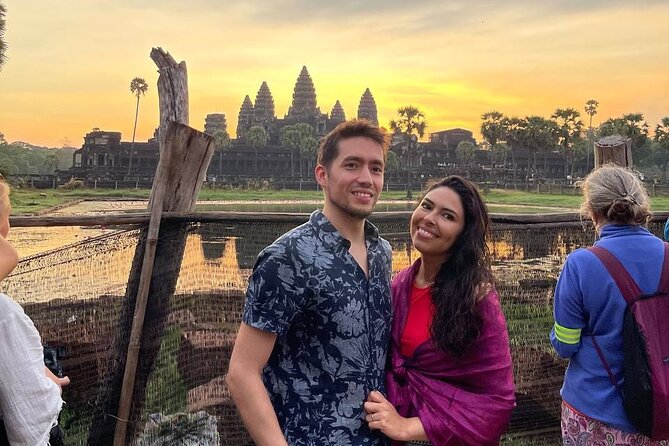
This is a private tour, meaning only your group participates. In practice, that changes three things:
- You get a more natural pace between stops.
- You can ask questions without feeling like you’re slowing everyone down.
- Your guide can adjust to what you want to see more clearly.
The tour includes a professional English-speaking tour guide, air-conditioned transportation, bottled water, and free hotel pickup and drop-off in city hotels. That adds up when you’re dealing with two early starts and a full day of walking and standing.
The included bottled water helps you stay comfortable between temple stops. It’s not a luxury, but it removes one small decision. The A/C van matters too—Angkor days can hit your body with heat and humidity fast, and you’ll appreciate a cool ride between circuits.
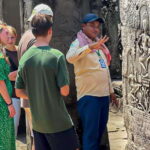
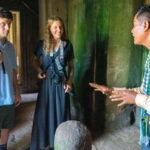
And yes, having a guide like Tann, noted as well prepared and always offering excellent service, is exactly what you want for a two-day itinerary. When you’re seeing five or six major sites a day, the best part is understanding what you’re looking at before you move on.
Is this the right fit for you?
This tour works best if you:
- Want the classic Angkor highlights with sunrise and sunset built in, not tacked on
- Prefer a private plan with an English guide rather than DIY navigation
- Like a balanced mix of major temples (Angkor Wat, Bayon, Ta Prohm) plus smaller-circuit stops (Ta Nei, Neak Pean, Ta Som, Eastern Mebon)
It might feel less ideal if you:
- Hate early mornings and don’t want to deal with sunrise logistics
- Want meals fully included in one price (breakfast and lunch are not included)
- Want to do zero budget math (the Angkor Pass is not included)
Also consider comfort with walking. Even with a vehicle, you’ll spend time inside courtyards and along temple paths. Wear shoes you can stand in for a while.
Should you book this 2 Days Angkor Wat Sunrise and Sunset Private Tour?
I’d book it if you want Angkor to feel like a real experience rather than a rushed sightseeing map. The value is strong because the tour includes the guide, pickup, and the two most important light windows—sunrise at Angkor Wat and sunset at Phnom Bakheng. On a two-day timeline, that kind of structure matters.
But I’d plan your extras before you go. The Angkor Pass cost is listed separately, and meals aren’t included. If you’re okay handling those pieces and you can meet the dress code, you’ll likely get exactly what this plan promises: a concentrated, high-impact look at both major and lesser-visited temples across the Angkor area, with timing that actually makes the stones look different.
FAQ
FAQ
What is included in the tour price?
The tour includes a professional English-speaking tour guide, transportation by air-conditioned vehicle, sightseeing as specified, free pickup and drop-off at city hotels, and bottled water.
Is pickup and drop-off included?
Yes. The tour offers free pickup and drop-off at city hotels.
How long is the tour?
It’s listed as 2 days (approx.).
What entrance fees are not included?
Entrance fee is not included. The tour lists the 3 Days Angkor Pass at $62 per person as an additional cost.
Do I need to pay for breakfast and lunch?
Yes. Breakfast, lunch, and drinks are not included.
Can I buy temple tickets on the day of the tour?
Yes. The information says temple entrance fee can be purchased on the day of the tour just before sunrise.
Are visa cards accepted for temple entrance fees?
Yes. The information provided states temples entrance fee also accept visa cards.
What is the dress code for temples?
You need respectful dress that covers your shoulders and knees. It also says only a real dress scarf is allowed.
Is this tour private or shared?
It’s a private tour/activity. Only your group will participate.
Are drones allowed at the temples?
Drones are not allowed. You would need to ask APSARA permission first, according to the tour notes.