REVIEW · SIEM REAP
Siem Reap: Angkor Full-Day Group Tour with Japanese Guide
Book on GetYourGuide →Operated by Vamos Camboja Turismo · Bookable on GetYourGuide
A Japanese guide turns Angkor into an easy day. You get a Japanese guide who explains what you’re seeing clearly, plus photo-friendly temple angles that save you time hunting for the best spots. One catch: the $50 tour price does not include Angkor Park entrance tickets, so budget a bit more.
I like that the day is built around practical flow. Hotel pickup, cold drinking water, cold towels, and transport (tuk-tuk or A/C van depending on group size) keep the logistics from eating your energy.
If you want more than the “main highlights,” the optional sunrise and the 2-day upgrade are where this tour turns into a really good value.
In This Review
- Key things worth your attention
- Japanese Guide at Angkor: Why It Actually Helps
- Price and the Real Total: $50 Plus Entrance Tickets
- How the Timing Works: Pickup, Heat, and a Built-In Pace
- Your 1-Day Circuit: Ta Prohm to Angkor Wat Without the Chaos
- Ta Prohm: The Jungle Ruin You Came For
- Victory Gate: Quick Photo Stop, Big Mood
- Terrace of the Elephants: Ceremonial Power in Stone
- Baphuon and Bayon: Restored Heights and Smiling Towers
- Srah Srang Break and Lunch Time
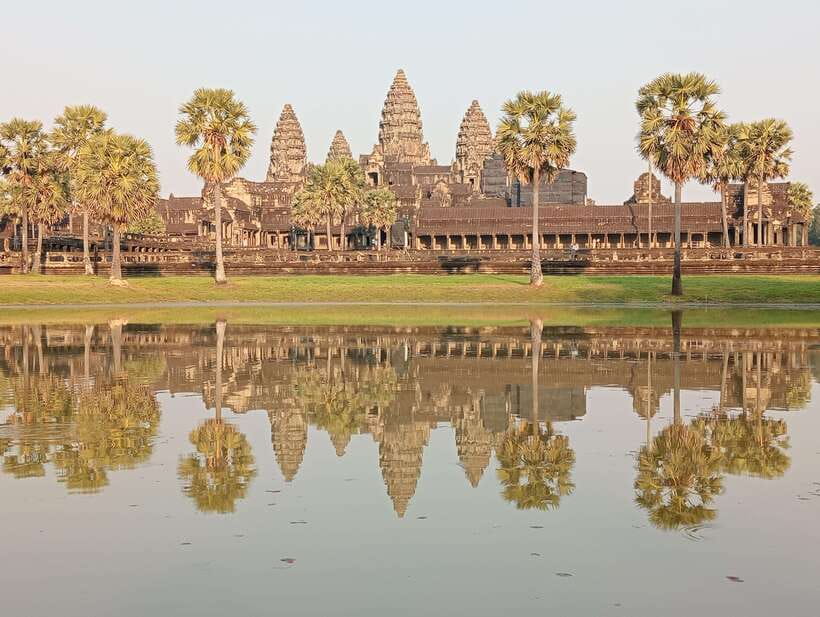
- Angkor Wat: Big Monument, Best Explained
- Optional Sunrise: If You Want the Softer Angkor
- 2-Day Upgrade: Banteay Srei and Beng Mealea Added
- Day 2 Starts at Angkor Wat Before the Crowds
- Pre Rup: Warm Brick Views
- Banteay Srei: Pink Sandstone and Tiny Details
- Lunch Break (Not Included)
- Beng Mealea: Ruin Adventure in the Wild
- Bakong: First Big Pyramid Feel
- Transport Choices That Actually Change Your Comfort
- Dress Code and Temple Rules: Avoid the Last-Minute Problem
- The Stops Work Best Together (and Here’s Why)
- Who Should Book This Tour
- Should You Book This Japanese-Guided Angkor Tour?
- FAQ
- Does the $50 price include Angkor entrance tickets?
- What time is hotel pickup for the 1-day tour?
- If I book the sunrise option, what are the pickup times?
- Is lunch included?
- What temples are included in the 1-day experience?
- What’s included in the 2-day extended option?
- What transportation do we use for small groups?
Key things worth your attention
- Japanese-speaking guides with clear, detailed explanations and a knack for good angles
- A timed temple circuit that mixes big icons with the jungle ruin mood
- Optional sunrise timing for softer light and fewer midday crowds
- Upgrade to add Banteay Srei and Beng Mealea if you can spare a second day
- Small-group or private options plus transport sized to your group
- Comfort touches like cold water and towels during visits
Japanese Guide at Angkor: Why It Actually Helps
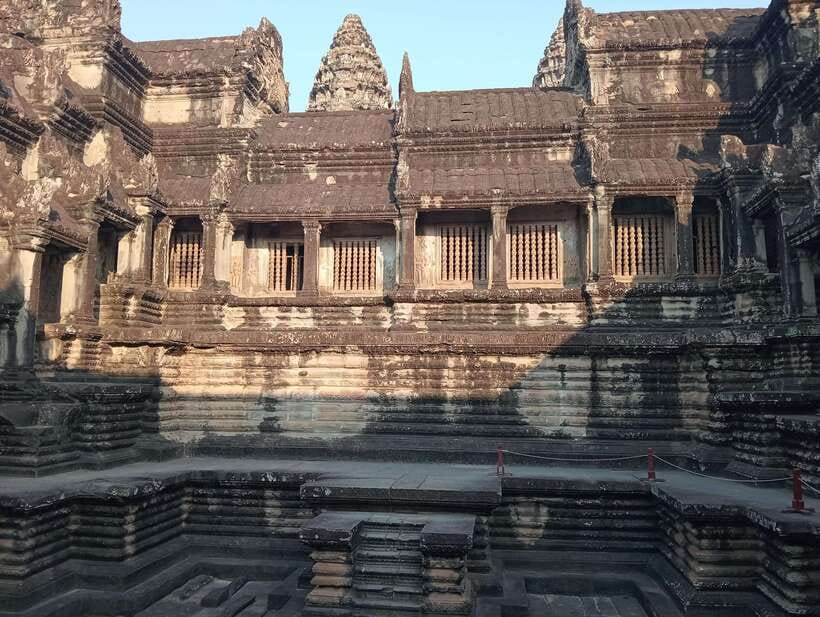
Angkor is famous for being huge, ancient, and full of carvings that reward slow looking. The problem is that most people don’t have time to figure it out on their own. A Japanese-speaking guide fixes that fast.
What I like most is that the explanation isn’t just trivia. The guides focus on how each temple fits into the Khmer world, what you’re seeing on the walls, and what to look for as you move from gate to terrace to tower. And yes, they also help you plan where to stand for photos, which matters at Angkor because everyone gravitates to the same obvious viewpoints.
The names you might hear in practice include Chun and Bun, and both come up for the same reasons: fluent Japanese, careful pacing, and a friendly sense of humor (including light wordplay and jokes). That matters when you’re walking in the heat and trying to remember details instead of just collecting photos.
You can also read our reviews of more guided tours in Siem Reap
Price and the Real Total: $50 Plus Entrance Tickets
This is priced at $50 per person for the tour portion, but the entrance ticket for the Angkor Archaeological Park is extra. The pass is $37 for a 1-day ticket and $62 for a 2–3 day pass, and you buy it separately.
So what’s the value?
- You’re paying for guided visits, hotel pickup, transport, and comfort items (cold water, cold towels).
- You’re also paying for less wasted time, since the tour includes skip-the-ticket-line benefits where available.
When people decide whether it’s “worth it,” the math usually comes down to one thing: do you want context and timing, or do you want to figure it out solo? If you want a guided, organized day with fewer headaches, the added ticket cost still usually feels reasonable.
How the Timing Works: Pickup, Heat, and a Built-In Pace
For the standard day, pickup is from your Siem Reap hotel lobby around 08:30–09:00 in a comfortable vehicle. The day runs about 8 hours, so you’re not doing “all-day suffering.” Still, Angkor isn’t a sit-and-stare museum. You’ll be walking, climbing some stairs, and moving between temple areas.
If you choose sunrise, the schedule changes meaningfully:
- Pickup is 04:30–05:00
- The morning ends around 12:00
- The tour recommends bringing breakfast from your hotel, to enjoy after sunrise
That early start is the trade-off. You get soft morning light and a different feel to the ruins, but you give up sleep and you’ll want to be ready for the darker, cooler morning that slowly turns into warm sun by late morning.
A note on pace: guides can adjust how you walk and how long you linger at viewpoints. That’s a big deal if you’re traveling with older relatives or you just don’t want to feel rushed.
Your 1-Day Circuit: Ta Prohm to Angkor Wat Without the Chaos
Your day is designed as a loop that hits the most demanded stops and then keeps moving, so you’re not constantly backtracking across the park.
Ta Prohm: The Jungle Ruin You Came For
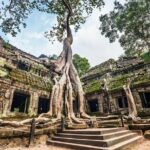
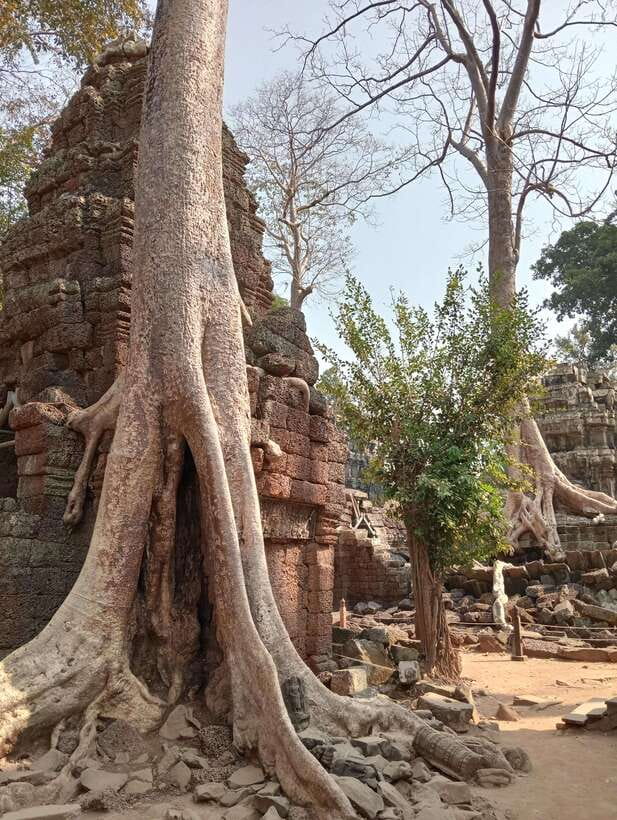
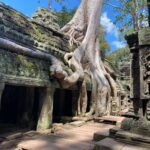
The day typically starts at Ta Prohm. Expect around 1 hour here, with a guided walk through the famous “Tomb Raider” look—ruins entangled with massive tree roots. This is one of those temples where a guide helps you slow down. Instead of just taking pictures of roots, you learn what you’re seeing: how the ruin feels “left alone,” why the framing looks dramatic, and what parts are worth getting close to.
Practical drawback: Ta Prohm is photogenic, so you may see lots of people when you arrive. The good news is that a guide who knows timing and angles can reduce time spent waiting for your turn to shoot.
You can also read our reviews of more tours and experiences in Siem Reap


Victory Gate: Quick Photo Stop, Big Mood
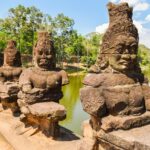
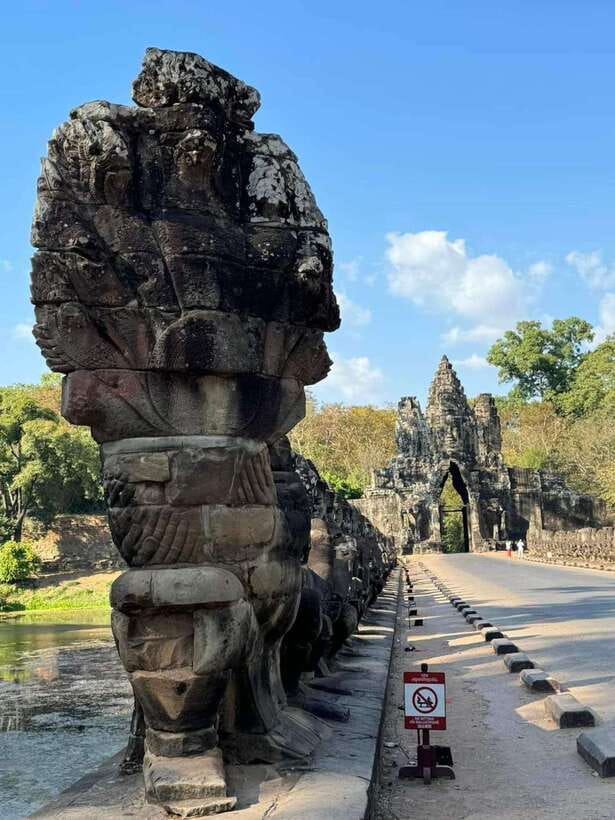
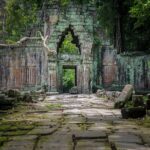
Next is Victory Gate in the Angkor area for a 10-minute photo stop. It’s short on purpose. You’ll get a clean moment for photos, then you move on before you’re stuck in congestion.
Terrace of the Elephants: Ceremonial Power in Stone
Then you head to the Terrace of the Elephants for about 30 minutes. This is a “read the space” kind of stop. You’re looking at a platform that once played a role in royal ceremonies and processions. With a guide, it’s easier to connect the symbolism to what you’re standing in front of.
Baphuon and Bayon: Restored Heights and Smiling Towers
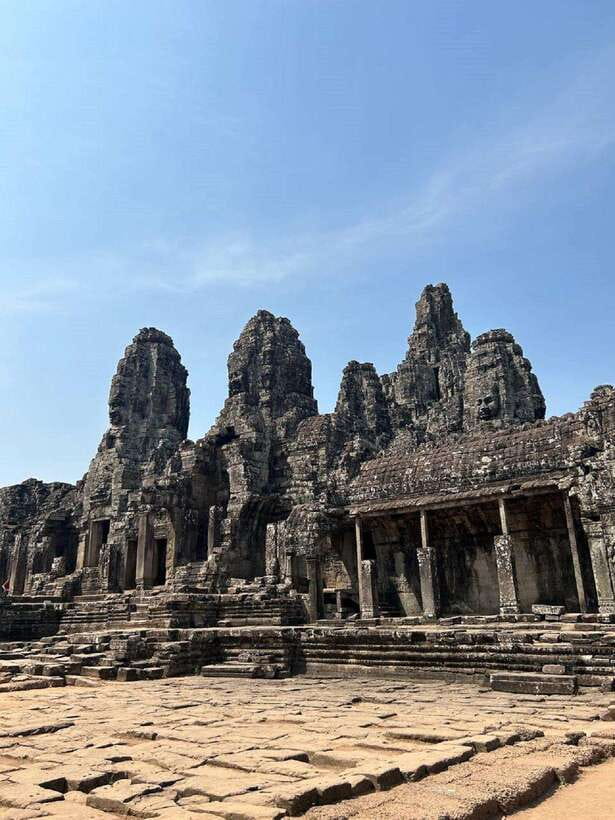
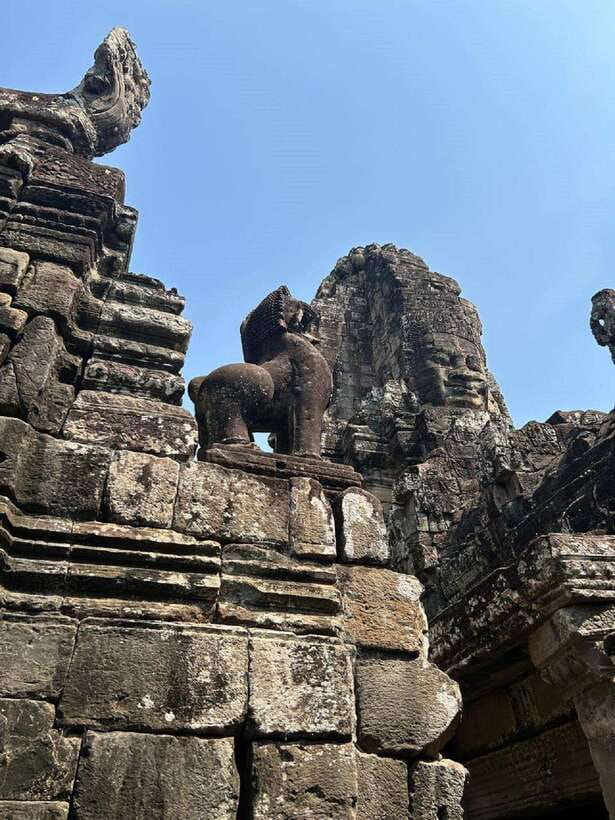
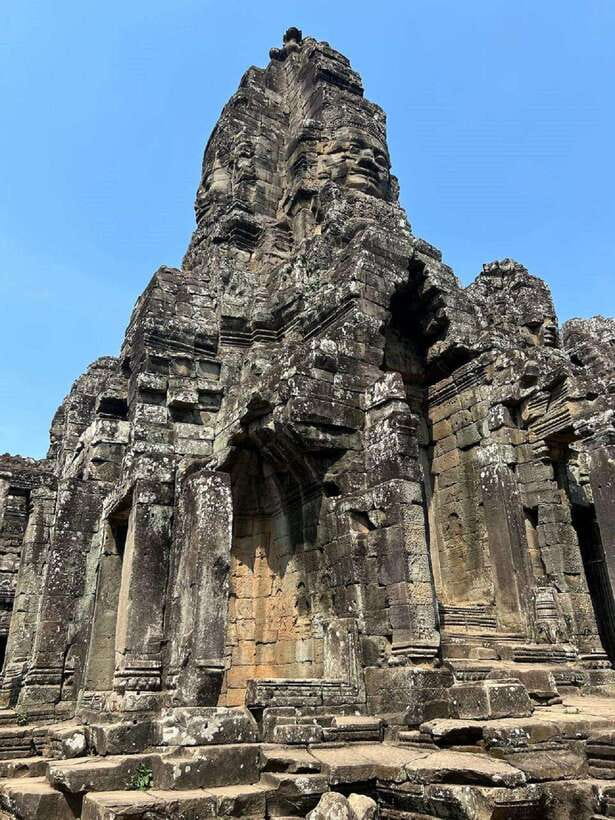
You’ll visit Baphuon for about 30 minutes, which is especially interesting because it’s known for restoration. After that comes Bayon for roughly 45 minutes—the centerpiece of Angkor Thom’s feel, famous for its towers with many stone faces.
Bayon is where Japanese guidance pays off. The guide can point out what to look for and how the temple’s design creates that eerie, watching-from-every-angle feeling that makes people keep staring up.
Srah Srang Break and Lunch Time
You’ll have a break at Srah Srang with about 1 hour for lunch. Lunch is not included, so you’ll be choosing a nearby Cambodian meal during that time. Having a built-in lunch window is helpful because it keeps the day from turning into “Where should we eat?” stress.
Angkor Wat: Big Monument, Best Explained
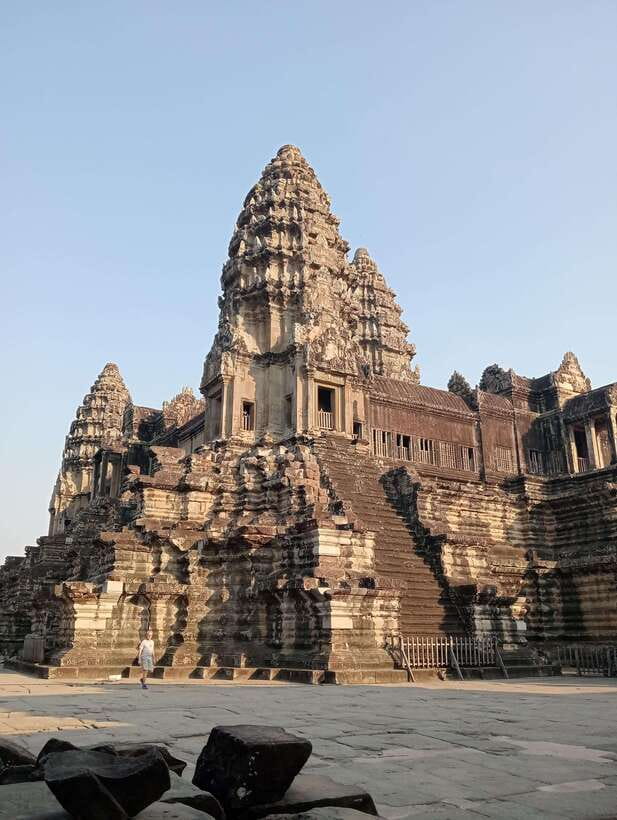
The last major stop is Angkor Wat, typically about 2 hours with a guide. Angkor Wat is the world’s largest religious monument, and it can feel like a maze if you don’t know what you’re looking for.
Here’s why a guide is worth it: the symbolism and art matter, and your guide can connect the layout to meaning. Also, if you’re hoping to photograph it well, you’ll want someone who knows workable viewpoints and the best moments in the late afternoon light.
The tour usually finishes around 16:30–17:00 and returns you to your hotel.
Optional Sunrise: If You Want the Softer Angkor
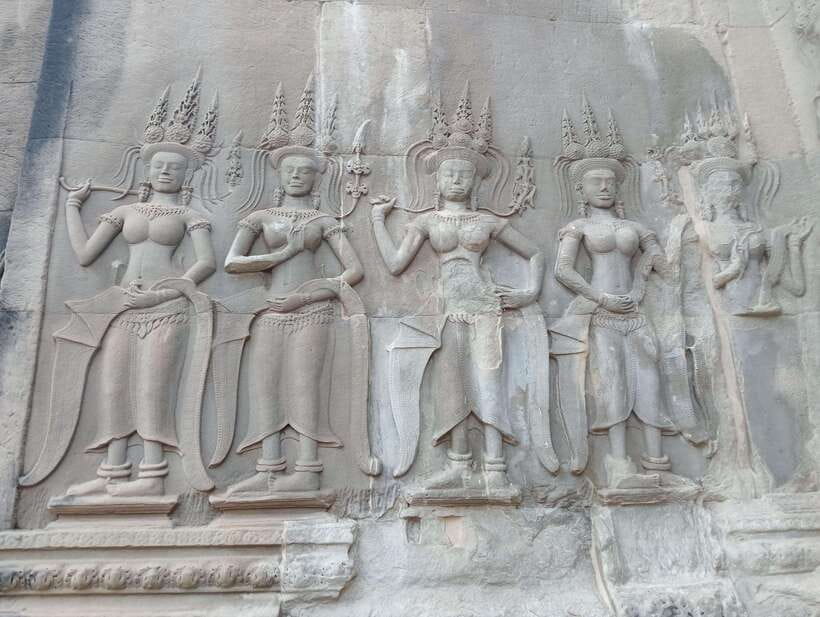
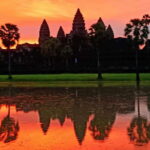
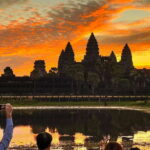
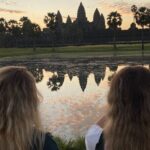
The sunrise option changes the whole experience. Pickup is 04:30–05:00 and the tour finishes around 12:00. The recommendation to bring breakfast from your hotel is practical. You’ll likely start in the dark, and you don’t want to hunt food right after sunrise.
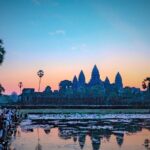
Why do people pay extra for sunrise? Because Angkor looks different at that hour. The colors are gentler. The light helps carvings pop without harsh shadow. And the atmosphere feels less like a photo factory.
If you’re deciding between sunrise and a standard start, I’d choose sunrise if:
- You care about photography and morning light
- You’re okay with early pickup
- You want the day to feel less frantic
If you’re traveling with someone who struggles with early mornings, then the standard route may feel more enjoyable overall.
2-Day Upgrade: Banteay Srei and Beng Mealea Added
If you choose the 2-day option, you get more breathing room and more variety. Day 1 still focuses on the main Angkor highlights. Day 2 pushes deeper into the countryside.
Day 2 Starts at Angkor Wat Before the Crowds
Day 2 begins with sunrise at Angkor Wat with pickup at 05:00. Then you’ll have breakfast after sunrise (again, bring it from your hotel). This is the same logic as the sunrise option: you get the best light and fewer people before the day heats up.
Pre Rup: Warm Brick Views
Next you visit Pre Rup, a 10th-century pyramid temple known for its warm brick and laterite construction. It’s also a “views first” stop because the terraces offer good sightlines over the temple area.
Banteay Srei: Pink Sandstone and Tiny Details
Then comes Banteay Srei, famous for its pink sandstone and very detailed carvings. People call it the Citadel of Women. Even if you don’t know the Khmer titles and stories, a guide helps you slow down because the carvings are where the temple earns its reputation.
One potential drawback: details mean time. If you’re the type who hates standing still, you may want to explicitly ask for pacing that fits you.
Lunch Break (Not Included)
Lunch is not included on Day 2 either. You’ll have time to grab a Cambodian meal before the more adventurous part of the day.
Beng Mealea: Ruin Adventure in the Wild
Next is Beng Mealea, which feels less curated and more wild—large sections taken over by nature. You’ll see collapsed galleries, giant stone blocks, and tree roots. This is the stop many people remember because it feels like stepping into a different kind of Angkor: less polished, more lost-in-time.
Bakong: First Big Pyramid Feel
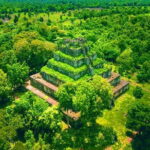
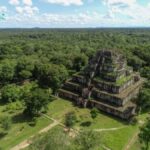
You finish Day 2 at Bakong, described as the first grand stone pyramid temple of the Khmer Empire. The timing is usually late afternoon, with the return drive to your hotel around 14:30–15:00.
The practical upside of the 2-day plan is simple: you’re not trying to cram every emotional high point into one single day.
Transport Choices That Actually Change Your Comfort
Transport depends on your group size and whether you choose private or small-group.
Here’s the practical breakdown:
- For 1–2 participants, you’ll use a tuk-tuk (and for 1-day private, you can choose a car during checkout if available).
- For 3–6 participants, it’s typically an A/C van.
- For larger groups, you may travel by A/C van or bus.
- For private 2-day: it can be tuk-tuk on Day 1 for 1–2 people, then a car on Day 2.
Why you should care: tuk-tuks are fun and flexible, but they’re also more exposed to dust and sun. Vans are cooler and easier for long stretches. Either way, having an included transfer keeps you from fighting with rides between temple zones.
Dress Code and Temple Rules: Avoid the Last-Minute Problem
This is not the place to show up in whatever you slept in. Most temples have rules, and you don’t want to spend your first hour trying to find a scarf.
You can wear a scarf that covers knees and shoulders for temple entry, but the more specific rule is:
- Except for Angkor Wat, you must cover knees and shoulders (trousers/skirts covering knees and shirts covering shoulders).
- Shorts, short skirts, sleeveless shirts are not allowed.
For what to bring:
- Comfortable shoes
- Hat
- Camera
- Insect repellent
- Cash
Also remember that the tour is not suitable for wheelchair users, and it’s not designed for very young babies (under 1 year). People over 95 may find it challenging because of the walking and stairs involved.
The Stops Work Best Together (and Here’s Why)
Angkor can feel repetitive if you only look at the same kind of façade. The tour’s sequence helps because it moves between different “modes” of Angkor:
- Ta Prohm gives you the jungle ruin drama.
- Angkor Thom stops like Bayon and Baphuon shift you to stone faces, towers, and restored grandeur.
- Angkor Wat closes the loop with the grand ceremonial center, where symbolism and layout matter.
That mix is also a value play. Instead of paying for just one icon, you get several top stops in one day, with time for a guide-led explanation that makes each one easier to understand.
Who Should Book This Tour
This tour fits best if you want:
- A Japanese-speaking guide who can explain context in a way you can actually absorb
- A day with clear timing so you don’t waste energy figuring things out
- Photo guidance at the major viewpoints
- The option to go deeper with a 2-day upgrade (Banteay Srei and Beng Mealea)
It may not fit if:
- You need wheelchair access
- You hate walking and climbing stairs
- You strongly prefer total freedom with no set route (this tour is structured)
Should You Book This Japanese-Guided Angkor Tour?
If you’re visiting Siem Reap and you want Angkor to feel understandable, not just impressive, I’d say book it. The big reason is the guide quality and the way the day stays organized: hotel pickup, transport sized to your group, cold water and towels, and a guided temple flow that gets you to the right spots without wandering.
The biggest “yes, but” is the ticket cost. Budget for the Angkor Park pass on top of the $50 tour price. If that’s okay for you, this is a strong way to see the highlights with real context—and optional sunrise or the 2-day extension if you want extra payoff.
If you’re on the fence, choose based on how you travel:
- One day is great if you’re tight on time and want the core temples.
- Two days is worth it if you want less rushing and more variety, especially Banteay Srei and Beng Mealea.
FAQ
Does the $50 price include Angkor entrance tickets?
No. The Angkor Archaeological Park pass is not included. It costs $37 for a 1-day ticket and $62 for a 2–3 day pass and must be purchased separately.
What time is hotel pickup for the 1-day tour?
Pickup is from your hotel lobby between 08:30 and 09:00.
If I book the sunrise option, what are the pickup times?
For sunrise, pickup is between 04:30 and 05:00, and the tour finishes around 12:00.
Is lunch included?
Lunch is not included. You’ll have time for lunch during the day, but you’ll pay for your meal.
What temples are included in the 1-day experience?
You visit Ta Prohm, Victory Gate photo stop, Terrace of the Elephants, Baphuon, Bayon, Srah Srang break, and Angkor Wat.
What’s included in the 2-day extended option?
Day 2 adds Pre Rup, Banteay Srei, Beng Mealea, and Bakong, along with a sunrise at Angkor Wat.
What transportation do we use for small groups?
For 1–2 participants, it’s a tuk-tuk (or a car option may be available during checkout). For groups of 3–6, it’s typically an A/C van or bus depending on the option and group size.