REVIEW · SIEM REAP
2-Days Tour (The Best Historical of Khmer Empire)
Book on Viator →Operated by Hidden Angkor Tour · Bookable on Viator
Ancient stones, big stories, and a tight schedule. This 2-day private Khmer Empire tour is designed to move you through the most important sites around Siem Reap without wasting time, with an English-speaking guide, air-conditioned transport, and cool waters plus wet towels when the heat hits. You’ll also catch sunset from Pre Rup over the countryside, then follow with the early Khmer capital sites around Hariharalaya on Day 2.
What I like most is the pace: early starts, short museum-style stops, and then just enough time at each temple to understand what you’re looking at. I also like the hands-on human side of the trip, with time at Artisans Angkor to see craft training tied to real jobs. The one thing to plan around is cost creep: the Angkor Archaeological pass is not included, lunch isn’t included, and you’ll need to follow a strict temple dress code (shoulders covered and below the knees).
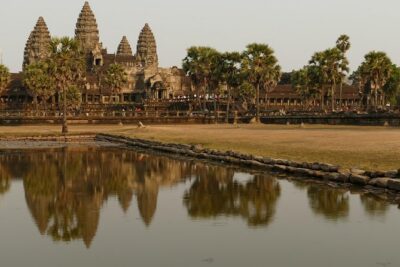
If you’re hoping to see the big names like Angkor Wat and Ta Prohm plus a stack of Angkor Thom temples, this is a well-structured way to do it in two days—especially if you’re traveling with family or want a guide who can answer questions on the spot, not just point and move on.
In This Review
- Key highlights you should actually care about
- Why This Two-Day Khmer Empire Tour Works So Well
- Day 1: Angkor Thom’s Stone Faces to Pre Rup Sunset
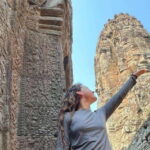
- Bayon and the face towers
- Baphuon and the Shiva connection
- Terrace of the Elephants and Terrace of the Leper King
- Forested towers and the royal palace center
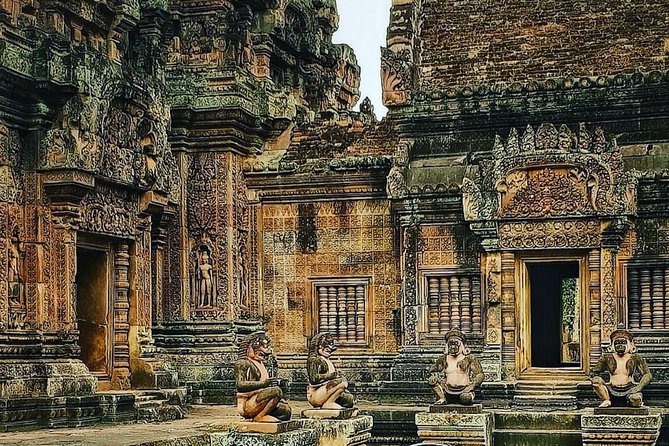
- Banteay Srei: delicate carvings at a higher-relief speed
- Banteay Samre: the calmer contrast
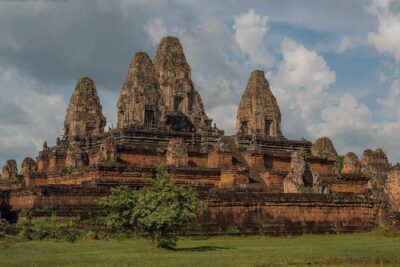
- Pre Rup at sunset: false doors and big views
- Day 2: Angkor Wat, Ta Prohm, and the Hariharalaya Early-Capital Stops
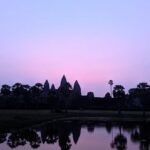
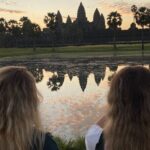
- Angkor Wat in the morning
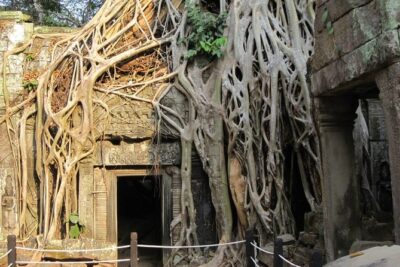
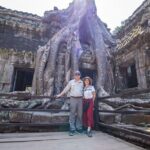
- Ta Prohm: tree-in-temple energy
- Bakong and the Roluos Group intro
- Lolei: island-temple ruins in a dry Baray
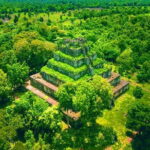
- Preah Ko: Sacred Bull and early Hariharalaya
- Art Break: Old Market and Artisans Angkor
- Psar Chaa (Old Market) for practical browsing
- Artisans Angkor: craft training with a clear purpose
- Price and Logistics: Is $145 Good Value?
- Practical Tips That Make Temple Days Go Smoothly
- Dress code: shoulders and knees matter
- Expect some walking, but routes are managed
- Heat and sun protection
- Protect your electronics
- Lunch is on your own
- Who This Tour Fits Best (and Who Might Want More Time)
- Should You Book This 2-Day Khmer Empire Private Tour?
- FAQ
- Is the Angkor Archaeological site entrance pass included?
- Do I get picked up from my hotel?
- Is lunch included?
- What does the price include?
- What dress code should I follow for temples?
- Is this tour private or shared with other people?
Key highlights you should actually care about
- Private feel with a pro driver: English guide, air-conditioned vehicle, and comfort touches like cool water and wet towels.
- Angkor Thom in full focus: Bayon, Baphuon, and the long carved terraces inside the royal city walls.
- Pre Rup sunset option: false-door carvings up close, plus a classic viewpoint when the sky cooperates.
- Tree-temple photography at Ta Prohm: jungle-growth drama without feeling rushed through the whole place.
- A break from temples: Psar Chaa (Old Market) for souvenirs and Artisans Angkor for craft training you can visit.
Why This Two-Day Khmer Empire Tour Works So Well
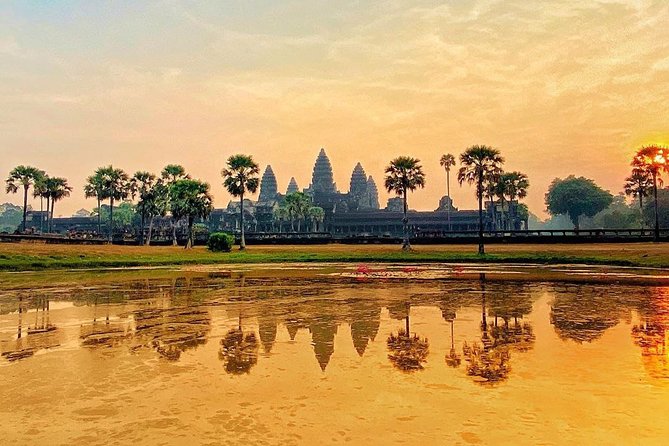
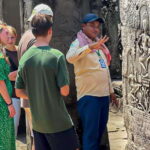
Angkor is huge, and in Siem Reap the biggest risk isn’t just missing a sight—it’s spending your precious daylight lost in logistics. This tour is built to keep you in motion with a licensed English-speaking guide and a private driver who handles the driving while you focus on the places. The result is a trip that feels structured rather than chaotic.
It also gives you a nice mix of “wow” and “why.” You get signature landmarks like Angkor Wat, but you also spend time inside Angkor Thom—where the stone faces, layered terraces, and royal-palace remains help you understand how Khmer power was staged and celebrated. That context matters when you’re standing in front of carved doors and towers that look impressive but might feel like random stone if nobody explains the meaning.
And yes, you’ll still have the classic temple moments—Pre Rup’s view at sunset and the famous trees at Ta Prohm—but you’ll see them in a logical route, not as disconnected hits.
You can also read our reviews of more historical tours in Siem Reap
Day 1: Angkor Thom’s Stone Faces to Pre Rup Sunset
Day 1 is all about Angkor Thom, the walled royal city, plus a stop outside it for Banteay Srei and Banteay Samre, then a chance to end with sunset at Pre Rup. It’s a full day, but the stops are timed in a way that keeps you from staring at one place until your brain turns into toast.
Bayon and the face towers
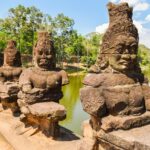
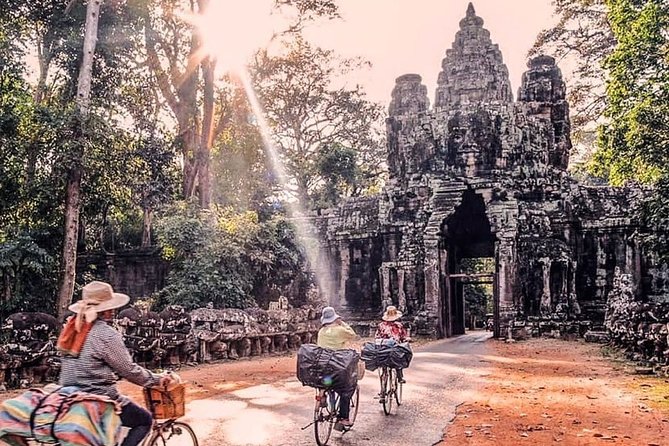
You start with Bayon, the temple known for the giant stone faces. The guide time here is long enough to let you notice details—those 37 standing towers and the repeating face motif that became one of the most recognizable images of classic Khmer art. If you only saw Angkor Wat, Bayon would still be the extra credit. It’s the one that helps you connect the city’s identity to what Khmer rulers wanted people to remember.
A practical note: Bayon can feel like a lot of stairs and angles, so wear grippy shoes and don’t try to outsmart the uneven surfaces. The tour notes that walking is involved, even if routes from entrances are kept comfortable.
Baphuon and the Shiva connection
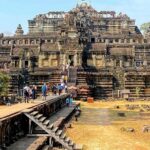
Next comes Baphuon, described as a three-tiered temple mountain built as the state temple of Udayadityavarman II and dedicated to Shiva. This is where the “religion layers” show up: even if you’re not a religion-history person, it helps to understand what the carvings and structure were meant to represent.
It’s a shorter stop than Bayon, but enough to pick up on how Angkor’s architecture worked—towering levels, Hindu symbolism, and the feeling that the builders planned for dramatic visibility from multiple angles.
Terrace of the Elephants and Terrace of the Leper King
Then you hit the two terraces inside Angkor Thom: Terrace of the Elephants and the Terrace of the Leper King.
- At the Elephant Terrace, the big moment is the long wall of carvings—around 300 meters—with elephants and garudas. This is the kind of place where you start by looking at one section and then realize the entire wall is the artwork.
- The Leper King Terrace is named for the status of the figure sitting on top, and the carvings involve mythological characters like nagas and demons. Even if you don’t catch every name, you’ll feel the storytelling in the repeated patterns.
If you like archaeology because it’s basically “ancient interior design,” these two terraces will make you smile.
You can also read our reviews of more tours and experiences in Siem Reap


Forested towers and the royal palace center
After that, Day 1 threads in smaller but memorable stops:
- Preah Palilay: a sandstone and laterite tower in a cool, shaded forest setting, with Buddhist-themed carvings on the eastern gopura.
- Phimeanakas: a pyramid-style Hindu temple built in the 10th century, located in the center of the old Royal Palace of Angkor Thom, visited together with the ancient royal enclosure wall.
These are shorter visits, but they’re useful because they break up the “one big temple after another” feel. They also help you understand that Angkor Thom wasn’t only about grand ceremonies—it included sacred spaces tied to the royal center.
Banteay Srei: delicate carvings at a higher-relief speed
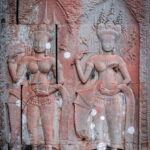
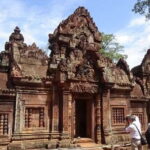
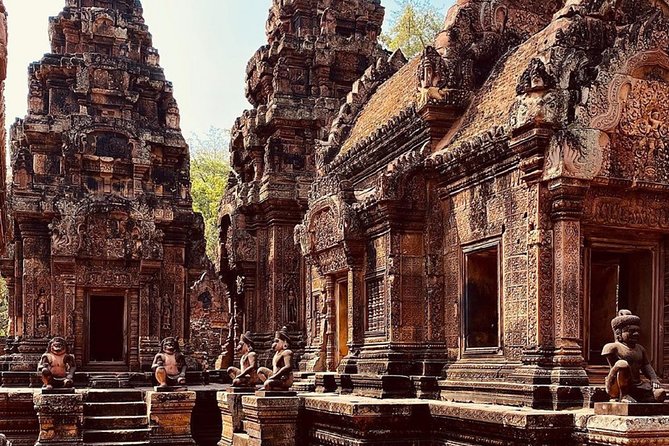
In the afternoon, you go to Banteay Srei, often translated as the citadel of women. The emphasis here is the delicate carvings, which is exactly what you want when your mind is tired of massive stone faces. This is one of those temples where even a quick walk-through turns into a slow look, because the details reward patience.
Banteay Samre: the calmer contrast
Then it’s Banteay Samre, described as a large, flat temple with Angkor Wat-style architecture and artistry, plus a legend tied to a farmer who made a fatal mistake (the naming story is part of why the tour includes this stop). This site is a good contrast after the heavier, denser feel of Angkor Thom.
Pre Rup at sunset: false doors and big views
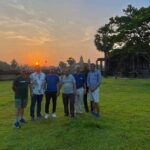
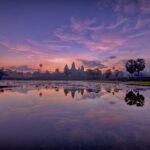
Finally, you have the option for sunset at Pre Rup. The tour frames Pre Rup as architecturally and artistically superior, with false doors on the upper level and excellent views of the surrounding area. This is where you benefit from the earlier planning: you’re not just arriving at random time. You’re positioned for the classic light that makes temple silhouettes look like real-time movie sets.
Bring sunscreen anyway, even if it’s cloudy. The tour guidance is blunt about that: sunrays still burn.
Day 2: Angkor Wat, Ta Prohm, and the Hariharalaya Early-Capital Stops
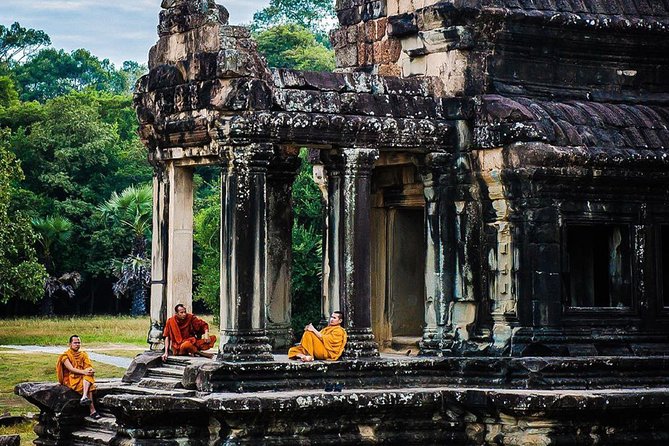
Day 2 shifts from the royal-city blocks to two iconic “must-see” temples and then into the earlier Khmer capital area around Hariharalaya. The payoff is feeling like you’re seeing the Khmer story in chapters, not just in separate postcard locations.
Angkor Wat in the morning
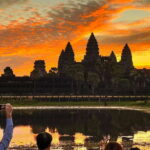
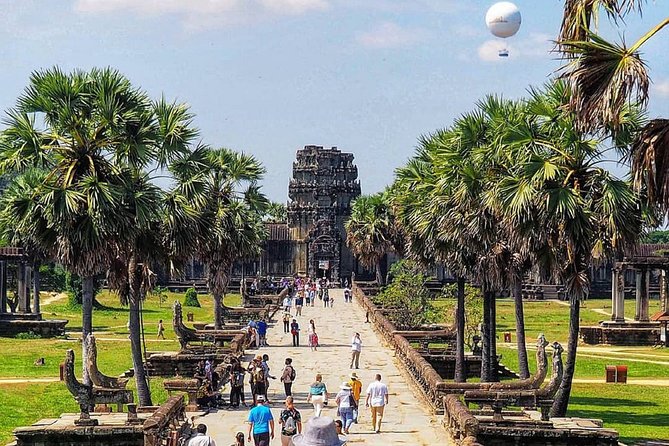
You start with Angkor Wat, with a longer visit time—enough to take in the decorative details and the architecture style that makes it so famous. This is the place where scale hits first, and meaning second. With a guide, you’re more likely to notice how the temple is organized rather than just gawking at the front.
Practical tip: this is a “move carefully” day. Paths can be crowded and surfaces aren’t always even. Start early so you can enjoy it before the heat ramps up.
Ta Prohm: tree-in-temple energy
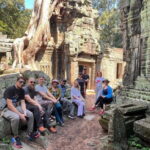
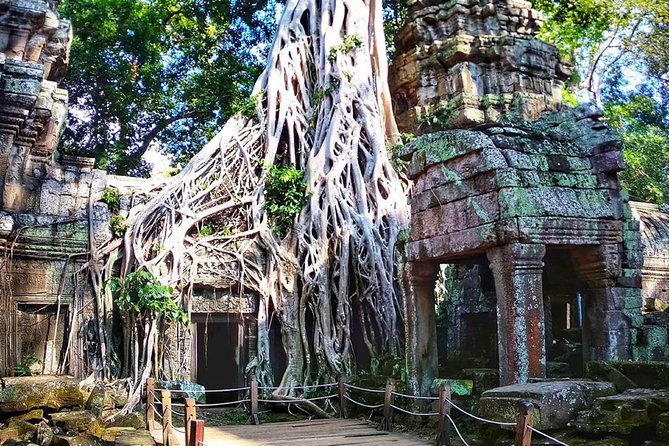
Next is Ta Prohm, described as a quiet, sprawling monastic complex only partially cleared of jungle overgrowth. This is where you get some of the best “tree-in-temple” photo setups. The point isn’t only photos, though—Ta Prohm changes the mood. The stone feels older and more fragile here, with growth reclaiming space.
If you like photography, you’ll get your shots. If you don’t, you can still enjoy the visual drama and the way the guide can explain what you’re seeing without turning it into a lecture.
Bakong and the Roluos Group intro
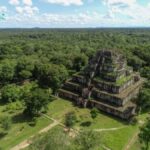
Then you head to the Roluos Group, starting with Bakong. It’s described as the most impressive member of that group, sitting at the center of the first Angkorian capital, and noted as the first temple mountain constructed by sandstone under rulers of that early period. If Angkor Wat is the headline, Bakong helps with the context. It’s the “how it started” feeling.
Lolei: island-temple ruins in a dry Baray
After Bakong comes Lolei, an island-temple built in the middle of a now dry Baray Indratataka, tied to the first large-scale Baray constructed by a Khmer king. Even if the water is gone now, the shape of the place still tells you how Angkor controlled water and space.
Lolei is a shorter stop, but it’s smart: you see what a baray-based temple landscape feels like without spending your whole day chasing one spot.
Preah Ko: Sacred Bull and early Hariharalaya
You end the morning’s temple flow with Preah Ko, part of the early Khmer capital of Hariharalaya. It’s identified as a first major temple of the empire, and the tour notes the Sacred Bull link. Again, this is context-building. You’re not only seeing famous architecture—you’re seeing how earlier sites fed into the later, grander temple era.
Art Break: Old Market and Artisans Angkor
After temples, the tour brings you into everyday Siem Reap life with Psar Chaa (Old Market) and then Artisans Angkor.
Psar Chaa (Old Market) for practical browsing
Psar Chaa is described as the old market with a deep selection of souvenirs and curios. The tour also notes there are vendors across the market, so you can compare before buying. If you need gifts, this is where you can handle that in one neat block rather than hunting around later.
Keep your expectations realistic: markets are for browsing and negotiating, not quiet contemplation. This stop is more about buying smart than taking in history.
Artisans Angkor: craft training with a clear purpose
Then there’s Artisans Angkor, described as a training ground for unschooled rural youth in skills that allow them to make a living from handicraft production. Even if you’re not shopping, this visit gives your trip a human layer. You’re seeing the modern side of how skills and income can connect to tourism and heritage.
It’s also a nice break from heat and walking-heavy stone corridors.
Price and Logistics: Is $145 Good Value?
At $145 per person for a 2-day private tour, you’re paying for more than transportation. You’re paying for:
- a private driver with an air-conditioned vehicle
- an English-speaking guide
- cool waters and wet towels
- taxes and service charges
The pass for the Angkor Archaeological site is not included. That’s the big “watch this” item. If you’re comparing prices, make sure you price in the Angkor pass and remember lunch is excluded, so you’ll need to budget for meals and drinks on your own.
Still, the value can be strong if you want a guided route rather than self-driving your own temple puzzle. Two full temple-heavy days with a guide and comfort support is exactly the kind of setup that reduces stress. And stress is expensive in a place like Angkor, because one wrong turn can steal an hour you won’t get back.
If you’re the type who likes to ask questions while standing in front of the evidence, a private guide is usually the smartest spend.
Practical Tips That Make Temple Days Go Smoothly
A few things are clearly part of the experience design, and if you plan around them, the day feels easier.
Dress code: shoulders and knees matter
Some temples and palaces have a strict dress code. You need clothes that cover your shoulders and fall below your knees. If you show up in shorts and a tank top, you can get stopped at the gate. I’d rather plan for this than gamble.
Expect some walking, but routes are managed
The tour notes that some walking is required. The good news is that they aim to take the most comfortable ways from the entrance to each sight. Wear shoes you can trust on uneven ground.
Heat and sun protection
The guidance is straightforward: bring sunglasses, a hat/cap, and high SPF sunblock. Even if it’s cloudy, sunrays are strong in Siem Reap. Also, the cool waters and wet towels help, but you still need your own basic sun prep.
Protect your electronics
Natural elements can affect electronic equipment. If you’re filming or photographing, keep your devices protected from humidity and the way weather can shift suddenly.
Lunch is on your own
Lunch is excluded, so you’ll want a plan for where to eat that fits the schedule. If you prefer predictable meals, consider keeping lunch flexible near your route rather than insisting on a specific restaurant.
Who This Tour Fits Best (and Who Might Want More Time)
This tour is a great match if you want:
- a structured route that covers major Angkor highlights in two days
- a guide to explain what you’re looking at, including royal-city details in Angkor Thom
- a sunset viewpoint option at Pre Rup
- a mix of temples plus Old Market and Artisans Angkor
It may feel tight if you want slow, long “wandering” time inside each temple, or if you’re the kind of person who needs full hours to absorb one spot. Two days covers a lot, and some temples are intentionally shorter so you can hit the most important pieces.
If you’re visiting for the first time and you want a meaningful overview of the Khmer Empire with a route that makes sense, this does the job. If you already know Angkor intimately and want deeper off-the-beaten-path exploration, you might look at adding extra days.
Should You Book This 2-Day Khmer Empire Private Tour?
I’d book it if you want a high-coverage Angkor circuit with an English-speaking guide, private transport, and a schedule built around key sites like Bayon, Angkor Wat, Ta Prohm, and the Hariharalaya early-capital stops. You’ll also like the practical comfort support—cool water and towels make a difference when you’re moving through temples all day.
I’d think twice if you don’t want to handle extra costs for the Angkor Archaeological pass, or if you’re determined to skip the dress-code requirement. Also, because lunch is on your own, plan for meals so you don’t end up hungry and cranky mid-temple.
If your goal is to see the famous stuff and understand it at the same time, this tour is a strong, sensible way to spend two days in Siem Reap.
FAQ
Is the Angkor Archaeological site entrance pass included?
No. The tour does not include the entrance pass to the Angkor Archaeological site. You buy it at the main gate, and it gives access to sights in and around Angkor. You must keep the pass visible at all times.
Do I get picked up from my hotel?
Pickup is offered, and the return transfers apply only for customers staying in and inside Siem Reap.
Is lunch included?
No. Lunch is excluded, so you arrange meals on your own.
What does the price include?
The price includes transportation by air-conditioned vehicle with a professional driver, an English-speaking guide, cool waters and cool wet towels, and all applicable taxes and service charges.
What dress code should I follow for temples?
You need to dress appropriately: cover your shoulders and wear clothes that fall below your knees. Some temple and palace areas enforce this strictly.
Is this tour private or shared with other people?
This is a private tour/activity. Only your group participates.