REVIEW · SIEM REAP
Angkor Wat Cycling Tour
Book on Viator →Operated by Easy Angkor Trip · Bookable on Viator
Pedaling beats crowds at Angkor. I love that this ride uses dedicated, safer cycling paths to help you avoid the worst congestion, and I love how it threads through jungle edges and backroads for a closer feel of Angkor’s real setting; one key consideration: the Angkor Temple Pass is not included and costs $37 per person.
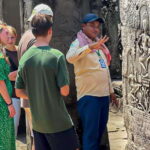
This is a relaxed, flexible day built around a morning start from your hotel, with pickup and drop-off included, plus cold water and a mountain bike with a helmet. I also like that you’re not stuck in a huge herd—this is a private tour limited to your group, led by English-speaking guide Mr K, who can match the cycling pace to what you want that morning.
Plan on about 6 to 8 hours total. Expect to see major temples like Angkor Wat and Bayon, along with smaller stops that are easier to enjoy when you’re rolling between them instead of constantly pausing for tuk-tuk transfers or long walks.
In This Review
- Key things to know before you book
- Why this Angkor Wat cycling loop feels more personal
- Price and the Angkor Temple Pass math
- Your morning start: 7:30 am pickup and a relaxed 6 to 8 hours
- Angkor Wat first: the 12th-century centerpiece and what you’ll do there
- Bayon Temple and the 54 towers: Buddhist Angkor Thom energy
- Chau Say Tevoda: a quick stop that adds texture
- Ta Prohm: jungle galleries and a slower 2-hour moment
- Ta Nei and the East (Death) Gate: smaller stops with real payoff
- Bikes, helmets, and real riding comfort in Siem Reap heat
- Who this tour suits best (and who might want a different style)
- Should you book this Angkor Wat cycling tour?
- FAQ
- Do I need to buy an Angkor Temple Pass for Angkor Wat?
- What’s included in the price?
- What time does the tour start?
- How long is the tour?
- Is this tour private?
- Which temples have free admission on this route?
- Is cancellation free?
- Is there an option for a mobile ticket?
Key things to know before you book
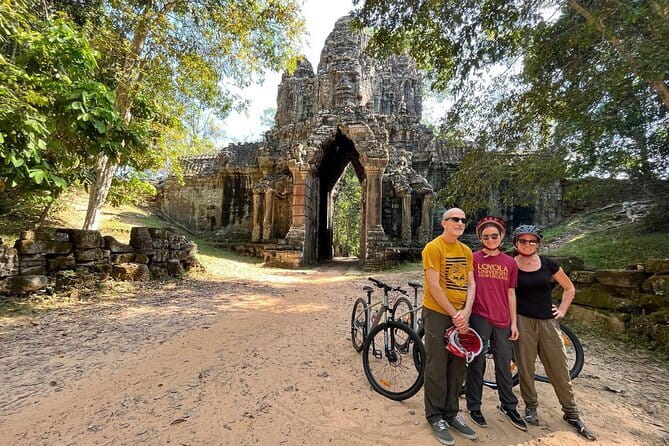
- Hotel pickup at 7:30 am makes it simple to start your day early
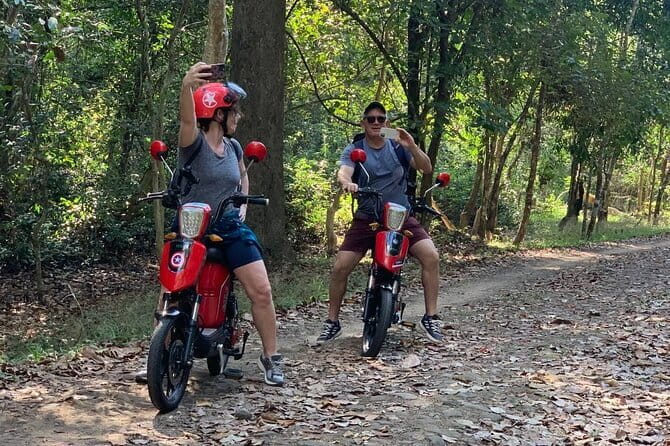
- Quality bikes + helmets help you feel confident on the roads and paths
- Mr K can adjust the ride length so the day fits your comfort level
- Angkor Wat needs the $37 pass; several other stops are free to enter
- A private group only means less waiting and more time at the places you care about
- Cold drinking water included keeps the morning ride from turning into a sweat marathon
Why this Angkor Wat cycling loop feels more personal
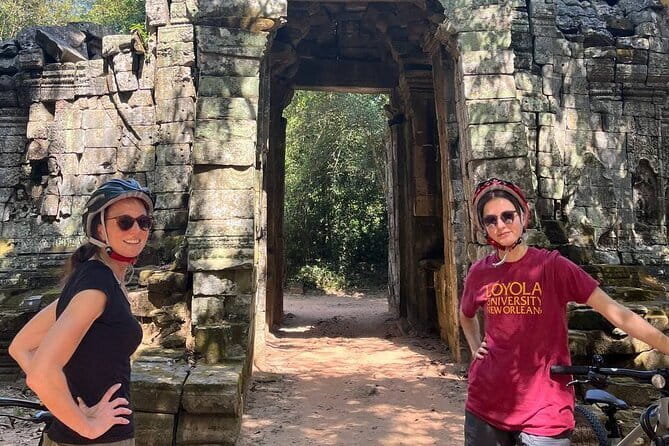
Angkor by bike changes your rhythm. Instead of hopping off and on vehicles, you’re in motion—slow enough to look around, steady enough to cover ground without draining your legs before noon.
The big idea here is that cycling lets you get closer to what’s around the temples. Jungle growth, trees, and the backroad feel become part of the experience, not something you just pass at the edge of a window. The tour also aims to keep you on routes designed for safety, which matters because Angkor days can get hectic.
I also like the “choose your day” feel. You’re not forced into a sprint. The ride is described as leisurely, and the guide can accommodate how much cycling you want. That flexibility is huge when you’re balancing temple time, photos, and how hot your body is handling the day.
You can also read our reviews of more cycling tours in Siem Reap
Price and the Angkor Temple Pass math
The tour price is $45.00 per person, which covers the guided cycling day—English-speaking guide, pickup and drop-off, cold drinking water, and the bike + helmet.
Here’s the one extra cost that can surprise people: the Angkor Temple Pass for Angkor Wat is $37 per person and is not included. That means your real all-in cost is closer to $82 per person if you plan to visit Angkor Wat as part of the route.
A useful way to judge value: several temples on this route are listed as free (Bayon, Chau Say Tevoda, Ta Prohm, Ta Nei, and the Bayon East Gate). So even though Angkor Wat pass is an added expense, you’re not paying separate entry fees for every stop on the day. The bike portion also adds value—this is not just a walking tour with a bike stuck in the corner.
If you’re already paying for an Angkor pass anyway, this becomes even better value. If you’re trying to keep costs super tight, the pass is the one line item you need to plan for.
Your morning start: 7:30 am pickup and a relaxed 6 to 8 hours
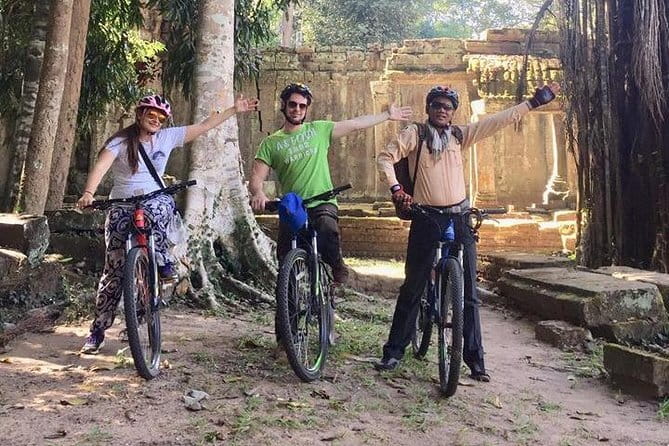
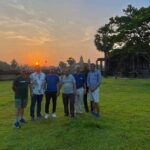
You start from your hotel at 7:30 am. This matters more than it sounds. Early morning gives you a better chance to enjoy temples at a more comfortable pace, and it helps you avoid the worst crush later in the day—especially important at the most famous sites.
The day is designed to run about 6 to 8 hours. That’s long enough to get real temple time, plus cycling breaks, but not so long that you feel wrecked by mid-afternoon.
You’ll also have pickup and drop-off, so you don’t have to worry about organizing transport between temples or back to town. And since you’re on a private setup, you don’t spend your morning waiting around for other groups to finish their pictures.
Angkor Wat first: the 12th-century centerpiece and what you’ll do there
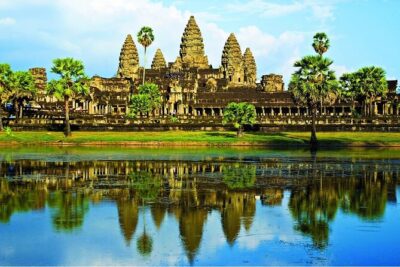
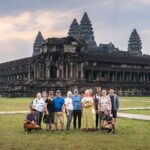
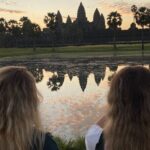
Angkor Wat is the headline stop. You’ll spend about 2 hours there, with the note that admission is not included because you’ll need the Angkor Temple Pass.
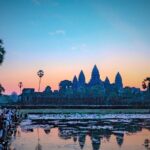
Angkor Wat was built in the 12th century, between 1113 and 1150, during the reign of Suryavarman II. It rises about 65 meters high, and the temple is surrounded by large walls and a broader sacred layout—so even if you’ve seen photos, being there in person is a different feeling. You get space to orient yourself and to understand why this site anchors the whole Angkor complex.
What I like about starting here on a bike day: you get your “big moment” early, when your energy is highest, and you’re not deciding on your feet later whether to rush or slow down. A bike day can also make the rest of the circuit easier because you’re not over-walking before you even hit the smaller temples.
Main consideration: because Angkor Wat requires that pass, build it into your budget and keep your schedule clean. Don’t plan this tour as a last-minute add-on if you’re still figuring out entry tickets.
Bayon Temple and the 54 towers: Buddhist Angkor Thom energy
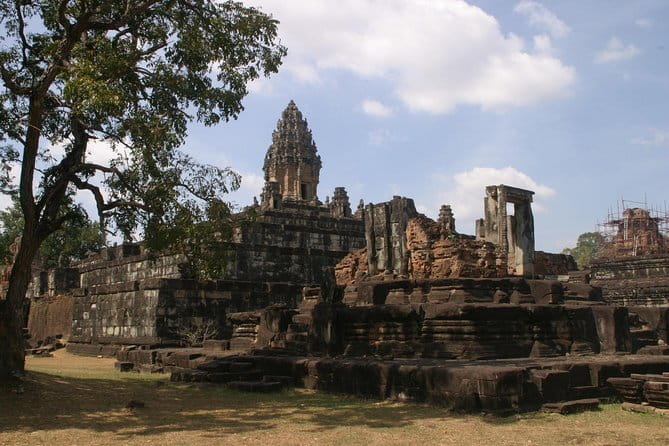
Next up is Bayon Temple, part of the Angkor Thom complex area. You’ll have about 2 hours here, and admission is listed as free on this route.
Bayon is described as a Buddhist-style temple built in the late 12th or early 13th century by Jayavarman VII. The most striking detail is the 54 towers, representing provinces during the Khmer empire. In practice, those towers create a sense that the temple is watching you—because the faces are everywhere from multiple angles.
Why this stop works well on a bike tour: you can get to the temple, park, and focus on temple details without spending extra time negotiating transfers. Also, cycling between Angkor Wat and this part of the complex helps break the emotional “big temple” monotony that can happen when every stop feels equally massive.
Good to know: Bayon and several later stops are listed as free. That’s a real value win on a day that also includes bike time and guide time.
Chau Say Tevoda: a quick stop that adds texture
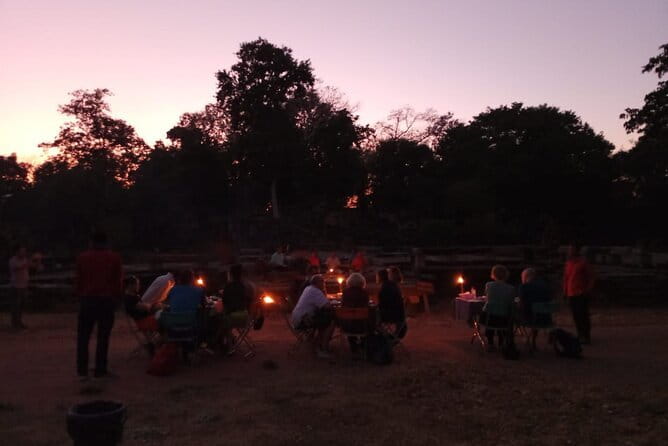
You’ll then visit Chau Say Tevoda, a temple located east of Angkor Thom. It’s described as a mid-12th-century Hindu temple in the Angkor Wat period, and it sits near Thommanon across Victory Way.
Time here is about 30 minutes, and admission is listed as free. That short slot is perfect if you want variety without losing your day. Chau Say Tevoda helps you feel how Angkor wasn’t just one style or one century—it shifted, repurposed, and grew.
If you like taking photos, this is also a nice “breather stop.” You can see something a bit different from the main crowd magnets.
Ta Prohm: jungle galleries and a slower 2-hour moment
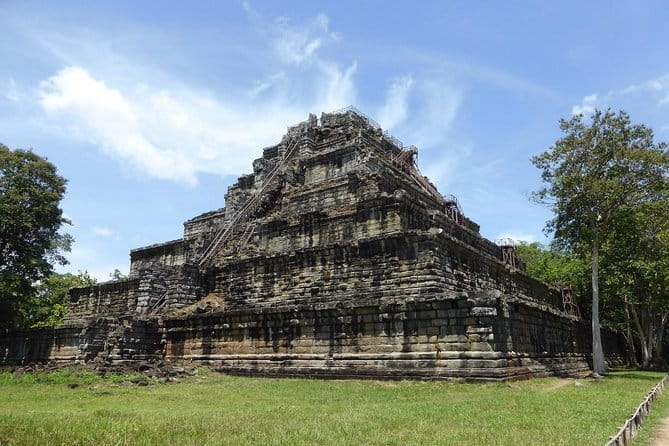
Then comes Ta Prohm, with about 2 hours on the ground and admission listed as free.
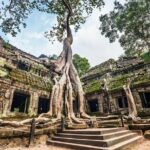
Ta Prohm was built in the late 12th century by Jayavarman VII and dedicated in 1186 to his mother. The description also notes it originally had a Buddhist background and later became Hindu, so the temple carries layers. You’ll also see temple galleries surrounded by roots and dense growth, which is exactly why Ta Prohm feels like Angkor is still alive around the stones.
I like putting a stop like Ta Prohm after a couple of other temples. By then, you’re already in the mental zone. The slower pace—2 hours is generous here—lets you watch how the jungle framing changes your views as you walk the edges.
Practical note: Ta Prohm’s setting can be hot and shaded in odd spots. Bring your energy for walking on uneven ground, even if the day overall includes lots of cycling.
Ta Nei and the East (Death) Gate: smaller stops with real payoff
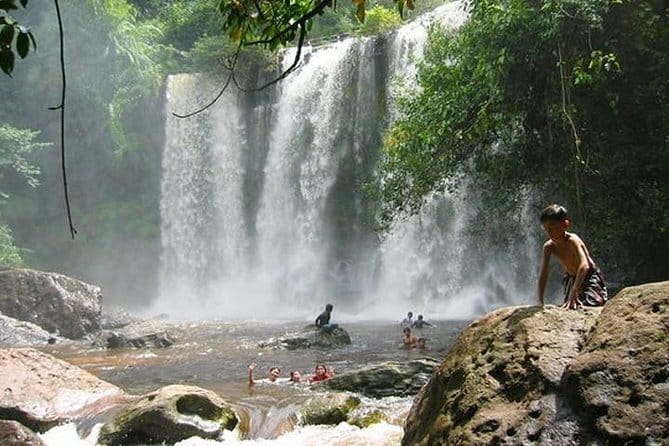
Two final pieces round out the day.
First is Ta Nei, about 1 hour, and admission is listed as free. Ta Nei is described as a late 12th-century stone temple built during King Jayavarman VII’s reign, near the northwest corner of the East Baray, a holy reservoir. It’s said to be dedicated to the Buddha.
Ta Nei is a good “cool your brain” temple. Big sites can overload your senses. A smaller temple helps you absorb details—stone forms, placement, and the way the site fits into the surrounding grounds—without feeling like you’re sprinting for the next famous photo spot.
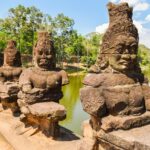
Then you’ll reach the Bayon Temple East (Death) Gate, with about 30 minutes listed. This gate is one of five that guards Angkor Thom. It was built in the late 12th century by Jayavarman VII as part of the reconstruction after the victory mentioned in the temple descriptions.
Why I like ending with a gate: it gives you a sense of the city scale. Temples are easy to think of as separate icons, but gates and thresholds make you remember Angkor was a planned, walled world.
Bikes, helmets, and real riding comfort in Siem Reap heat
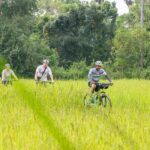
This tour includes a mountain bike and helmet, plus cold drinking water. That’s the baseline.
In the day-to-day reality of riding in Cambodia, helmets and a bike that feels solid matter more than people expect. A couple of past riders highlighted that the ride felt safe and that the bikes were high quality, with the guide leading the way through backroads and well-paved stretches. Another theme was how the route helped keep the day adventurous without turning it into chaos.
Expect some effort. Even if the tour is described as leisurely, you’re still cycling in an area where paths may be uneven and conditions can be humid. If you’re not comfortable on a bike, you’ll want to communicate that early so the guide can adjust how much cycling you do.
Also, the tour is built to be group-friendly. Since it’s private, you’re not stuck with a schedule that ignores your pace. That’s a big deal when you’re trying to balance temple time, rest stops, and photos.
Who this tour suits best (and who might want a different style)
This is a great match if you want:
- A more active way to see Angkor without spending every day walking
- Quieter temple moments and a feel for the areas between major stops
- A guide-led route that still leaves room for personal pacing
- A day that includes both big-name highlights and less expected temples
It’s also a strong choice if you’re traveling with people who don’t love the same travel style for six straight hours. Cycling naturally breaks up the “temple after temple after temple” pattern.
You might reconsider if you:
- Don’t want to pay the extra $37 Angkor Temple Pass for Angkor Wat
- Aren’t comfortable riding a bike for part of the day in warm weather
- Prefer a fully vehicle-based tour where you never leave the comfort of a car
Should you book this Angkor Wat cycling tour?
If your ideal Angkor day includes more movement, more backroad feel, and less time trapped in crowds, this is a smart booking. The mix of included guide time + bike + helmet + water, plus several free temple stops, makes the $45 price more meaningful than it looks at first glance.
I’d book it if you’re ready for a 6 to 8 hour day that balances cycling with temple time, and if you can handle the additional $37 Angkor Temple Pass for Angkor Wat. If you want the most famous sites only with no riding element, a different style of tour could fit better.
FAQ
Do I need to buy an Angkor Temple Pass for Angkor Wat?
Yes. The Angkor Temple Pass for Angkor Wat is listed as $37 per person and is not included in the tour price.
What’s included in the price?
The tour includes an English-speaking guide, pickup and drop-off, cold drinking water, and a mountain bike with a helmet.
What time does the tour start?
Pickup from your hotel is at 7:30 am.
How long is the tour?
The duration is listed as approximately 6 to 8 hours.
Is this tour private?
Yes. It’s described as private, with only your group participating.
Which temples have free admission on this route?
Bayon Temple, Chau Say Tevoda, Ta Prohm, Ta Nei, and the Bayon Temple East (Death) Gate are listed as free admissions on this route. Angkor Wat is not.
Is cancellation free?
Free cancellation is available if you cancel up to 24 hours in advance for a full refund.
Is there an option for a mobile ticket?
The tour information indicates mobile ticket is available.